
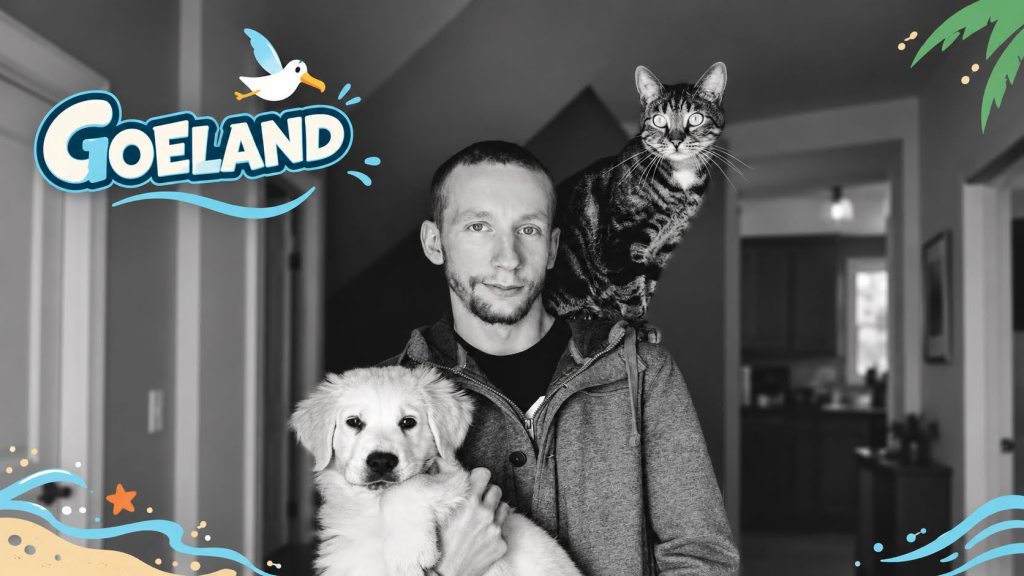
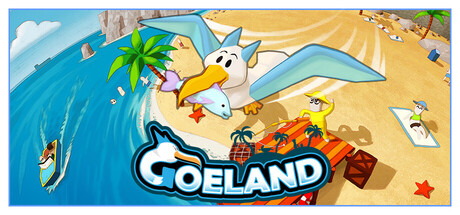
We’ve already spent enough time with the demo for Goeland: Seagull Adventure to know that the island’s residents aren’t particularly fond of our feathered troublemaker. We steal things, poke around where we shouldn’t, and end up being chased for our naughty efforts. But Bryan Martinet, the solo developer behind Maarti Games, has witnessed something even better: one of his own citizens getting arrested over a seagull.
Bryan is building a sandbox where people, police officers and the bird follow their own rules. Those rules don’t always lead to the outcomes he expected, which is part of the appeal. We spoke with him about the accidents these systems create, the changes he’s made to flying, and how he decides which ideas are worth pursuing on his own.
This interview would not have been possible without the wonderful people at Dead Good Media PR. Many thanks to Fabi Reichsoellner!

An Island Full of Unplanned Trouble
The arrest began with a rock, a policeman and an unfortunate bit of positioning.
At one point, a citizen tried to throw a rock at me, but I was hiding behind a policeman, so the policeman ended up taking the hit instead. My system registered the citizen as a threat, so the policeman grabbed them and took them to jail!
That’s what’s fun about building a sandbox out of independent systems: they can create unexpected situations, even for the developer. 😅 I’ve limited this particular interaction for now, but I plan to bring it back soon.
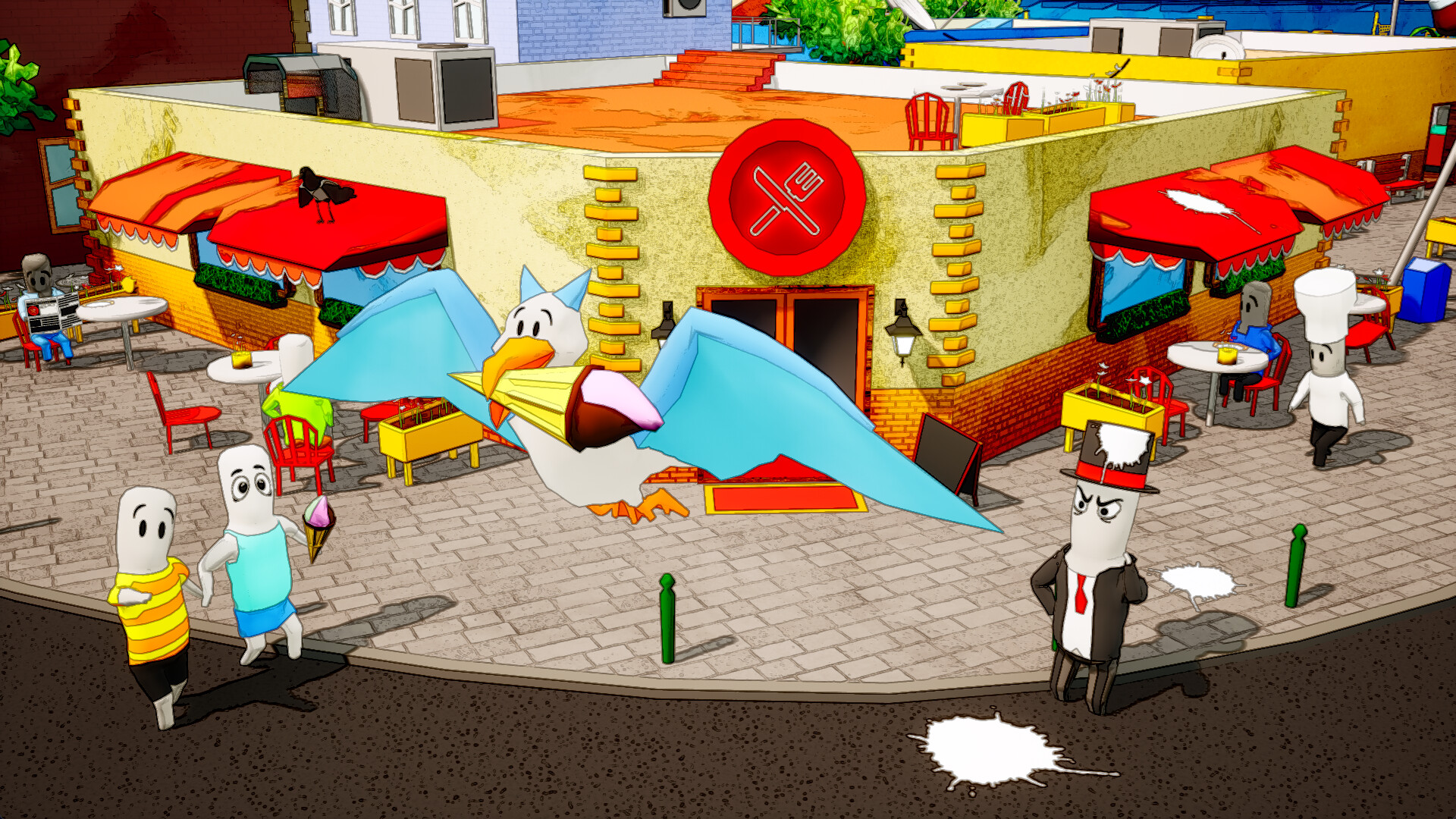
That interaction has been limited for now, although Bryan wants to bring it back. We hope he does. A game that lets us cause trouble is one thing; a game where the residents can get each other into trouble without our help sounds even more entertaining. The same freedom raises a bigger question, though: how much of the damage we cause should stay that way?
My goal is for permanent changes to simply expand what’s possible in the game, rather than locking players out of content because they didn’t do something in time. I want players who aim to complete 100% of the game to be able to do so in a single playthrough, without being forced to start over.
Some changes are cyclical, too, for example, you might destroy a building, only for someone to come along and repair it later.
Beyond that, I like giving players as much freedom as possible to experiment without forcing them to play in a particular way.
Giving a Seagull Room to Fly
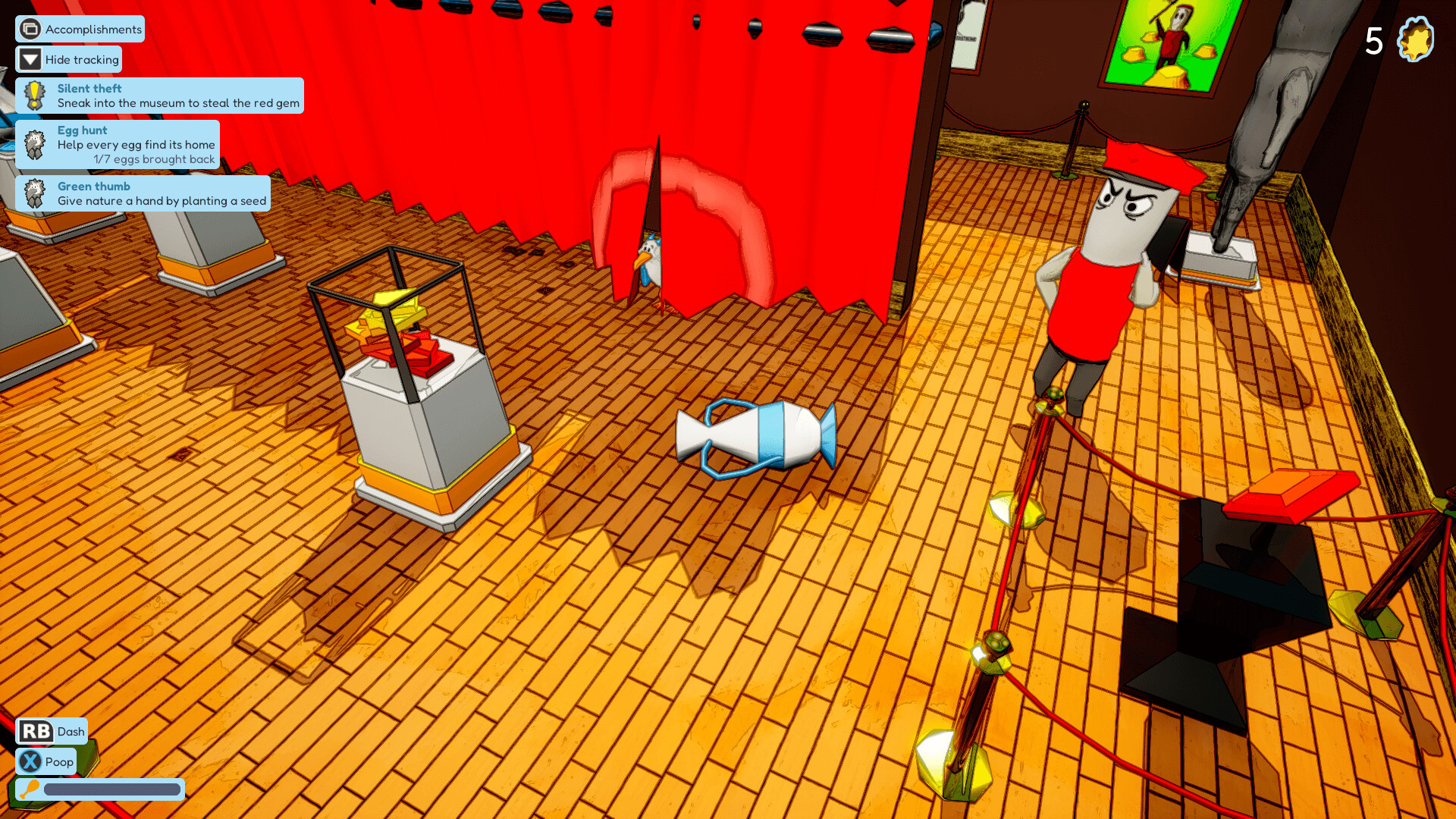
It’s easy to get distracted by everything happening on the ground, but we still need to travel around a sizeable island. Bryan has been revisiting flight after hearing from players, with an emphasis on making movement enjoyable rather than perfectly realistic.
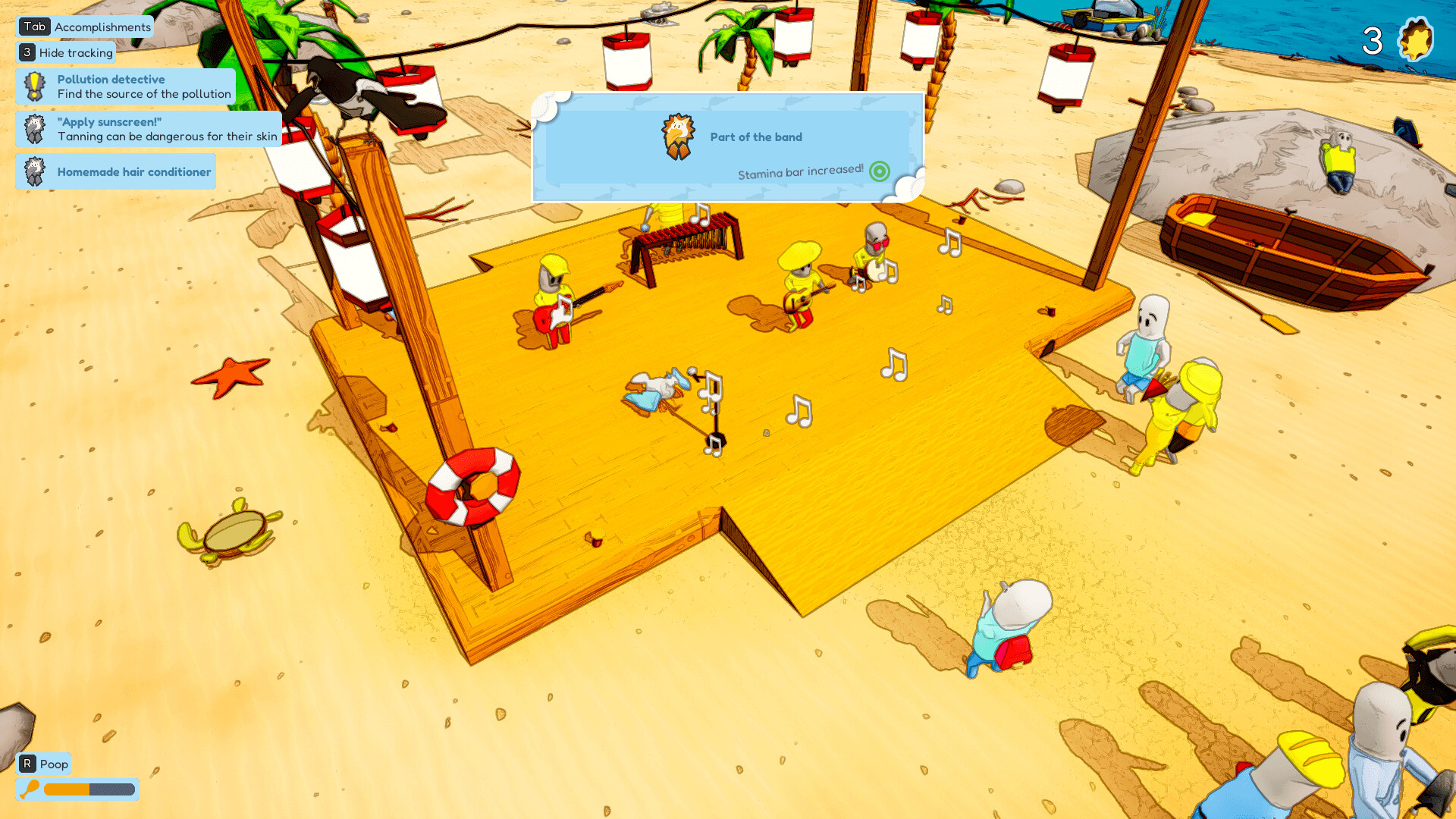
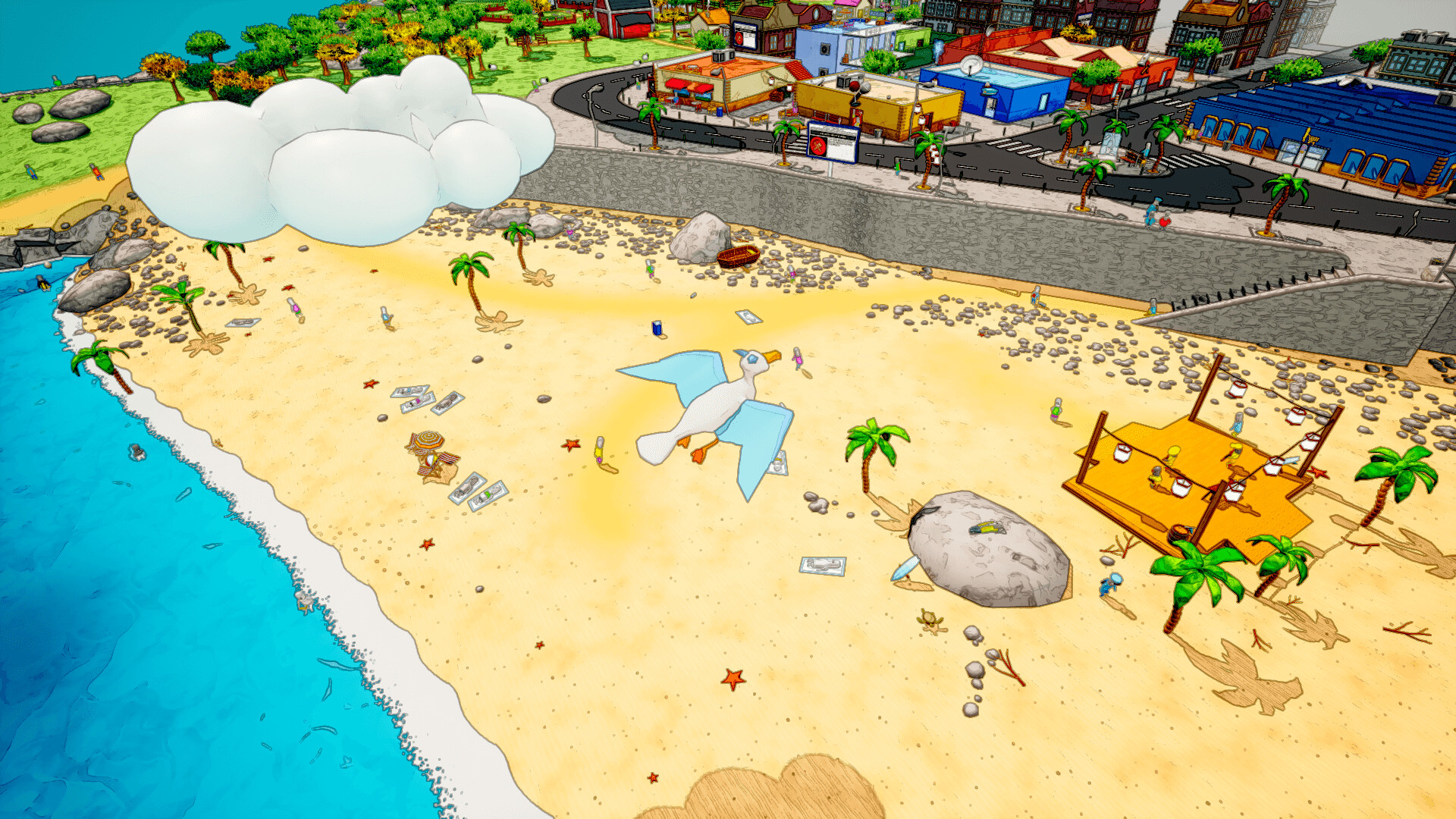
Goeland is an open-world game where you can spend quite a lot of time flying, so I think it’s important to make traversal fun and less linear. One of the changes I made was adding inertia to flight, allowing the bird to gain speed when diving, I also created more flying animations to make them more convincing. I’ve also scattered clouds across the map that give you a speed boost when you fly through them, gamifying the traversal a bit. On top of that, I’ve added new abilities to unlock, such as “Charged Takeoff”, which launches you straight into the sky.
All of this makes movement feel much more dynamic and fun. When it comes to animations, I always prioritize responsive gameplay over realism.
We like that approach. Being able to dive for speed or launch into the sky should make exploring a lot more enjoyable, especially when we’re moving between jobs, puzzles and opportunities to be a nuisance.
A Little More Than Mischief
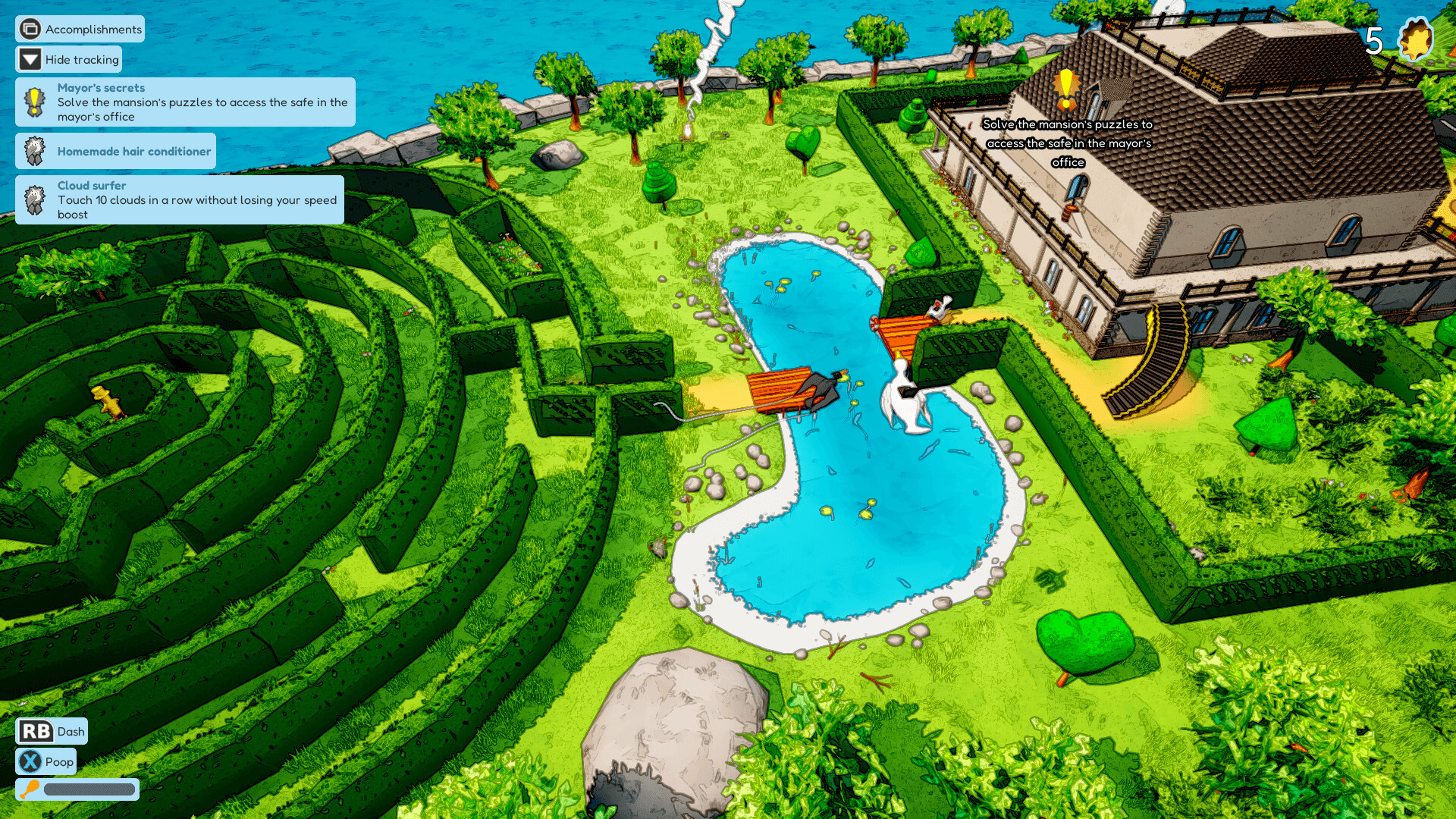
There’s also a quieter concern beneath the stolen belongings and angry citizens. Pollution is threatening the island, and Bryan wanted that story to sit alongside the comedy without turning the game into a lecture.
The environment and animals are subjects I care about, so it’s only natural that they find their way into my games. I want to maintain a lighthearted atmosphere, while giving players a reason to grow attached to the island they are exploring. But I try to address these themes without being moralistic, it is first and foremost a video game, it should be fun to play and make us experience emotions.
That attachment to the island matters for another reason: our actions can help its residents as well as annoy them. We enjoyed both sides of that in the demo, even if our behaviour wasn’t always something to be proud of.
When the Audience Joins In
Streamers may have an even harder time staying out of trouble. Through Twitch Channel Points, viewers can join the island as citizens and affect the adventure. Bryan has put some limits on how often they can intervene, but he’s quite happy to let a stream become a little chaotic.
I’ve put some basic limits in place, for example, viewers can reward the streamer, but they can only do so once every two minutes (globally). That said, the streamer remains in control and can adjust the cooldowns and the cost of each action if they want to.
I’m also sticking to the same philosophy of giving players as much freedom as possible. I don’t want to impose too many restrictions. This is a fun single-player game, not a competitive multiplayer game, so if your viewers derail your adventure, so be it! That can lead to some fun moments for your whole community to share.
After hearing about the policeman, the changing island and the Twitch interactions, we wondered how one developer keeps all those moving parts manageable. Bryan’s answer also explains why the game can produce situations nobody deliberately scripted.
You can take on big projects by breaking them down into smaller, independent systems. This makes everything easier to maintain over time, without needing to understand the entire project just to work on one part of it.
When things get complicated, think about your future self. Ask yourself, “Will I easily understand how this works?” If the answer is uncertain, simplify it, give things clearer names, or leave yourself a comment.
As for deciding which features to keep when time is running out, I’d say you need to weigh the development cost against how much value the feature actually adds to the game, and then verify that through playtesting. Sometimes you’re really proud of a feature, only to discover that players rarely come across it.
That said, I still think it’s worth spending time on little details every now and then, even when you know only a handful of players will ever notice them. In my opinion, those little touches are part of what makes certain games memorable.
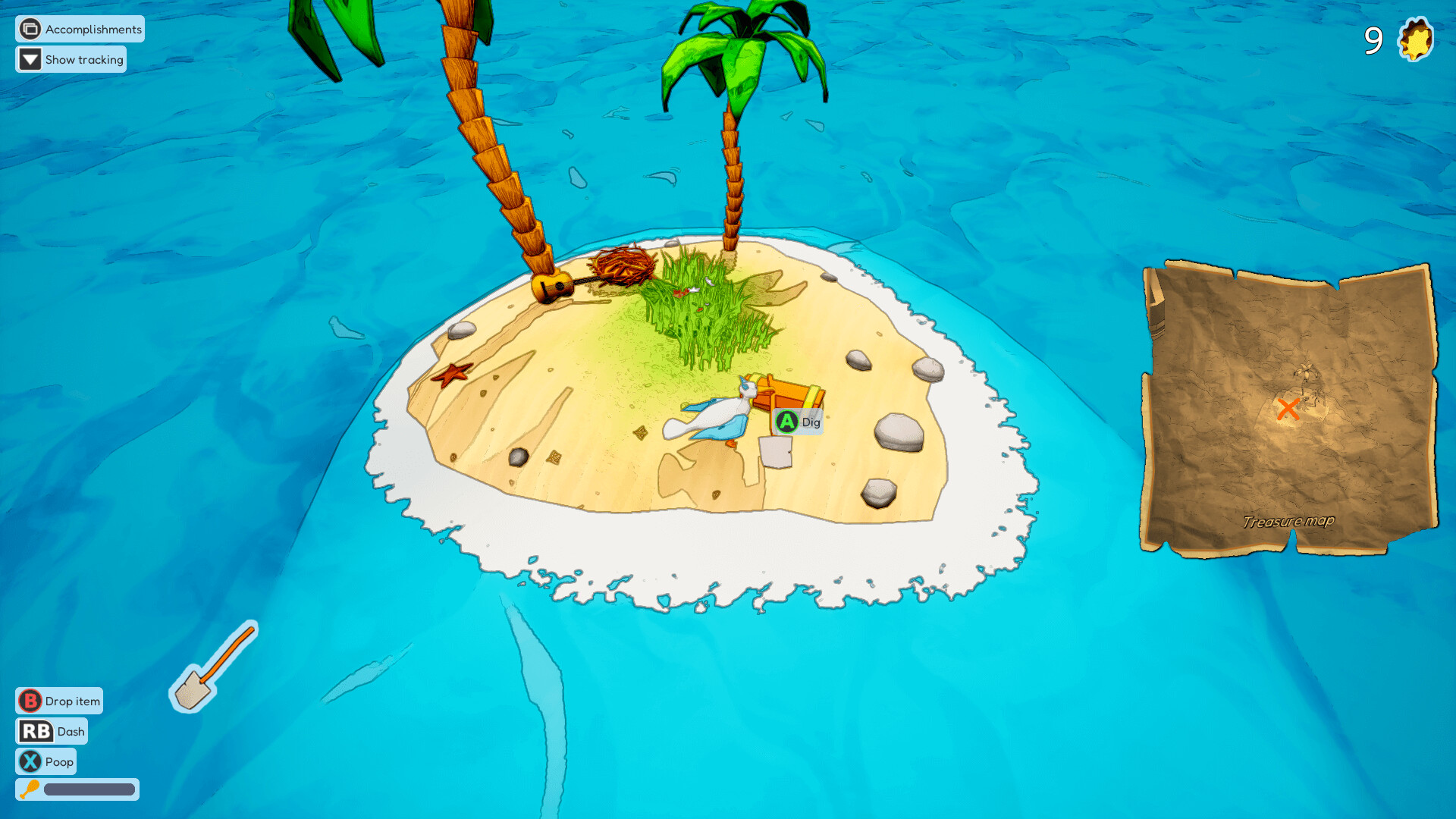
That last point about small details stayed with us. The things that make us laugh in a sandbox are often the things we didn’t expect to find, and Bryan seems to enjoy discovering them as much as his players do. We’d like to thank him for sharing his experiences with us. We’re looking forward to returning to the island, although we can’t promise its residents will be pleased to see us.
Goeland: Seagull Adventure is planned for PC in Q4 2026, and a free demo is available on Steam.


Leave a Reply