
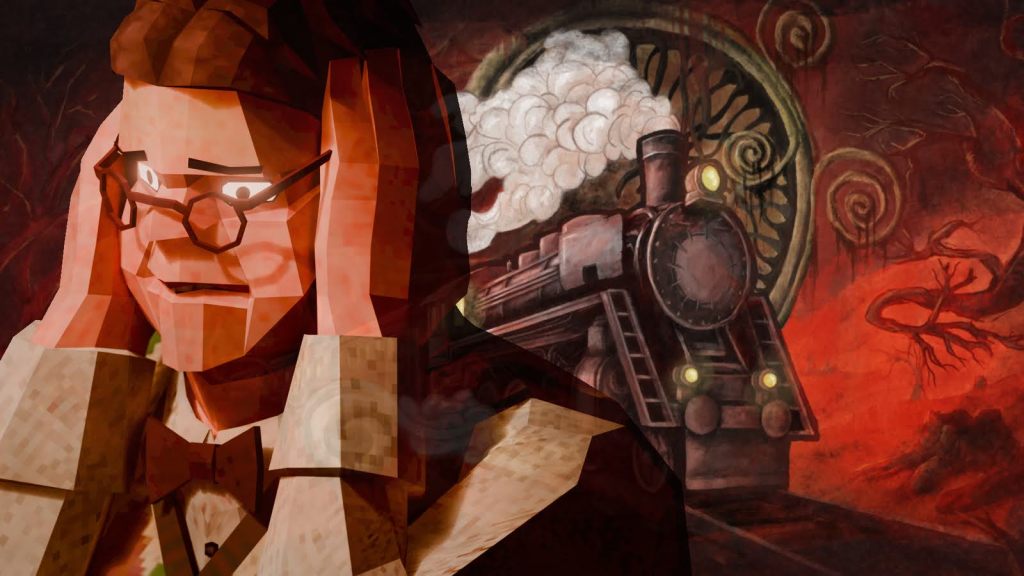
We’ve never been on a train, but we imagine being trapped on one with the last survivors of humanity isn’t exactly our idea of a pleasant journey. Add to that the discovery that someone must be sacrificed to keep it moving, and it becomes pretty clear that you’re right in the middle of hell, or pretty close to it. Dreadline Express combines this disturbing premise with psychological horror and an unusual card-based puzzle system. We’ve enjoyed exploring the train and investigating its mysteries, but some of the puzzles have really pushed our buttons. Join us after the trailer as we try to figure out whether it’s because of the puzzles or because we’re just dumb (hint: it’s the second one).
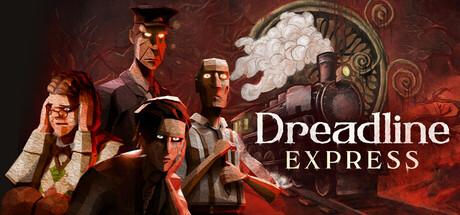
All Aboard the Last Train
The world has suffered a terrible catastrophe, and what’s left of humanity is travelling aboard a mysterious train. We wake up in one of its compartments, with little knowledge of our surroundings or how we ended up there. Before we can properly understand what’s happening, we find out about a rather unpleasant tradition. A lottery determines which passenger must be sacrificed to keep the train moving, and, no need to guess because you’d get it right, our name is drawn. Before you guess correctly again, the sacrifice is interrupted, and we’re given the responsibility of choosing another unfortunate passenger to take our place. Lovely!
We don’t mean to make light of the story. The narrative is well thought out, and apart from the beginning, very little is predictable in this absolutely dreadful first-person psychological horror adventure, where the focus is on investigation, storytelling, and difficult decisions. The train is relatively small, but its passengers have plenty of stories to tell and even more secrets to hide. As we explore the compartments and question the people aboard, we learn more about their circumstances, the mysterious train, and all the terrible events that brought humanity to this point. We enjoyed the story greatly, and we wouldn’t dare discuss much more, as discovering these secrets is an important part of the adventure.
Playing Our Cards Right
We mentioned the unusual card-based system, and we have to point out how cleverly the devs have implemented it. We don’t like cards or anything that has to do with them, and we make a point of staying away from card-based games whenever we can. We just don’t have the patience or the cleverness for them. But this one here? We enjoyed it quite a bit because of how it works. Almost everything we discover can become a card, including objects, people, memories, and information. These cards are collected in an illustrated album, and we use them to communicate with passengers, investigate objects, and solve puzzles.
We can select up to three cards at a time, combining them to ask specific questions or perform different actions. For example, the Apothecary card represents our character’s profession and can be used to introduce ourselves to someone. Combining it with the Wife card allows us to discuss our own family, while using the Wife card alone can lead to a more general conversation about family.
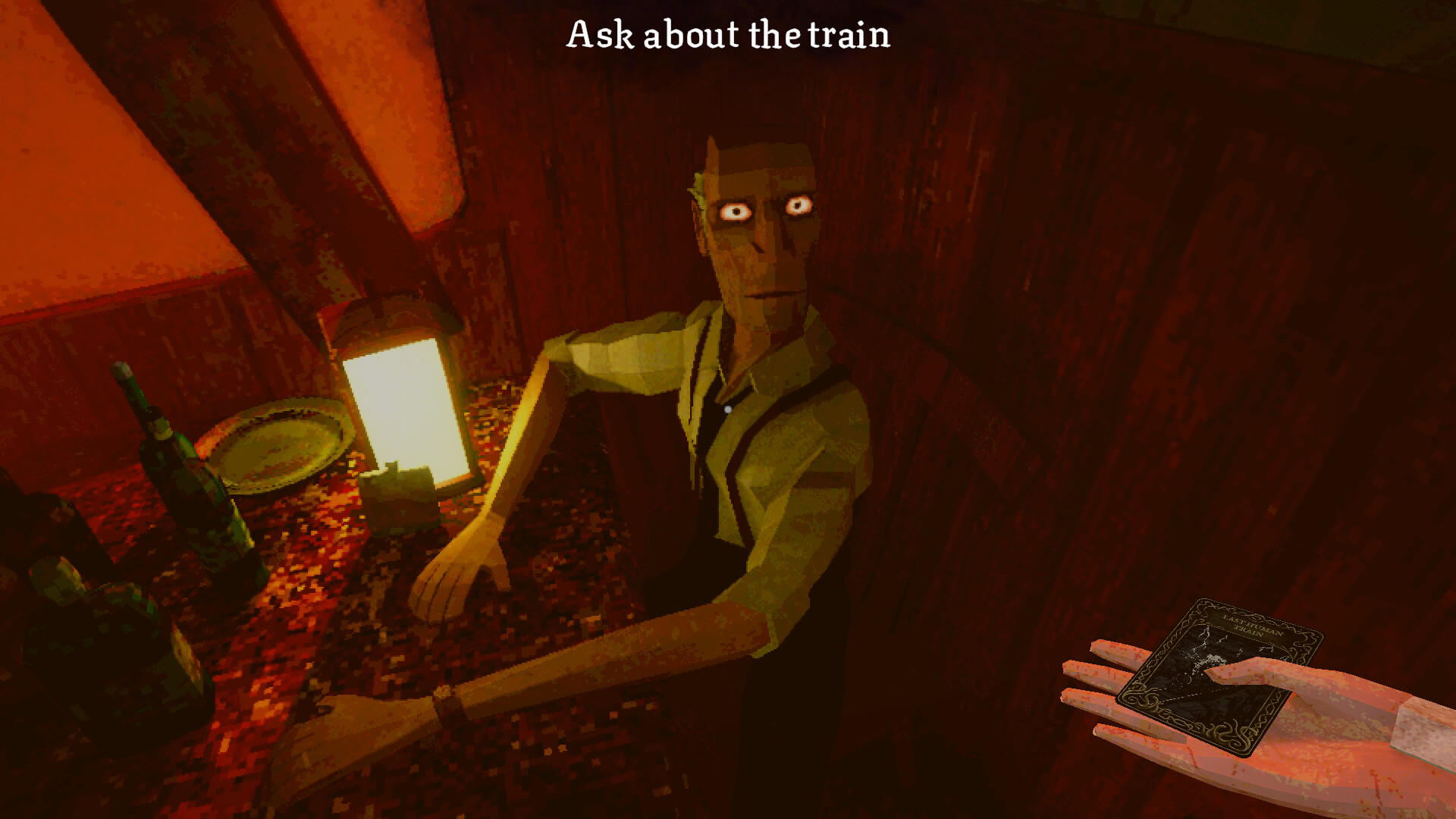
It’s a very interesting approach to dialogue because it made us think about what we wanted to ask and which cards might help us get the information we needed. A conversation with one passenger might reveal something useful about another. This, in turn, encouraged us to return with new questions. We also needed to pay attention to our surroundings, examine objects, and remember details that could become important later.
There are different ways to approach certain problems, and some decisions can influence how the story develops. We appreciated the freedom to investigate at our own pace, although the game expected us to do much of the thinking ourselves. It didn’t help that there were no convenient objective markers constantly pointing us towards the next discovery. Still, we persevered because we wanted to uncover more secrets, and experimenting with the cards was often quite rewarding.
A Rather Unpleasant Place to Be
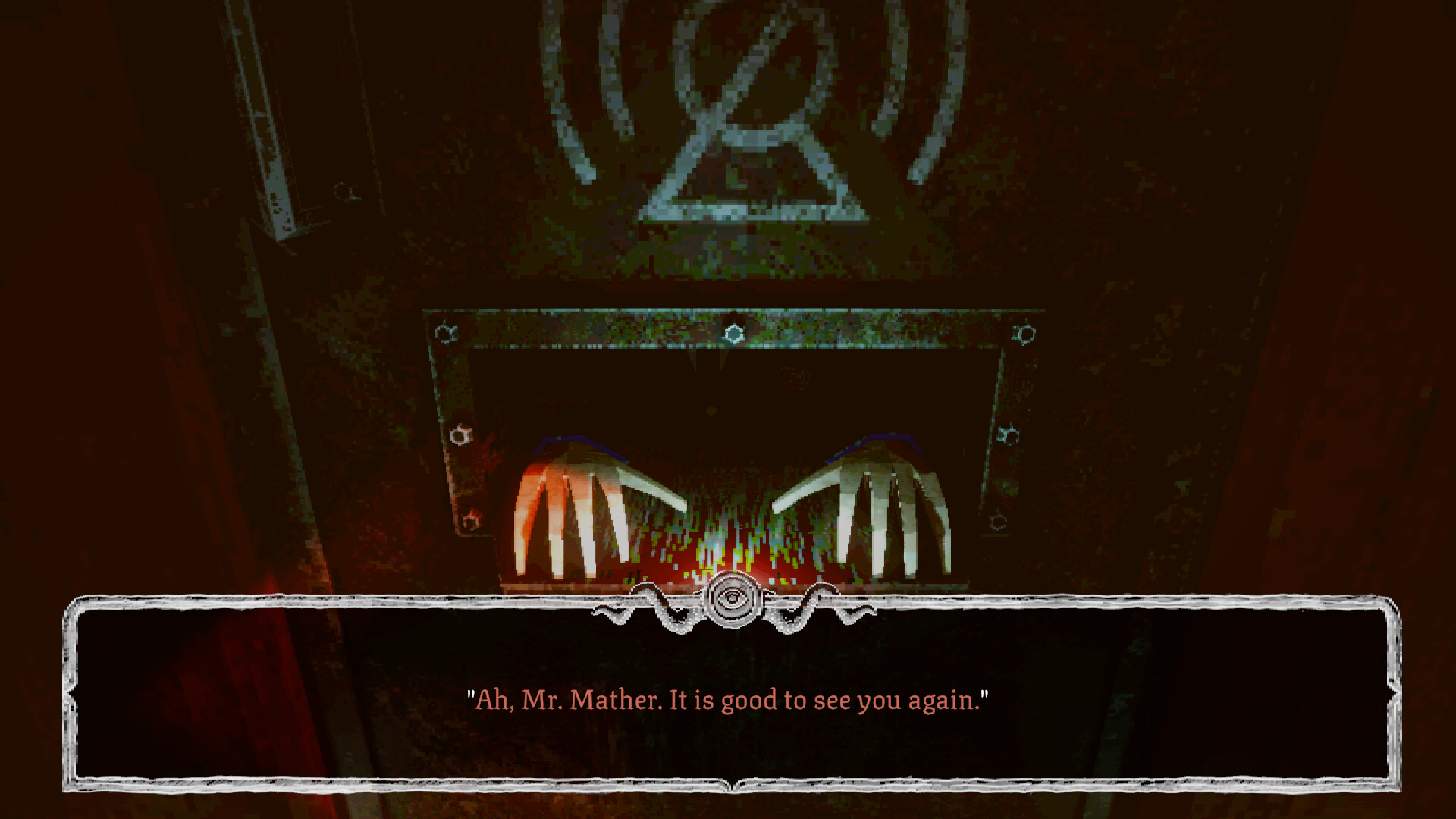
We also enjoyed the low-poly graphics and how remarkably well they work with the disturbing setting, especially the cramped compartments, dark corridors, and strange passengers whose unsettling eyes seem to follow our every movement. It’s a depressing game where hope is on life support or, like a distant star, already dead without us knowing it yet.
Candlelight illuminates parts of the train, dancing and playing nonchalantly while an ominous red glow seeps through the windows. It constantly reminds us, almost effortlessly, that the outside world has become a terrifying place. The creaking surroundings and eerie music only strengthen this inescapable feeling that comfort is out of reach and the mystery runs far deeper than we initially imagined.
The horror relies heavily on the setting, the characters, and the disturbing information we uncover, but don’t be under the impression that we’re constantly running away from monsters or fighting for our lives. Much of our time is spent talking, investigating, and trying to understand what happened to the world. Although the train offers relatively few locations to explore, we liked the attention given to its atmosphere and small environmental details. We preferred it that way!
When the Cards Become a Problem
Unfortunately, the card system isn’t always as enjoyable as we’d like, but since we usually avoid card-based games, what we’re about to say might not apply to you. Our biggest complaint, and this is a very personal and very much subjective one, concerns combinations that can be difficult to figure out, even when we understand what we’re trying to accomplish.
Some connections are logical enough, but others leave us wondering which cards the game expects us to use. When plenty of possibilities are available, experimenting can become repetitive, especially when we’re stuck and have exhausted the combinations that seem reasonable to our feeble minds. We also spent considerable time opening the album, selecting cards, and returning to conversations. This can slow down the pace, particularly when we’re repeatedly trying different combinations with the same passenger. We’re also weird, and we often tried the same combinations again, expecting a different outcome. But, again, that’s us.
None of the above stopped us from enjoying our time with Dreadline Express. Its unusual mechanics worked far better for us than we ever expected, and we absolutely loved the disturbing atmosphere and intriguing story. It was the story that kept us going, and we didn’t mind the small annoyances nearly as much because of it. So, if you enjoy psychological horror, detective adventures, and careful observation, this is a train worth boarding.
Our score: 8/10
- Game: Dreadline Express
- Developer: David Konecny
- Publisher: Shoreline Games
- Release Date: October 16, 2026
- Platform: PC
- Genre: Psychological Horror / Mystery / Adventure
- Game Mode: Single-player


Leave a Reply