

Over the past few weeks, we’ve had the absolute pleasure of talking to four indie developers about four very different games. We’ve discussed murder mysteries, anime romance, farming competitions, old-school beat ’em ups and Nintendo 64 shooters. We’ve asked about gameplay mechanics, storytelling, unusual design decisions and some of the problems that developers encounter while bringing their ideas to life. And, as we went through those interviews again, we realized that some of the most interesting answers had very little to do with the games themselves. They were about the development process, the mistakes made along the way and the things the developers wish they’d known earlier.
So, we thought we’d bring some of those conversations together. After all, we spend an enormous amount of time playing games, discussing their mechanics and occasionally complaining about things that annoy us, but we rarely get to hear how those things came to exist in the first place. It’s all about what happens when a mechanic that sounds wonderful turns out to be absolutely dreadful. How do developers know when to modernize an old idea, and when should they leave it alone? And what happens when players decide to play a game in ways nobody anticipated? We had four developers with some rather interesting answers.
You Can Plan Everything. Players Will Still Surprise You.
We’d like to believe that developers have a reasonably clear picture of how their games will work before players get their hands on them. Enemies appear in specific locations, characters perform their carefully designed attacks, and the difficulty increases as we make our way through a level. Except that things rarely go exactly according to plan, especially when we’re dealing with games where timing, positioning and movement are so important.
Marcel Bernardi, whom we interviewed about Blades & Battles, explained how much work goes into balancing a traditional beat ’em up. We’re talking about games where enemies surround us, attacks come from different directions and positioning can determine whether we finish an encounter comfortably or spend the next few minutes getting knocked around like a punching bag. His team usually begins with a plan for enemy encounters, but those initial ideas tend to get discarded during the first proper playthroughs. As Bernardi put it, “The real balance comes with a lot, and I mean a lot of playtesting.”
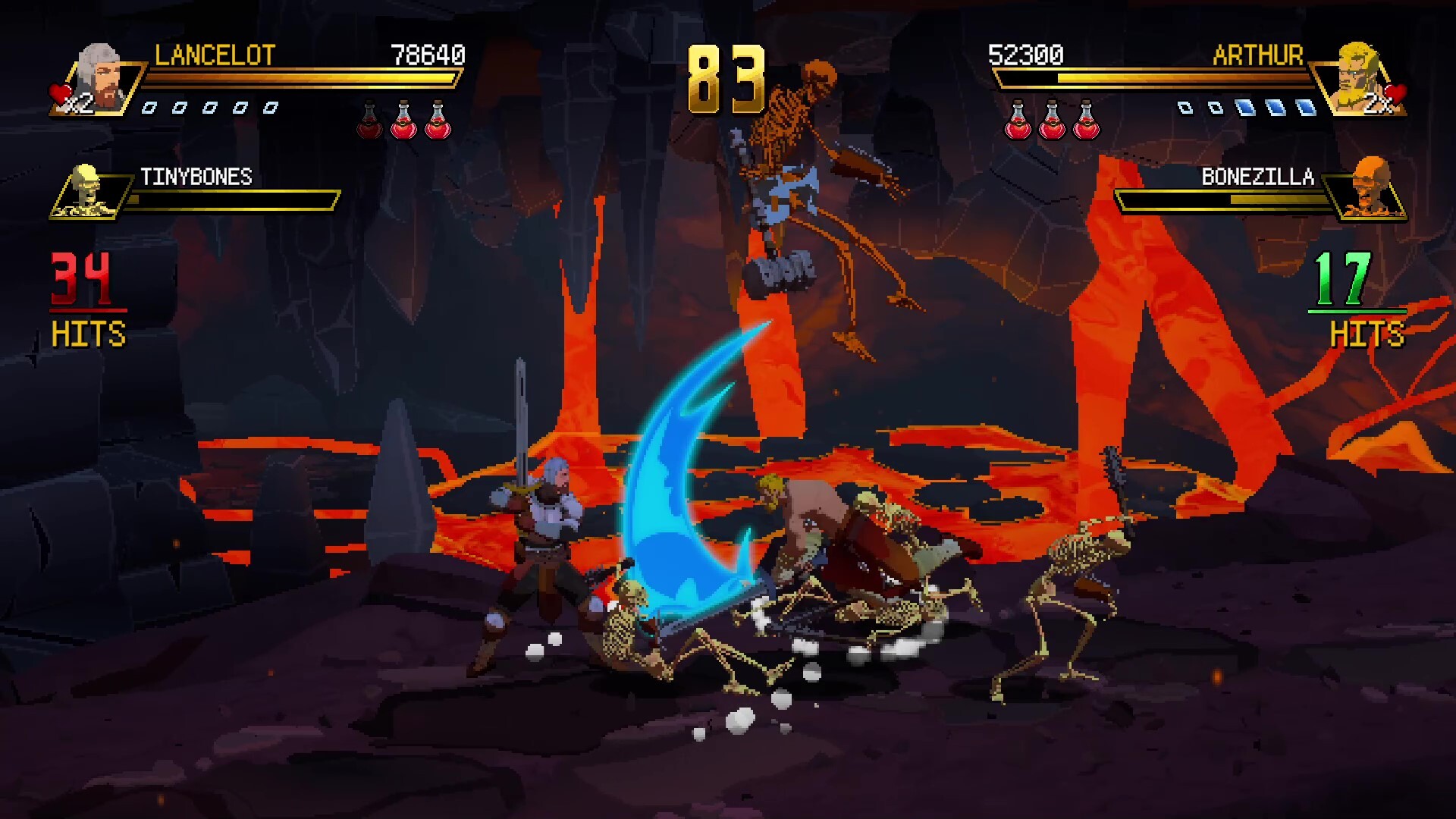
We can certainly understand why. How many times have we played a game and wondered whether anybody actually tested a particular encounter? We imagine that placing five enemies in a room sounds reasonable until somebody discovers that three of them can continuously interrupt our attacks while the other two keep us trapped against a wall. It’s the kind of problem that becomes obvious once the controller is in somebody’s hands, and it also explains why balancing a game must be such an exhausting process. Adjust one enemy, and the entire encounter might behave differently.
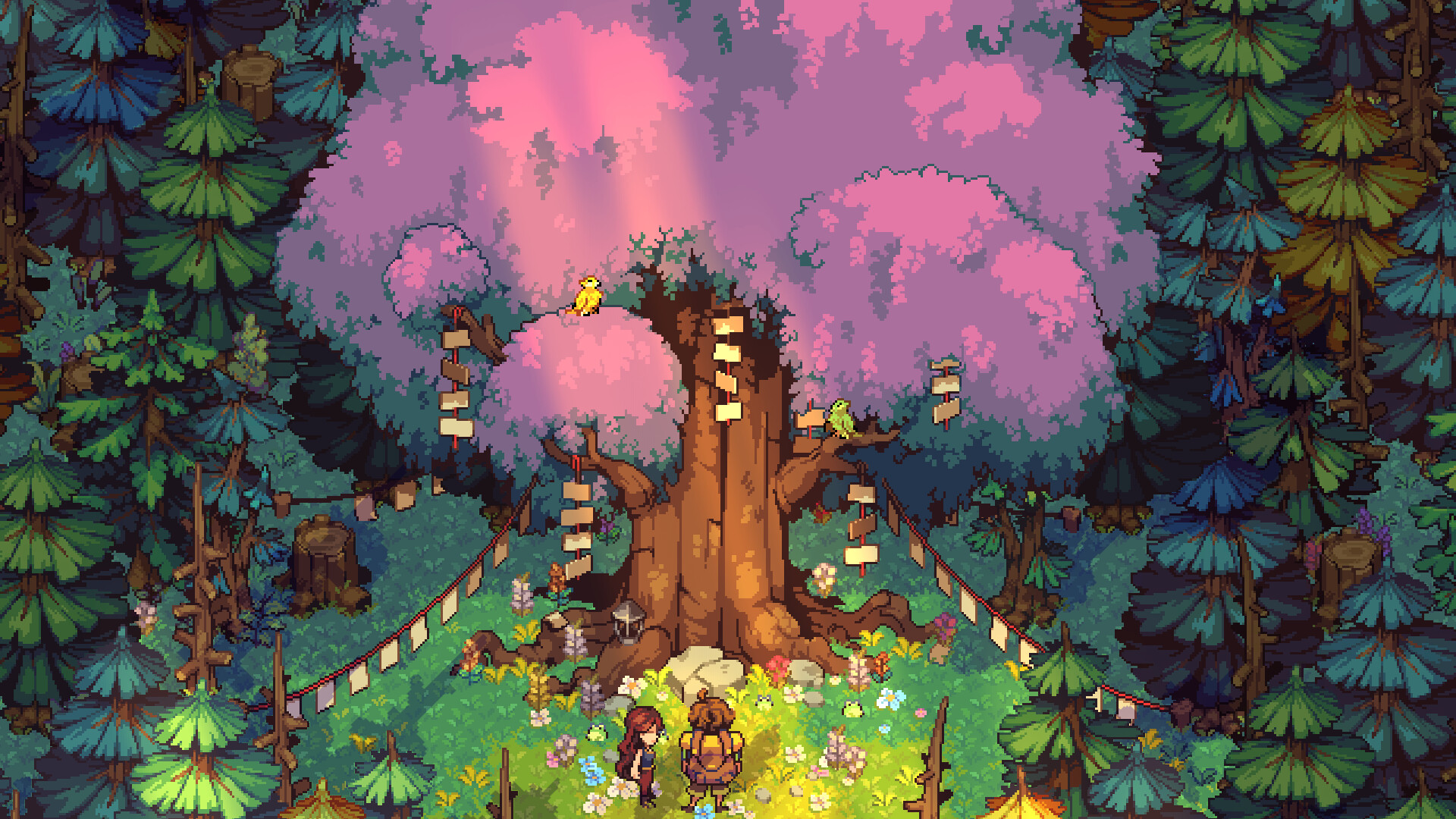
Rafael Magnino, Project Manager at Innerfire Studios, encountered a completely different problem while developing Farming Camp. His game brings together farming, fishing, animal care, socializing and a competition where every day counts. During playtesting, the team discovered that players had wildly different priorities. Some spent their days talking to NPCs while their companions took care of the chores. Others concentrated on fishing, farming or looking after animals. All perfectly reasonable activities, but quite a headache when you’re trying to balance a game around limited time.
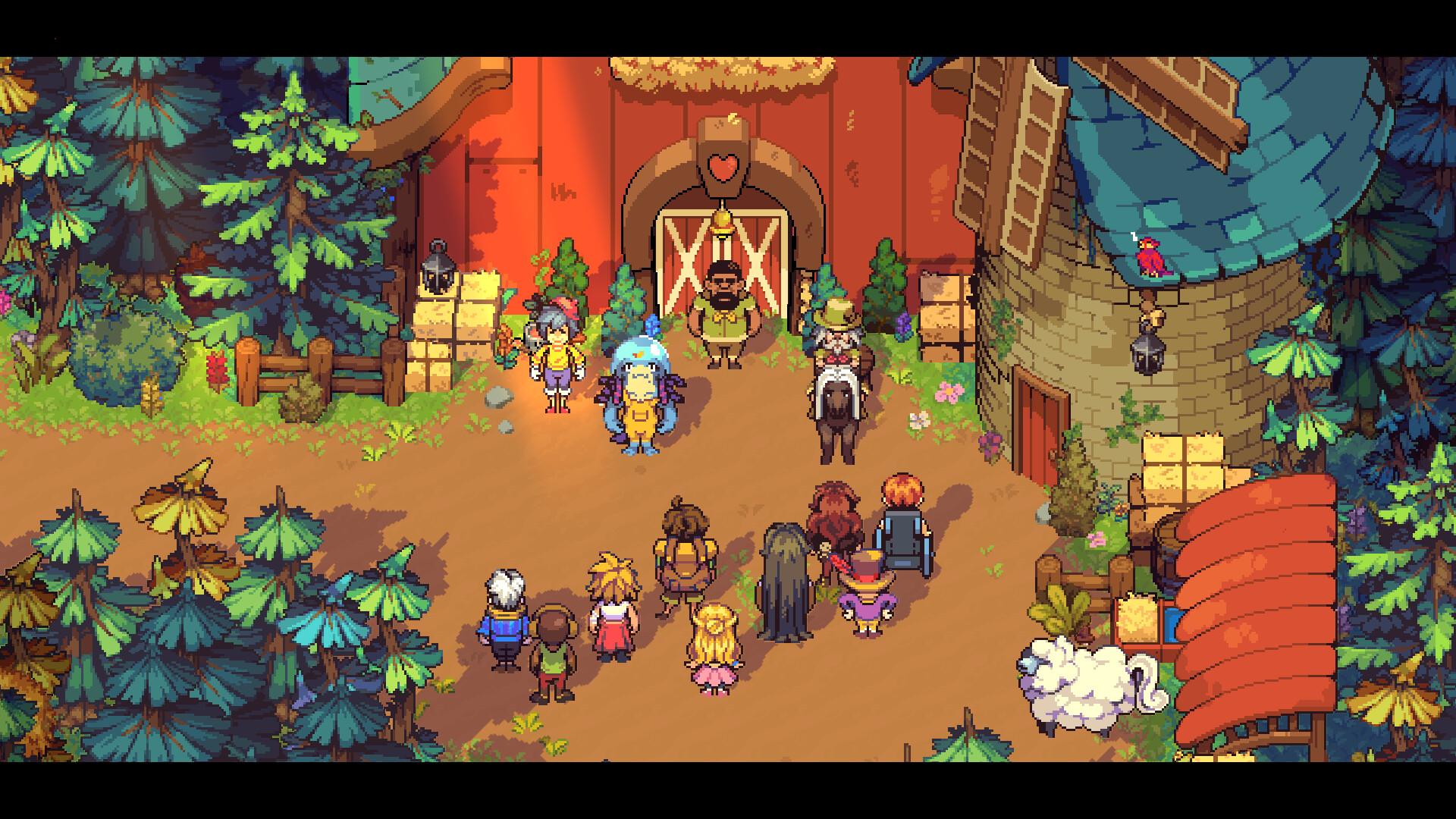
One particularly amusing complication involved conversations. Since everything in Farming Camp revolves around time management, talking to somebody can take away valuable minutes that might otherwise be spent working. The developers discovered that not every conversation deserved to consume part of the day, so they adjusted the system to better reflect the importance of individual interactions. We like the thought that somebody had to sit down and decide which conversations were important enough to take up our time. Then again, we wouldn’t mind having that feature in real life either.
Nobody Enjoys Being Told They’re Playing a Game Wrong
Farming Camp also brought up another subject that we feel strongly about: allowing people to enjoy games at their own pace. We all approach games differently. Some of us love optimizing everything, carefully planning every action and making sure that not a single resource goes to waste. Others would rather spend half the afternoon fishing, talking to characters and generally doing anything other than the thing we’re supposed to be doing.
Magnino explained that the competition in Farming Camp wasn’t designed to force players into one particular routine. The companion system allows us to delegate chores, and building relationships with our teammates improves how effectively they work. Players can concentrate on the activities they enjoy without falling hopelessly behind in the competition. He summed up the team’s thinking rather nicely: “A player can be as optimal or laid back as they like and still have a chance to win.”
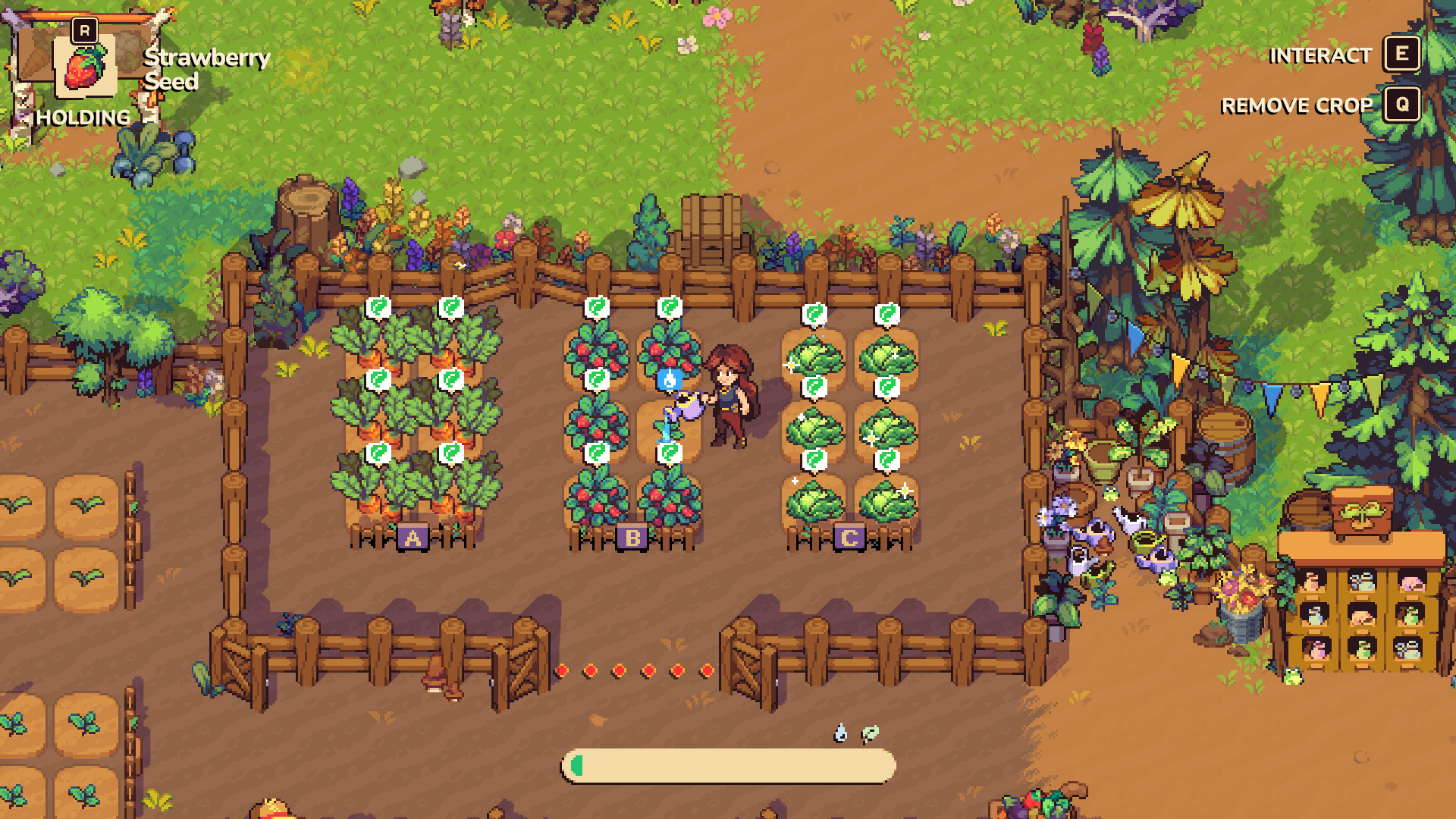
We appreciate that philosophy, especially when we’re dealing with games that want us to relax while simultaneously presenting us with a long list of responsibilities. We already have plenty of those outside our gaming sessions, thank you very much. Of course, Farming Camp still has objectives and a ticking clock, but Magnino and his team have tried to accommodate different playstyles without making the competition meaningless.
Yahu, the solo developer behind The Angel’s Devil Tail – One More Question 2, approaches player freedom from another direction. His game involves solving mysteries by selecting questions and following different lines of deduction. Usually, we’d expect a mystery game to punish incorrect answers in some way, but Yahu wasn’t interested in doing that. To him, exploring an alternative explanation is part of solving a mystery, even when that explanation turns out to be completely ridiculous.
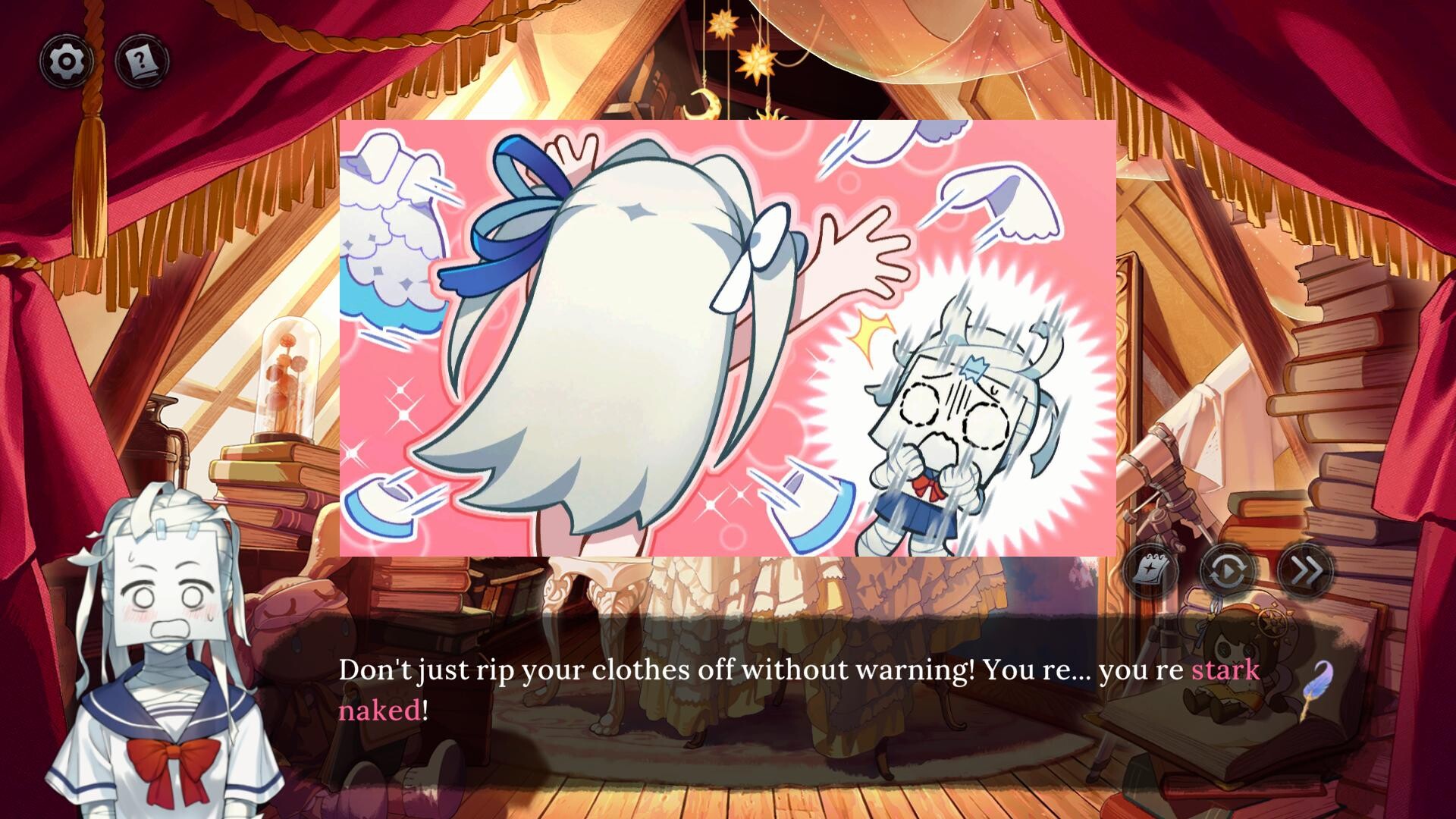
He explained that an alternative hypothesis isn’t necessarily wrong; it just doesn’t match what happened in that particular story. To make unsuccessful deductions enjoyable, he fills those paths with jokes, memes and humorous comments. We absolutely love the idea. We’ve all played puzzle games where we become convinced that we’ve discovered some incredibly clever solution, only to learn that we’ve misunderstood practically everything. At least here, following our questionable detective instincts might reward us with a good laugh. Yahu wants us to experiment, and he clearly understands that there’s plenty of entertainment to be found in getting things spectacularly wrong.
Old Games Were Wonderful, but They Weren’t Perfect
Another subject that kept appearing in our conversations was nostalgia. We have a soft spot for older games, especially those from the arcade era and the Nintendo 64 days. We still remember spending hours learning enemy patterns, replaying missions and desperately trying to complete levels that seemed determined to make our lives miserable. Naturally, we get excited whenever somebody announces a game inspired by those experiences. However, there’s a considerable difference between remembering an old game fondly and trying to recreate it for modern players.
For Blades & Battles, Bernardi and his team wanted to capture the appearance and gameplay of traditional beat ’em ups while working with 3D characters and modern hardware. They carefully controlled the colors, lighting and animations to create a convincing pixel-art presentation, but the gameplay required some changes. Classic arcade games were designed around 4:3 displays, while modern widescreen monitors show much more of the environment. That additional space affects movement and positioning, so the developers increased character movement speeds and introduced a dash. It also happens to be useful during combat, allowing players to move around enemies more comfortably.
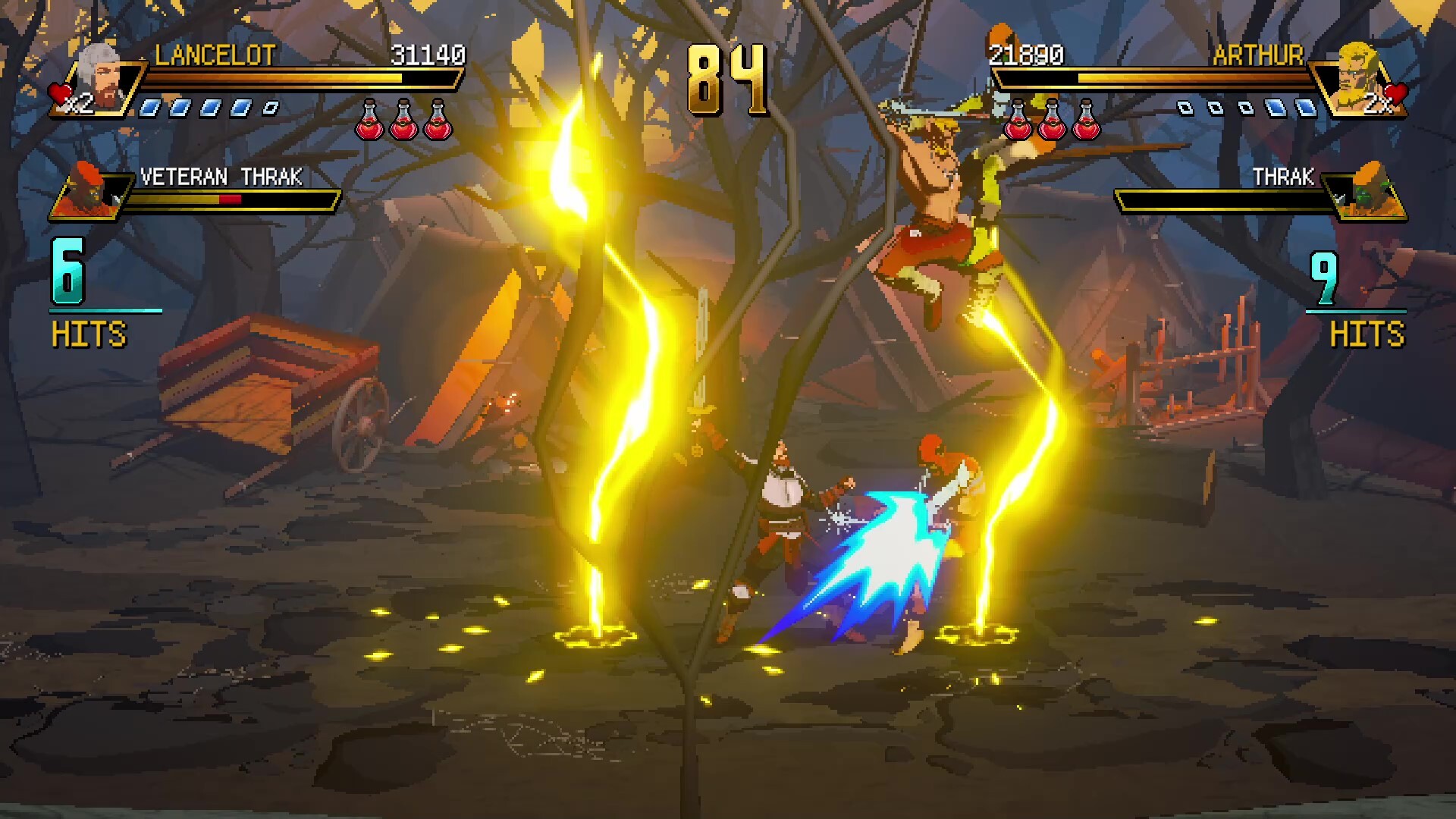
We found ourselves thinking about how easily such a detail could be overlooked. We tend to remember the characters, the enemies and the fighting, but rarely consider how much the shape of a television screen influences the mechanics of a game. Bernardi’s team had to account for that while trying to preserve the old arcade atmosphere, and we can imagine how many seemingly minor decisions were needed before everything started feeling right.
We heard something similar from Replicant D6, the developer behind Agent 64: Spies Never Die. His game takes considerable inspiration from classic Nintendo 64 shooters, particularly their replayable missions and unusual difficulty systems. Higher difficulties can introduce additional objectives and rooms, encouraging players to revisit familiar locations and discover things they missed during earlier attempts. It’s an approach we remember fondly, and Replicant D6 was determined to preserve it, even though he knew that some players wouldn’t appreciate having to replay missions to experience everything.
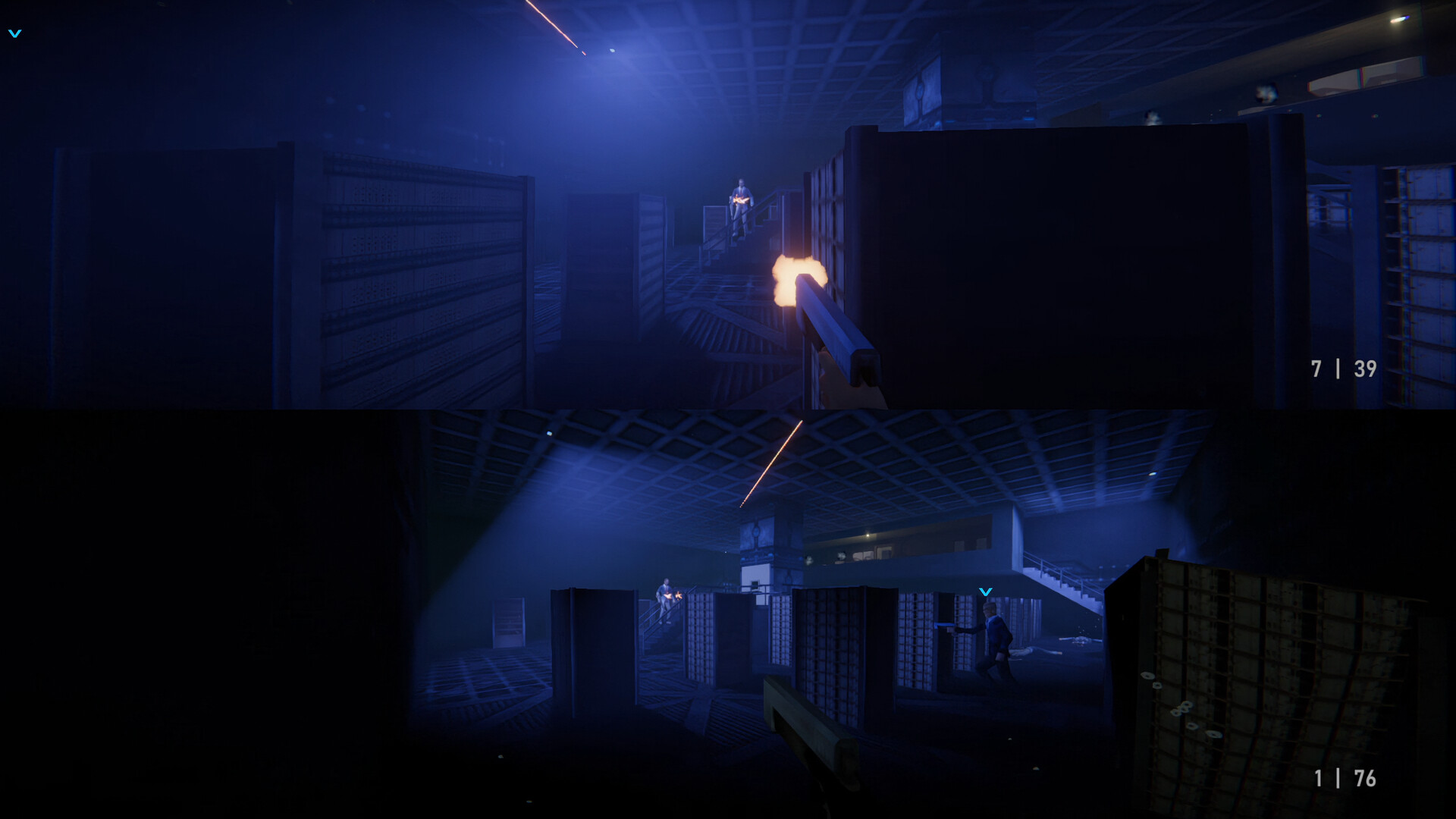
At the same time, he was willing to remove some of the more annoying characteristics of older shooters. Remember wandering around a level, staring at walls and objects, wondering which ones could be interacted with? Agent 64 introduces contextual prompts and clearer mission briefings to avoid that confusion. We can still spend time learning the maps and figuring out how to complete objectives, but at least we’re less likely to waste ten minutes desperately pressing buttons against an innocent-looking filing cabinet.
We liked hearing the two developers explain how they approached these decisions. Both clearly love the games that inspired them, but they also recognize that recreating an old experience involves deciding which mechanics deserve to return. Not every inconvenience from twenty or thirty years ago needs to accompany us into the present.
That Brilliant Idea Might Turn Into a Development Nightmare
We suspect that one of the most frustrating parts of making a game must be discovering that a mechanic you’ve been excited about is either incredibly difficult to implement or doesn’t work particularly well with everything else you’ve already built. During our interviews, we heard about several features that were abandoned, reconsidered or introduced much later than originally intended.
Innerfire Studios, for example, experimented with the idea of a social minigame in Farming Camp. Players could have participated in a quick card game to earn extra points or bet on homework with competing teams. It sounds like an amusing little distraction, especially in a game about students competing at a farming camp. However, the developers realized that balancing the activity around the different teams would require considerable work, and the whole thing didn’t quite fit the atmosphere they wanted. Eventually, they decided to leave it out.

Bernardi encountered difficulties with grabbing and throwing enemies in Blades & Battles. Those mechanics seem perfectly suited to an arcade beat ’em up, especially when we think about the joy of picking up an unfortunate enemy and introducing him to several of his friends. However, getting those interactions to work properly in the game’s 3D combat system proved troublesome. The team decided against including them in their current form, although Bernardi hopes to revisit the ideas in future projects.
Replicant D6 had an altogether different experience with Agent 64. Online multiplayer wasn’t part of the original development plan, and when he eventually decided to introduce it, the work became far more demanding than expected. Much of the game had already been developed without online functionality in mind, so existing systems had to be adapted to support it. Thankfully, the foundations were solid enough to accommodate campaign co-op, but the entire experience left him with one particularly memorable conclusion: “I won’t do it that way ever again.”

We had to laugh at that answer, mainly because we can almost feel the frustration behind it. We also appreciate that he was so open about the difficulty. Multiplayer is one of those features that sounds wonderful when we see it announced, but we rarely think about how much additional work it creates, particularly when it wasn’t planned from the beginning. Interestingly enough, Replicant D6 also accepted that cooperative play makes certain missions easier. After testing the mode, he decided that having fun with another player was more important than preserving precisely the same level of challenge. Considering how much effort went into making multiplayer work in the first place, we imagine that was a considerably easier decision.
Making a Good Game Doesn’t Guarantee People Will Discover It
Of all the subjects we discussed, Yahu’s experiences with localization were among the most revealing. The Angel’s Devil Tail contains a tremendous amount of written dialogue, jokes, cultural references and internet memes, many of which are closely connected to East Asian culture. Bringing that material to English-speaking audiences involved considerably more work than translating the text. Yahu went through descriptions, humorous comments and stories line by line, adapting references that might otherwise make little sense to players unfamiliar with their original context.
We can appreciate how difficult that must be. Humor is notoriously troublesome to translate, particularly when a joke depends on wordplay or a cultural reference. A perfectly funny line in one language might sound completely nonsensical in another, and replacing it with something that produces a similar reaction isn’t always straightforward. Yahu also admitted that he hasn’t received enough feedback from English-speaking players to know whether all that work has been successful.
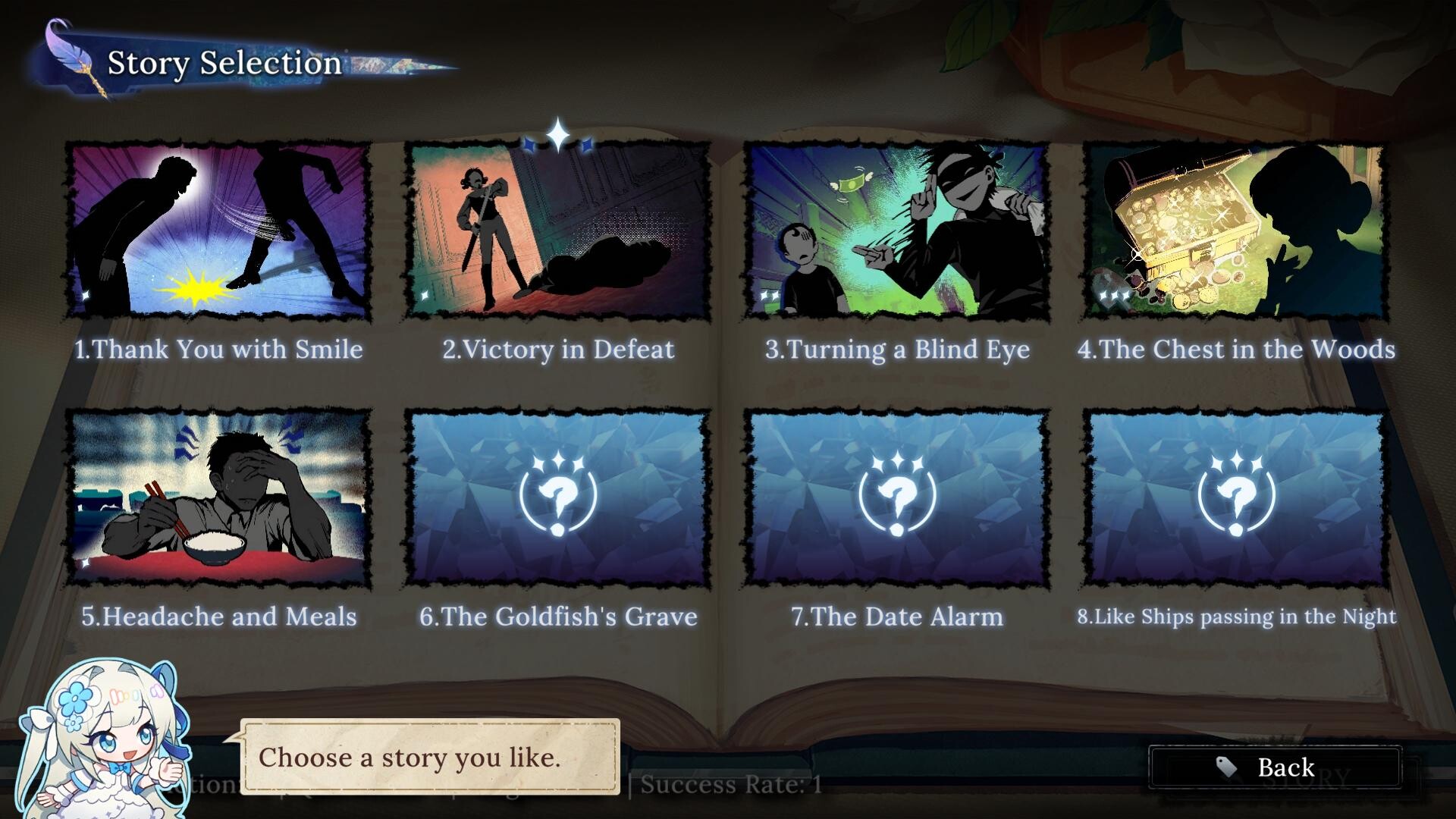
His previous games have accumulated several million downloads across platforms in Chinese-speaking markets, yet they’ve attracted relatively little attention elsewhere. That’s a rather sobering difference, especially for a solo developer who has already managed to build a substantial audience. Yahu is now considering focusing more heavily on gameplay in future projects, partly because mechanics can be easier to communicate across language barriers than stories built around jokes and cultural references.
We also learned that bringing the characters to life required an enormous amount of work. For the voice acting, Yahu recorded videos of story scenes and prepared directions for individual lines. The actors performed while watching those scenes, and the process involved roughly two months of revisions across thousands of voice files. It’s another example of how much effort can go into something that players might experience in a matter of minutes.
We spend plenty of time discussing how games look, sound and play, but rarely consider the work involved in making them understandable and enjoyable for audiences in different parts of the world. Yahu’s experience was particularly interesting because he wasn’t speaking hypothetically. He had already found success with his games, and he was still trying to figure out how to reach more players.
A Few Things We’ll Remember
We’re glad we had the opportunity to speak with Yahu, Rafael Magnino, Marcel Bernardi and Replicant D6. Their games have very little in common on the surface, but we enjoyed hearing about the problems they encountered and the decisions they made while trying to solve them. Some ideas survived months of testing, others were changed beyond recognition, and a few were left behind for another day.
We particularly enjoyed their willingness to discuss the things that didn’t work. As players, we’re usually interested in the final result, and we can be rather unforgiving when something annoys us. Hearing how these developers approached those same problems gave us a better appreciation for the work happening behind the scenes. We hope you’ll find their experiences just as interesting, and if any of these subjects caught your attention, we encourage you to read the original interviews. There’s plenty more to discover in each of them.

Leave a Reply