
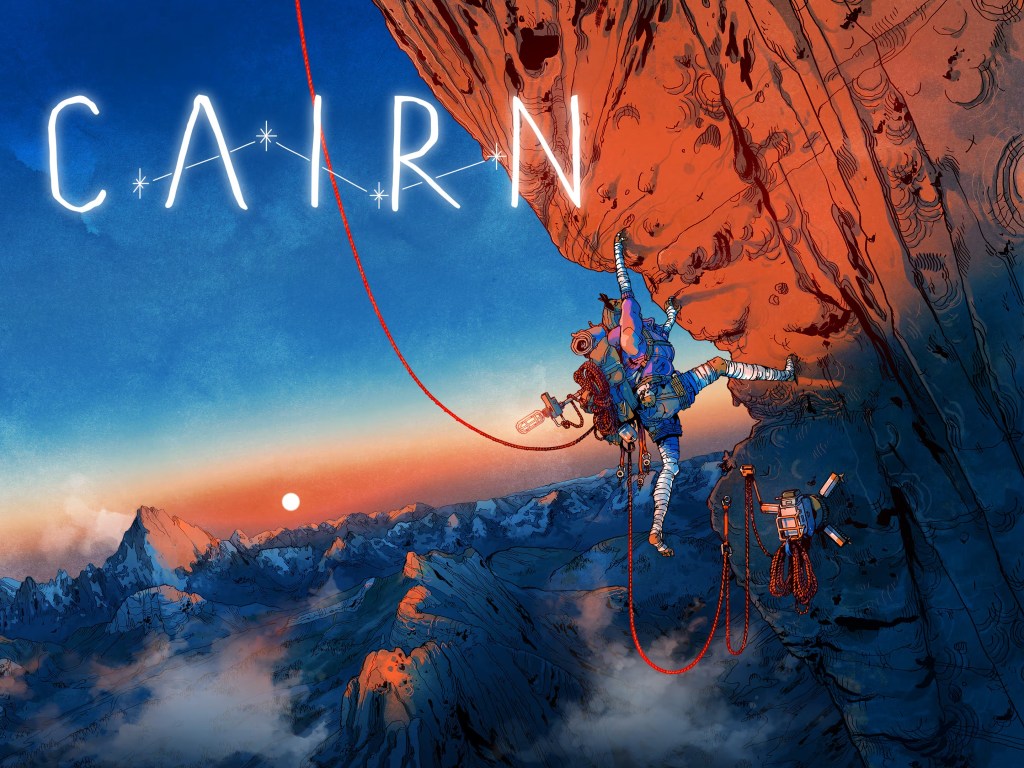
Cairn has been out for more than half a year, and yet we never had the chance to play it. We watched some reviews and were glad to read how it managed to impress a lot of critics with its touching story and unique climbing mechanics. Weirdly enough, the game was always at the back of our minds, and we couldn’t wait for a little breathing room so that we could check it out. As they say, better late than never, and thanks to the good people at Popagenda, that time is right about now. But instead of a conventional review, we wanted to try something different and focus on why this game matters and why you should play it today.
On October 29, the game gets its first free DLC, Cairn – On the Trail: Deep Water, alongside a separate Free Roam update that lets us return to Mount Kami as Aava or Marco. So, if you’re like us and you’ve never played the game, let us tell you how much you’ve been missing out on. If, however, you’re not new and you’ve already braved the mountain, then this article will hopefully prepare you for another climb.

Every Move Matters
The first thing to understand about Cairn is that climbing isn’t a matter of holding a button and watching Aava make her way up a wall. Where would the fun be in that? No, no. Here, we control the placement of her hands and feet, search for holds, and try to keep her balanced while managing her stamina. It’s similar to another great climbing game that’s also very dear to our hearts—Jusant. We loved that game to death, so much so that we played it first on PC and then on our PS5 just because we heard that the haptic feedback makes the experience much more immersive.
Cairn is much more demanding than Jusant, but similarly, what looks like a perfectly reasonable route from the ground can turn nasty when we discover that the next hold is awkwardly positioned, our grip is weakening, or we’ve used too much energy getting to where we are. In Cairn, we constantly need to look ahead, work out how to position Aava, and think about the next move before committing to it.
The approach is very hands-on, and it changes the way we look at a mountain. Climbing becomes an enormous project where we read the rock face and decide how to traverse it. A small change in position can make a difficult move possible, but a careless decision can leave us stuck in an uncomfortable spot with fewer options than we had a minute ago. We lost count of how many times we made a move feeling overly confident, only to quickly realize what a terrible mistake we had made. And please know, dear reader, that every failure was ours alone, based on one or a series of mistakes that we made. The whole process reminded us of playing chess, only this time, our opponent is a mountain that feeds on masochism. Learning to recognize a workable route is part of the fun, and getting past a section that made us swear like there’s no tomorrow feels earned like nowhere else.
There’s also a survival side to the expedition. Our dear Aava needs food, water, and rest, and we have to keep an eye on our supplies as we climb. Pitons help us secure routes, while camps are great for recovery and preparing for the next stretch. Every time we reached a camp, we felt a weird sense of achievement mixed with deep, unsettling anxiety—happy that we left part of the mountain behind us, but dreading what awaits us above. You see, we can’t treat every section as an isolated challenge, no matter how much we wanted to at times. What we use now may be something we desperately need later. A climb might be going well, but that doesn’t mean we’re prepared for what comes next.
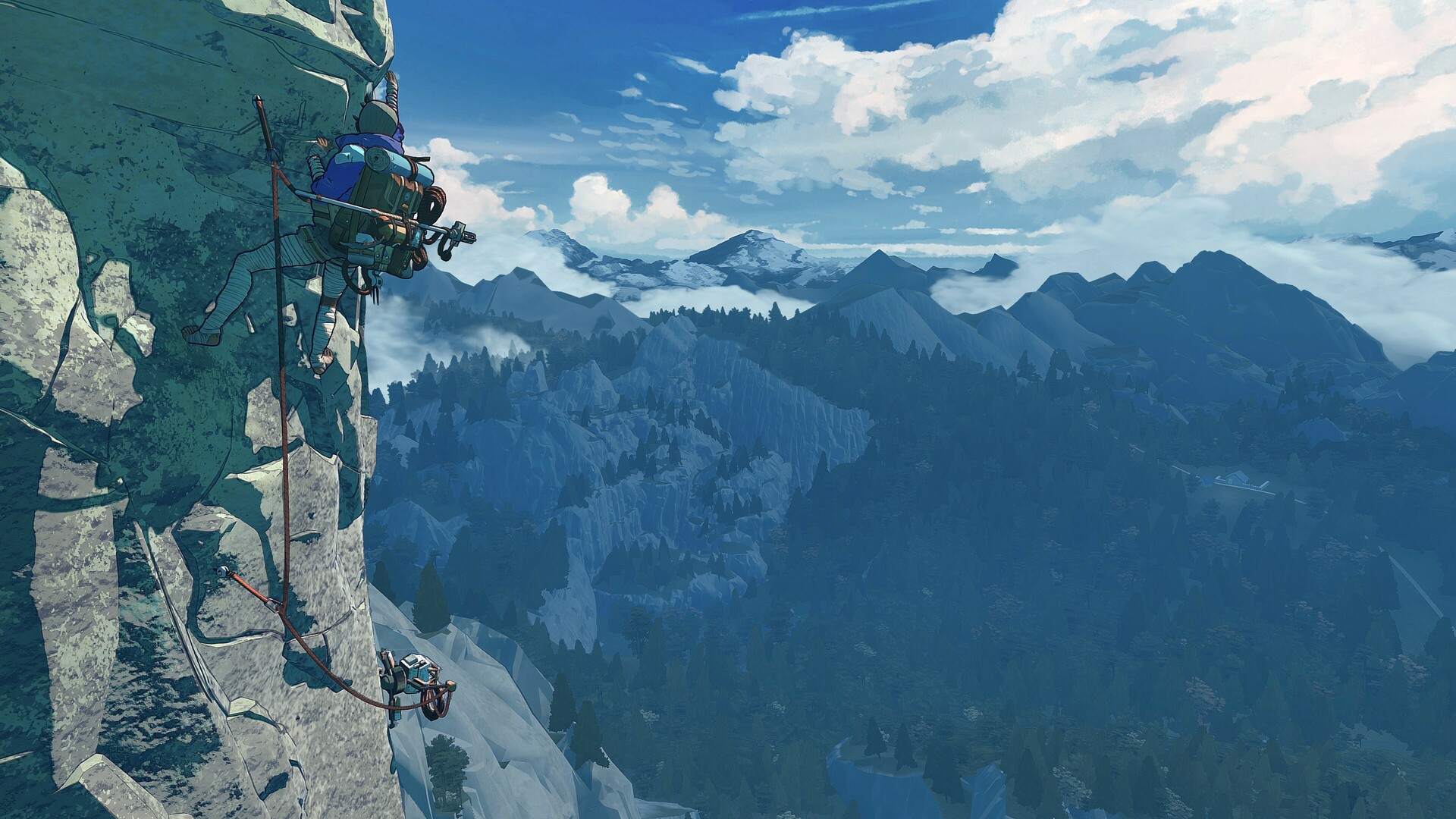
The combination of physical climbing and resource management is a big part of what makes Cairn work, especially when it comes to making us think about both the rock in front of us and Aava’s condition. There were times when the narrative pushed us toward thinking about quitting or, at the very least, stopping for a spell to rest and reconsider our plans. We got frustrated at times, but we never stopped climbing. Learning the game’s systems, braving the elements, pushing through physical limitations, and accepting mistakes were all part of an unforgettable journey that, in combination with the visual spectacle, we couldn’t stop appreciating.
A Mountain Worth Exploring
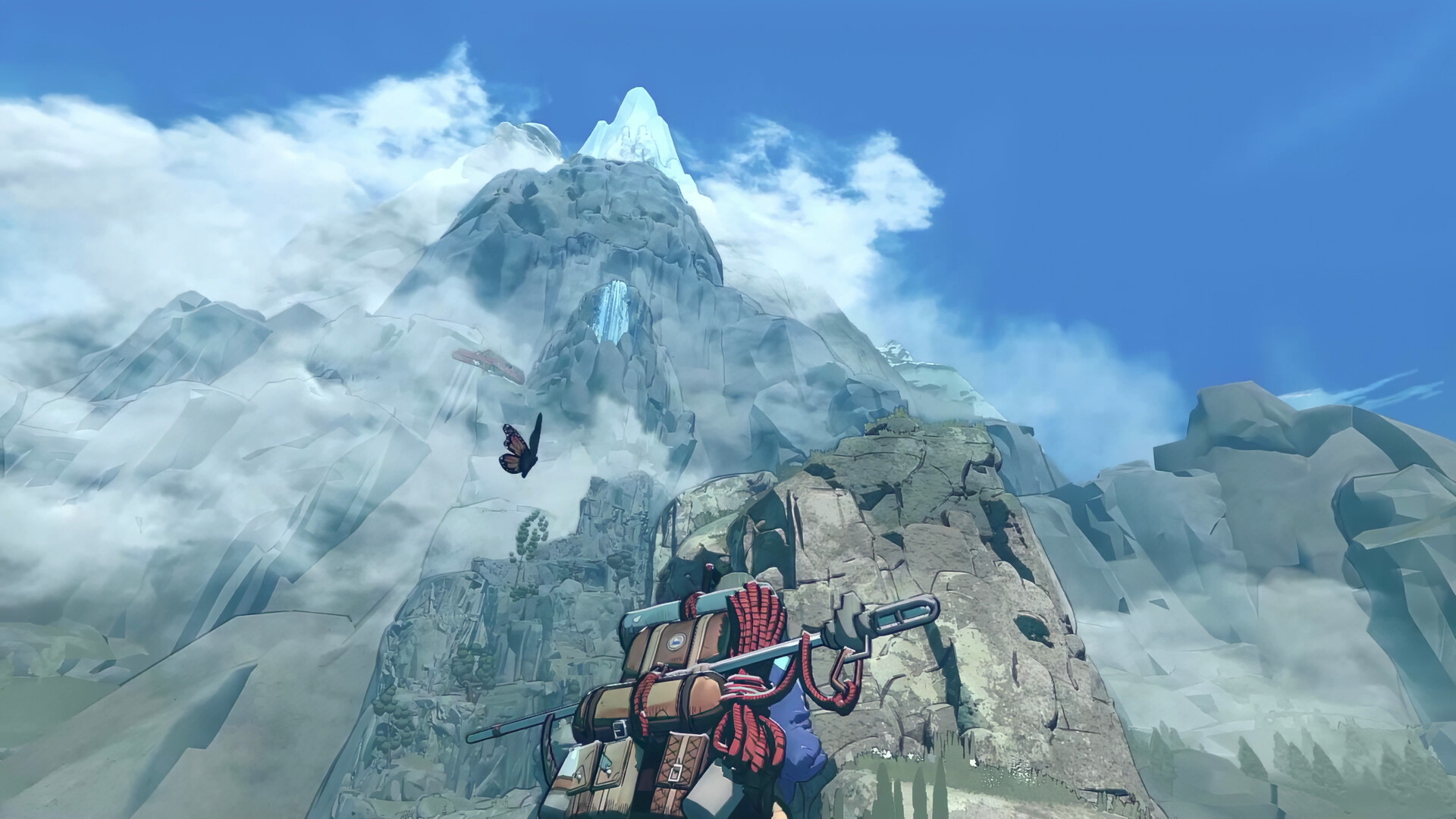
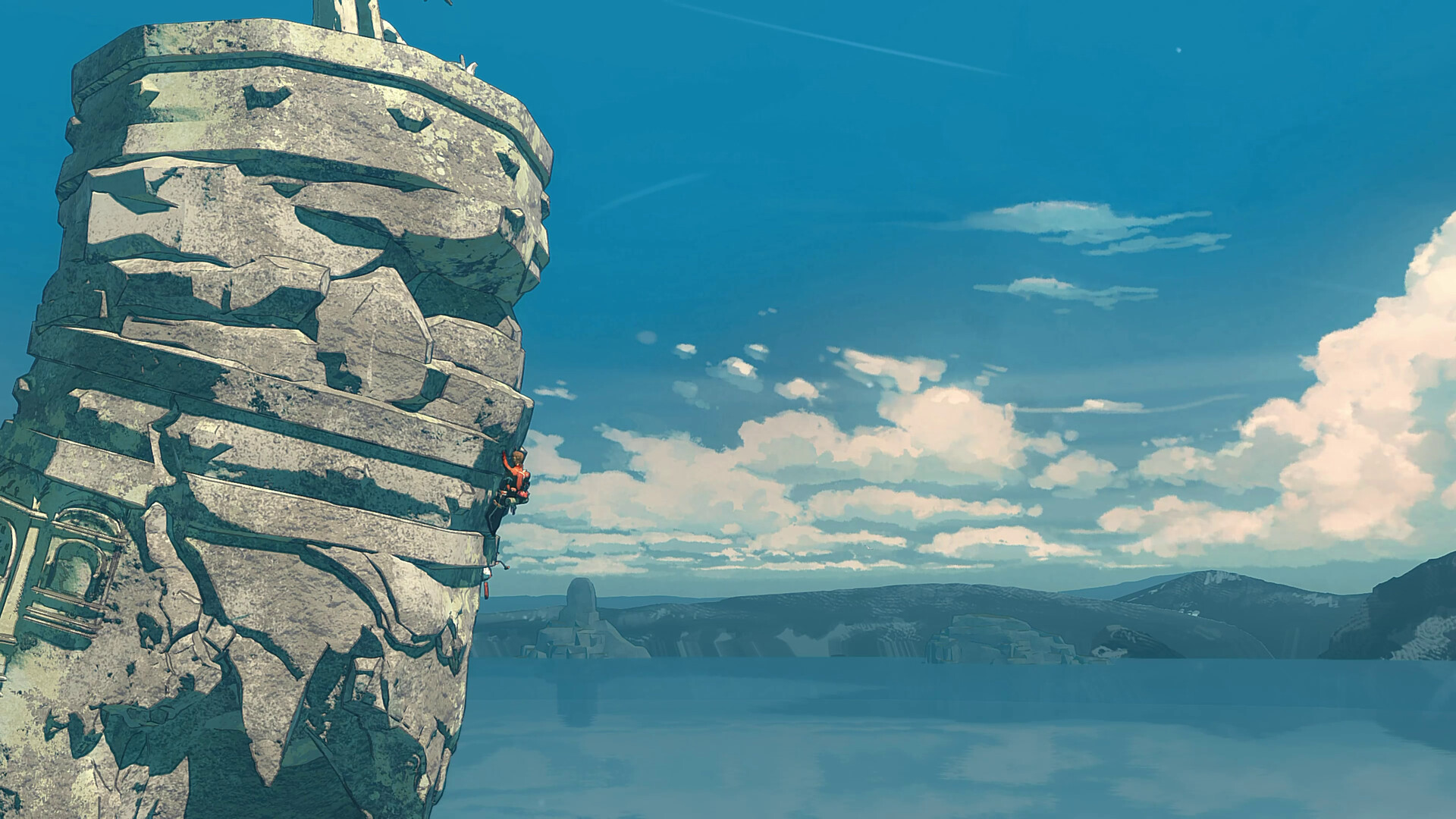
The game is breathtakingly beautiful, and it’s hard not to stop every once in a while to admire the landscapes and the traces left by those who came before Aava. It made us feel like this expedition was a journey through a place with its own rich history. Aava also has personal motivations for attempting a climb nobody has completed, but we dare not speak more of it here. That’s for us to foreshadow and for you to experience. What we can say is that her story gives the trip a human dimension beyond the physical challenge of reaching the top.
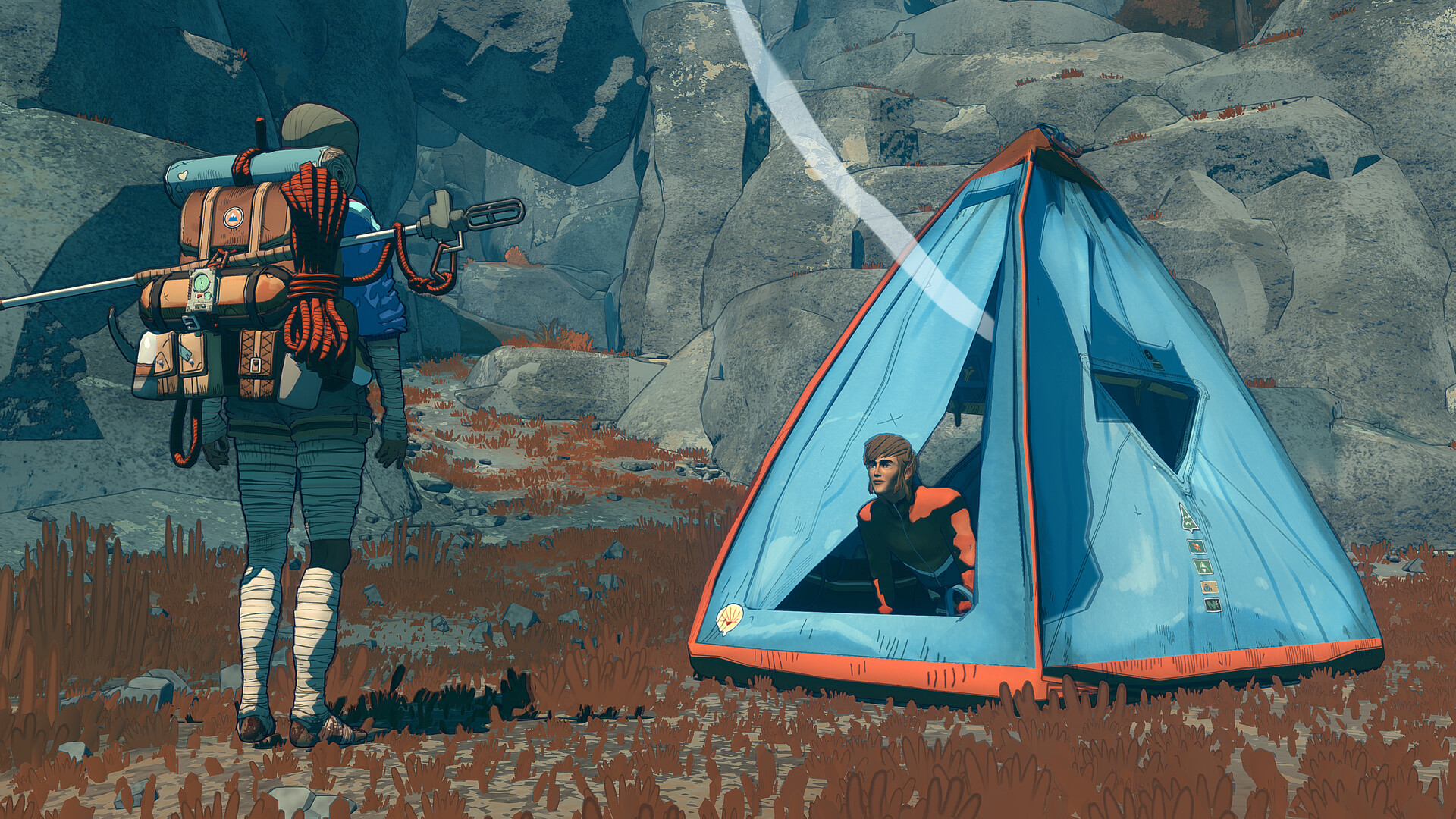
If the survival mechanics sound like too much work, there’s another point worth knowing before you think of dismissing the game. Cairn offers options for players who would rather concentrate on climbing than manage every aspect of Aava’s well-being. At times, we appreciated “The No Survival” option greatly. It refills her survival gauges, while automatic finger taping removes the need to handle that task manually. Breathing Feedback also lets us see Aava’s physical effort, making it easier to monitor the strain she’s under. These options sit alongside different difficulty settings and accessibility features, allowing players to adjust the challenge to suit their preferences. They’re meant to help Aava and, in turn, help us.
Our score: 10/10
Three New Places to Climb
The upcoming On the Trail: Deep Water DLC will take us beyond Mount Kami and introduce three new climbing locations: Haken, Ruka, and the Lamu climbing gym. The first two feature climbs above water, while Lamu brings a set of indoor climbing challenges. The expansion also follows the trail of a legendary climber, with a healthy dose of lost history and secrets to uncover along the way.
Deep-water soloing is a style of climbing that takes place over water, which drastically alters the consequences of a fall compared to a conventional ascent. There will be room to experiment with routes and attempt difficult moves without facing the extreme risk of falling down a mountainside. We think this is a great idea, as these new environments allow the devs to explore climbing challenges that wouldn’t necessarily fit into Aava’s long expedition up Mount Kami.
The smaller locations in the DLC are designed around individual climbs rather than the extended survival journey of the main game. We will have a limited amount of energy to work with, and mistakes or wasted effort will leave us struggling to finish. Choosing our route and equipment carefully remains crucial, and exploring the surroundings can yield useful resources to aid recovery. We still need to think through every move, but from what we’ve seen so far, the challenge is built around completing shorter climbs before exhaustion catches up.
Marco will also join Aava as a playable climber. According to The Game Bakers, he is shorter and less flexible than Aava, but he makes up for it with a longer reach, stronger arms, and a newer Climbot model. His climbing style differs from hers, which is great since it will introduce a fresh set of movement mechanics, forcing us to approach routes in a slightly different way. The change in character gives returning players a new set of abilities to master.
The DLC is free for owners of Cairn, making this a fantastic time to jump into the game. For anyone who has already reached the summit, Free Roam will allow us to revisit familiar terrain with a different climber. New players can start with Aava’s original expedition before trying the additional climbing challenges.
Time to Start Climbing?
We feel it’s a great time to ease into November with this game. We’re not claiming that everyone should immediately drop what they’re playing and head for Mount Kami—although, after playing a good chunk of the base game, we certainly feel tempted to tell you to—but Cairn is well worth considering if you fancy an adventure that demands patience rather than quick reflexes alone. Its climbing system, survival mechanics, and mountain environment are a joy to experience, especially if you like to explore at your own pace. Reaching the summit takes more than persistence; we have to learn from our mistakes and work out how to climb smarter.
On the Trail: Deep Water and Free Roam arrive to let newcomers tackle the original expedition while giving plenty of love to returning players with new locations and Marco’s unique climbing style. All of that for the price of nada. We may have waited months to play the base game, but we won’t have to wait long to check out the new DLC and see how well these new challenges hold up. The confirmed additions make a return trip to Cairn an appealing prospect. And if you’ve never climbed Mount Kami, now is the perfect time to get your equipment ready.

Leave a Reply