

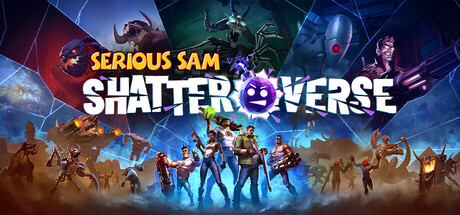
We’ve been fans of the Serious Sam series since the very first game, and we’ve loved seeing every direction the devs have taken it. Still, we never imagined the classic run-and-gun formula could get smashed together with roguelite mechanics. But looking at what’s coming, we think it just might work. We had the privilege of sitting down with Nic Duchesne to talk through technical challenges, weapon balancing, and the tough choices that helped shape the game—which drops sooner than you think, on August 31st.
This interview would not have been possible without the wonderful people at Cosmocover PR. Many thanks Nyssa!

The Swarm and the Hardware
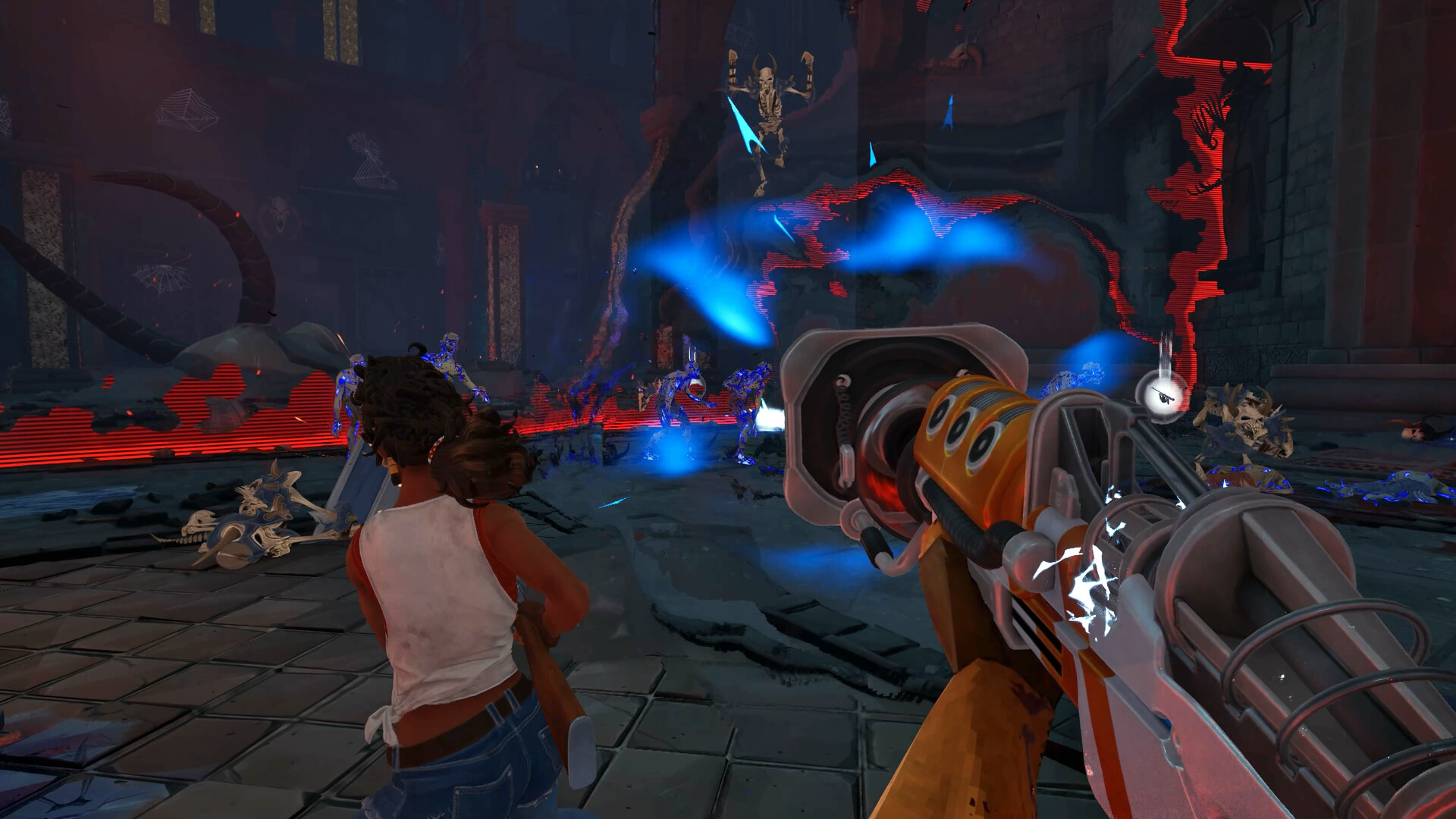
Anyone familiar with the series knows it relies on throwing an absurd number of enemies at you. Some of their unique screams are forever ingrained in our psyche, and every time we hear them, a rush of memories and good times floods in. Moving to a multiplayer roguelite setup made us wonder how they kept that high-pressure chaos intact for a five-player squad—especially without completely tanking the frame rate.

“Enemy counts scale dynamically with the number of players. That being said, we have a group of very smart wizards on the team that hated me each time I said “we need more” and pushed them, but they delivered.” – Nic Duchesne, Producer at Behaviour Interactive
Launching on multiple platforms simultaneously with procedurally generated maps sounds incredibly taxing on the CPU. Duchesne shed some light on the smoke and mirrors required to pull it off while keeping the signature enemy counts high.
“We strategically load and unload content at specific points during each run, with every level generated as a fresh game state. To maintain nonstop action, we use brief moments of respite to make background changes seamlessly. It’s a bit like stage magic, we direct your attention one way while quietly setting up the next trick elsewhere.”
Guns, Progression, and Pure Skill
A core part of the roguelite experience is building your loadout on the fly. We were curious how the team balanced wild, rule-breaking upgrades while making sure players still had to rely on pure mechanical circle-strafing to survive.
“Much of the in-run progression revolves around the weapons you carry. We wanted players to feel like walking arsenals, equipped with the right tool for every situation and the perfect brush for painting the world with their enemies’ gore. As in classic FPS, Shatterverse’s rising difficulty also rewards player skill. You still need to evade those Arachnoids long enough to blast them in the face.”
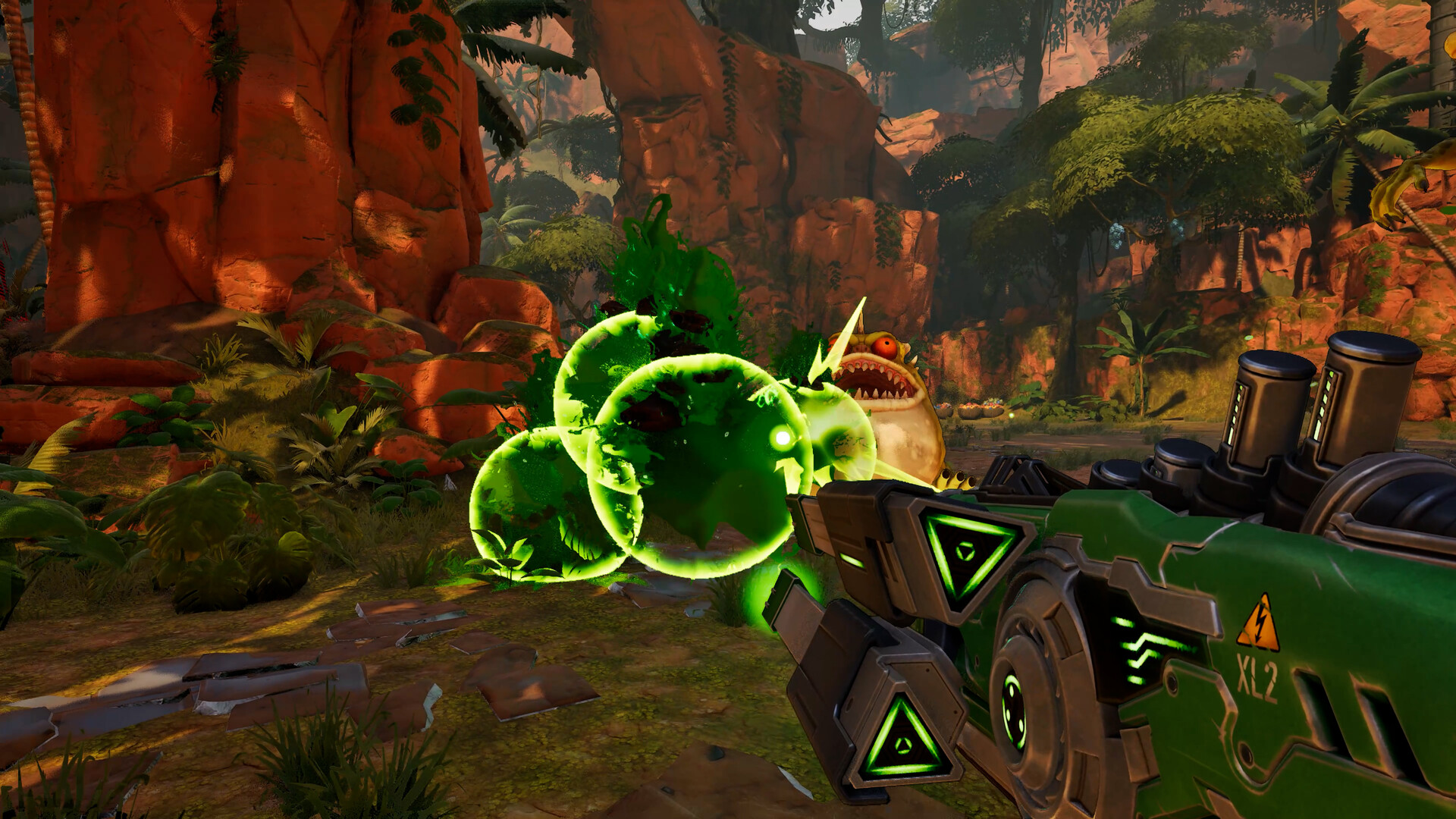
With legacy guns returning alongside brand-new weapons, stacking modifiers could easily make older weapons feel weak. Managing that power creep and keeping the classics relevant took some careful tuning.
“We wanted to honor what came before while introducing new weapons that enable fresh strategies and playstyles. Ultimately, it comes down to how each gun feels. Even with wild combinations of affixes and modifiers, many players still return to their favorite because it simply feels right to use. Adjusting reload times and the overheat system also helped us balance the unlimited-ammo arsenal, keeping every weapon viable without letting any one option completely overshadow the others.”
Risk, Reward, and Roster Changes
What’s a roguelite without the constant threat of a sudden death? Shatterverse introduces unstable anomalies and hidden portals that carry the risk of instantly ending a run. We wanted to know how they telegraph that danger so it feels like a fair challenge instead of cheap random chance.
“We wanted greater challenges to offer greater rewards, especially when players choose to take on that added risk. Death isn’t the end in Shatterverse, and getting back into the action is quick. The difficulty can be unruly and unpredictable, but it never feels punishing, there’s always a path to success that makes you want to try one more run when you made a mistake or misstep.”
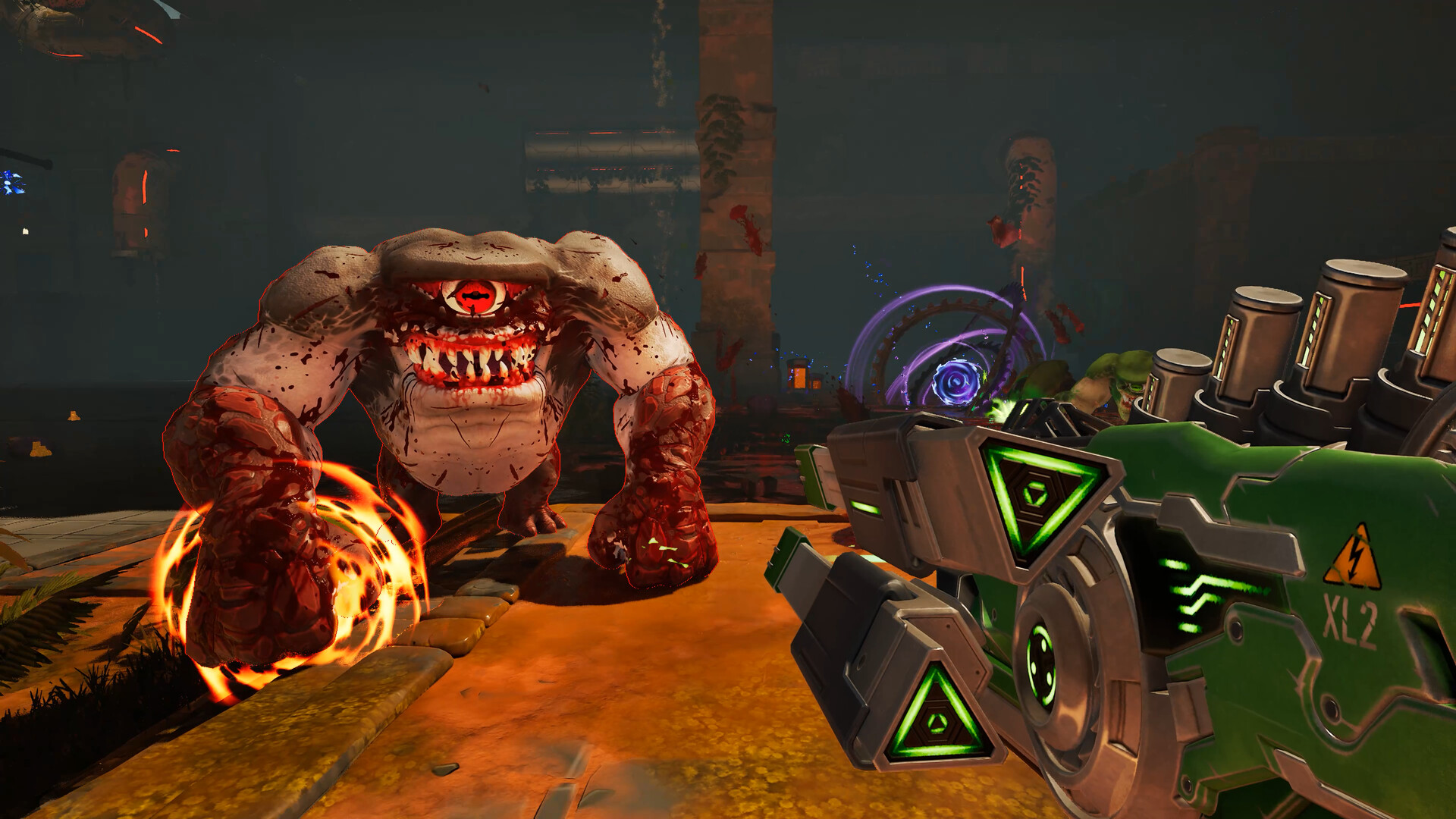
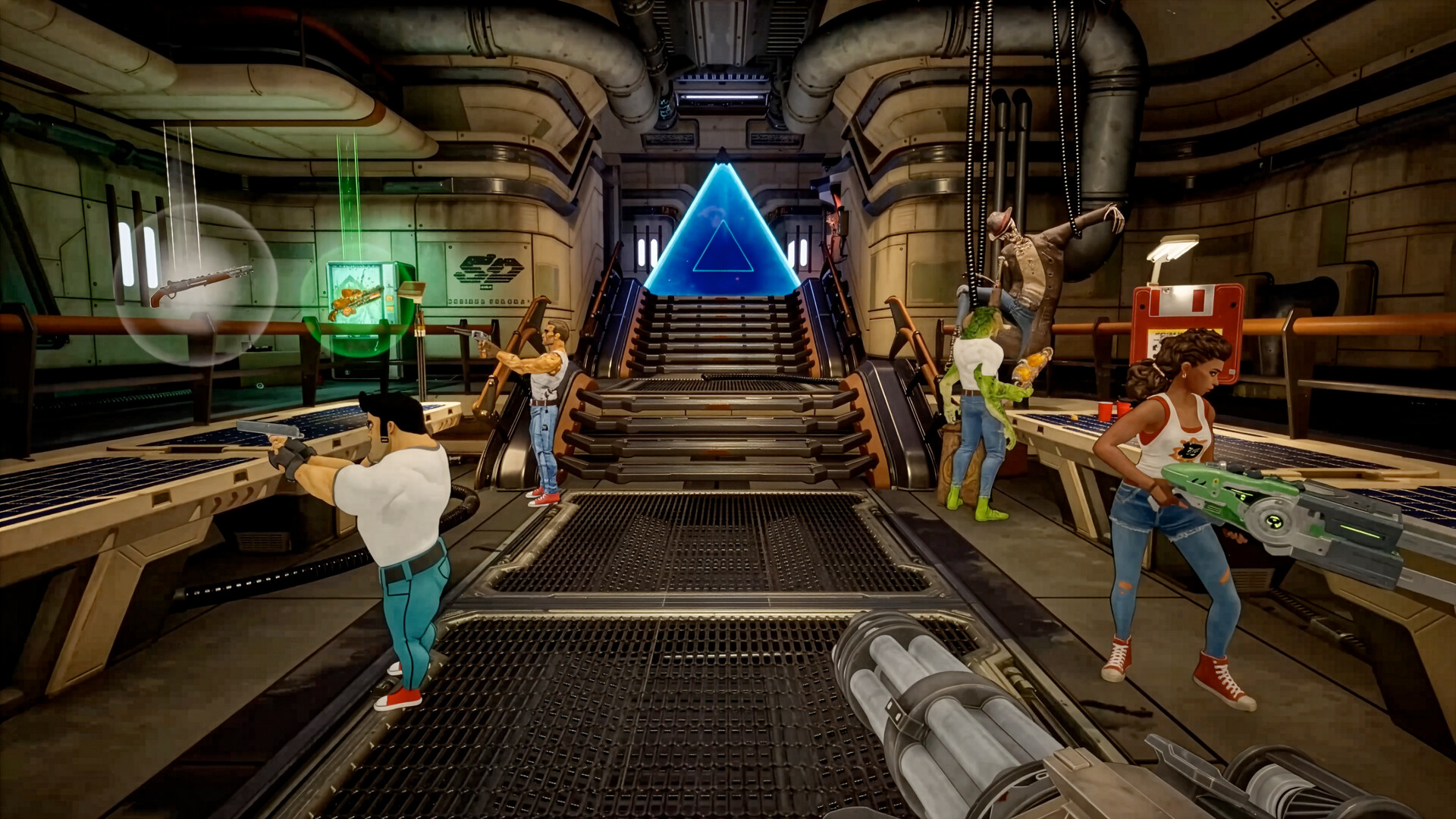
The unpredictable nature of these runs also meant the old enemy behavior had to shift. Because you can drop into any map at any time, the roster needed some fresh faces to bridge the gap between simple cannon fodder and massive heavyweights.
“Because any map could appear at any point in a run, the full enemy roster had to be viable from the start. That required adjusting some classic enemies and introducing new ones. Many legacy foes function as minions or absolute powerhouses, so we added some enemies to fill the middle of the pack.”

The Cutting Room Floor
Tossing linear level design out the window naturally leads to some discarded ideas during development. Duchesne admitted that certain environments just didn’t fit the frantic arcade pacing they were chasing.
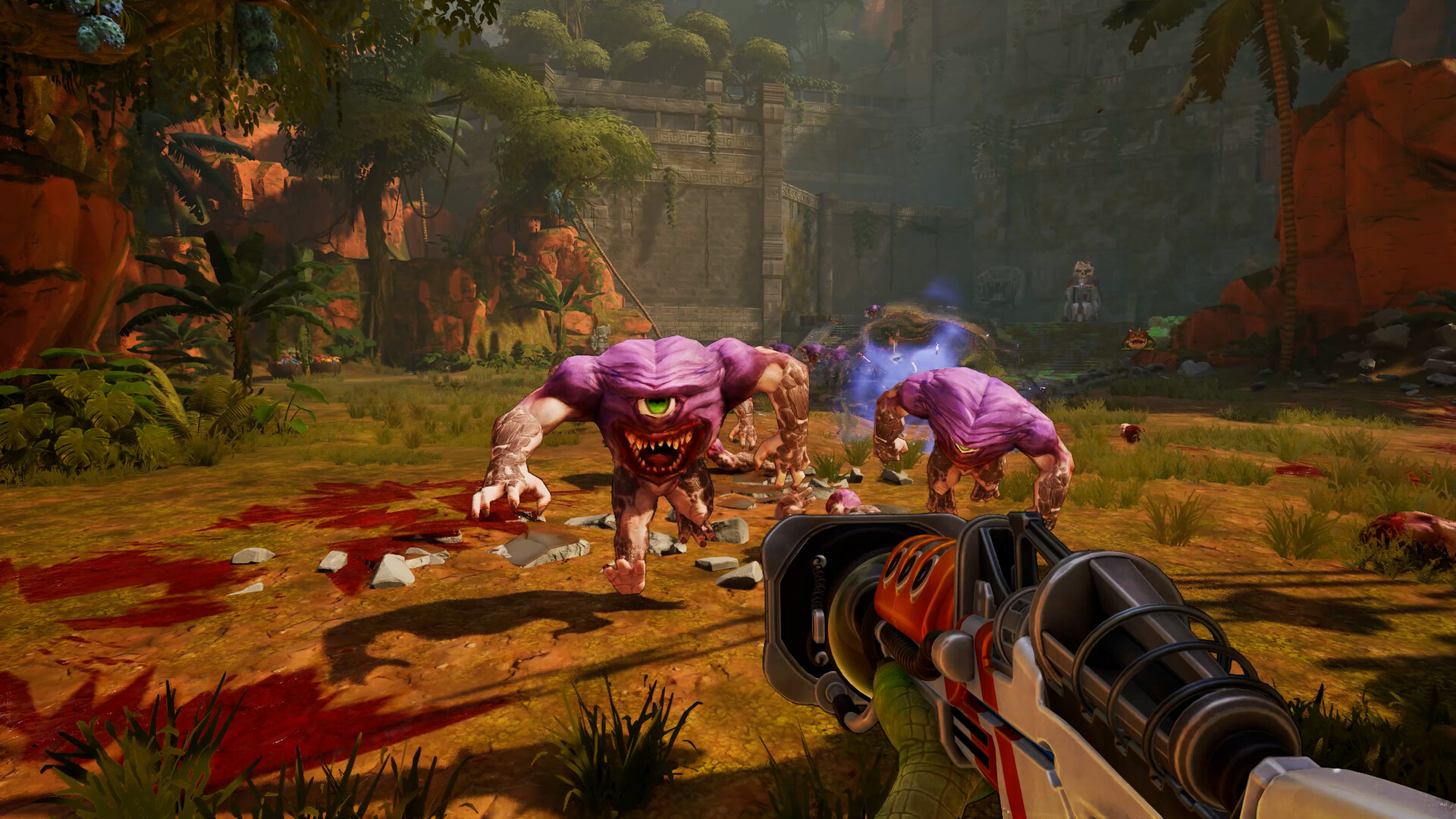
“We experimented with maps of different lengths and complexity, along with several world concepts, so we had to make some difficult cuts. Some ideas emphasized puzzles, platforming, traversal, and more elaborate objectives. Ultimately, fast-paced action felt best, so we made it our focus, though traces of those influences remain in the game.”
Mashing two completely different genres together is a tough balancing act. Looking back at the whole process, we asked Duchesne if there was a definitive lesson he’d share with other studios attempting a similar hybrid.
“Blending roguelike and RPG elements with a classic, skill-based FPS was challenging because we didn’t want to dilute what made the genre work. We had to find the right balance without leaning too far in either direction. My advice to other developers is simple: never compromise on how the game feels, but be willing to compromise on almost anything else to achieve that feeling.”

Serious Sam: Shatterverse arrives on August 31st, and we look forward to sharing our full impressions as soon as it drops!


Leave a comment