
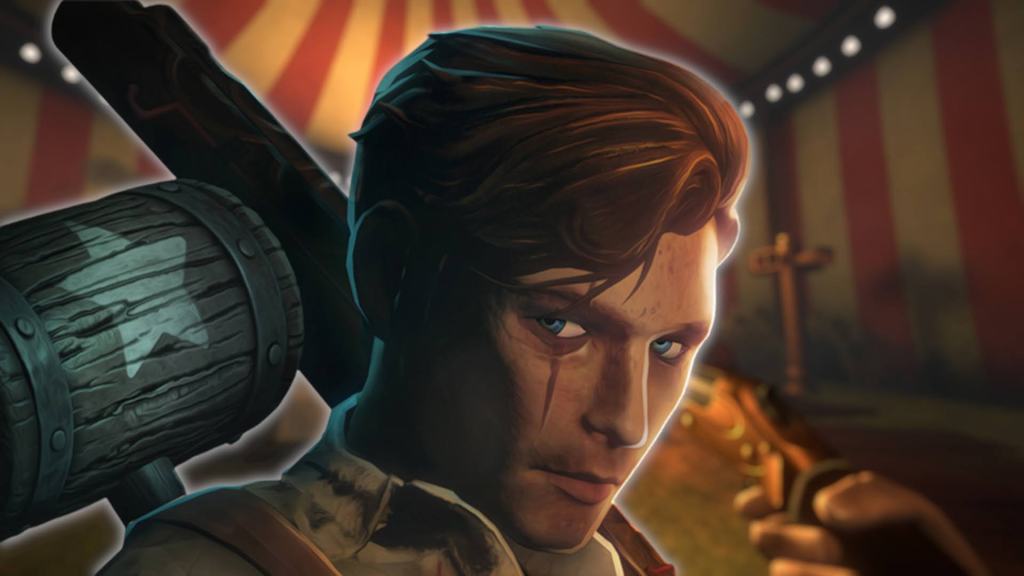
We don’t think there are bigger BioShock fans than us. We loved the first two games, and we absolutely adored the third one, despite the divided opinions surrounding it. It’s been so many years since the last BioShock that our hearts ache every time we think about the incredible legacy Ken Levine left behind. For the life of us, we still can’t understand why the fourth game is taking so long.
So while waiting for Judas and whatever Cloud Chamber has planned, we stumbled across Twisted Tower.
Yes, the BioShock inspiration is impossible to ignore, but Twisted Tower never feels like a cheap imitation. It borrows ideas, moods, and presentation while confidently building its own bizarre world. After only a few minutes inside its strange halls, we completely forgot we were looking for BioShock similarities and simply wanted to see what madness waited around the next corner.
A tower built by a madman
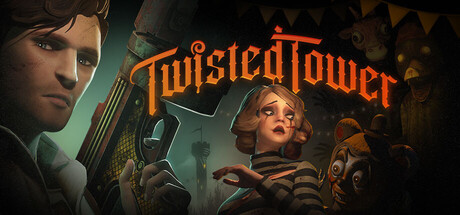
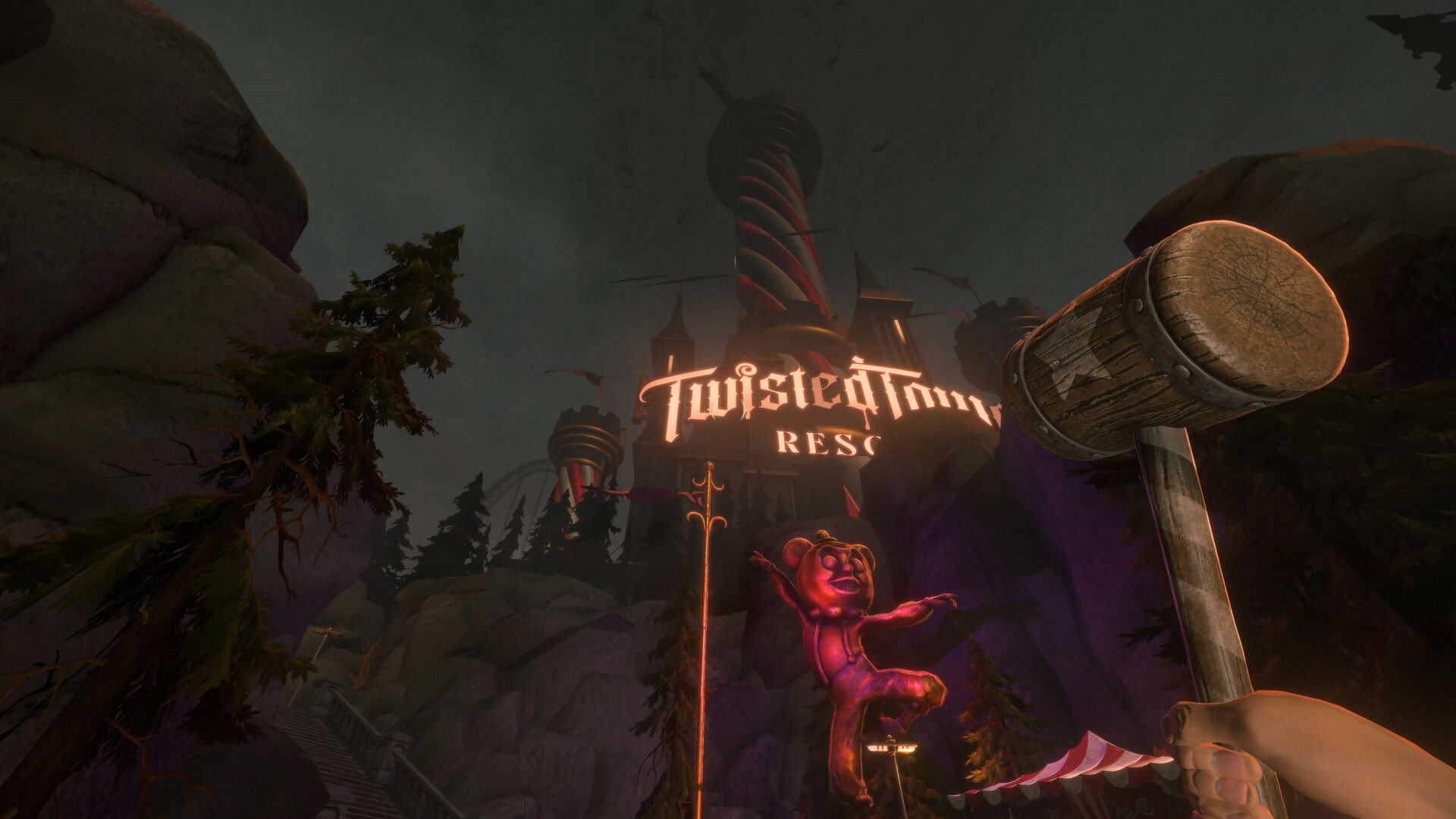
Twisted Tower wastes little time throwing you into its unsettling world. You enter the enormous Twisted Tower, an abandoned 1950s entertainment resort created by an egocentric filmmaker who made himself the director, writer, and star of a movie bearing the tower’s name. When the love of your life is kidnapped, you’re forced to climb through its increasingly disturbing attractions in hopes of finding her before it’s too late.
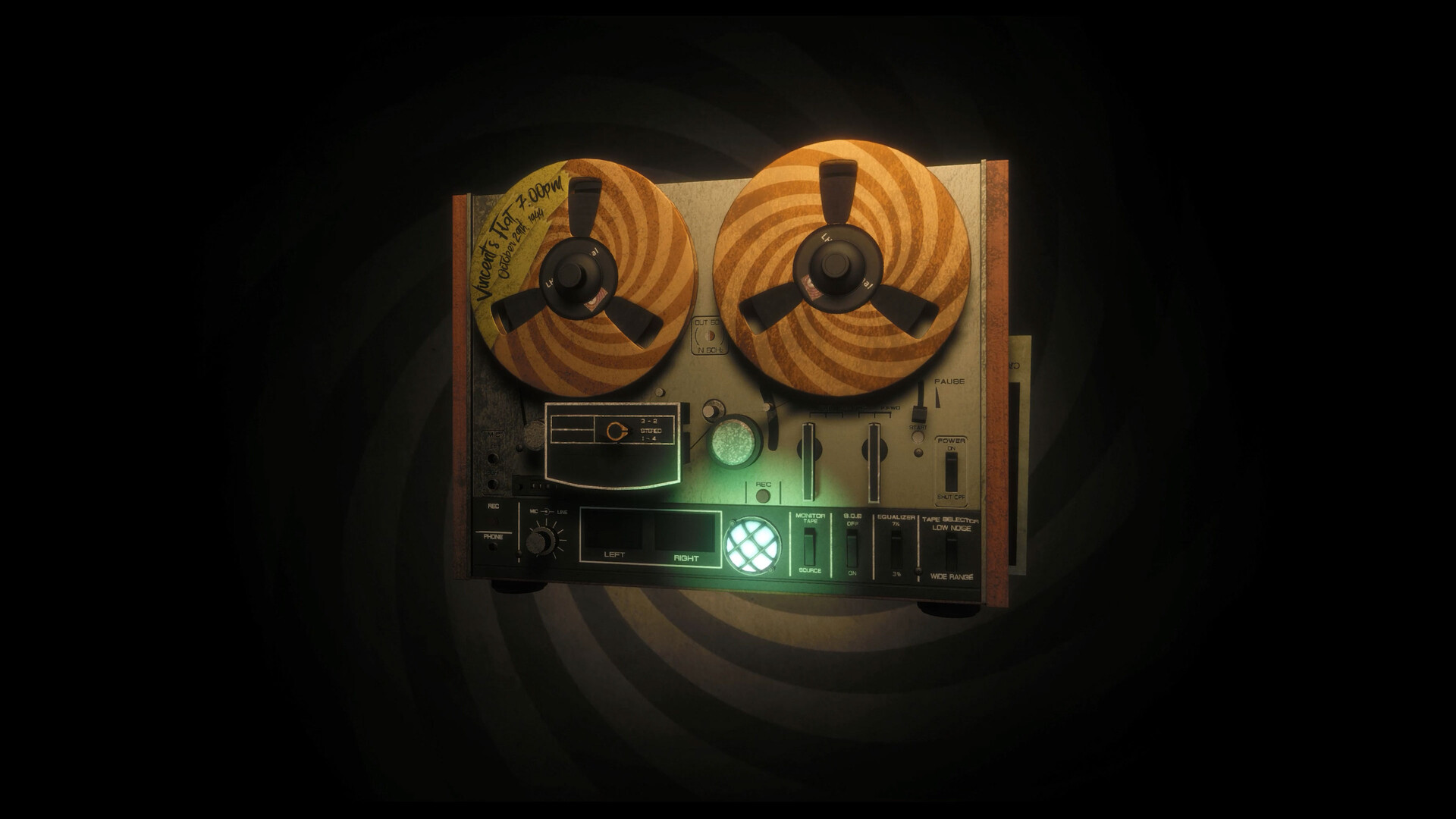
The setup sounds straightforward, but the storytelling quickly becomes much more layered. Audio recordings, old letters, forgotten notes, film reels, and environmental details slowly reveal both the tower’s history and the fractured minds of those who inhabit it.
Every major character delivers a memorable performance, helping even short conversations leave a lasting impression. We constantly looked forward to the next encounter because every new scene pushed the mystery forward while raising even more questions. Just when we thought we understood where the story was going, it pulled the rug out from under us and forced us to rethink everything.
Some of our favorite moments came from reading the old letters exchanged between the protagonist and his lover. These quieter moments gave the story emotional weight and made the bizarre setting feel surprisingly human beneath all the insanity.
A world overflowing with personality
We fell in love with Twisted Tower the moment we stepped through its front doors. A soft female voice sang through the empty lobby while the towering statues, faded decorations, and abandoned attractions immediately painted the picture of a place that was once full of life.
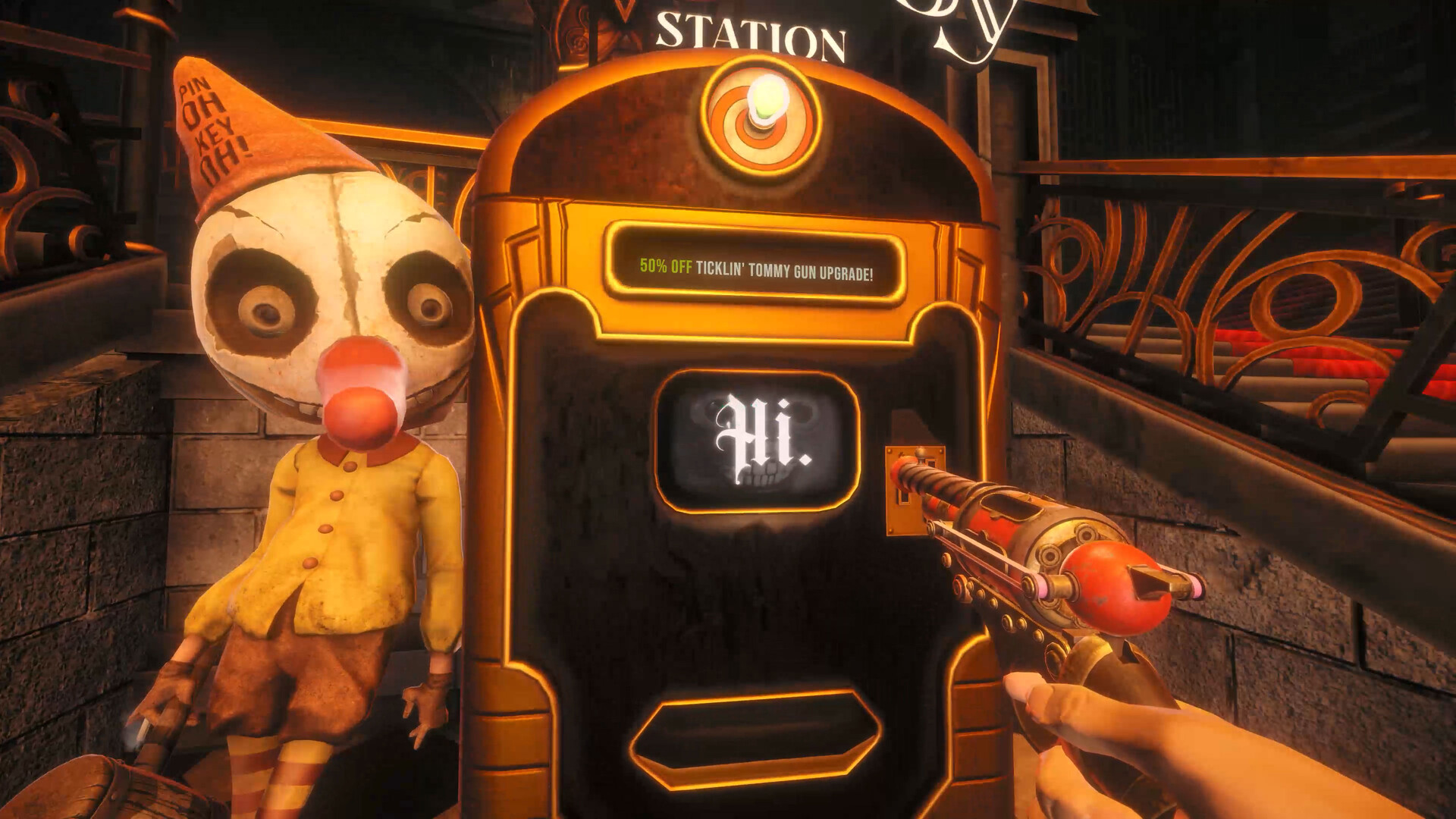
It’s difficult to describe just how much personality every room contains. Small details like the interface icons, old promotional videos, musical cues, vending machines, sound effects, and upgrade stations constantly reminded us of wandering through Rapture or Columbia. Yet the devs never simply recreate those games. Instead, the remix familiar ideas into something that feels fresh.
It’s evident that each location tells its own story. Grand ballrooms sit frozen in time. Party decorations remain untouched long after the guests disappeared. Children’s attractions become unsettling simply because of the silence surrounding them. Every new level introduces a different theme while maintaining a consistent atmosphere of beauty twisted by madness.
Some of the strangest enemies we’ve ever fought
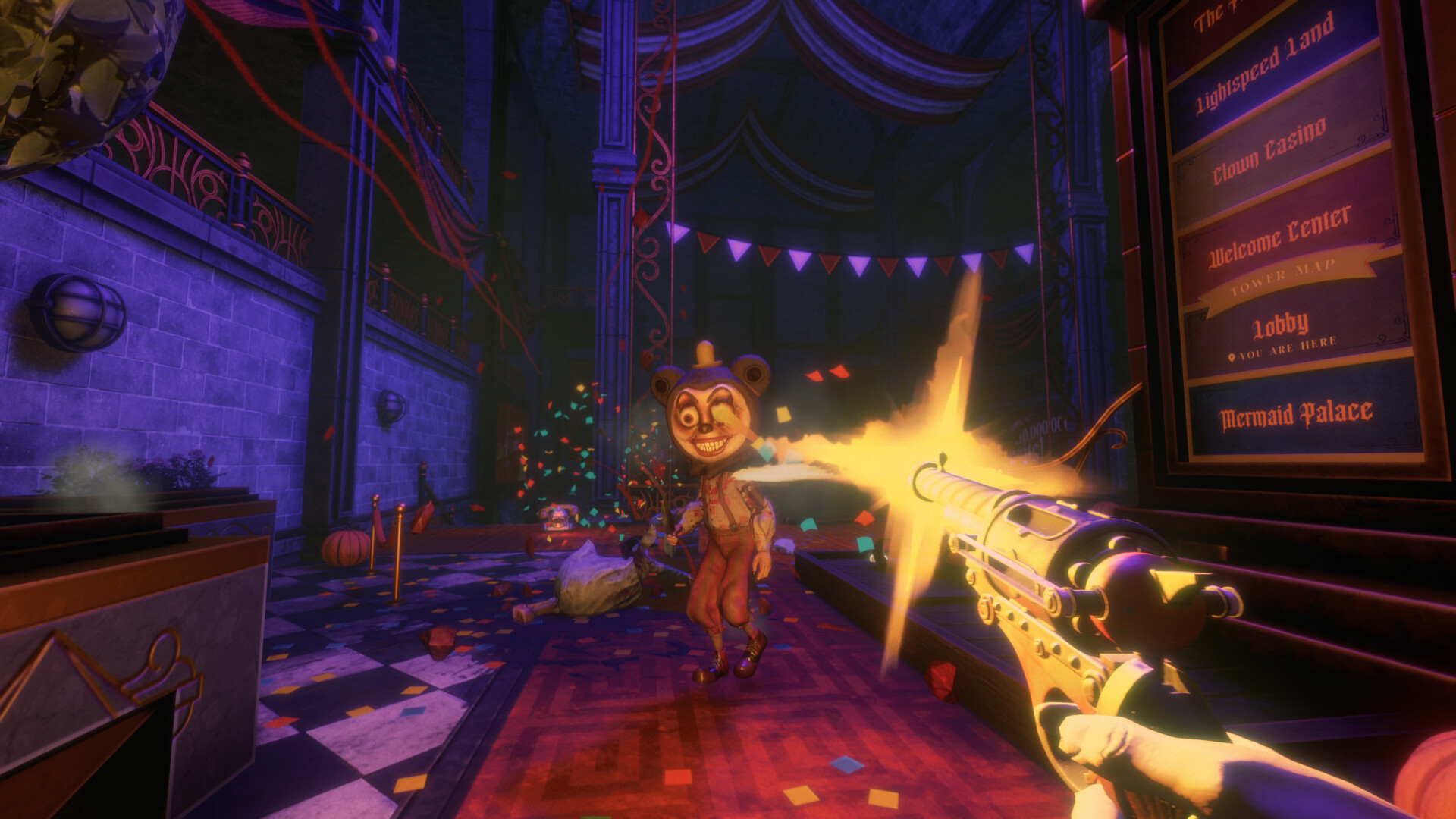
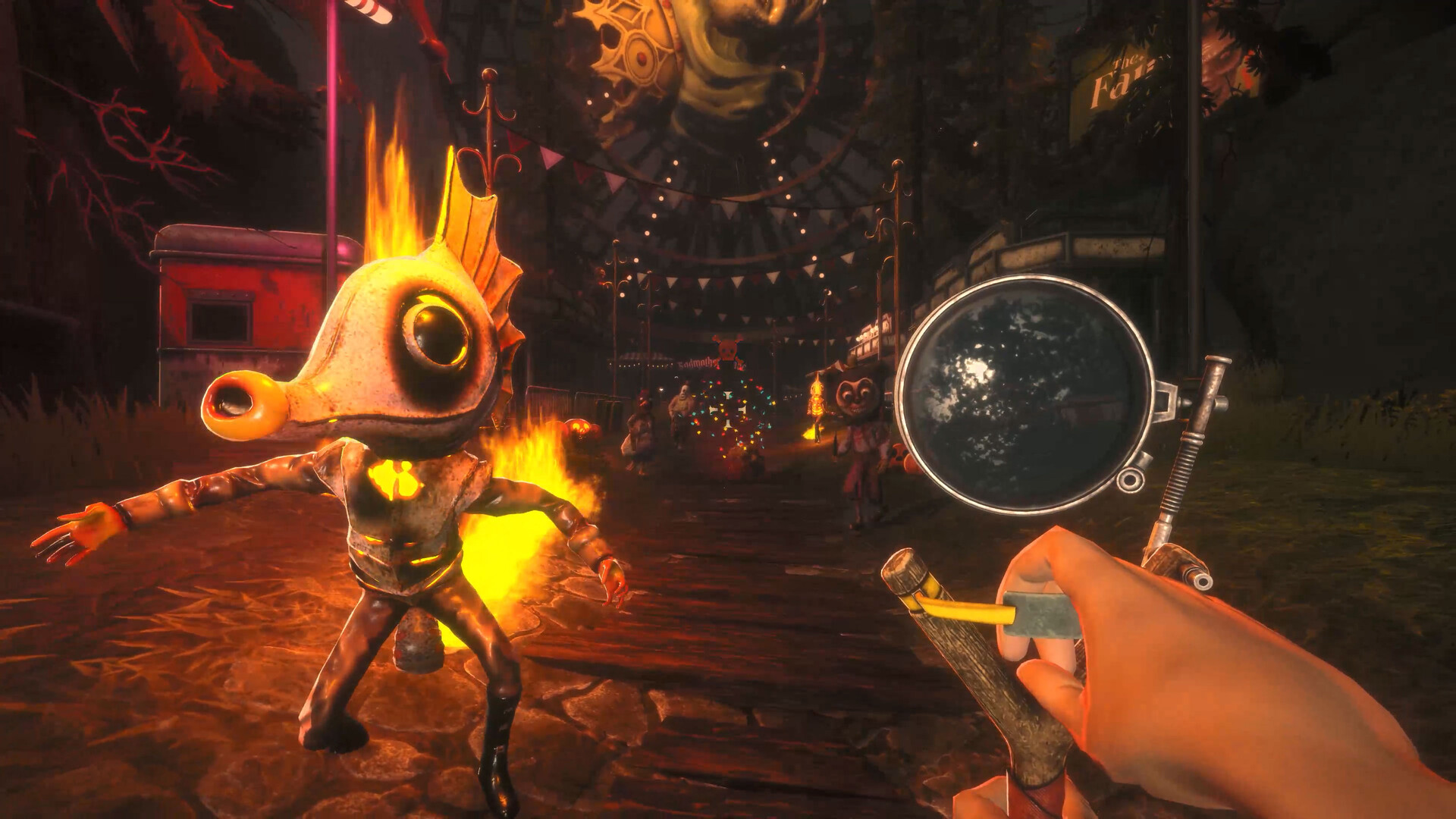
Most enemies look like performers trapped inside oversized animal mascot costumes. Disfigured bears, ducks, giraffes, rabbits, and other disturbingly crafted characters stagger toward you with deeply unsettling movements that make them feel more tragic than cartoonish. Early on, you’re also fighting possessed telephones with enormous teeth that bounce across the floor while ringing nonstop. Every time we thought we’d seen the weirdest creature imaginable, another one appeared a few rooms later.
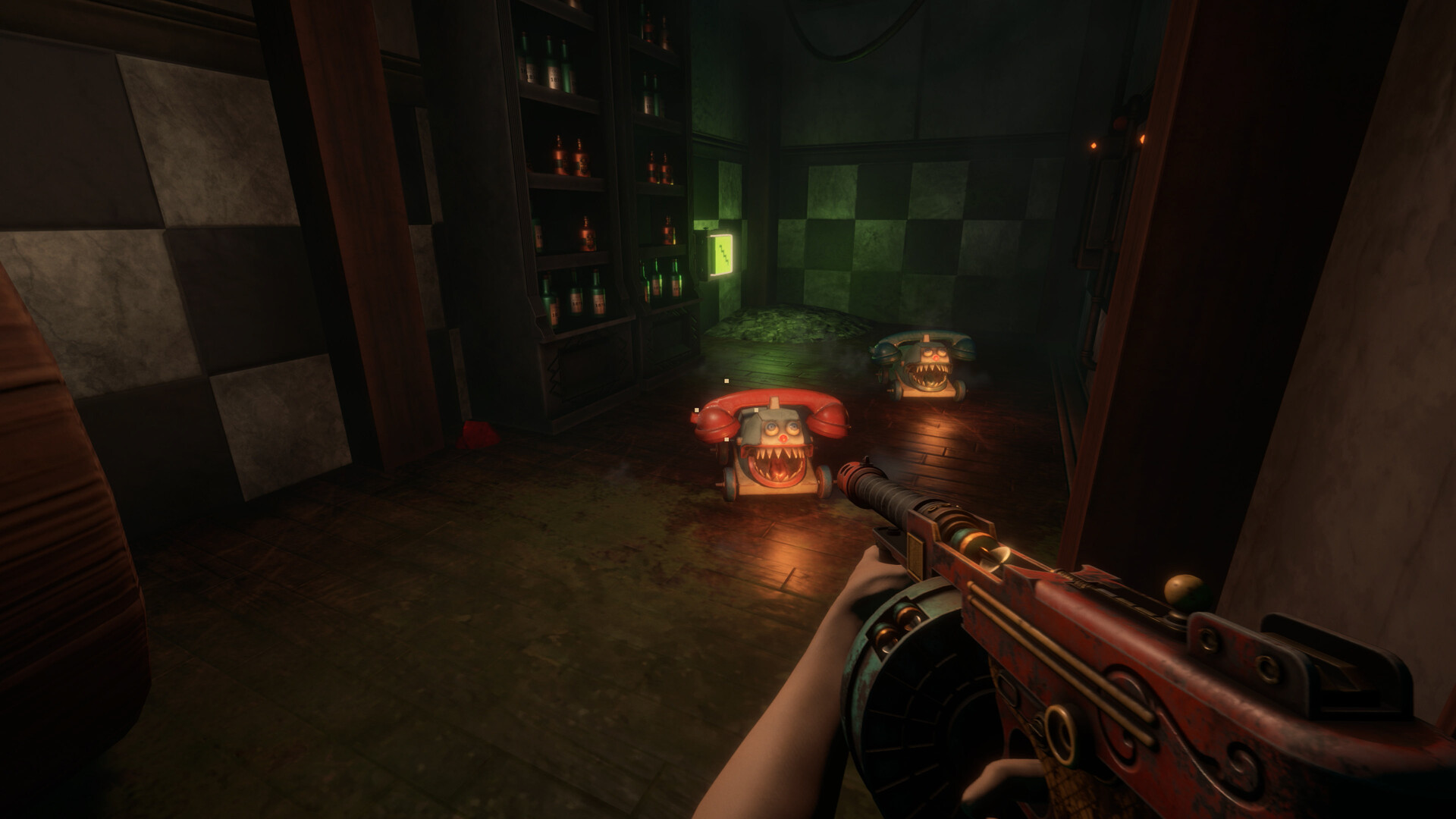
Mechanically, enemies are generally fun to fight. Once we unlocked stronger weapons—particularly the Tommy Gun—we rarely struggled with standard encounters because most enemies rely on fairly readable attack patterns. The only real issue comes from their pathfinding. Occasionally enemies become confused, get stuck on scenery, bounce over statues for no obvious reason, or run awkwardly into walls before finding their way back to you. These moments aren’t frequent enough to become frustrating, but they do stand out in an otherwise polished experience.
Toy weapons that pack a serious punch
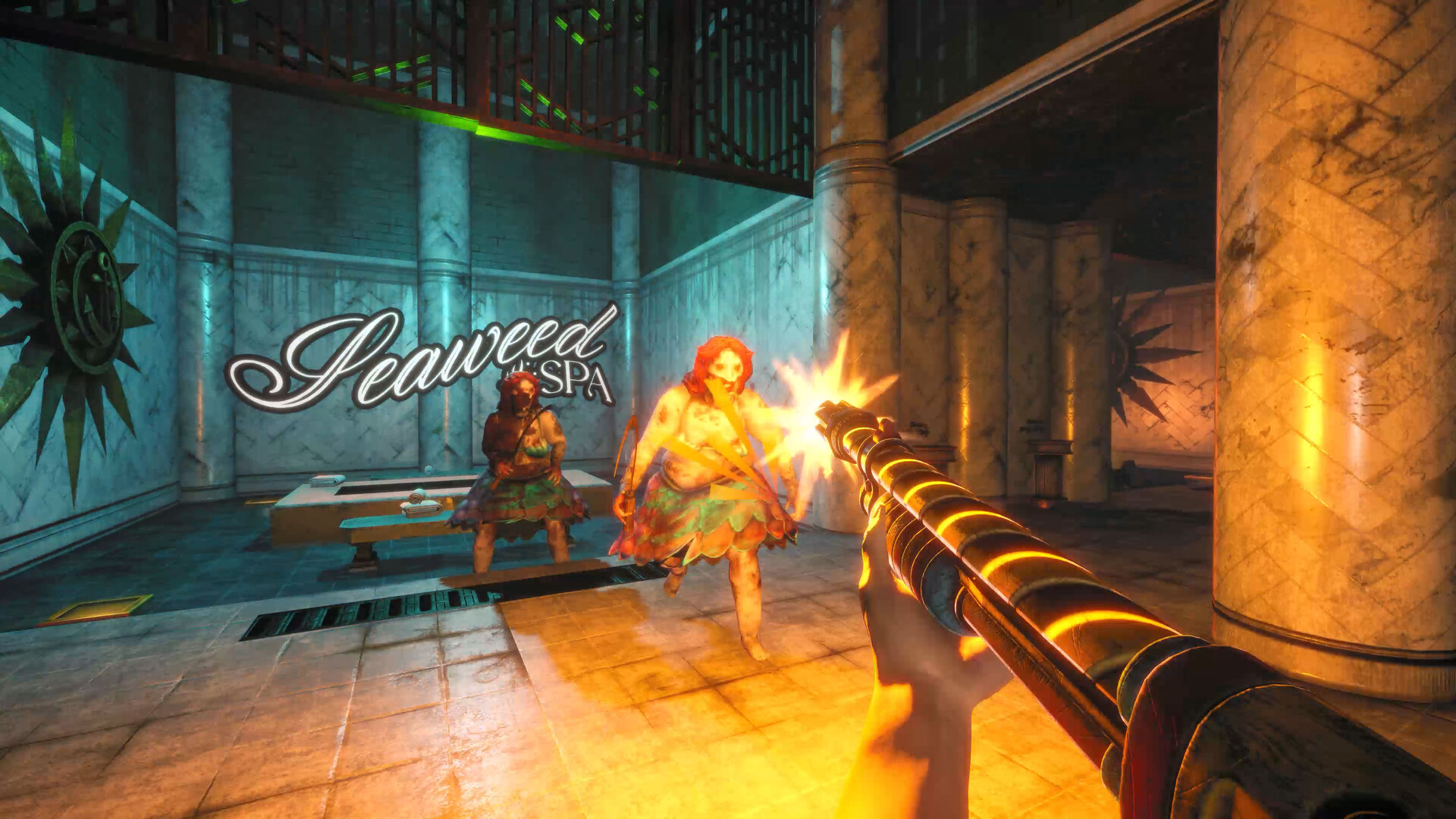
Despite the colorful presentation, TwistedTower is incredibly violent. Blood sprays across the floor while enemies explode into pieces, especially after introducing them to the oversized whack-a-mole mallet.
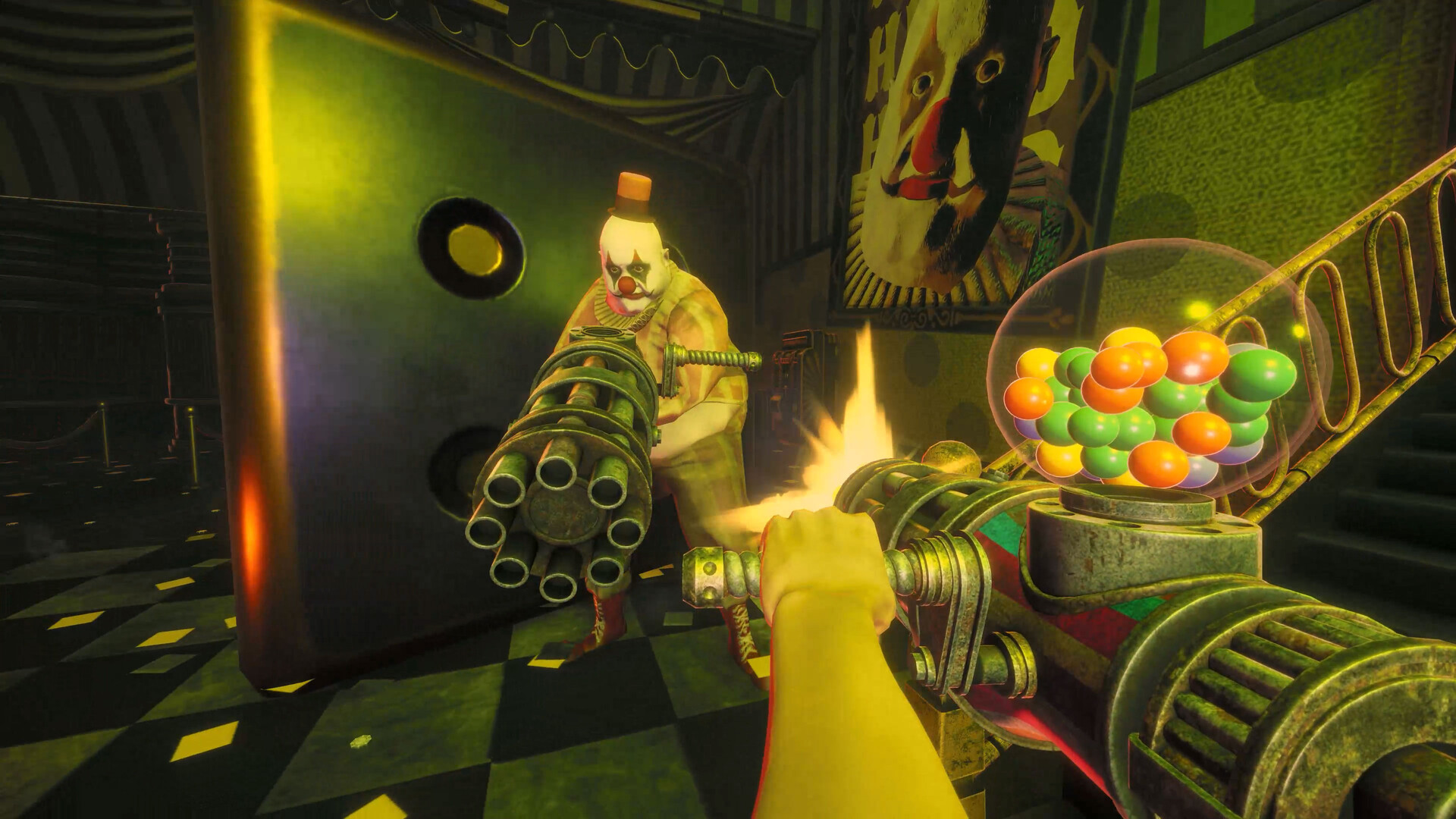
Every weapon is wonderfully ridiculous. The revolver resembles a strange cross between a steampunk invention and a child’s toy. Whenever it runs empty, a little flag shoots out of the barrel like a cartoon gag before you reload. The Tommy Gun fires darts instead of bullets, while later weapons become even more absurd without sacrificing effectiveness.
What impressed us most wasn’t simply how creative the weapons look, but how different they feel. Every firearm has satisfying recoil, impactful sound design, and excellent feedback. We could feel every shot landing. Secondary abilities make combat even better. The Tommy Gun’s alternate fire, for example, activates a brief bullet-time sequence that lets you unload an entire magazine into everything surrounding you. Other weapons gain equally entertaining secondary attacks that encourage experimentation instead of sticking with a single favorite.
Exploration is key!
There were several times we wandered into a side room expecting a box of ammo, only to spend a moment or two chasing tickets because decorations were too good not to pop. Instead of handing you a map, Twisted Tower expects you to pay attention. You’ll often revisit earlier locations after finding keys, activating switches, or unlocking shortcuts. Without a map it can be a bit easy to lose your bearings, but somehow that only made the tower feel more believable.
A journal keeps track of your objectives, while secret locations remain for you to discover on your own. Those secrets are satisfying to uncover because some of them they aren’t easy to discover (although some are). Many require careful observation, a tad of platforming, or noticing subtle environmental clues. Searching every corner becomes even more rewarding because nearly everything contains useful resources. Boxes can be broken, balloons can be popped, pumpkins smashed, trashcans and drawers can be searched for valuable tickets or candy.
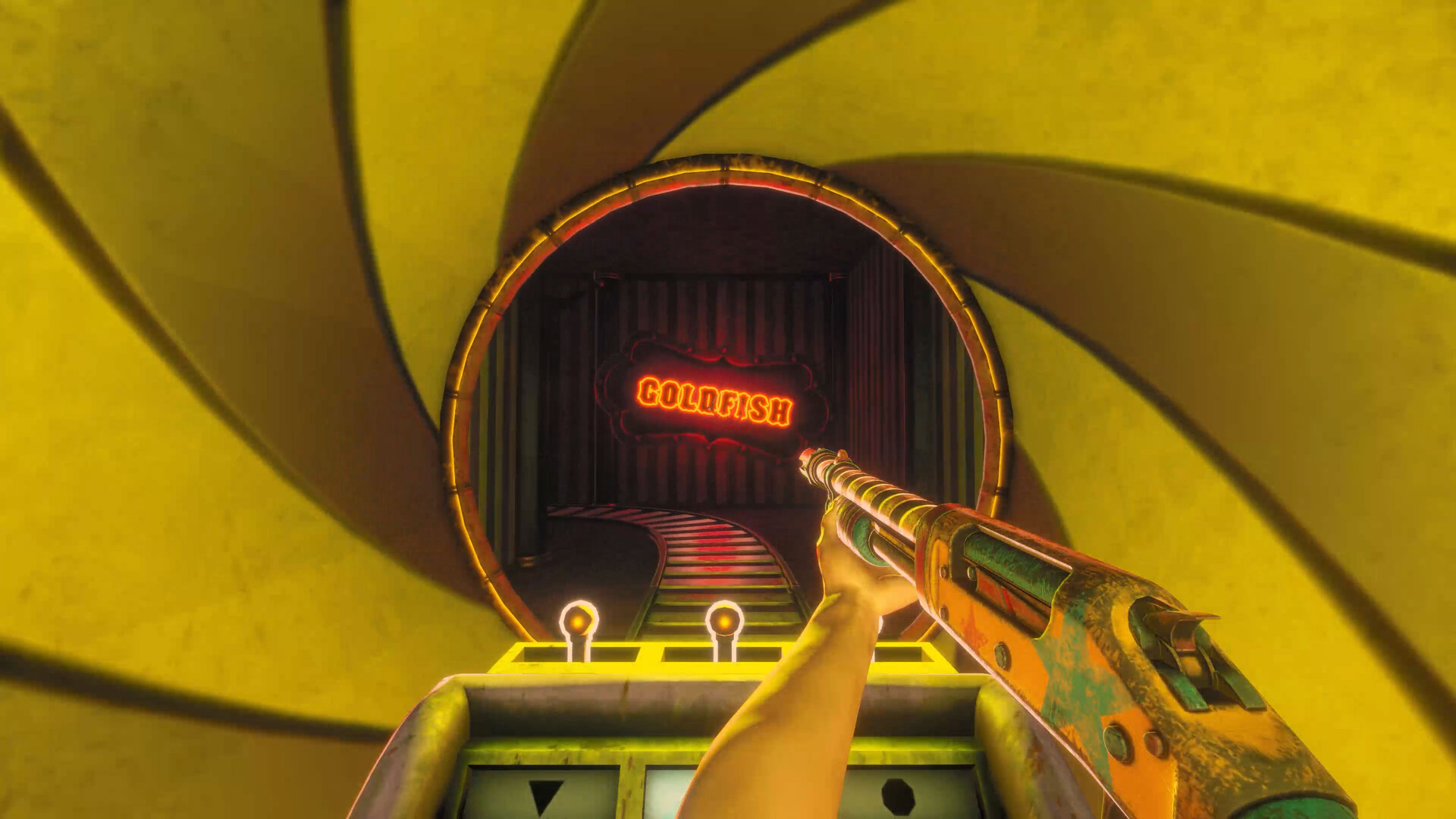
Sweet stuff restores your health, but tickets serve as the game’s main upgrade currency. Upgrade stations scattered throughout the tower allow you to improve nearly every weapon. We increased the mallet’s damage, unlocked devastating heavy attacks, expanded magazine capacities, improved reload speeds, boosted revolver damage, and eventually gained upgrades that dramatically changed how certain weapons behaved. You can feel the difference. Finding the weapons and then seeing how they become better with the upgrades makes things fresh and exciting.
Some tickets can also open locked display cases containing ammunition, healing items, or other surprises, forcing you to decide whether immediate survival is more important than long-term upgrades. It’s a fun mechanic that makes exploring the wonderfully designed world a real joy. It does wonders for immersion and makes every upgrade feel meaningful, as each one is earned through your perseverance and unshakable love for exploring every corner and popping every balloon.
The tower still has surprises left
One mechanic we wish appeared more often involves rotating entire sections of the environment. At certain moments, rooms twist around you until floors become walls and ceilings become new paths forward. These sequences completely alter your understanding of the level layout and create some of the game’s most memorable moments. They’re used sparingly, but perhaps that’s what makes them so effective. Every time the world shifted around us, we stopped for a moment just to admire the scale of what the developers had built.
The game also introduces collectible toys that gradually expand your movement options with abilities like dashing, grappling, and improved traversal. Rather than overwhelming you with mechanics from the start, it steadily opens new possibilities that make later exploration more interesting and, in some cases, encourage revisiting older areas to uncover previously unreachable secrets.
Beautiful despite a few rough edges
Visually, Twisted Tower strikes a wonderful balance between charm and horror. The lighting creates an eerie atmosphere throughout the tower, while the massive statues and abandoned attractions constantly remind you of its former glory. The colorful presentation makes the violence even more striking, creating a contrast that never loses its impact.
Character animations can occasionally appear stiff, although we couldn’t decide whether that was intentional. Many enemies move like puppets hanging from invisible strings, which suits the unsettling tone remarkably well.
Some environments feature fairly simple geometry and sharp edges that feel reminiscent of shooters from the late ’90s and early 2000s. Rather than hurting the experience, those moments almost feel deliberate, giving the game a nostalgic edge without looking outdated.
Performance remained solid throughout our playthrough, and outside of the occasional AI hiccup, we encountered very few technical issues worth mentioning.
More than an indie BioShock
Twisted Tower confidently stands on its own thanks to outstanding world-building, memorable characters, wonderfully bizarre enemy designs, satisfying gunplay, and a mystery that kept us invested from beginning to end. Yes, the influences are obvious, but they’re worn with pride rather than used as a crutch.
It’s rare for a game to make us smile and evoke great sense of nostalgia by letting us walk through its world. Every corridor, every strange mascot, every haunting melody, and every ridiculous weapon reminded us why we fell in love with atmospheric shooters in the first place.
Until BioShock finally returns, Twisted Tower might be the closest we’ve come to scratching that itch—and it does so while creating an unforgettable identity of its own.

Leave a comment