

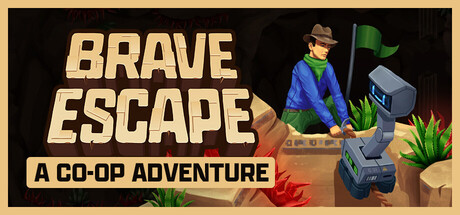
Making a game where two players have to move in perfect sync is tough. Hit Start Studios took that on with Brave Escape, a platformer that makes players rely on a core set of rope and boost moves. After a solid PC launch, the studio brought the game to consoles.
Game Designer Steve Ciaramitaro explained how the team actually pulled it off. From testing tricky jumps with his six-year-old to dealing with the headache of cross-play, development required a lot of trial and error along the way.
This interview would not have been possible without the wonderful people at Plan of Attack. Many thanks Sergey Khoroshykh!
Handling the Tech and New Looks
Getting a game to work across PlayStation, Xbox, and PC is a big job for a small indie team. Making sure the physics and timing matched up perfectly over an internet connection was quite the challenge.
It was definitely a challenge that took way more time than anticipated. We wanted to make sure players could enjoy the game together regardless of the platform they were on, especially since their friend can join for free.
The hardest part with networking was that nearly every aspect of the game required a custom solution to ensure smooth, consistent gameplay. Thankfully, our earlier release on Steam and our later release on Epic ensured our cross-play was battle-tested before it reached consoles.
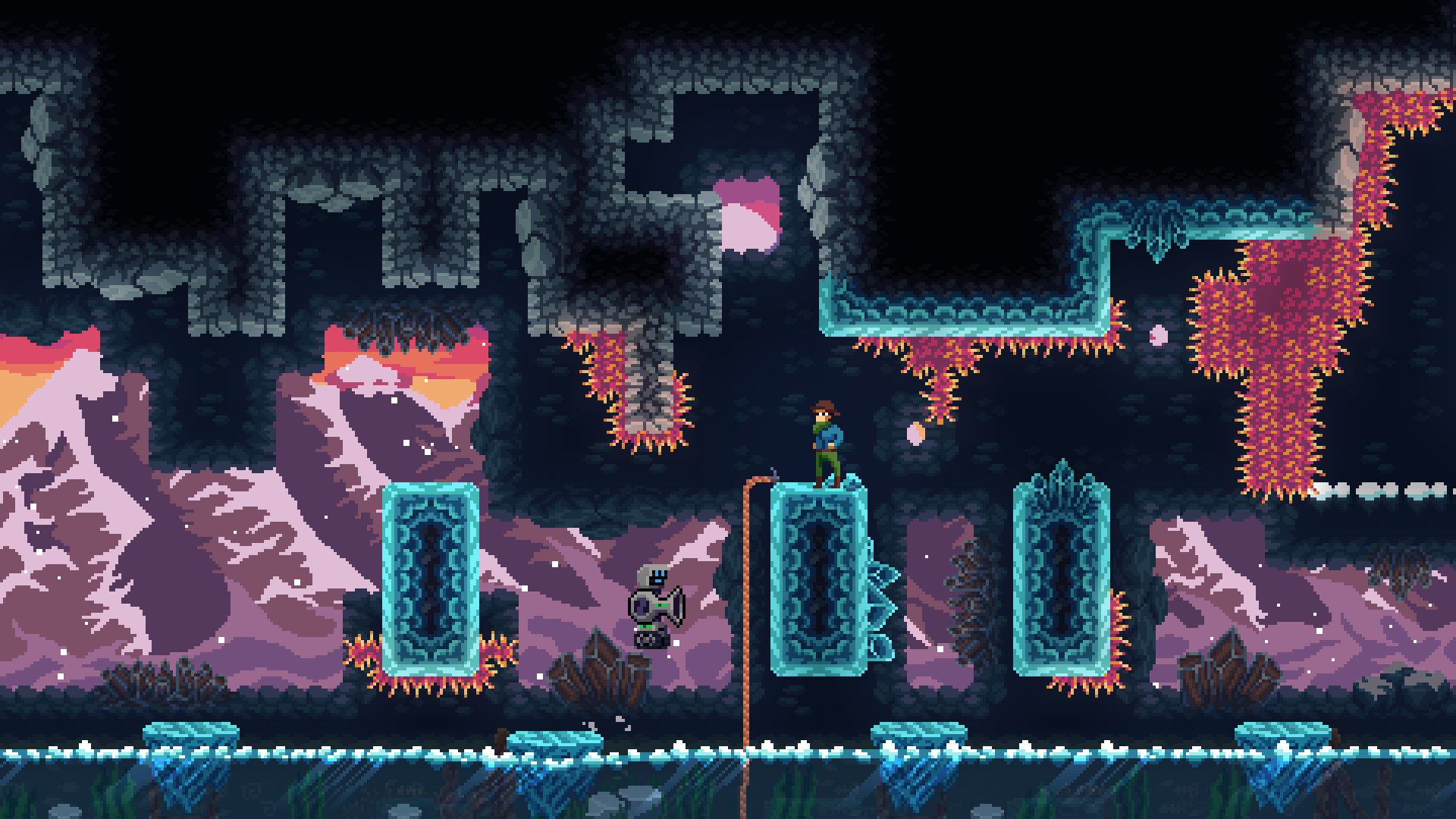
With the jump to consoles, the devs also tweaked the lighting and environments. This is a game where players need to know exactly where they’re landing. Making things look prettier can sometimes ruin the gameplay by hiding hazards. But Ciaramitaro noted the visual upgrades actually helped.
Honestly, we never really ran into issues with the new environmental effects obscuring gameplay. We don’t have super large foreground elements that cover the characters and never noticed players thinking they could land on environments that they couldn’t. If anything, updating the lighting and animations did more to assist players with tracking movement and landing jumps than hinder them.
Finding the Right Difficulty
Brave Escape was originally built to be hard. But early on, the studio saw that the steep difficulty was scaring off players who otherwise liked the concept. To fix that, Standard Mode was created to sit alongside the tougher Brave Mode.
Brave Mode was actually built first. We always intended to make a challenging precision platformer, but after watching early playtesters, we realized that while people loved the game, the high difficulty barrier kept a lot of players from fully enjoying it. Standard Mode took a massive amount of testing to make sure it felt far more accessible without losing the core heart and satisfaction of the game. To make sure the difficulty was actually fair and approachable, I ended up playtesting a lot of the revised levels with my 6-year-old. If he was having fun, I knew we hit the right balance.
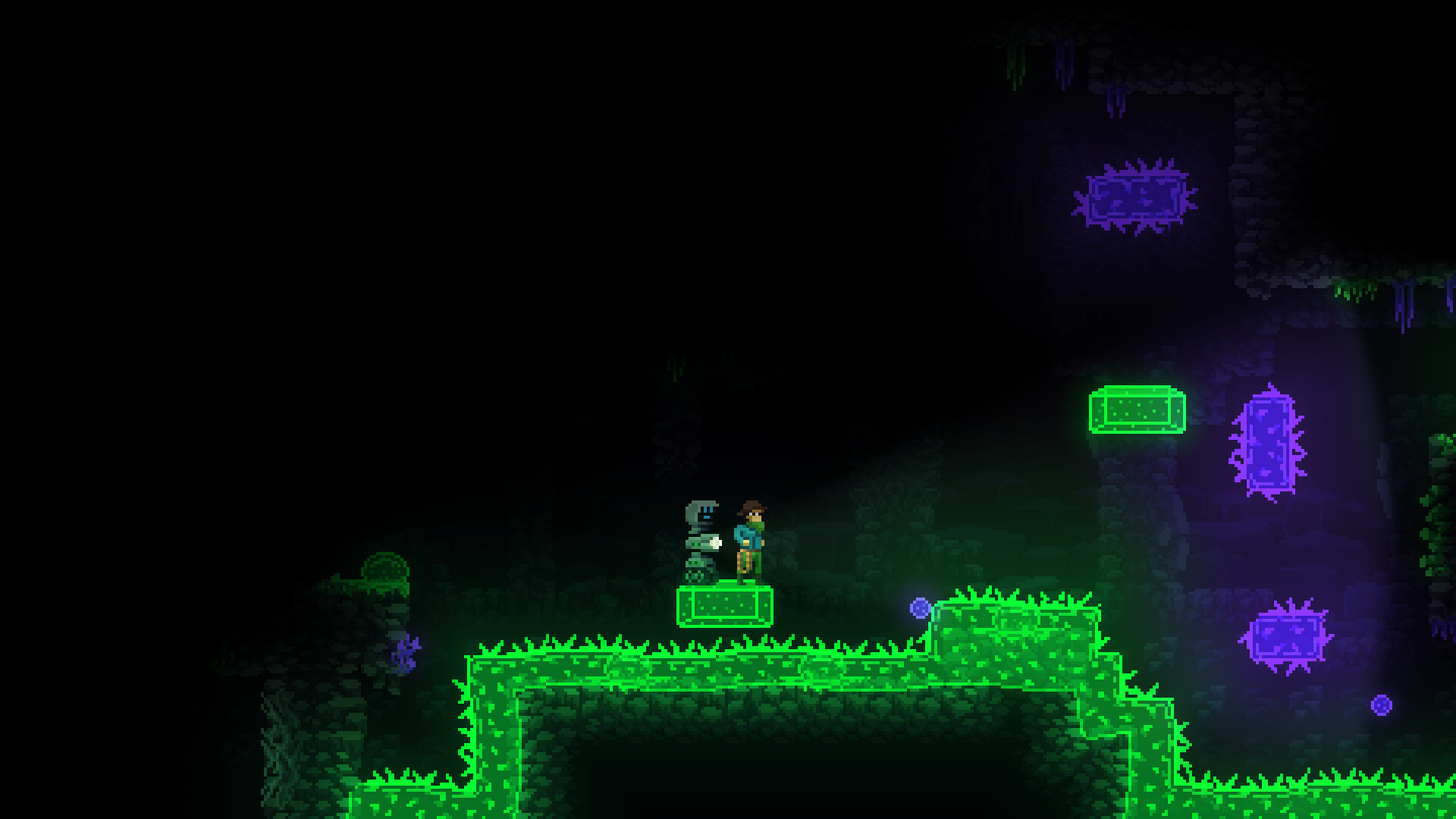
Making the game easier to play wasn’t just about jump timing. Since Floyd is drawn on top of Colin on the screen, it was easy to lose track of who was who when things got crazy. Adding some visual aids solved this problem.
Because Floyd is rendered in front of Colin, some players requested options to assist in tracking their characters during hectic areas. We tested out a few different options during development and found that adding transparency and high-contrast outlines was the best solution for us. We specifically chose blue and yellow for the outline colors because they are two of the safest colors for accessibility and colorblindness.
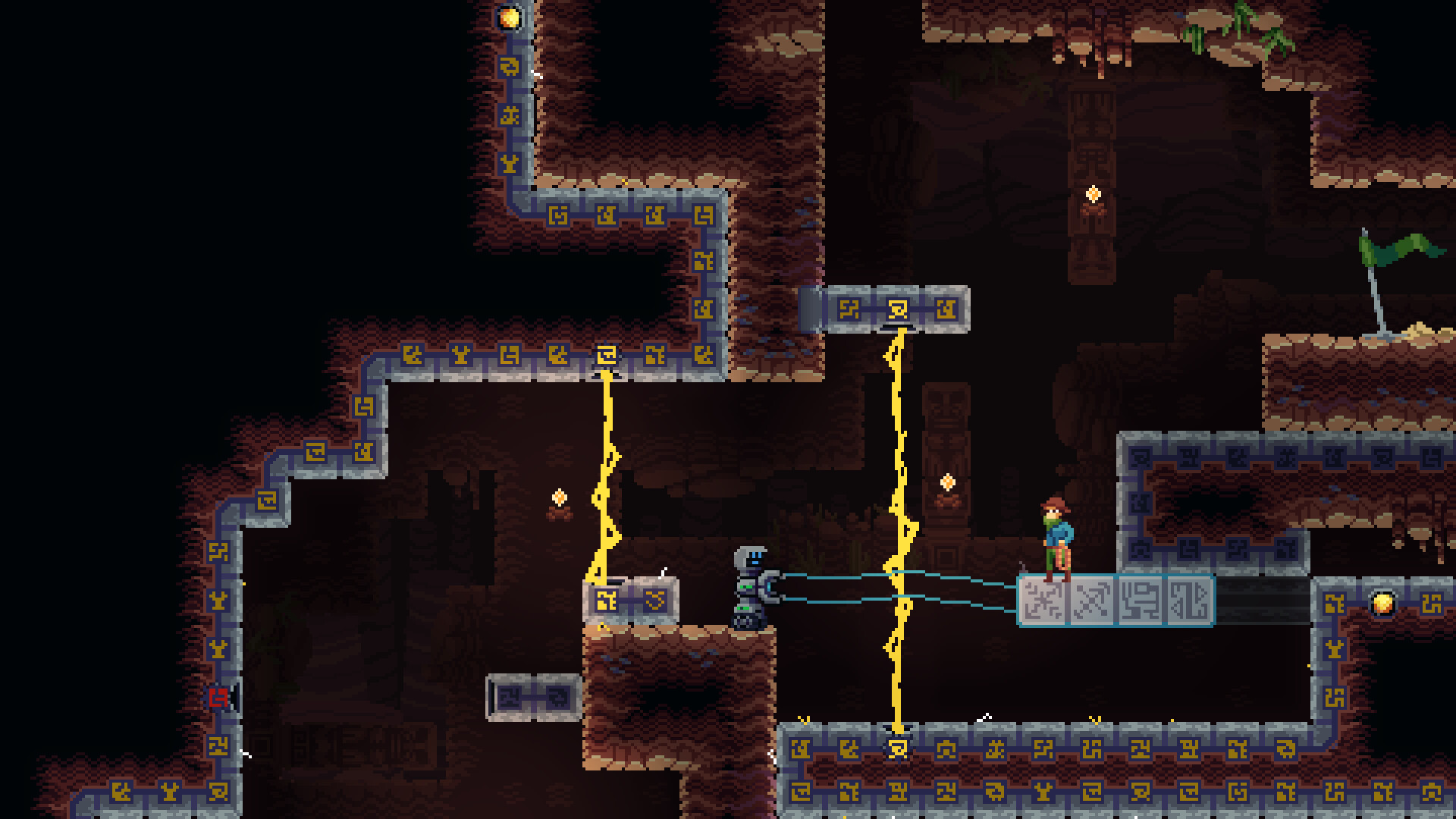
The designers also thought about player burnout. The console version has 45 brand new levels and 70 bonus levels across the seven worlds. Instead of making the main story super long, the extra content was broken off to the side.
We wanted the main campaign to feel less like a marathon without actually cutting any of the content we worked so hard on. We noticed it was taking players a bit too long to reach the end of each world, and some were getting burnt out before finishing them. Moving a chunk of the core levels into bonus levels allowed us to tighten up the pacing of the main story path without throwing any levels away. Plus, finding and unlocking bonus content is fun!
As for those 45 new levels, we asked if watching real players break their original puzzles change how they approached designing these new levels? We also asked how the level design philosophy shift once the game was out in the wild?
No, I wouldn’t say there’s anything we saw from players that specifically influenced the design of these levels. They are a collection of ideas that didn’t make it into the original release and exploring new ideas with the existing mechanics.
Playing Together (and Testing Alone)
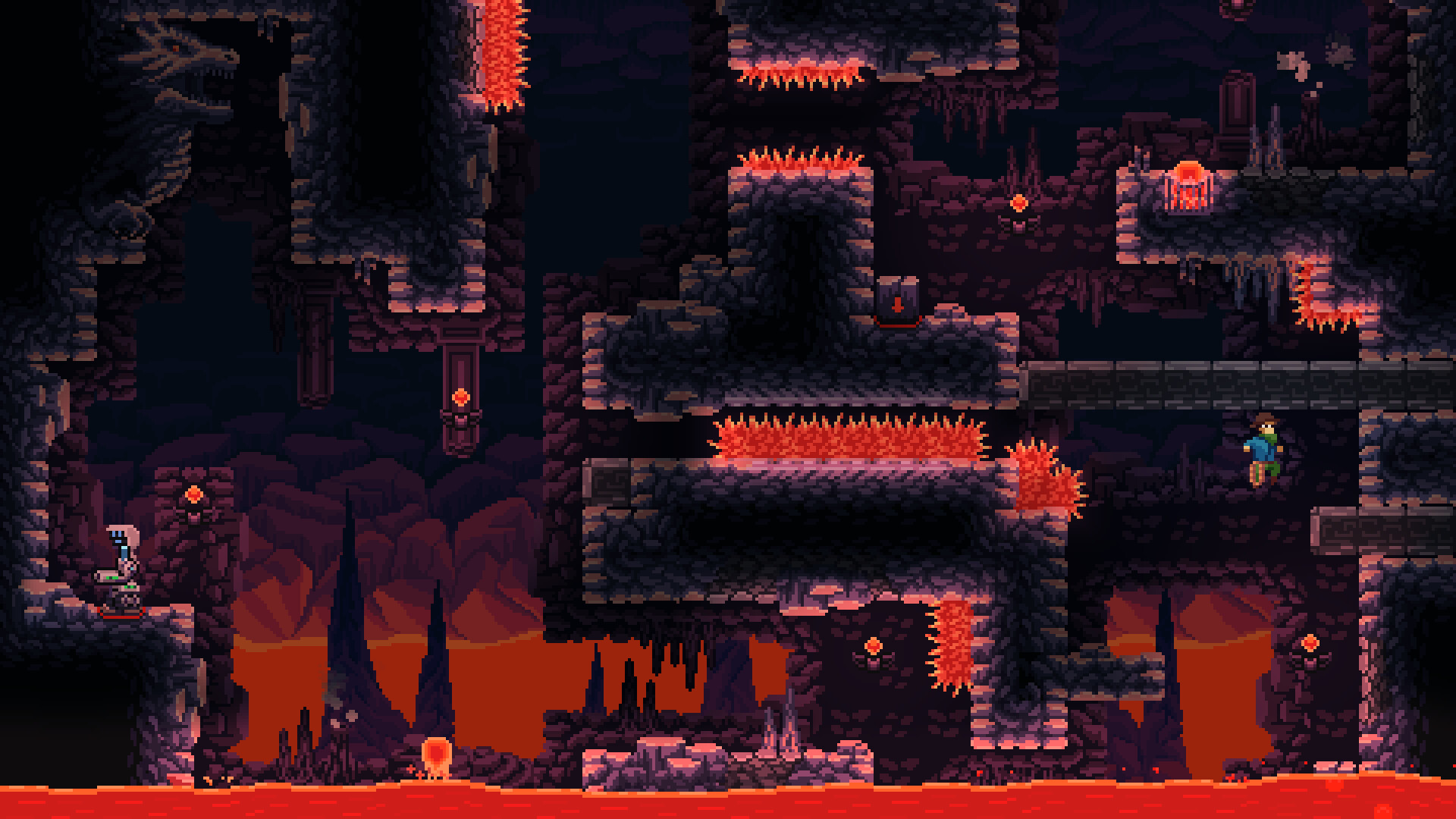
Since the whole game requires two people playing together, testing the levels in the studio was tricky. You can’t exactly test a co-op puzzle by yourself—or can you?
We actually got so good at the game that we learned how to control both characters at the same time – no, really, we did! We played Brave Escape a LOT during development and it definitely helped that we genuinely love playing it. We tested and re-tested all the levels over and over, and I can proudly say that through the entire development process, there were never any punches thrown!
That focus on real teamwork also shaped how players talk to each other in-game. A lot of multiplayer games have ping systems or text chat, but Hit Start went with a simpler approach.
Outside of the handful of emotes players can trigger, there aren’t direct in-game tools like a ping system to communicate with your partner. The game was designed for people sitting in the same room together or hopping on voice chat. Since the vast majority of players are already hanging out with friends on Discord or platform party chat anyway, we never felt like in-game chat tools were necessary, nor did we want to clutter the screen with extra UI elements when direct talking works best.
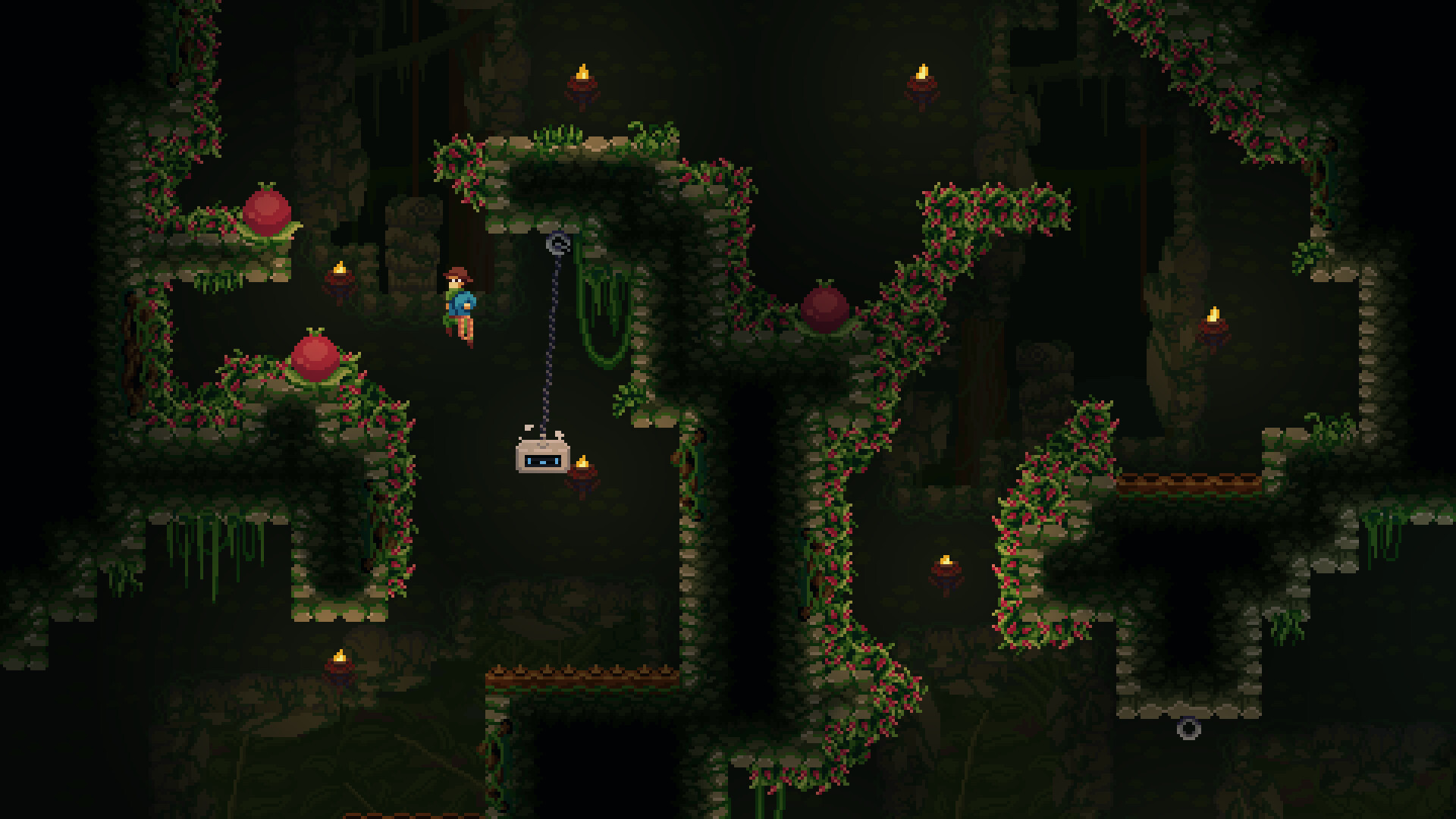
Taking a tough PC platformer and turning it into an approachable console game taught the team a lot about how to make co-op work. For anyone else trying to make a game like this, the advice is pretty straightforward: don’t overcomplicate things too early.
Designing for a co-op game is a definite challenge – you constantly have to consider what both players are doing at any given time while making sure their roles still feel unique. I would say the most important lesson we learned is to start simple.
For Brave Escape, almost everything is built around our core boost and rope mechanics. We spend the entire first world building on and mastering those core abilities before giving any new ones to players. If you throw too many unique mechanics at people at once, they spend all their energy fighting the controls instead of working together.
But most importantly – test, test, test! Once you notice players start developing a natural rhythm together it’s probably a safe time to start introducing new mechanics.
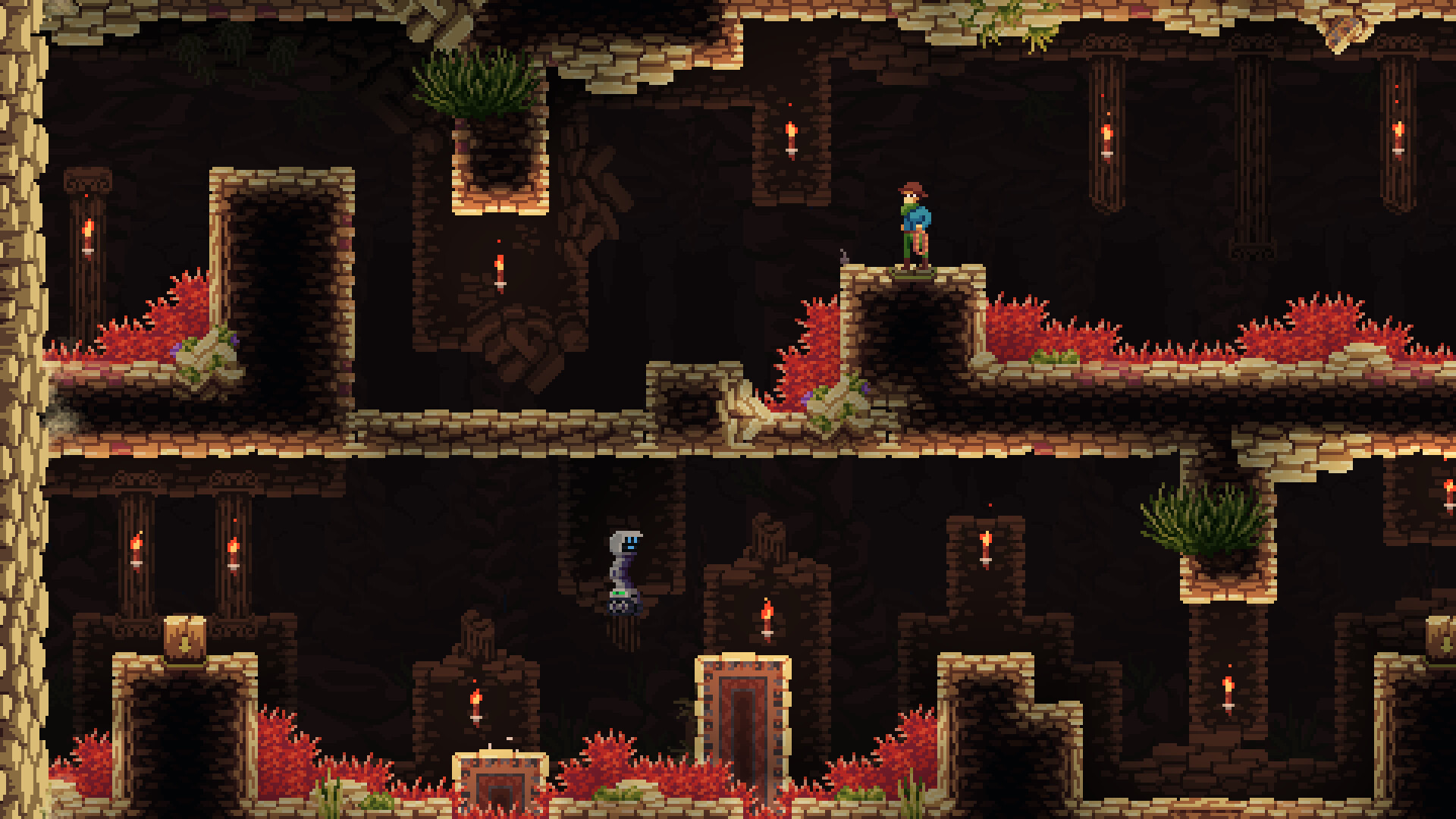
Hearing how developers learned to play a two-player game entirely by themselves just to test the jumps is wild. It reminded us of how much hands-on time actually goes into making a tough game feel fair instead of just frustrating.

Leave a comment