
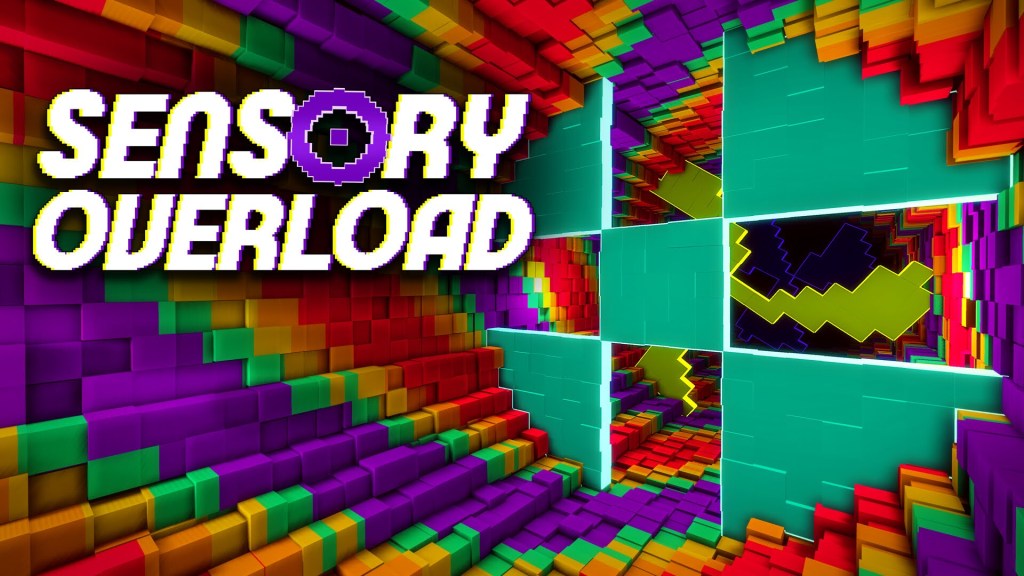
When solo developer Tim Berce started working on a prototype inspired by Minecraft’s dropper maps, he wasn’t expecting it to go viral. Yet, his upcoming game Sensory Overload has amassed over 70 million views and 90,000 wishlists ahead of its demo release.
This interview would not have been possible without the wonderful people at Two Frogs in a Trenchcoat. Many thanks Jasmine James!

Sensory Overload is a game about falling. Players navigate a high-speed descent through shifting geometric corridors designed to test reflexes and pattern recognition.
Building this kind of experience requires specific technical work. Berce discussed the programming hurdles of high-speed collision, the sudden popularity of his prototype, and why he thinks games can benefit from pushing player comfort levels.
The Virality Factor
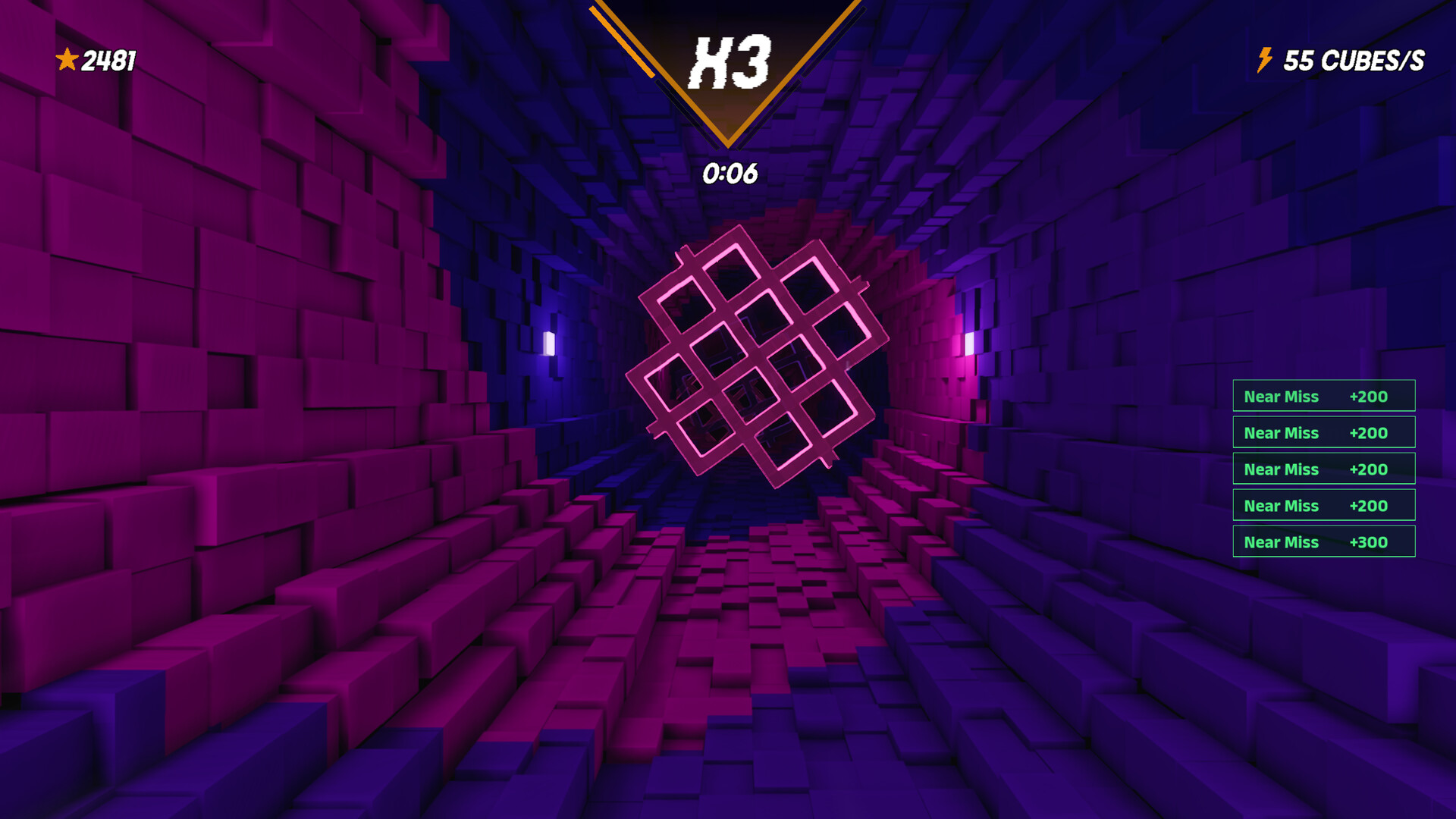
The game features “breathing” walls and rapid color shifts, a style that performs exceptionally well on short-form video platforms. But Berce notes that this wasn’t the original intent, and the visual style actually creates technical challenges for video compression.
“The goal never was to build a game that looks good on shorts, that just happened along the way. Video compression is a huge issue and always produces a lot of artifacts when recording, simply because every pixel on the screen is moving in every frame. Luckily the fast-paced action of the game hides most of the imperfection and it still looks good enough to go viral.”
To make sure the game remained playable at these speeds, the audio-visual synchronization required extensive testing.
“Color schemes and beat maps went through a lot of iterations to find color-swap frequency that makes the game visually intense but still fair. Although some levels are designed to be difficult to see for an additional challenge.”
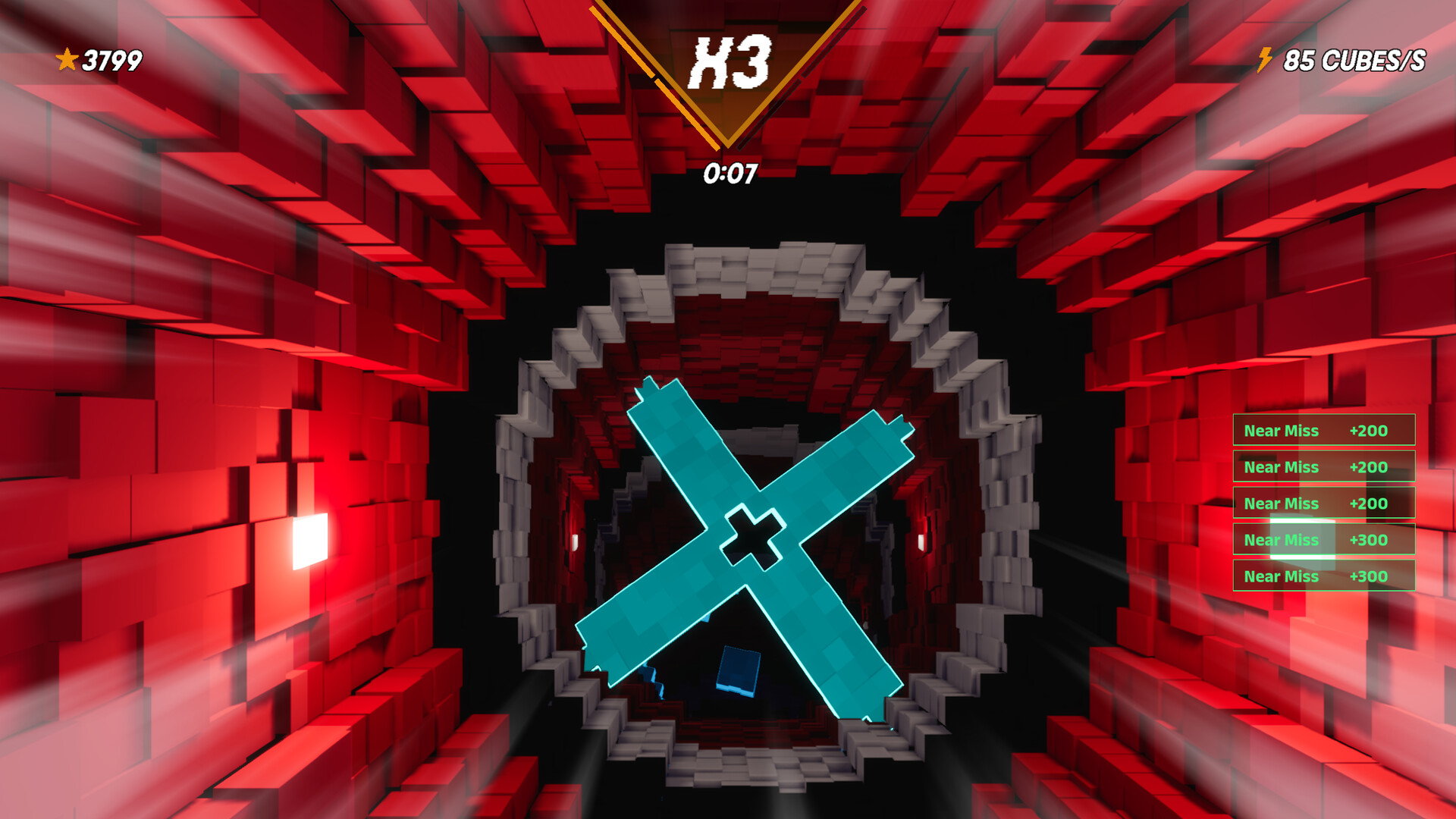
The early attention brought in a large pool of testers, which Berce used to refine these mechanics.
“I’ve been extremely fortunate to pick up over 3000 playtesters before the release of the demo which helped significantly improve the gameplay and helped me fix a lot of bugs. The community has been absolutely spectacular and many of their ideas have made it into the final game.”
Rebuilding Movement
Translating a Minecraft mod into a standalone game required Berce to change how movement works. Standard game physics couldn’t provide the necessary precision for competitive play.
“I’ve completely dropped colliders, in Sensory Overload you play as a mathematically perfect point which is the only way I could reliably build a ‘fair’ first person experience. Any size larger than a point led to what players considered unfair deaths. That and moving off of WASD movement in favor of mouse movement for control.”
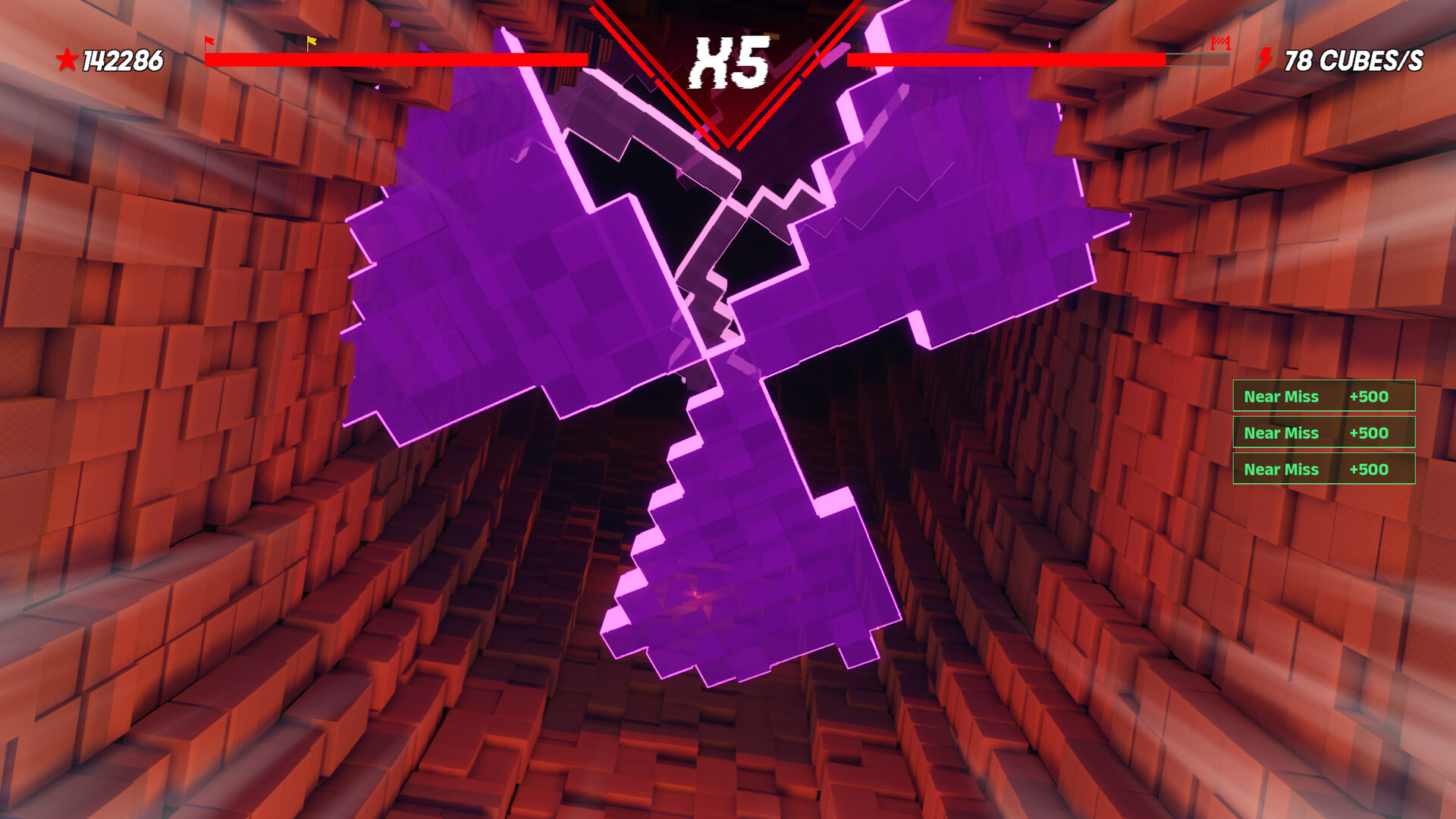
Removing standard colliders introduced new technical problems, especially when trying to maintain fairness on leaderboards.
“Figuring out collision for an infinitely small collider at extremely fast speeds was surprisingly difficult. Luckily there are fantastic blogs written by other developers in the FPS genre that massively helped.”
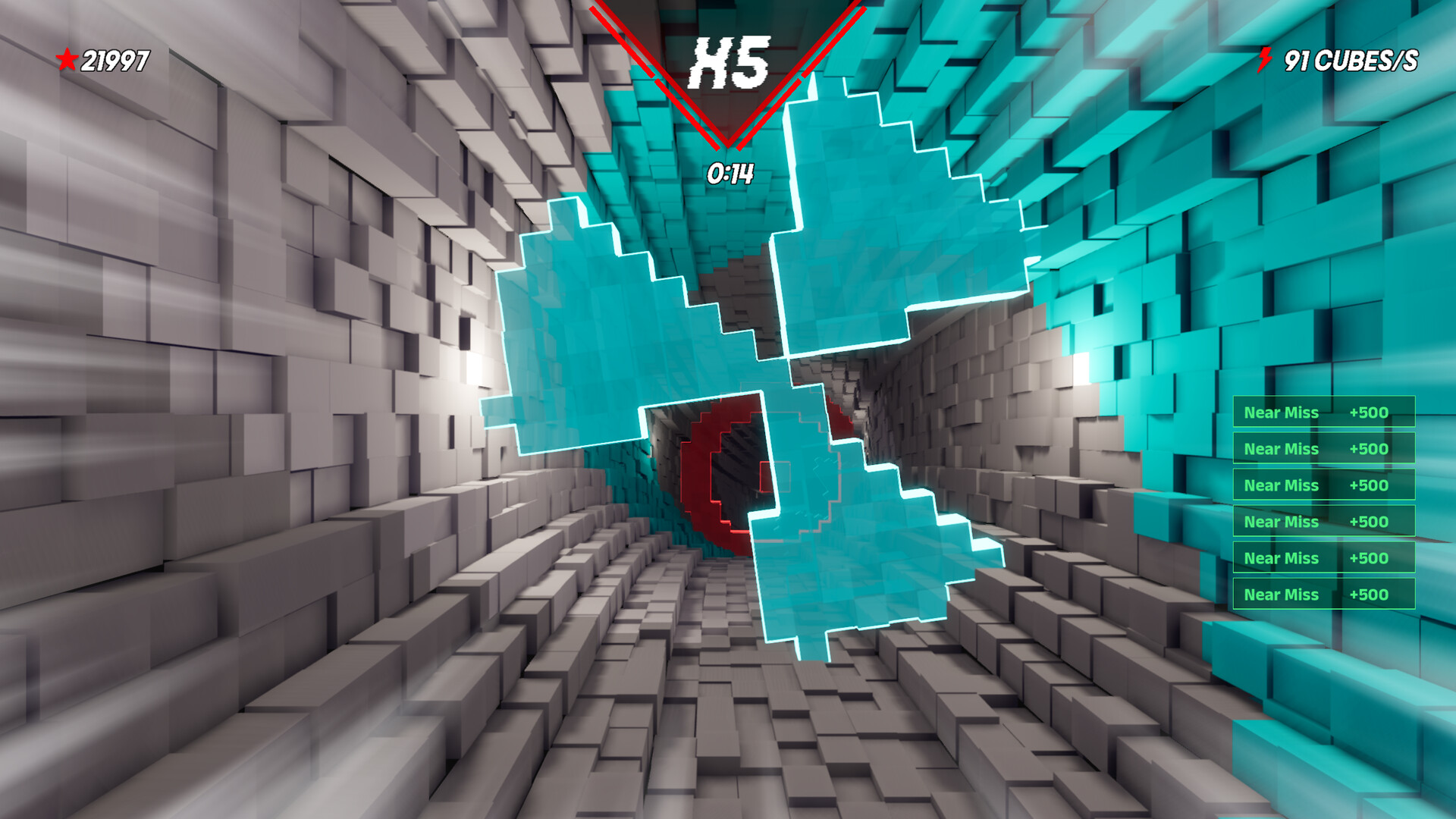
These strict controls are part of keeping the player engaged through repeated, rapid attempts.
“My core focus during design was to build the ultimate ‘one more try’ experience for players. This keeps them locked-in on the game for longer sessions. There are a few things that help make this a reality: 1. The game is visually stimulating. 2. An extremely fast death-to-respawn flow gets you back into play immediately. 3. Levels are deterministic so every death teaches you about where you should go and players feel like they can beat the level.”
Designing Discomfort
The environment housing this gameplay loop can be disorienting. Early on, the visual style had physical effects on people watching the game.
“I didn’t set out to make a hostile game, I built the prototype that I enjoyed playing, but people around me started feeling ill while watching and that’s when I decided to lean into the ‘evil dev’ persona. Although I think most fans don’t experience anything negative while playing.”
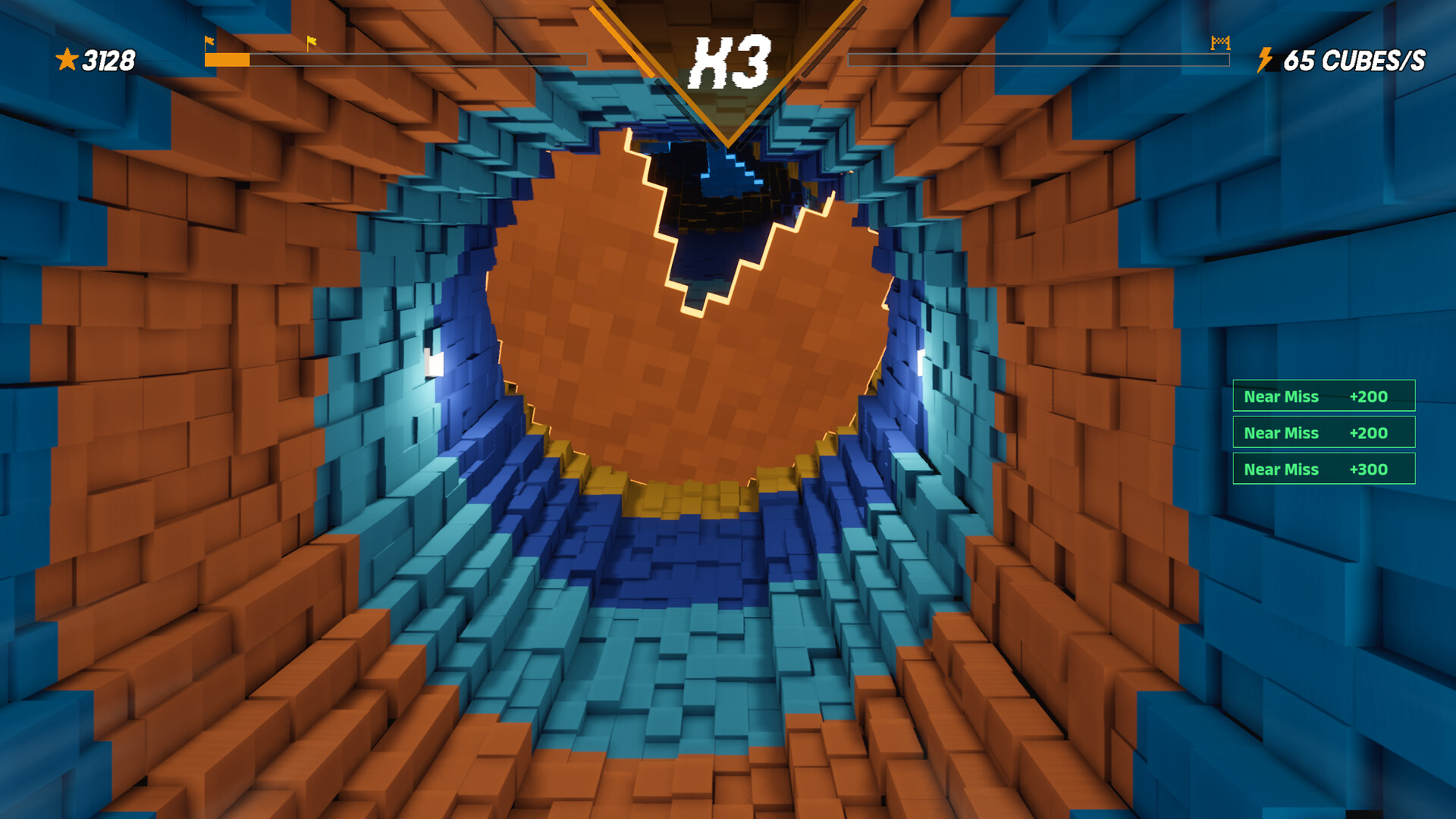
As our interview was coming to a close, Berce explained how he sees value in challenging traditional design conventions regarding player comfort.
“I’d like to think Sensory Overload pushes the boundaries on what players enjoy. I think most games should be built to be as comfortable to play as possible, but in the end I think players are searching for a new experience and some discomfort may offer that. Horror games seem to be the only genre that regularly tries to make players feel uncomfortable, and I’d like to see other genres attempt it as well.”

Leave a comment