
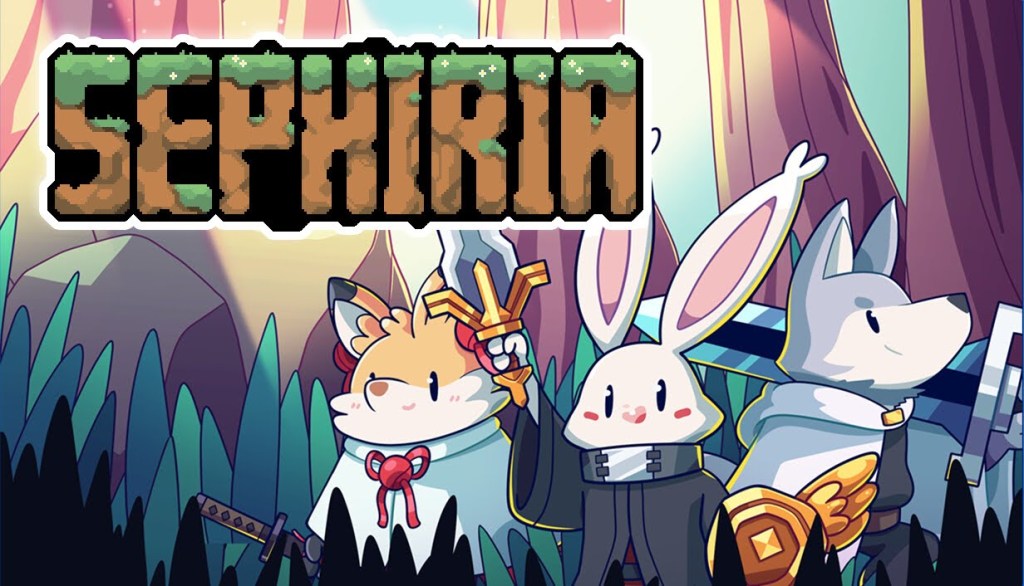
The first thing we noticed after naming our bunny Fluffy wasn’t the combat or the colorful pixel art. It was the music. The cheerful soundtrack immediately put us at ease, and watching the wind gently sway the trees only reinforced the feeling that we were about to embark on some cozy little adventure. Since we went into Sephiria completely blind, we genuinely believed we were in for a relaxing platformer with a few light action elements.
Then it started raining.
We grabbed a sword and shield, monsters began pouring in, and within minutes we realized just how wrong our first impression had been. Sephiria isn’t interested in being cozy for very long. Beneath its adorable presentation lies a demanding top-down action roguelite that constantly pushes you to improve, experiment, and survive.
Simple to Learn, Rewarding to Master
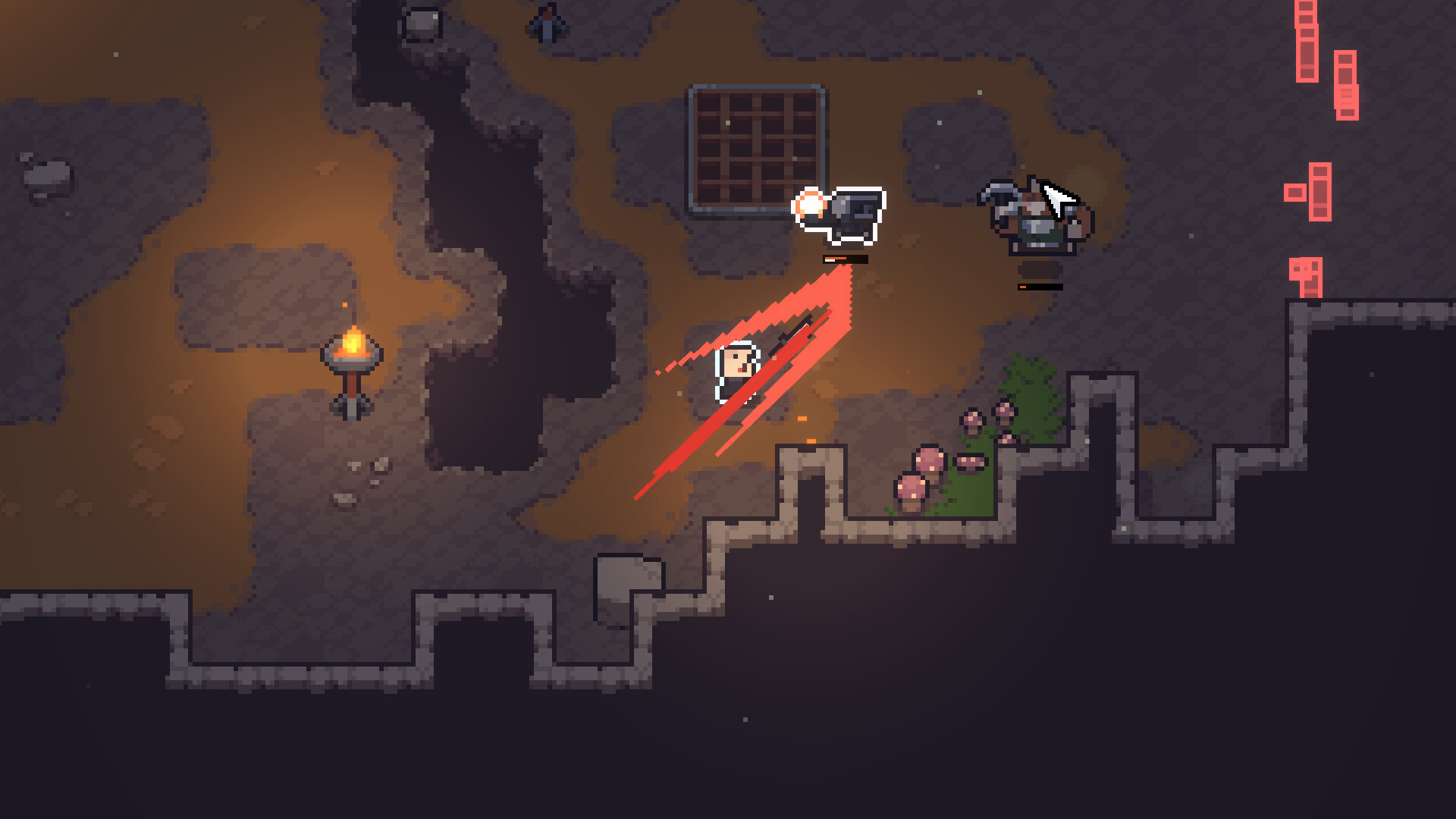
Every swing in Sephiria carries satisfying weight, making each successful hit feel impactful instead of floaty. You can dash, block, and even weave those defensive moves directly into your attacks for stronger follow-up strikes. Instead of simply clearing rooms to move forward, we found ourselves looking forward to seeing what the next fight would throw at us.
Regular enemies already keep you on your toes, but tougher opponents introduce mechanics like Super Armor, forcing you to rethink your usual approach instead of mindlessly mashing the attack button. Bosses build nicely upon those ideas, demanding careful positioning, timely blocks, and smart use of your growing collection of abilities.
The six weapon types help keep every run fresh. They don’t simply change attack animations—they encourage different playstyles, especially once upgrades begin piling up. With dozens of weapon enhancements available, no two runs feel exactly alike. Sometimes we leaned into quick, aggressive attacks, while other attempts rewarded a slower, more defensive style. The game gives you enough freedom that finding your preferred approach becomes part of the fun.
Every Run Makes the Next One Better
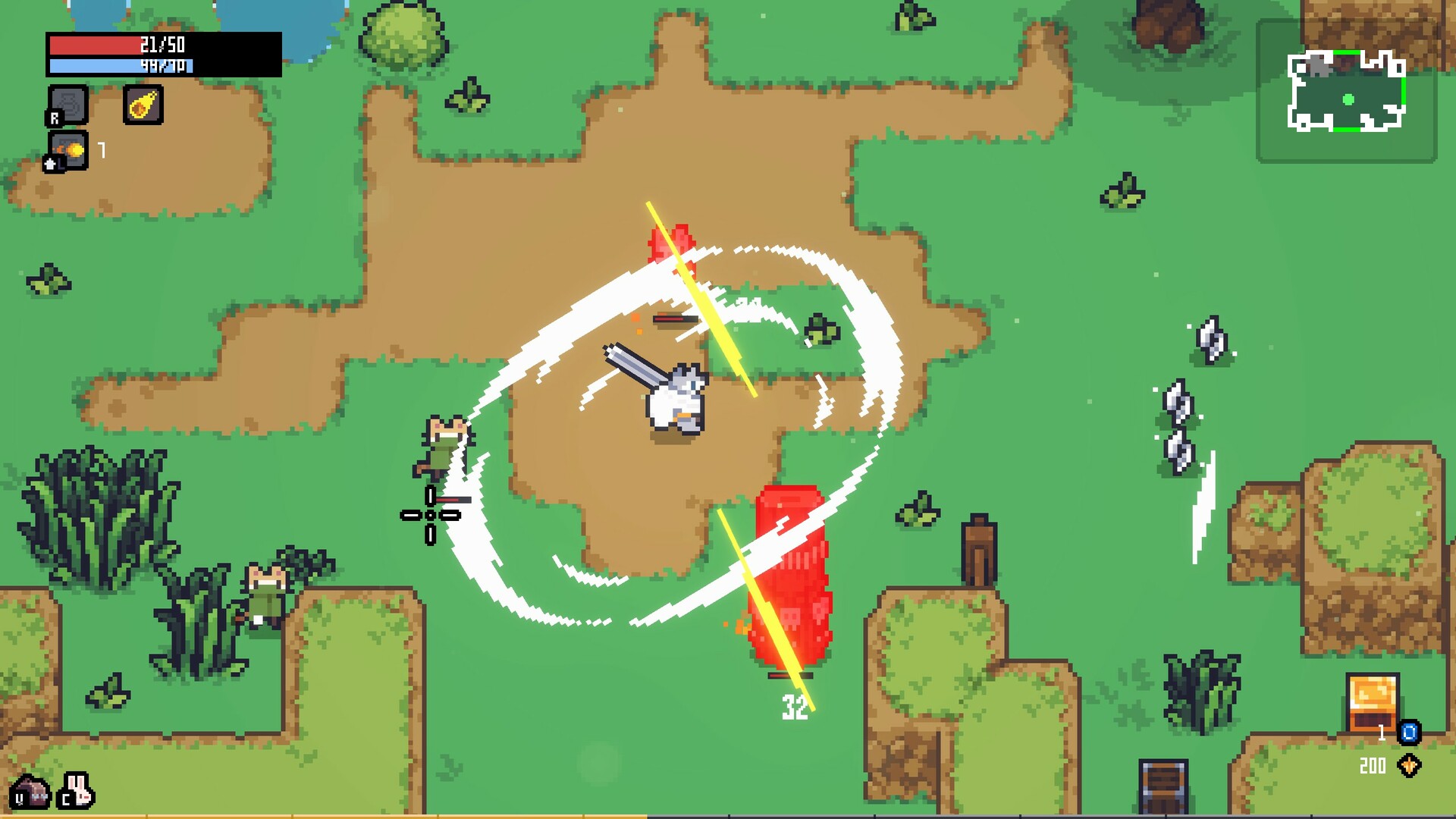
Like most roguelites, Sephiria revolves around descending deeper into dangerous floors. You clear rooms, earn rewards, level up, and slowly assemble a build capable of surviving the increasingly difficult enemies waiting below. Along the way you’ll discover Artifacts, which form the backbone of each run.
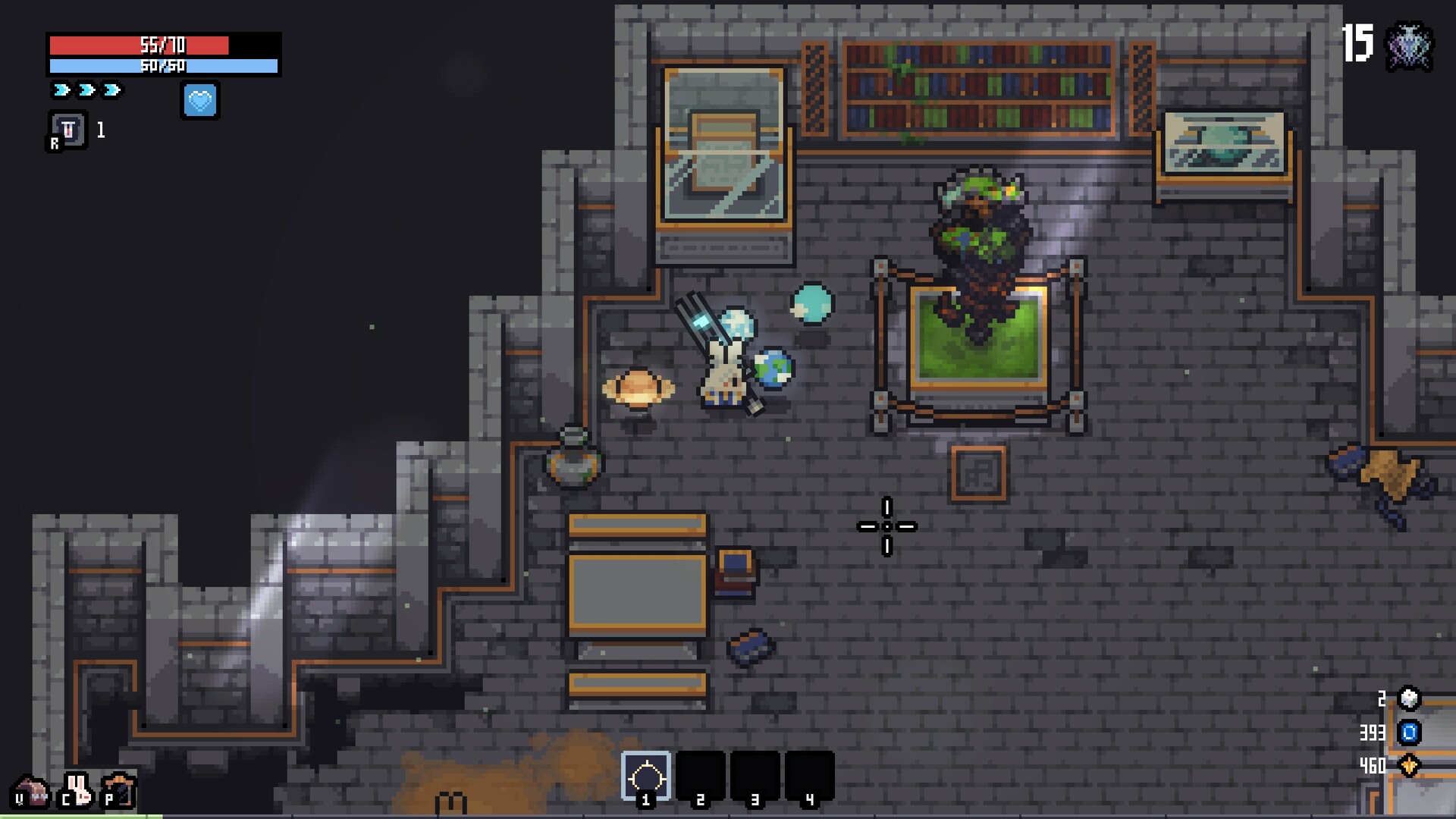
Not every Artifact immediately grabbed our attention. Statistical bonuses like slightly higher critical chance or additional experience certainly have their place, but we were always far more excited whenever an Artifact fundamentally changed how we fought. Summoning a pebble of a red planet that launched fiery projectiles around the battlefield was infinitely more memorable than another small percentage increase.
Building the Perfect Bunny
There’s another clever layer hiding beneath the loot as well. Inventory management matters more than we initially expected, since Artifacts can be enhanced through Tablets, rewarding careful placement rather than simply stuffing every available slot with upgrades. It adds just enough strategy without becoming overwhelming, encouraging you to think about synergies instead of blindly grabbing everything that drops.
The deeper you venture, the more Sapphires you’ll collect from enemies, treasure chests, bosses, and leveling up. Those Sapphires become the foundation of your long-term growth. Back in Bunnyville they can be spent repairing your home, unlocking new facilities, purchasing permanent upgrades, and undergoing advanced training that steadily transforms your fluffy hero into an increasingly capable demon slayer. Every failed run still contributes toward making the next attempt a little stronger, giving losses a sense of purpose instead of frustration.
Preparing Between Expeditions
In the village, one bunny prepares fruit skewers that grant useful bonuses like increased Sapphire gains or elemental effects, while another lets you experiment with costumes that alter both appearance and statistics. We enjoyed playing around with different outfits, although we weren’t entirely sold on how frequently positive bonuses are offset by equally noticeable drawbacks. The balancing makes sense, but it occasionally discouraged us from wearing costumes we actually liked.
Visually, Sephiria constantly walks the line between adorable and dangerous. The retro pixel art is full of charm, yet the deeper you descend, the environments become increasingly hostile without ever abandoning that inviting aesthetic. It’s an impressive contrast that gives the game plenty of personality. Even after dozens of battles, we still found ourselves appreciating little touches in the animations and environments.
Enemy variety also deserves credit. Across six chapters you’ll encounter dozens of unique monsters alongside a healthy selection of bosses that rarely feel like simple recolors with larger health bars. The escalating challenge gives each new area its own identity while steadily asking more of the player.
Everything Is Better With Friends
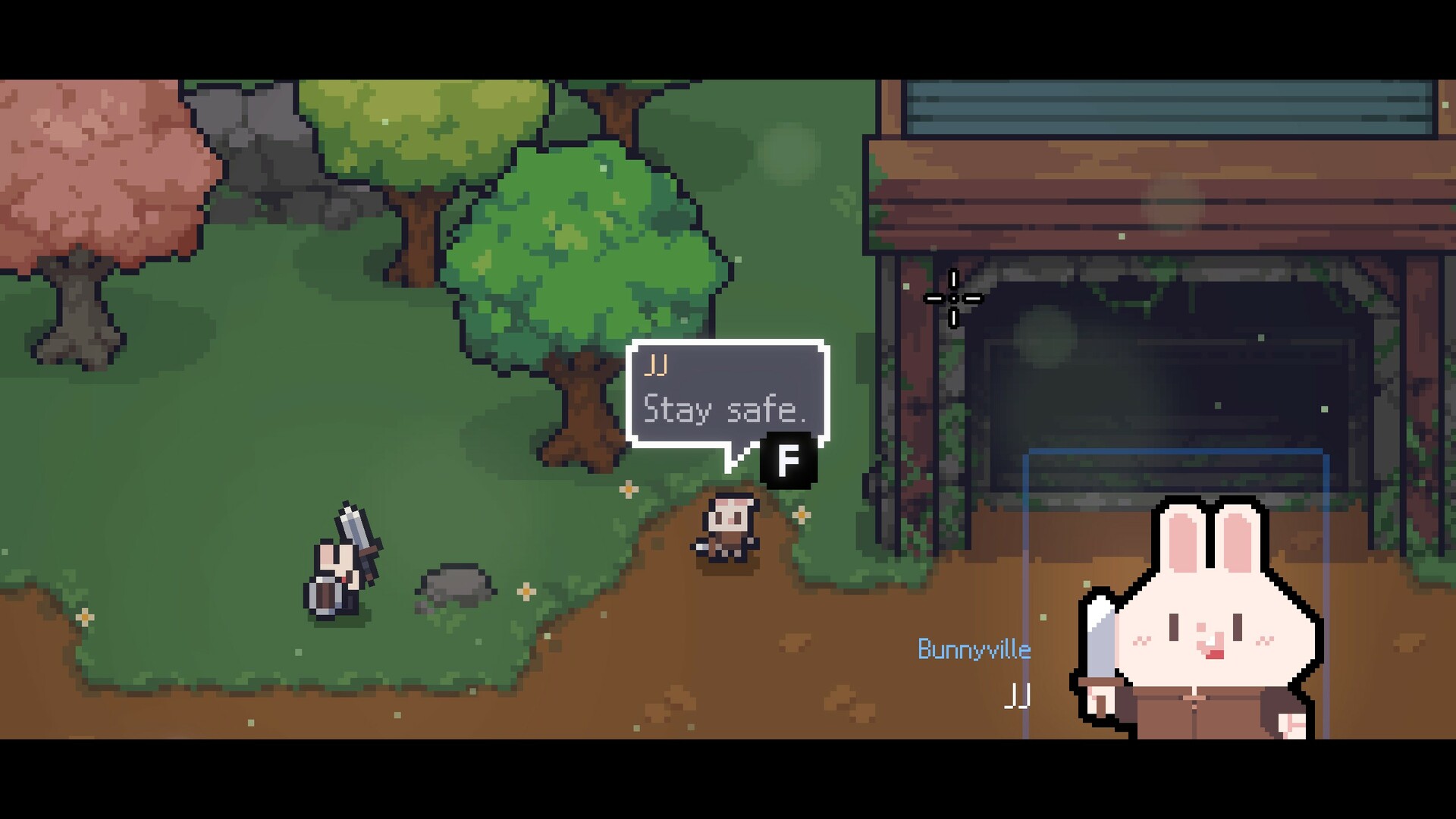
Of course, if tackling hordes of demons alone sounds intimidating, Sephiria happily lets friends join the adventure. Online co-op supports up to four players, and companions can jump in through the mysterious door found in the village. You can revive one another, share items, and coordinate builds, making the already enjoyable combat even more entertaining. While we had plenty of fun playing solo, the cooperative mode often created those wonderfully chaotic moments where everyone is scrambling across the arena trying to survive a particularly nasty boss attack. Those shared victories ended up being some of our favorite memories.
Sephiria lures you in with charming visuals, cheerful music, and an impossibly cute cast of bunnies before revealing a surprisingly deep roguelite packed with satisfying combat, meaningful progression, and enough build variety to keep runs feeling fresh. It’s approachable without feeling shallow and challenging without becoming punishing.

Leave a comment