

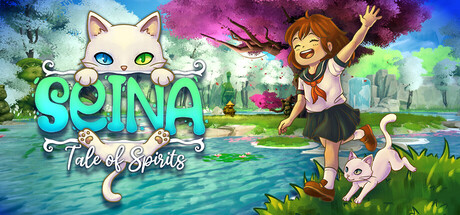
With Seina, solo developer Argyro Brotsi is building a hand-painted watercolor world inspired by traditional Japanese villages. It’s all wrapped around the quiet mystery of a missing person. We spoke with Brotsi about the challenges of solo development, designing without UI markers, and creating emotional resonance through art. Let’s jump in right after the trailer!
This interview would not have been possible without the wonderful people at Critical Hit PR. Many thanks Achilleas Soumpasitis!

The Weight of a Watercolor World
Creating hand-painted assets for diverse environments like ruins and lakes is a massive undertaking for a solo developer. We asked Brotsi why she chose this specific, labor-intensive art style over a more easily scalable digital aesthetic.

“I chose it because the atmosphere is one of the most important parts of Seina. A more generic or easily scalable style would have been faster, but it would not create the same emotional feeling. The extra work is worth it if the world feels more unique and memorable.” – Argyro Brotsi, solo developer
When the environment looks like a painting, making the player character, Mika, feel grounded rather than floating on a background canvas requires careful visual tuning.
“I use a consistent color palette, lighting, and material setup for both Mika and the environments. The character shaders are carefully adjusted so their tones match the surroundings, which helps Mika feel naturally connected to the world instead of appearing separated from it.”

Translating Real-World Memories
The environments in Seina draw direct inspiration from Brotsi’s travels through traditional Japanese villages. But turning real-world architecture into a stylized watercolor aesthetic without losing its authenticity is a delicate balancing act.
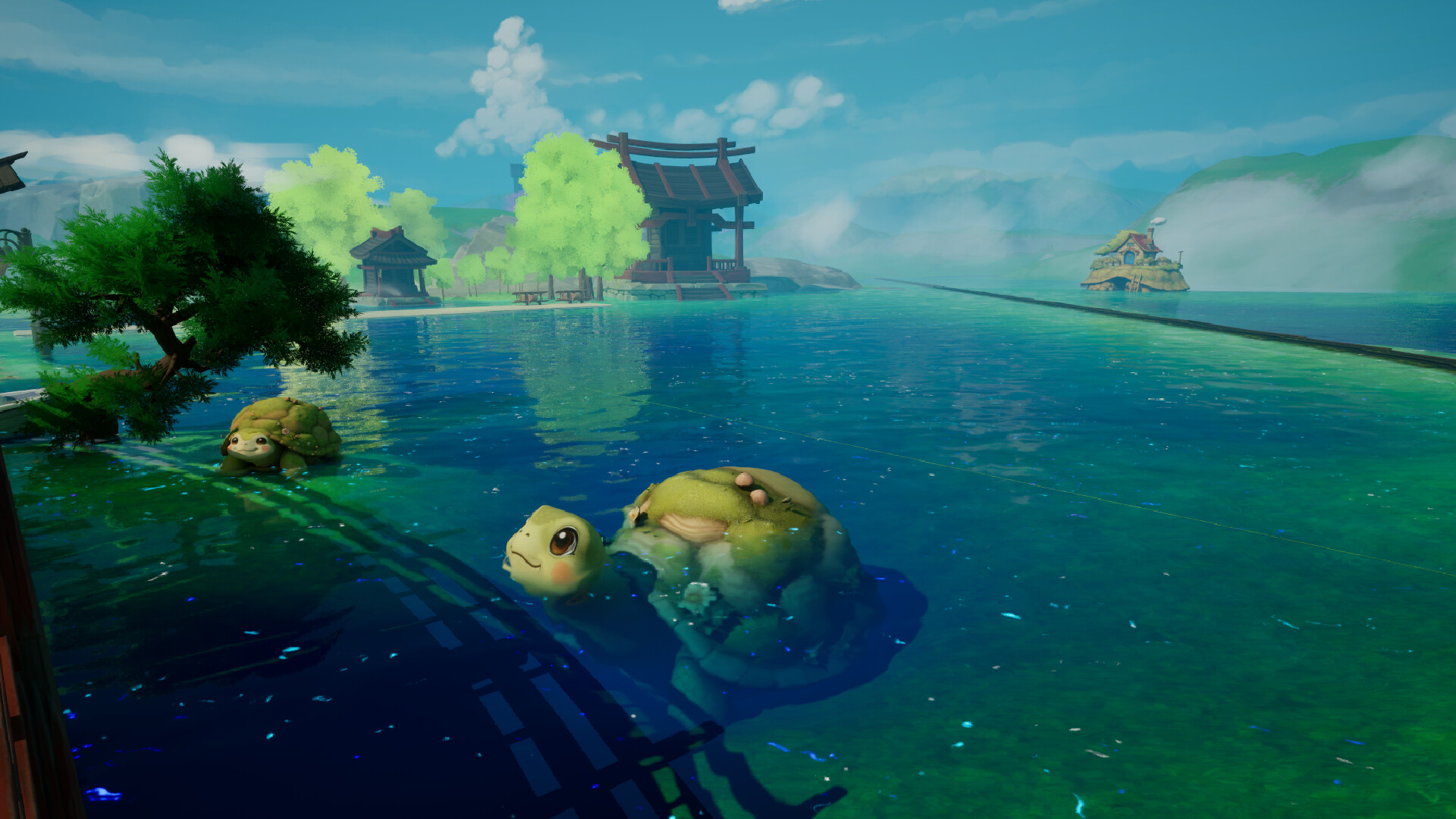
“The hardest part was simplifying the architecture without removing the feeling that made those places special. I focused on the shapes, atmosphere, and small details that created the emotional memory of the location rather than trying to recreate every detail exactly.”
However, watercolor naturally blends colors and shapes, which can make it hard for players to distinguish interactive objects from static backgrounds. To avoid cluttering the screen with jarring UI markers, Brotsi had to iterate on the game’s visual language.
“I guide the player mainly through lighting, contrast, composition, and animation. Interactive objects often have subtle movement, a different value range, or are placed in a way that naturally attracts attention, so the player can discover them without intrusive markers.”

This minimalist approach extends to the audio design. Protecting the peaceful atmosphere meant pulling back on elements that disrupted the mood. Were there any audio choices she had to discard during iteration because they unexpectedly disrupted the peaceful atmosphere?
“Yes. Some sounds were too strong or too frequent, and they made certain areas feel less peaceful than I intended. I learned that in a game like Seina, silence and subtle ambient sounds can be more powerful than adding many audio effects.”
Motivation in the Quiet Moments
A common trap for cozy games is that player motivation can drop once the initial visual novelty wears off. Seina combats this by pacing its quieter, slower moments alongside the central mystery of Seina’s disappearance.
“Because the story is personal. Players are not only exploring beautiful places; they are trying to understand what happened to Seina and how this mysterious world is connected to her. I want the emotional curiosity to continue even during the quieter moments.”
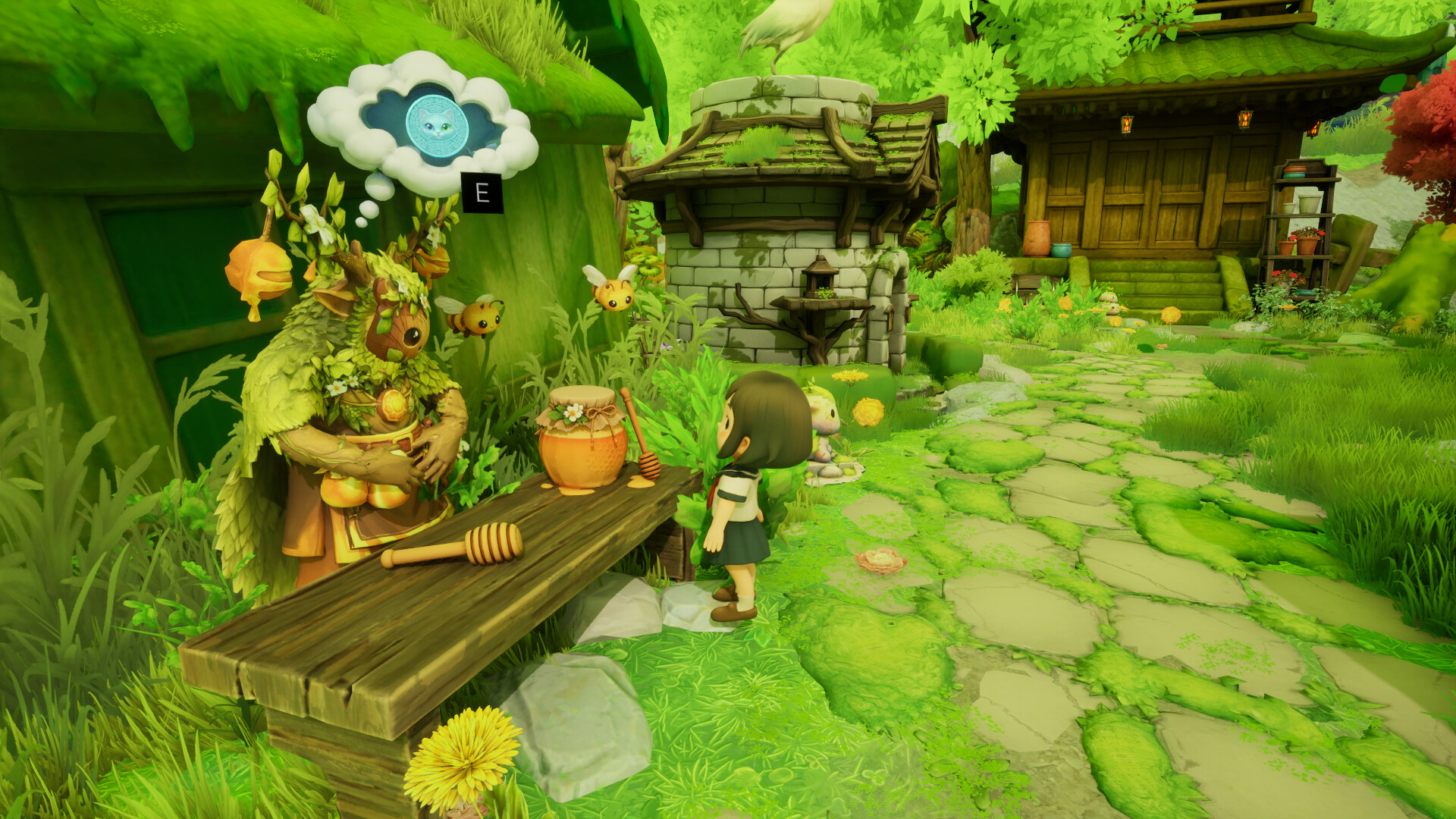
Anchoring exploration to a personal, narrative mystery keeps players engaged long after the visual charm becomes familiar.
Staying Focused as a Solo Developer
Looking back at the development journey, Brotsi noted that managing scope and direction is the most critical skill for anyone building their first cozy adventure.
“The biggest lesson is to stay focused on the core feeling of the game. New ideas appear every day, but not every idea belongs in the project. Having a clear direction helps avoid endless development and makes the final experience much stronger.”
We closed our conversation by asking if there was anything else she wanted players to know about her experience developing the game.
“Developing Seina has been both challenging and very personal. More than creating a game, I’m trying to create a journey where players feel like they are living inside a story and connecting emotionally with the characters, the world, and its small quiet moments. That feeling is the heart of the project for me.”
Thank you for reading. Find out more about the promising world of Seina on Steam! They have an amazing demo as well!

Leave a comment