
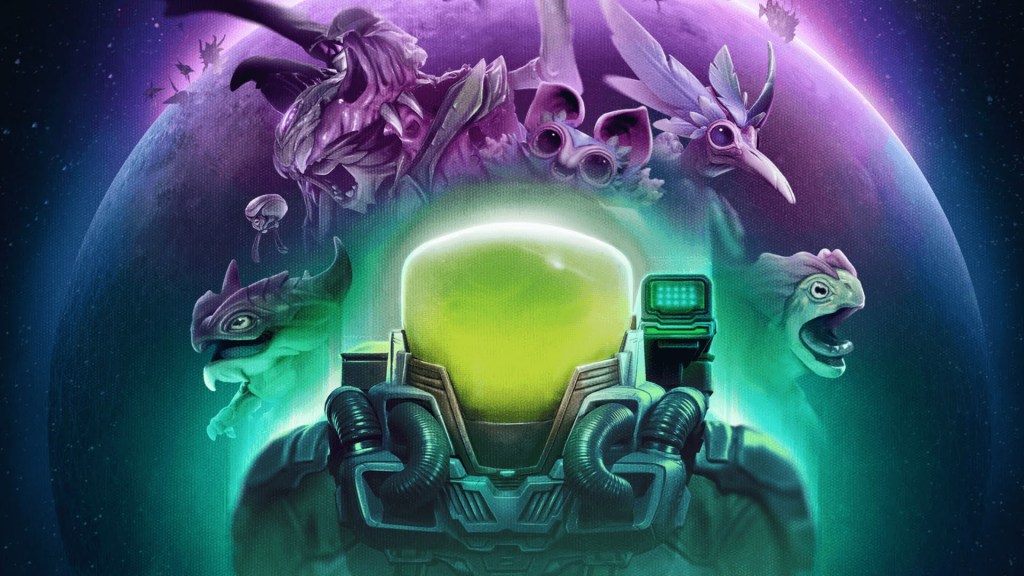
It feels like monster-taming games are shifting right now. The folks at Hatchery Games are trying something really fun with Voidling Bound. They are mixing fast-paced, third-person shooting with a deep system where you breed and customize your creatures. To see how this all came together, we talked to Frédérick Gagnon, Cofounder and Executive Producer at Hatchery Games. We asked about the struggles of making the game, how they balanced the chaos, and how they knew it was finally time to launch.
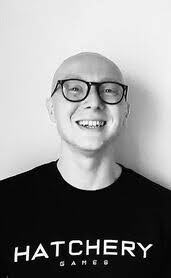
Jumping from working on huge hits like Skylanders to a unique indie project like this is a big step. We wanted to know how the idea started, and what made the team want to blend shooting with creature breeding.
“Even at the early stage one of the core idea that we wanted was to have a monster tamer where you can actually control your creature. Starting from our desire to revitalize the genre, we built upon different ideas while making sure that this key aspect remained in play! We took a lot of different inspirations outside of our Skylanders background. Warframe comes to mind as well as Destiny, and the exploration parts of our game also derive from Ratchet and Clank.”
Solving the Customization Puzzle
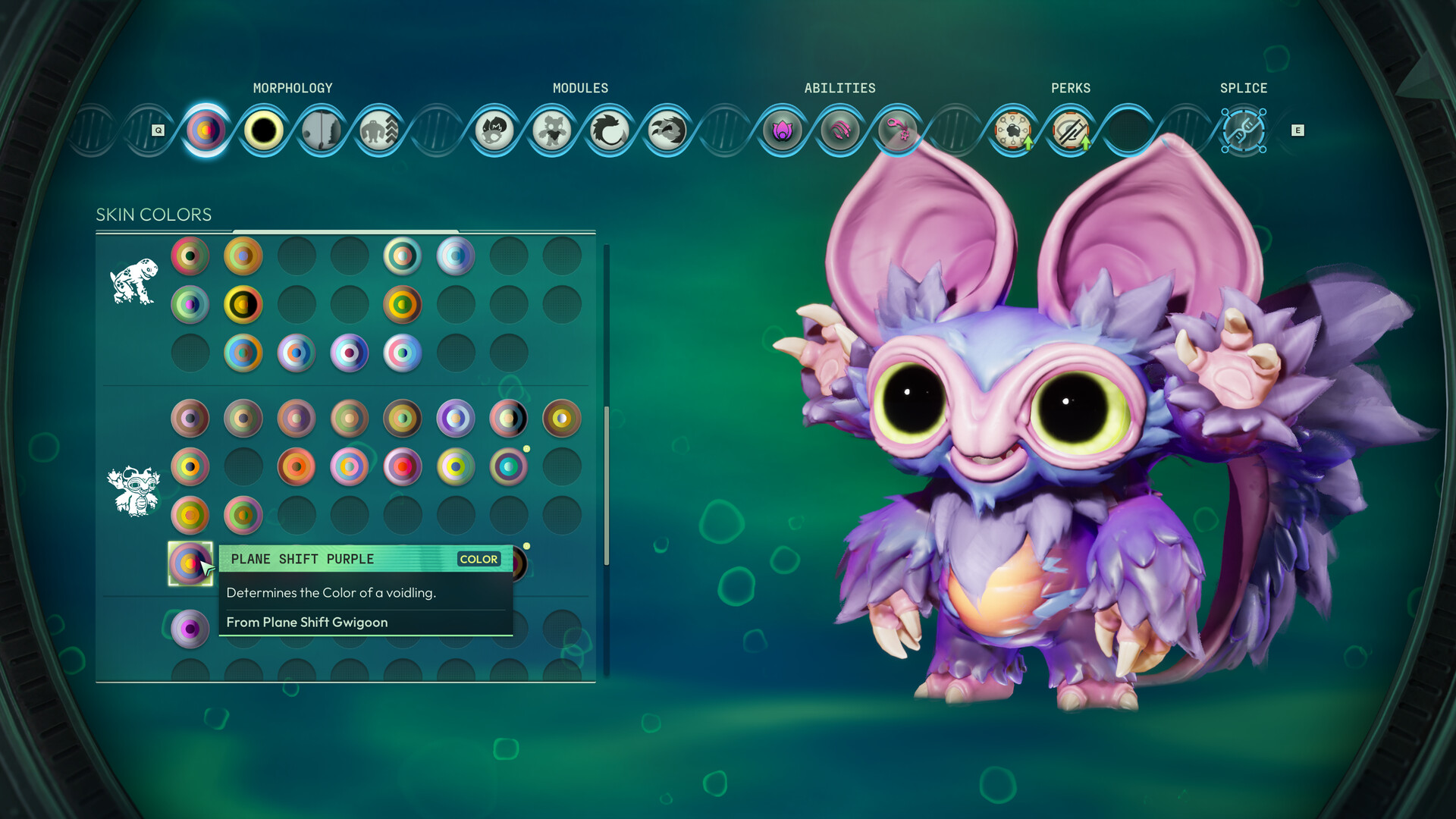
One of the coolest parts of the game is how much you can change your creatures. You aren’t just picking colors; you are swapping body parts and eye genes to build your own custom Voidlings. From the outside, making sure all those distinct physical parts snap together without breaking the game’s animations sounds like a massive headache. But Frédérick told us that planning ahead saved them a lot of trouble.
“It actually was not that complicated! We established early on which kinds of rig archetypes would give us the most leeway in terms of different creatures that could be built on the same rig. For example, Anami and Gilick are both built on our Dog rig, and we have a dog animation set so that we can get going quickly before we create custom animations where they are needed. Doing this, you don’t create any hitbox issues, animations do not break because of modules being different!”
Letting Players Be Overpowered
Because you can build so many different creatures, they all play very differently. Some are slow and tough, while others are super fast. We wondered how they made boss fights feel fair no matter what kind of creature you bring to the battle. Their answer was honestly refreshing: they actually want players to feel overpowered.
“A considerable challenge as you can imagine. You have to accept that some fights are going to be easier for certain builds, but we always kept into consideration how it would feel to fight a certain boss with a certain Voidling. We had to change some fights to make them more fun with the full roster.”
“A core part of the fantasy in the game is to make your Voidlings extremely powerful, so we adopted a philosophy where it’s completely okay if a certain Voidling build makes a fight way easier than intended, players will enjoy these moments and feel smart for putting that build together.”
Pacing the Combat
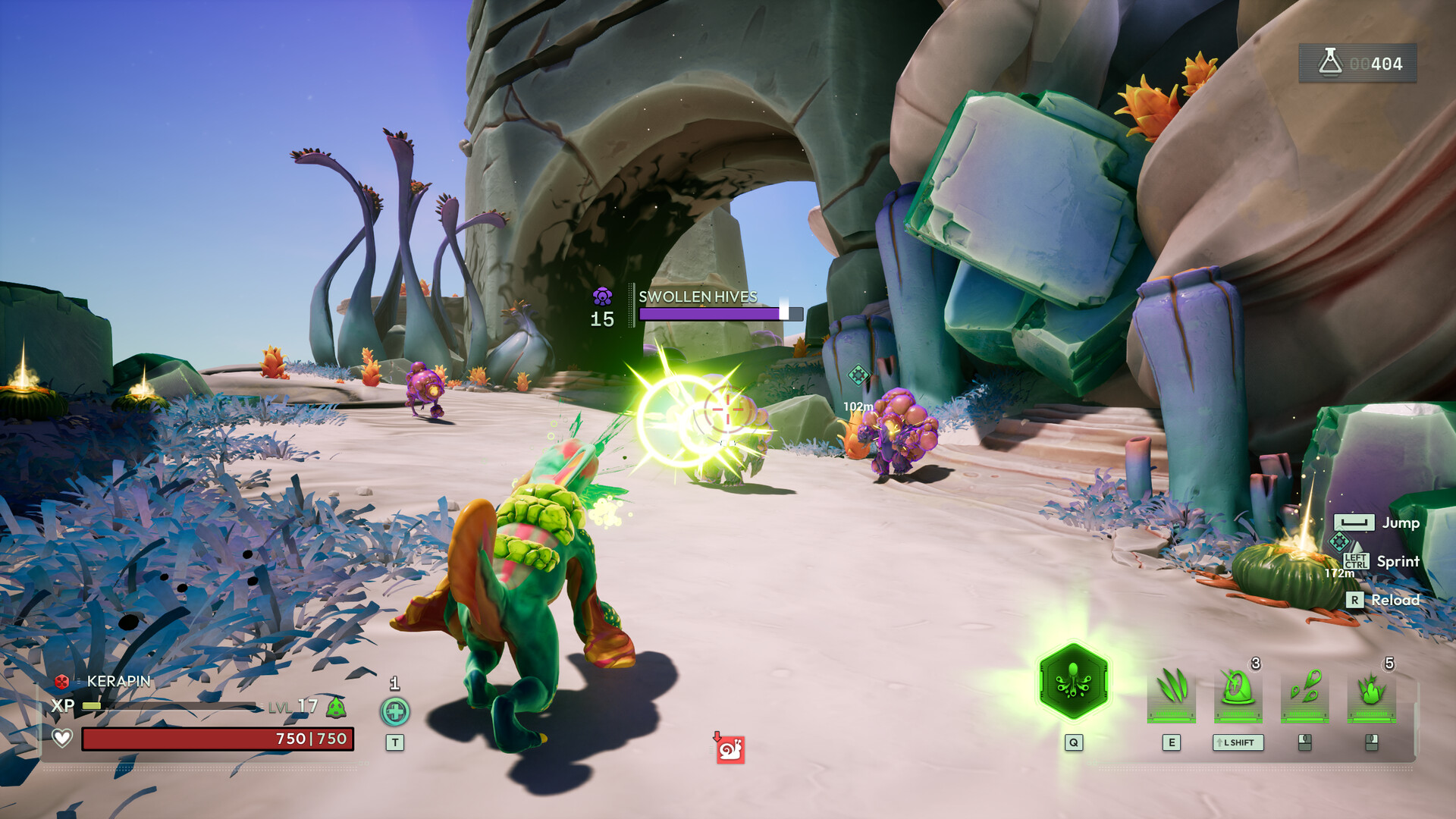
That idea of letting players go wild carries over to the combat, too. You can use immediate effects like Burn and Bleed, or stack elements like Static. Since you are always running, jumping, and dodging, finding the right speed for combat is tricky. We asked how they made it feel rewarding to take the time to use those elemental stacks.
“It comes down to having a good variety of enemy archetypes/roles and making sure there is content in the game that justify crafting those builds. Status effects by themselves are more adapted for tankier foes, making them great against bosses but less well fitted for larger groups of enemies. With evolution and splicing though, there are plenty of options to spread status effects, to make them more useful against larger amounts of foes, or to go even deeper into single target massive damage, or even self heal when using them.”
“We try to give a broad range of options in every build types so players can find something they like and mix and match it with different ways to play the game to expand the possibilities even more.”
Consoles and Keeping Things in Check
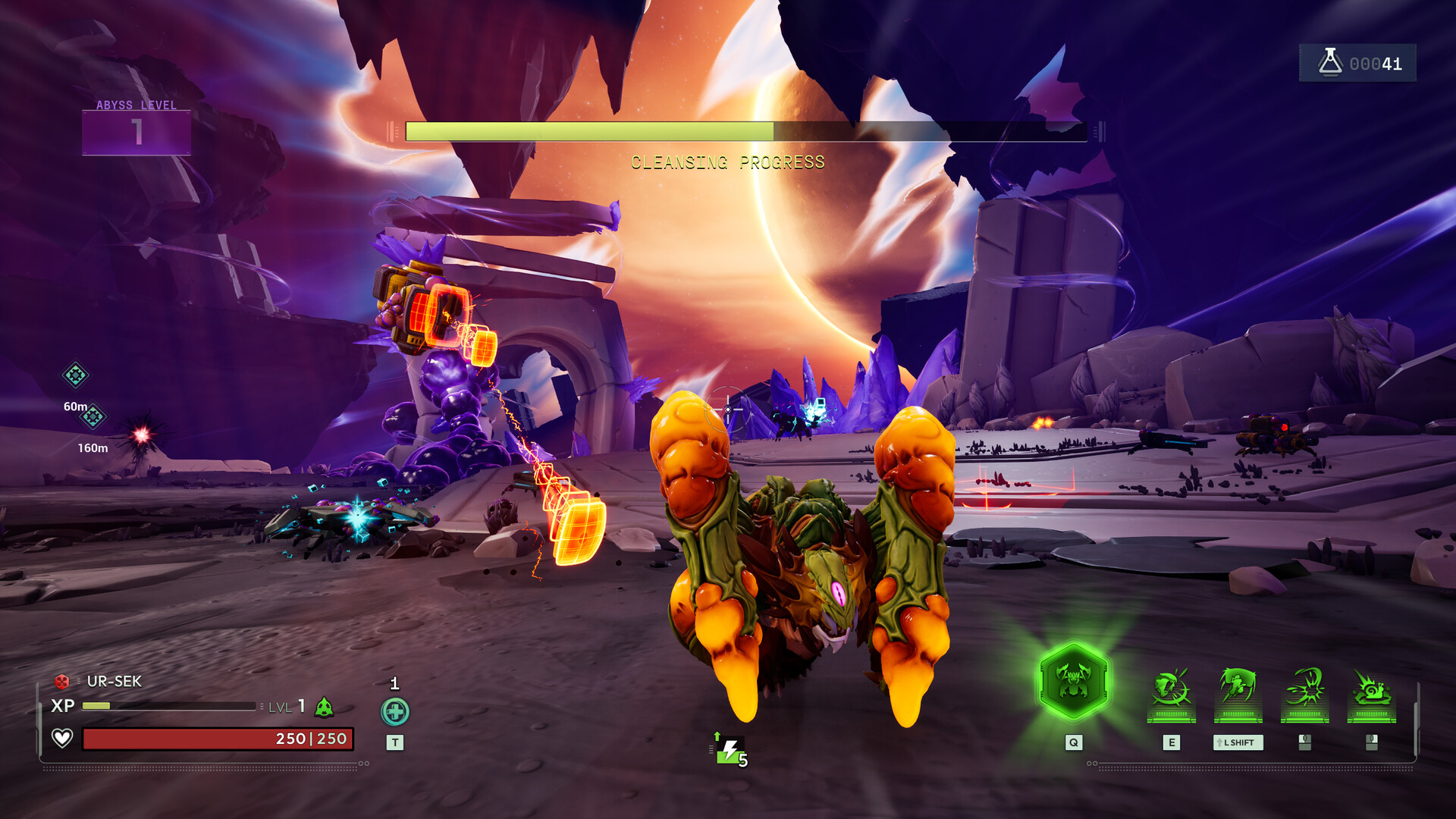
Now that the PC version is out, the team is looking at bringing the game to consoles. How’s the porting process is going so far?
“Slowly but surely!”
It is a short and honest answer, which makes sense when you look at how big the game is. With 31 evolution paths, deep crafting, and a tough endgame mode, a project like this could have easily grown too big to finish. To wrap up our chat, we asked Frédérick how they knew when to draw the line, and what advice he has for new developers trying to keep their game’s size under control.
“That is a very tough one because even though we held back, we actually produced features way past the moment where we wanted to freeze the first time. We tried to keep playtesting as late as possible with our community and we felt that our pipeline was organic enough that we could add stuff pretty late.”
“If I had to give an advice, I’d say get feedback as early as possible from your community and from your core audience. Don’t lose yourself developing too many features while your core gameplay loop is still shaky, or doesn’t respond well with your players. You need your most simple version of the game to be solid and fun, and from there start your roadmap to scope up your game!”
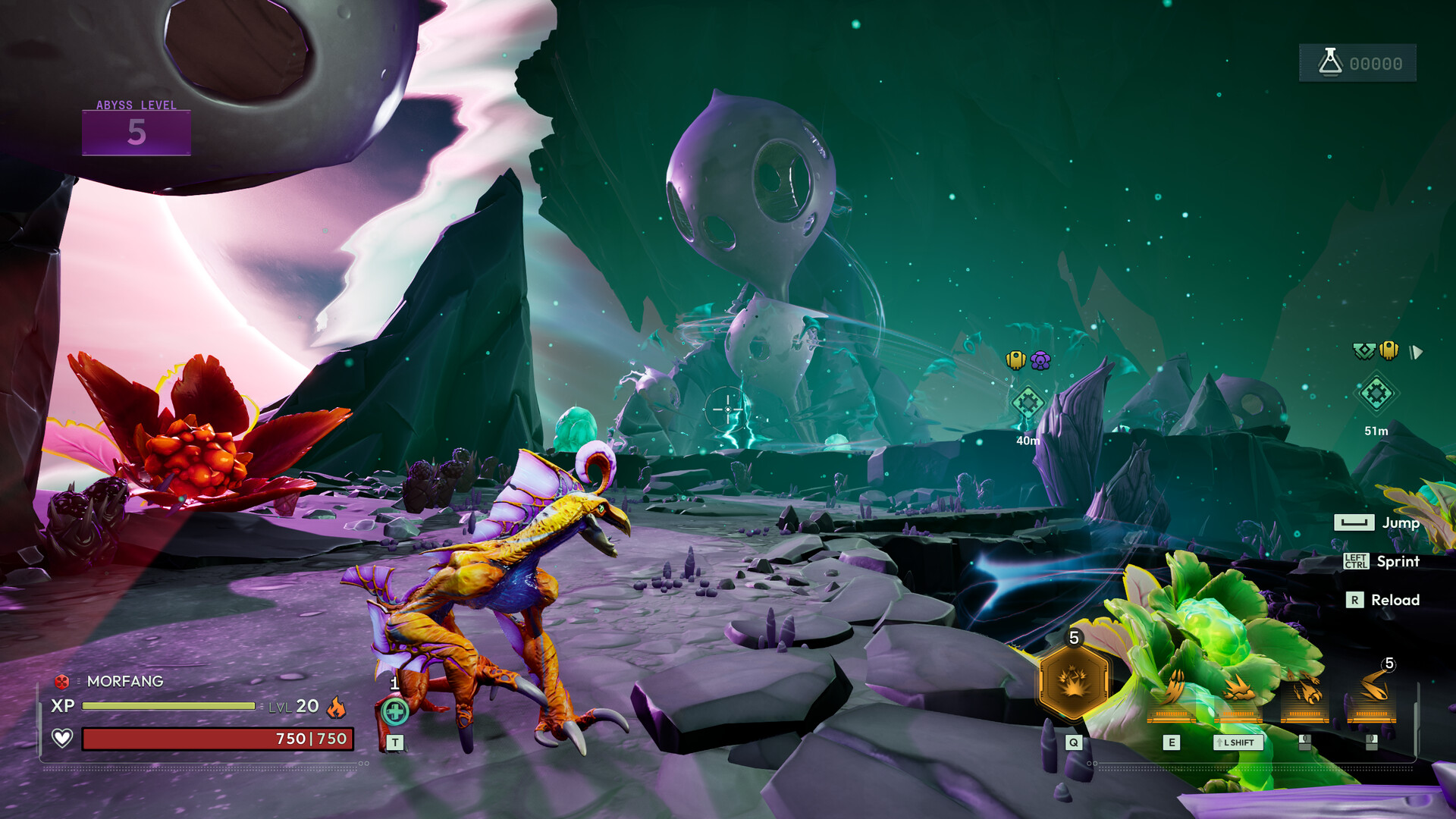
We really appreciate Frédérick taking the time to share these behind-the-scenes details with us. If you want to dive in and start splicing some genes yourself, Voidling Bound is available to play right now on PC. Our thoughs on the game? Aww, we though you’d never ask!


Leave a Reply