
A lot of gamers love MMOs, especially ones like Guild Wars 2 or Elder Scrolls Online. We are no exception. There is something comforting about logging in after a long day, following a clear objective, completing a few quests, and collecting those daily and weekly rewards. The modern theme park MMO understands exactly what players want: a smooth experience where you always know what to do next.
Project: Gorgon is built for players who miss the days when MMOs felt more like adventures than checklists. Created by Eric Heimburg and Sandra Powers, veterans who worked on classics like Asheron’s Call and EverQuest, this game proudly embraces the old-school philosophy that the world does not exist to serve the player. Instead, the player has to learn how the world works.
That approach can be incredibly frustrating. Project: Gorgon will confuse you, punish your mistakes, and occasionally make you wonder why you are still playing. Yet somehow, we kept coming back. Every strange mechanic, every unexpected punishment, and every bizarre discovery made us want to understand the game a little more. It is the type of MMO that makes you take notes, plan ahead, and genuinely think about your choices.
Getting Lost in the Best Way Possible
Project: Gorgon immediately brought back memories of older MMOs. We have not spent a lot of time with World of Warcraft, but our experiences with Star Wars: The Old Republic and the original Guild Wars came rushing back the moment we started exploring. The classic tab-target combat, the hotbars filled with abilities, and the slower, but intentional rhythm of battles felt like stepping into the past.
Some players might struggle with this approach, especially those used to faster action combat. Fights can feel clunky at first, and there is no hiding the game’s age. However, once we accepted what Project: Gorgon was trying to do, the combat started making sense. Beneath its dated presentation is a ridiculous amount of freedom. Like Oblivion or Skyrim, many of your skills improve simply by using them. Swing a sword, and you become better with swords. Take damage from enemies, and your armor skills improve. Defeat a creature and bury its remains, and you can even develop your compassion skill.
You can combine any two combat skills, creating some truly unusual combinations. We spent a lot of time experimenting with Necromancy and Animal Handling, convinced that we had discovered a powerful build. That confidence lasted until we encountered an elite deer named Maronesa, lost the fight, and received a permanent curse that transformed our character into a cow. Yes, a cow. This sounds like something that would last a few minutes before disappearing, but Project: Gorgon does not work that way. Getting back to our human form required effort and research, meaning we had to embrace our temporary life as a walking farm animal. The fact that we could still fight using cow kicks somehow made the entire situation even better.
The game’s strange approach extends into nearly every system. Unarmed combat is not simply about punching enemies; it features a situational combo system where your attacks can change depending on your position and even the real-world day of the week. Battle Chemistry allows players to experiment with mutagens, strange abilities, and even unusual creations like personal golems.
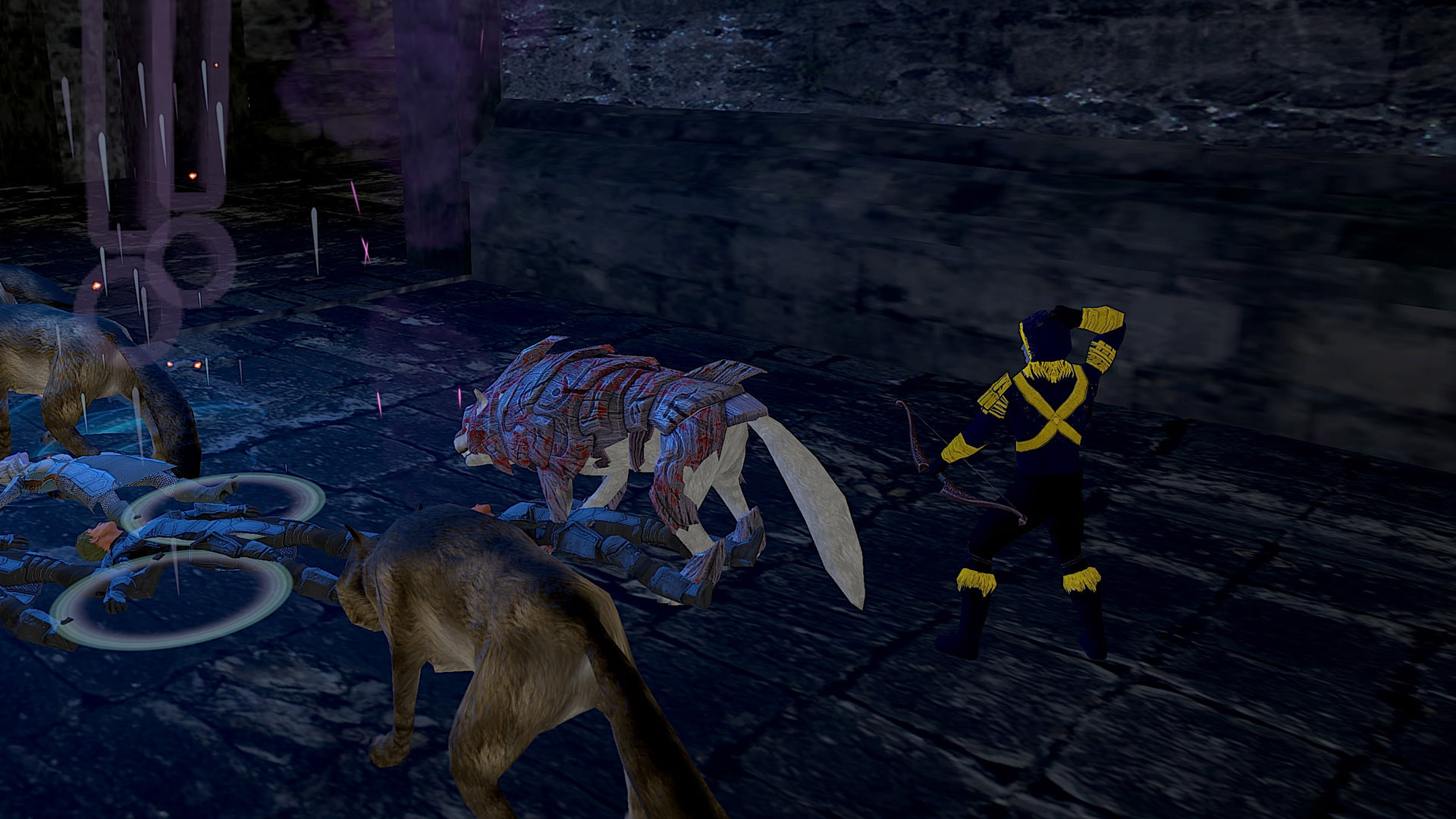
Many choices in Project: Gorgon are permanent or have long-lasting effects. Take Lycanthropy, for example. Becoming a werewolf gives you access to powerful abilities, but it also comes with major drawbacks. The transformation is connected to the real-world lunar cycle, meaning a full moon outside your window affects what happens inside the game. During this time, your character becomes locked into their beast form and loses access to normal human interactions.
The same philosophy applies to other paths. Druids gain powerful nature-based abilities, but they also take on responsibilities. If an environmental problem appears, you are expected to deal with it. The game does not treat these restrictions as punishments; instead, they make your character feel like they belong to the world. For some players, this will feel limiting. For us, it made every decision feel meaningful.
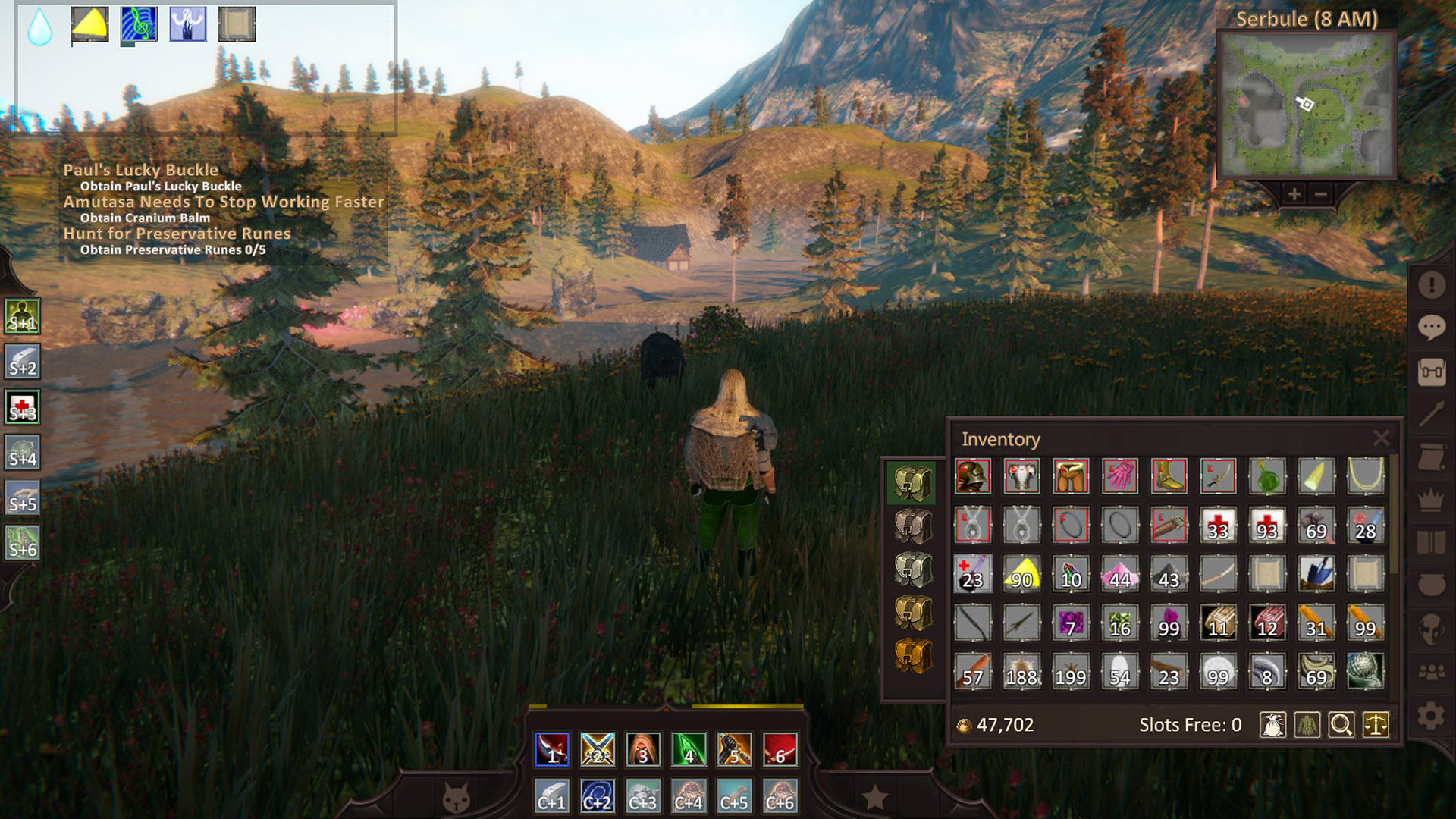
Not everything about Project: Gorgon works perfectly. Our biggest frustration came from the inventory system. We struggled with space because we wanted to keep everything. Every strange item, crafting material, and potential resource felt like something that might become useful later. The problem was that there wasn’t enough room to store everything we collected. Selling unwanted items is not as simple as finding the nearest merchant. Not every NPC is interested in everything you have, and even merchants can run out of money. Building relationships with them requires effort, including learning what gifts they appreciate. At first, this felt unnecessarily complicated. Later, we realized that this was simply another example of Project: Gorgon’s philosophy. The game wants you to understand the world instead of treating NPCs as vending machines. That doesn’t mean we stopped wishing for larger bags, though.
Retro Visuals, Living World
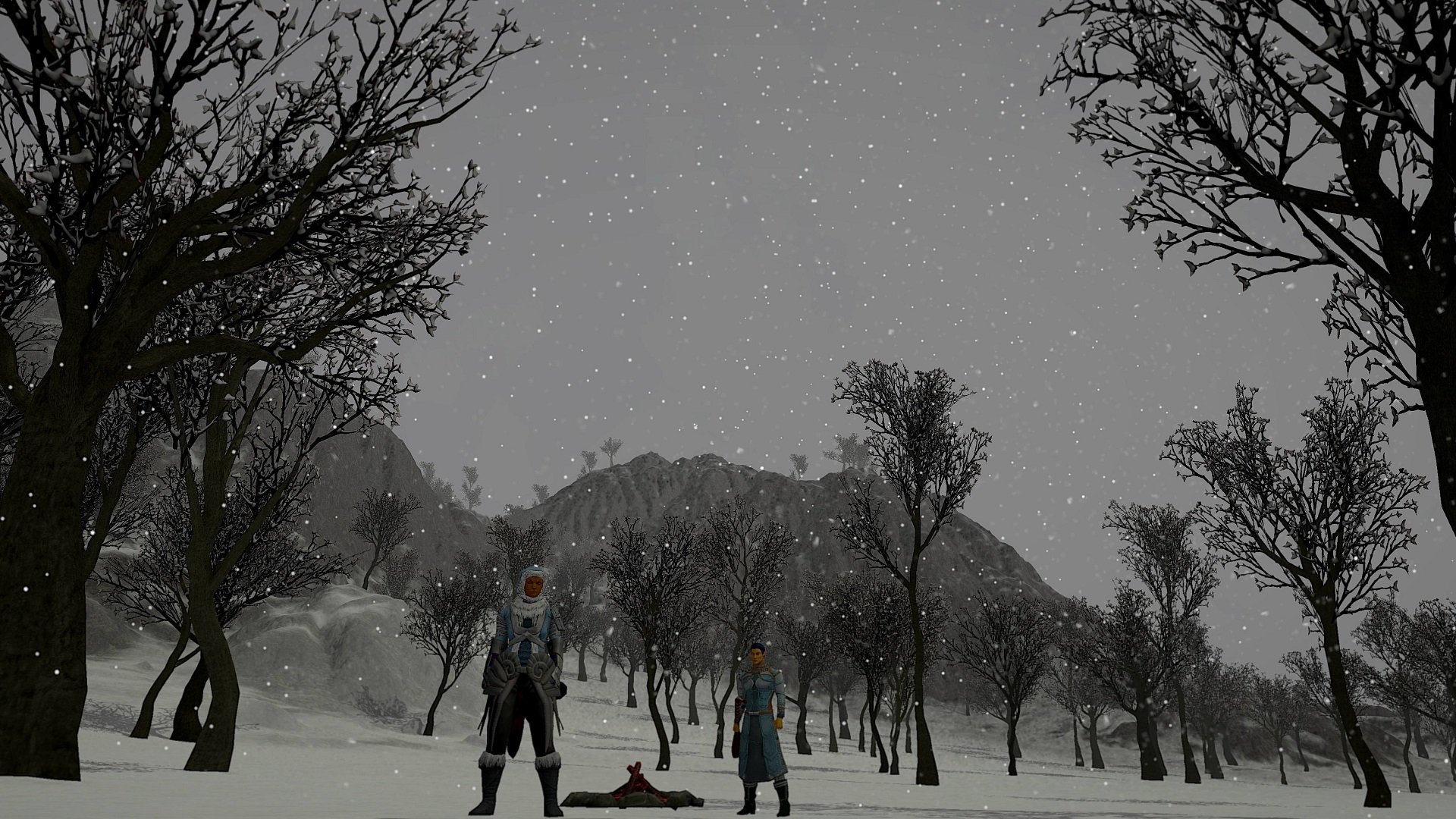
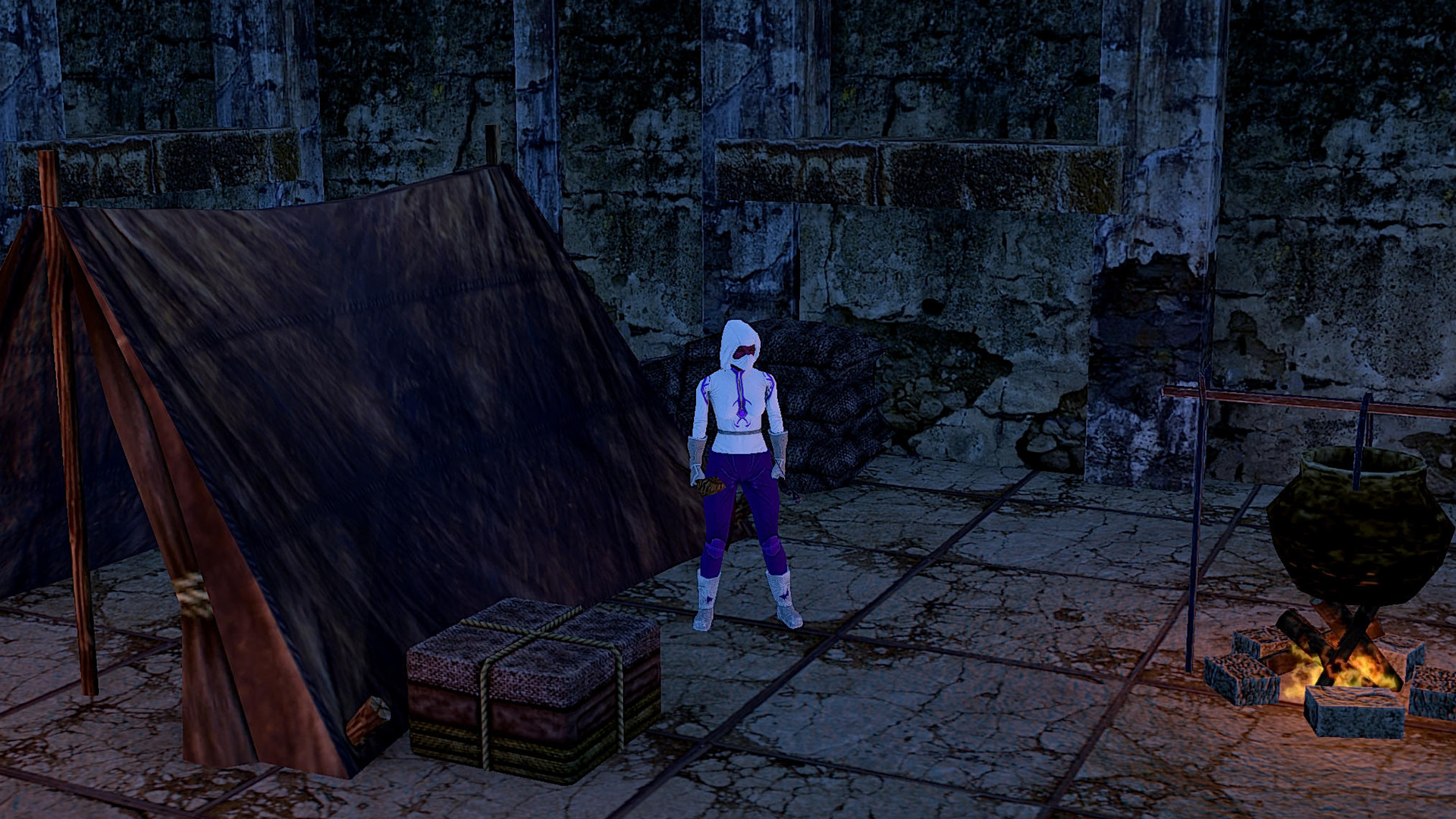
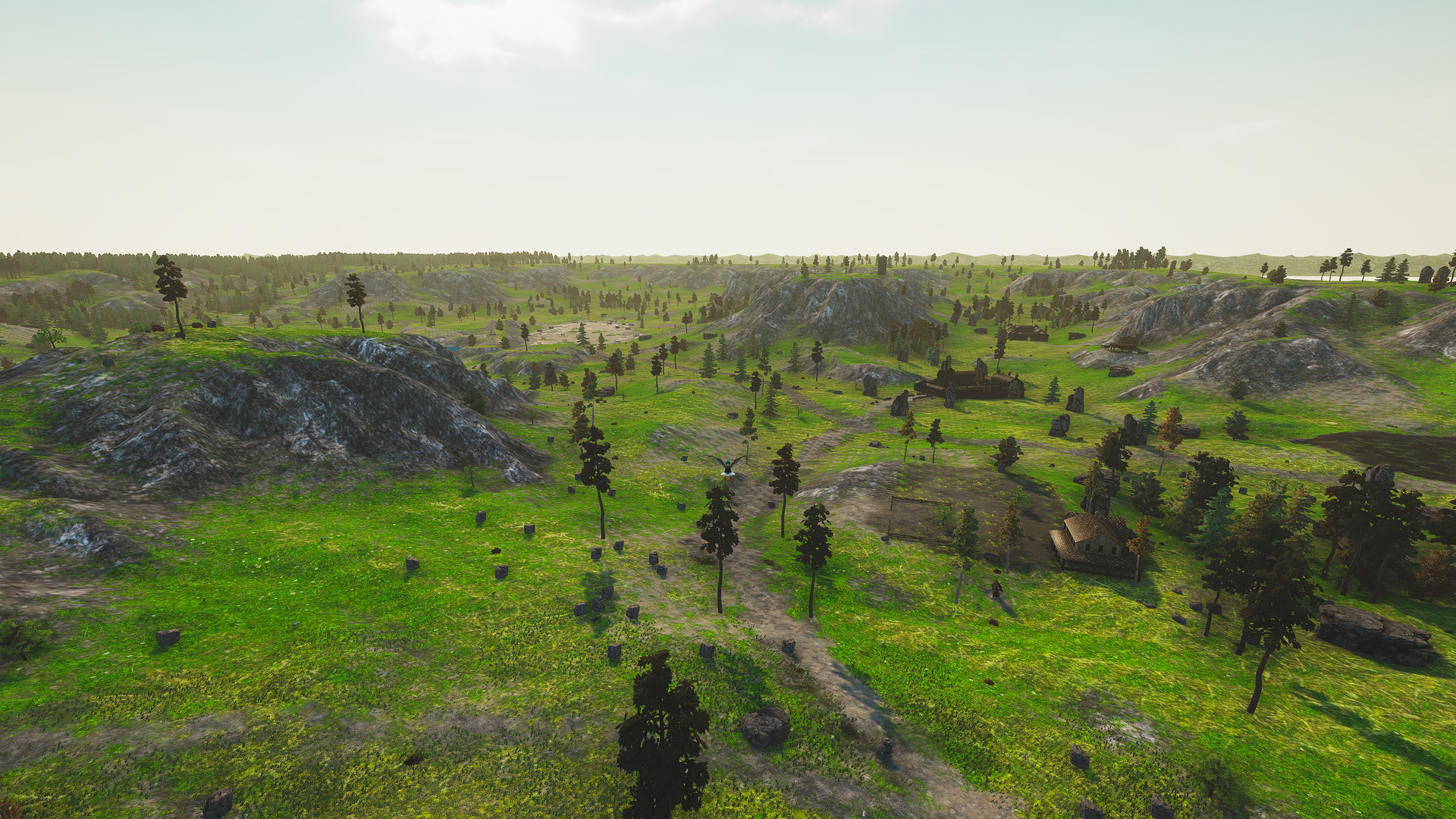
Running on Unity, the game features dated character models, basic environments, and visuals that will not impress anyone looking for a modern MMO experience. However, judging it purely by its graphics misses the point. The world feels alive because of how its systems interact. Many MMOs can eventually become something you play on autopilot. Project: Gorgon constantly demands attention. When something goes wrong, you have to react. We learned this firsthand when an enemy mage set us on fire. Instead of waiting for a cooldown or pressing a convenient button, we had to panic, run toward a nearby lake, and jump into the water to extinguish ourselves. That kind of interaction happens constantly. You can spend your time learning Calligraphy, writing poetry into books, and leaving them on public shelves for other players to discover. You can experiment with skills that seem useless at first but eventually reveal surprising depth. Every discovery feels earned because the game rarely gives you the answer immediately.
The Price of Total Freedom
Project: Gorgon is a difficult game to recommend to everyone, but it is also one of the most interesting MMOs we have played in years. It is not interested in making things convenient. It does not rush you toward the next objective or constantly reward you with progress. Instead, it asks you to slow down, experiment, and create your own stories. We started this review by talking about modern MMOs and their carefully designed theme parks. Project: Gorgon feels like the overgrown forest sitting beside them.There are no safety rails. You will probably trip over a few roots. You might get lost. You might even accidentally become a cow. But when you finally find your way through, the stories you create are completely your own.
Overall Score: 9/10
Developer: Elder Game, LLC
Publisher: Elder Game, LLC
Platforms: PC (Windows, Mac, Linux)
Release Date: January 28, 2026 (1.0 Full Release)
Genre: Fantasy MMORPG

Leave a Reply