
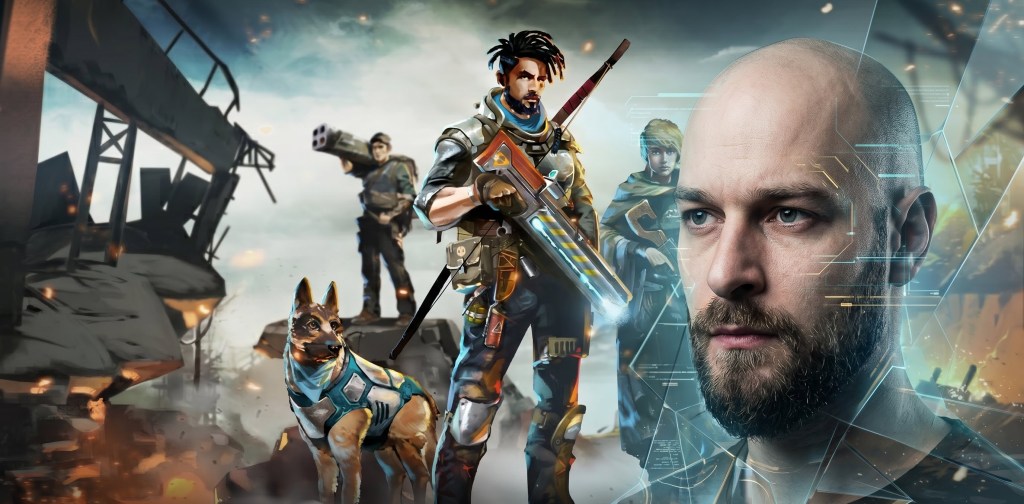
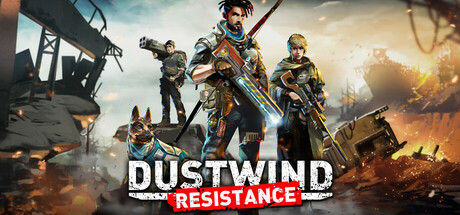
It’s no secret we’re big fans of post-apocalyptic games. As you’ll see in our review right below, Dustwind: Resistance is another title that really stands out with its own unique feel.
To understand how this tactical playground came to life, we sat down with Dimitri Zaitsev, the creative director behind most of the Dustwind titles. We aren’t game developers ourselves, so we love picking the brains of the people who actually build these worlds. We wanted to know what makes their wasteland tick and how they keep finding new ways to challenge players in their latest expansions.
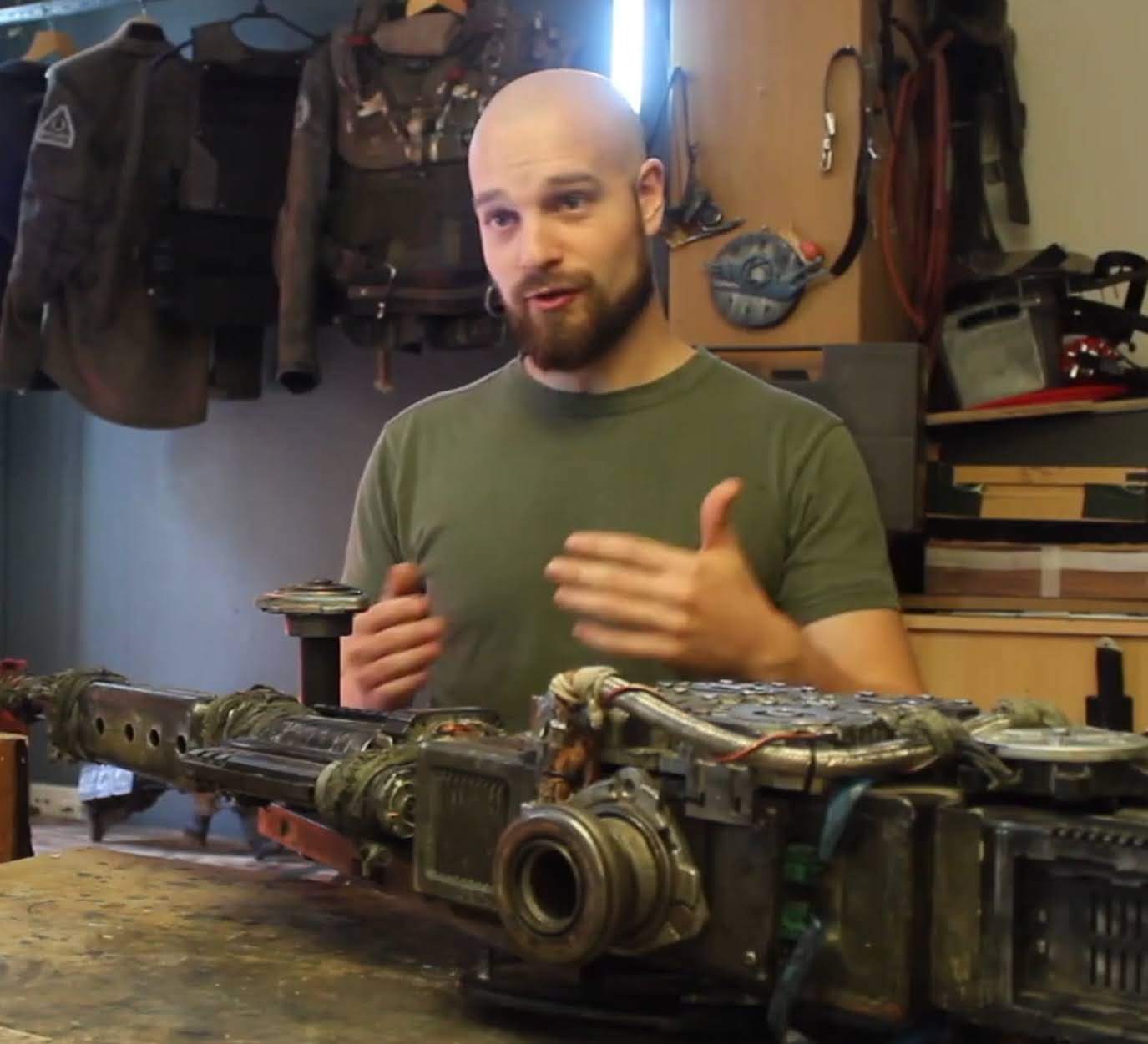
This interview would not have been possible without the wonderful people at Z-Software GmbH. Thank you so much Andreas Koch!
Farming Before the Fall
We started by asking Dimitri about the world itself. Where did the team draw their inspiration from to make Dustwind stand out in such a crowded genre?
“In terms of inspiration, it was basically anything and everything post-apocalyptic. The one deliberate choice that helps it stand out is this: your life in that world starts peaceful and happy. Not everyone is dead, not everything is bleak.
You begin as a farmer in a calm region. Everything’s great. But then the wasteland does what it does… Stylistically, if you’re expecting full-on grimdark, this isn’t it. It’s a more balanced take. There are dark moments, but also humor and levity.”
Pausing the Panic
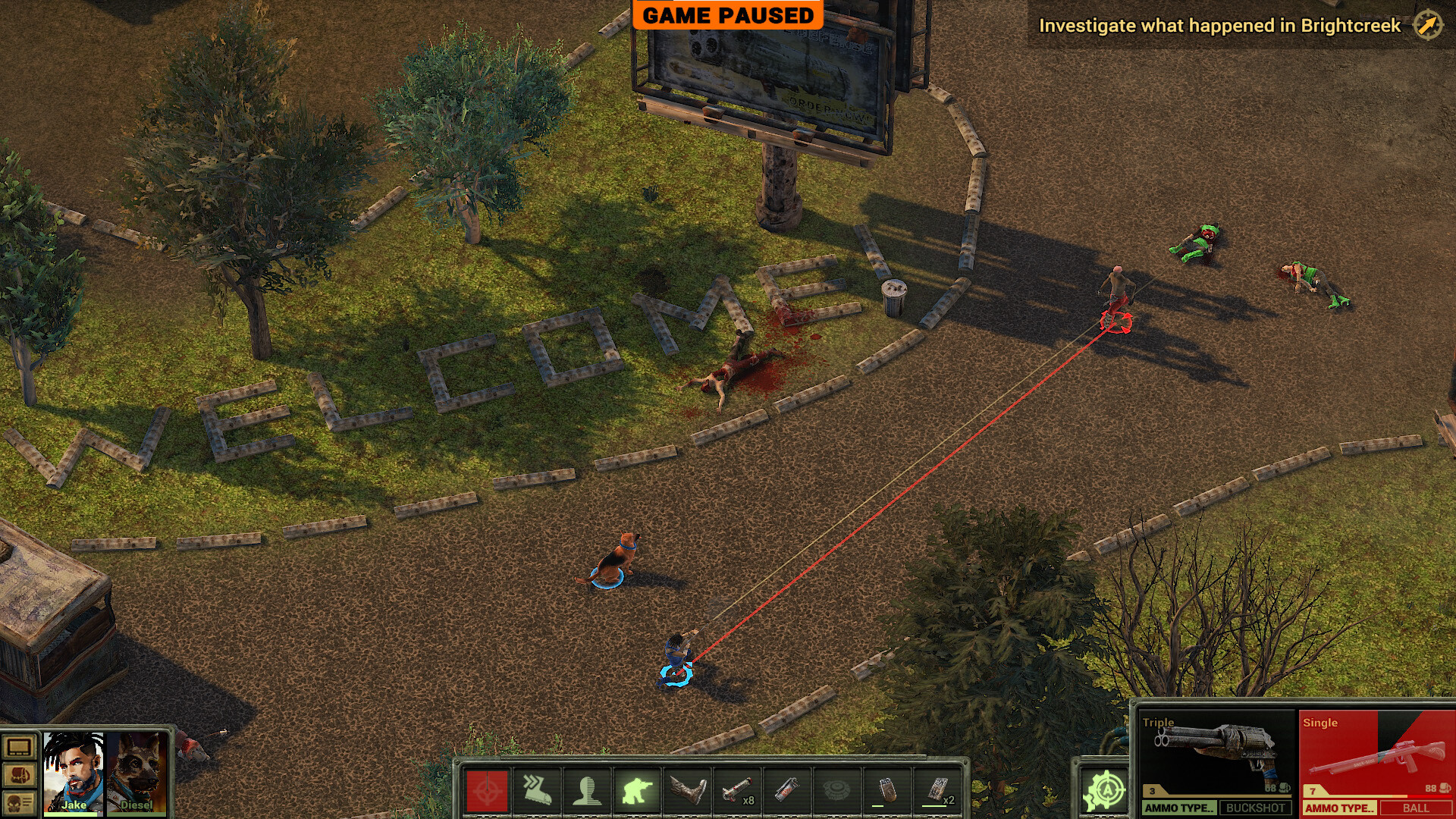
While the world might have moments of levity, the combat is a different beast entirely. Dustwind: Resistance uses a real-time-with-pause system. We know these systems can be notoriously tricky to balance. We asked Dimitri how they managed the pacing to keep the tension high while letting players stay in control.
“I’m glad it comes across as controlled chaos. The tactical pause feature is the solution, simple as that. You decide how much you want to use it. If things are easy, you can stay in real time and keep the pace up. If things get messy, you pause and take full control. It is a self-scaling system where each player sets their own level of control and intensity. It also enables precision that would be impossible without it. If you use it often enough, the game feels almost turn-based in terms of how precise you can be. On higher difficulty levels, it’s kind of a must.”
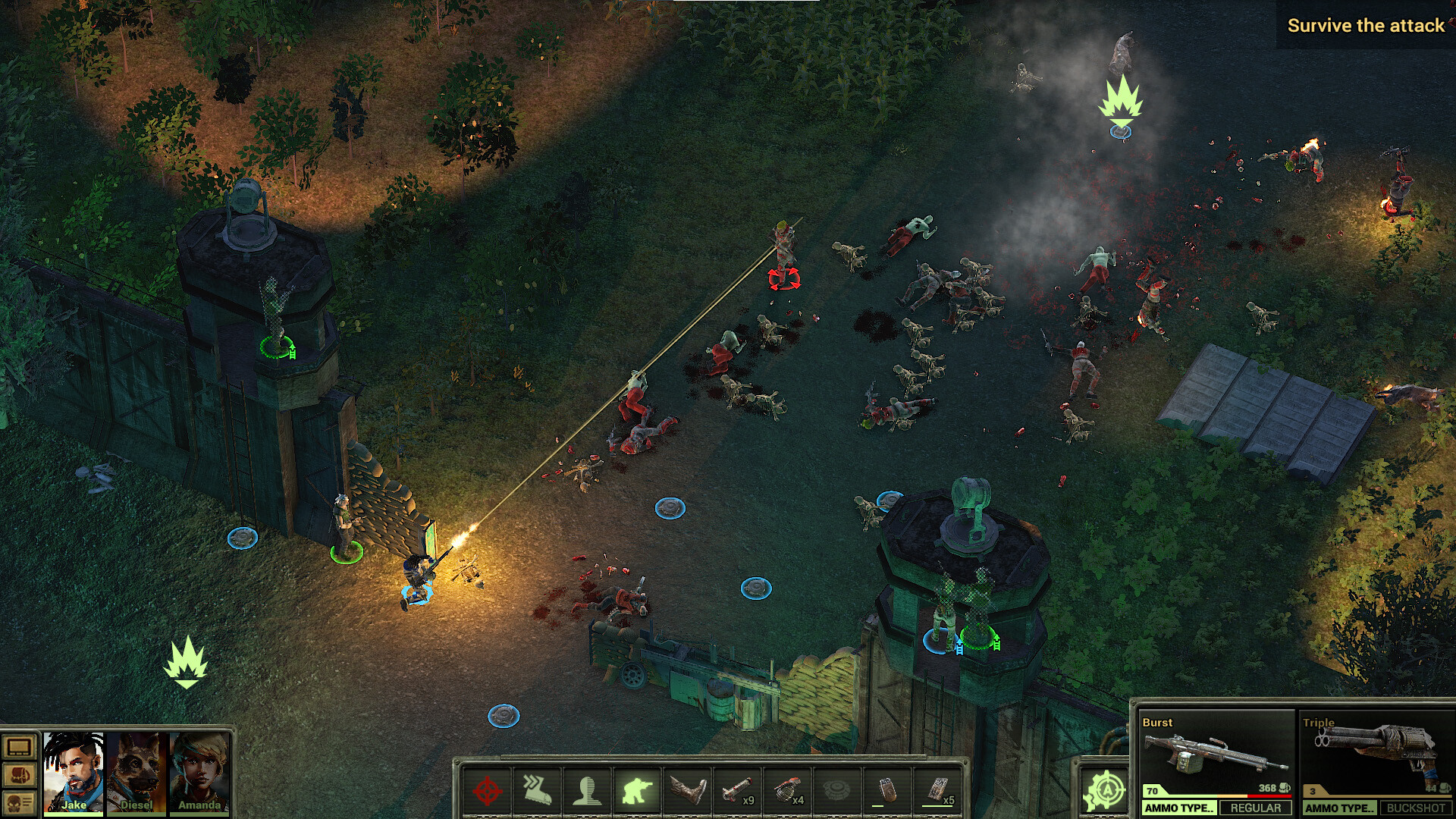
That control is necessary because the game throws an enormous toolbox at you. You have stealth, traps, turrets, and even targeted body-part damage. We had to wonder if the development team ever looked at all these interacting systems and felt they had given players too many options.
“Did we think it was too many options? No. Was it a total pain to balance? Absolutely. Not just balance, but also making sure the campaign actually gives players chances to use those tools and playstyles. We think it worked out well enough, and the DLCs offer even more opportunities. If you like the game, replaying with a different build is definitely worth it.”
Losing the Multiplayer Baggage
Part of balancing that massive toolbox involved revamping the character progression system. It turns out, the game’s history had a big impact on how skills and gear were finally shaped. Shedding the limits of multiplayer balance was key to making the single-player experience shine.
“That was a very long journey with a lot of baggage. Dustwind-1, the predecessor of Dustwind: Resistance, was originally an online game before it even had a proper single-player campaign.
When we started Resistance as a focused campaign-only game, we could finally clean things up.
Anything that previously had to consider multiplayer counterplay could be reworked or removed.
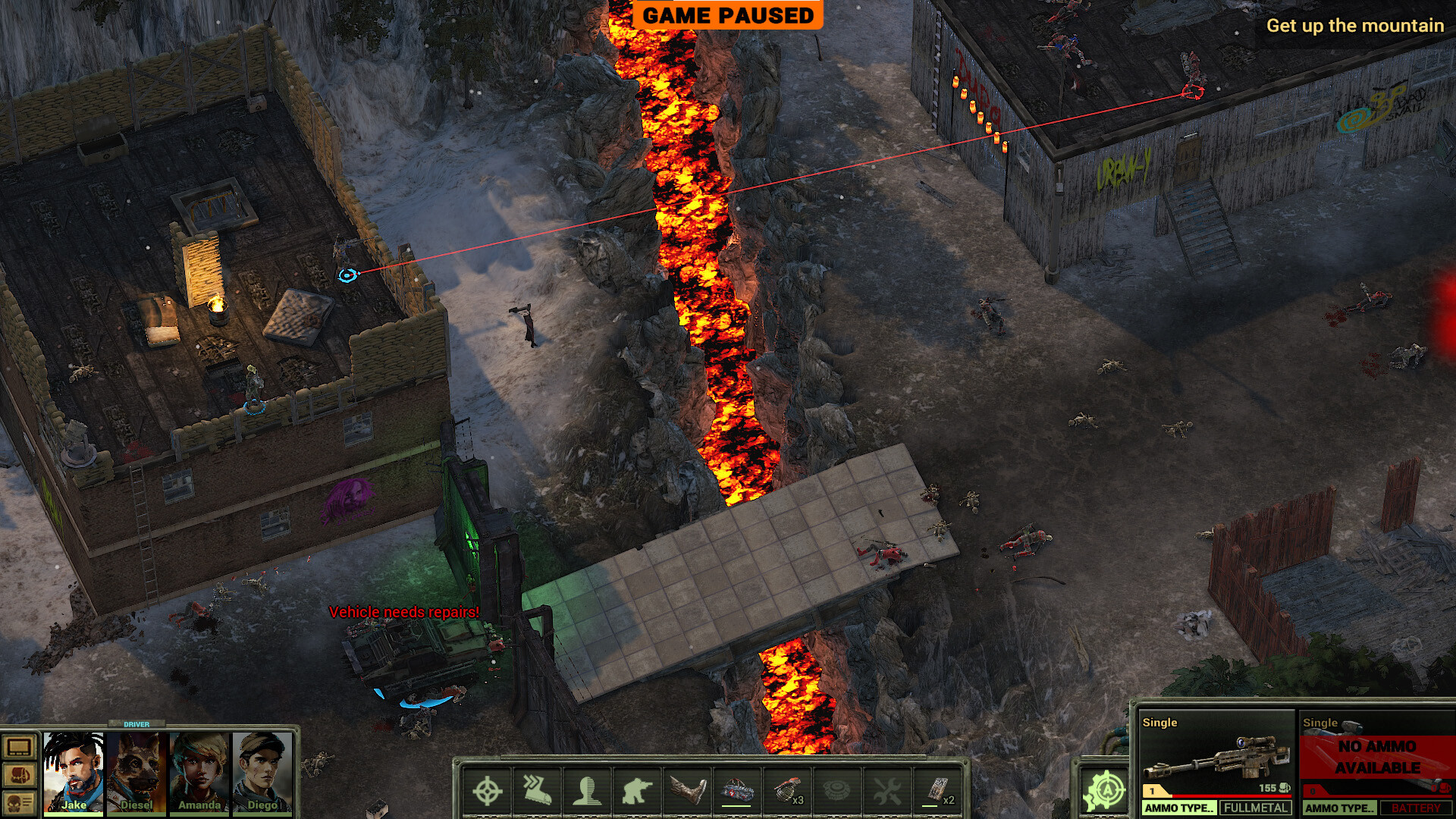
As for items, especially weapons, we added a lot more unique ones compared to the first game. That part was fun. Bang!”
Taking the Fight Underground
With the base game cleaned up and successfully launched, the team turned their eyes to expansions. We were curious how they approached raising the stakes in expansions like Canyon Cross without taking the lazy route of just making enemies harder to kill.
“By starting a new story with new tactical challenges. That’s what we did in Canyon Cross. But also, yes, new guns and letting players level up to borderline god-tier power, versus more and stronger enemies. In fact, some players of the original campaign had lamented that they couldn’t fight on higher levels a bit longer. So we gave them just that opportunity in Canyon Cross. It worked great, but you can’t do every DLC like that.
That’s why Tunnels of Death resets things. It puts you back at mid-tier power, and also 20 years in the past, with younger versions of some characters you’ve met, and a couple new tactical challenges (as well as some classic ones).”
Tunnels of Death shifts the action from the open wasteland into a sealed military bunker. We wondered if moving underground allowed the team to play with horror elements that didn’t quite fit into the base game.
“Not really. The base game could have included those elements too. But time and budget are the real constraints.
So the main driver with ToD was asking what kinds of tactical situations we had not fully explored yet, but would love to. And also which classic challenges we would like to reintroduce and improve upon.
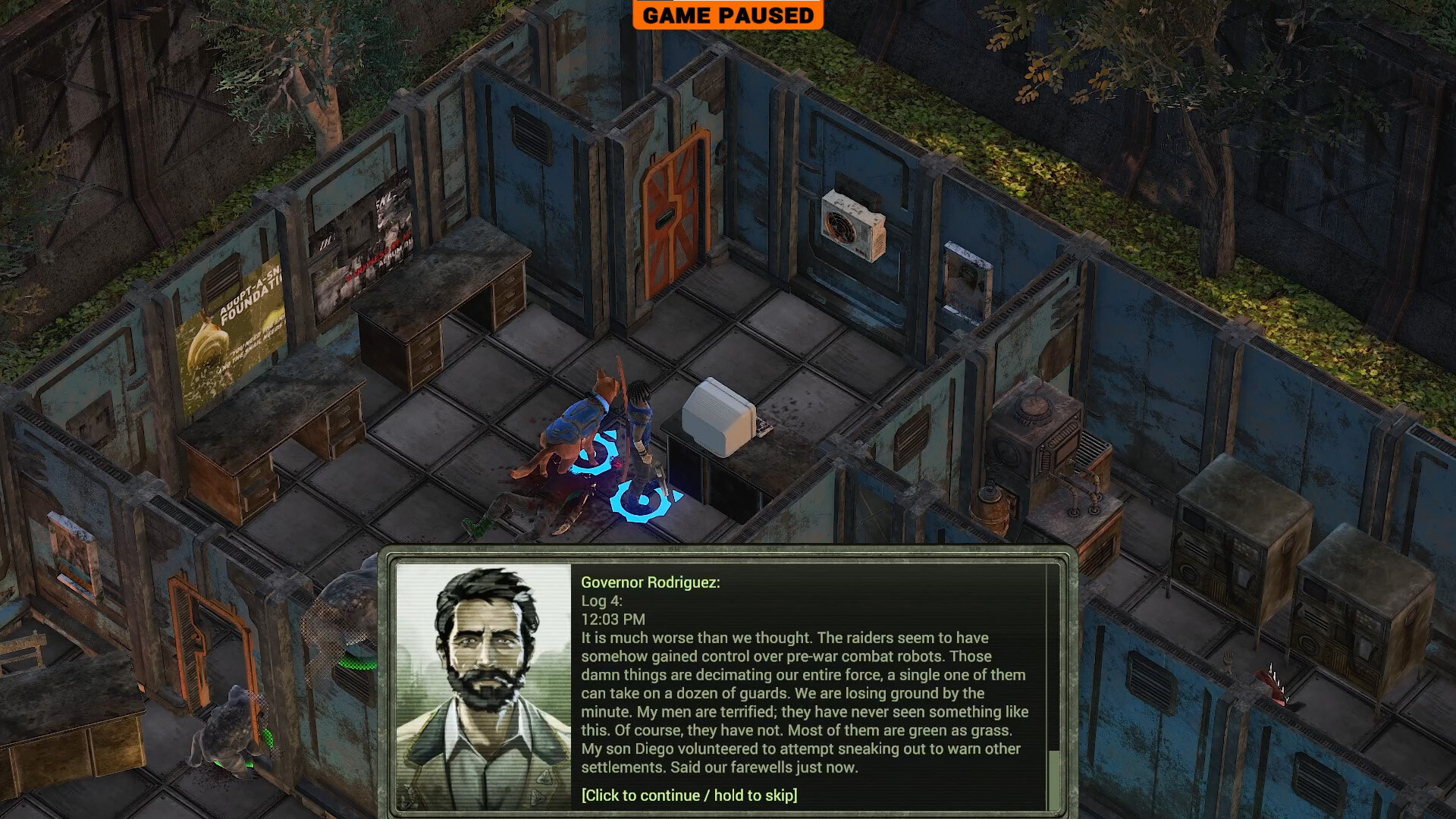
It’s not just a sealed bunker either, you get a mix of environments. The metro tunnels do indeed stand out the most, however, due to their flow. That’s especially true with the new fog-of-war, new mutants, and some light horror elements.
Another mechanic we’re particularly happy with is the creeping poison gas that forces you to keep moving. You really don’t want to breathe that stuff.”
Arrow Bazookas and Big Guns
Whenever a game adds new weapons, there is always a fear that the old favorites will become completely obsolete. We asked Dimitri about their internal testing process for these wild new additions.
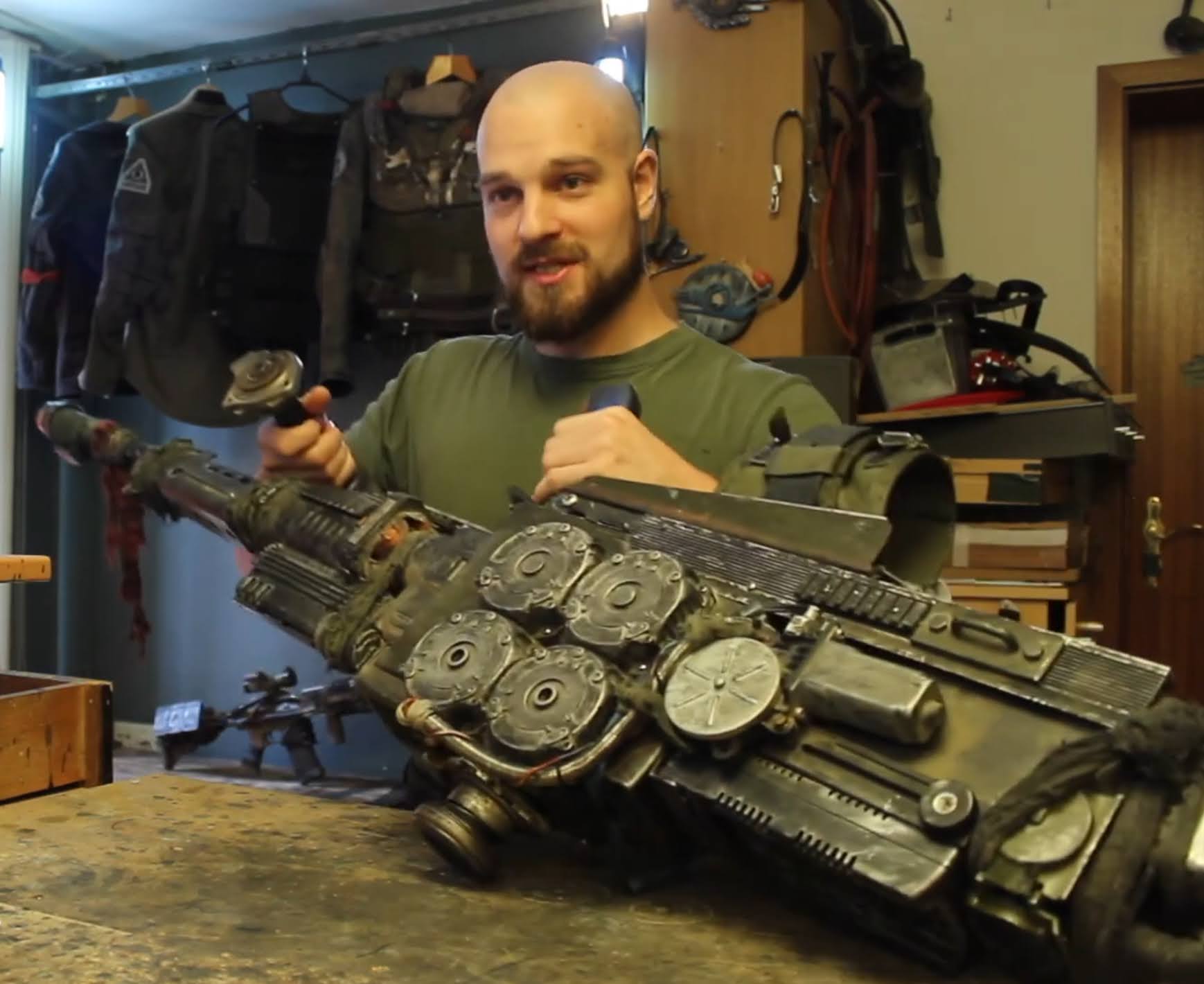
“It mostly starts with new weapon ideas. Usually something crazy. Like the new double-barrel .50 BMG gun in ToD, for example, or the arrow bazooka in Canyon Cross. It’s all about making sure new gear is interesting, through mechanics, theme, raw power. Or all of the above.
Could it make some of the old gear obsolete? Maybe. Usually not, but that’s not our main concern. We worry more about new gear not being boring, because that would be the real disappointment.
Also, each campaign puts you in a different situation anyway. So try the new tools, enjoy their power. But don’t get cocky. The enemies will still wreck you.”
For smaller indie teams out there looking to make their first post-launch content, we asked what the biggest lesson was from making Canyon Cross.
“It was much easier. Working with an established engine, existing assets, some existing lore, and a ton of experience from the base game makes a huge difference.
You still make improvements and adjustments. But building a DLC campaign is far simpler than building a much bigger main campaign from scratch, while also developing all the underlying systems. It’s not even close.”
Finally, we wanted to know if there was a specific idea or mechanic they really wanted in the base game that they finally got the chance to fully realize with the DLC.
“It was more the other way around. We start with a core idea for the DLC, then ask what’s missing to make it good and which existing systems we can expand to support it.
For example, we already had poison gas. For Tunnels of Death, we pushed it further by making it move.”
We really appreciate Dimitri taking the time to help us better understand the Dustwind series. Even in a harsh, post-apocalyptic wasteland, there’s always room for a little fun, a lot of tactical freedom, and maybe a double-barrel .50 BMG.


Leave a comment