
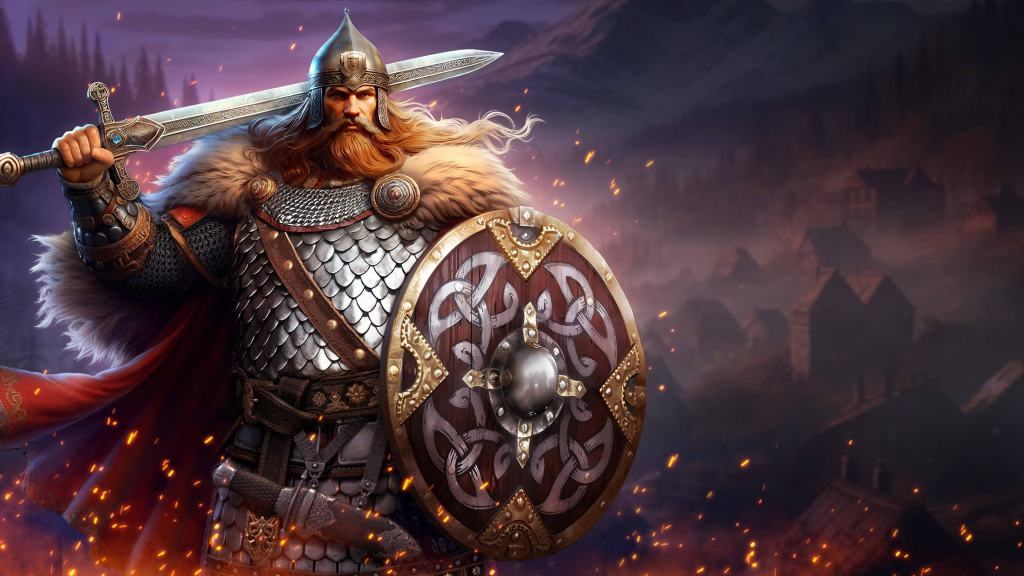
YAR: Forgotten Throne is an old-school RPG that draws inspiration from games such as Gothic and Risen, with a world heavily influenced by Slavic mythology. Developed by Honor Games, this open-world title is quite an ambitious undertaking, chock-full of ancient legends, dangerous creatures, magical abilities, and enough quests and activities to keep us busy for quite some time. But is all that enough to keep us occupied for days?

A World Worth Visiting
Our adventure takes place in a land where a mysterious darkness has begun poisoning the forests and corrupting the wildlife. It becomes imperative to find out what is happening and put an end to this growing threat. That doesn’t mean, however, that we can’t expect quite a few distractions along the way. The devs have borrowed heavily from Slavic folklore, and it shows from the very beginning. They’ve made a considerable effort to introduce legendary figures and creatures such as Baba Yaga, Koschei the Deathless, and Zmey Gorynych in a believable way, which is a big plus in our books since we’ve always found these old tales fascinating. It’s also hard not to welcome this change from the familiar elves, dwarves, and other fantasy creatures we’ve encountered countless times.

Borea features three large settlements, several different environments, and more than 100 quests. As expected, there are people to meet, problems to solve, dangerous areas to investigate, and plenty of secrets scattered throughout the world that are begging to be discovered. We can also become involved with two factions, although the consequences of our decisions aren’t always particularly significant. Much of the adventure revolves around helping the inhabitants of Borea and gradually learning more about their lives and problems. Exploration follows a fairly traditional approach, relying on journals, notice boards, and maps. Without them, we seriously doubt we’d get very far. It’s a good game, but it’s certainly not one of those modern RPGs that constantly holds our hand and points us in the right direction. If that’s what we’re expecting, well, we may need some time to adjust. Personally, as big fans of the Gothic series and its recent remake, we appreciate games that expect us to pay attention to our surroundings and remember information from conversations.

Swords, Spells, and Everything in Between
When it comes to character development, there are three paths to choose from. Warriors concentrate on close combat, Volkhvs specialize in magic, and Archers prefer keeping their enemies at a comfortable distance. Each path comes with different abilities and equipment requirements. As we gain experience, we can invest in attributes, unlock additional skills, and experiment with equipment that complements our preferred fighting style. There are also passive abilities and magical enhancements to consider. The progression system feels well thought out, offering plenty of flexibility and room for experimentation.
We like how fast attacks replenish a combat resource, while more powerful moves consume it. The amount available also influences our damage output, which makes us think carefully about which attacks to use and when. Different weapon combinations introduce their own advantages and limitations. A sword and shield provide defensive options, while heavier two-handed weapons require careful timing. Coming back to the character paths for a moment, it’s worth pointing out that magic users can rely on staffs, elemental attacks, and enchanted equipment, while Archers have access to specialized ammunition, including arrows with poison, ice, and explosive effects. There’s a great deal of variety here, but do all these systems make the fighting enjoyable?
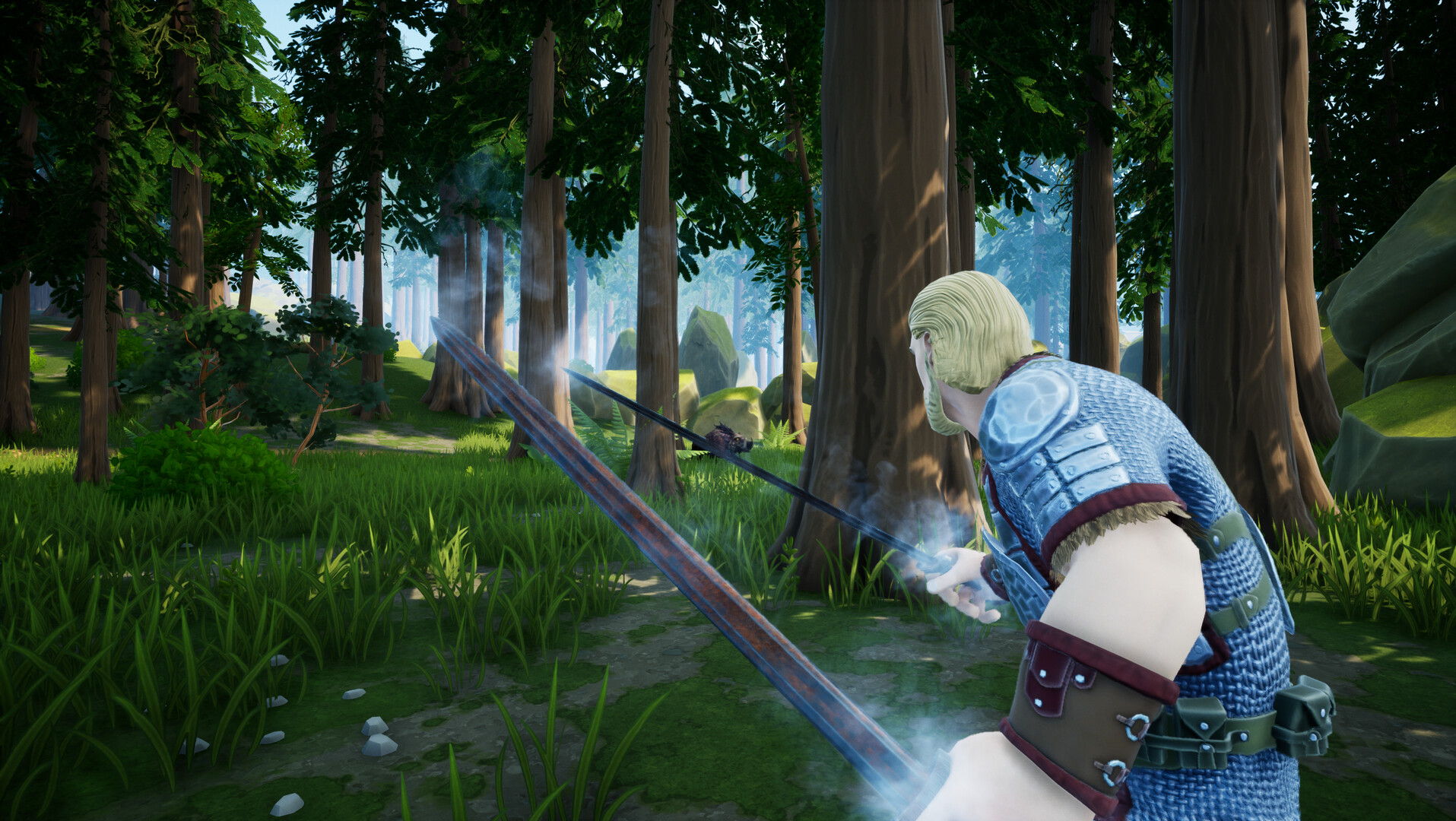
Well, we like what the devs are trying to accomplish, but the combat won’t win any awards. Animations can be awkward, hit detection is inconsistent, and encounters can become more frustrating than entertaining. At times, we found ourselves wishing for a combat system where attacks connected more reliably and enemies behaved less predictably. Again, it’s not a bad game, but these imperfections prevent it from truly shining.
Quite the Adventure?
YAR: Forgotten Throne is an ambitious RPG that has quite a lot to offer fans of traditional European role-playing games. We enjoyed exploring Borea, discovering its secrets, and encountering creatures inspired by Slavic mythology. The character development is extensive, there’s plenty to do, and we appreciate how much freedom the game offers. Unfortunately, the combat can be frustrating, and some of the rougher mechanics will sooner or later get in the way of what is an otherwise enjoyable adventure. We certainly wouldn’t recommend it to anyone expecting the polish of a modern AAA RPG, but those who have a soft spot for Gothic, Risen, and similar games should feel as giddy as a schoolgirl on a Monday morning. We’re glad we gave YAR: Forgotten Throne a chance, despite its shortcomings, and we believe it’s worth exploring if you can forgive a few imperfections along the way.

Our score: 7/10
- Title: YAR: Forgotten Throne
- Developer: Honor Games
- PS5 Publisher: Axyos Games Entertainment LLC
- Platforms: PC, PS5, Xbox Series X|S
- PC Release Date: April 3, 2026
- PS5 Release Date: October 14, 2026
- Genre: Open-world action RPG
- Game Modes: Single-player
- Difficulty: Multiple difficulty settings
- Playtime: Varies; 50+ hours reported by the developer
- PS5 Pro Enhanced: Yes


Leave a Reply