
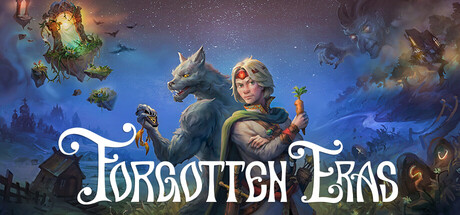
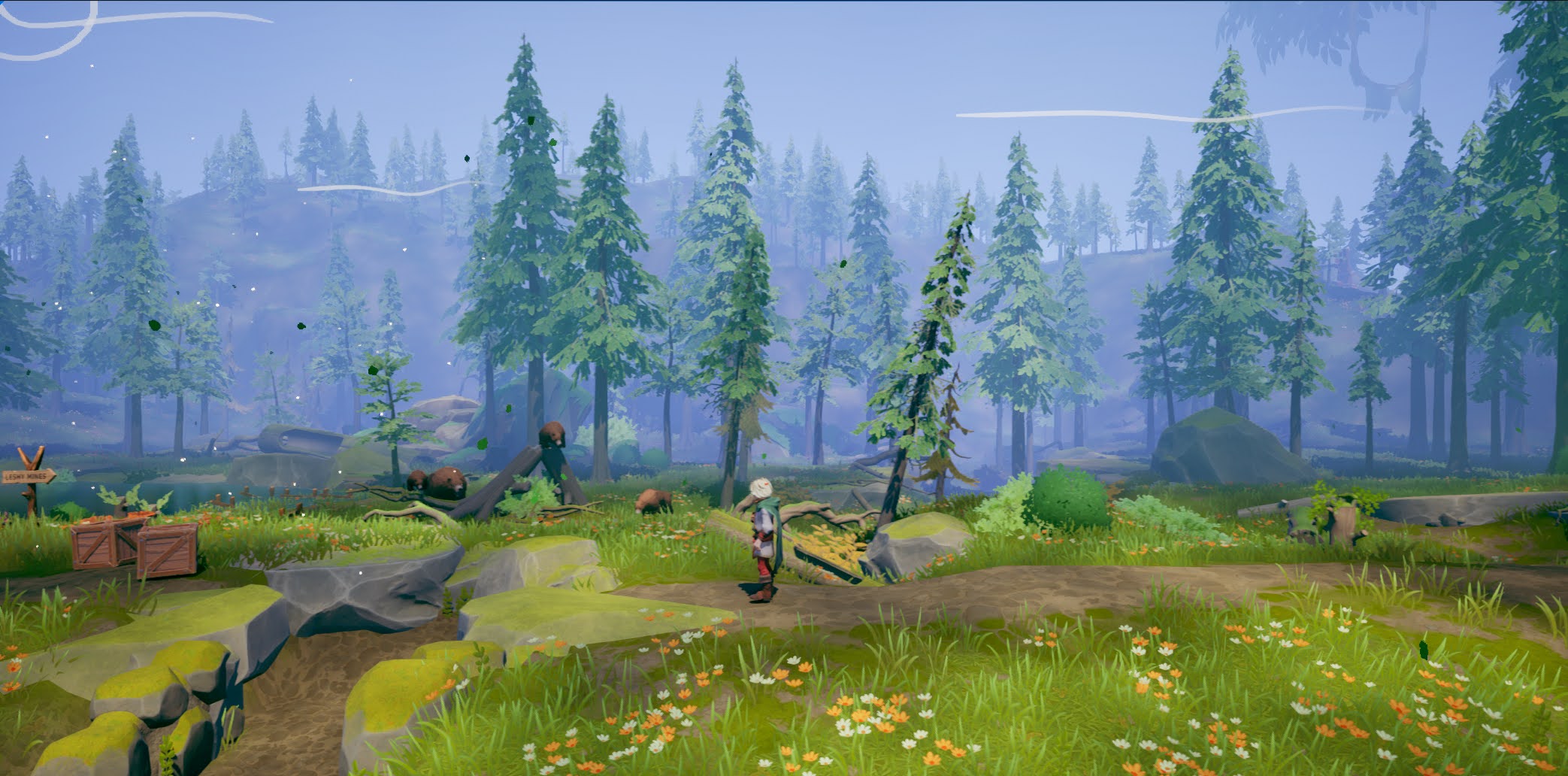
Unreal Engine 5 is usually the industry’s go-to sledgehammer for hyper-realistic graphics. But when we checked the newly updated demo for Forgotten Eras, we didn’t find gritty, photorealistic textures. Instead, we dropped into a hand-painted 2.5D world soaked in the moody atmosphere of Slavic folklore.
Released just days ago by independent Greek studio Behind the Hump, the demo proves that ancient myth and cutting-edge tech are a potent mix. Players step into the boots of Ivan Tsarevich, trying to fix a cursed forest crawling with legendary figures like Baba Yaga and Morana. But the studio’s development approach is what actually caught our attention.
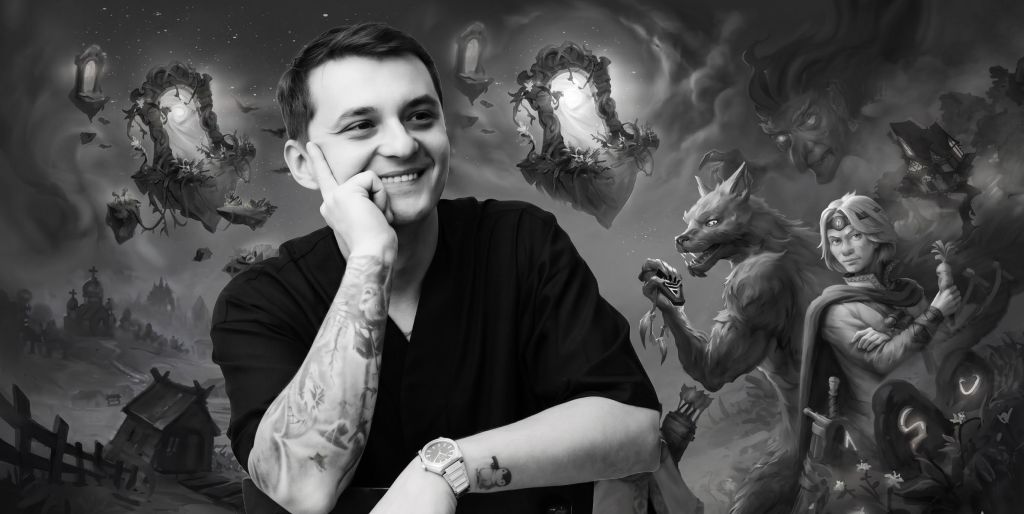
We sat down with Alexander Gorbenko, the studio’s founder and creative lead, to talk about ditching AI companions, wrangling live orchestras, and the messy reality of indie game dev.
Bending the Engine, Breaking the Plane
Shoehorning a 2D workflow into an engine built for massive 3D vistas sounds like a massive headache. We asked Alexander what technical brick walls the remote team hit when trying to make UE5 play nice with a stylized and hand-painted 2.5D aesthetic.
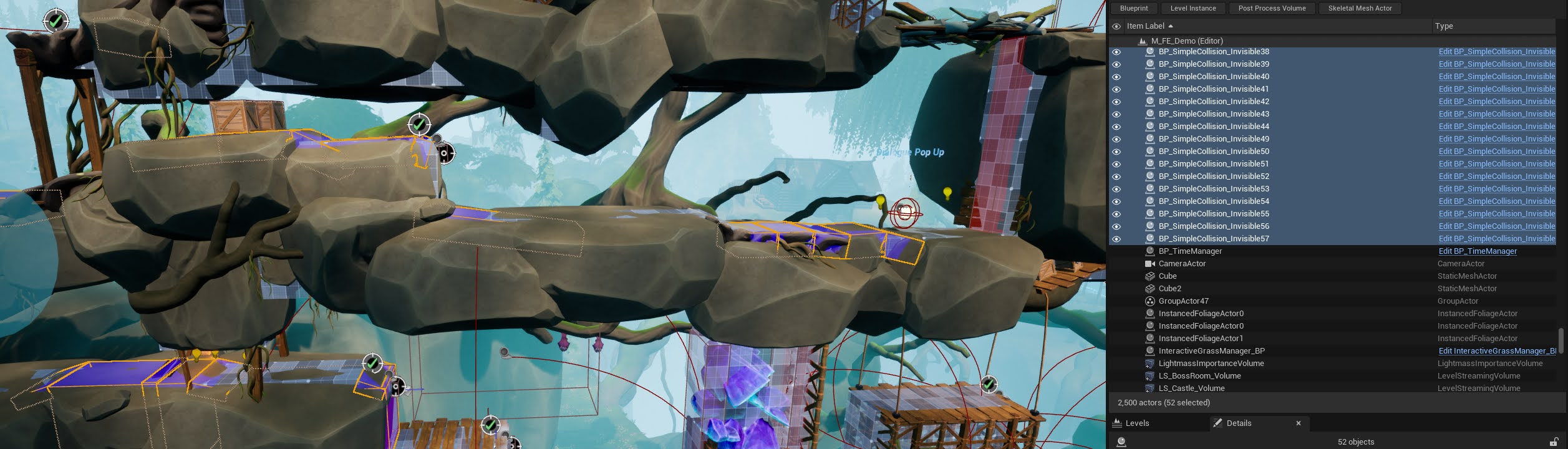
“The honest answer is that we are not really fighting the engine, we are using its 3D nature on purpose,” Alexander explained. “Everything in the Forgotten Eras demo is a full 3D scene underneath. We just lock the camera and Ivan’s movement to a plane to get that clean 2.5D side-scrolling feel. The tricky part was the look. Lighting hand-painted assets so they read flat and stylized while still keeping real depth took a lot of iteration, and our near-transparent foreground layers, the painterly elements that frame each scene, needed tuning so they added depth without hurting readability or performance.”
But they aren’t just faking a 2D plane.
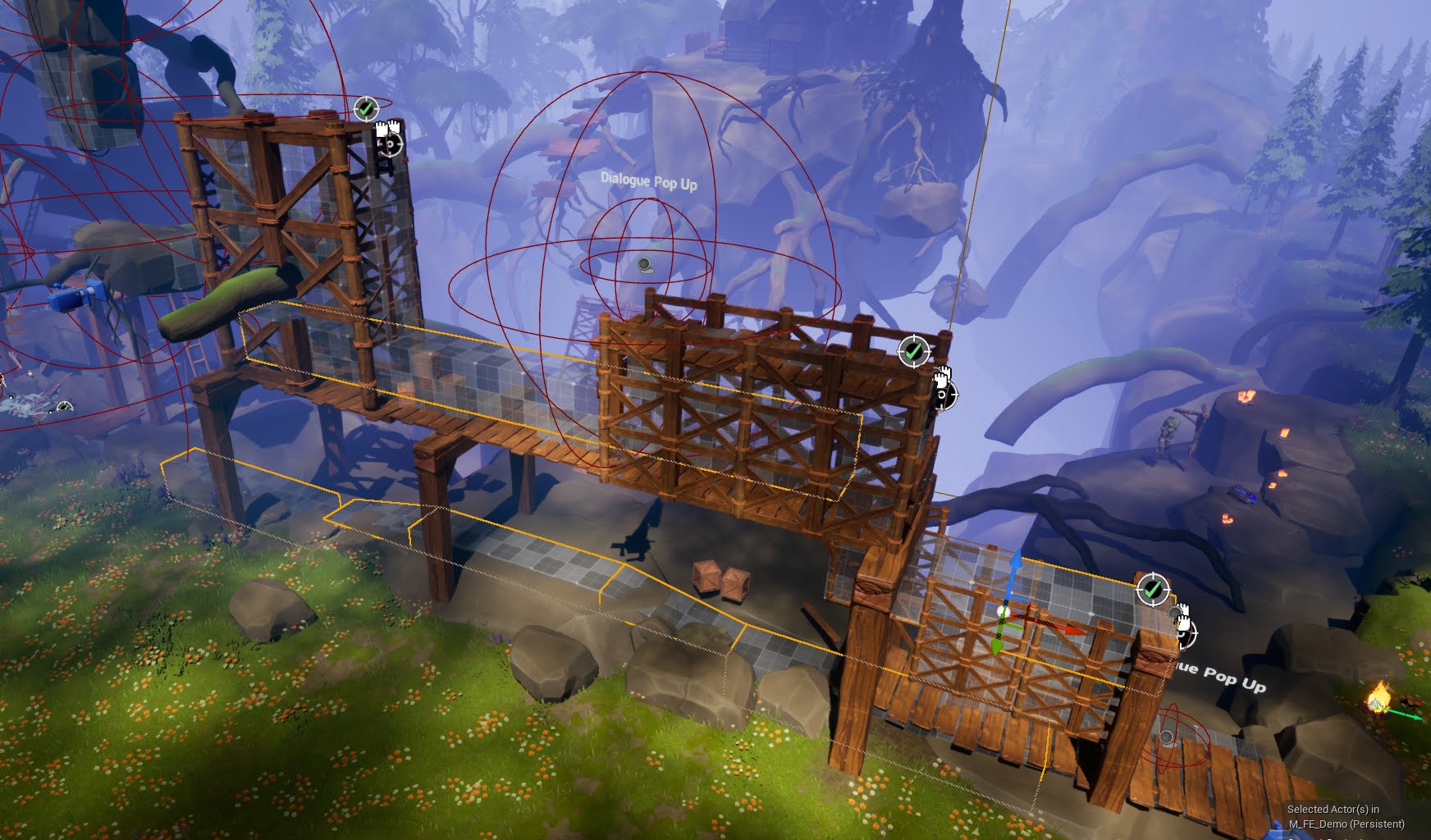
“Here is the part we are most excited to talk about,” he continued. “We have now finished all the core mechanics and blockouts that let us transition out of the 2.5D plane into a fully functional 3D third-person mode. The bridge between the two is a mechanic we love: the play space rotates 45 or 90 degrees, and suddenly Ivan can walk into the areas he was only ever seeing as background a moment earlier. The scenery you were admiring from the side becomes a place you actually explore. Getting both camera and control schemes to live in one Unreal Engine 5 project, and to hand off cleanly between them through that rotation, was the real challenge in our indie game development process, and it is solved.”
You Don’t Babysit the Wolf—You Become It
If you’ve played a Metroidvania recently, you know AI companions usually end up stuck on a wall or ruining your platforming rhythm. When we asked how the team programmed the Grey Wolf’s pathfinding to actually be useful instead of a hindrance, Alexander said:
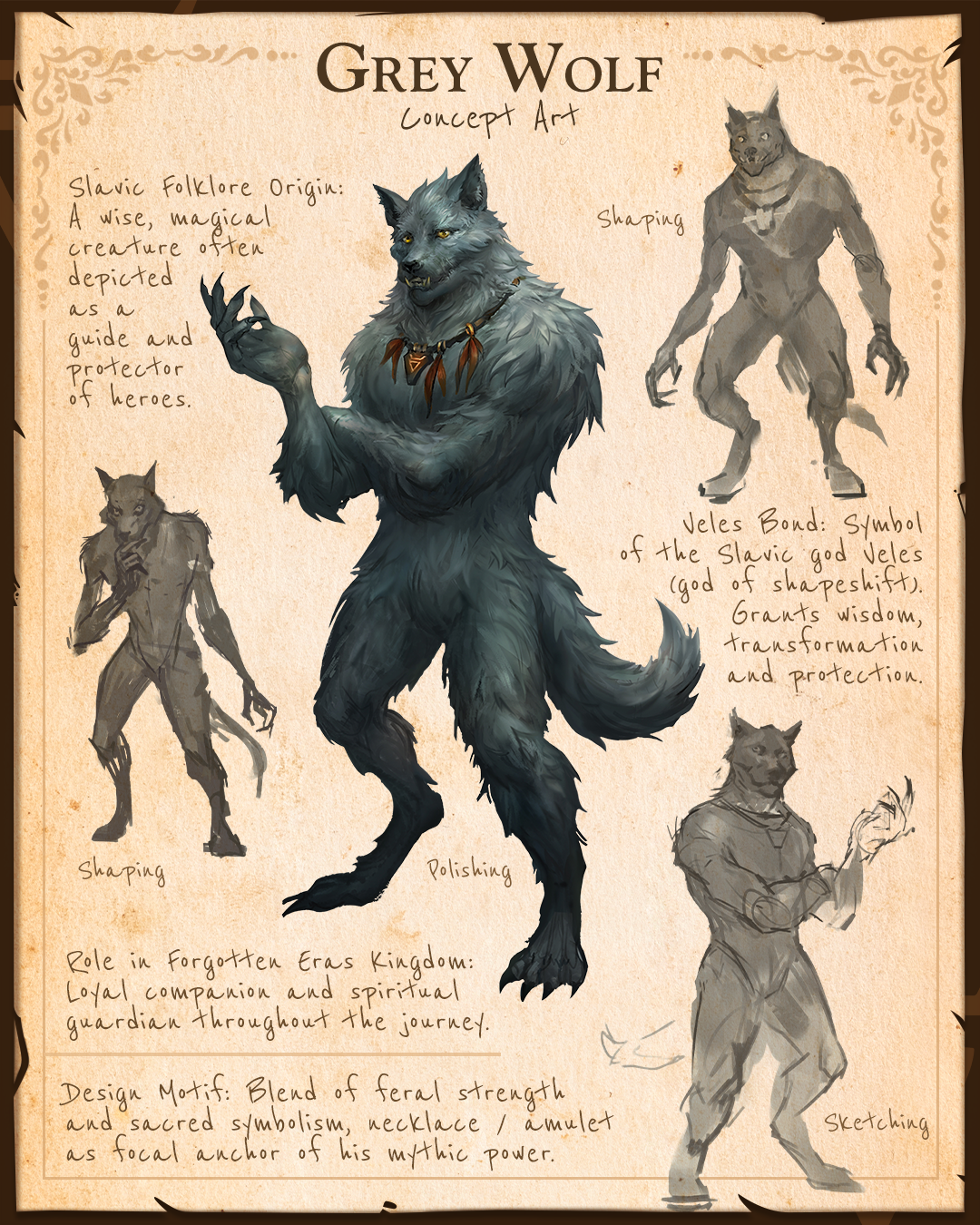
“This is a fun one, because we sidestepped that whole problem by design. The Grey Wolf is not an AI companion that follows Ivan around and gets snagged on geometry. Ivan shapeshifts into the wolf. The player controls it directly. So there is no follower AI to babysit, and the pathfinding nightmare you are describing never enters the picture.”
That isn’t just a clever way to save programming hours; it’s baked right into the narrative.
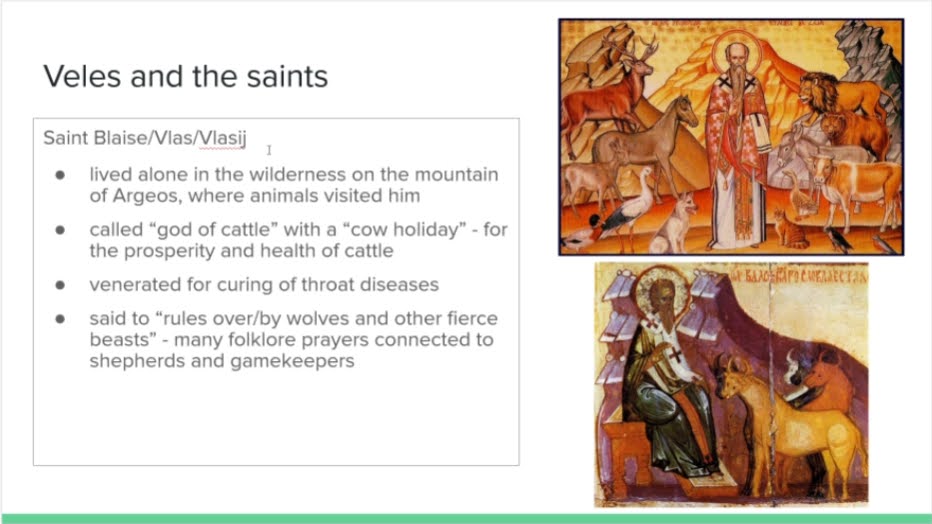
“And this is where the lore and the mechanic become the same thing,” Alexander said. “The bond between Ivan and the Grey Wolf is built on Veles, one of the most iconic figures in Slavic paganism and the god of shapeshifting. So Ivan turning into the wolf is not a gameplay gimmick we bolted on, it is a direct expression of who Veles is. The myth justifies the mechanic, and the mechanic teaches you the myth.”
“What that gives us is two characters in one. As Ivan, you fight with a sword and a bow. Shapeshift into the Grey Wolf and you get three completely different tools. The wolf’s Attack heals you as you land hits, so aggressive play is rewarded. Sniff reveals hidden paths and is core to solving a lot of our puzzles. Search lets the wolf slip into a shadow form and pass through walls, which opens up traversal and secrets that Ivan simply cannot reach. So the companion is not a helper standing next to you, it is a second moveset you become.”
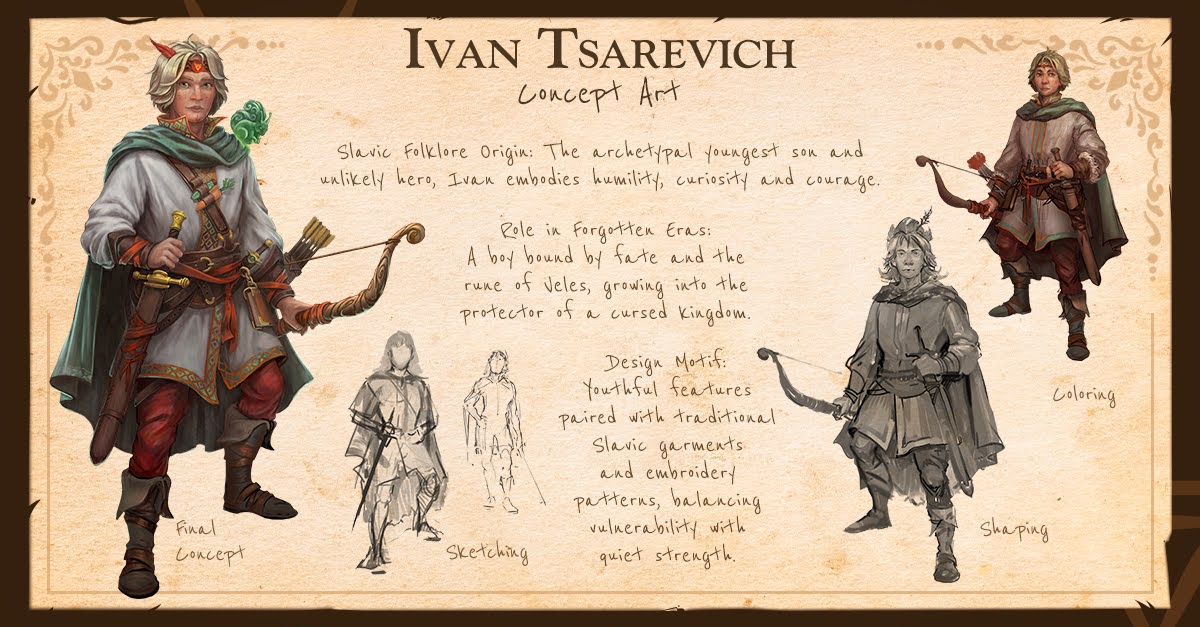
We’ve seen the studio’s recent YouTube series showing off time-lapse concept art, which makes it obvious they obsess over the world’s architecture. We asked how those environmental rune puzzles actually tie into these ancient gods.
“For us the rune is never just decoration on a wall, it is the rule of the room, and that rule comes straight from the mythology,” Alexander told us. “In our world the central god is Svarog, and his Light is what gives power to every living thing, even to the creatures that have been cursed by the unsealed spells of Shamans. So light is not just a visual in Forgotten Eras, it is a force you can wield.”
“That turns into a real mechanic. In one of our 2.5D puzzles, you work with Svarog’s Light directly. The player rotates a series of leaves to redirect the light, turning each one to the proper angle to carry the beam forward while steering it around the obstacles in the way. Get the chain of leaves aligned and the Light reaches where it needs to go, breaking a curse or opening a path. It reads as a clean puzzle on the surface, but underneath it is the core belief of the whole world: Svarog’s Light brings things back to life, and the player is the one guiding it. That is the difference between mythology as wallpaper and mythology as design.”

Orchestras and Haptics
You can’t back a world this ambitious with cheap synth tracks. The audio needed to carry the weight of the lore, which led the team to track a live orchestral session in Thessaloniki.
“For me this answer starts before any engine work, because the music is personal,” he confessed. “I was born in Vladivostok, and growing up I moved a lot, from Khanty-Mansiysk to Moscow to Transnistria, before my mother brought me to Greece at twelve, where I have now lived for almost twenty-four years. That whole Slavic thread runs through me, and I wanted the soundtrack to carry it honestly rather than fake it with stock instruments.”
“So before we recorded a single note, I spent close to five or six months listening to classical and Slavic music almost every day, just to find the vibe, to learn what I actually wanted to hear and how to describe it to people. Our whole team works remotely, so a lot of that meant explaining feelings over a Discord call until the producer and I were hearing the same thing. After about six months of preparation the score was ready in digital form, and then came the real goal: sit down with an orchestra in Thessaloniki and record it with real instruments and real people. You can see it in the video, and I will be honest, in over ten years of game development it is one of the best experiences I have had.”
Getting a live orchestra into a microphone is one thing; making it dynamically react to a player getting ambushed by a boss in-engine is another entirely.
“On the technical side, a recorded score on its own is static, so to make it react to the player we are integrating Wwise for the full game. That lets us do two things. First, vertical layering: because we recorded the score in stems, we can fade extra instrument layers in as tension rises without ever changing songs. Second, horizontal transitions on musical beats. When you cross into a boss fight, Wwise waits for the next bar or fires a prepared stinger, then swaps the cue, so the music turns instead of cutting.”
“We are also collaborating with Razer to bring haptic technology into the experience, so the impact you feel in your hands is tied to the same moments the music is reacting to. The goal is that a boss reveal hits your ears and your hands at once.”

Rewriting the Invisible Code
A gorgeous Metroidvania dies on the vine if the jumping feels terrible. Behind the Hump just pushed an updated demo specifically to tackle community feedback. We wanted to know if players broke anything so badly it required a rewrite.
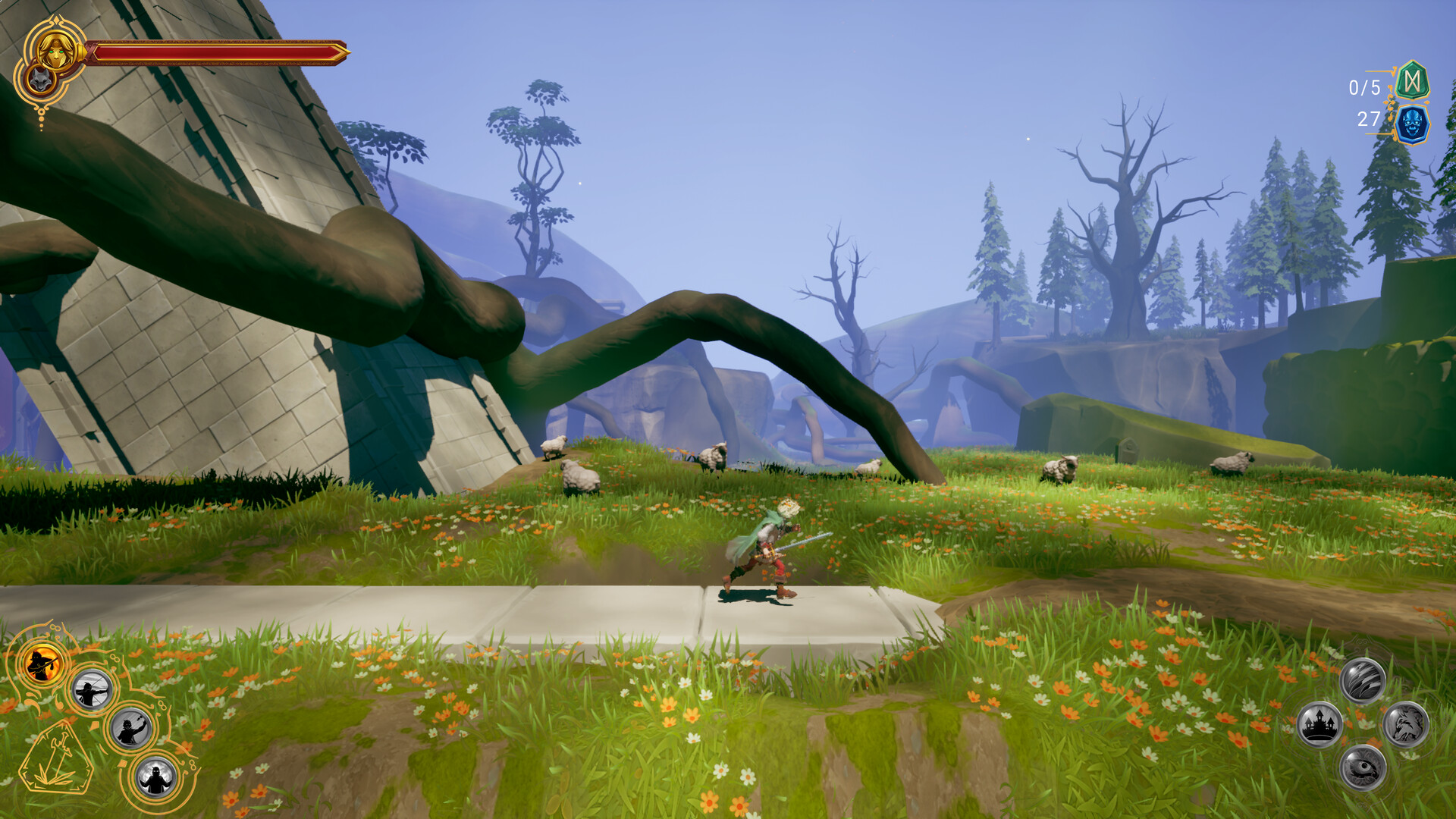
“Yes, and the clearest signal we got was about movement responsiveness,” Alexander admitted. “Players are very honest, and a slightly floaty jump or a landing that does not react fast enough is something they feel immediately even if they cannot name the exact cause. That feedback is what pushed us to tear into the invisible movement layer and rebuild it properly, the coyote time, the jump buffering, the animation canceling, all of it. We did not just nudge a value, we reworked how the systems talk to each other so the platforming feels tight rather than approximate. It was humbling in the best way, because the community basically pointed at the one thing that mattered most and made the whole game better by doing it.”
We asked him to break down the specific invisible mechanics that make modern platforming actually work.
“All the invisible stuff that players never see but always feel. Coyote time gives you a small window to still jump just after leaving a ledge, which kills that frustrating ‘but I pressed it’ feeling. Jump buffering registers an early jump input so it fires the instant you land instead of getting eaten. And we opened up animation canceling so attacks and movement flow into each other rather than locking you in place mid-swing.”
“Our shapeshift adds a layer here too, because Ivan and the Grey Wolf have different weights and speeds, so each form needed its own tuning to feel right while still letting you swap mid-flow. The Razer haptics work hand in hand with this, since good game feel is not just timing, it is the physical confirmation of a clean landing or a connecting hit.”
“I will be honest about animation, because it is a big part of feel and we know where we stand. Without a dedicated animator, animations can come out clunky, so for now we are smart about where we spend that effort. Our smaller enemies are Flowers and Mushrooms, which need only simple animations, and we mask those with VFX so they read great without heavy hand-keyed work. The bigger plan comes after the full release: we are going to bring in a Rokoko motion capture suit and, working with a parkour team and a few other artists, record the whole movement set from scratch. That is how we take Ivan from responsive to genuinely alive.”
That hyper-tuned movement gets tested hard when players drop from the surface forest into Nav, the Slavic underworld. Building a totally alien realm while keeping the gameplay familiar is a tough trick to pull off.
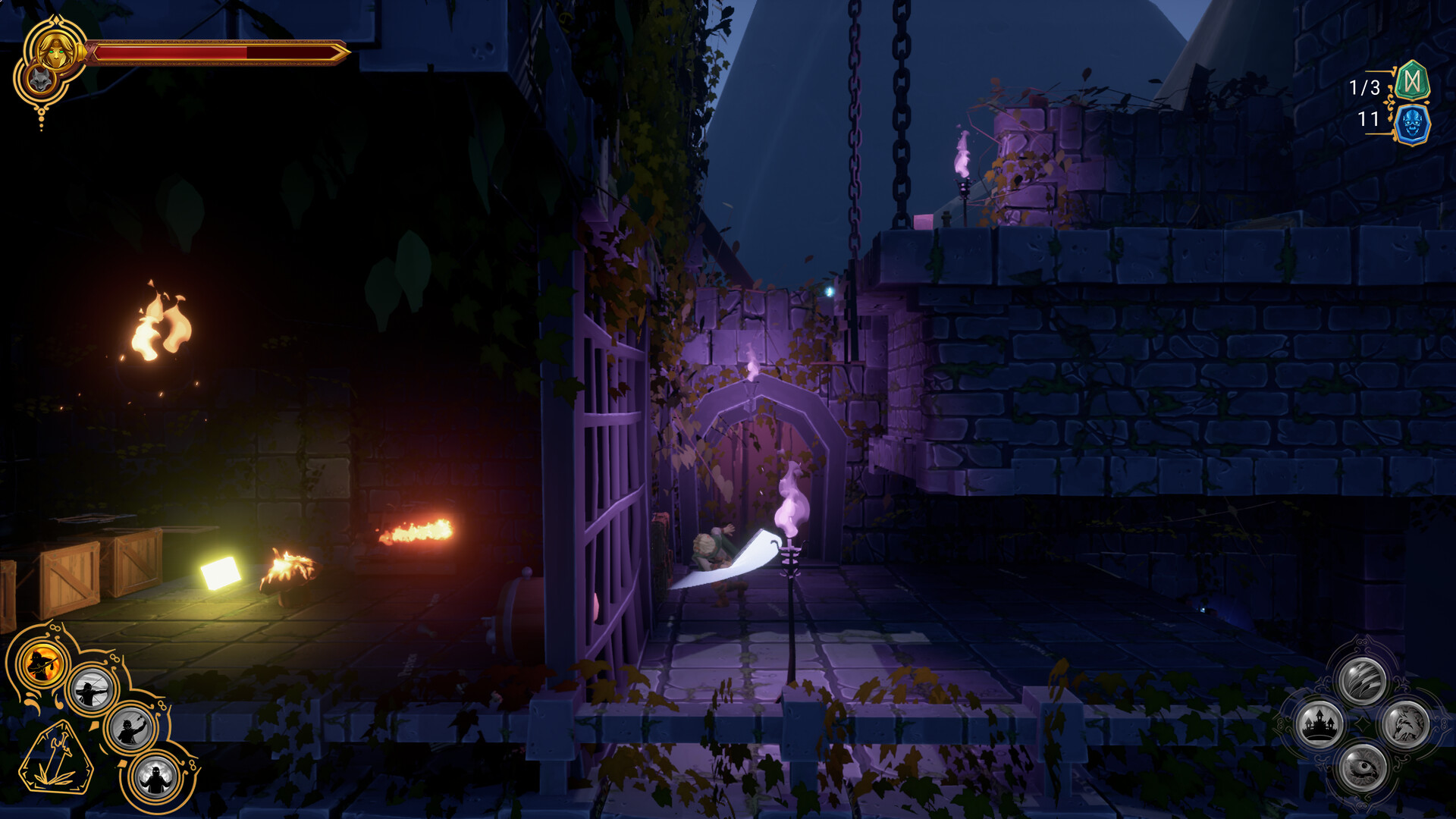
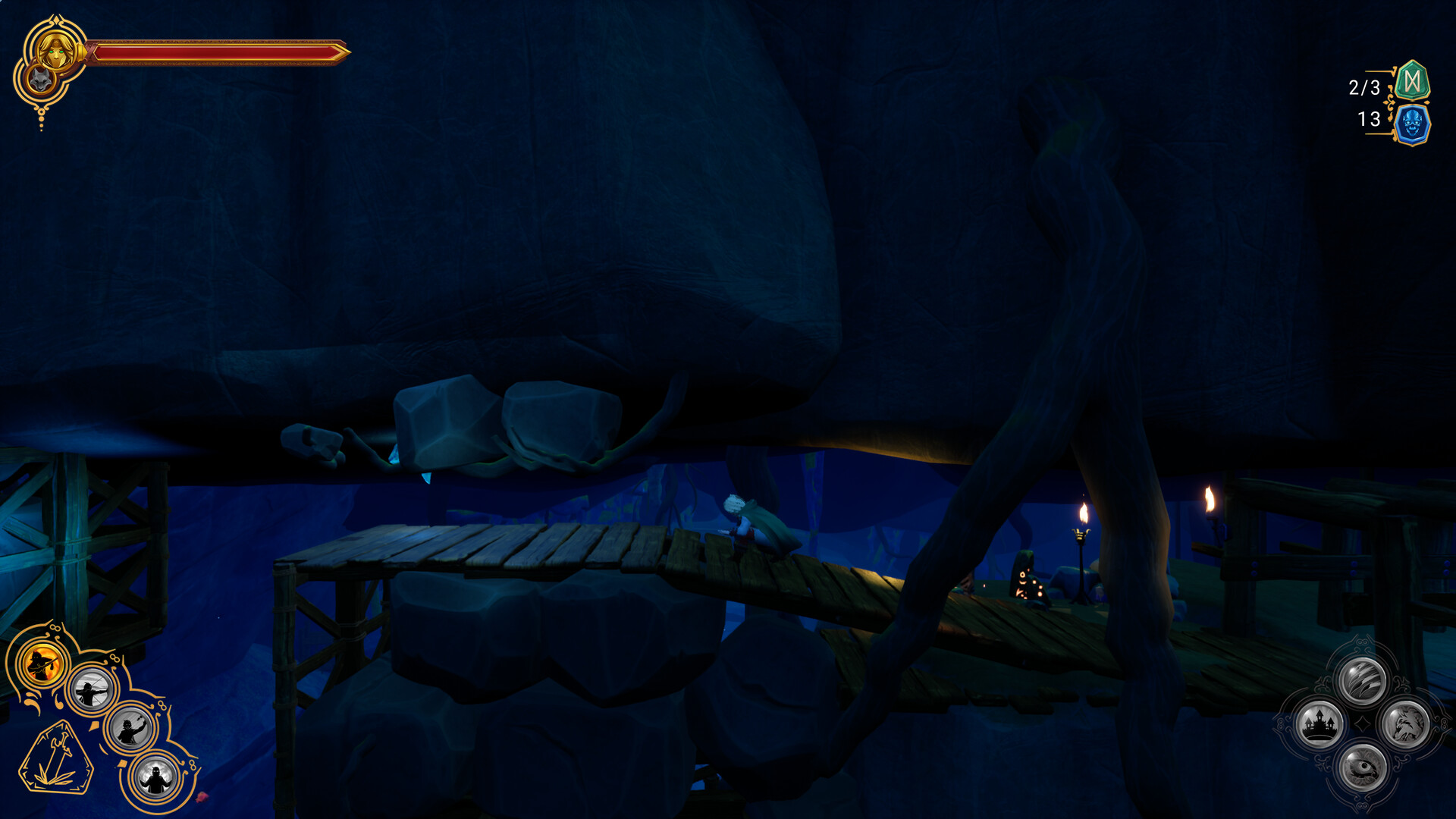
“Our rule was simple: the world can change, the grammar cannot,” Alexander noted. “The palette, the lighting, and the mood of Nav shift hard from the surface, colder, heavier, and far less forgiving, but the core metrics stay locked. Jump height, hit timing, and the spacing of platforms are identical to the forest, so your hands already know how to play Nav the moment you arrive even though your eyes are seeing something new.”
“What we let change is the vocabulary on top of that grammar. Nav is where the Grey Wolf’s shadow-form Search really comes alive, because passing through walls fits a realm of the dead far better than it does a sunny forest. We also lean on the perspective system here, using more of the 3D third-person space to make the underworld feel vast and disorienting in a way the side-scrolling forest never does. Same rules, different language.”
Protecting the Game
Juggling a UE5 project, live music, and motion capture is a heavy lift for a small indie outfit. Throwing a comic book Kickstarter into the mix sounds like a fast track to burnout. We asked how they keep the wheels on.
“The trick is that the two projects share a spine,” Alexander said. “The comic is not a separate creative effort built from zero, it grows out of the concept art and lore we are already producing for the game, so a lot of the work counts twice. The art we paint for an environment can inform a comic panel, and the lore we write for a puzzle deepens the comic’s story.”
“Beyond that, we protect the game. Core development is the non-negotiable priority, and it never gets paused for Kickstarter prep. The Kickstarter work is mostly planning, writing, and marketing, which lives in a different lane from engine and design work, so it can run in parallel without pulling our developers off their tasks. The day it starts to threaten the game’s schedule is the day it gets pushed, not the other way around.”
Before we logged off, we asked Alexander for one piece of hard-learned advice for new developers trying to build their first Metroidvania. His answer was a blunt warning about level design.
“Do not build your levels before your movement is locked. It sounds obvious, but it is the trap almost everyone falls into. You get excited, you start blocking out beautiful rooms, and then weeks later you tweak a jump height or a dash distance by a tiny amount because the game feels better that way. Suddenly half your rooms are subtly broken, gaps are now too wide or too short, and you are re-tuning geometry you thought was finished.”
“Lock your core metrics first. Jump height, run speed, attack range, the lot. Build a single ugly grey test room and do not paint a single pretty environment until those numbers feel perfect and final. Movement is the lens you experience the entire game through, so it has to be the foundation, not something you polish at the end. We learned that the slightly painful way, and it is the one piece of advice I would hand to any first-time Metroidvania team.”
The updated demo for Forgotten Eras is available now on Steam.
Are you building your own indie title, or just excited to explore a dark Slavic mythos? Drop your thoughts on Alexander’s approach to movement, lore, and engine-bending in the comments below. We’d love to hear your take!

Leave a comment