
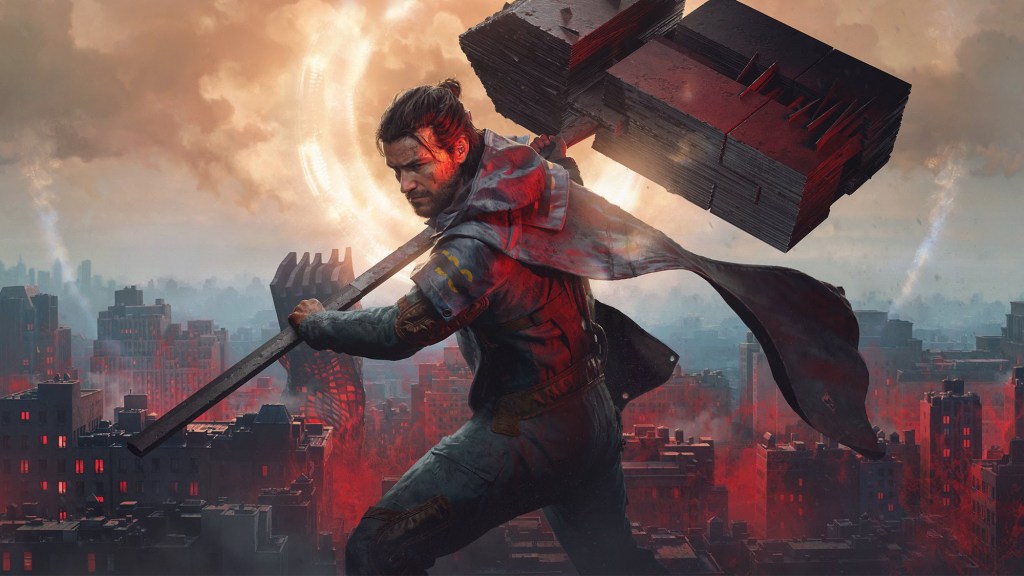
We’ve been fans of Remedy Entertainment ever since their first games. Max Payne and Max Payne 2 hold a special place in our hearts and, to this day, we still find time to come back and play the second one. The Alan Wake games, especially the first one, were equally amazing, particularly because we were big fans of Stephen King at the time. Just when we thought we couldn’t love this studio’s games more, along came Control. We played that game on our PS4 to death and, the moment we got a PS5, guess what was the first game that we played? Yep, Control again.
We’re telling you all of this right at the beginning because we want you to know that this will be less of a review and more of a love letter. Our point isn’t to primarily criticize CONTROL Resonant, but to do our best to convince you to give this game a go, even if you’ve never played the first game or, worse, you’ve played it but didn’t like it. There are some very substantial differences between the two games, but for us, what makes Resonant work is that Remedy has changed quite a lot without losing that unmistakable feeling that made us fall in love with Control in the first place.
Rough Wake up Call
We wake up on a table with a piece of metal sticking out of our chest. We try to pull it out and, by doing so, we can choose one of three Aberrant forms. Strike is a fast attack with a high critical chance, while Glaive hits and pushes multiple enemies and reminds us of wielding a scythe. If you like something in between these two extremes, then Cleave is a balanced attack that does more damage if you attack enemies from behind. We went with the first option, and soon enough we get to try our metallic object, which with each thrust creates a sharp, spear-like weapon. The combat is fast, it’s flashy and, above all, it’s very satisfying. Lining up attack after attack while the Hiss whirl and respond to every combo, while at the same time we’re dodging left and right and avoiding all kinds of projectiles or close attacks, creates a rhythm that is very easy to get into.
CONTROL Resonant doesn’t rely on Jesse’s Service Weapon and the combination of shooting and supernatural abilities. Dylan’s Aberrant is at the centre of practically everything we do in combat. We were initially a little unsure about this change because, let’s face it, the Service Weapon was such an important part of what made Control feel like Control. After spending time with the Aberrant, however, it didn’t take us long to realize that Remedy wasn’t trying to replace one weapon with another. The different forms change the way we approach enemies, and once we start unlocking secondary attacks, charging attacks and additional abilities, combat turns into an almost insatiable pursuit of figuring out which combination works best for us. Experimentation is one of the reasons the fighting remained interesting even after we’d already spent a considerable amount of time dealing with the same types of enemies.
When the Arena Appears
Sooner or later, you’ll be pulled into an arena encounter. Each wave here has heavy enemies that we need to kill if we hope to have the barrier dispelled. No matter how many arenas we cleared, we still get anxious when the next one appears because the heavy enemies are challenging and unpredictable and, as long as they’re alive, the normal enemies keep respawning. We couldn’t concentrate on the enemy directly in front of us because something else could be shooting at us from the other side of the arena or suddenly appear behind us. This was when movement became just as important as the actual attacks, and we had to be constantly aware of where we were standing, where the next attack was coming from and which enemy needed our attention first.
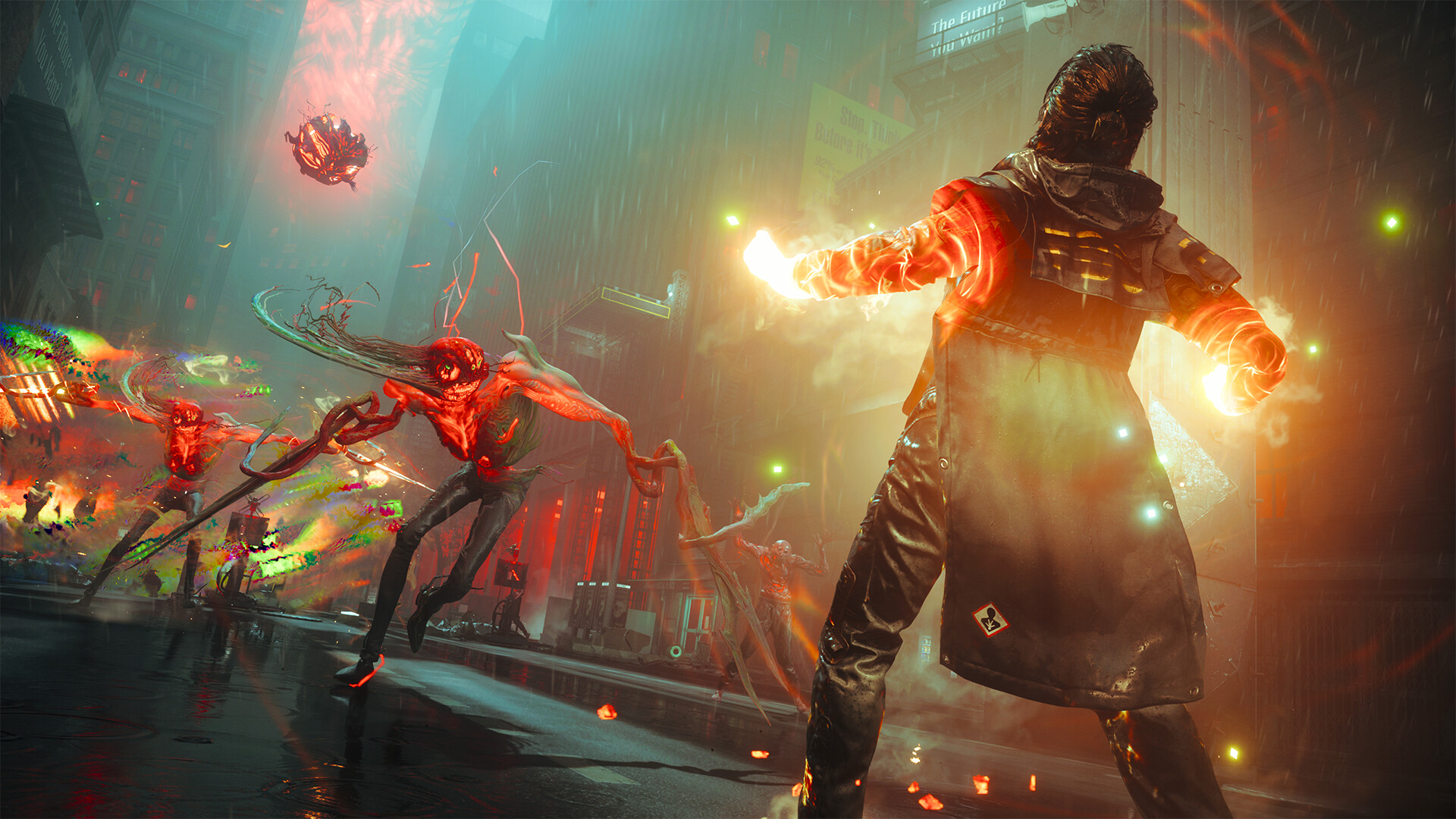
During the first arena encounter we unlocked our secondary attack. Some of the abilities are slower but more powerful, while others are a lot faster and intended to continuously nibble away at the health of the enemies. You can also charge these Aberrations to maximize their damaging output, which adds another little decision to combat because charging obviously leaves us more vulnerable. The second time we were offered the chance to pick one of three Aberrations, and, just like the first time, we had a hard time choosing because they all seemed very fun to use. Each one is unique both in its animation and in terms of offensive strategy, especially when you start combining the secondary and primary attacks for even greater visual spectacle. We really like that the game doesn’t throw a new ability at us and expect us to use it just because it’s stronger. Remedy has given us several interesting options and left it up to us to decide which one fits the way we want to play.
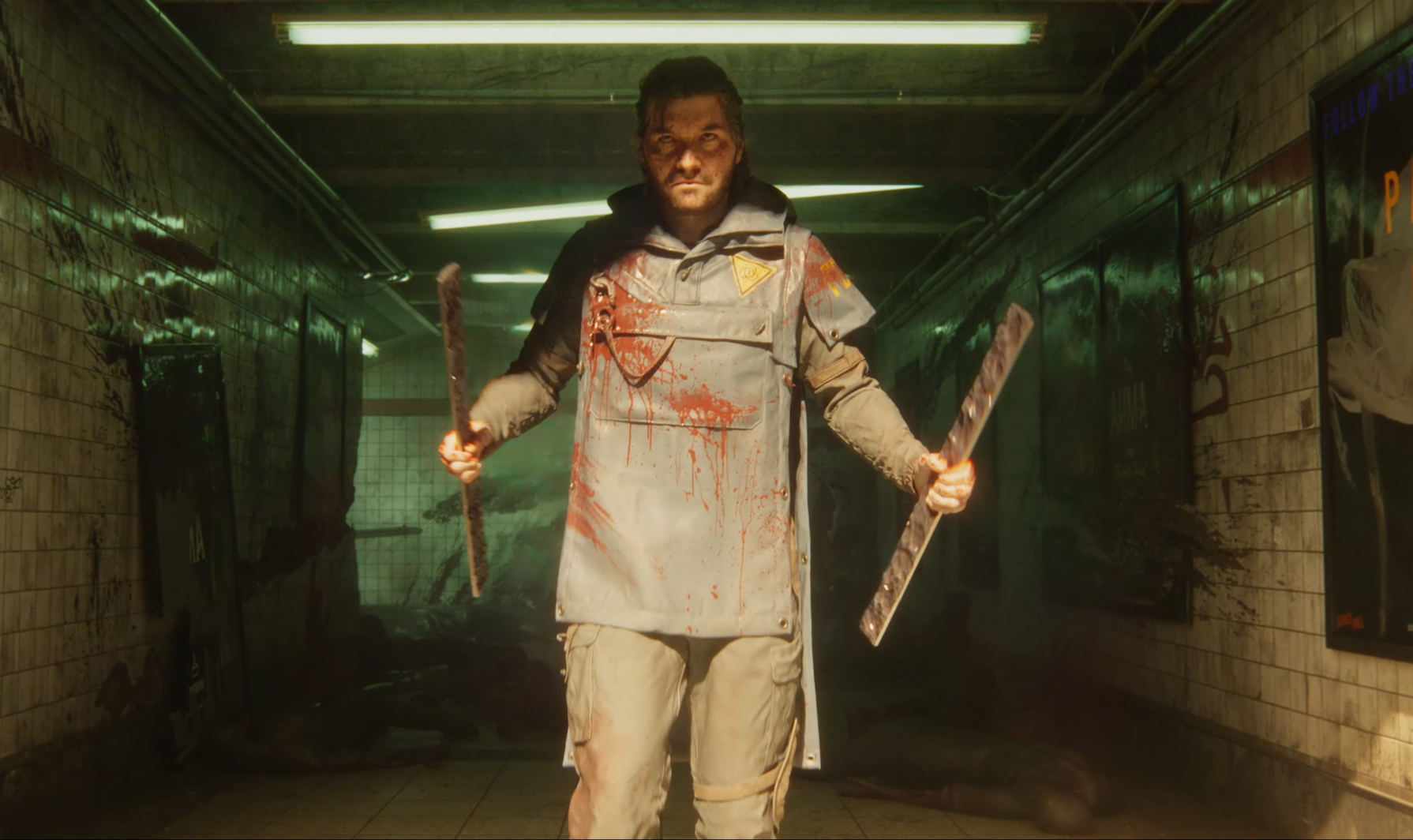
That freedom also means that the combat starts feeling increasingly personal as we progress. We found ourselves developing preferences almost without realizing it, especially once the Talent system and the different upgrades gave us more room to invest in the things we were already enjoying. We could focus on a particular Aberrant, critical attacks, status effects, movement or executions, depending on what we found most useful and, more importantly, most fun. There is quite a lot to take in, but it’ll be a cold day in hell if we ever say no to experimenting. The game feels particularly good when you find a combination that works. An ability that looked merely interesting at first can suddenly become something you can’t imagine playing without, and those moments are priceless.
A Manhattan That Has Lost Its Mind
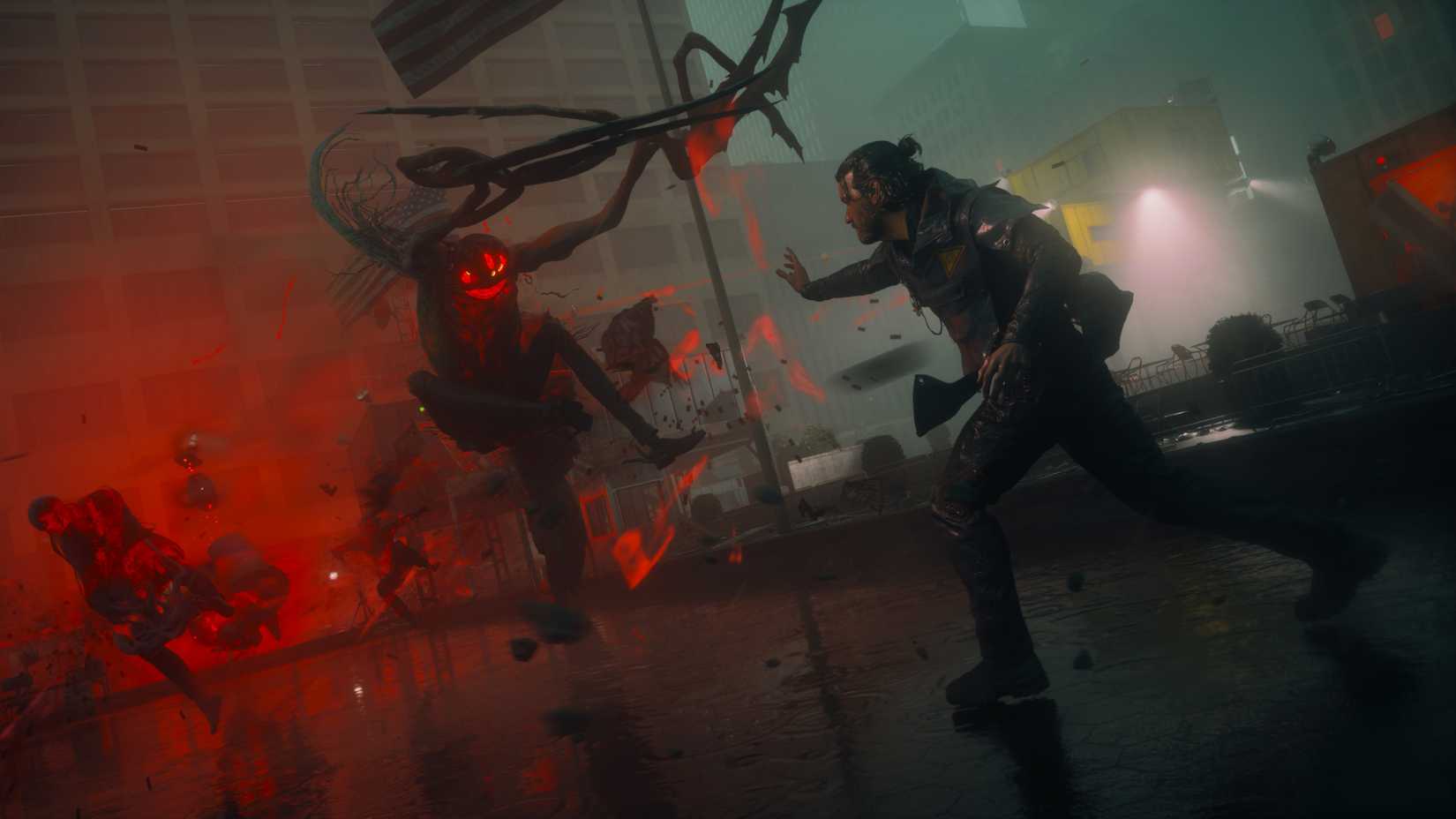
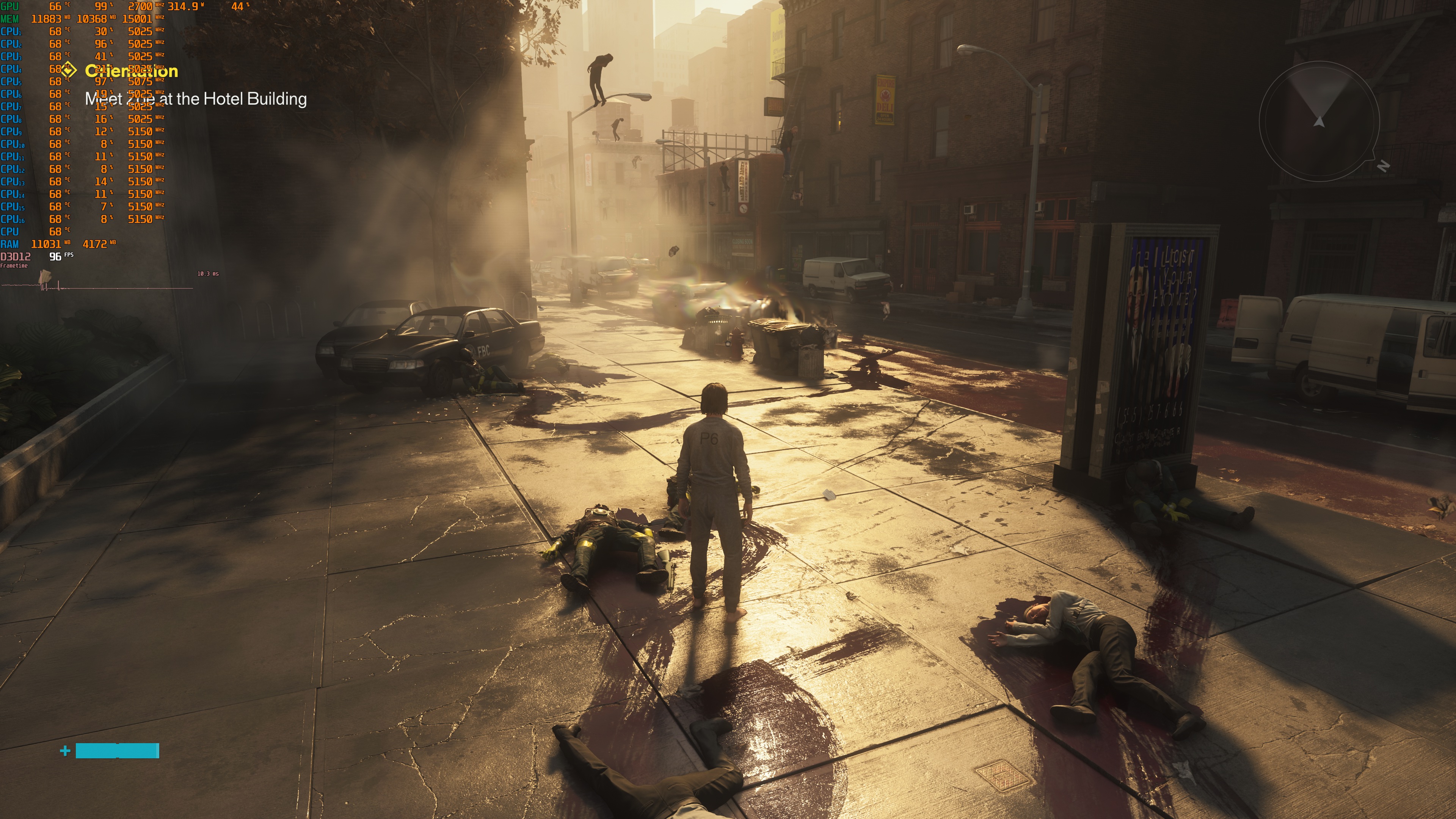
We lack words to express how much detail and effort has been put into the design of the world. Leaves fall or dance with the wind while bodies lie strewn across the cracked pavements. An oppressive mix of smoke and supernatural mist rises around the destroyed vehicles that were abandoned in a hurry, while their drivers hang high above the dirty streets like some particularly disturbing ornaments. We pass through it all as the droning voices compete with the siren in the distance and the broken hum of machinery. Everything around us looks as though something terrible happened only moments ago, but there is also this strange sense that the environment itself is still changing and that what we’re seeing might not remain the same for very long.
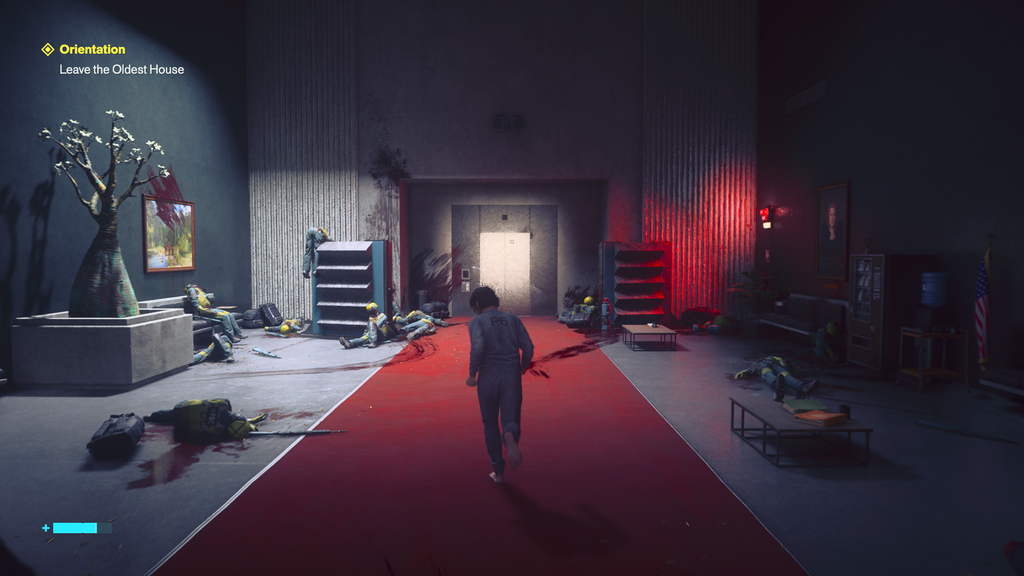
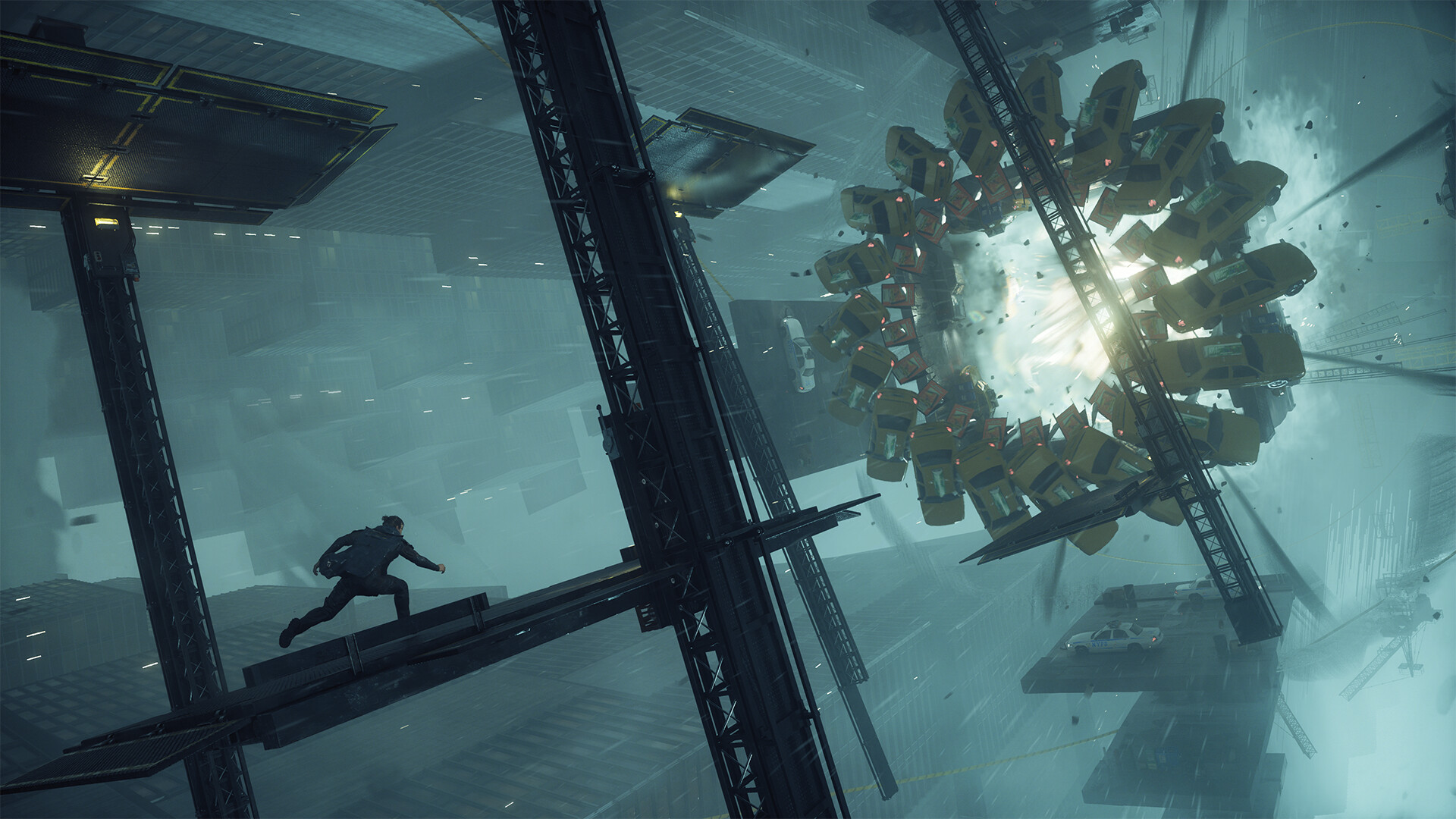
The world changes and is reshaped and twisted by an altered world event that seems to be completely out of control. Soon enough, normal laws of physics stop applying and what used to be a normal city stretches into incomprehensible geometry and illogical landscapes that seem to have come forth from the deepest and most disturbing minds. This is probably where Remedy’s imagination is most visible because the game isn’t happy to just put supernatural enemies into an otherwise normal city. The city itself becomes part of the supernatural threat. Buildings, streets, gravity and entire sections of the environment can stop behaving in recognizable ways, and that makes exploration much more interesting. For us, it never felt like we were walking from one combat encounter to the next. Everything felt connected in organic and narratively meaningful ways.
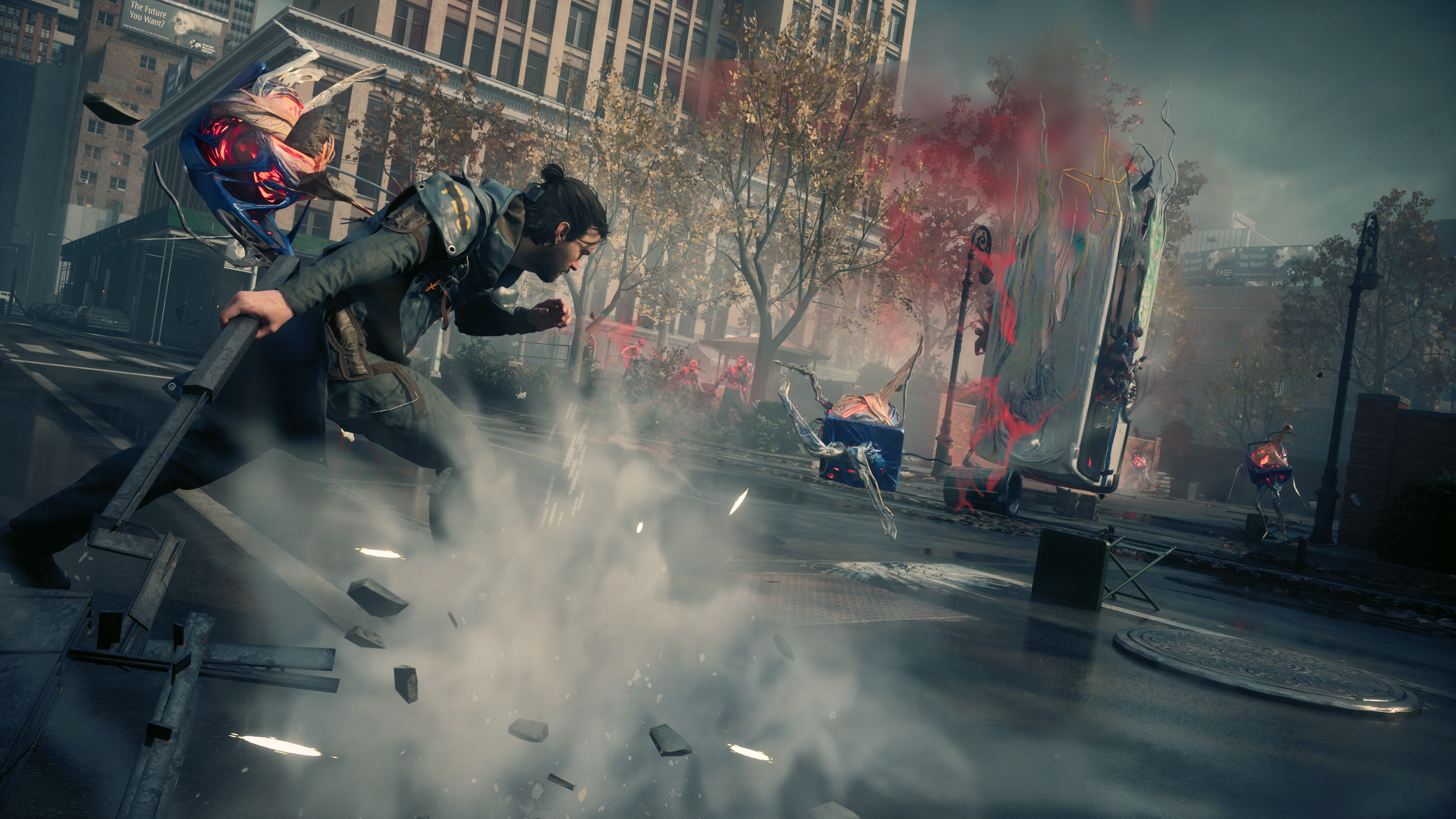
The first Control gave us the Oldest House, and we spent countless hours exploring that strange building and wondering what could possibly be around the next corner. Resonant takes that same feeling and spreads it across Manhattan, giving us much larger areas to explore and considerably more freedom in how we move through them. There are places we can reach immediately and others that only become accessible after we unlock additional movement abilities. It’s rewarding to come back to previously visited areas and see what you might have missed by interacting with the environment in completely new ways. We had to return for, you see, dear reader, there was always that little voice in the back of our heads wondering what we might have missed the first time. It could get very loud.
Moving Through the Impossible
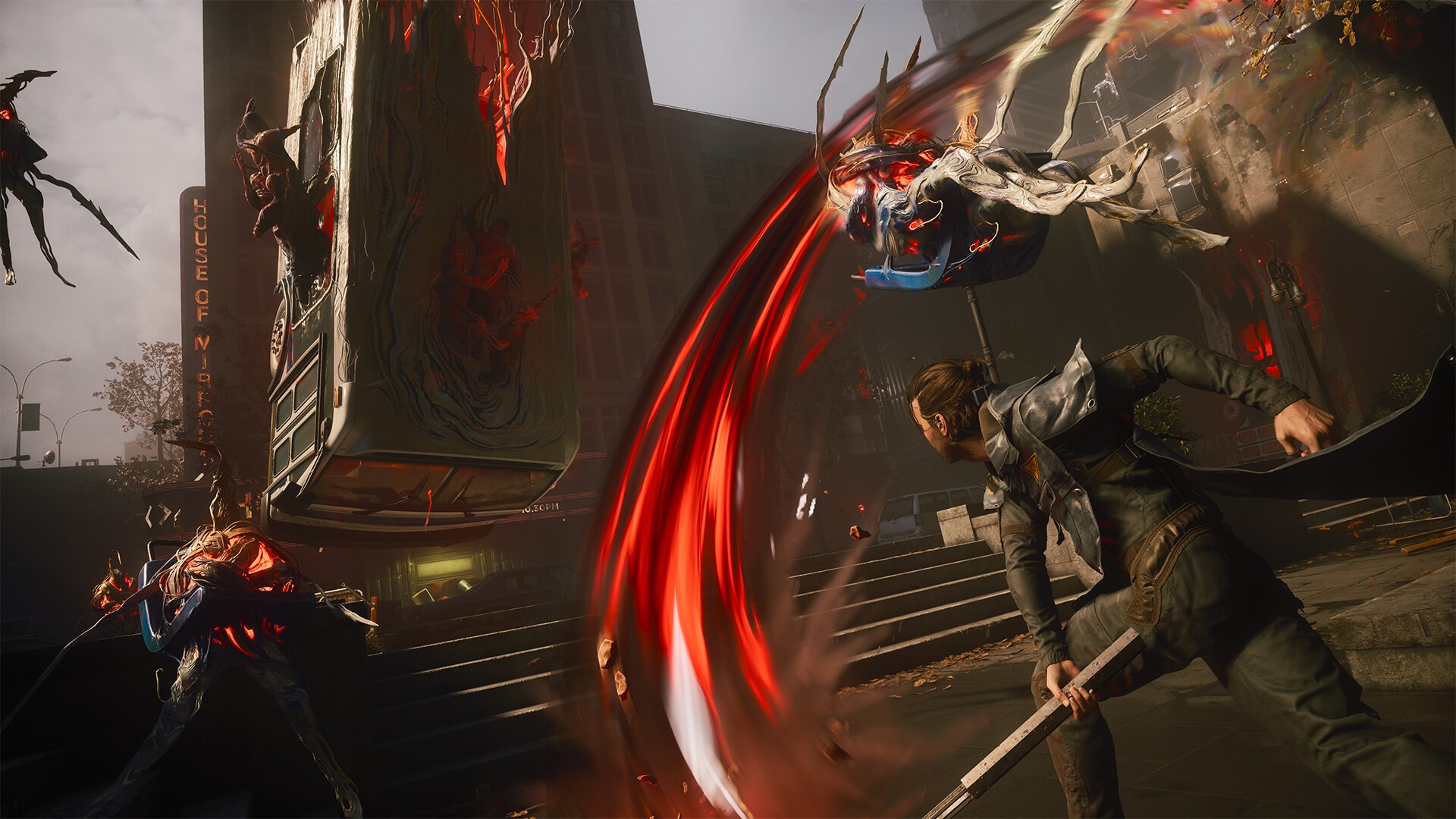
To better traverse these unpredictable, but utterly beautiful, chaotic places, we gradually unlock the ability to double dash, double jump, elevate and rush, allowing us to move quickly and fluidly from one place to another. Combined with the Aberrations, these abilities make us feel like some kind of supernatural being of epic proportions. Fluidity in both movement and combat becomes a tangible and highly enjoyable part of the experience. The movement abilities also change the way we approach encounters because the more mobile we become, the less reason we have to stand around waiting for enemies to come to us.
A space that initially looks too large to cross becomes something we can dash through. An enemy that looked difficult to approach can be attacked from a completely different direction. We can move around the battlefield much faster, get out of trouble, reposition ourselves and then immediately return with another attack. We’re constantly moving, attacking, dodging and trying to figure out where the next threat is coming from, and that combination makes some of the more chaotic encounters surprisingly enjoyable. There isn’t much standing in one place waiting for enemies to attack us. That fluidity of movement creates a kind of controlled chaos that feels exactly like something we would expect from a Remedy game.

The gravity anomalies make all of this even more interesting because they can completely change how we understand the environment around us. The usual rules about what is above us, what is below us and where we’re supposed to be standing become considerably less reliable. The game uses this not only for visual spectacle but also for traversal and combat, and there were several moments when we stopped simply because we wanted to look at what the devs had done with an area. A game can have the biggest map in the world, but if we have no reason to look around, it doesn’t mean much. Here, we never stopped looking. And admiring.
The Bosses
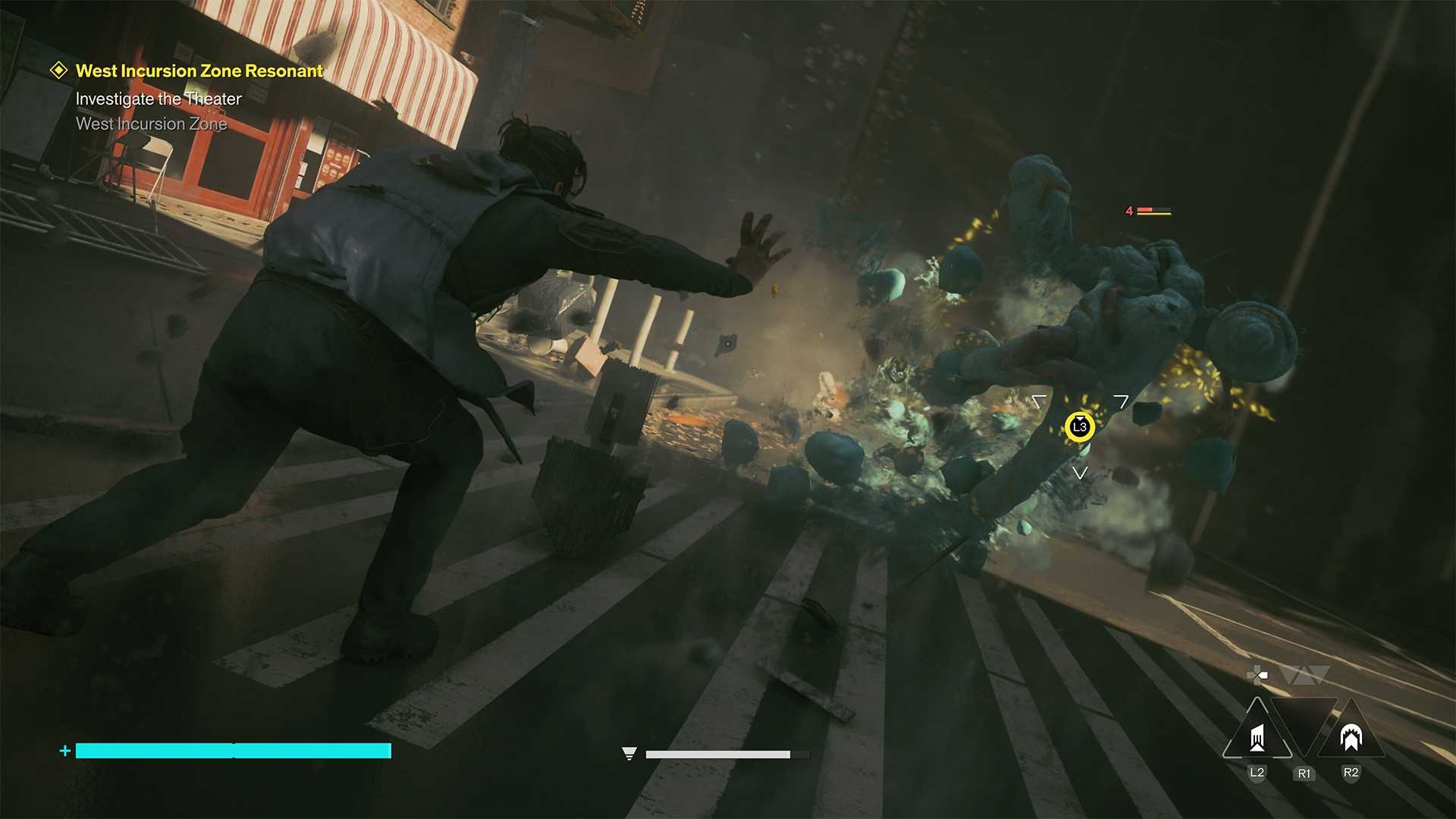
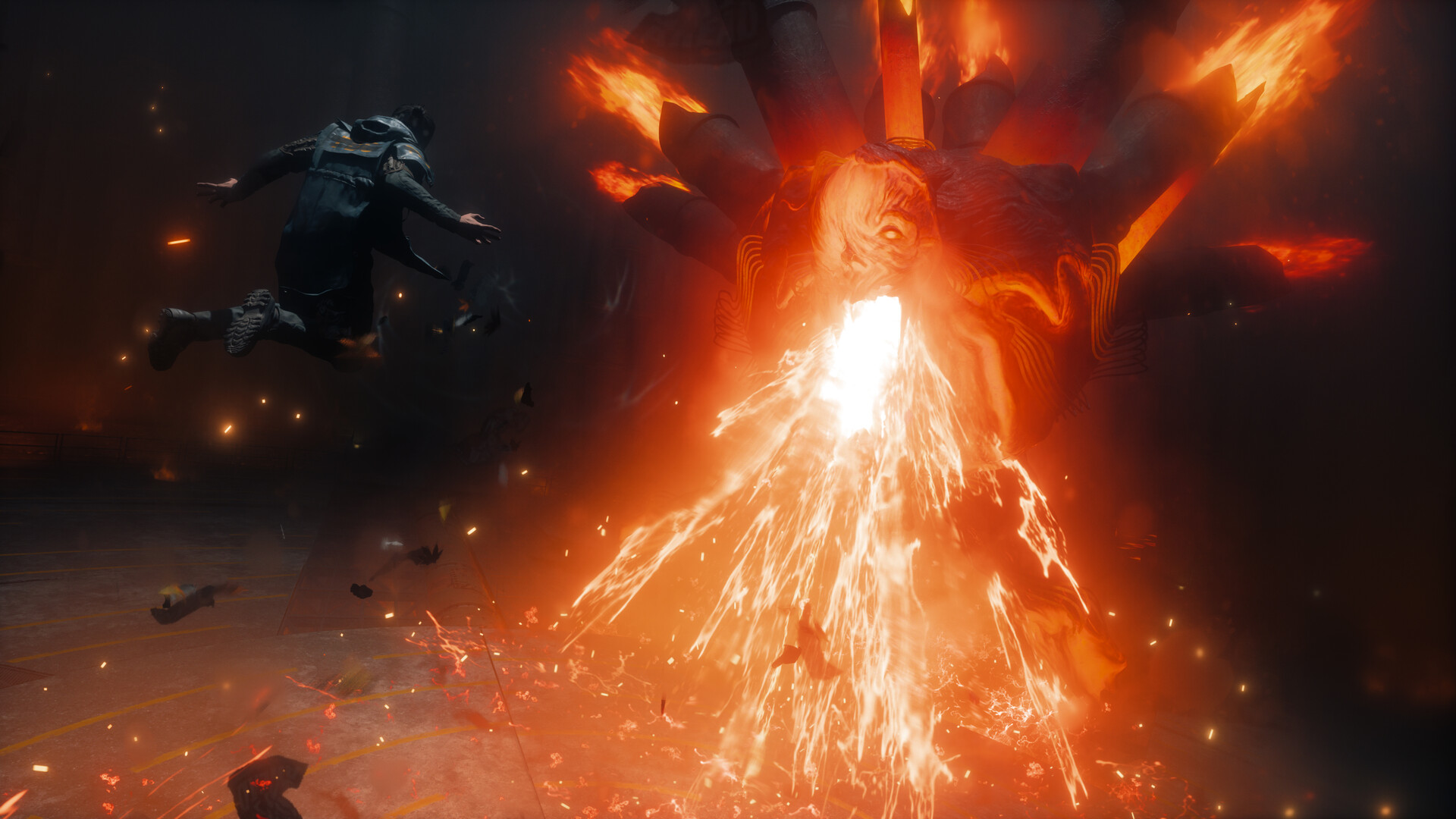
Control does so many things well, but we feel like the devs really outdid themselves with the bosses. Each boss is larger than life and has challenging powers that will make you try over and over until you recognize a pattern and learn to adapt to it with quick reflexes and well-timed attacks. The first boss, The Artist, is this giant head that telekinetically swirls and throws anything from rocks to cars at us, then breaks gravity and pulls and tears everything into the air. Her attack patterns are fast, visually stupefying and, therefore, hard to predict and properly react to, but after a third try we finally got lucky and managed to survive her increasingly aggressive attacks.
We wouldn’t dare slap a Soulslike label on it, far from it, but until you see all of the attacks and learn to recognize them and adjust accordingly, you won’t be able to button mash your way to victory. What we liked about this is that the difficulty comes from having to understand what is happening around us rather than just staring at an enormous health bar and hitting away at it. Once we recognized the patterns and started reacting instead of panicking, the encounter became much more manageable. There is a very satisfying moment in these fights when something that initially seemed completely chaotic suddenly starts making sense, and we begin to realize that we’re not getting lucky anymore; we’re actually learning how to fight the boss.
Defeating this first boss was well worth it as it rewarded us with the option to choose one of three Combat Abilities. We chose Volatile Anomaly, which lets us summon an explosive supernatural entity that can attack enemies before we grab it and throw it into them. It’s here that we saw another example of how the game constantly gives us things that are strange even by Control standards. We can summon something that looks like it shouldn’t exist, let it cause chaos among the enemies and then literally pick it up and throw it as a makeshift explosive device. The ability is powerful, but more importantly, it’s, just like other gameplay mechanics, fun to use.
Falter, Execute and Keep the Chaos Going
This was also the point where we learned about the outstanding Falter and Execution system. By filling an enemy’s yellow bar through attacks, we can activate a visually spectacular execution. It looks great, but it also grants us benefits depending on our Talents, which gives us another reason to keep working towards a Falter instead of treating it as nothing more than a flashy finishing move. We found ourselves paying much more attention to those yellow bars once we understood what an execution could give us, and that made the whole system feel like a natural part of combat rather than another mechanic we had to remember was there.

The different combat systems start fitting together particularly well once we have several abilities available. We’re attacking enemies with the Aberrant, charging and using our Combat Abilities, filling Falter bars and then performing executions that can provide additional benefits. At the same time, we’re moving around the arena and trying not to get hit by everything flying towards us. There are moments when all of these things happen almost simultaneously and we’re no longer consciously thinking about each individual mechanic. We’re reacting, attacking and moving, and when that happens, the combat becomes incredibly satisfying because all the different pieces we’ve been learning suddenly feel like one connected system rather than a collection of separate mechanics.
Welcome to the Gap
We found all of this and more in the Gap, a realm between the realms. Here, we can also access a huge tree of Talents and spend our currency to unlock all kinds of statistical boosts, upgrades and abilities. There’s another set of trees that allows further evolution of our primary and secondary forms as well as combo finishers. From here, we can give our Aberrations all kinds of neat tricks, like dodge attacks, status effects and important statistical increases to critical attacks, combo finishers and more. Aside from that, we can reset our combat abilities or create powerful Artifacts, provided that we have the necessary resources.

With the Gap, Resonant goes much further into RPG territory than the first game, and we think this works particularly well because the combat itself gives us so many different things to build around. We’re upgrading Dylan because we want to make a particular style of combat more effective. If we like a certain Aberrant form, we can invest in it. If we prefer critical attacks, we can build around those. If we enjoy executions or certain abilities, there are upgrades that can make them more useful. Some of the upgrades can significantly afect how we approach encounters.
There is quite a lot going on here and, at times, the number of upgrades, abilities, stats and options can feel overwhelming. However, we would much rather have a system that gives us too many interesting things to experiment with than one that reduces everything to a simple linear progression. The fact that we can reset abilities and change our approach also makes experimentation much less intimidating. We never felt that choosing one upgrade meant permanently ruining our character. Thanks to that freedom it’s much easier to try something.
Dylan, Jesse and a Different Kind of Sequel
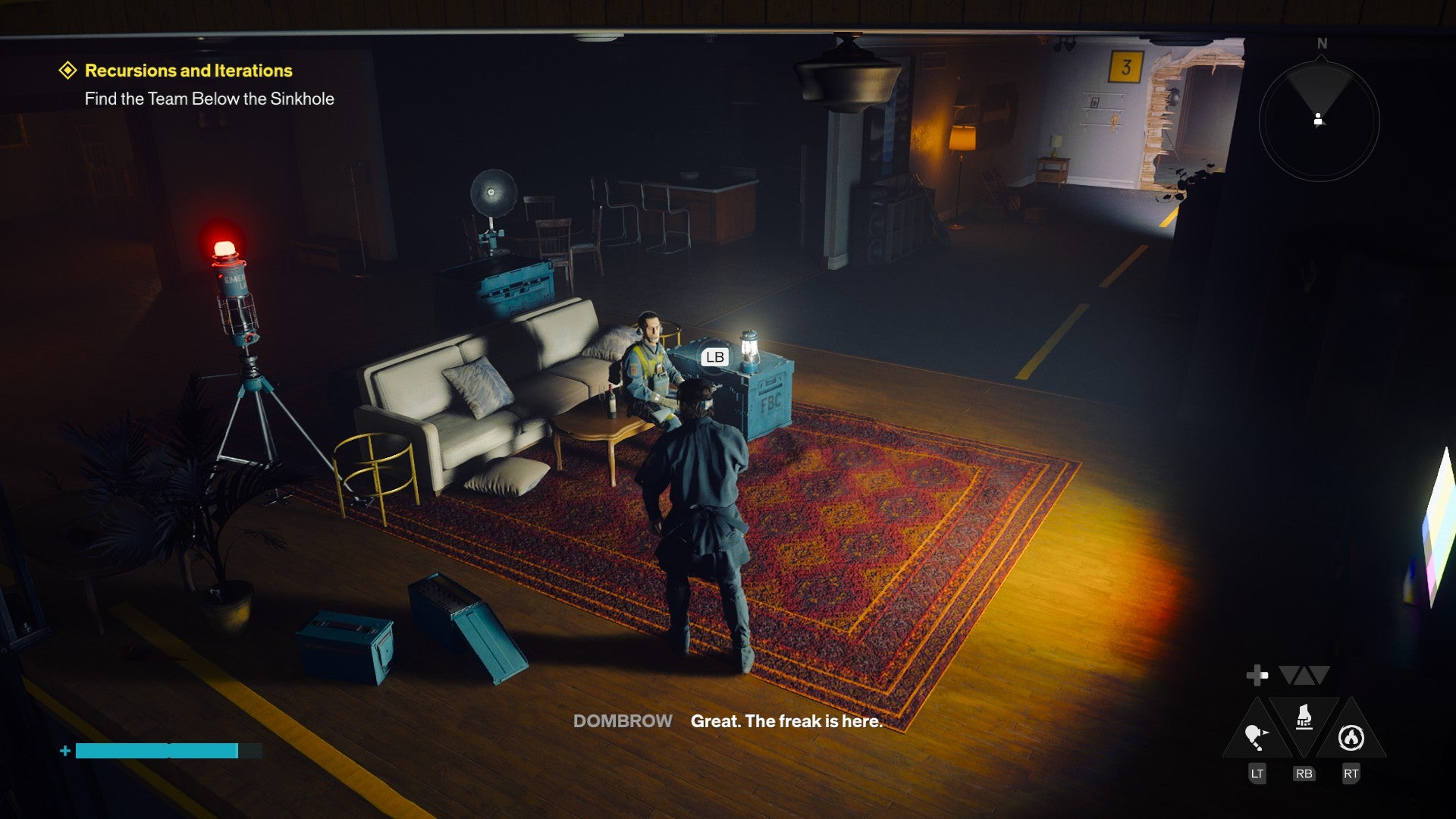
We can’t talk about CONTROL Resonant without mentioning Dylan and Jesse. After years of confinement, Dylan emerges into a Manhattan that is already being consumed by a new paranatural crisis, while Jesse’s fate and the events surrounding the Oldest House continue to hang over everything. We don’t want to say too much about the story because that is something that should be yours to experience, but, if we could have your ear for just a moment, dear reader, the relationship between the two gives the sequel a more personal connection to the original game. It’s Dylan who gives the devs an opportunity to show us another side of this universe, and his abilities and history fit naturally into the game’s new direction.
This is also why we think people who didn’t particularly enjoy the first Control should give Resonant a chance. If the shooting-heavy combat wasn’t your thing, the more aggressive melee system may feel considerably better. If the Oldest House felt too restrictive, the larger Manhattan areas give you much more room to explore. And if what you loved about Control was the strange atmosphere, the reality-bending environments and Remedy’s ability to make absolutely bizarre things feel completely natural within the world, that part is very much still here.
So, Is It Worth Playing?
We’ve probably made it quite obvious by now that we’re going to have a difficult time pretending to be completely objective about CONTROL Resonant. We came into Resonant already carrying a considerable amount of affection for this studio and for this universe, so perhaps we were always going to be predisposed to enjoy it.
But we also came into it wondering whether Remedy could change Control this much without losing what made the original so special. After spending time with Dylan, the Aberrant, the warped streets of Manhattan, the bosses, the movement system and all the different ways we can build our character, we can say that, for us, they managed to do exactly that. This isn’t Control 2 with a new story and a few new abilities. Remedy has taken the ideas from the first game and built something considerably more ambitious around them, while still keeping that strange atmosphere and wonderfully unpredictable world that made us love the original in the first place.
If you’ve never played Control, we think you should give it a chance before jumping into Resonant. And if you played the first game and didn’t like it, we still think this one deserves your attention because the combat, movement and structure have changed enough that your experience could be very different this time around. As for everyone who already loved the first game, we don’t think you’re going to need much convincing.
Our Score: 10/10
Developer: Remedy Entertainment
Publisher: Remedy Entertainment
Genre: Action-Adventure / Action RPG
Platforms: PlayStation 5, Xbox Series X|S, PC
Release Date: September 24, 2026
Tested on: PS5

Leave a comment