
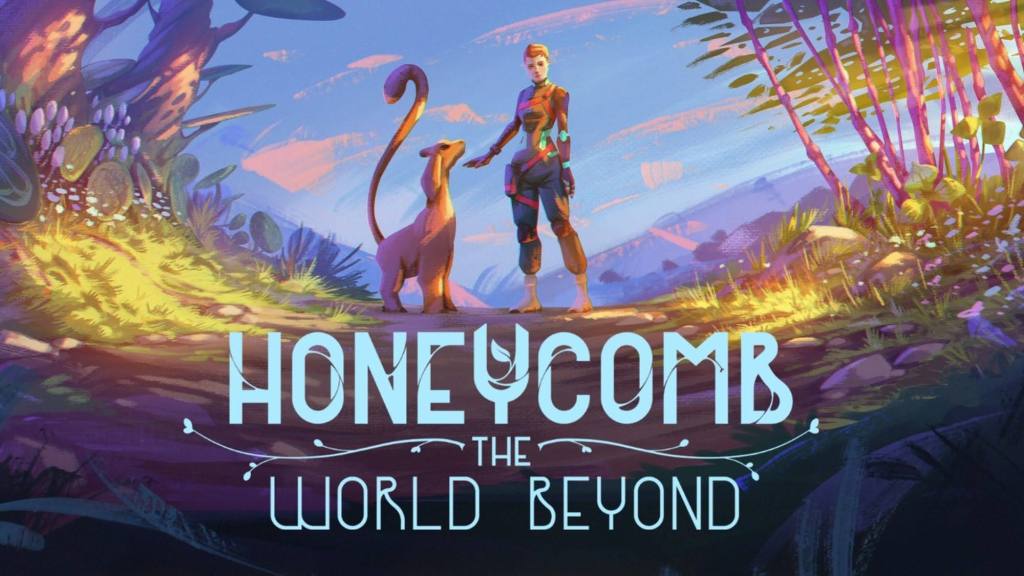
Honeycomb: The World Beyond lets us wake up on an alien planet with a headache, a scientific background and a lot of things that we enjoyed figuring out. It might not be everyone’s cup of tea, but the fact remains that it’s not afraid do things differently and shake up the genre. With all it’s intriguing mechanincs, Honeycomb doesn’t really want us to conquer Sota7. It wants us to understand it.

We went with the recommended difficulty, which gives us a balanced mix of survival and exploration, but Honeycomb is quite generous when it comes to letting you decide how you want to play. There are three preset difficulties, while a custom option lets you change individual parameters to suit our own preferences. That means we can make survival more demanding, ease off certain requirements or find a setup that puts more attention on exploration and experimentation. For our first trip to Sota7, the recommended option felt like the right choice. It didn’t push us too hard with all the survival requirements and it gave us just enough breathing room to enjoy our mingling with local fauna.
Good introduction into the world
Hennessy starts her journey inside a landing pod, and the first decision the game gives us is a simple one. We can take a pill to deal with the headache or wait for it to pass naturally. As someone who constantly suffers from headaches, we didn’t need much convincing. We took the pill.
Honeycomb actually does something with the condition states that we might experience. In this situation, Hennessy’s vision becomes slighly blurred and the sounds around her become distorted. Once the headache is gone, however, we can finally start looking around. And, boy, there is plenty to look at.

Sota7 Is Not Earth With Different Colours
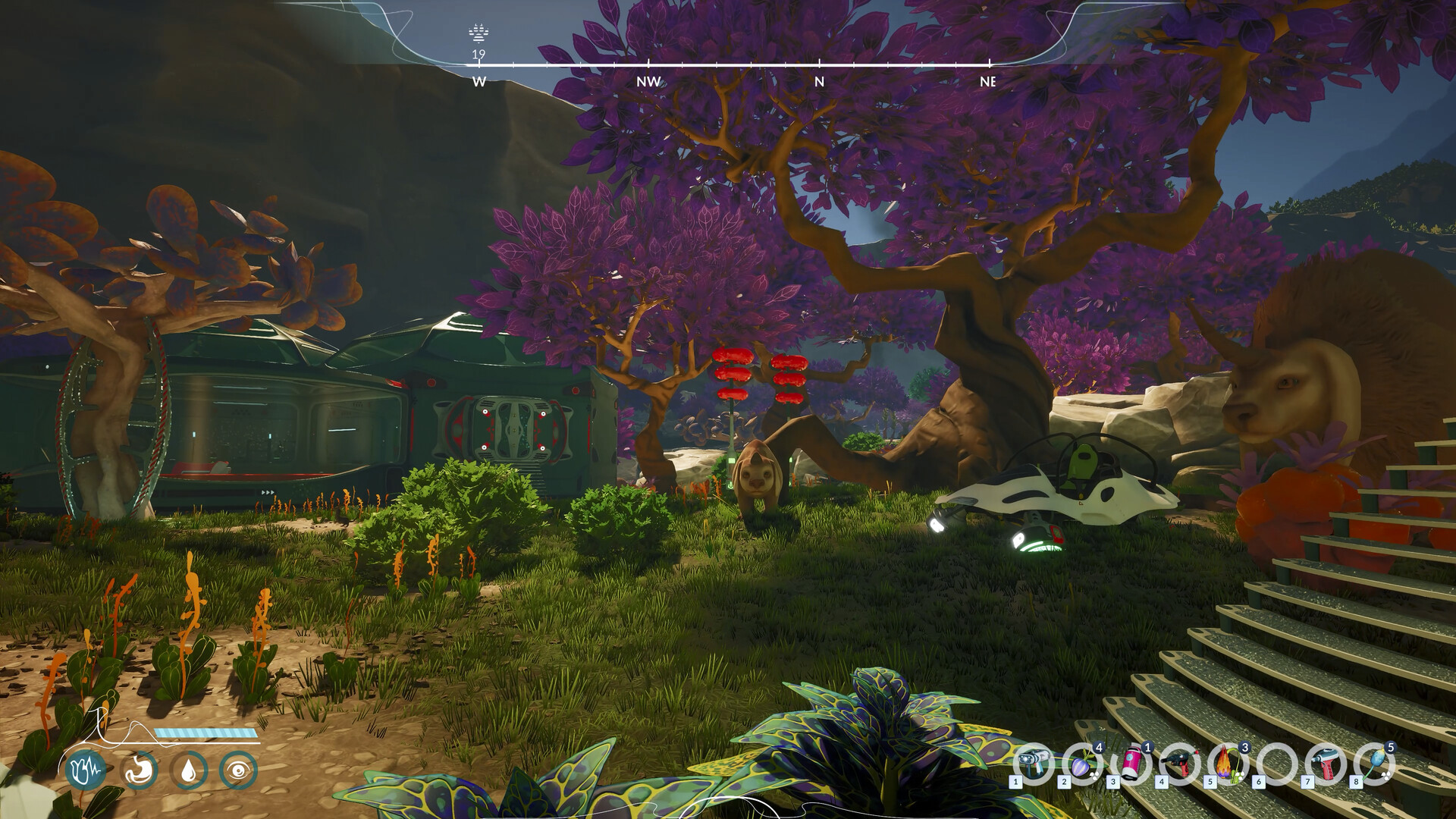
In Sota7, there are trees, plants, fruits, and animals, so we can recognise the basic ideas behind them. But their shapes are different enough to make the planet feel unfamiliar. The trees don’t simply look like normal trees with strange colours; their trunks, branches, and leaves have their own alien forms, while the creatures wandering around them look just as out of place. We wouldn’t say weird, just different—and insanely adorable, to the point that we spend more time admiring the cute creatures than we normally should.
There has clearly been a lot of work put into making Sota7 feel like somewhere else. This matters because we feel that exploration is such a big part of Honeycomb. We spend a lot of time walking around, looking for resources and discovering new forms of life. If the world itself wasn’t interesting to look at, those trips would become a lot harder to enjoy.
Looking at the World Differently
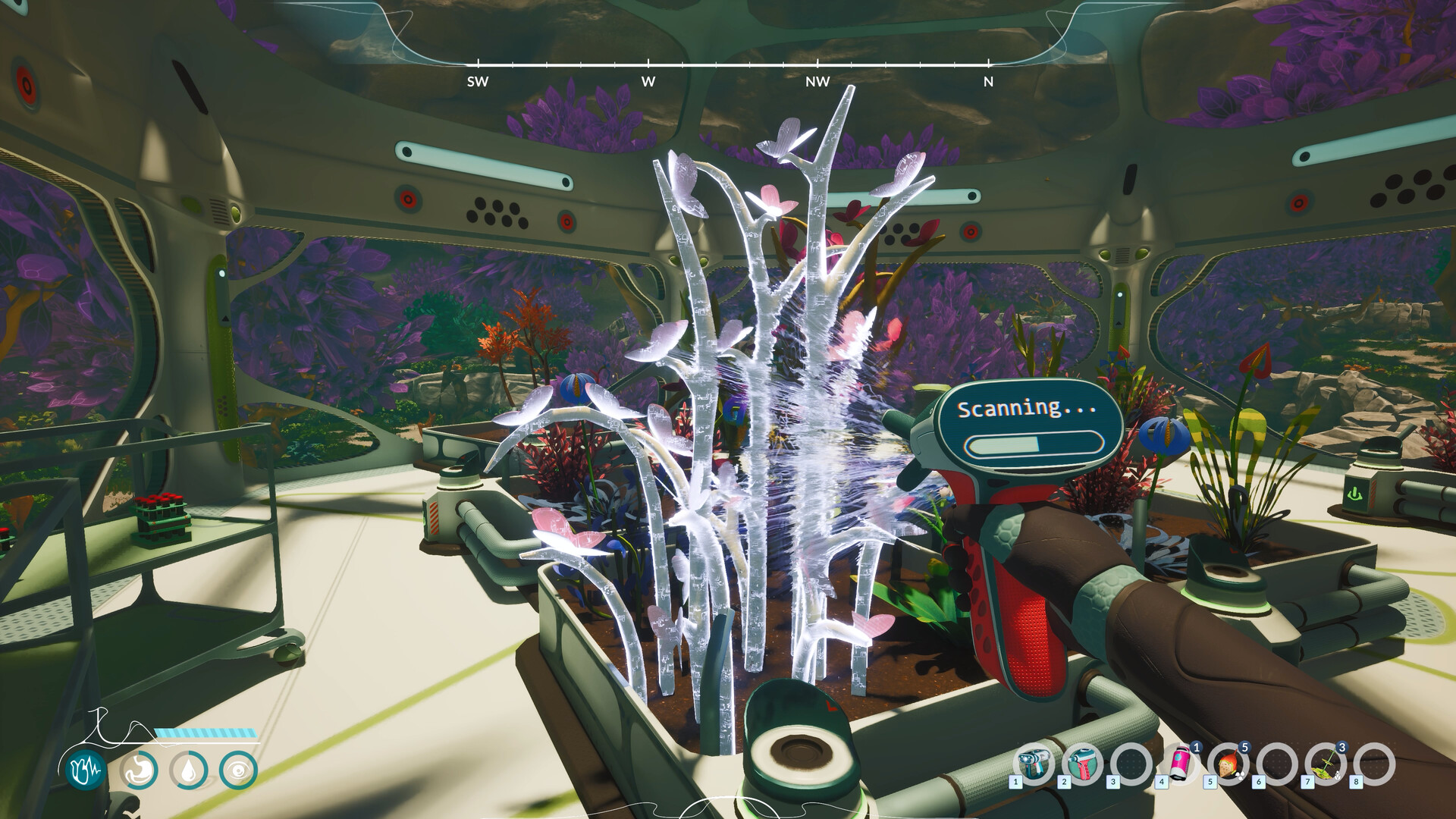
Activating the AR mode makes it much easier to identify useful flora and fauna. Once we find something worth studying, we can use our analyzer to collect biological information about it. This gives the whole experience a scientific background where, in terms of treees, we learn what kind of fruit it produces, whether the fruit is ripe and roughly when it will be ready to harvest. We stood often to admire the beautiful world but we also used every opportunity to learn something about the world they’re in.
The same idea applies to the animals. We can study their behaviour and find out what they like. Some creatures enjoy activities such as jumping or crouching, for example. If we perform those actions while the animal is watching, we can improve our standing with it and gradually earn its trust. It’s a joy to go around them, grab their attention, and then do a weird, pathetic excuse for a dance. It’s a simple thing, yet we do it every time we see something shyly moving around us.
It also fits the role we are playing. Our gal isn’t supposed to walk onto Sota7 and immediately know everything. We have to observe the animals, figure out what they respond to and change the way we interact with them.
No Need to Shoot First
We don’t have the usual progression where our first crude tool eventually becomes a better weapon, which then becomes an even bigger weapon. No one is asking you to clear an area of creatures before we can safely explore it. It’s the scientific equipment what matters, the part about scanning, analyzing, collecting samples and, more importantly, learning. It was fun unlearning that creatures are not a resource or a threat, but part of an ecosystem.
Understandably, that approach won’t appeal to everyone and if you crave the survical action, then Sota7 will most likely feel deafeningly quiet. There are long stretches where you’ll, well, walk, gather, scan and figure out where to go next. We found that relaxing, but we also know that others can easily wonder when something is finally going to happen.
For us, the slower pace worked best when we were discovering something new, but there’s an undeniable grind when it comes to collecting another handful of materials for the next upgrade.
The Scientist’s Workbench
The biological information we gather isn’t just there to fill a database. We can use what we discover to experiment with plants and animals, create new combinations and work toward biological solutions. The game’s crossbreeding and bioengineering systems are meant to make you more than an observer and give you the tools to change what you find. This is undeniably the best part of the game as it allows us to use everything we’ve learned before to create something that becomes part of a greater whole.
Honeycomb: The World Beyond is a lovely game where we explored because we are curious, and we wanted to experiment because what we find might actually be useful.
Building Somewhere to Work
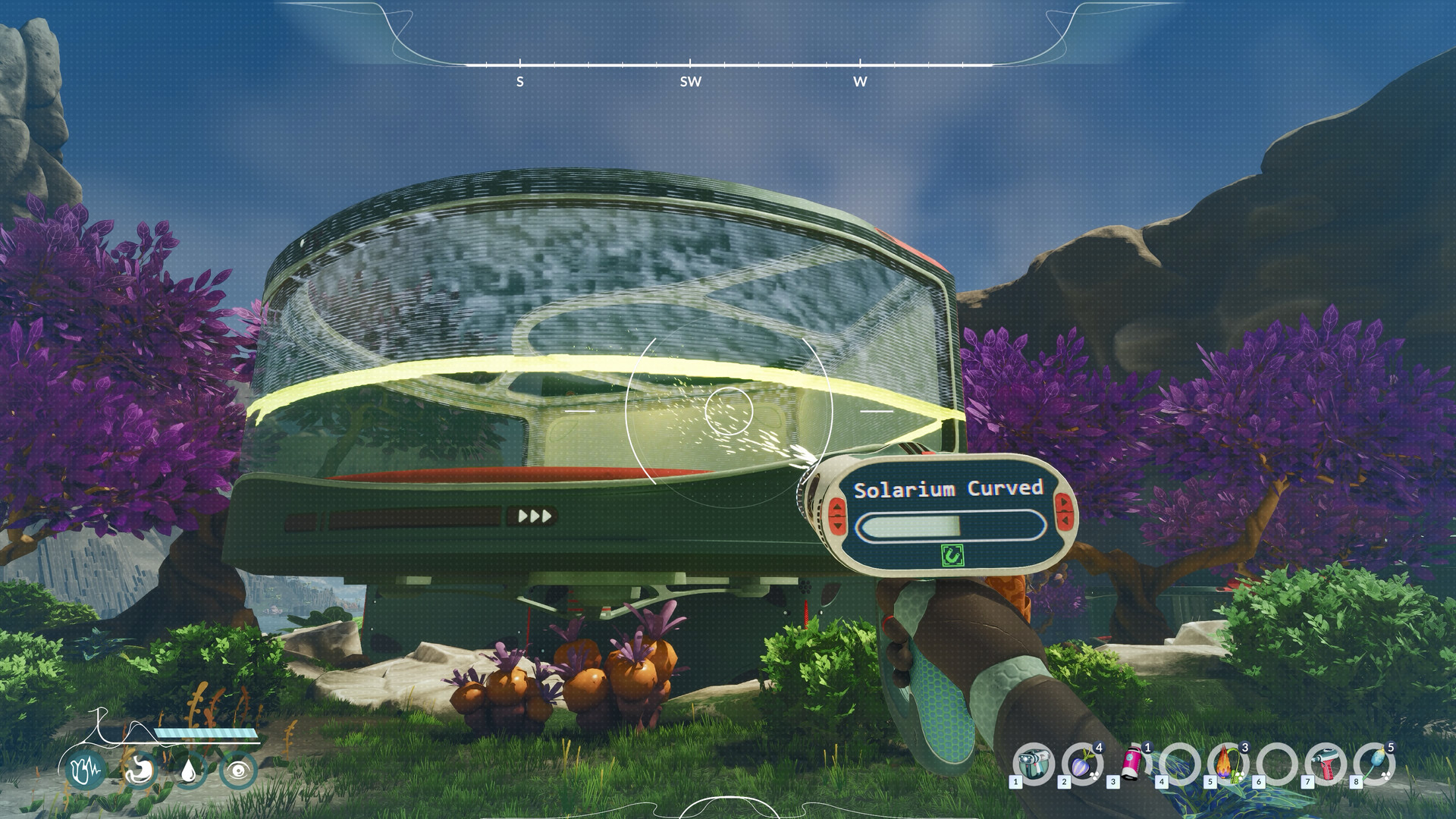
There’s also a complex base-building system where we can establish our own research facility, craft equipment, process resources and prepare for the next trip. As expected, the base feels less like a fortified house and more like a place where a scientist would actually work. We loved progressing, gaining access to more equipment and better tools, which in turn allowed us to do more with what we discover. You can’t make everything instantly but all things that are worth it are worth the wait.
When Curiosity Becomes a Chore
Less patient gamers will find the game painfully slow. We found that this slower pace is is one of the reasons Honeycomb has its own identity. Travelling was the biggest headache for us, especially at the later hours of the game. Sota7 is a large place, and walking around it can be pleasant when we are discovering new things. When we’ve already seen what an area has to offer, covering the same ground can feel much less exciting. Still, we understand and appreciate what the devs are trying to do here, even though we would have loved riding some of the creatures that we awkwardly danced for.
Should You Visit Sota7?
Honeycomb: The World Beyond is probably going to divide survival game fans more than its colorful presentation might suggest. Still, it brought us plenty of great moments. Discovering new species, learning how they behave, figuring out what they like, and taking that knowledge back to our laboratory feels super satisfying. For that alone, we give this gem a…
8/10! – Uniquely fun!
Game: Honeycomb: The World Beyond
Developer: Frozen Way
Publisher: Snail Games USA
Genre: Survival / Exploration / Crafting / Sci-Fi
Platforms: PC, PlayStation 5, Xbox Series X|S
Release Date: September 8, 2026
Players: Single-player
Reviewed On: PS5

Leave a comment