
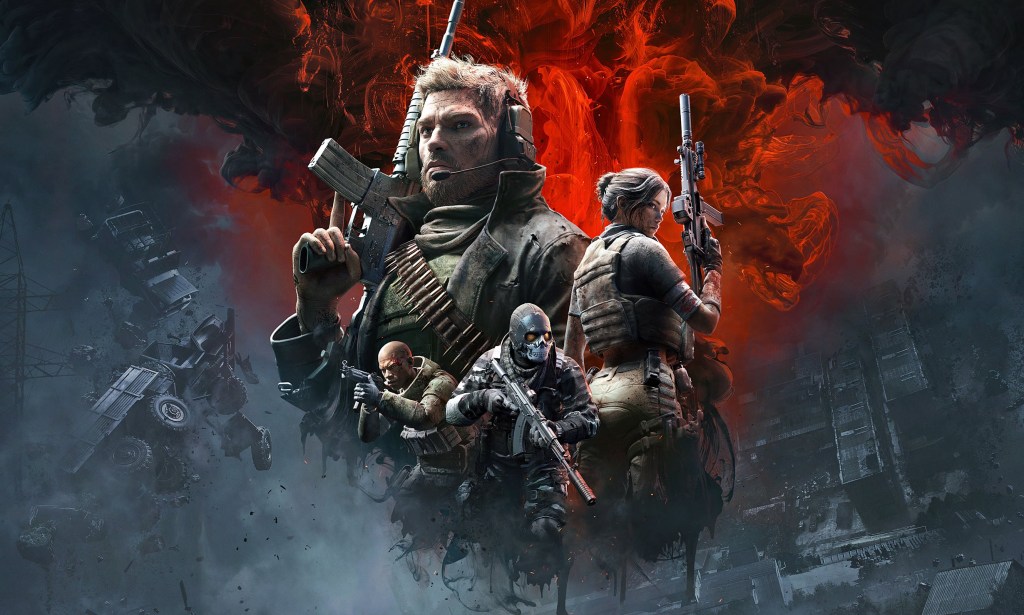
Аctive Matter is game where you enter a raid, look for supplies, search abandoned buildings, complete objectives and try to get back out with more than you came in with. It’s an extraction shooter, sure, but the game has a much stranger idea of what can happen between the moment you enter and the moment you reach the extraction point. We don’t usually like extraction shooters. We loved this one! Join us after the trailer to find out why!
What are we doing here?
You are an operative trapped in a time loop, repeatedly returning to the same point after death. The reason for going back into these unstable zones is active matter, a substance capable of bending space and time and, apparently, the only thing that might eventually help break the loop. The game uses that idea to give its extraction gameplay a nice twist: you are constantly risking your life to collect the one thing that could eventually give you control over your fate.
The danger of doing that isn’t limited to other players for the zone hides many terrors.
Everything Feels Like It Has Weight
Movement has a premium quality to it. Walking, head-bobbing, aiming, crawling and jumping all have a physical feel that makes the operative feel like an actual person moving through the environment rather than a camera floating around a map. The weapons have weight as well, and firing them has a satisfying oomph.
This is important because Active Matter spends a lot of time making you feel vulnerable. You are not supposed to run around like an unstoppable action hero. You are moving carefully through abandoned buildings, listening for sounds and wondering what might be waiting around the next corner. The grounded movement and weapon handling help sell that feeling.
We absolutely loved the movement and animations, but we can also see some players having a hard time with them. The head-bobbing and realistic aiming can be a bit much and might leave some players feeling nauseous or, at the very least, irritated, similar to what happened with Bodycam for some players. It is nowhere near as extreme here, but the effect is still there. If you aren’t a fan of this type of realism, it could take some getting used to. For us, though, it worked really well.
For us, the system creates a nice contrast with the completely unreasonable things happening around you.
Then Reality Starts Breaking
Sooner or later, you will encounter an anomaly.
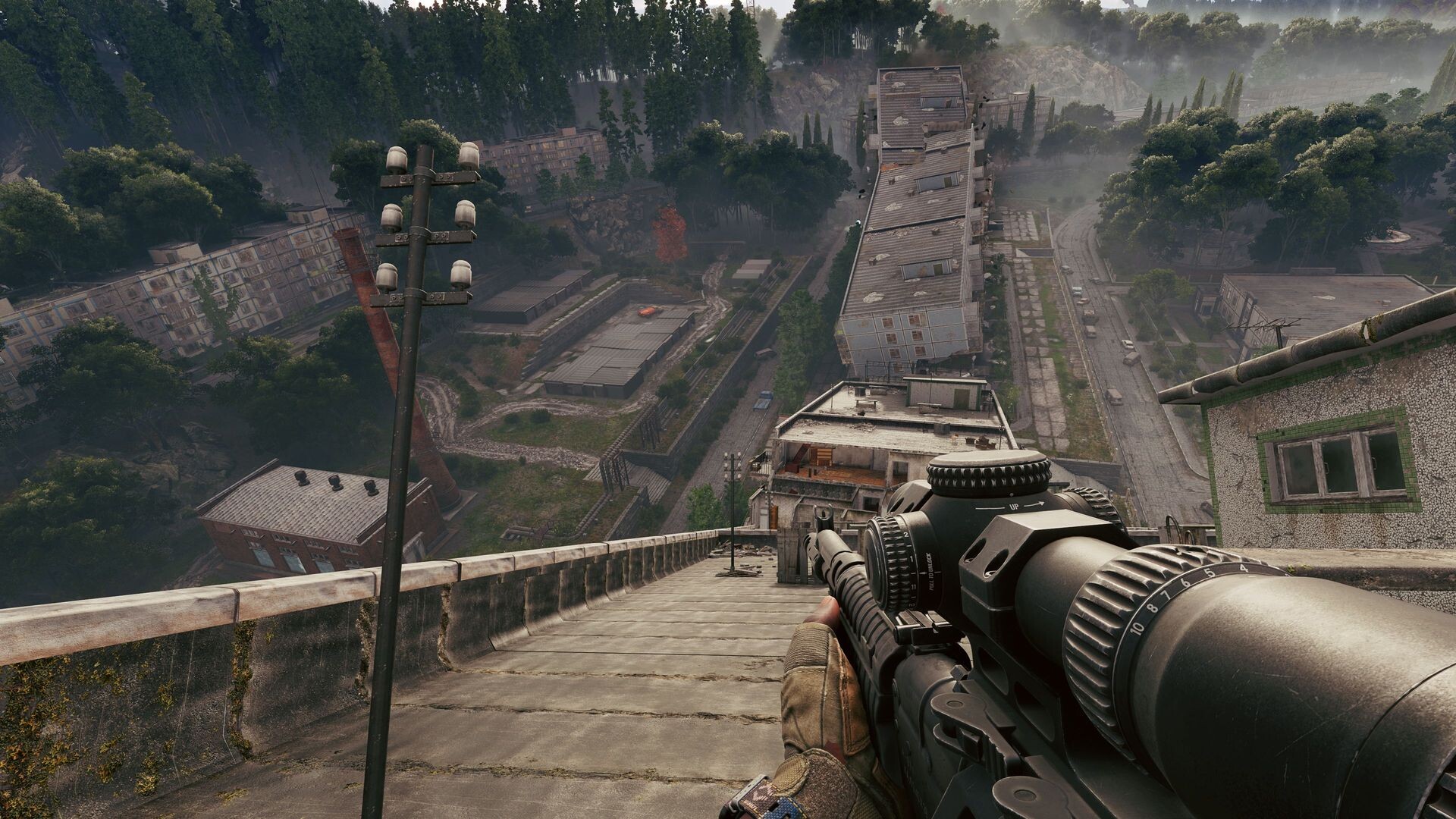
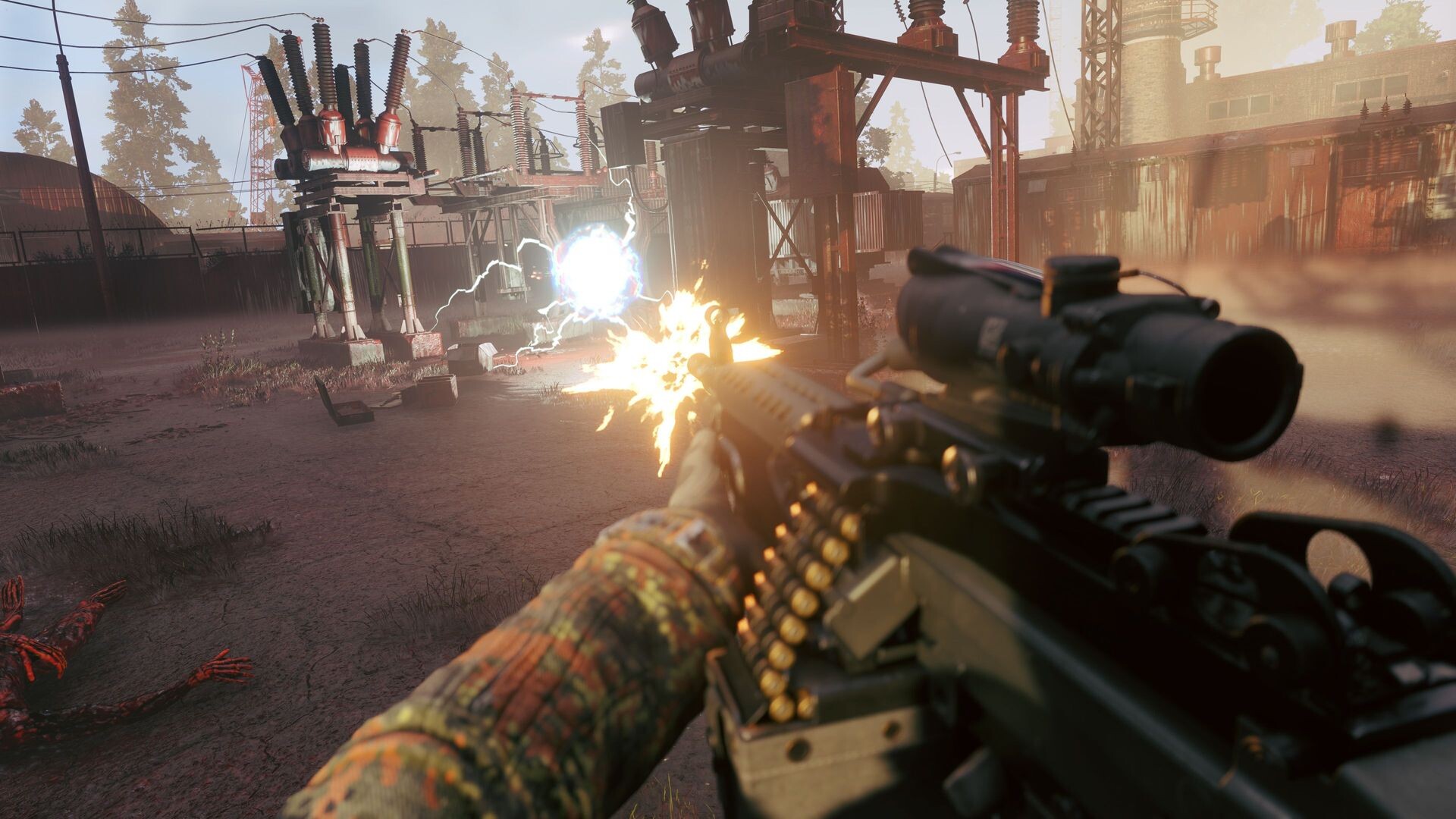
Some anomalies are dangerous, while others are surprisingly useful. The first one we found allowed us to walk on walls by shifting gravity itself. In the blink of an eye, we were walking across vertical surfaces, taking in a familiar space from a completely new angle. Every time it happened, we felt like a fly on a cathedral wall—awed by the sheer size of it, but unable to truly grasp the design.
Anomalies can also be triggered in different ways. Some react when you simply approach them. Others require you to shoot them or throw something at them. If you’ve played S.T.A.L.K.E.R., there is a familiar feeling here when you start using something like a thrown stone to figure out whether an area is safe.
The difference is that here, you might get active matter for doing it. Active matter is the big prize. It forms as timelines collapse and is incredibly valuable because of its connection to the game’s story and progression. That makes anomalies more than environmental curiosities. They can be dangerous obstacles, but they can also be worth taking a risk for. And that risk is pretty much the point of the entire game. It made every single raid, win or loss, worth it.
We Came for the Loot, Obviously
Loot is important right from the start, and kudos to the devs for creating a game that does such a great job of making us greedy. You search corpses, boxes, rooms, shelves and pretty much anything that looks like it might contain something useful. Before long, you start looking at every container wondering what could be inside.
The problem is that you can’t take everything.
Your carrying capacity forces you to make choices, and this is where the extraction formula starts working its magic. You might find ammunition that could be useful later, materials you need for progression, or something else that looks too valuable to leave behind. Then you remember that you still need to get out alive.
It’s surprisingly difficult to throw something away when you have already spent a good amount of time convincing yourself that you might need it.
There are also newspaper articles and other pieces of environmental storytelling scattered around the maps. Finding them gives you more information about what happened and helps build the strange history behind these fractured locations.
The game doesn’t need to stop you every few minutes to explain its world. If you’re into it, then you can do it on your own time, while searching an abandoned building.
Every Raid Has Something Else Going On
Before entering a raid, there is quite a lot to consider.
You can choose an Open Raid, where other players can enter and potentially become allies or enemies, or an Isolated Raid, which keeps things to you and your group for a more PvE-focused experience. The developers have also continued expanding the objective and matchmaking systems around these raid types.
Your primary objectives can involve collecting and extracting a certain amount of active matter, but that is only part of what you can be doing.
There are operative objectives, such as eliminating certain enemy types, opening containers or handling vehicles, while additional contracts give you even more reasons to explore rather than simply rushing to the extraction point. There is also an Investigation terminal for starting longer-running cases.
Before we jump in, we can see parts of the map and get an idea of the enemies and points of interest we might encounter. That information gives you a rough idea of what kind of raid you are about to enter without taking away the uncertainty of actually being there.
As we meantioned earlier, extraction shooters were never our jam, but here, we couldn’t stop the excitement. That uncertainty is where a lot of the fun came for us.
We loved moving from one place to another. A garage leads to a shed. The shed leads to a bigger building. Then we are checking cupboards, searching boxes and looking into corners because there is always the possibility that something useful is waiting there.
When you’re alone, though, the game becomes much more intense. It can be very quiet. Then you hear shooting somewhere nearby. Silence again. Then footsteps. They’re getting closer. You don’t know if someone has seen you or if they’re simply passing through. You don’t know whether you should keep searching or get out while you still can.
And because everything you have collected can be lost, those moments carry real tension.
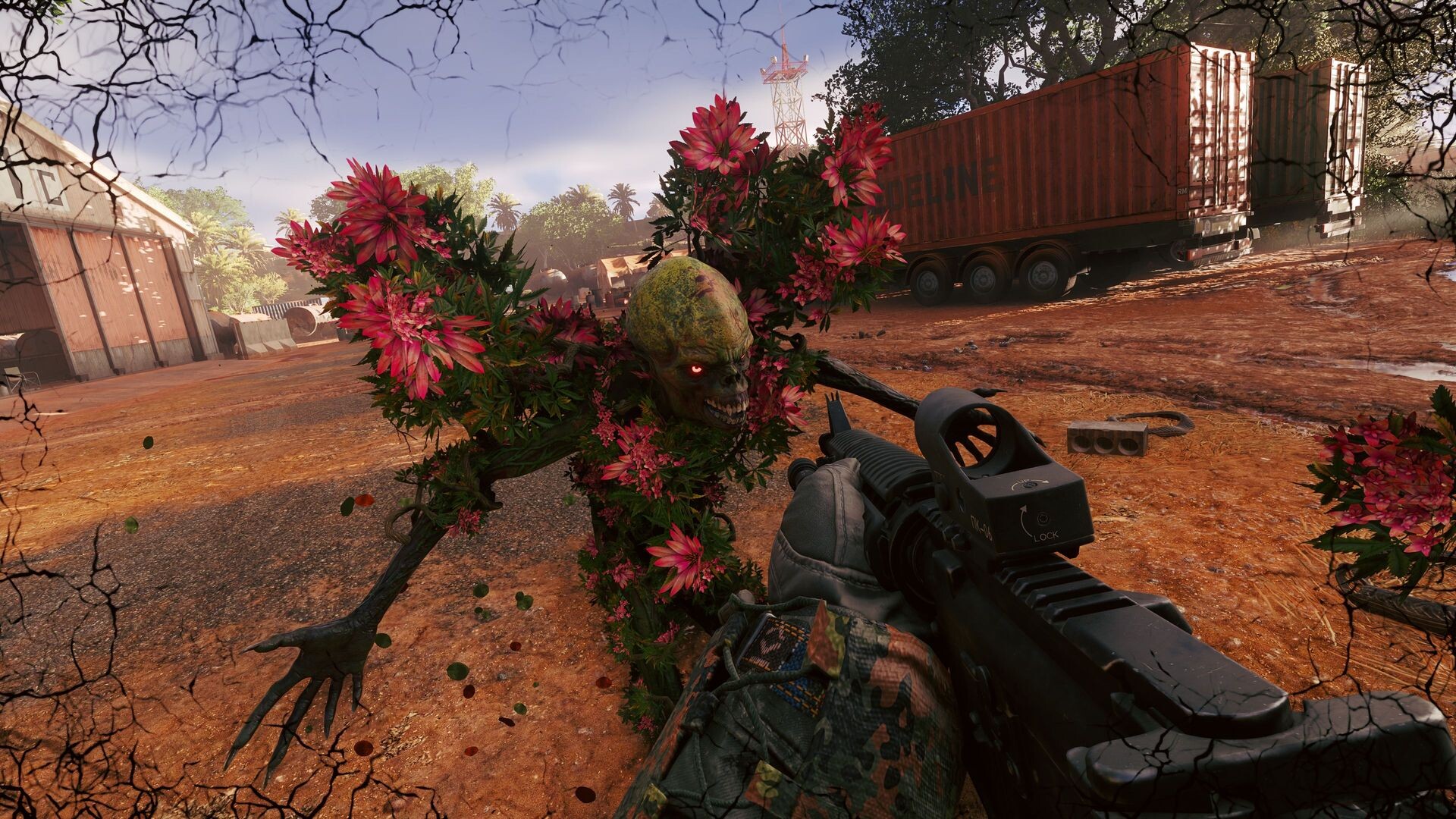
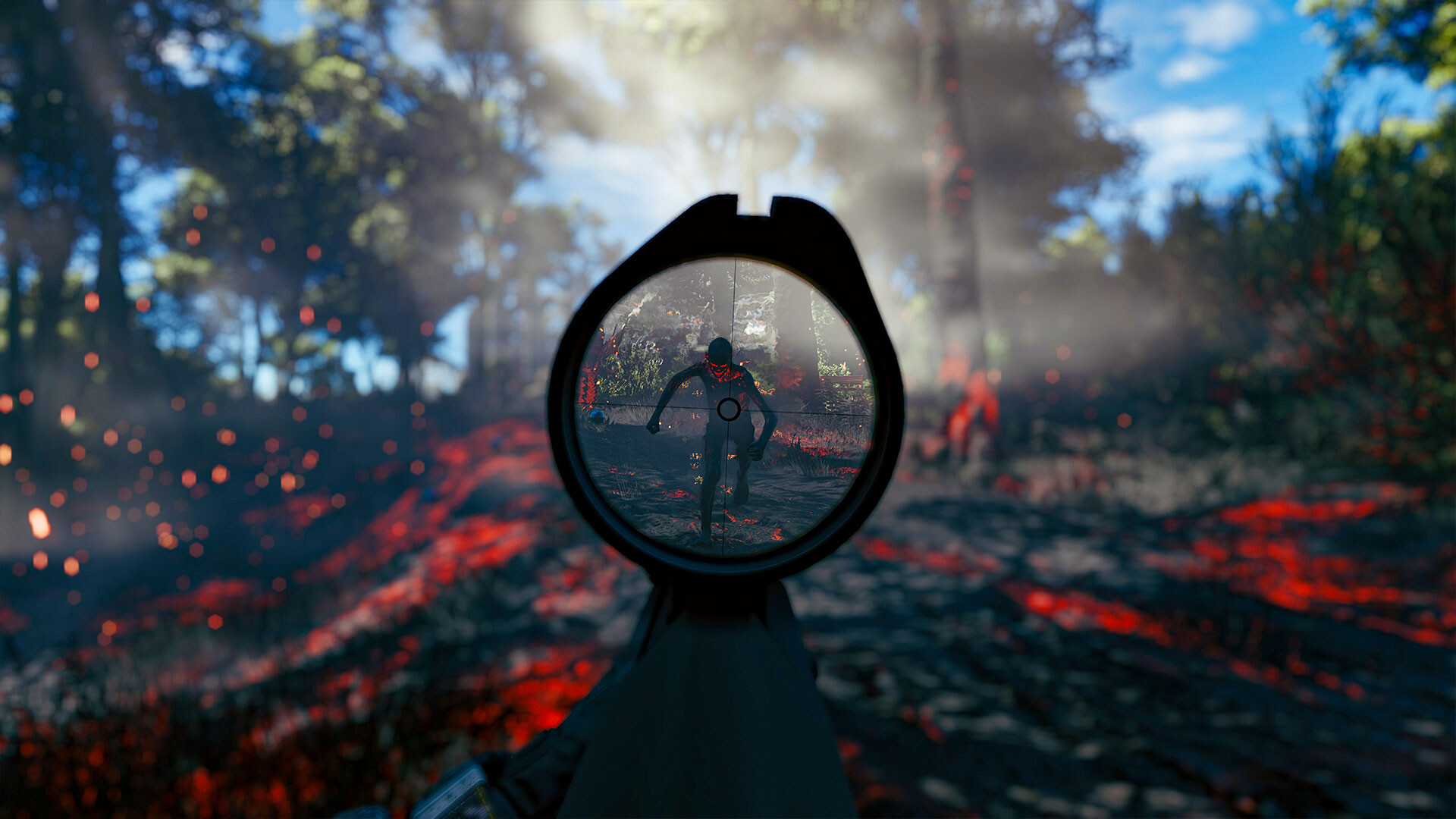
The enemies don’t make things easier. Some can be difficult to predict, some can become invisible, and others can move in ways that make a familiar location suddenly feel completely unsafe. Then there are the anomalies themselves, which can change how the environment works in a matter of seconds.
You might be walking normally, jump, and suddenly find yourself dealing with a completely different piece of physics. That is where having a teammate becomes more than just having someone else to shoot alongside. A buddy means another pair of eyes, another person to carry loot and, most importantly, someone who can watch your back.
There is a big difference between going down while your friend is nearby and going down alone after spending a long time exploring a zone.
The latter hurts.
Especially when you’ve found a lot of good stuff.
The Extraction Is Where the Anxiety Peaks
The most frustrating moments we’ve had were not necessarily the moments when we were killed in a fight. They were the moments when we had already done the hard part. We had explored. We had found things. We had collected active matter. We were carrying loot that we actually wanted to keep. Then the zone starts closing.
We’re running towards extraction instead of carefully searching buildings. The quiet exploration is gone. We’re listening for enemies while trying to reach safety before the opportunity disappears.
And then you get surrounded. You go down. You’re alone at this, there’s nobody there to pull you back up.
All that time, all that loot, unless placed in specialized storage, disappears. It is disheartening, but it is also exactly why the extraction loop works.
Active Matter loves asking you how much more are you willing to risk? You can leave with what you have. Or you can search one more building. One more room. One more container. One more anomaly. That next decision might be the reason you return to the shelter with your pockets full, or the reason you return with very little.
The Shelter Is Where the Grind Begins
Between raids, we return to the shelter, which gradually opens up more functions and systems.
The Monolith is one of the more interesting parts of this progression. It gives us a huge list of things to unlock and upgrade, from storage and currency-related improvements to new looks, recipes and equipment. In a way, it feels like a battle pass that actually has a ridiculous amount of useful stuff inside it.
You have to work for those rewards.
Progression requires completing raids and contracts and bringing back active matter, so you can’t simply rush through everything. There is a clear connection between surviving raids and making your base stronger.
There is also crafting and replication tied to active matter. The game’s fiction explains this through the multiverse itself: objects from other timelines can appear in unstable zones, while active matter can eventually be used to replicate items back at the base.
A World That Looks Familiar, Until It Doesn’t
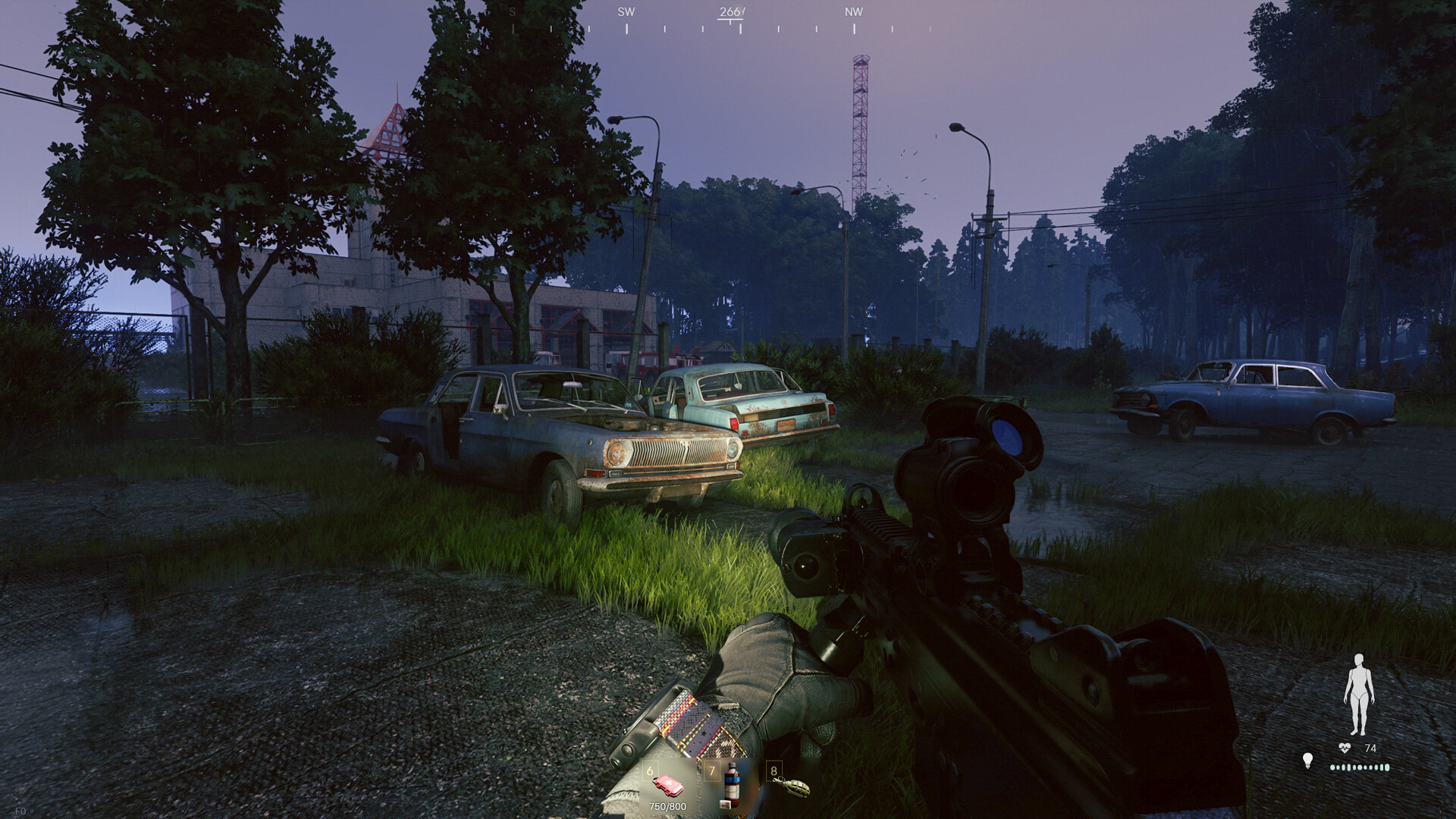
Visually, Active Matter has a cool mixture of Fallout, S.T.A.L.K.E.R. and The Last of Us.
Roads and walls are dried out and eroded. Vehicles are corroded and abandoned. Nature has started taking back places that were once built for people. It is a world that feels familiar enough to understand but strange enough to make you wonder what happened to it.
The maps also play with that idea. The game takes us to places that feel like they belong to different versions of our own world, including Soviet industrial locations, research facilities and ruined urban environments. Soon enough, you’ll stuble upon the Central African quarantine zone and a decaying North American city. Every single location is a joy to explore. The help avoid feeling like one giant ruined map copied and pasted into different areas.
A Strange Take on the Extraction Shooter
Active Matter is an excellent extraction shooter that makes every trip into the zone feel risky, tense and worth taking. The anomalies, satisfying gunplay and constant search for better loot kept us coming back, even when we knew we could lose everything. Solo or with other players, there’s always a huge risk, but also a ton of fun.
Score: 9/10
Game: Active Matter
Developer: Matter Team
Publisher: Gaijin Network Ltd
Genre: PvPvE Extraction Shooter / FPS
Platforms: PC, PlayStation 5, Xbox Series X|S
Release Date: September 15, 2026
Players: Solo and small squads; PvE, PvPvE and PvP modes
Price: $29.99 / €29.99 for the Standard Edition in relevant regions

Leave a comment