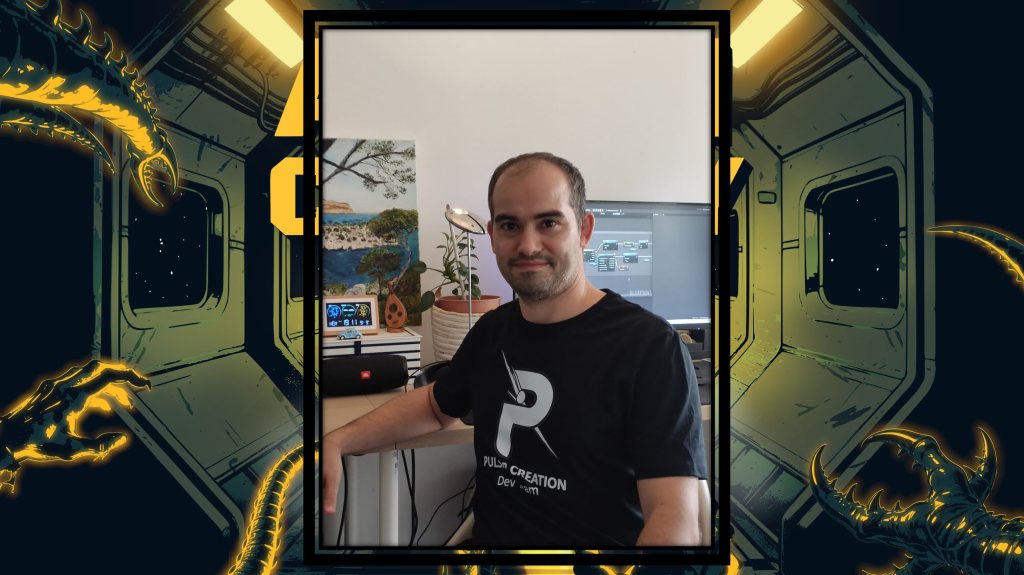
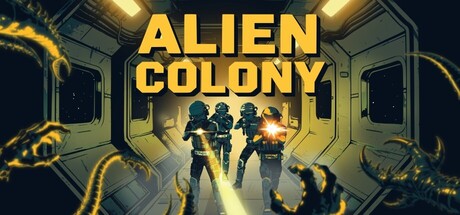
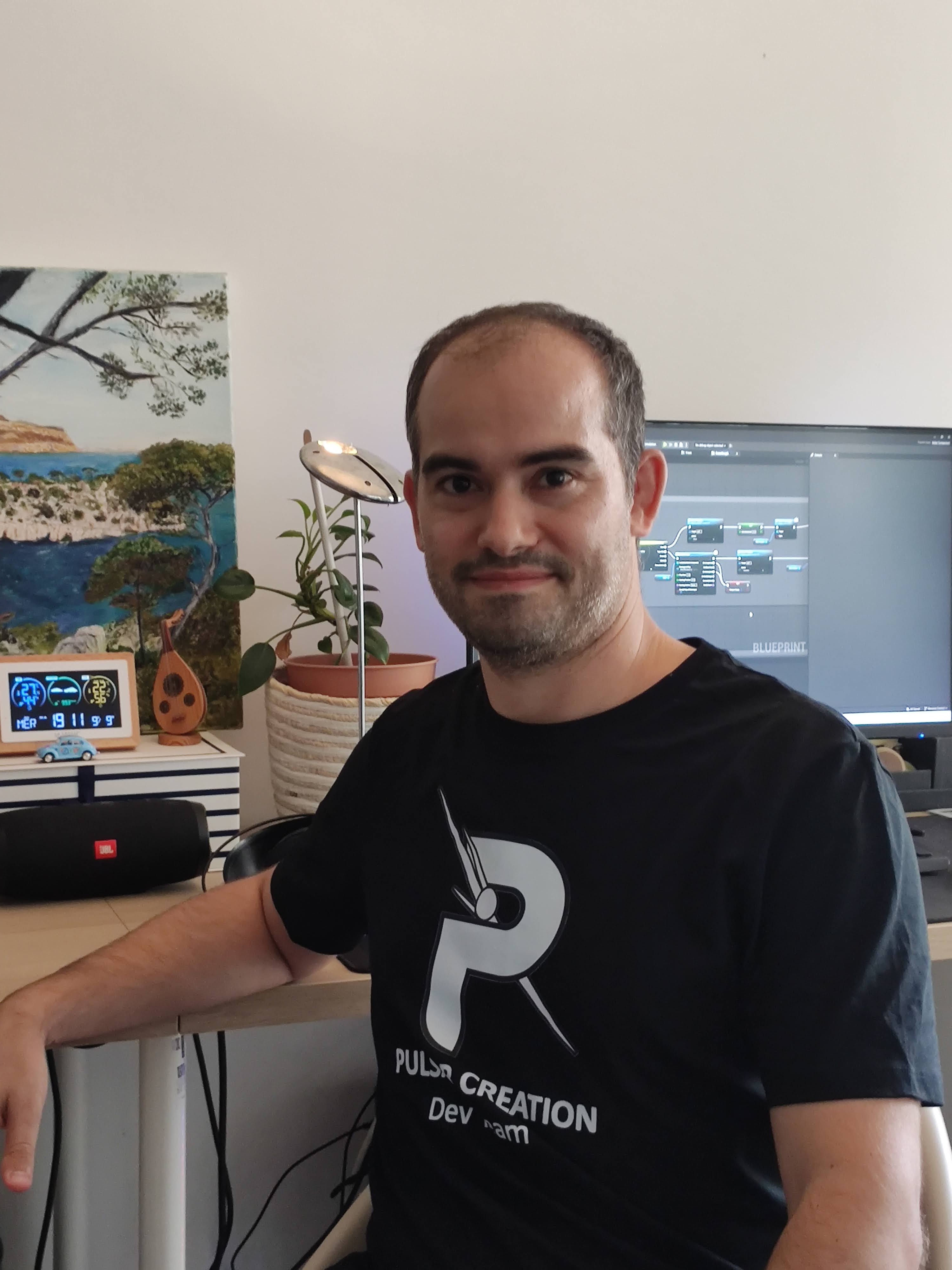
Alien Colony is the second game developed by Alexandre GATT, following A Fistful Of Yankees. The upcoming 2.5D tactical sci-fi horror game puts players in control of a squad of four clones fighting through an alien-infested mining colony, with tactical combat, stealth, drone sequences and a rather unusual approach to death.
When a squad is wiped out, the game does not simply send the player back to square one. A new group of clones appears at the last checkpoint, while the damage caused during the previous attempt remains. Death also raises the base’s alert level and can eventually affect the clones’ memories. At the same time, every lost soldier has a financial cost attached to it.
We spoke with Alexandre GATT about how this system works, why the game’s 2.5D perspective is closely tied to its tactical design, how player testing changed the combat system, and why some of Alien Colony‘s strangest sequences are inspired by Metal Gear Solid.
Demo available now
Death Doesn’t Mean Starting Over
Death is one of the most interesting systems in Alien Colony because a failed attempt still leaves something behind. The player returns with a new squad, but the world remembers what happened.
Every time the squad dies, a new squad of clones respawns at the last checkpoint, represented in the game by a “Stargate.”
However, the world itself does not reset: enemies that have already been killed remain dead, destroyed elements of the environment stay destroyed, and so on.
In a way, the player’s memory is the clones’ memory, allowing the new squad to continue the adventure as if nothing had happened.
That does not mean the player can simply throw squads at the same problems forever. Each death changes the situation in another way.
However, failure does have consequences. Every death increases the base’s alert level. This can lead to more enemies appearing, new types of enemies being deployed, or even alternative paths becoming available in certain levels.
There is also a more unsettling consequence planned for the full game.
Over time, if the player dies too often, the clones’ memories can also start to become distorted. Strange visions or events may then occur, such as ghost enemies or moments when a soldier loses control. This aspect is not yet visible in the demo, but it will be part of the final game.
For GATT, the important part is that failure should still move the game forward.
The idea is that death should never feel like a complete reset. Even when a squad is wiped out, its experience continues to have an impact on what happens next.
When a Clone Becomes a Cost
The game’s clone soldiers are not simply a way of explaining why the player gets another attempt. Their disposable nature is part of the world itself.
The idea of clones being treated as disposable resources is primarily a narrative element, but it is present throughout the entire adventure. The clones themselves regularly question their condition: Is a clone really a human being? If my body dies but my memories are transferred into another body, am I still the same person?
The setting takes that question beyond the soldiers themselves. Human beings have largely disappeared, while the remaining people and machines have lost much of their independence.
More broadly, the entire world of Alien Colony is built around a future in which human beings, as we know them today, have gradually disappeared.
The cloned marines are the armed forces of a corporation that literally uses them as cannon fodder. On the other side, the workers of the mining station have been infected by an alien parasite that takes control of their bodies. In both cases, individuals have lost an essential part of their free will.
The idea also appears in a more direct gameplay system. At checkpoints, players can see what their squad stands to earn for completing the mission. Losing members of that squad cuts into that reward.
I also wanted to translate this idea into a more concrete gameplay system. At each checkpoint, the player sees a bounty representing the reward the clones will receive if they successfully complete their mission. However, whenever a soldier or a drone is lost, the company charges the squad for its replacement.
Death therefore becomes something very cold and purely financial. To the corporation, losing a clone is not a tragedy. It is simply an additional cost.
Combat, Stealth and Knowing When to Stop Fighting
Although Alien Colony includes several different types of interaction, GATT sees tactical combat as the core of the game. The other systems are built around it rather than existing as completely separate gameplay modes.
The gameplay loop is built around a fairly simple progression: the squad leaves a checkpoint and moves through different areas, alternating between combat and narrative sequences, before using its drone to unlock certain areas and eventually reaching the next checkpoint.
Combat and the drone sequences are therefore not really two separate systems. They represent two different situations that the squad encounters as it moves through the station. After a fight, for example, the players might enter an area with no enemies, only to find themselves blocked by a door or security system. They then have to use their drone to unlock the way forward.
Stealth gives players another option in some situations, although it is not intended to turn every encounter into a puzzle with a long list of possible solutions.
Stealth is used more occasionally. In certain situations, the player can choose to move quietly and avoid a fight altogether. This allows them to save soldiers and ammunition. However, if the squad is detected, they will generally have to face particularly powerful enemies.
So I am not necessarily trying to give the player multiple solutions to every single problem. Instead, I prefer to create situations where the player gradually understands which approach is best suited to the circumstances: fight, conserve resources, use the drone, or sometimes try to get through without being detected.
That focus on positioning also explains one of the game’s biggest visual and technical decisions.
Why 2.5D Fits the Tactics
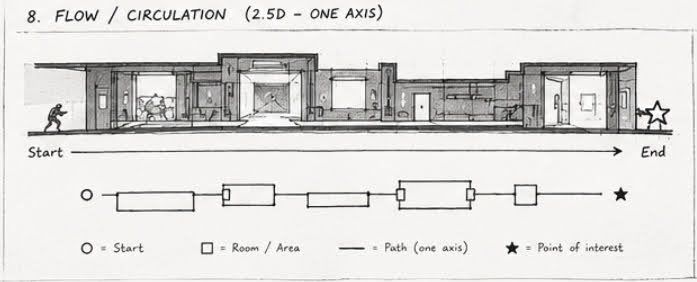
Rather than giving players a fully 3D environment to move around freely, Alien Colony uses a 2.5D perspective. According to GATT, the limitation is there to make the tactical side easier to read.
The decision to use 2.5D was primarily made to reinforce the tactical aspect of the game.
By limiting the player’s movement to a main axis, it becomes much easier to read the situation at a glance. The player can quickly understand where their soldiers are, where the enemies are, and where the important elements of the environment are located.
The restricted movement also removes some of the options that a conventional 3D space would naturally provide.
This limitation also prevents the player from simply running around or going behind enemies. They have to think more carefully about how to use their different weapons and the tools available to their squad in order to survive.
So the 2.5D perspective is not simply an aesthetic choice. It directly serves the gameplay by putting more emphasis on positioning, readability and tactical decision-making.
A Cold Place With Almost No Human Presence
The setting of Alien Colony is designed around the idea of dehumanization, and that extends well beyond the story. The environments, interface and sound are all being used to make the colony feel increasingly removed from anything familiar.
I have tried to create this sense of dehumanization directly through the environment, rather than simply explaining it to the player through dialogue or text.
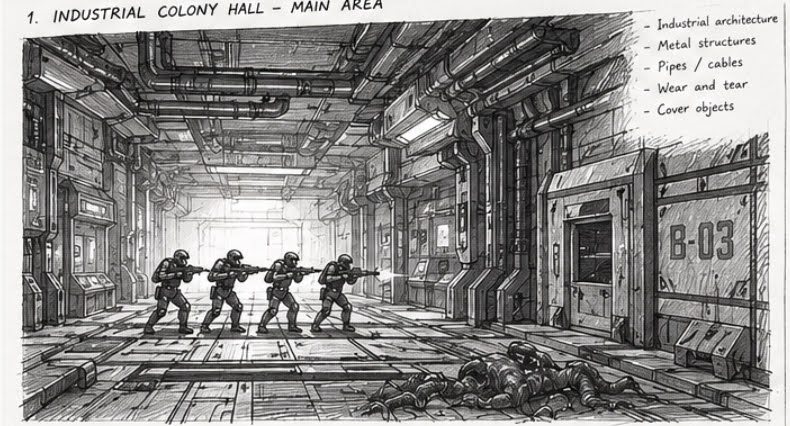
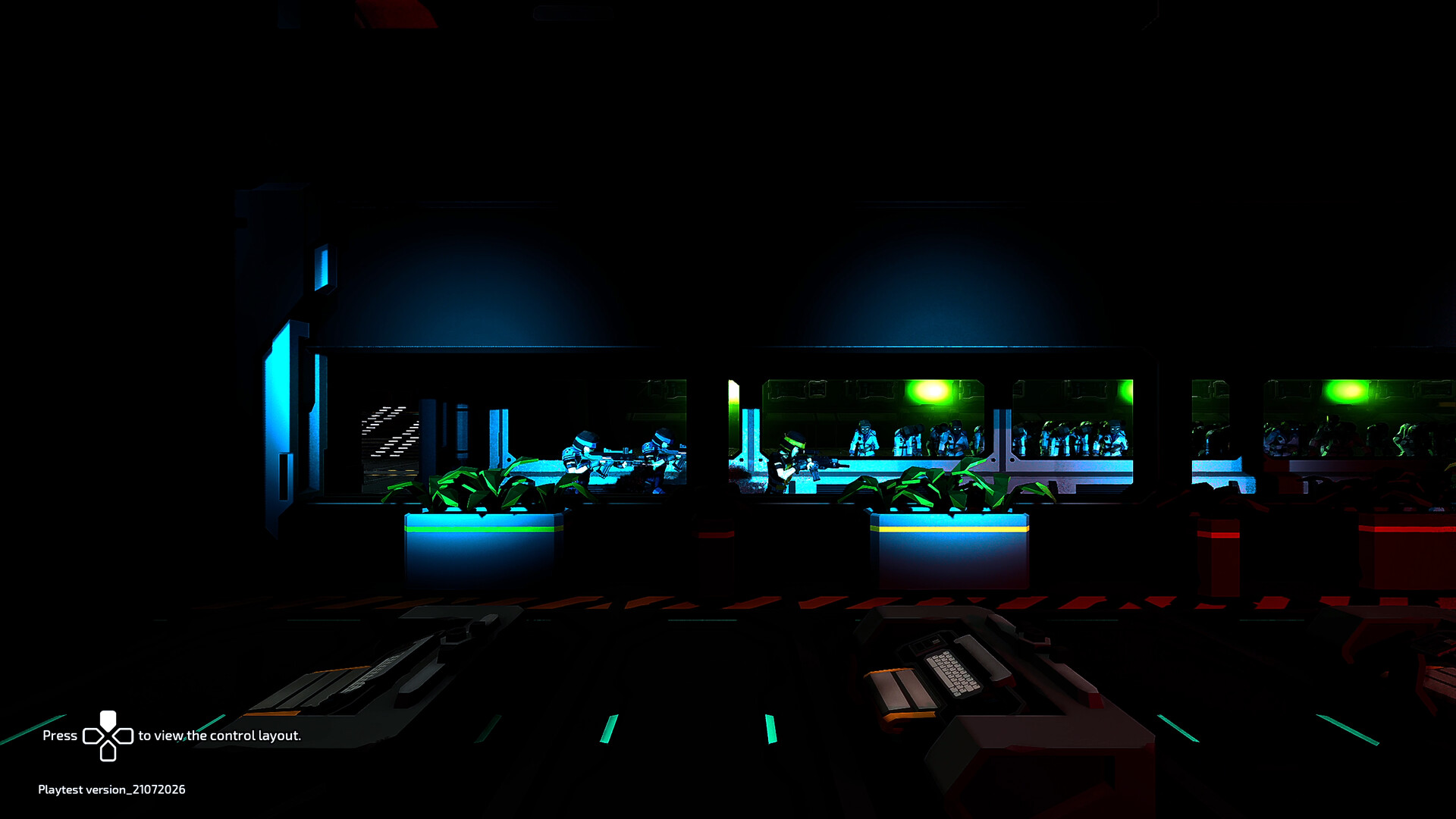
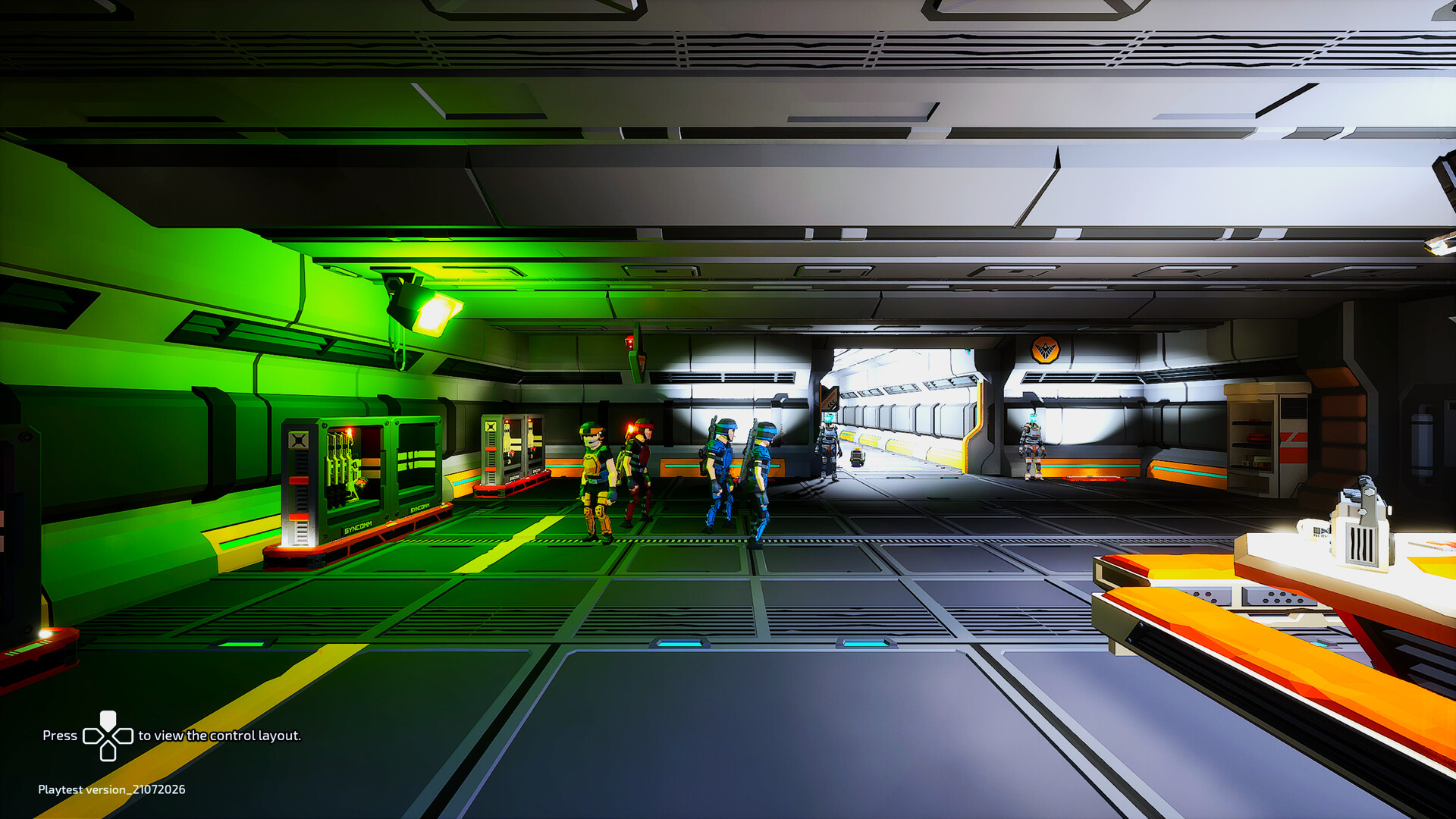
The level design is deliberately very mechanical and oppressive. The player often starts in a bright red room next to a Stargate, before moving through narrow corridors and cold, artificial spaces where there is absolutely no natural light.
There are few living people around to break that feeling.
There is also very little human presence. The player rarely encounters any living human characters, and even the robots can be controlled by the alien parasite. Everything contributes to the feeling that this is an environment where the individual no longer really has a place.
Even the interface follows the same idea.
The interface follows the same philosophy. It is deliberately minimalist and cold. Even the clones’ bounty is presented as a financial calculation: when a soldier dies, the replacement cost is simply deducted. There is no emotion involved; everything is reduced to numbers.
The sound design takes a similarly restrained approach.
Sound also plays an important role. There is relatively little music in the game. Most of the time, the player simply hears the station’s ventilation system, mechanical noises and footsteps on the metal floor. There are not even any human voices to make the environment feel warmer or more familiar.
Ultimately, I wanted everything in Alien Colony to convey the same feeling: it is a cold, functional and joyless world in which everything, including human life, has become a simple resource.
I am still working on reinforcing this feeling through both the visual and audio atmosphere.
The Demo Changed the Combat
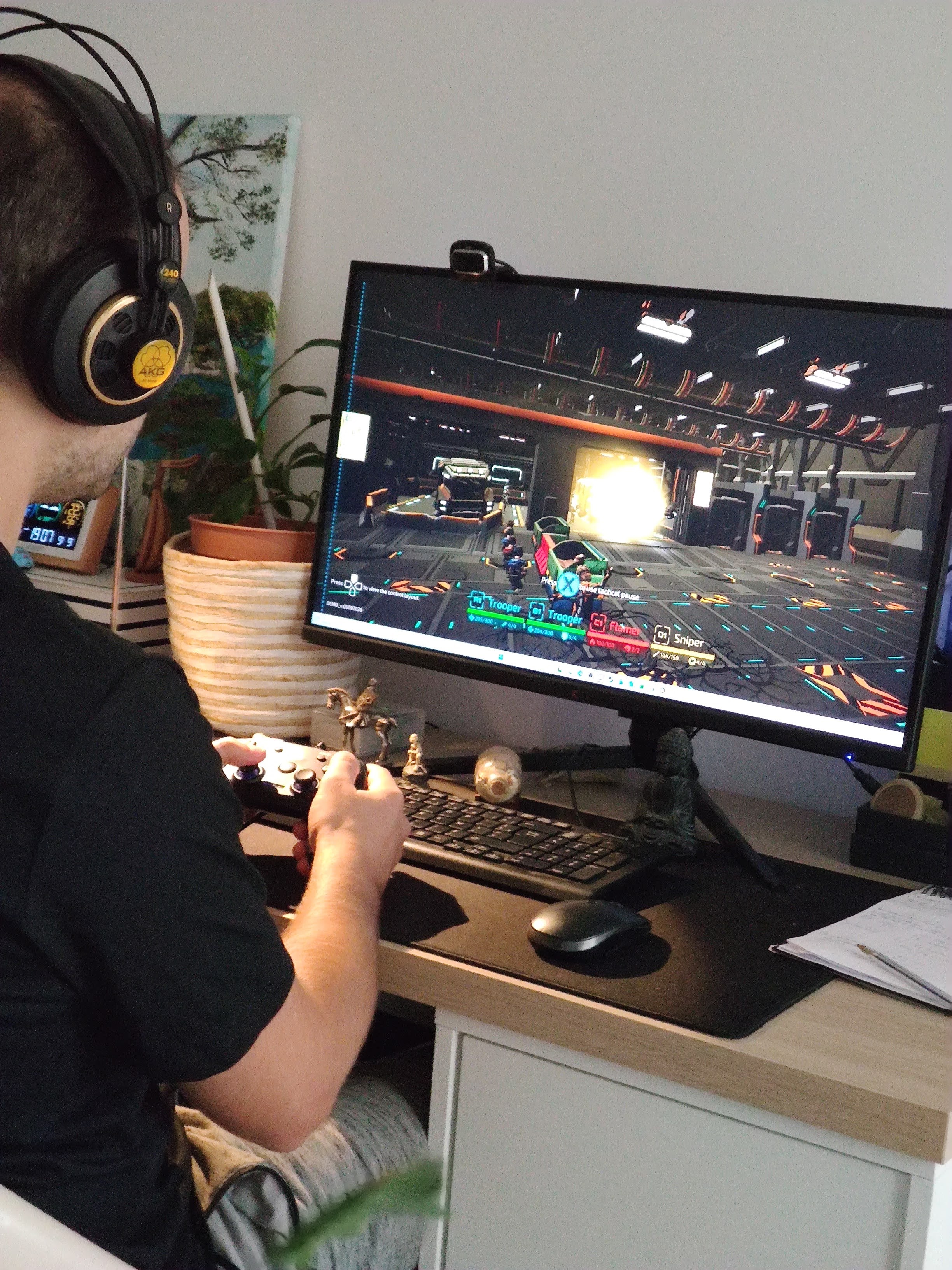
For an independent developer, getting the game into players’ hands can reveal problems that are difficult to spot during development. That happened with Alien Colony‘s combat system after GATT watched people play the demo at the MobArt festival in Aix-en-Provence.
The aspect that has evolved the most is definitely the combat system.
The original control scheme gave every soldier their own button, with different actions depending on how the button was pressed.
Originally, I had planned to have one button for each soldier, with a long press triggering the basic attack and a short press triggering the special attack.
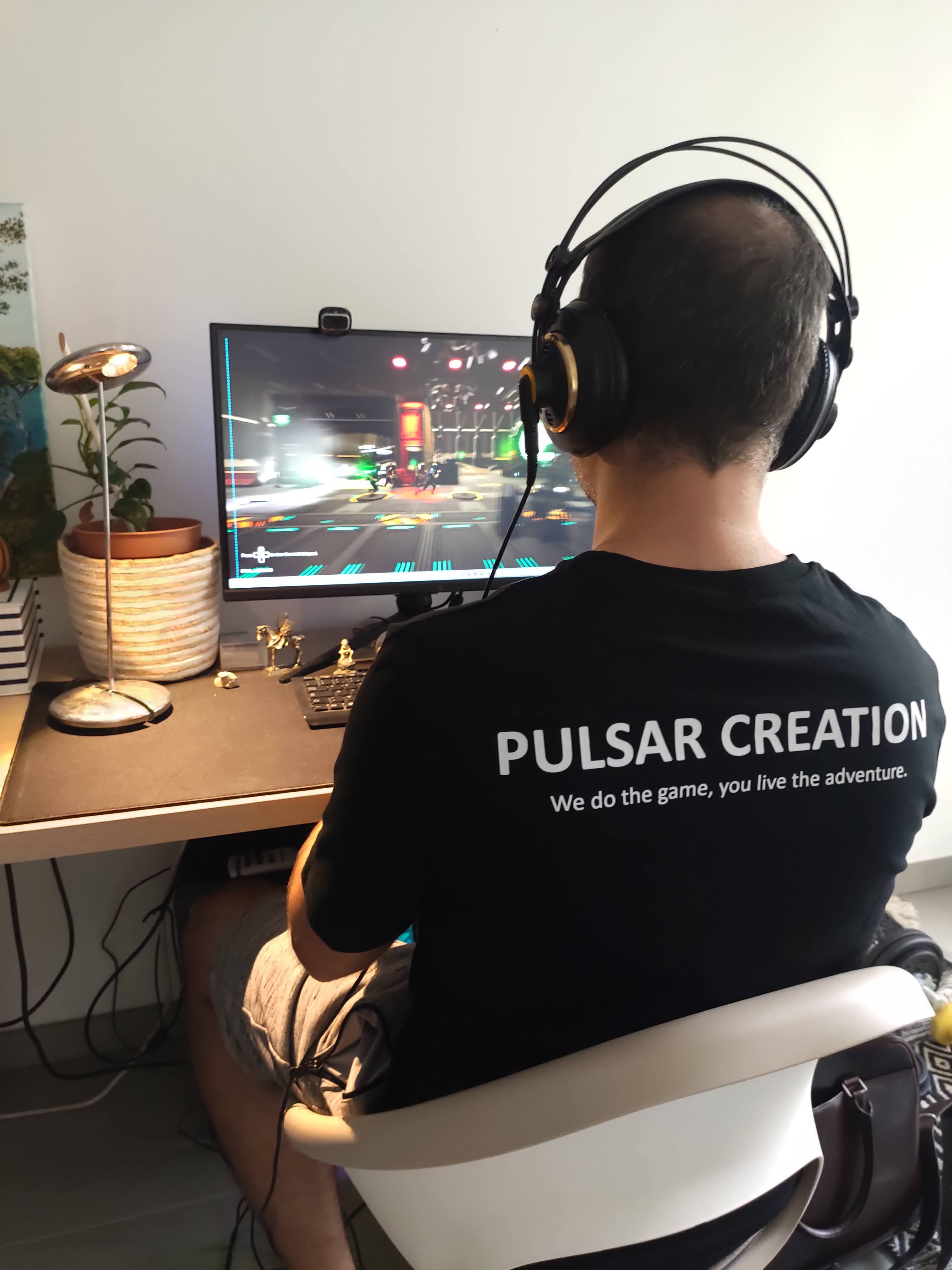
However, after watching players test the demo at a festival in Aix-en-Provence called MobArt, I quickly realized that the system was not ergonomic enough. Players did not always understand what they were doing, had trouble using certain weapons, or sometimes activated them by accident.
That led to a complete redesign.
So I completely redesigned the combat system.
The new version puts more emphasis on controlling the squad as a whole and gives the player fewer buttons to manage during a fight.
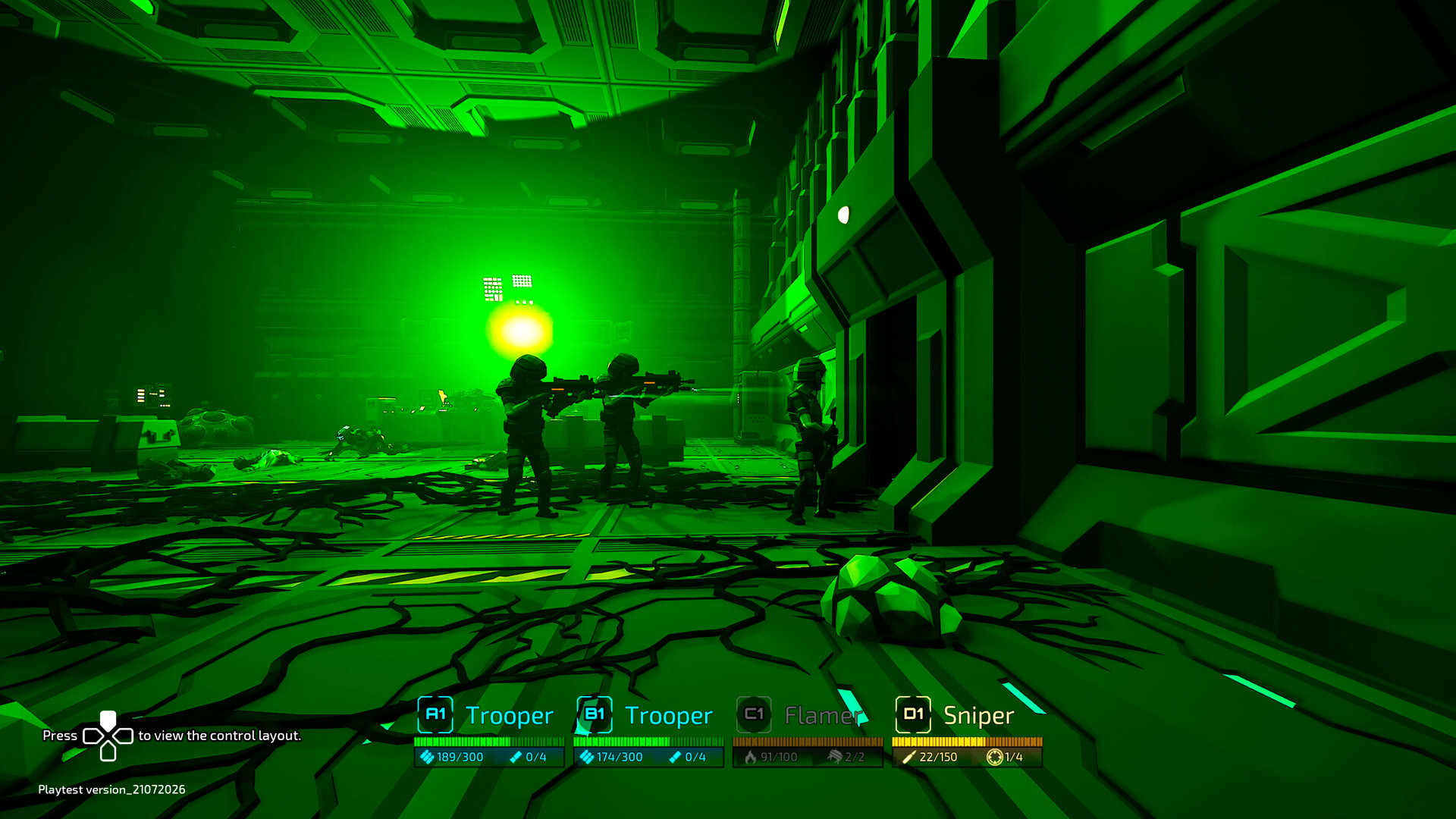
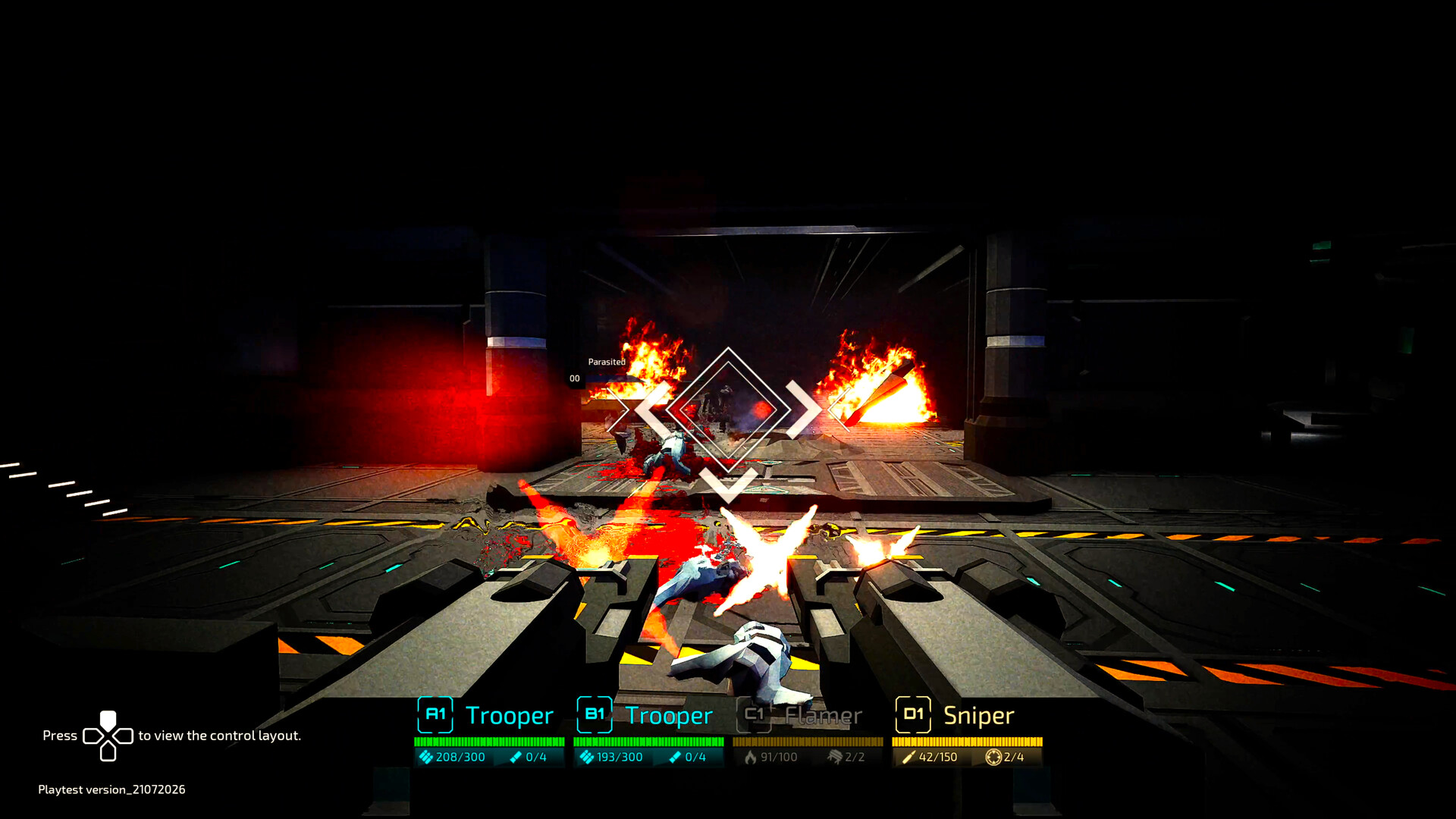
The current system is much simpler: one button makes the entire squad fire, a second activates the flamethrower, a powerful weapon that can knock certain enemies back and a third activates the tactical pause in slow motion, giving the player time to assess the situation and choose the most appropriate weapon.
This change ultimately allowed me to strengthen the tactical aspect of the game, which is at the heart of the gameplay.
Breaking the Loop
Despite describing Alien Colony as primarily a tactical combat game, GATT does not want every part of it to play exactly the same way. The drone sections can provide a break between fights, while other sequences can temporarily change the player’s role altogether.
I don’t really consider Alien Colony to be a mix of several genres. Even though it includes stealth sections and drone sequences, the game remains primarily focused on tactical combat. For me, the drone sections mainly serve as a moment of breathing space between combat encounters.
One example already appears in the demo: a section where the player controls a turret from a first-person perspective and has to deal with an incoming wave of enemies.
However, I really enjoy occasionally surprising the player with sequences that completely break away from the main gameplay loop. For example, in the demo, the player temporarily takes control of a turret and has to repel a wave of enemies from a first-person perspective.
These moments are intended to be used sparingly rather than becoming another major gameplay system.
I use this kind of sequence sparingly. The goal is not to create an entirely new gameplay genre, but rather to surprise the player, break up the repetition and give them the feeling that something unexpected could happen at any moment.
The idea comes partly from a game that had a major influence on GATT.
This approach is partly inspired by Metal Gear Solid, a game that had a huge impact on me when I was growing up in the late 1990s. It regularly broke its main gameplay loop with very different sequences: guiding a missile to disable a trap, rappelling down a wall, or even a car chase near the end of the game.
It is an approach that I really enjoy and that I try to incorporate into my own games. Even though these sequences can sometimes require a significant amount of development time, I believe they can create much more memorable moments for the player.
A Second Game Built From Experience
Alien Colony is still only GATT’s second game, and he points back to his first project as an important part of the development process.
Alien Colony is only the second game I have developed, following A Fistful Of Yankees, and that first experience taught me a tremendous amount.
The developer is also clear about the scale of the project and the approach behind it.
I genuinely believe that Alien Colony has the potential to appeal to players, provided I can get the game in front of enough people. Our studio and our resources are still modest, but we develop our games with a lot of passion, without trying to simply follow trends or reproduce whatever is currently popular.
We are simply trying to create games that we would enjoy playing ourselves, with original ideas and worlds that reflect what we like.
For now, the game represents a step forward from that first project, with the developer continuing to work on its atmosphere and systems before release.
Alien Colony represents a significant step forward for us compared to our first game, and I hope players will enjoy discovering it as much as we have enjoyed developing it.


Leave a comment