With Guild Wars 2: Visions of Eternity heading into its final chapter, ArenaNet is preparing to send us into the depths of Castora for “Code of Creation.” The update brought the story to a close with six new story chapters. It also changed quite a bit outside of the main narrative, including a new meta-event, a new Convergence, a raid encounter, and a new Fractal.
We had the chance to speak with members of the Guild Wars 2 team about some of the decisions behind the finale. We talked about the longer schedule for the new Depths of Cruelty meta-event, how the team approached the final stages of Vloxx’s story, why Kuda was chosen to take over the Inquest, and what ArenaNet has learned from experimenting with story-driven item collections during Visions of Eternity.
This interview and the session would not have been possible without the wonderful people at Kartridge. Many thanks Craig Stephens!
Giving Players More Time in the Depths
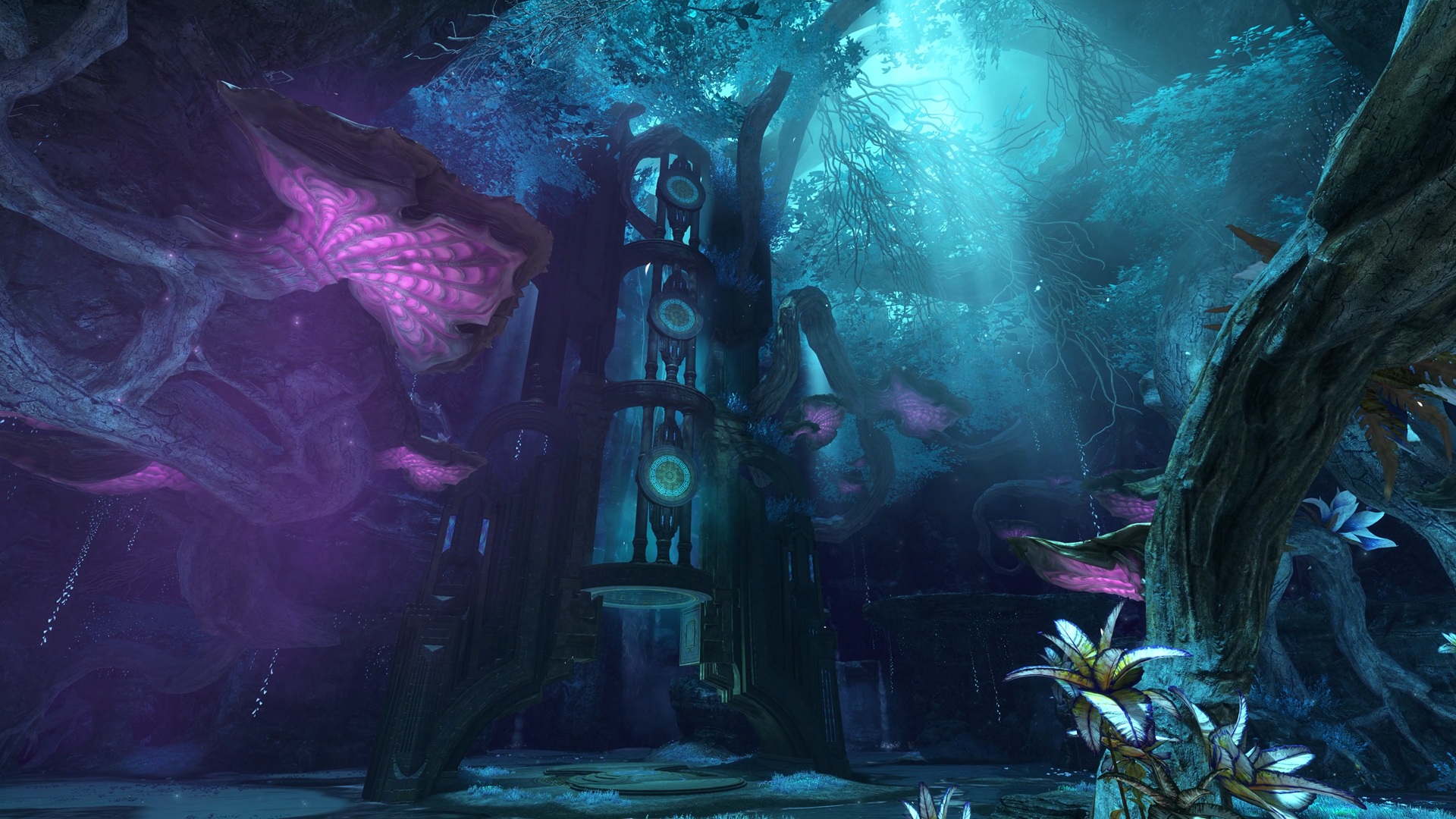
One of the bigger changes coming with “Code of Creation” is the new Depths of Cruelty meta-event. While other Visions of Eternity metas have followed a two-hour schedule, the new event runs on a three-hour cycle. The map also remains open for an additional hour after the meta is completed.
Depths of Cruelty shifts from the standard two-hour meta schedule to a three-hour cycle. What player feedback or telemetry led to this decision, and how does the one-hour map closure grace period improve map engagement?
They explained to us that the three-hour cycle gives players more room to engage with the map and allows more activities to fit naturally around the meta-event. The team felt that three hours offered a better balance for everything happening on the map.
Although Leyspring Hollows will eventually close after the meta, players won’t be forced out immediately. The additional hour is there to give people more time before and after the meta to engage with other content rather than feeling pressured by the previous timing.
The aim is to give everyone more freedom to decide how they spend their time, rather than creating competitive pressure around getting everything done within a short window.
Elizabeth also explained how the rifts fit into the larger idea behind the meta-event. The team is using rifts as portals and contextualizing them around the new “slit” mechanic, drawing inspiration from experiences such as Drakkar and Silverwastes where players need to communicate and coordinate with each other. The goal is to create a situation where players need to talk, coordinate and work together at a high level.
Bringing Vloxx’s Story to a Close
Vloxx has been one of the more complicated characters in Visions of Eternity, with the final chapter pushing his plans even further. That raises the question of how the team made sure his increasingly extreme actions still felt like a natural progression rather than something introduced simply to create a bigger finale.
With the finale, how are you making sure Vloxx’s increasingly extreme solution still felt like a logical extension of what we had already learned about him and not some late-story twist that’s put in place to raise the stakes?
Indigo initially wasn’t able to give much away without risking spoilers:
This is a challenging one to answer without going into spoiler territory, but just flagging that I saw the question and I’m noodling on a possible non-spoilery answer!
Later, Indigo returned with a longer answer:
Looping back on this one! Attempting to avoid spoilers, but as you play through the narrative finale of VoE the focus of the story narrows; as we tie off various arcs, the story will begin to point very inward at the Commander, Isgarren, Vloxx, and their unique perspectives about Tyria. There are a few twists and reveals, but quite a few of the pieces are already in place. The story, OW, and other endgame content are all going to come together to help tell that story.
It’s an interesting answer because it suggests that the finale isn’t just about wrapping up Vloxx’s individual storyline. As the different threads of Visions of Eternity come together, the focus will move closer to the characters at the centre of the story and their different views of Tyria.
Why Kuda Was the Right Inquest Villain
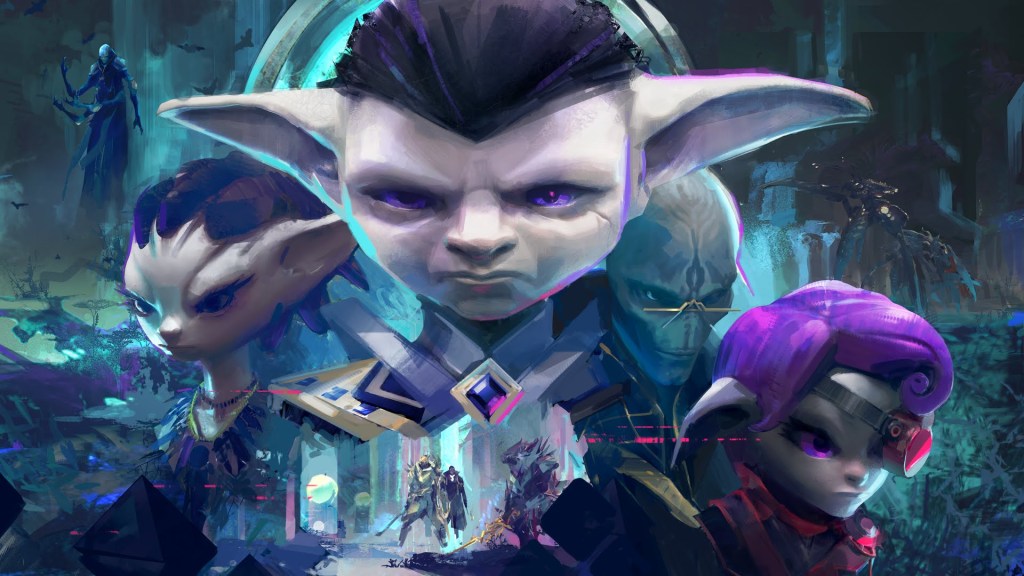
With Vloxx moving away from the Inquest, Kuda steps into the position he left behind. She’s been around for some time, but “Code of Creation” gives her a much bigger role in the expansion’s final chapter.
Why was Kuda the right character to inherit the Inquest storyline at this point, and were there earlier versions of her role that you discarded during the development of the finale?
That’s a super fun question. Kuda taking over the Inquest was something we were leaning towards pretty early on since she represents the Inquest ideal; unwavering, relentless loyalty to the mission and brutal creativity. Not only did she give us a more classic and nefarious villain to explore and fight against this expansion, but she’s a great counter to Vloxx. They both say something about individuals who pursue leadership (those who seek power, those who seek control, those who want to make meaningful change, etc.) but they also say a lot about Rata Sum and the asura. But Kuda’s arc definitely has a strong place in our hearts haha. She’s fiercely loyal to the Inquest, but she’s had to sit on her hands for the last for years while Vloxx rose to fame. Now it’s her opportunity to strike and claim what’s she very firmly believes is hers.
There is also a nice contrast in the way the team describes Kuda and Vloxx. While both characters are interested in leadership and changing the world around them, they approach those ideas from very different directions. Kuda is also finally getting her chance after spending years watching Vloxx become the face of the Inquest.
What the Team Learned From Visions of Eternity
One of the more interesting things about a long-running MMO like Guild Wars 2 is that its developers are constantly experimenting with ways to make story content work alongside the open world. Visions of Eternity introduced item collections as part of its storytelling, giving players another reason to explore the maps while progressing through the narrative.
Looking back at Visions of Eternity, what is one design or production lesson from building the expansion’s maps, story chapters, Convergences, raids and Fractals that changed how you would approach a similar project next time. Also, is there a feature or idea you originally planned that you now think was better left on the cutting-room floor?
Chloë Mills:
This is a question I could write a whole essay about, I have been pondering how to answer in a fashion that is anywhere approaching succinct haha
I think for story, we’re always looking for ways to address player feedback and/or experiment with new ways to engage the player in story gameplay to make for a more memorable and enjoyable experience. For VoE, one of the things we experimented with was including item collections as a direct part of the storyline. Often, story steps that take place in the open world (i.e. not in a story instance) serve to marry “golden path” story narrative with the open world map’s narrative to create a more robust, full set of storytelling. With collections, we wanted to create another avenue to foster exploration and engagement with the rich world building in the maps beyond, for example, a story step to complete some events or a renown heart. Those can be useful ways to do this, but when used too frequently they can feel repetitive, or the relevance to the story narrative is not always clear to players due to a more tangential, open-ended relationship to story. With collections, the aim was to provide another tool for our arsenal with a more focused scavenger hunt style of gameplay. These provide lore and have a direct purpose for developing the golden path narrative while still achieving that goal of encouraging the player to engage in map content to strengthen the overall narrative.
Collections also are account bound and only completed once, so this also achieved the goal of creating a more thoughtful and less tedious experience for story replay.
That said, it was still an experiment, and I think we definitely learned some very useful things based on player feedback: clarity of hints, the sweet spot for quantity of items in the collection, how many collections total within a release/overall expansion, novelty and variety around how you obtain each item within a collection—all aspects that impact the pacing and flow of story progression and the overall player experience for story. Some players have loved the addition of collections and how it makes them slow down a little and drink everything in, and for some players the collections have still felt not purposeful enough or relevant enough to the story that it almost feels like they get in the way of the rest of the story. And I think that is somewhere we can still work to refine; the goal is not to waste player’s time and arbitrarily pad out playtime, they are meant to provide more variety in gameplay and narrative delivery. I think that adding item collections as another tool for us to be able to tell story has been a useful thing to the benefit of story gameplay. But I do think it is something we have refined from VoE launch, to The Only Way, and now in Code of Creation, and will continue to refine. I spend a lot of my time thinking about this kind of stuff and I certainly have some ideas for the future
It’s probably the most revealing answer of the session because it shows how much iteration can happen even with a feature that is already in players’ hands. The team isn’t treating the collections as a finished idea. Things such as the number of items, the clarity of clues and the variety of ways players obtain them can all affect how the story flows.
It also highlights one of the difficult balancing acts of MMO storytelling: encouraging players to explore without making exploration feel like an obstacle between them and the story. That seems to be one of the areas ArenaNet wants to keep refining as Guild Wars 2 moves forward.
What’s else is there?
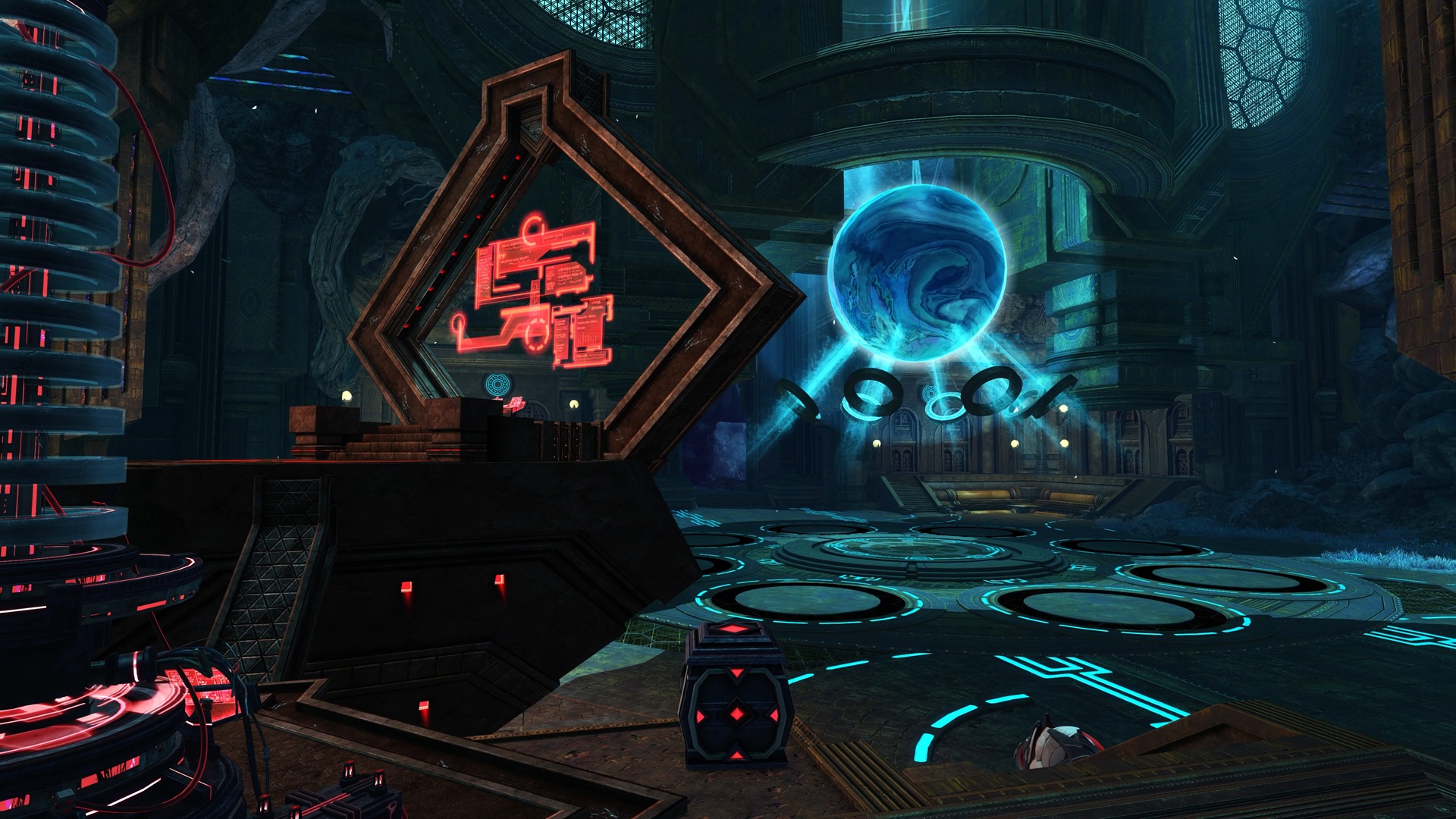
“Code of Creation” arrived today, on September 15. It concludes Guild Wars 2: Visions of Eternity with six new story chapters set in the depths of Castora. We already started exploring the new Leyspring Hollows area (some strong HoT vibes with this map) while confronting both Kuda’s Inquest and Vloxx, with the Depths of Cruelty serving as a new multistage meta-event built around communication and cooperation. The update also added the Nexus of Eternity Convergence, a new single multi-phase encounter rather than a rotating selection of bosses, alongside a new ten-player raid encounter based on the Nexus of Eternity and the five-player Solitary Throne Fractal.
It really is a lot to chew on.
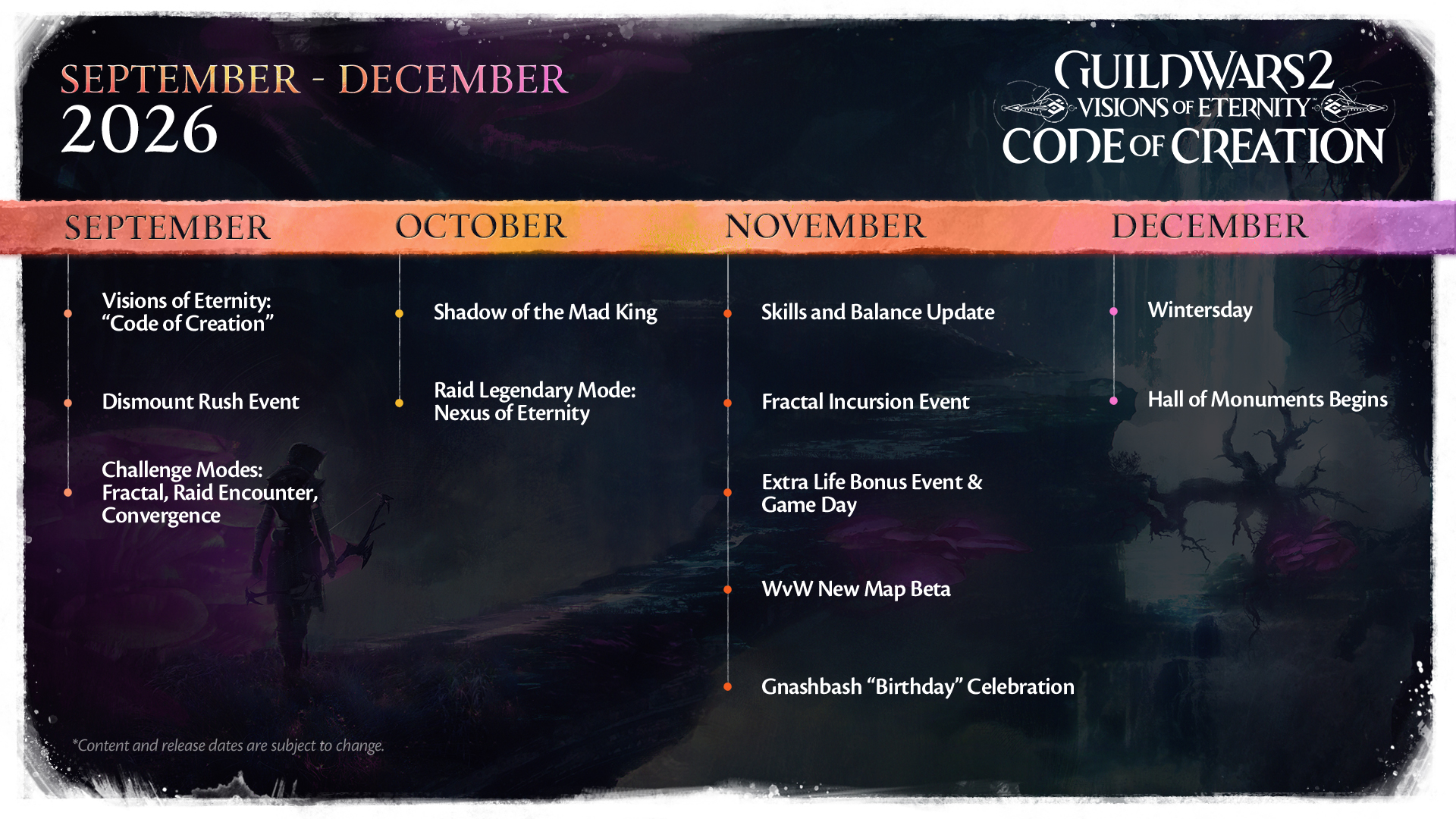
Challenge Modes for the Convergence, raid and Fractal will arrive on September 29, followed by Legendary Mode for the raid on October 13. Beyond the launch itself, ArenaNet has also outlined a busy fall for Guild Wars 2, including the new Dismount Rush event, the return of Fractal Incursion with new rewards, a beta for a new WvW map, the annual Extra Life event, and the first Hall of Monuments update, which will begin allowing players to earn rewards for Guild Wars 3.




Leave a comment