
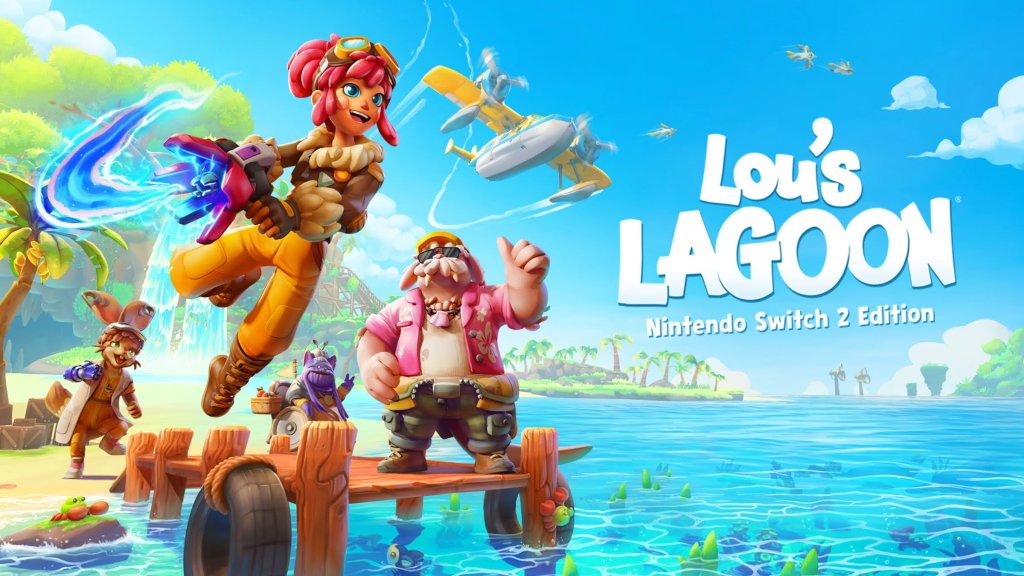
Lou’s Lagoon is a relaxed exploration and crafting adventure where you collect resources, help islanders, and fly between tropical islands. It’s a game that’s so well done it felt like a digital remedy for our nerves. Every single aspect seems like it was made to pull us into a beautiful world where joy is attained by exploring majestic islands and interacting with lovable characters.
The game starts with a simple story about how the world was created and the quarrels between Wind and Tide, the children of Light and Dark. Their relationship affects the sea, which can be calm one moment and dangerous the next. We arrive by boat after creating our character and soon find ourselves on an island that feels almost completely removed from the trouble we have just heard about.
The place is colorful and pleasant. The characters are designed to be likeable and, despite the lack of voice acting, their expressive faces do a great job of showing what they’re thinking. The soundtrack is subtle and does wonders for immersion, making you feel like you’re really there. Waves roll onto the sandy beach, birds can be heard in the distance, waterfalls are nearby, and the wind moves through the plants.
It’s a very nice place to arrive at. There is, of course, a problem.
A storm has disrupted the local delivery service and our Uncle Lou has disappeared. He went to investigate the possibility that something unusual was causing the storms and hasn’t returned. While we wait for news, we start helping the people living around the Limbo Archipelago. Let the collecting begin!
Vacuuming our way around the islands
Our main tool is called the Swirler. It’s essentially a strange vacuum that allows us to collect resources scattered around the islands. Driftwood, scrap, pebbles, plants, and other materials can all be sucked up and added to our inventory.
It is a simple mechanic, but it feels good to use. The animation is nicely done, and the DualSense gives us some decent feedback when we’re pulling things toward us. The Swirler can overheat if we use it continuously, so there is at least a small limitation on how quickly we can clear an area. It also gets better as we progress.
Upgrading the Swirler lets us collect heavier resources and reach things that weren’t available to us earlier. The tool can also be used for building, fishing, gliding, and finding treasure as we unlock more of its capabilities. Building is similarly straightforward.
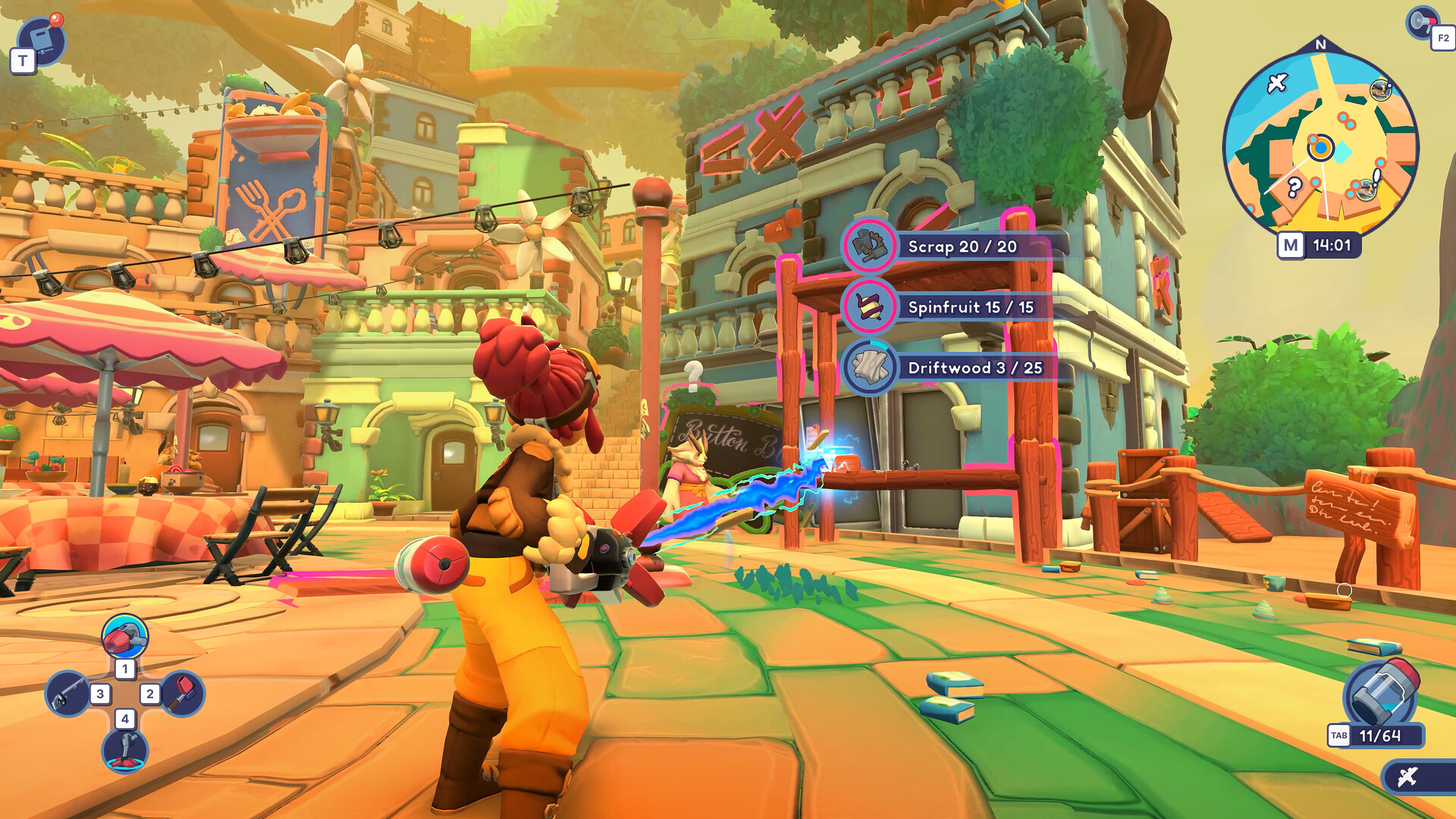
We bring the required materials to a construction point and use the Swirler to put everything in place. A pier might require driftwood, while a staircase could need refined wood, meaning we first have to process the raw material at one of the appropriate machines.
What we can’t do is decide where these structures should go. If the game wants us to have a staircase somewhere, there will be a designated place for it, and that’s where the staircase goes. There is no freeform building system where we can redesign the island or spend hours creating our own little settlement.
That isn’t really what Lou’s Lagoon is about anyway. The structures are mostly there to repair damaged areas or give us access to places we couldn’t reach before. We gather what is required, fix the structure, and keep going.
It’s worth getting distracted
A lot of the quests work in much the same way. Someone needs something, or is stuck somewhere, or needs help repairing something. In one of the early quests, for example, we help a child build a raft so they can leave a remote island. Helping them can then lead to us getting an item that we need for our own progress.
The quests themselves aren’t particularly complicated, but they keep sending us around the islands. Quite often, though, we would head somewhere for a quest and completely forget about it because something else caught our attention. There are chests hidden around the islands, along with resources and other little discoveries. Some of the chests contain backpack upgrades, which become increasingly useful because our inventory fills up quickly when we’re collecting everything in sight.
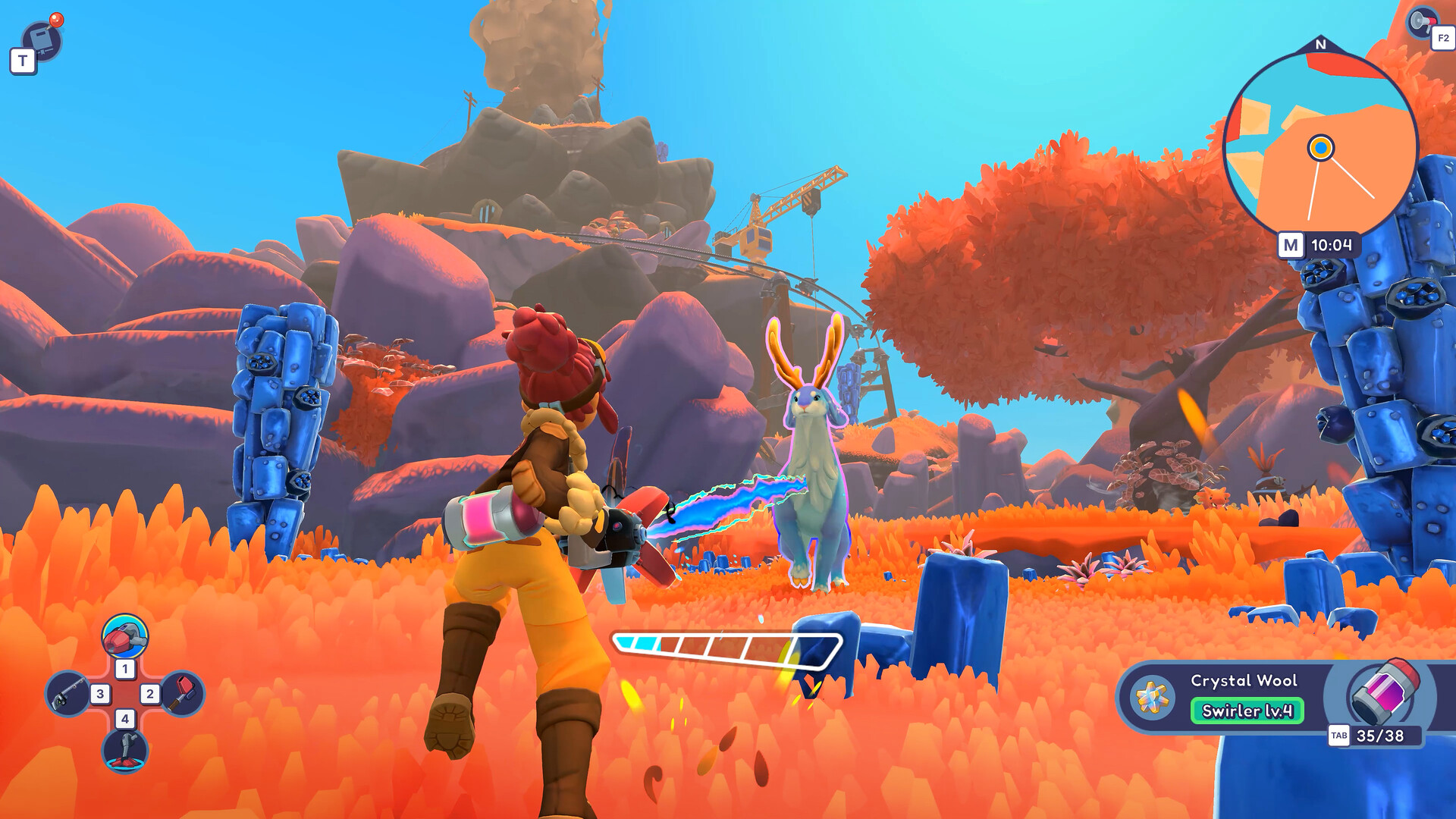
The inventory is one of the things that can annoy you more than once. Later down the line, there isn’t always enough room for everything you find. Eventually, we had to start making decisions about what to keep and what to leave behind. It isn’t a huge problem, but it does mean that collecting can occasionally turn into a trip back to storage rather than the carefree wandering it was a few minutes earlier—though only if you’re greedy like us and unwilling to let go of things.
There is fishing and treasure hunting too, and later upgrades give the Swirler additional uses. We can also gain the ability to glide. None of this turns the game into something particularly demanding, but it makes getting around more enjoyable.
There isn’t much fighting
There isn’t a conventional combat system in Lou’s Lagoon. There are hostile situations involving pirates and wildlife, but we’re not spending our time fighting groups of enemies. There are no elaborate combos, weapon upgrades, or combat-focused skill trees. The Swirler is our main tool, and most of the interaction with the world revolves around collecting, repairing, and solving simple problems.
We didn’t miss having a proper combat system; we preferred the zen-like experience. You might think that the game could become repetitive if you’re not particularly interested in collecting resources or helping with small quests. We thought the same, but that never happened, not even for a moment. The game is built around a much quieter type of adventure, but it’s done in such an organic way that it always has something new to show you. It never dwells too long on an activity, and it freshens things up constantly by giving you varied quests and sending you to explore new, wonderful places.
Getting the plane changes the pace
For the first couple of hours, we’re mainly exploring the starting island and trying to find the parts needed to repair our seaplane. Once we finally get it working, the game opens up.
We can take off, fly over the water, and reach the other islands in the archipelago. Seeing the world from above is probably one of our favorite parts of the game. After spending so much time running around on foot, looking down at the beaches and small islands from the plane gives the whole place a different feel.
The flying itself isn’t particularly complicated. There are ring challenges and other things to do in the air, but most of the time we’re using the plane to reach our next destination. Considering the relaxing nature of the game, that’s completely fine by us. We don’t think the game needed a complicated flight model. We’re here to explore the islands, not learn how to become a professional pilot.
The different locations aren’t especially large, either. The key locations all have their own communities and characters, and they look different enough to make arriving somewhere new interesting. The islands don’t take long to explore, but there’s enough to see and enough people to meet without turning every visit into a long trek.
Fast travel also becomes available as we repair radio towers, so once we’ve already explored an area, we don’t have to keep flying or walking back through it every time we need something. The seaplane itself can also be customized, giving us different ways to change its appearance as we travel around Limbo.
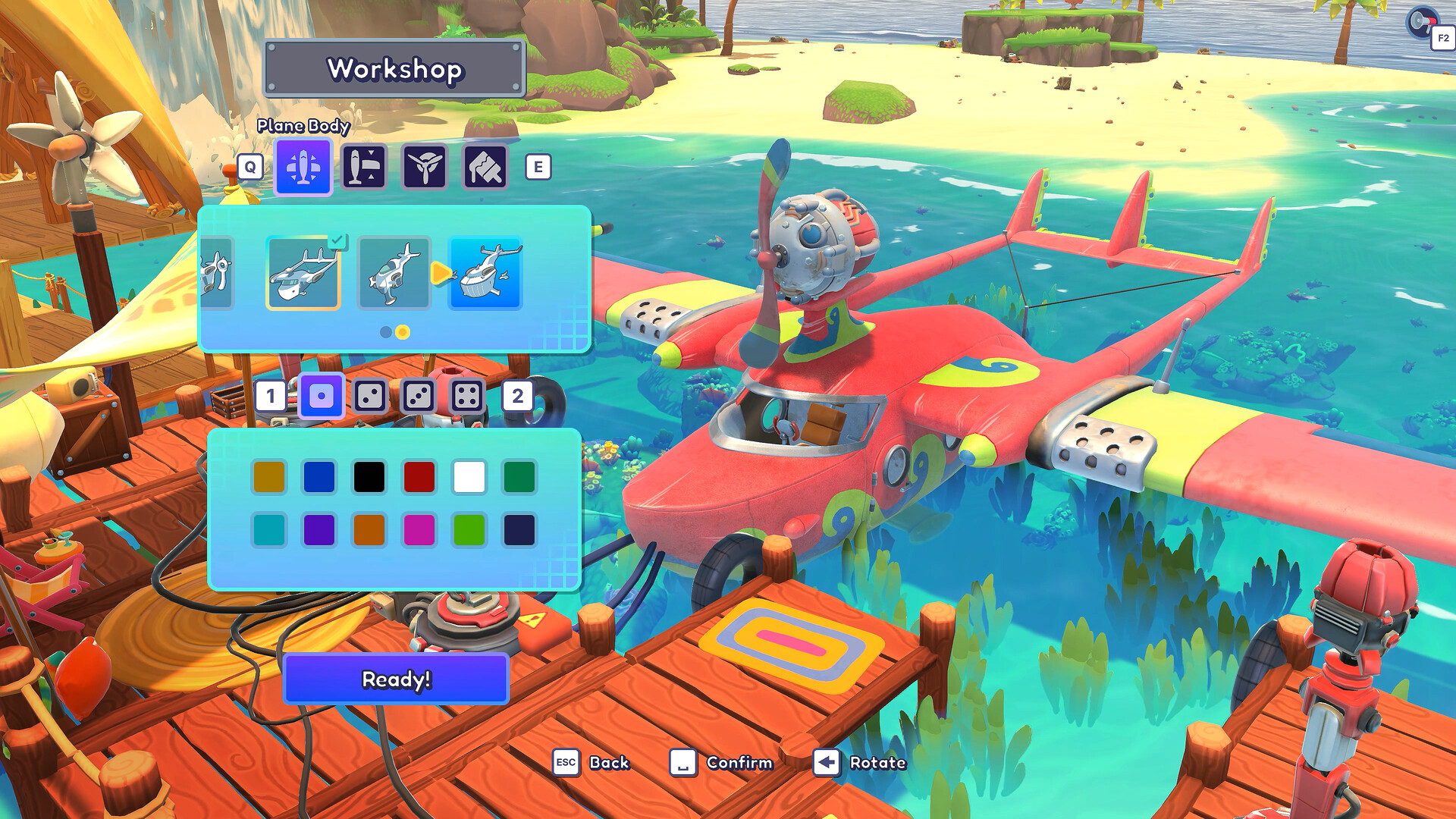
There’s so much love poured into this project, and we were anything but immune to the chill vibes.
The world does most of the work
The weather changes and so does the time of day, and both have a noticeable effect on how the islands look. A beach that looks bright and lively during the afternoon feels quite different once the sun goes down. Rain changes the atmosphere again.
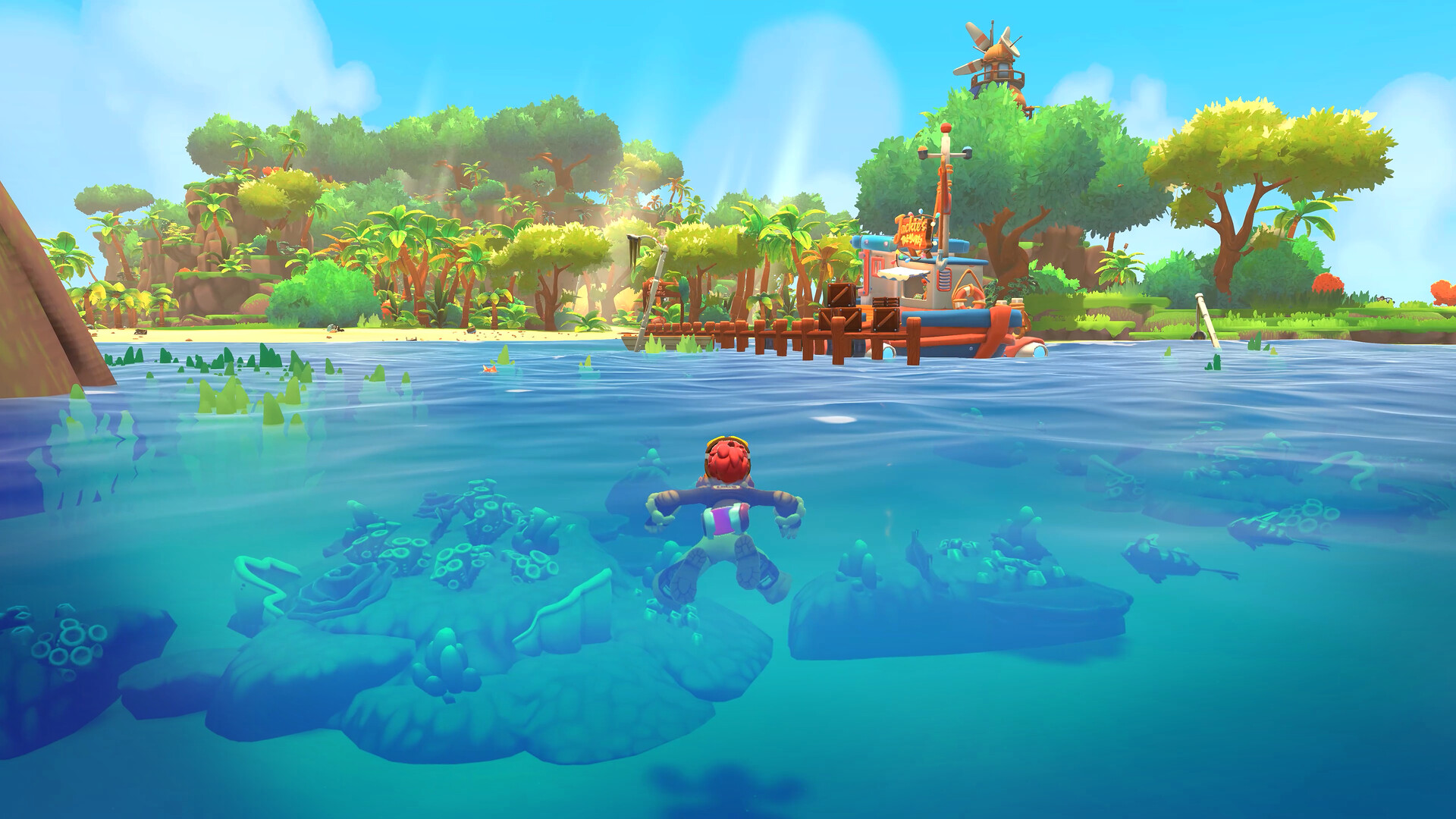
We particularly liked the small details—they’re what made us appreciate our stay. The water moves around the shore, animals wander through the environment, and the plants react to the wind. None of this is particularly complicated, but it stops the islands from feeling like static scenery. The sound design helps too. We hear the waves and birds around us, with waterfalls and other environmental sounds appearing as we move around. The music stays fairly quiet and fits the setting without becoming something we have to consciously listen to.
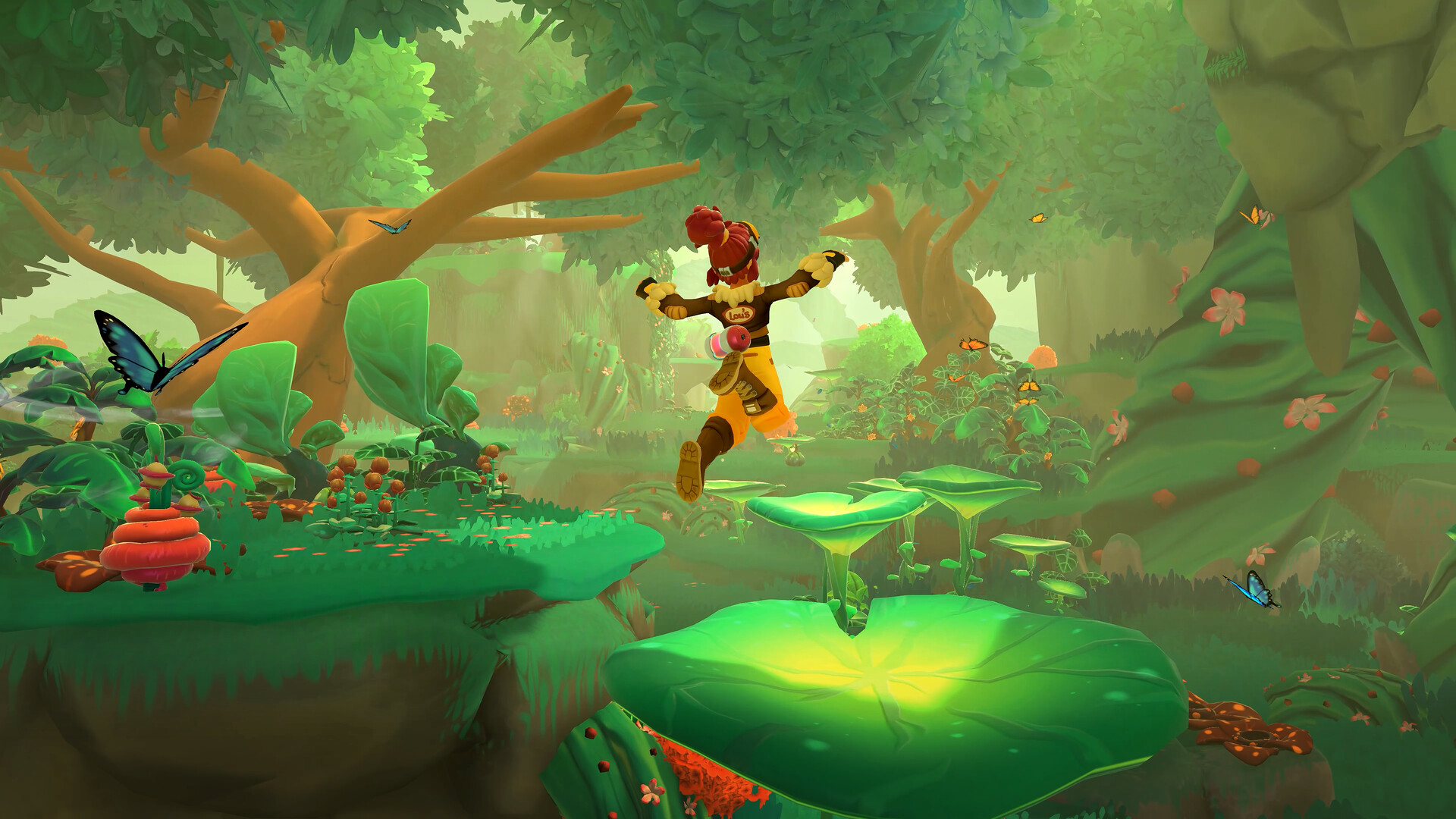
It all makes the islands very easy to spend time in. That might also be why we think the game could be mistaken for something aimed exclusively at children.
Our nephews absolutely loved it. The colorful characters, simple quests, and friendly presentation are obviously going to appeal to younger players. But the author of this text is 41, and he enjoyed himself immensely.
There were plenty of times when we didn’t prioritize completing the next objective. We’d start looking for resources, notice something in the distance, go there, find a chest, and then end up somewhere completely different from where we originally intended to go.

A simple adventure that knows how to leave us alone
There are things here that could have been better. The inventory can become annoying. Resource gathering can get repetitive. The construction system is, without a doubt, extremely limited, and some quests are little more than going somewhere, finding something, and bringing it back. The absence of combat also keeps the game at a slower pace.
The game doesn’t have a huge number of systems competing for attention, either. Once you’ve seen how collecting, crafting, and upgrading work, there won’t be many mechanically surprising moments waiting for you. And yet, we played the game to completion and we still think about starting a second run. Lou’s Lagoon is a game that’s made to be enjoyed in one particular way, without burdening you with unnecessary systems.
We liked arriving at a new island and seeing what was there. Meeting another group of characters and finding out what sort of problems they had was an enjoyable process, especially when, while questing, we went off the beaten path and found chests tucked away somewhere unexpected. Once the plane was available, we enjoyed flying over the water, too.

The story about Uncle Lou gives all of this some direction, but it was the islands that pushed us onward.
Lou’s Lagoon is a game we could see working particularly well after a long day when we don’t want another game shouting objectives at us every few minutes. We collect things. We fix things. We help people. We fly somewhere else. All that is neatly blended into a breathtakingly beautiful world. What happened to Uncle Lou? You will come for him, but you will stay for the Lagoon.

Leave a Reply