
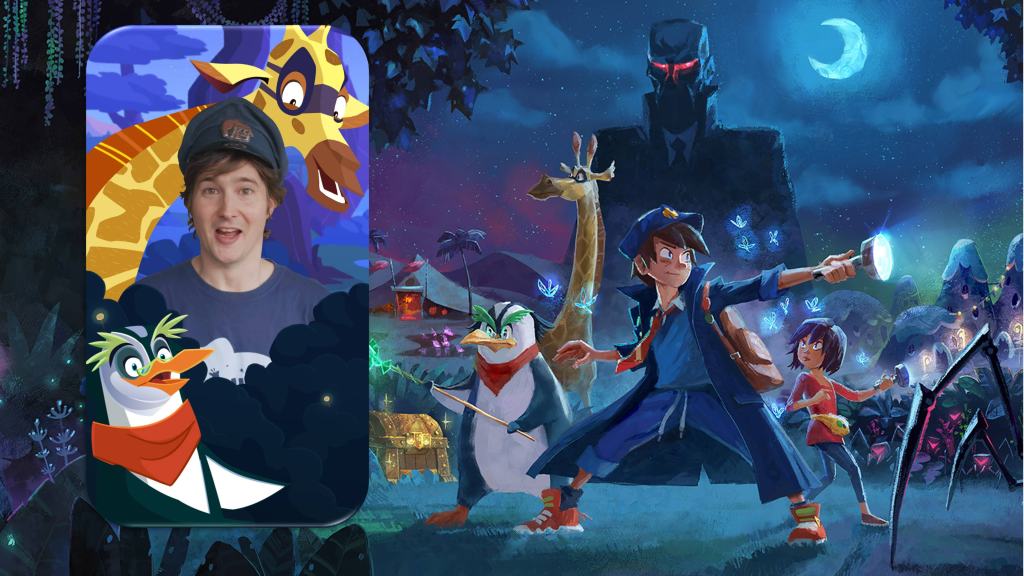
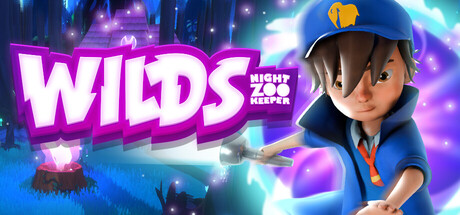
The developers at Night Zookeeper have built their reputation on fostering childhood creativity across books, television, and educational web platforms. Now, they are bringing that same ethos to the video game space with Wilds by Night Zookeeper, a multiplayer title that asks players to draw their own characters from scratch and watch them spring to life in three dimensions.
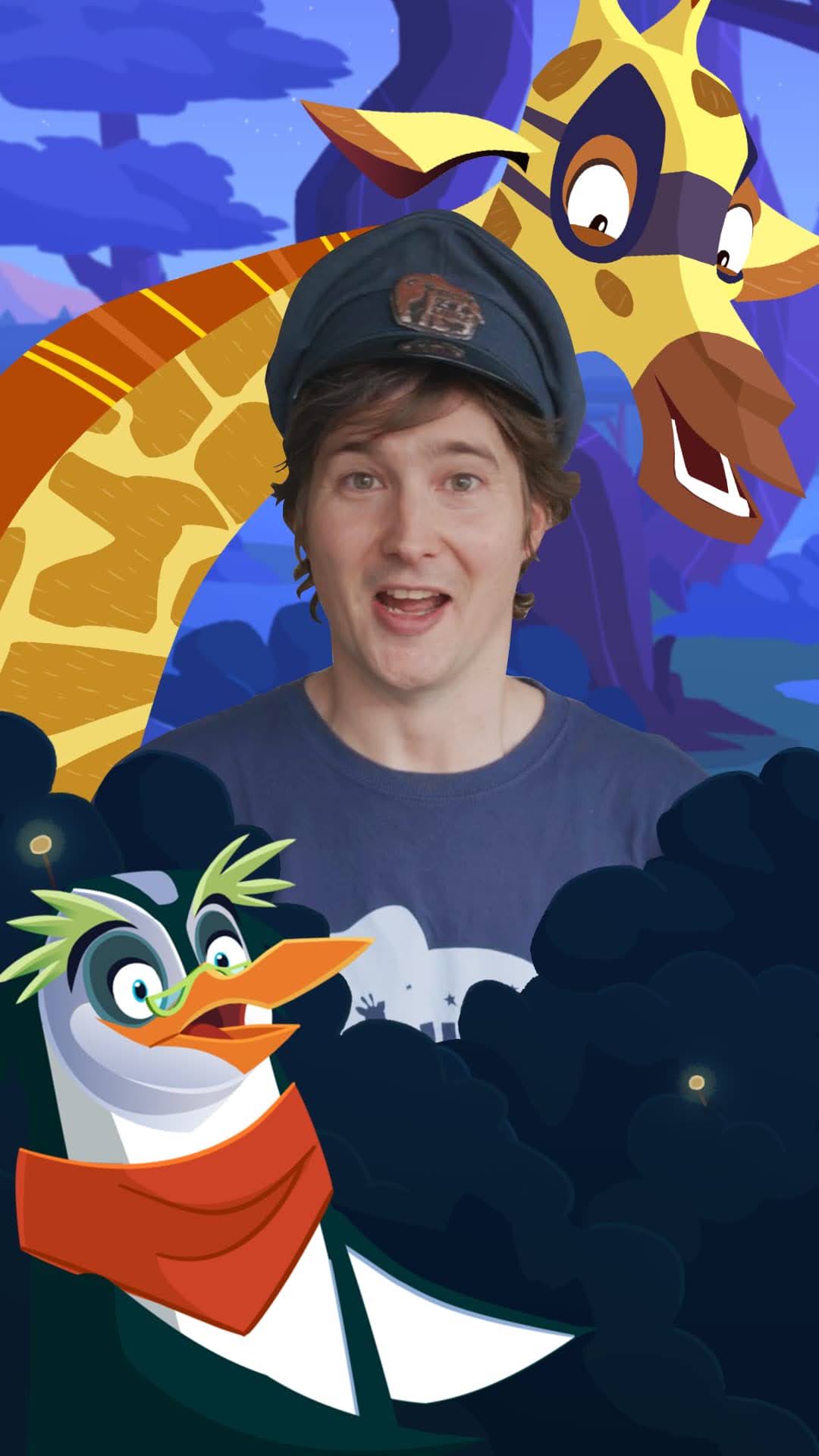
Rather than giving players a catalog of prefabricated assets to snap together, the studio invested in translation tools capable of rendering completely unique 2D shapes into fully playable 3D avatars. Josh Davidson, co-founder of Night Zookeeper, was kind enought to discuss the technical realities of animating player imagination, the challenge of balancing a competitive multiplayer game where loadouts are completely detached from visual design, and how his team built a safe, living ecosystem around user-generated art.
This interview would not have been possible without the wonderful people at BOOST COMMUNICATIONS. Many thanks Rebecca Attard!

The Freedom of the Blank Page
Giving players a blank canvas is an inherently risky design choice. Developers often default to component-based character creators to ensure the final models look and function cleanly within the game engine. For the team at Night Zookeeper, however, self-expression had to remain the central pillar of the experience.
“We’ve always believed in the power of self-expression and the freedom of the blank page. Sometimes, creative games can just feel like piano keyboards that can only play preset songs and we wanted our game to feel the opposite, for our players to sit down and think, ‘I could create anything, so what do I want to create today?’ Players have such diverse interests and now they can bring those to life inside our game world, whether it’s an Ice Cream Dog or a Ninja Tennis Racket. Whatever interests you, use it to inspire your characters.”
Realizing that vision required overcoming severe technical hurdles. Early in development, the software responsible for translating a flat, hand-drawn doodle into a volumetric object struggled to process the sheer unpredictability of player submissions.
“When we started, the 2D to 3D models were very hit and miss, to the extent that we planned to offer a tool where you could build your Wild out of ‘parts’. For me though, that was ultimately always an inferior representation of the players’ creativity, so I’m glad we could ditch it as the Wild models improved.”

Once the geometry was solid, the team had to figure out how to make these wildly varied shapes—which naturally lack standard anatomical joints—move convincingly. They initially tested automated rigging software before settling on a more player-directed approach for the game’s launch.
“We explored tools like Anything World, which has incredibly impressive mathematical models to analyse 3D objects and automatically generate rigs and movements. However, our players truly do have WILD imaginations that even then don’t always work, and so for launch at least, we’ve focused on a range of preset animations that work well with the 3D models we create from players’ drawings. We suggest which preset based on their drawing BUT ultimately give the player control to decide how their Wild moves, whether it’s rolling, digging, flying, or bouncing. It really does change the character of their creations.”
Mechanics, Balance, and Input
Because Wilds is launching across PC and mobile platforms, the creation suite itself had to be adaptable. A player using a mouse approaches a digital canvas very differently than someone using a touchscreen.
“Well, thankfully we have worked across Mobile and PC for a long time with our core business Night Zookeeper. We have iOS apps as well as the website, and drawing has always been a core tool set to enable creative expression. Our biggest challenge has actually been translating our learnings to a gaming controller. It still isn’t optimal but I’m glad that we’ve found a way to let players create with their controller if they want to.”

Once these custom characters enter the game’s multiplayer arena, they have to compete fairly. To maintain competitive integrity, the development team completely decoupled a creature’s appearance from its mechanical capabilities.
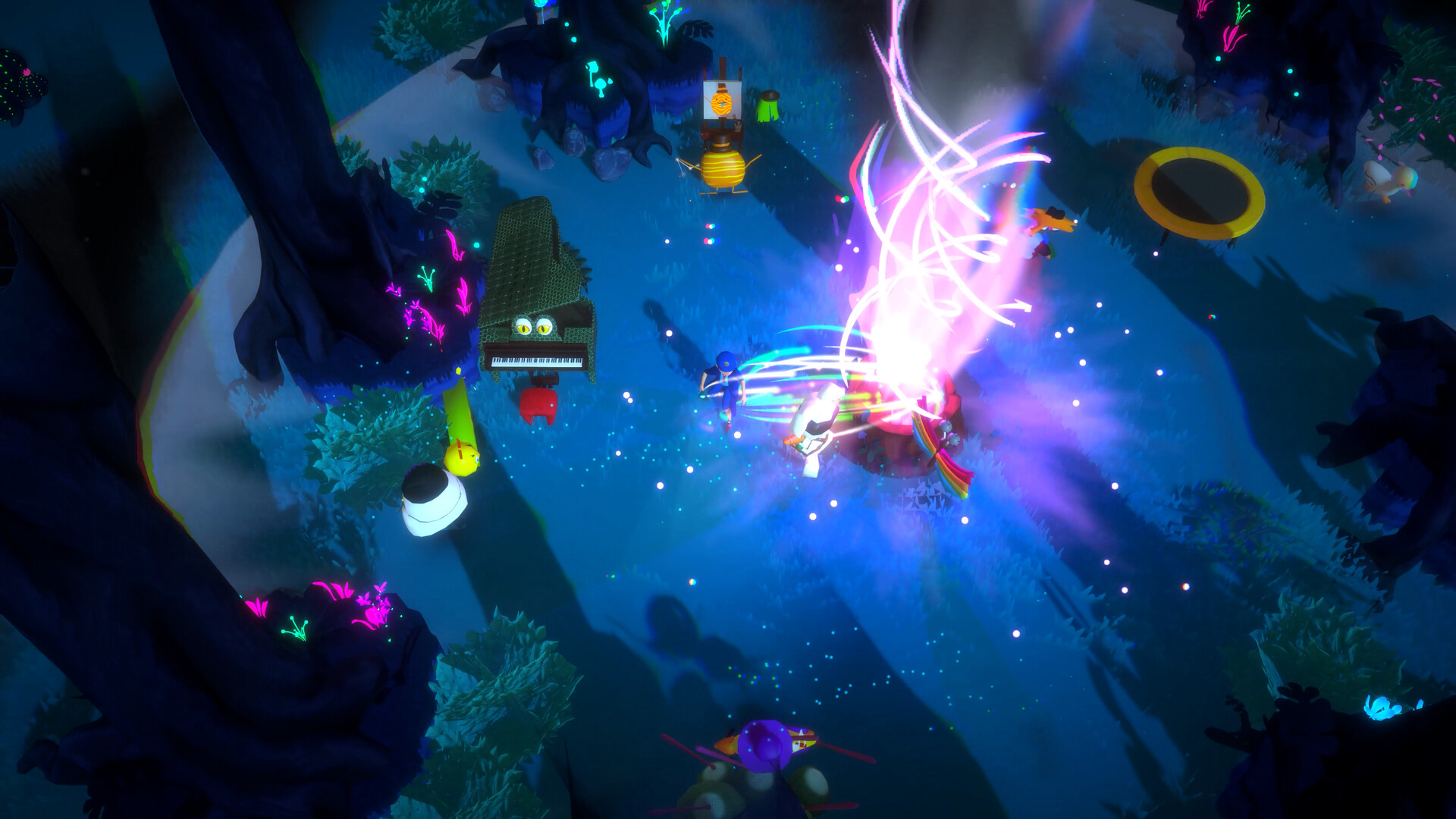
“How your Wild looks has no effect on its power. Abilities come entirely from the loadout, so a wobbly doodle competes on exactly the same footing as a masterpiece. Beyond that, the game is made so that you will most often play against players at a similar level to you. A Wild’s loadout affects how it can help you during a match, so picking a Wild with the correct loadout for a particular match is part of the strategy and fun. That said, if you enter a game of Light Ball with a Wild that doesn’t know how to play, they can still help you win on points. They might be Resourceful and so disappear to harvest imagineberries, or be Curious and try to rescue Night Butterflies.”
Building a Safe, Living World
In multiplayer environments designed for younger audiences, social interaction requires careful moderation. The studio bypassed the traditional pitfalls of voice and text communication entirely, focusing instead on fostering connection through the art itself.
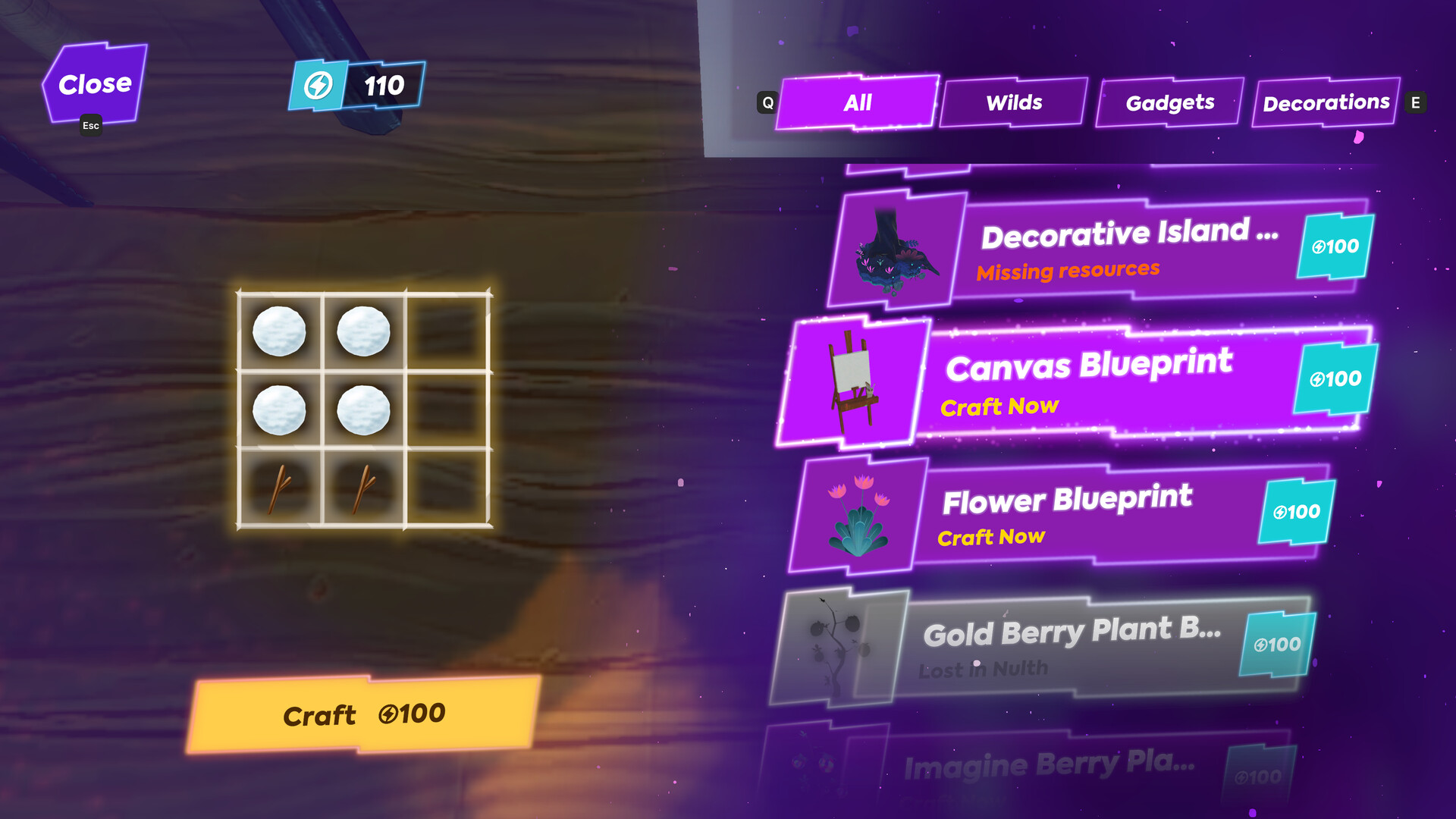
“For us, not allowing live chat was the only choice because it’s the way to guarantee that the game is a completely safe space. We moderate every Wild before creating it to curate a wholesome, imaginative world for our players. We have built the game over the last four years with a creative community on nightzookeeper.com which is moderated by teachers and tutors to let children share their ideas and interact safely. We will continue to enable safe community participation in the game’s creation process as we open up the game to all players.”
Rather than isolating players, the lack of live chat elevates the importance of the creature designs. Sharing and collecting these custom avatars serves as the primary currency of community interaction.
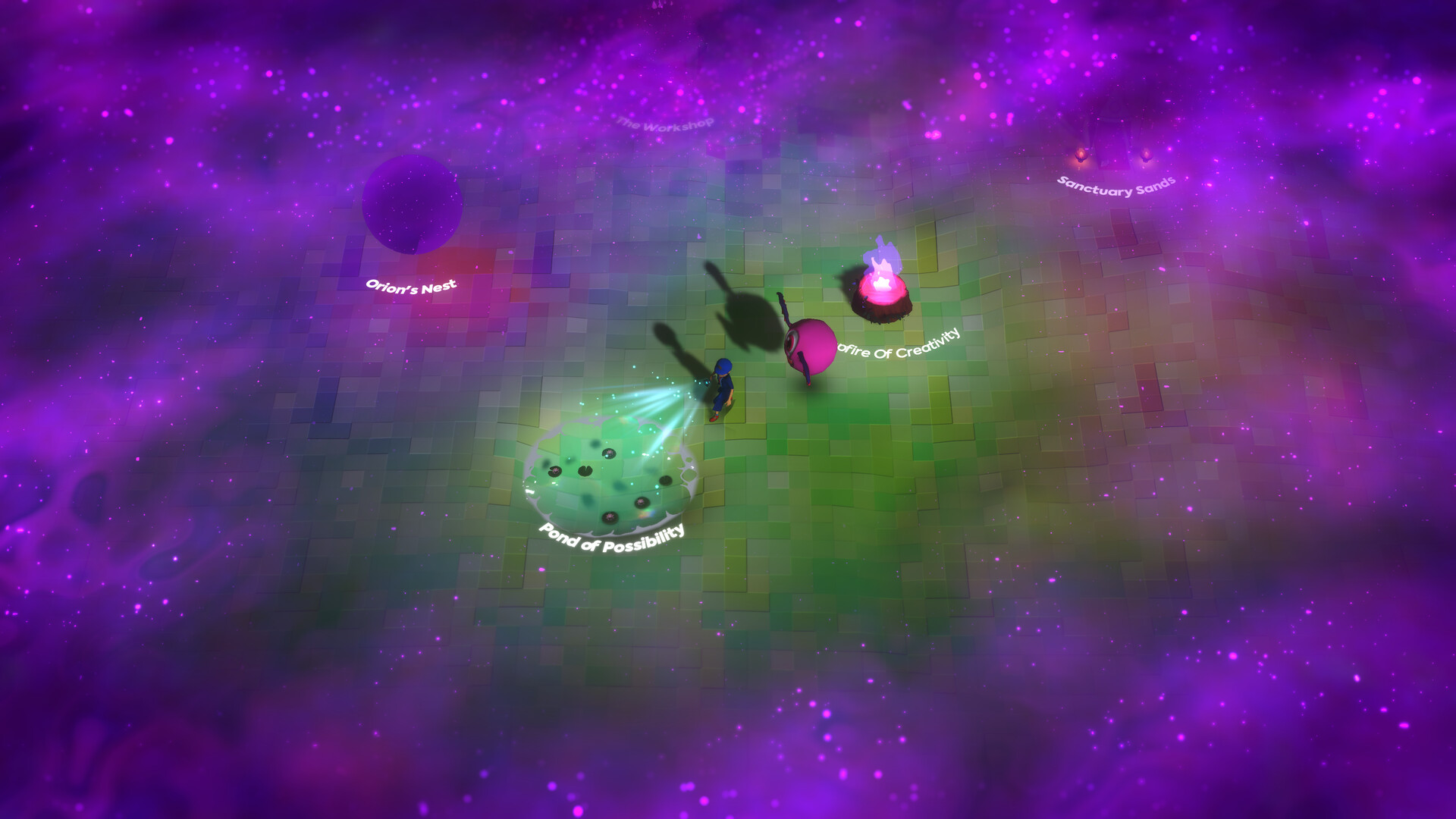
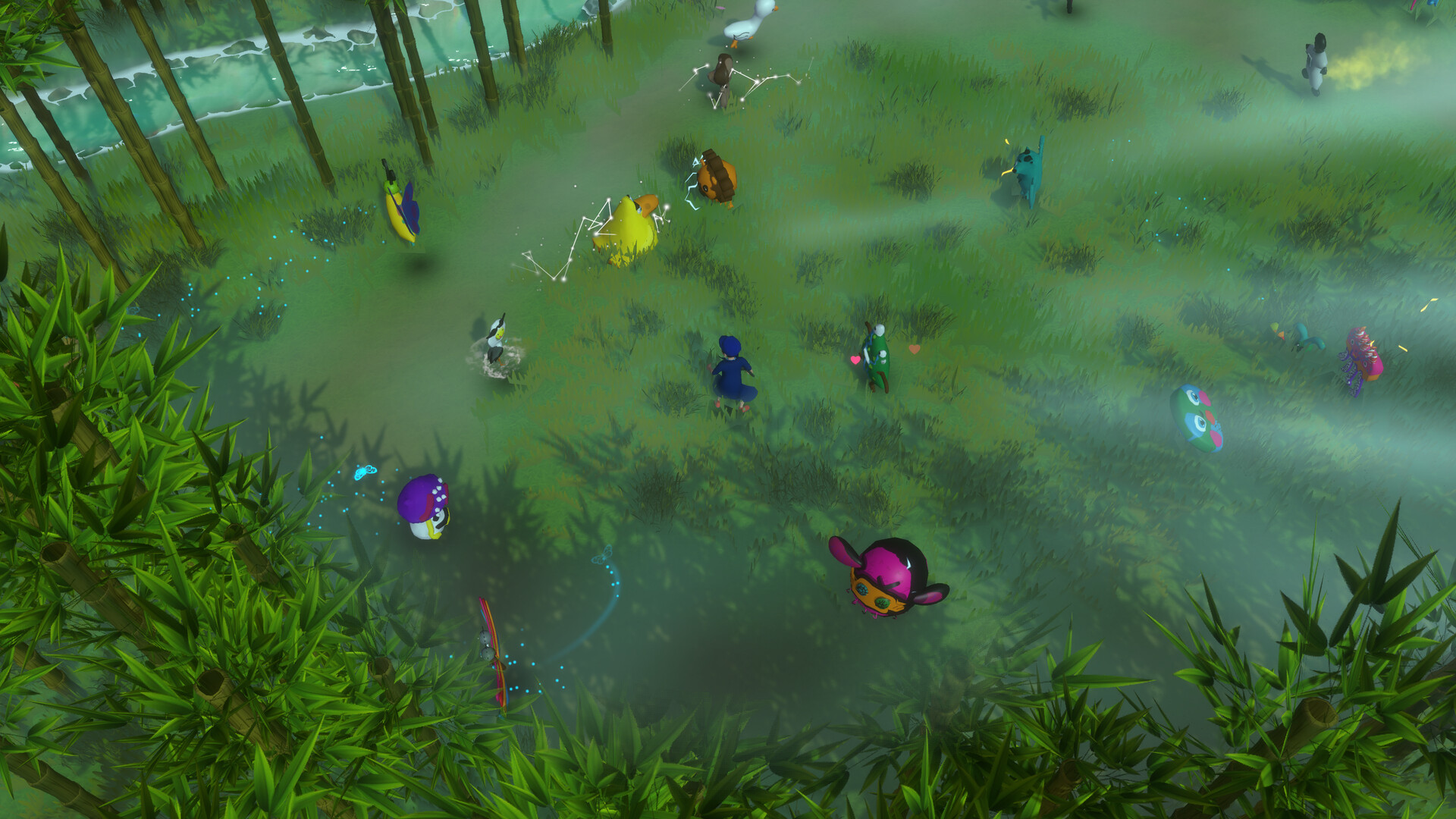
“This is part of our company’s mission. In the past, we created a book series with our players, in which they contributed short stories, locations, plot points, and drawings of strange new Wilds. Then we made a TV series where we let kids write jokes and songs, and draw locations and characters that could appear as they imagined them. In Wilds by Night Zookeeper, your creations have real value in the world. Every Wild gets a unique digital card and share code, which you can share with your friends and family. We’ll run weekly showcases of community Wilds, and players earn in-game currency when other players collect their creation. We also offer player-made Wilds to the broader community in the Pond of Possibilities, which is a great way for players to collect new Wilds when they are looking for different abilities to help them in different matches.”
That collaborative philosophy extends beyond character creation. The studio has established a production pipeline designed to ingest community ideas and implement them directly into the game’s ongoing development.
“We learned a lot about doing this on the TV show. It takes a lot of work to plan your pipeline with community-generated ideas. For us, the process starts with creative prompts. We started with broader prompts to our community about the type of game that would interest them. Then, after a few months of prototyping, we held early playtests with BAFTA Young Game Designers participants. They validated some of the ideas and helped us roughly understand the shape of what we needed the game to be. Over the last four years the briefs became more specific and focused, and we’ve saved thousands of open briefs for players that join us at the game’s release. The game will be a living world with seasons arriving regularly and a chance to shape each one. Unlike the books or the show, I love that the game can become an ever evolving expression of our community.”
This reliance on player agency fundamentally shifts the standard dynamic between developer and audience. Handing over the core visual identity of a game is a significant risk, but for the team at Night Zookeeper, it is the core tenet of the project.
“I remember reading a Will Wright quote nearly 15 years ago, where he said that ‘creation was the game’. That has been a core tenet of my game design philosophy ever since. In all our years building Night Zookeeper, and again now with our early playtests of Wilds, we’ve seen the sheer joy on players’ faces from bringing their ideas to life. In a world where anyone can go from imagination to reality faster than ever before, inviting players into your game design might be the only way to truly reflect their world. That said, a game design is still an engine that needs to be tinkered with and built for fun. Therefore, my only advice would be to know your game really, really well so that you can open up the parts that make sense to other collaborators, without breaking the core experience.”
Wilds by Night Zookeeper is trusting players to design the very creatures that inhabit its world. This way, the game is shaping up to be a collaborative digital canvas. As development continues, Davidson and his team remain focused on ensuring that every doodle, sketch, and scribble has a meaningful place to call home.


Leave a Reply