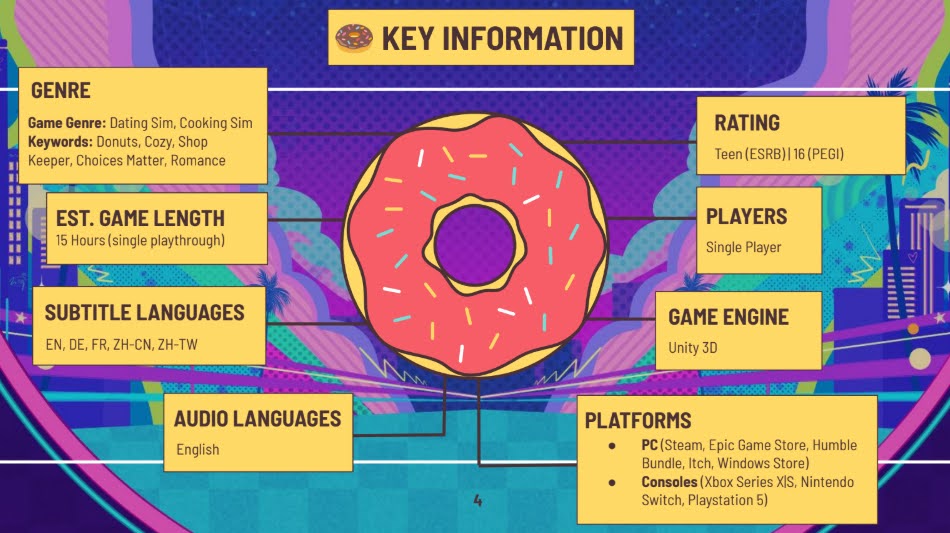
Developed as a cozy dating and cooking sim, High Times – Dating/Cooking Sim revolves around a donut shop where every pastry carries an emotional effect. These donust are like food for the mind and the soul as they help customers work through heartbreak and uncertainty. Even strained relationships can be remedied. Here, you’re choosing not just what to serve, but what someone truly needs.
With more than 30 customers, six romanceable characters, multiple endings, fully voiced dialogue, and branching conversations influenced by both player choices and mood-changing donuts, High Times blends visual novel storytelling with management mechanics in an unusual way.
We spoke with the team about turning food into a storytelling mechanic, writing believable conversations, balancing player choice with emotional nuance, and the challenges of building a game where empathy sits at the center of every decision. What follows are the insightful answers to two of the three main writers of the game, Carlos Valdes and Vesper Fox.
Game developed by Yangyang Mobile
This interview would not have been possible without the wonderful people at Not a Shark PR. Many thanks Vincent Gallopain.
When a Donut Becomes a Dialogue Choice
One of the most distinctive ideas behind High Times is that donuts don’t simply restore health or provide buffs—they become the player’s primary way of communicating with customers.
The central mechanic of High Times turns donuts into an emotional tool, where different flavors can influence customers’ moods and decisions. How did you approach designing a system where food acts almost like a dialogue option, and how did you avoid making the player feel like they were simply selecting the “correct” emotional answer instead of genuinely understanding each character’s problems?
I love the way you phrased it as “food acting as a dialogue option” and that’s exactly what we were going for. Early iterations of the game’s concept were based simply on making donuts and just showing the customers a good time, however, as we were writing the story we decided to add a science fiction element in regards to each donut flavor giving the customers different moods.
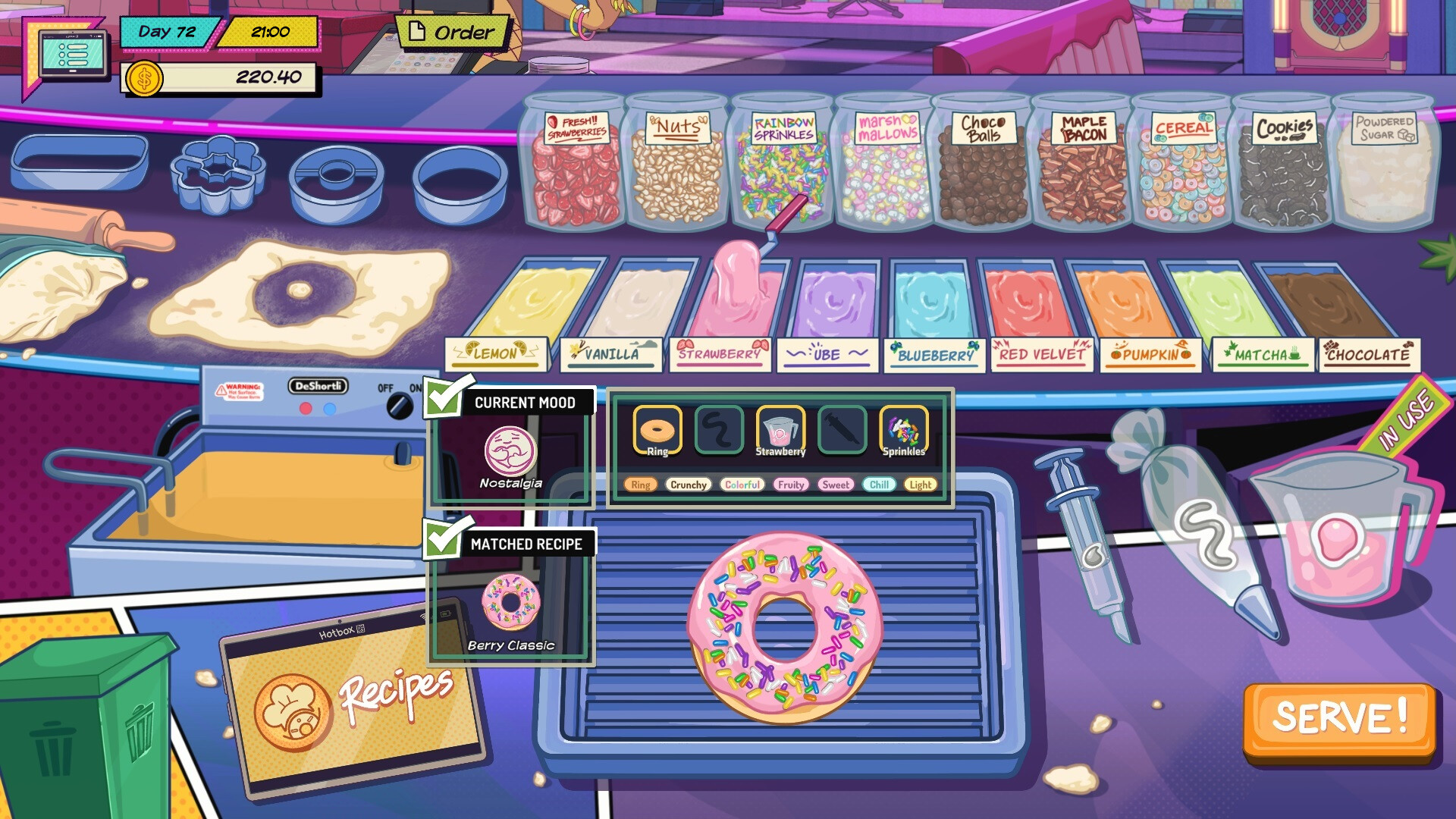
Building on this is what gave us the “food service as therapy kind of approach” since we wanted to lean into having these characters come in with their problems and give you, the player, an opportunity to not just give them advice using dialogue options, but have these donut making segments directly play into these emotional scenes as well.
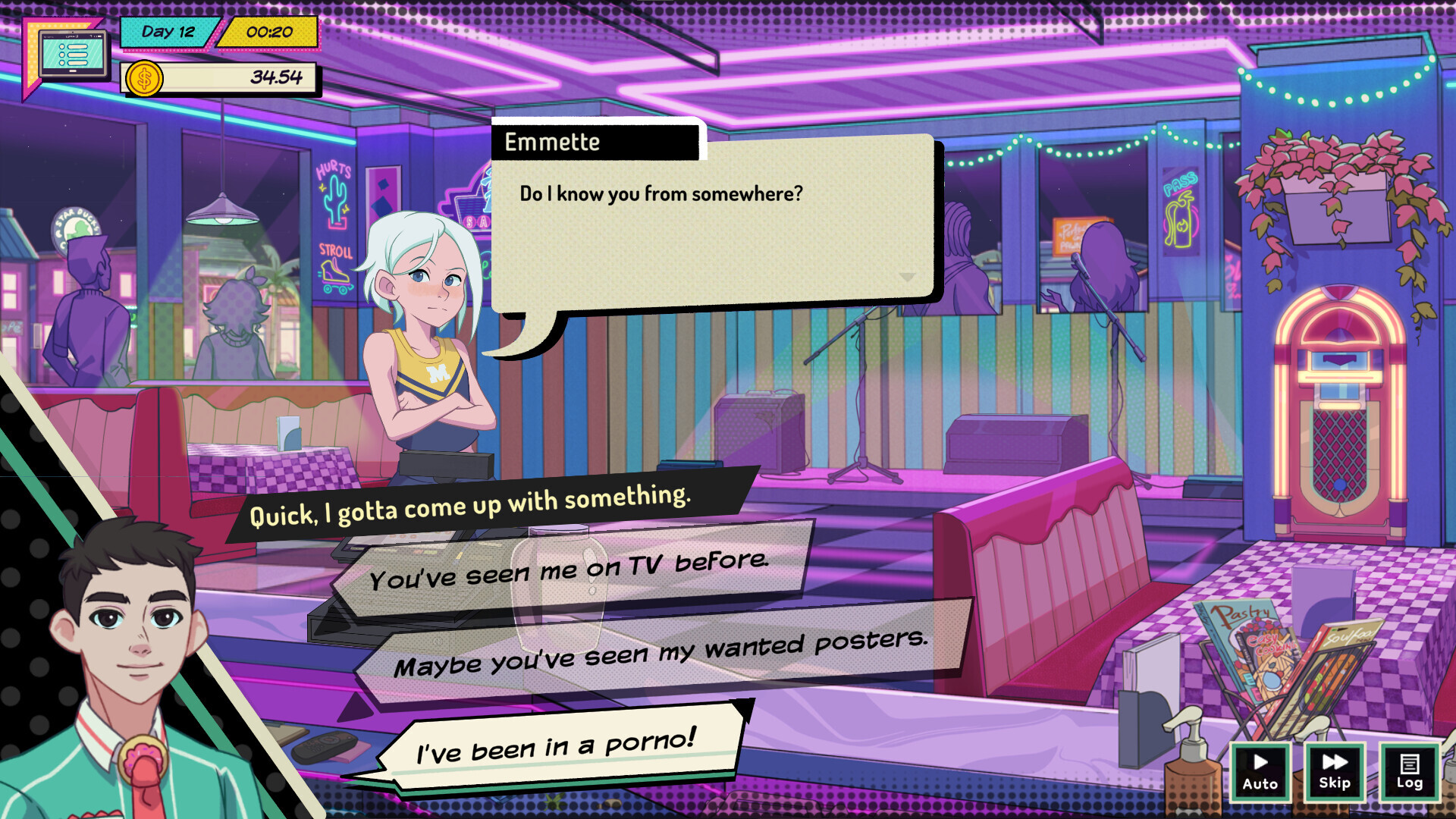
Now, for the second part of your question, which is actually a really good one as that proved to be one of our primary concerns. Stripping everything down to its design basics, depending on the scene, there are flavors that serve as the correct choices to gain points for the characters good, bad, and romance endings. We even added a “clarify” which upon clicking gives the players a huge hint as to what the correct flavor may be at the cost of reducing the amount of money they get for the order (going through the whole game without the clarify hints is basically giving players the “challenge” mode for reading the characters emotions and what not). However, we tried our best in not making things too cut and dry, but doing a couple of things.
Variety of moods being the correct answer: while there are some scenes (particularly when the characters make a direct request), that ask for one correct answer, we tried our best to have more ambiguous scenarios wherein different flavors serve as the correct answer. For instance, if a character is frustrated with say, their sister, the player could serve them nostalgia (which would bring back fond memories of their sister and help them gain empathy). However, flavors such as sincerity or patience could also meet the same goal. We’re proud to say that in most of these core scenes, serving them different flavors will indeed elicit a unique response. “I should be more honest with my feelings, okay I’ll talk to her” vs. “Ahhh, this donut makes me feel more patient… okay, I think I should apologize”. You’re getting to the same outcome, but the journey there is slightly different based on what you the player may believe is the best emotion to use.
Situations and problems built around nuance, ambiguity, and complexity: While we do have a number of requests come across as more straight forward (Example: I’m stressed so therefore a donut which relaxes me would be the correct one). For the core emotional scenes of the main characters, we gave them ongoing problems and issues whose resolution occurs throughout the course of their story arcs.
For the more complex requests, characters won’t really know what they want, they’ll just inform you of their ongoing problem. Using the sister example I gave above, what if a character and their sister shared the traumatic loss of a parental figure, for instance? And the sister processed that trauma in a way that made them more controlling, while the character in question was affected by that same trauma in a way that made them prone to self sabotage? Who do you side with, the customer or their sister? We hope we crafted an experience wherein the player would stop and think—reflecting upon all their previous interactions in order to determine whether their customer may need courage, sincerity, or maybe even inspiration during these moments.
All of this is to say that in summary: We strived to create enough nuance in the problems your customers find themselves in, and in doing so, we hope to spur the player into also digesting (donut pun intended) the situation with thought and consideration. Fingers crossed, we tried our best, and we sure hope it lands!
The same philosophy shaped how conversations themselves were written. Rather than clearly signaling the “correct” answer, the goal was to make players interpret context much like they would during conversations with friends. Choosing the right donut requires players to listen carefully to customer stories and interpret what they need emotionally. How did you design the customer conversations and writing process so that players could pick up on subtle emotional cues rather than relying on obvious hints about which donut to serve?
In writing, especially in screenplays and video games, there’s usually this idea that dialogue doesn’t need to totally mimic real life, mostly because real life conversations can be either awkward or repetitive. I’d say video game dialogue in particular is usually 60% “realistic.” Games like Mass Effect, Dragon Age, and Baldur’s Gate come to mind with that level of realism—the conversation topics feel very real, but they go more smoothly, and characters speak confidently without the awkwardness of people still thinking about what they want to say.
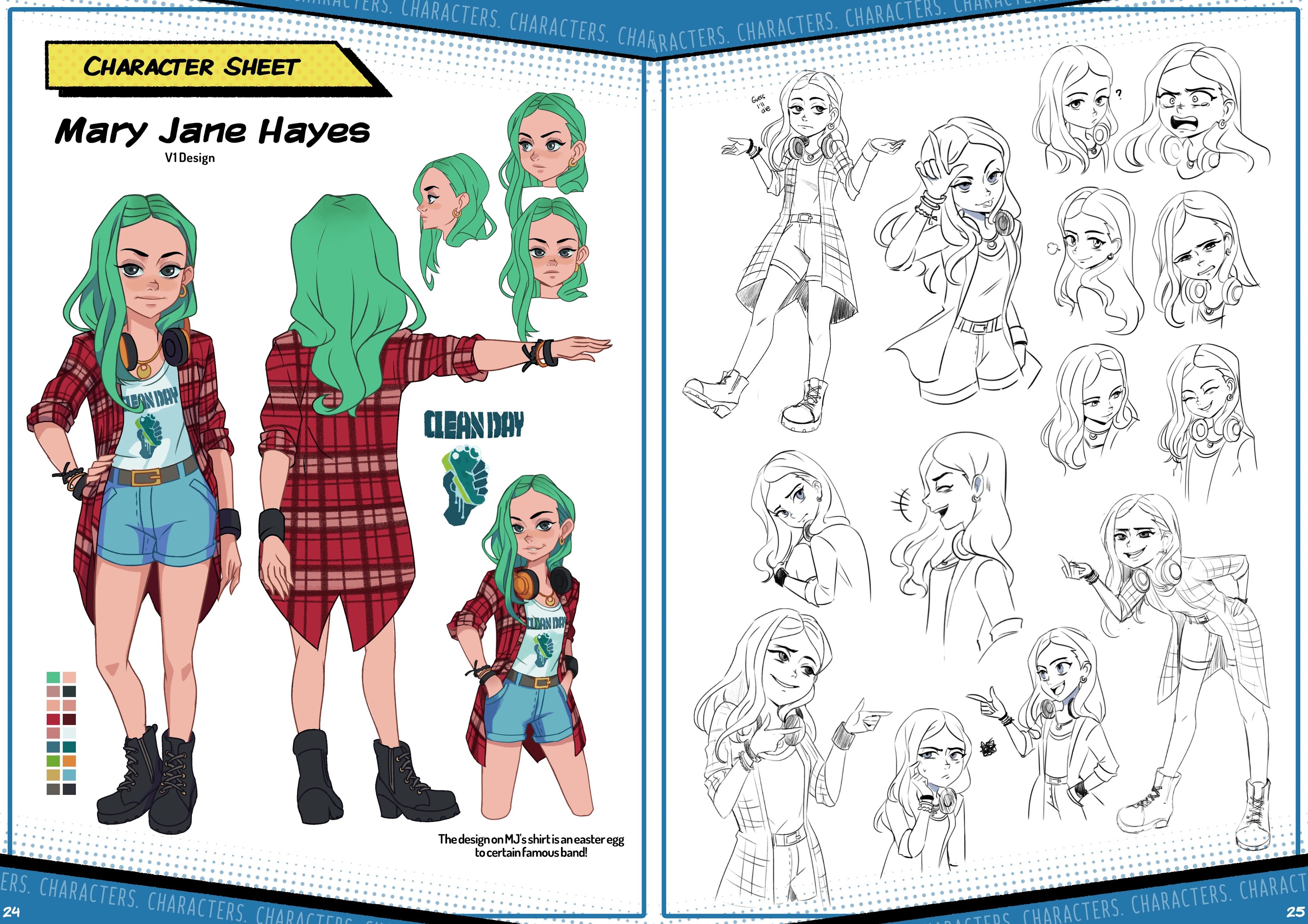
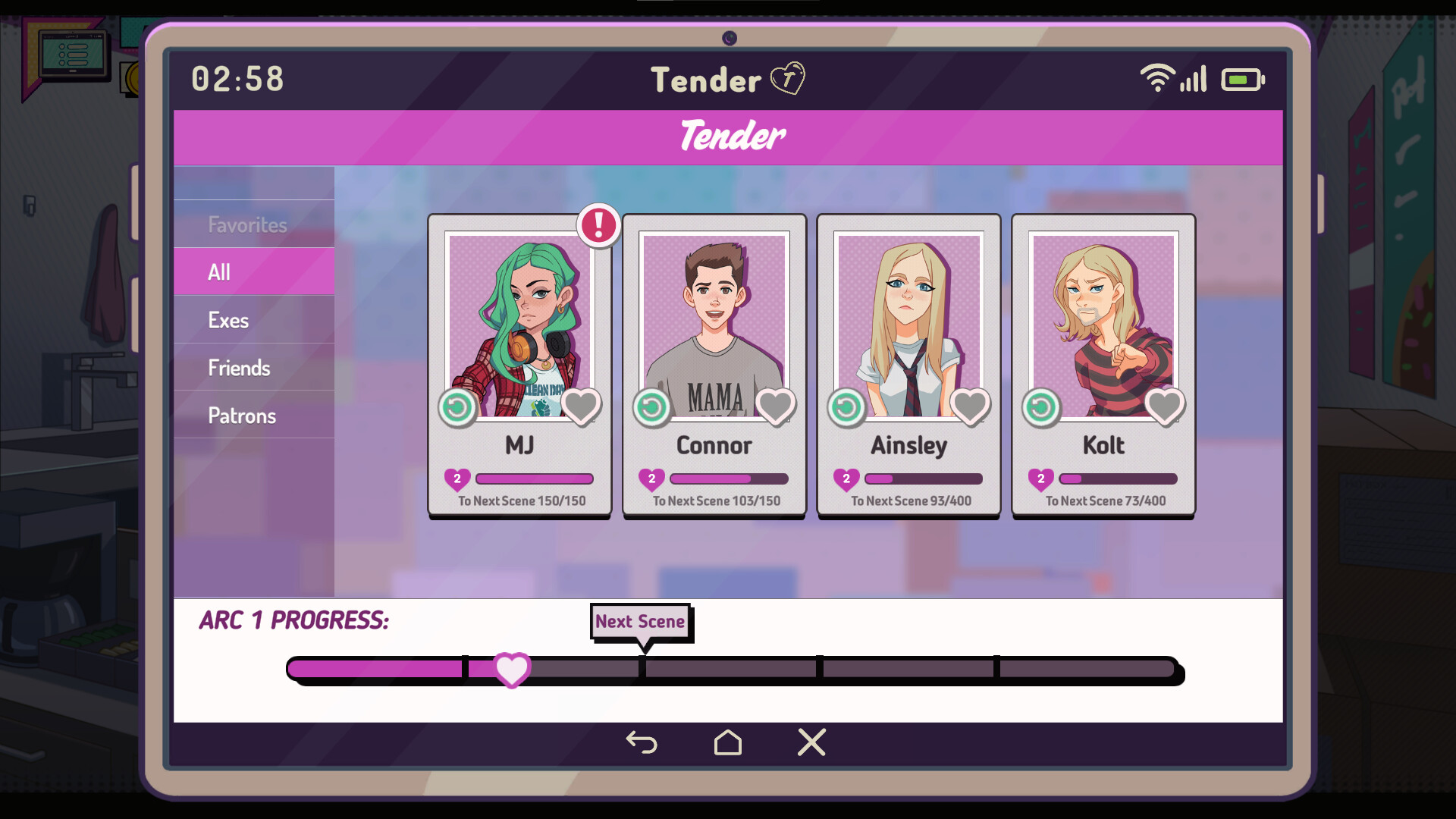
It’s a bit of a risk, but we tried to amp up that realism in High Times. We wanted the dialogue to feel as if you’re having conversations you normally would with friends. Sometimes this entails awkwardness, because we don’t always know what to say or why we even say and do certain things, but that “awkwardness of realism” also gets people to pay attention. For example, it might feel like: MJ has been vague about her day and she keeps changing the topic—why is she being so vague? That question can then lead players to decide what to do with that vagueness. Maybe she needs sincerity? Or courage, even?
In a way, we wanted it to feel like how we try to guess how our friends might be feeling through context clues or filling in the blanks. A lot of real life interactions can feel like guesswork at times, and this is what we want to evoke when players meet the characters.
Building Consequences Around Relationships
Because donuts influence character arcs alongside dialogue choices, the branching narrative required tracking far more variables than a traditional visual novel. Some customers in High Times can have multiple endings depending on the donuts served and the choices players make. How did you structure the narrative system behind these branching outcomes, and what were some of the challenges in ensuring that different endings felt like meaningful consequences rather than simple “good” or “bad” results?
We’re no strangers to branching narratives, having made multiple visual novels and dating sims in the past. In this game, however, it’s not just the dialogue options that change things but also the donuts you serve your customers. Writing different reactions for different moods was quite ambitious and we hope we did our best to give players the joy of seeing the customers’ different “mood reactions”. To peel back the mystery without spoiling too much: the endings depend on a mix of both dialogue options and giving the customers the right donuts, with small variances across the scenes to adjust based on the choices you’ve made along the way.
We had a lot of fun with these “butterfly” effects. I’ve always liked it in games when characters would make a callback to a decision that you made, and though keeping track of all these little butterfly effects can be tiring, we hope we did enough to make the player feel that their roleplay decisions are being noticed by the game.
For some characters, we actually strived to make their endings more ambiguous, rather than a cut and dry good vs. bad ending. Should a person quit their job or continue it because it’s what they love? While some endings definitely feel more positive than others, a good number of them may not be as clear cut.
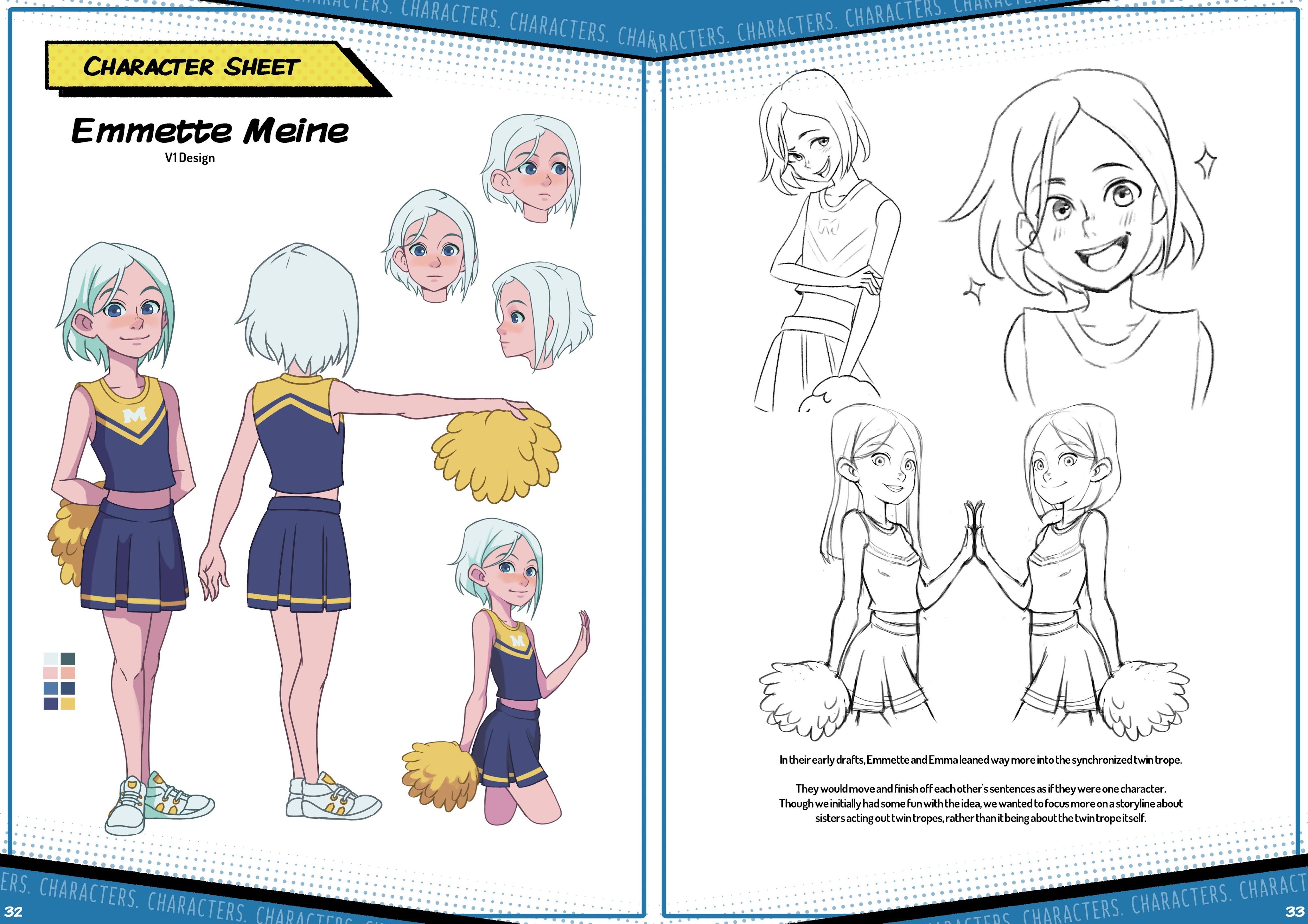
Creating such a large cast presented another challenge: ensuring every character felt distinct while maintaining a coherent world. With more than 30 customers and six romanceable characters, High Times has a large cast for a game built around relatively intimate conversations. What tools, workflows, or narrative systems did you create to keep each character’s personality, emotional needs, and donut preferences distinct throughout development?
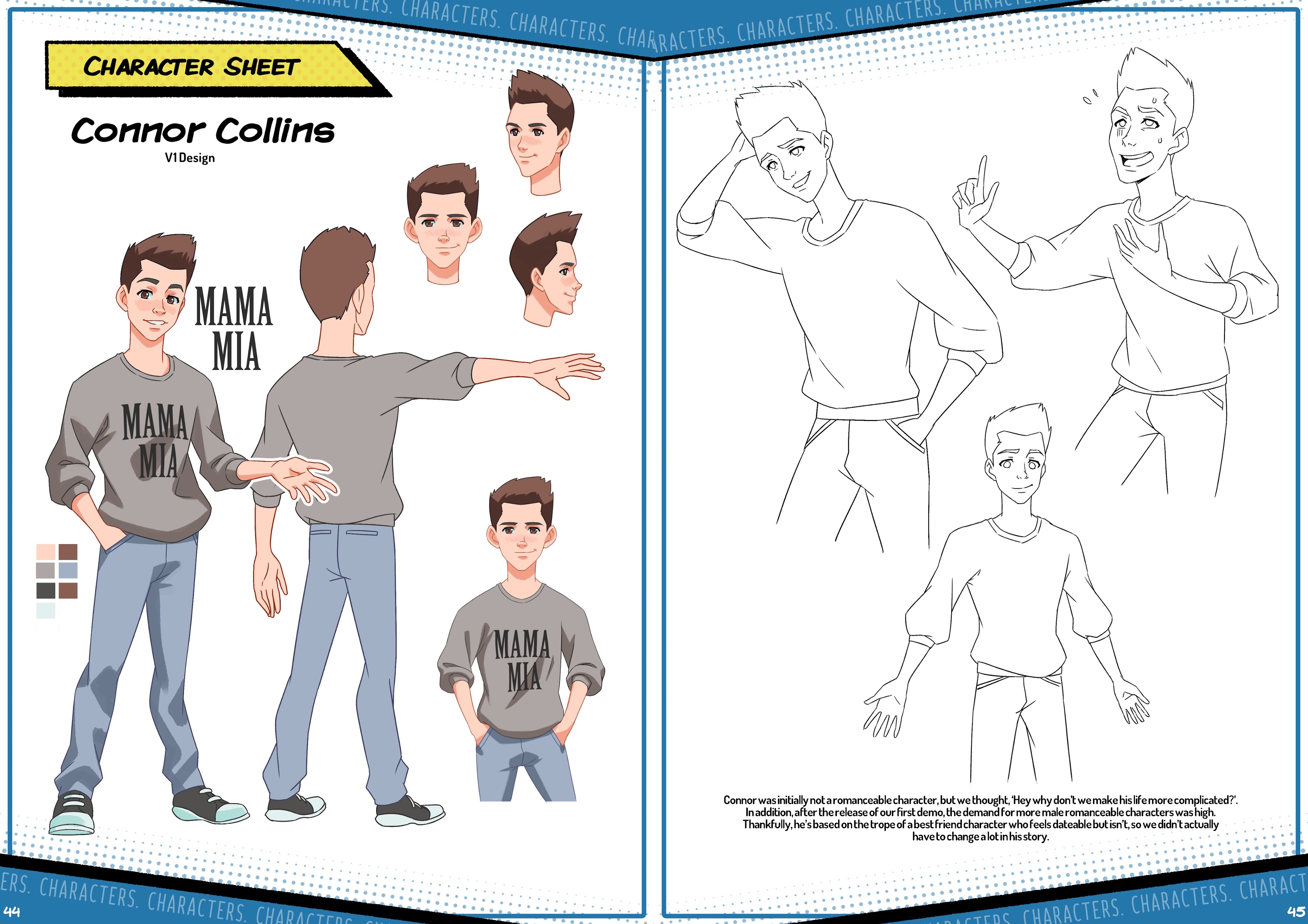
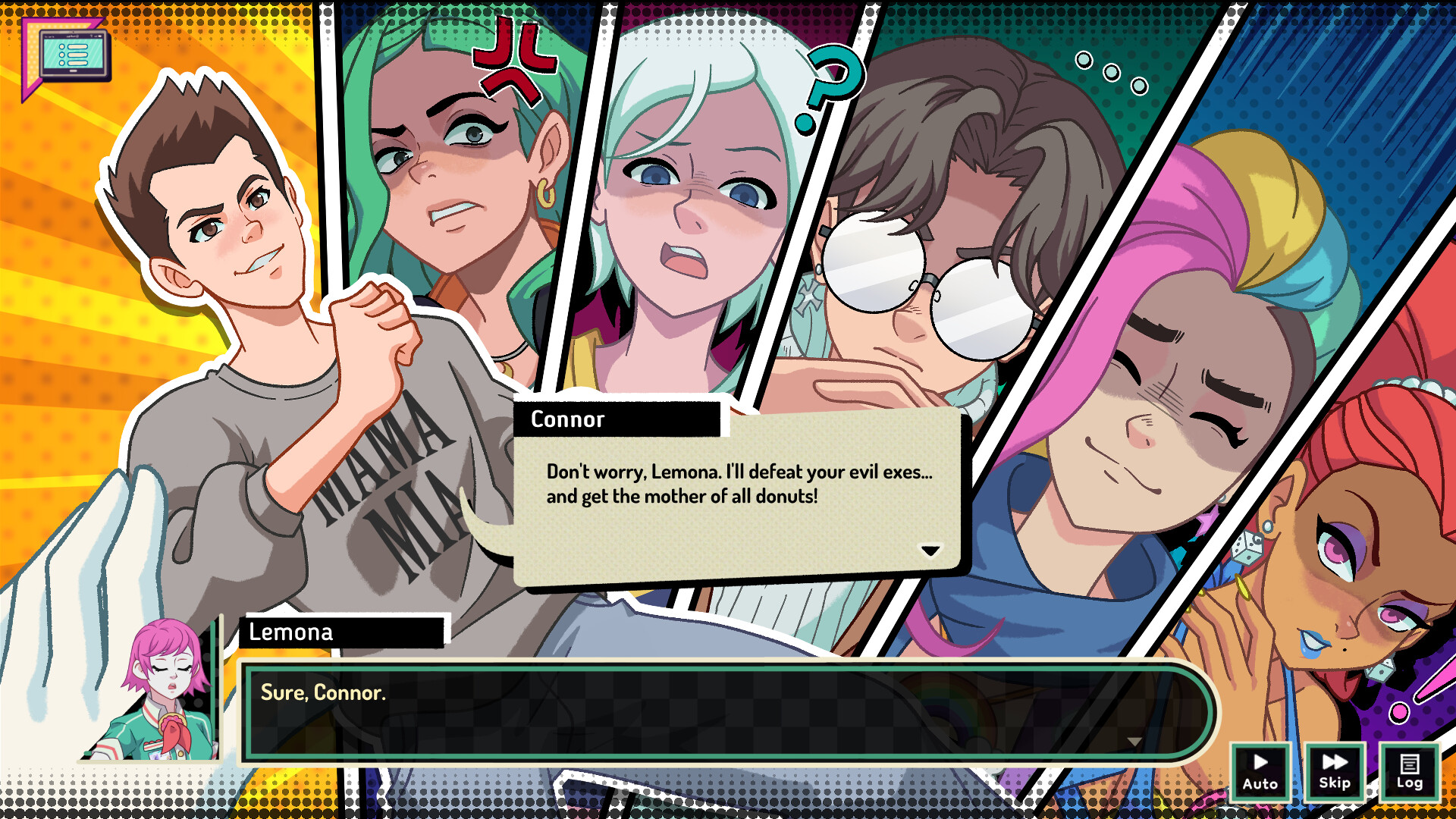
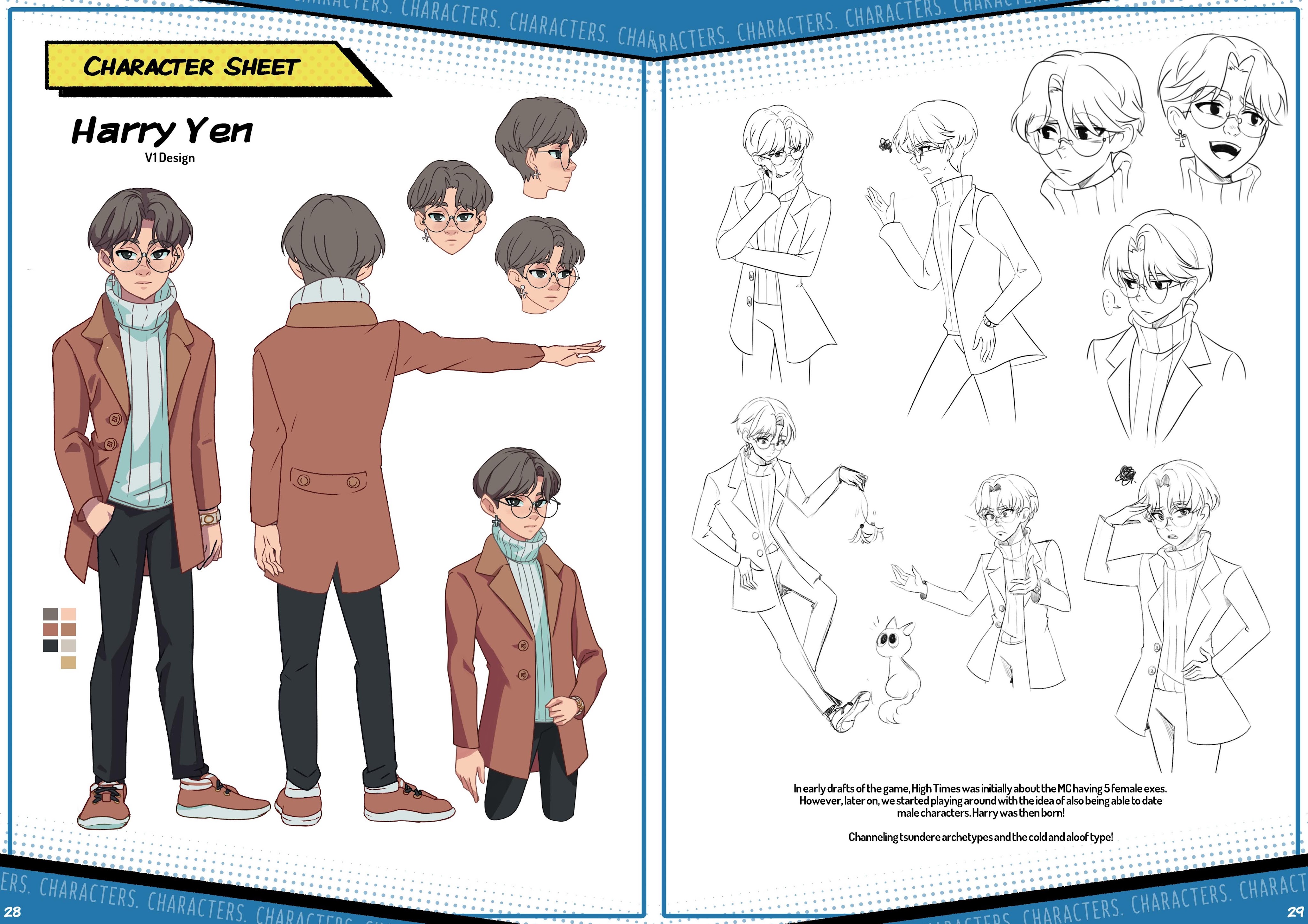
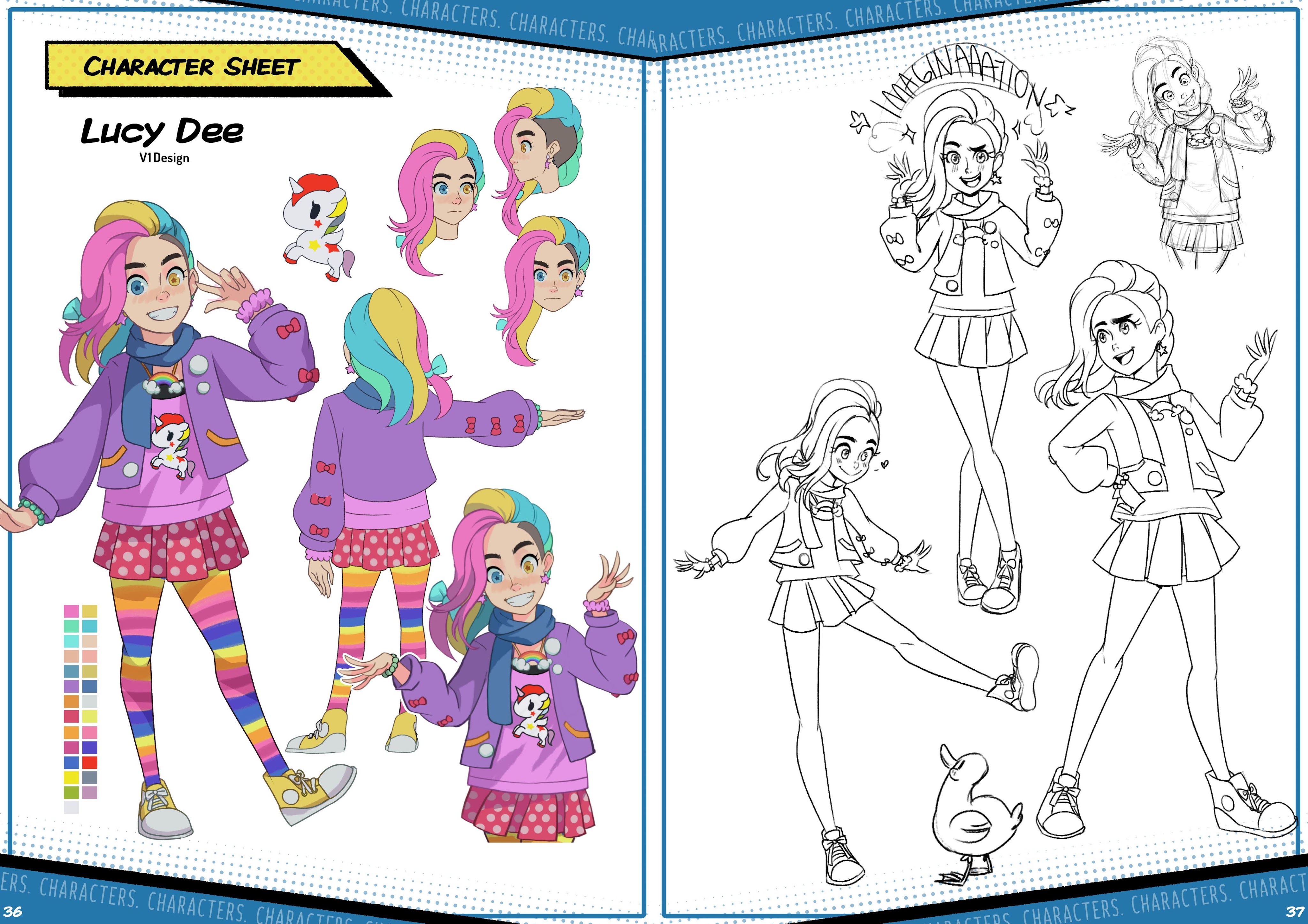
Since most of the characters’ designs came before the actual character profiles and sheets, we worked with what we saw in the characters. We asked questions like, what does it mean for Connor to have a “Mamma Mia” shirt? Why does Harry dress like that and what does that say about his routines, how he wants to present himself? Why does Lucy have multiple hair colours, and how did that happen? We let ourselves be inspired by the characters and, in a way, let them tell their stories to us through their visuals.
After that, we built character sheets that focused on exploring their inner emotional worlds, and what donuts might become their favourites (or what flavors and ingredients they’d avoid). Once we had those, we had a clearer idea of what the characters represented. In particular, the exes’ dynamics with the MC also mirror a person’s stages of development (as per Erik Erikson’s psychosocial stage model), and what values MC might have had around the time they were together.
Choosing the Right Emotion
Although the final game centers on positive emotional states, that wasn’t always the plan. The donuts themselves are essentially a gameplay language, with different emotional effects changing how characters respond. How much experimentation went into deciding which emotions could be represented mechanically, and were there any donut effects or emotional states that you tested but eventually removed because they created problems for the design?
Very early on we experimented with more negative moods like zeal, anger, anxiety. But as we built the world we realized that people wouldn’t really come to a donut shop to feel negative feelings. Though upon reflection, there would probably be a market for that in the world of High Times, but we decided to lean in on the more “positive” emotions (the final list was: relaxation, nostalgia, sincerity, patience, inspiration, focus, courage, cheer, and passion). However, though the emotions seem positive in a vacuum, we also decided to play with how these emotions could be twisted into something negative depending on the circumstances. For someone who is about to make a life altering decision, feeling relaxed may force them to choose the easy path, rather than the better one. Someone who’s dealing with anger issues might not react well if you give them courage, and someone who’s stuck in the past might not need nostalgia.
The game’s approach to player identity follows a similar balance. The protagonist has an established history, but remains silent so players can project themselves into the story. High Times includes full English voice acting from a cast featuring actors such as Nola Klop, LilyPichu, and Johnny Yong Bosch, while the main character remains silent. Why did you choose to voice the supporting cast but leave the player character without a voice, and how did that decision affect the way you wrote player choices and self-insertion?
While the MC very much has their own personality, history, and other character quirks, we want our players to experience this as their story too. We’ve all had our share of difficult relationships, and the primary idea is to understand how closure can happen, and what that entails for each character.
Some of our biggest inspirations have also explored creating that sort of semi self-insert balance in their main characters, and we wanted to see how we could play with it in a game about closure. The Persona series, for instance, makes main characters with memorable traits while leaving the protagonists (mostly) silent. This makes the social link system of their games feel more intimate and personal, which is what we want for High Times as well. Generally, we’d like the players to experience feeling seen by this game—to feel like maybe, they’re not alone in experiencing their own relationship struggles.
This decision, however, definitely made player choices a bit challenging. We want to give players the freedom to steer the characters’ story where they want to, but since games must have their endings, we had to think of three main frameworks that lead to the romanceable characters’ endings. One framework, of course, is the idea that players might want to reconnect with the exes. The other two are about conflict resolution—specifically, will their MC be more honest, or more reserved? Considering the themes of the game, those two questions were incredibly crucial to the decisions behind the dialogue options.
Creating the Right Atmosphere
Outside of conversations, music plays an important role in shaping the rhythm of the café. The soundtrack combines rock, city pop, and lo-fi influences, which creates a very specific atmosphere for running a donut shop and helping customers through personal struggles. How did you approach using music to support the rhythm of daily cafe management and the emotional tone of individual character moments?
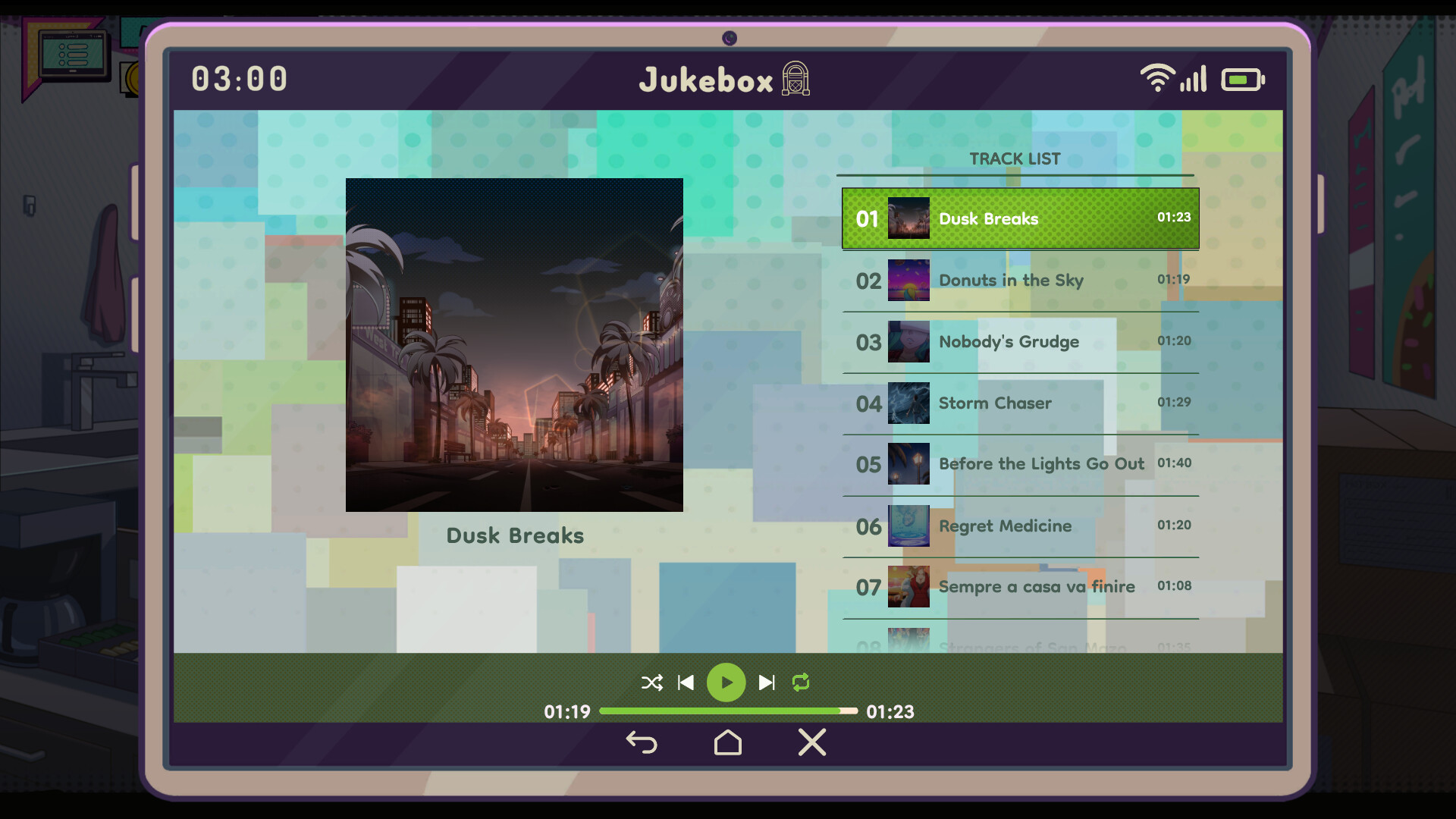
The first idea we had when creating the BGM is to evoke the feeling of someone doing mundane tasks, and wanting chill music to accompany it. These days, most people turn to either YouTube lo-fi playlists (or their own Spotify playlists) while working. The music was there to accompany the players and the Hotbox customers, not to overpower them. So the keywords we had were: comforting, cozy, and chill.
As for the individual character moments, we made themes for the main characters that would evoke their personality and deepest yearnings while making sure that they stayed in theme with the rest of the High Times jukebox music. Stacy’s theme, for example, is more upbeat compared to Harry’s. Stacy’s theme is the type that gets people shimmying, whereas Harry’s might have one looking out the window, perhaps on a rainy day. Once we felt that they captured the characters’ essence, we made sure that they stayed aligned with the cozy, comforting vibes of High Times jukebox music.
And even when the game’s done and the players have explored all the routes and endings they want to see, we hope that the music can continue to accompany them whether it’s during a heavy work day, or a fun art hangout with some friends at a cafe.
Learning From an Ambitious Project
Looking back at the development of High Times, from building a cooking system around emotional choices to creating a branching cast-driven story, what is the biggest lesson you learned about designing games where empathy and player decision-making are the core mechanics, and what advice would you give to developers trying to build similarly personal experiences? As development progressed, one lesson became clearer than any technical solution.
To be completely honest, creating a narrative system of this size was quite challenging. So first off, I’d say, “Don’t go full ham and commit to this many characters because my god there were so many moving parts and there were just so many scenes to get done by the end,” haha.
But in all seriousness, while I wish I could give something more concrete, I’d say for a narrative experience, start with the characters. Personal growth, eccentricities, fears, hobbies—so much of this story started from the simple question of “What makes this person relatable? What makes them unique?” We approached the tone of the game with a zaniness, sure. But we tried our best to have their stories driven by problems that we ourselves would face every day.
Overall, this has been a pretty ambitious undertaking, we’ve stumbled, we’ve made mistakes, and we’re sure that our attempt is far from perfect, so we hope people trying their hand at this sort of game may also learn both from what we did right and what we did wrong to improve on the formula. Cheers for all the future cozy shop management games to come!
Our full review is fresh out of the fryer and ready to read!!
[…] “Don’t go full ham and commit to this many characters because my god there were so many moving parts and there were just so many scenes to get done… But in all seriousness, for a narrative experience, start with the characters. Personal growth, eccentricities, fears, hobbies—so much of this story started from the simple question of ‘What makes this person relatable?’” – READ THE FULL INTERVIEW! […]








Leave a Reply