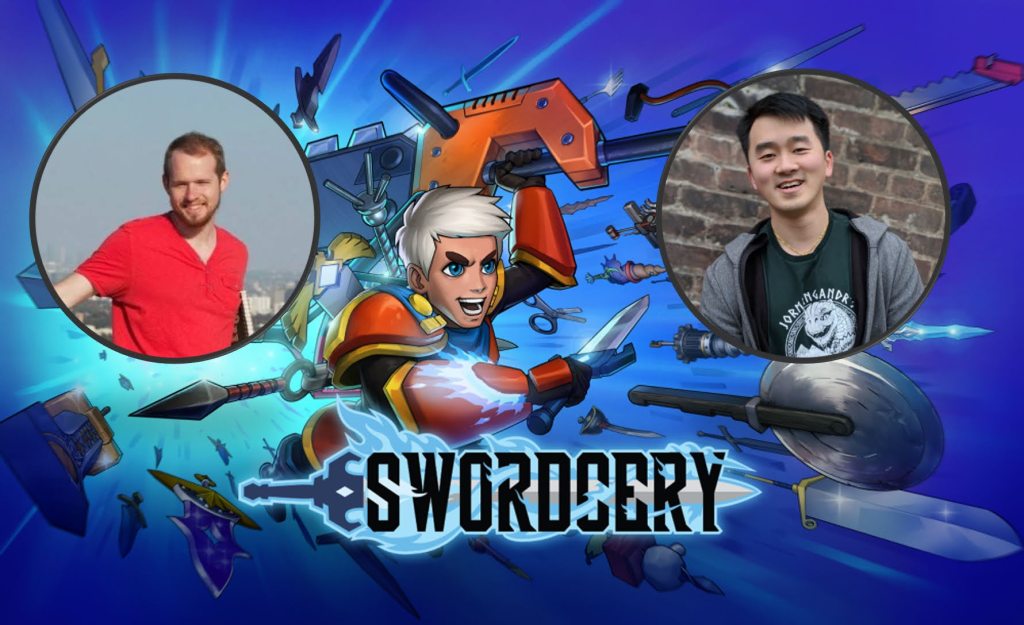
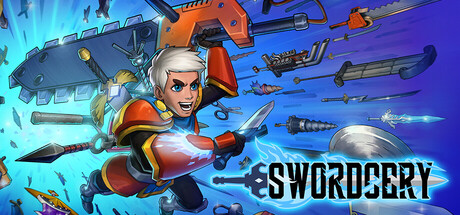
Swordceryis an upcoming hack-and-slash roguelite ARPG launching in Early Access on August 11th. Behind this wonderfully chaotic world of Armorial is Temple Door Games, a two-man indie studio based in Los Angeles. But founders Mike Henriet and Don Thurakichprempri aren’t your average indie newcomers; they were part of the elite cinematic animation team that brought Sony Santa Monica’s 2018 masterpiece, God of War, to life.
We recently sat down with the duo to talk about their seven-year journey from AAA comfort to indie survival, the brutal realities of programming from scratch, and how they injected top-tier combat feel into a quirky, top-down roguelite.
This interview would not have been possible without the wonderful people at Vicariously PR. Many thanks Brandon Moore!
Bringing the Weight of Sparta to an Indie ARPG
God of War is universally praised for its hyper-polished combat and seamless, single-shot presentation. It’s one thing to animate Kratos, but it’s another to translate that visceral and heavy impact into a top-down, fast-paced roguelite. Curious about their pedigree, we asked how much of that AAA animation philosophy they brought into the mechanical frame-data and “juicy” melee hits of Swordcery.
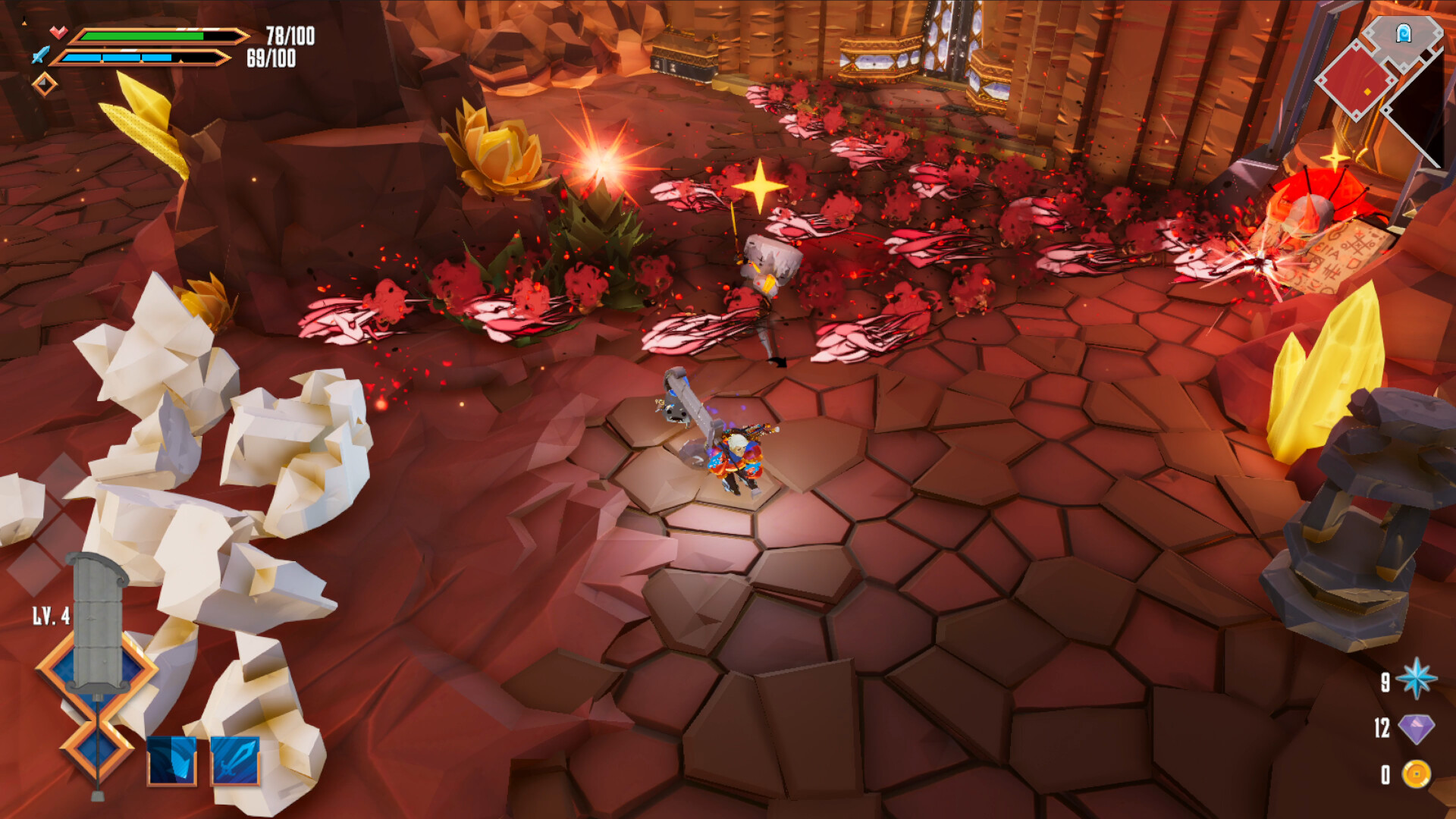
“Oh yeah, that philosophy is absolutely something we bring to Swordcery. Having worked on a game like God of War that requires so much polish, we’re always making sure animations blend nicely whenever possible and we even do things like unique return-to-idle animations after attacks,” the duo explained.
“These aren’t even seen by the player most of the time since you can cancel out of the return-to-idle animations by moving since that feels better for gameplay, but we just feel obligated to add those extra touches. And feeling the weight behind attacks is something we love! I feel that pushing these attacks/moments as much as we can is really something that makes our game special. It’s not everyday that an indie game is worked on by a team of 2 animators and we try to inject that extra personality wherever we can. For example, we could’ve just saved time on our Greatsword light attack combo by making it more basic, but clearly it’s more fun to include some sick flips!”
Trial by Fire: The Coding Curve
Moving from specialized 3D animation to building an entire game engine ecosystem is notoriously difficult. The transition required them to sideline their art expertise to master backend systems like AI logic, UI coding, and database management. When asked about the steepest technical hurdle they faced during this transition, their answer highlighted the sheer grit required to survive indie development.
“The process of going from animation to learning how to do everything else was insane! We can’t even begin to describe how challenging that was. In the beginning for about 1 year straight, we sat down together and learned how to use Unity and code in C#. And the battle from that point has pretty much been a critical thinking boss battle of learning one skillset after another. The steepest technical curve has definitely just been anything involving programming for us. We come from art backgrounds, so the logic side has always been the more daunting aspect of game development. Over the years, we’ve definitely gotten smarter about it and even developed more streamlined ways of managing things like sword and enemy creation. But oof, the process of getting here was rough indeed!”
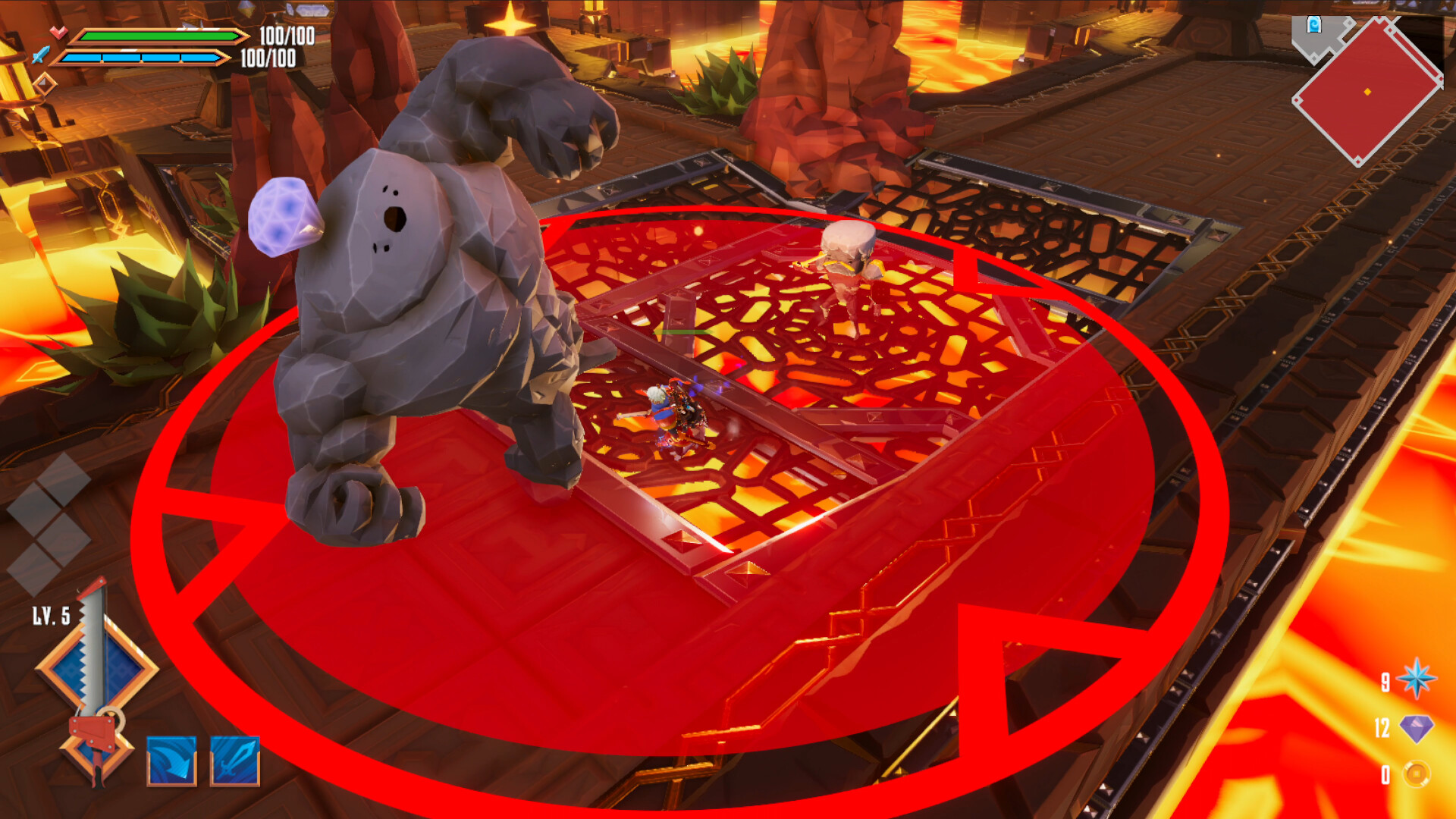
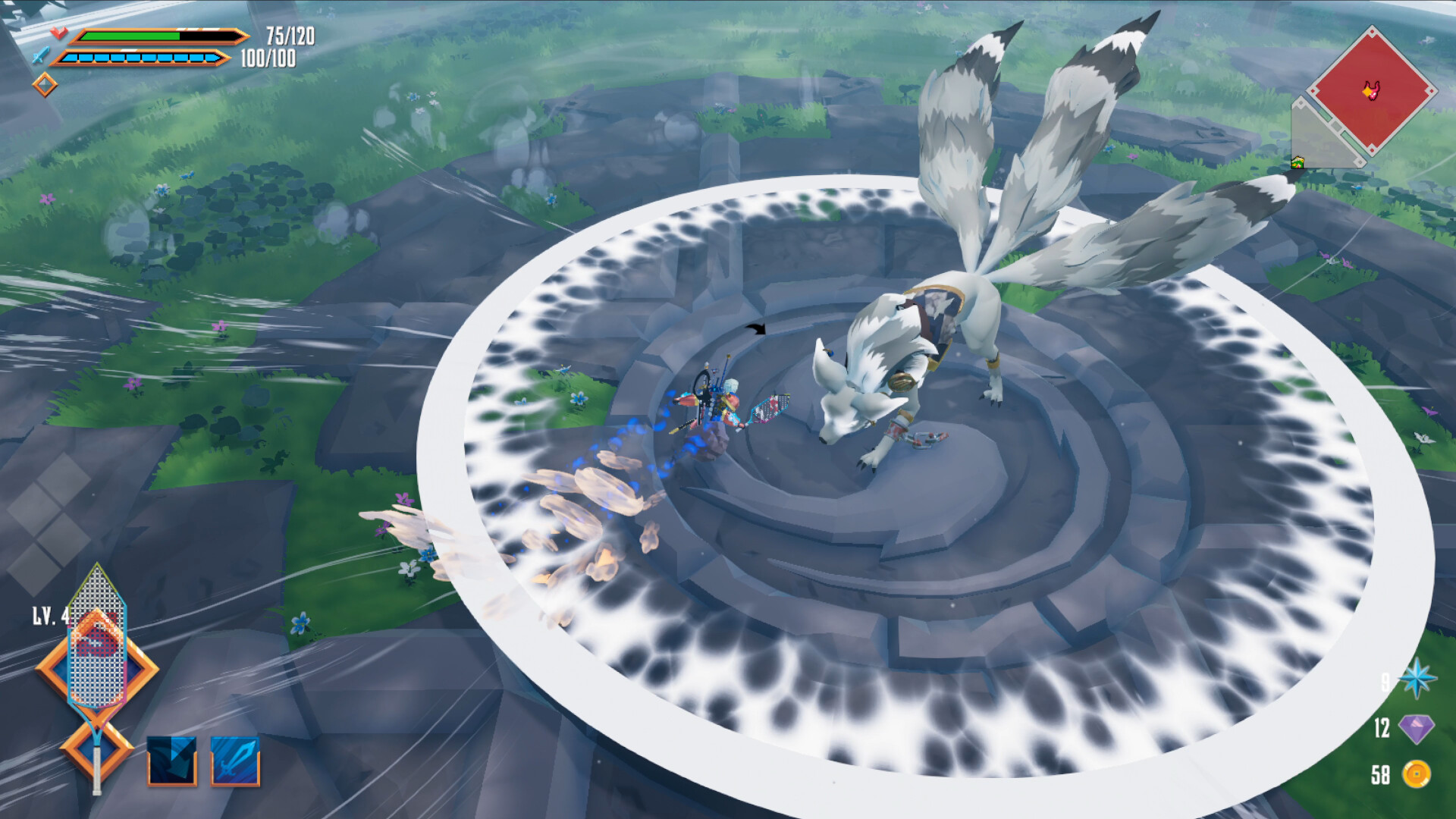
That streamlined approach became crucial when managing Swordcery’s massive, absurd arsenal. Mechanically building a game where weapons range from standard broadswords to a “sword-fridgerator” required a shift in how they wrote their code.
“So initially we had alot of bespoke code under the hood. That ended up being fine for a while, but it was just too slow/tedious. We’ve since revamped that whole system to be more modular to allow us to make swords faster, especially since our swords can be upgraded which further change how they work. To accomplish this we started using Scriptable Objects along with some custom scripts that allow us to flexibly adjust attributes like # of projectiles spawned, angles, lifetime, pierce amount, etc.”
The Dance of Blades: Cancels, Combos, and QA
In Swordcery, every blade belongs to a “Sword Class” for regular combos, while also packing a unique “Swordcery” magic ability. Marrying heavy, animation-locked melee combat with chaotic magical abilities without breaking the game’s flow is a monumental technical challenge. We wanted to know how these two systems interact programmatically, and how they prevented weird clipping errors or frustrating animation cancels.
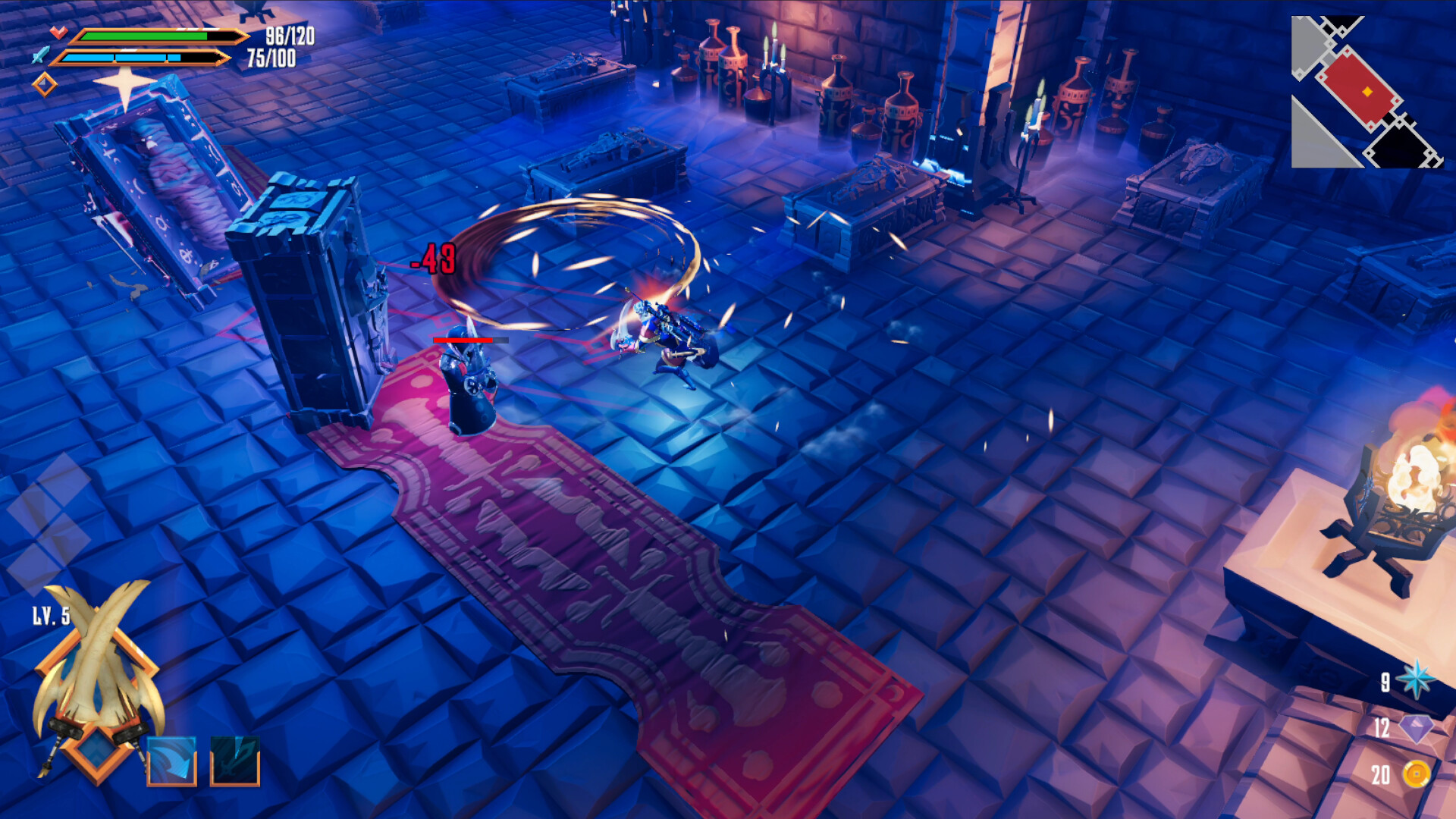
“Wow, what a great question! A core part of making Swordcery has been refining the cancels and player’s combat options. Like you said, there’s ALOT of complexity in how/when we allow cancelling from light attacks to heavy attacks to dodging to blocking to swordcery! What makes this work is that we have a very expansive and interconnected animation controller tree. It is a bit messy looking but there’s all sorts of things under the hood to make sure the player can cancel at the right moments and into the right animations. We do alot of hand-placed events which dictate the player’s cancel windows. For example, the timing at which you can move, attack again, get forced to a return to idle or dodge/block/swordcery cancel is all different. Certain cancels are more lenient than others being immediate and some have windows where they can only be executed after a certain number of frames have passed. It’s not all entirely handled in the animation controller/state machine, but a joint effort between the controller/playerAnimator script/Statemachine behaviour scripts. The challenge is really scrutinizing our game feel alongside making sure these components are all working in harmony. Making a melee centric combat system is super difficult and we’re always refining to make sure things feel good and fair for the player!.”
With millions of potential combinations of swords, relics, and procedurally generated dungeons, balancing the game seemed like an impossible task for a two-person team. They credit their stringent design rules and a dedicated community for keeping the game balanced.
“Fortunately, we have a great discord community that gives us plenty of amazing feedback. We can’t thank these community members enough for all the bugs and balance issues they discover. A big part of our workflow when creating systems/items or anything really is that we make a ruleset for ourselves. For example, whenever designing passive relics we determined the functionality/effects of common/uncommon/rare/mythic beforehand and craft these relics with these in mind, rather than just creating things we thought would be cool and categorizing them after.
It’s important to us to design with these limitations in mind because it makes balancing less of a pain when you have so many swords/relics/upgrades. And then we just test thoroughly and watch people play. Simply just seeing how someone’s run on youtube plays out is incredibly insightful and we take that info along with our feedback from playtesters to balance.”
Seven Years of Scope, Sweat, and Burritos
Temple Door Games was founded in 2019, making Swordcery a seven-year labor of love. Seven years is a lifetime in game development, and we were curious about the biggest scope-creep hurdles they encountered, and if they had a time machine, what technical mistakes they would warn their past selves to avoid.
“It has certainly been a journey! Honestly, the two of us created scope-creep mostly because we tend to want to polish, refine, and improve forever. Although, not all of it was due to our preferences. Some of the systems desperately needed reworking mid-way through to make the game alot better. That’s just part of making our first game and learning on the fly. For the other parts unrelated, we reined it by making smarter decisions (that we now have the know-how to arrive at) to save time whenever possible, cutting the right corners, and honestly just being a little more cut-throat about ideas that simply can’t make it in the game (no matter how cool we might think they are).”
If they could open a portal back to 2019? Their advice to themselves is simple and resolute:
“Hands down we would yell at ourselves to prototype for longer and build systems which would save us time/allow us to iterate faster right at the start!”
The Truth of the Indie Dream
It’s easy to romanticize the indie developer lifestyle—quitting the corporate AAA machine to make your dream game with your best friend. But Mike and Don are quick to pull back the curtain on the harsh realities of wearing every single hat in a studio. For other AAA developers sitting on a comfortable salary and dreaming of making the leap over a shared burrito, Temple Door Games offers a sobering, yet essential piece of advice.
“Making an indie game is hard! We went in thinking this would be incredibly difficult and STILL have been floored by how devastating challenging it all is. Hands down, we both agree this is the hardest thing we’ve ever done. For any AAA developer thinking about transitioning to indie, we would advise they really consider all the hats you have to wear as an indie developer. You may be a capable animator but are you going to be able to model, rig, texture, community manage, market, design sound, program complex systems etc. The list goes on! And more importantly, do you think you can enjoy doing all of that? It’s kind of one of those things you can never truly understand the weight of until you’ve been burdened by it no matter how much warning you receive though! If we had to say just one thing anyone could understand it would be: Marketing is MUCH more of a timesink that you could ever imagine and doing so successfully is incredibly difficult on top of actually making your game.”
Despite the hurdles, the blood, sweat, and endless coding tutorials seem to have paid off. Swordcery is shaping up to be a uniquely charming, mechanically robust love letter to action games.
Swordcery hits Steam Early Access on August 11th. You can try the demo now and join their Discord to discuss the wildest blades in Armorial.






Leave a Reply