
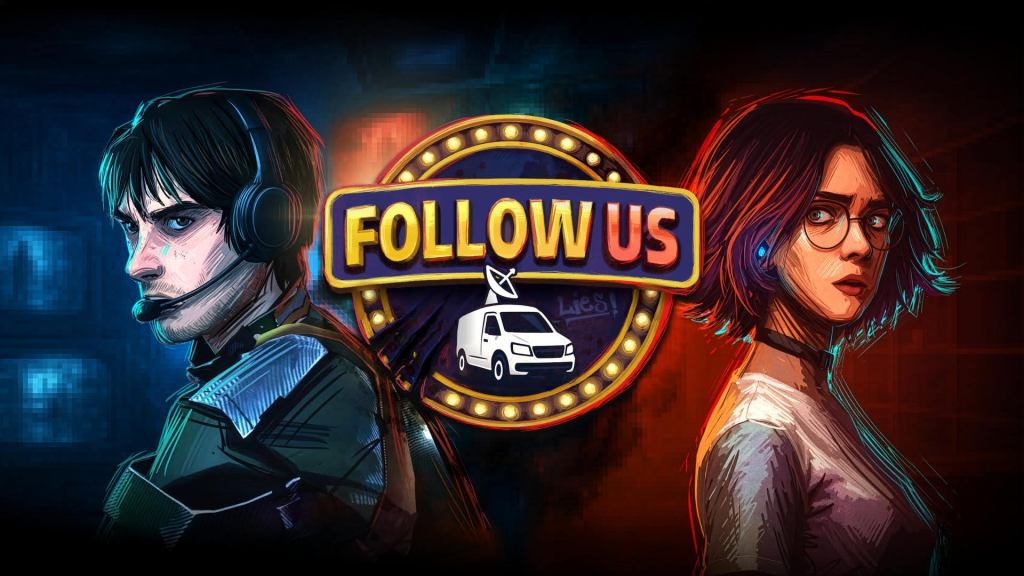
Game Atelier is no stranger to visually striking titles. The devs are coming off critically acclaimed releases like the vibrant Monster Boy and the heavy Unreal Engine 5 showcase Otherskin. Going back to a chunky amd lo-fi PS1-style horror game is a massive gear shift. Yet, with their new asymmetrical co-op game Follow Us, the studio is trading high fantasy for high anxiety.

This interview would not have been possible without the wonderful people at Plan of Attack PR, many thanks Sergey Khoroshykh!
Creative Director Hugo sat down with us to explain the catalyst behind this surprising retro aesthetic and why scaling down the scope felt like the right move.
“We focused on the studio’s strengths: creating fun gameplay with mechanics that constantly renew themselves (similar to the transformations in Monster Boy and Otherskin), all built in Unreal Engine 5 with an art direction that is less realistic and inspired by older games, giving that retro feeling while exploring abandoned locations,” Hugo explains. “The real challenge was online co-op, which was a first for the studio! The scope of Follow Us is also more modest than Monster Boy or Otherskin, but our quality standards remain the same. We simply chose to create a more focused experience, without compromising on attention to detail and polish.”
Turning Panic into Mechanics
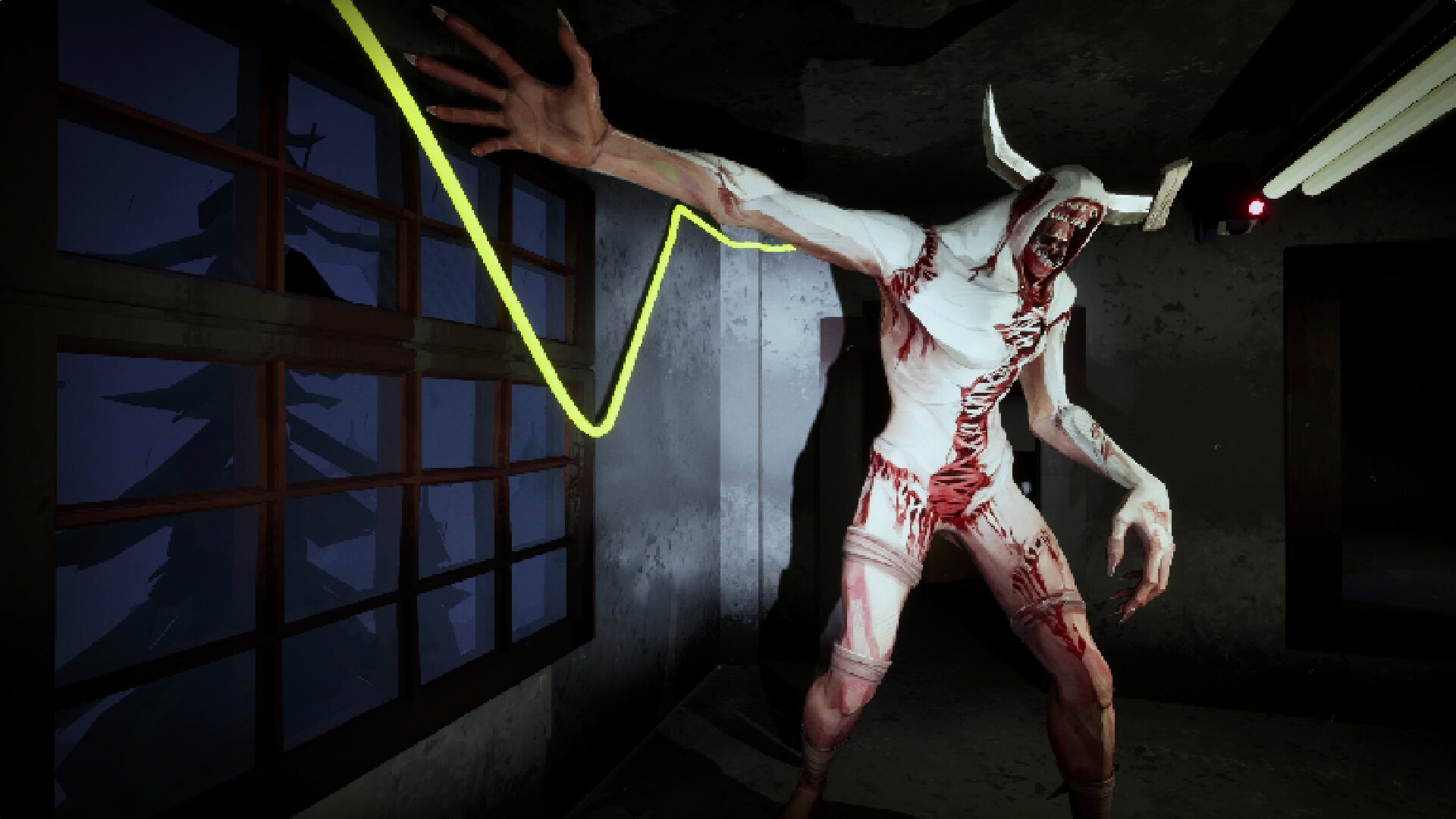
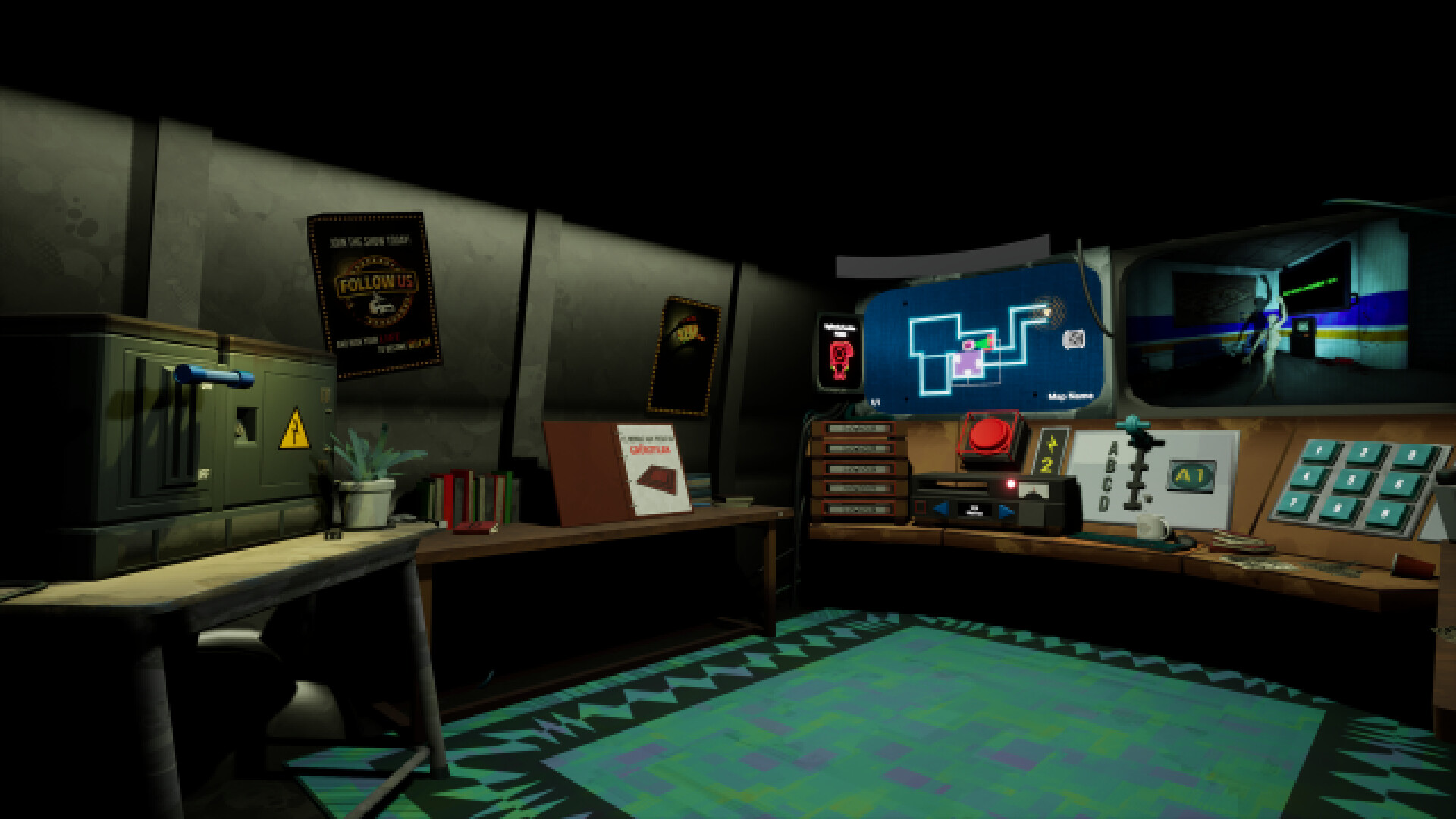
In Follow Us, the Explorer (EXY) is physically on location facing visceral scares, while the Operator (OPY) is locked safely in a command van, guiding them. Translating inevitable, organic screaming matches into hard gameplay mechanics without feeling forced was a priority.
“The game is based on communication between players, and horror disrupts that communication,” Hugo notes. “It’s always harder to talk to someone who is screaming, which creates fun moments, scary moments, and many emotions in between. The mechanics challenge the exchanges between players and are supported by the enemies and systems unique to each level. EXY performs tasks that put them in danger while OPY ensures their safety, a safety that will eventually be broken by in-game events. Our goal is to maintain constant tension rather than relying on jump scares, making the experience feel less artificial.”
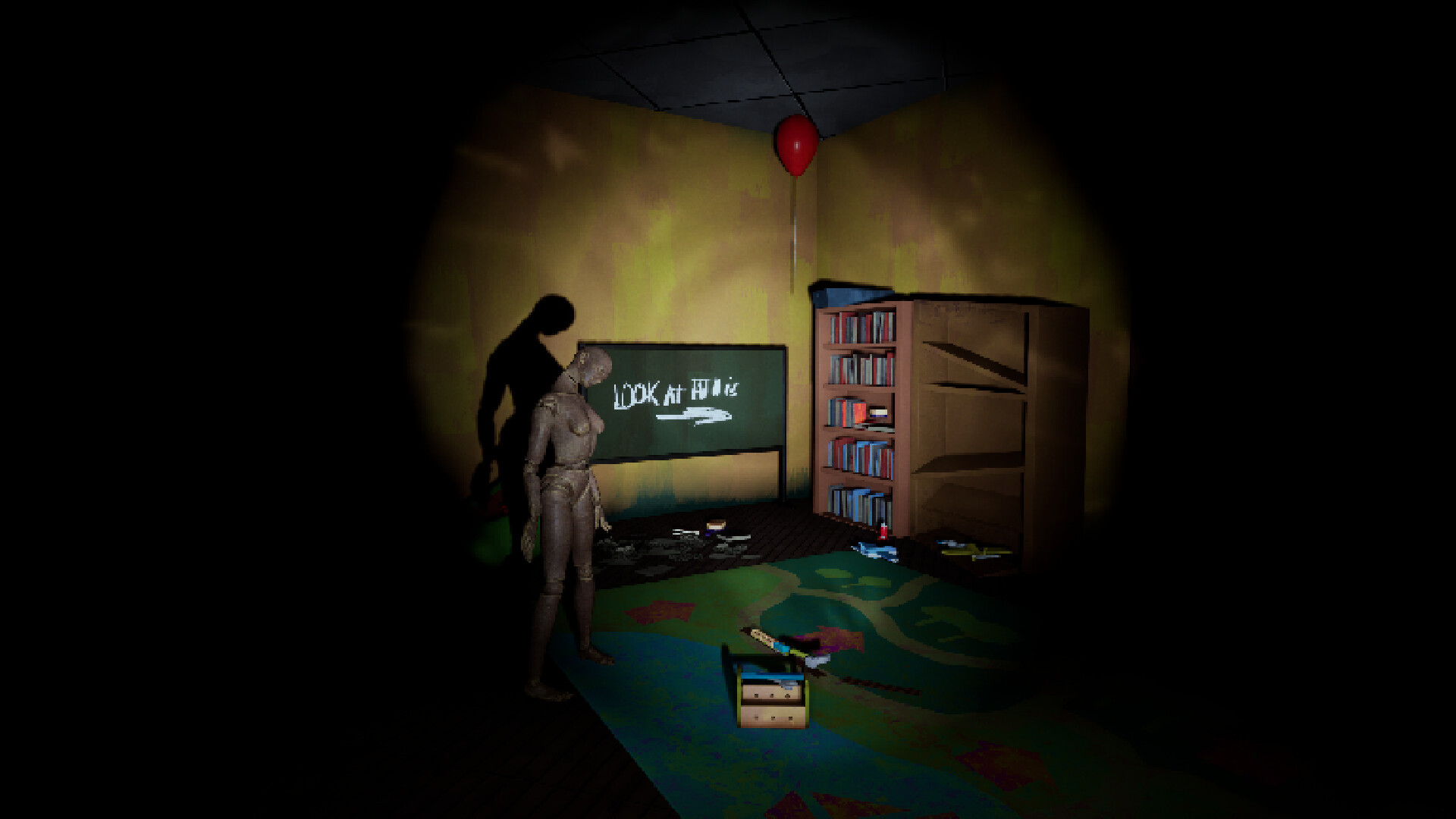
Asymmetrical games are notoriously difficult to balance. Keeping the Operator engaged so they don’t just feel like a passive Twitch viewer required careful systemic design.
“The game’s asymmetry is also reflected in the emotions we want to convey to players, while allowing them to generate their own fear naturally. Each level is based on discovery. EXY explores a new environment while OPY guides them and manages systems unique to that level. For now, the tension inside the van comes from having to solve several problems at the same time, allowing a casual gamer to play alongside a more experienced one. In future levels, we intend to involve OPY more directly in both the action and the horror. During our playtests, many players enjoyed OPY’s calmer role, so we are currently working on experiences that can satisfy both players who want stress and those who prefer to chill.”
A Recipe for Miscommunication
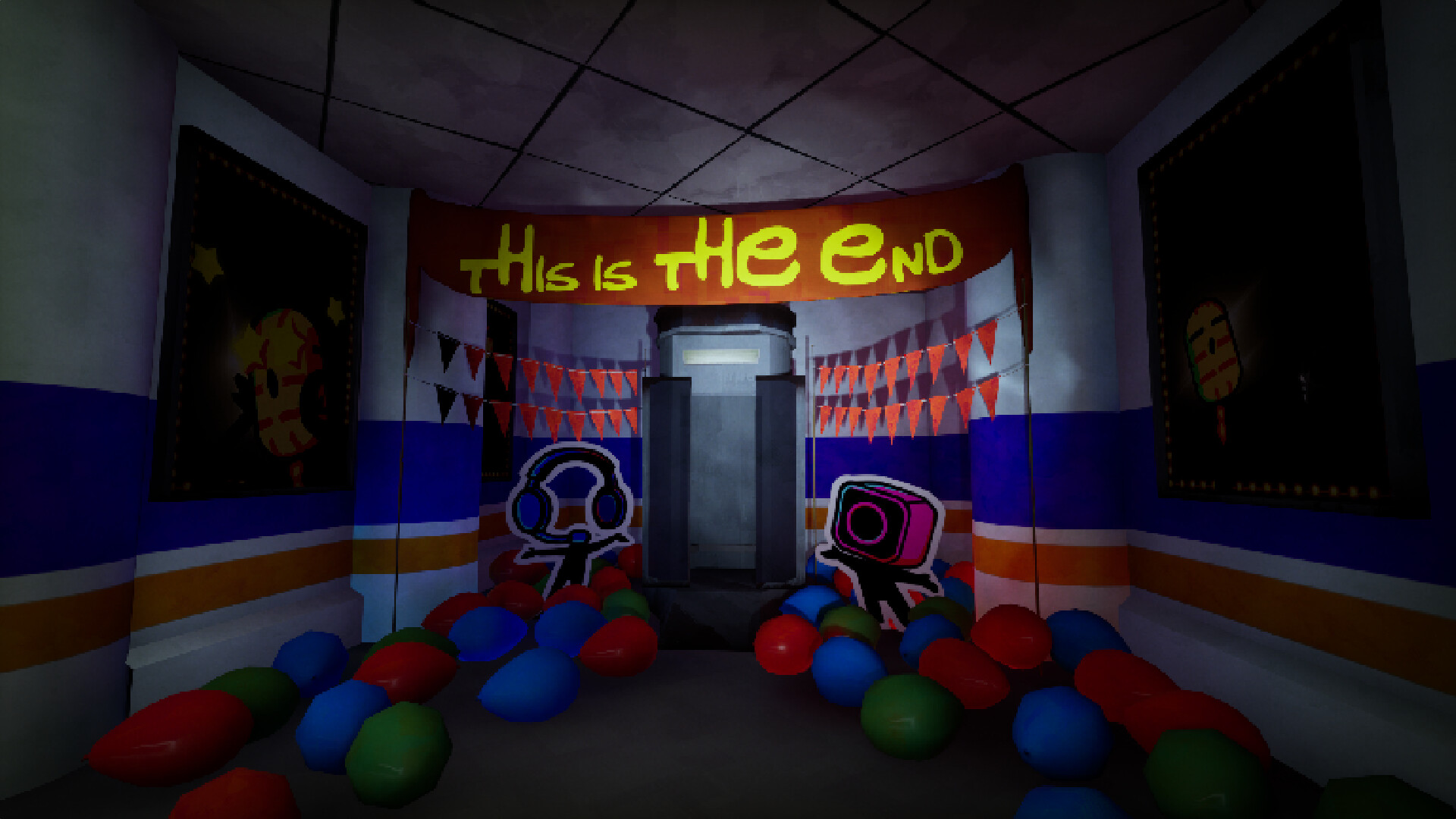
With levels that completely flip the script—like dodging an invincible stalker in Employee of the Month versus the twisted “spot-the-difference” setup in A Night with DJ Susan—the team actively searches for ways to cause miscommunication.
“Some mechanics exist purely to create misunderstandings between players,” Hugo admits. “It is a deliberate choice to split gameplay responsibilities between the two players and encourage communication. In fact, this is often how ideas are born: we ask ourselves what could challenge the relationship between the players. Once we find a mechanic, we build a level around it to make it shine and create as many situations as possible where it can be used. Follow Us also relies heavily on playtesting and feedback from the community.”
Branded as a “relationship stress test,” the game has clearly done its job internally. We had to ask: just how many of your internal playtests ended in actual arguments between coworkers or friends? :)
“I don’t have the exact number, but I would say that couples are usually the ones who argue the most, both during and after the game,” Hugo laughs. “We also have quite a few moments where players betray each other, especially in the third level, which creates memorable arguments. This will be one of the main focuses of the new levels coming during Early Access: creating moments of conflict between players.”
The recent “Cheaper Than Therapy” trailer debuted at the Midsummer Night’s Scream showcase. Pitching Follow Us amidst a crowd typically looking for pure, isolating terror meant leaning into the game’s lighter, cooperative elements.
“Beyond the horror aspect of the game, we really want to emphasize the fun side of the experience 🙂 There are moments that will make players laugh and others that will genuinely scare them. At the heart of Follow Us is empathy. Even though EXY is physically alone on location, OPY goes through the experience alongside them. They move forward together. That makes it relatively easy for us to stand out from more traditional horror games, because emotions other than fear become part of the experience.”
Navigating Early Access and Independence
While Game Atelier has been around since 2010, Follow Us marks a return to fully independent, self-funded development. The creative freedom is liberating, but going it alone presents its own distinct terrors.
“Obviously, the scariest part is wondering how many players will actually play the game when it launches… We’ve received very positive feedback from people who have already played it, but it’s difficult to know whether the game will truly find its audience. On the other hand, being completely independent gives us the freedom to experiment with gameplay as unusual as Follow Us. We have also surrounded ourselves with great partners in playtesting, marketing, and advisory roles who understand the challenges faced by indie studios and help answer the many questions we constantly ask ourselves: Will players like the game? (We certainly do.) Have we communicated well enough? Should we add this feature or that feature? And sooo many other questions…”

With a Steam Early Access launch scheduled for June 5th and a 6-to-12-month roadmap, players will inevitably break the game’s systems. Figuring out whether a mechanic is genuinely broken or if two players are just communicating terribly is a unique hurdle.
“Since communication is a core element of the game, it is obvious that if two players do not communicate, they will struggle to finish it. Our job is to provide enough information so they do not get stuck, without giving away too many clues. Finding that balance is mostly intuitive. What helps us identify problematic mechanics is the testing we organize through Discord beta tests and both internal and external playtests. That said, it is also a deliberate design choice to give players freedom in how they solve certain problems, even if that means they discover solutions we never anticipated. Every form of communication is different, just like every relationship, and that’s what makes every playthrough unique.”

As a final piece of advice for fresh indie developers tackling multiplayer or asymmetrical titles, Hugo emphasizes one crucial element.
“The number one trap would be not playtesting your game. Playtesting is already important in single-player games, where the player is more focused on what they are doing, but imagine how much more important it becomes when you have two players thinking in completely different ways and trying to cooperate. Pushing your ideas as far as possible and creating new experiences for players is essential, because that is how a game stands out. And finally, don’t forget to get enough sleep to stay creative! 😄”
Ready to test your relationships? Follow Us hit Steam Early Access on June 5th. We hope you check it out and, most importantly, we hope you don’t ruin your friendships! :)
Thank you for reading!


Leave a Reply