
We usually associate video games with loud, explosive moments—frantic button-mashing, sprawling dialogue trees, and high-stakes combat. So, what happens when a game strips all that away, and your only real objective is figuring out how to say “hello”?
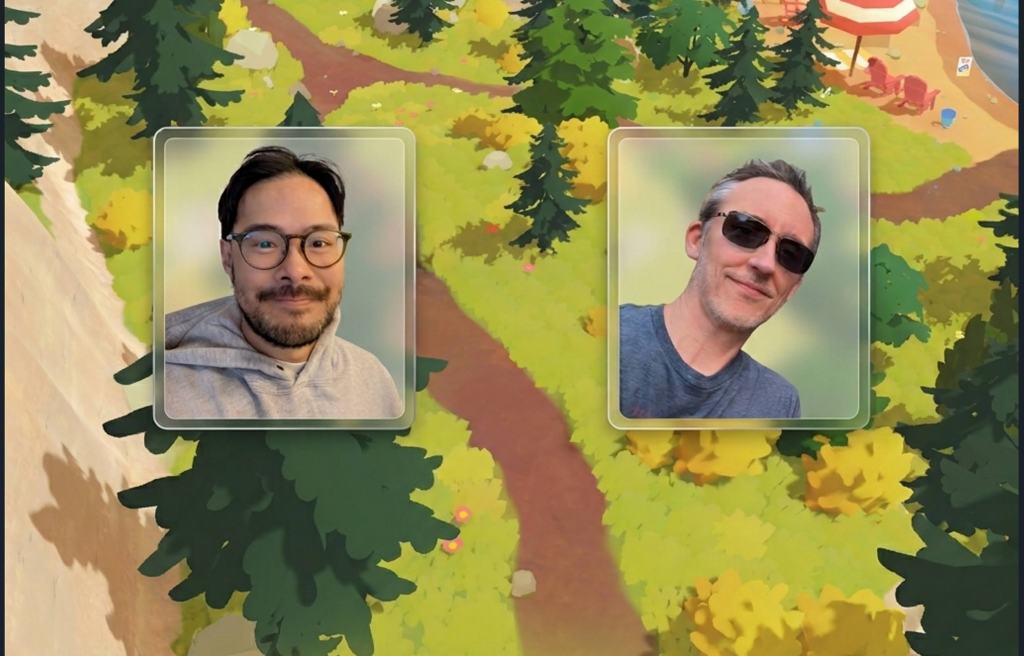
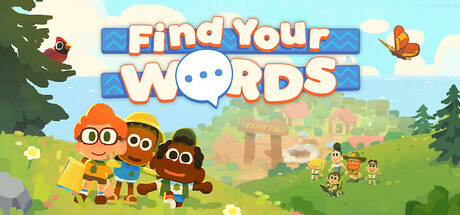
That’s the premise behind Find Your Words, a quiet, deeply personal exploration game from artist Vic Nyugen and programmer Jon Maur. The duo usually works on the intense, challenging titles their studio is known for, like Grindstone and Below.
But this project is different.
The central mechanic is an Augmentative and Alternative Communication (AAC) binder, a real-world tool that non-speaking individuals use to communicate through symbols. Both Nyugen and Maur are fathers to children who use AAC devices, and they designed this game to bring their kids’ lived experiences into a digital space—one built entirely around empathy, patience, and the joy of finally being understood.
This interview would not have been possible without the wonderful people at ICO Partners, many thanks Fanny Moreaux and Anja Lorenz!
I had the chance to chat with Vic and Jon about the messy, beautiful reality of turning a communication tool into a puzzle mechanic, how the game removes the pressure of failing, and why this project had to be made.
From Puzzles and Pixels to Passion Projects
Jumping from brutal, puzzle-heavy action to a cozy, empathy-driven vibe is a massive pivot. I asked them what the hardest part of that transition actually looked like behind the scenes.

“Shifting to a cozy game was exciting, we’ve never made one before,” Jon tells me. “I’d say our biggest design challenge was our tight schedule. Hopefully we turned it into a strength because we were forced to keep the design tight and focused.”
That tight focus was fueled by something incredibly personal. Every passion project has a ‘eureka’ moment, and for this team, it started with a simple character model.
“For me the breakthrough was when Vic sent me a 3D character of a kid,” Jon recalls. “I instantly put it in an environment where you could run around and collect coins. But coins are a little boring and Vic mentioned he wanted to change the character to be his son. From there it was easy to ditch the coins, swap in some symbols and get a binder in there. We quickly decided that this had to be made and no matter what we’d get it out there.”
Vic explained how their studio culture actually paved the way for that moment to happen.
“Once a year our studio gives us some time to get into small groups and build something outside of our main projects. When it came to that time, Jon and I realized that we had this shared experience of being parents to these amazing kids.
Capturing their AAC joy into a game became our motivation.“

The Mechanics of Language Acquisition
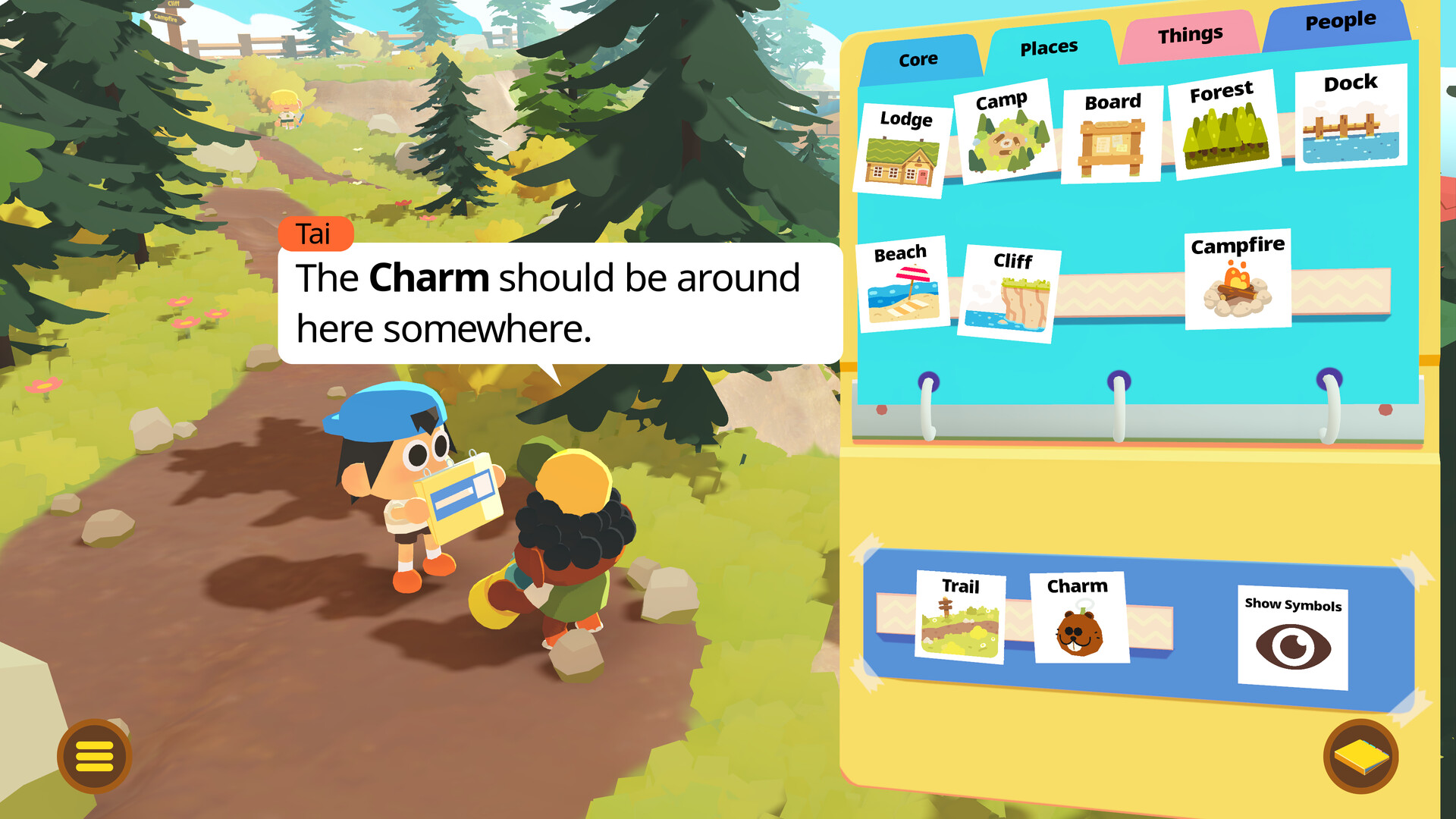
At its core, Find Your Words has players collecting symbols and placing them in a binder to talk to NPCs. Coming from an ESL teaching background myself, I couldn’t help but notice how much this mirrors how people actually learn a new language. I wanted to know if they were actively thinking about educational frameworks or working with speech pathologists while building this system.
According to Jon, they had to make some conscious gameplay compromises so things wouldn’t drag.
“One thing we had to keep in mind for the game was the speed and frequency of acquiring new words. It’s much, much faster than a new AAC user. We made an assumption that most players are coming to the game with pre existing language and communication skills. This allowed us to focus more on the mechanics of using the binder. Players can then focus on finding the right words in order to communicate what they wish to say, which is a shared experience with AAC users.”
Vic expanded on that, noting how much of the game’s DNA comes straight from the real-world coaching he received as a parent.
“A lot of my understanding of language comes from educators and clinicians that have taught me how to support my son with his language development. Once we understood that speech wasn’t going to come easy for him, I received lots of coaching. Jon and I aren’t experts, but we do have lived experiences of being parents to AAC users. When it came to Find Your Words, we did lots of learning. We consulted our local AAC clinic about the nuance of representing AAC in a game, and we talked to other AAC users on Discord that provided feedback and ideas.”
Those conversations directly shaped how vocabulary actually works out in the game’s world.
“In speaking about language acquisition, I find that my son picks up the new vocab easiest when taught in context and in the environment it is used. This is an idea that we tried to incorporate into FYW. In the game for example, if you walk by the beach, you acquire the beach symbol. Or after someone introduces themself, you acquire their name symbol. We made an effort for the player to acquire new symbols like how you would naturally learn new vocabulary.“
Removing the Anxiety of Expression
Teachers often talk about the ‘affective filter’—basically, the idea that you can’t learn a language if you’re stressed or afraid of messing up. Find Your Words tackles this by completely throwing out traditional gaming tropes. There are no time limits. You literally can’t fail. I asked how important that low-stakes environment was to the core design.
“We never considered any fail states or time limits,” Jon confirms. “We always had younger kids in mind as possible players, even if they needed help from someone else. Sort of like reading a book to someone who’s learning to read. Side note: my son never had any difficulty learning to read thanks to learning AAC. To your point about stress and anxiety, there is a point in the game where one of the campers is so stressed out that she can’t focus enough to talk to you. We wanted to show some of that experience but not give the player that experience.”
For Vic, building a stress-free zone wasn’t just a design choice; it was a psychological necessity.
“It was very important! My wife is an occupational therapist and is always reminding me, “regulation before expectation” and how an overwhelmed or stressed brain can’t learn. In my experience and in observing my son, his communication can become ‘blocked’ when he’s dysregulated. Jon and I wanted this to be a game celebrating communication joy and didn’t want people to have to race through it or be overly directed by goals that would take them away from the joy of exploring the use of symbols. The balance was between giving players enough guidance to get them through the game, but not too much that it would distract from the experience of communicating and exploring in their own way.”
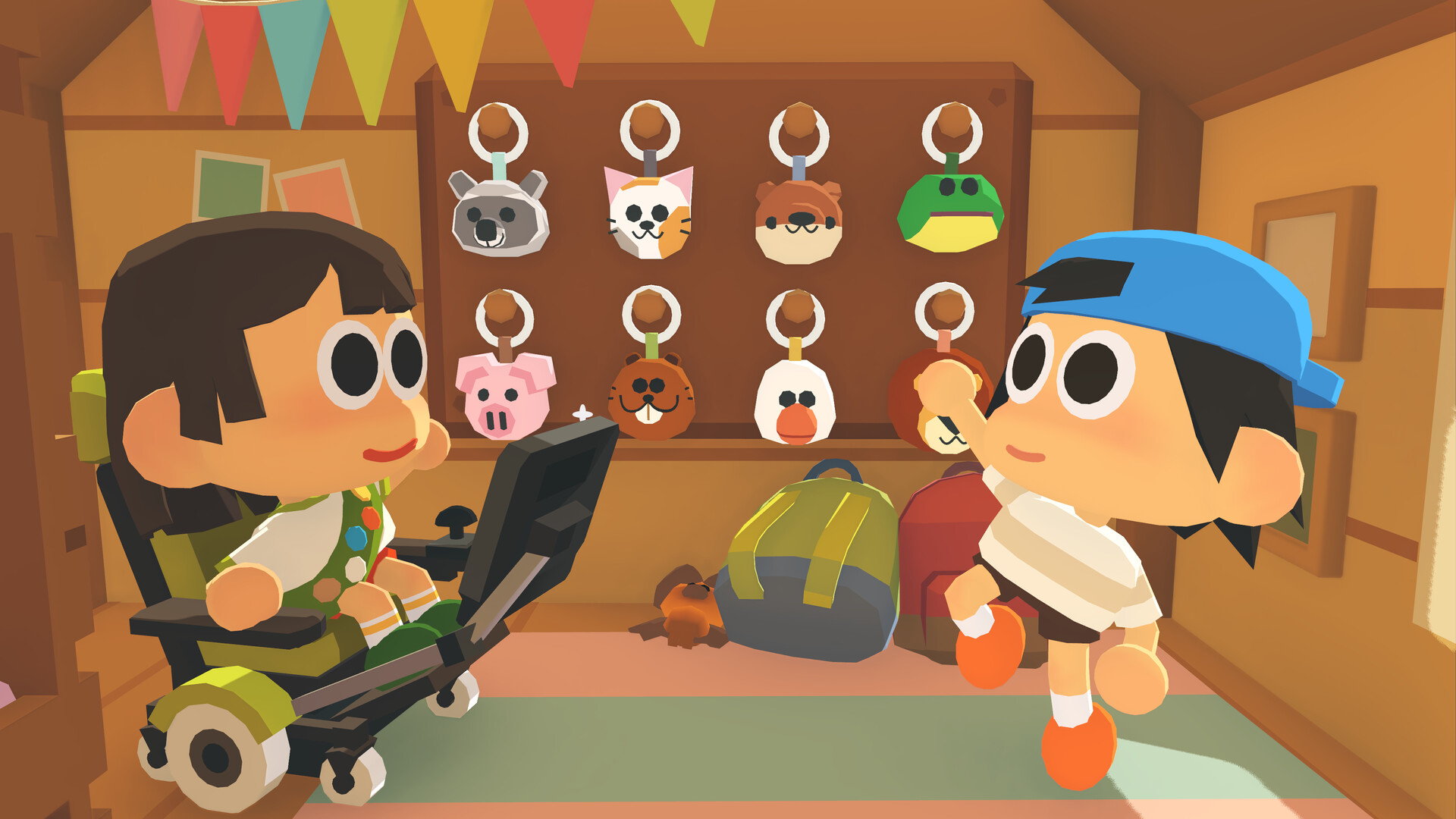
Without traditional spoken dialogue from the main character, the team had to rely on other ways to communicate. Body language, animation, and tiny environmental cues end up carrying a lot of the narrative weight.
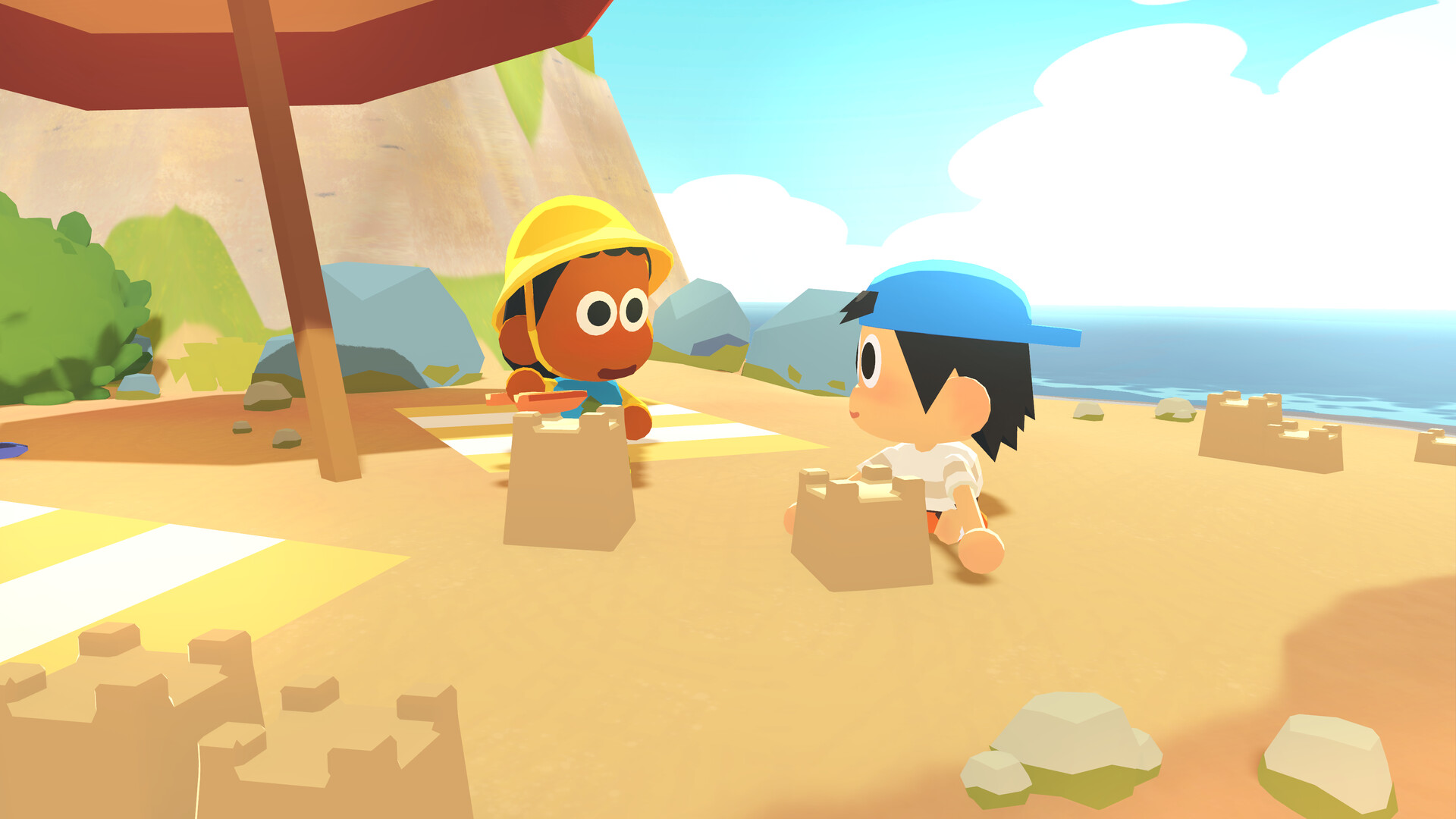
Jon was quick to praise his partner’s animation work here. “I think Vic did an amazing job with all the body language animations!” Jon says. “The opening cutscene does an especially good job capturing the main character’s emotions. He went the extra mile with the main character’s animations while using the binder. You’ll notice them moving symbols around and stop to pause and think when you haven’t chosen your symbols yet. If you stand still too long you’ll sit down on the ground. Reading body language isn’t easy for everyone, hopefully the exaggeration and clarity of the animations helped.”
The Challenge of Translating Real Tools into Game Mechanics
Turning a real-world tool like an AAC binder into a functional, fun video game mechanic sounds like an absolute nightmare on paper. Just thinking about the sheer number of symbol combinations you’d have to account for is daunting.
Vic explained the massive scope they ended up taking on to make it feel authentic. “The way we approached it was that the player would be the AAC user and the game would be the communication partner. We felt it was important to validate every symbol combination and that meant writing lines for every potential combination of symbols that the player might want to try with any character. With so many responses to write, we had to limit the types of words and the number of symbols the player could present at one time. It was really hard, and we only captured a small representation of AAC but hope players will find the joy of exploring it even if we couldn’t replicate a real device.”
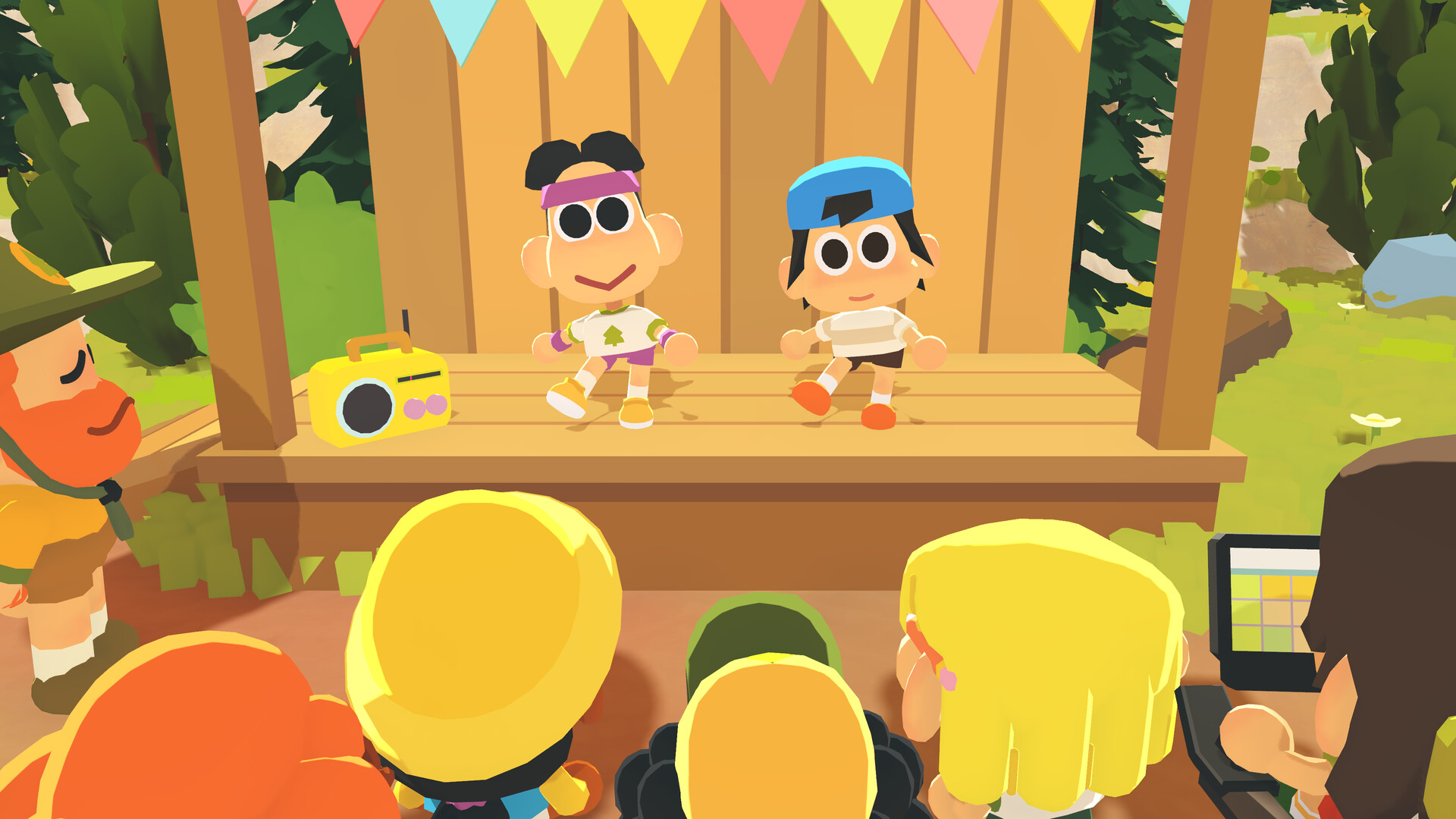
Because of that level of care, it’s easy to picture the game being used in classrooms—whether to help neurodivergent kids feel seen, or to teach functional communication to ESL students. Jon was a bit more modest about its educational reach.
“First I’ll say that it’s not intended to teach AAC directly, but it is intended to teach people about AAC. With that in mind I think it would fit right in, in much the same way as good books do. Our hope is that players will come away with a better understanding of what AAC is and how it works. I’m no expert but I’m guessing Find Your Words would be great for ESL classrooms? The dialog isn’t too complicated and this form of AAC brings the symbol and word associations built right in. I’d be interested to know if it helps anyone.”
Dismantling Misconceptions and Looking Forward
At the end of the day, Find Your Words exists to shine a light on the ways we connect without speaking. As we wrapped up, I asked them both what they hope the average player takes away from this—especially when it comes to breaking down misconceptions about non-speaking individuals.
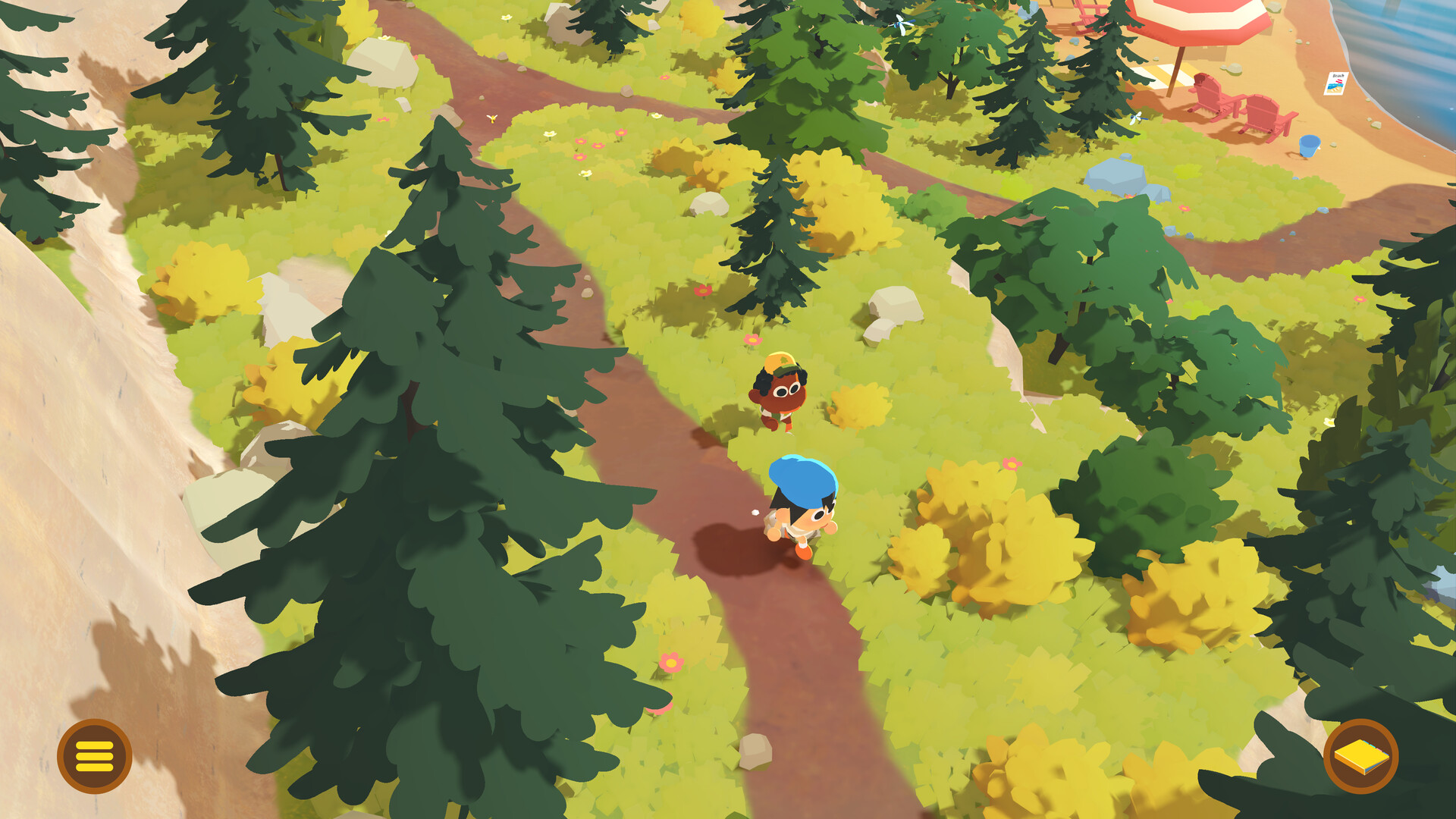
“One observation I’ve made from seeing others interact with my son is the assumption that because he’s non-speaking, he has nothing to say,” Vic shares. “But this kid has so much to say- he just needs tools to support him with it. Our hope for players exploring FYW is that they will have a better understanding of symbol based communication and how much you can do with it. It can be really hard for non-speakers to communicate their message and sometimes you need to approach it with curiosity and collaboration.”
Jon echoed the sentiment with a wonderfully simple goal in mind:
“Vic said it perfectly. I just hope players are more likely to say hello to AAC users after playing the game.”
Before we logged off, I asked Jon what advice he’d give to an up-and-coming developer who wants to turn their own weird, wonderful, or difficult life experience into a game.
“Be passionate about it, it’s hard to put yourself out there. Your passion for creating and sharing your work is what’s going to get you through it.”


Leave a Reply