
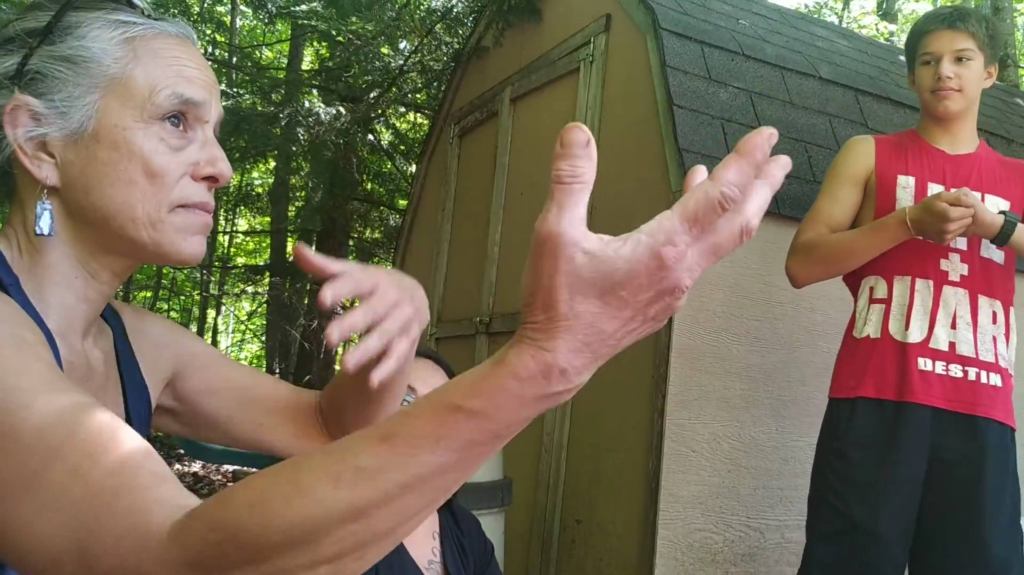
Game development is usually about chasing a childhood dream. But for Mary Hermes, Director at Grassroots Indigenous Multimedia, it’s about keeping a language alive for the next generation. After a brutal five-year dev cycle, Reclaim! Azhe-giiwewining is finally out—and it’s way more than just a game. It’s a lifeline for the Ojibwe language (Ojibwemowin).

This interview would not have been possible without the wonderful people at Dead Good Media PR. Many thanks to Anaïs Dewit!
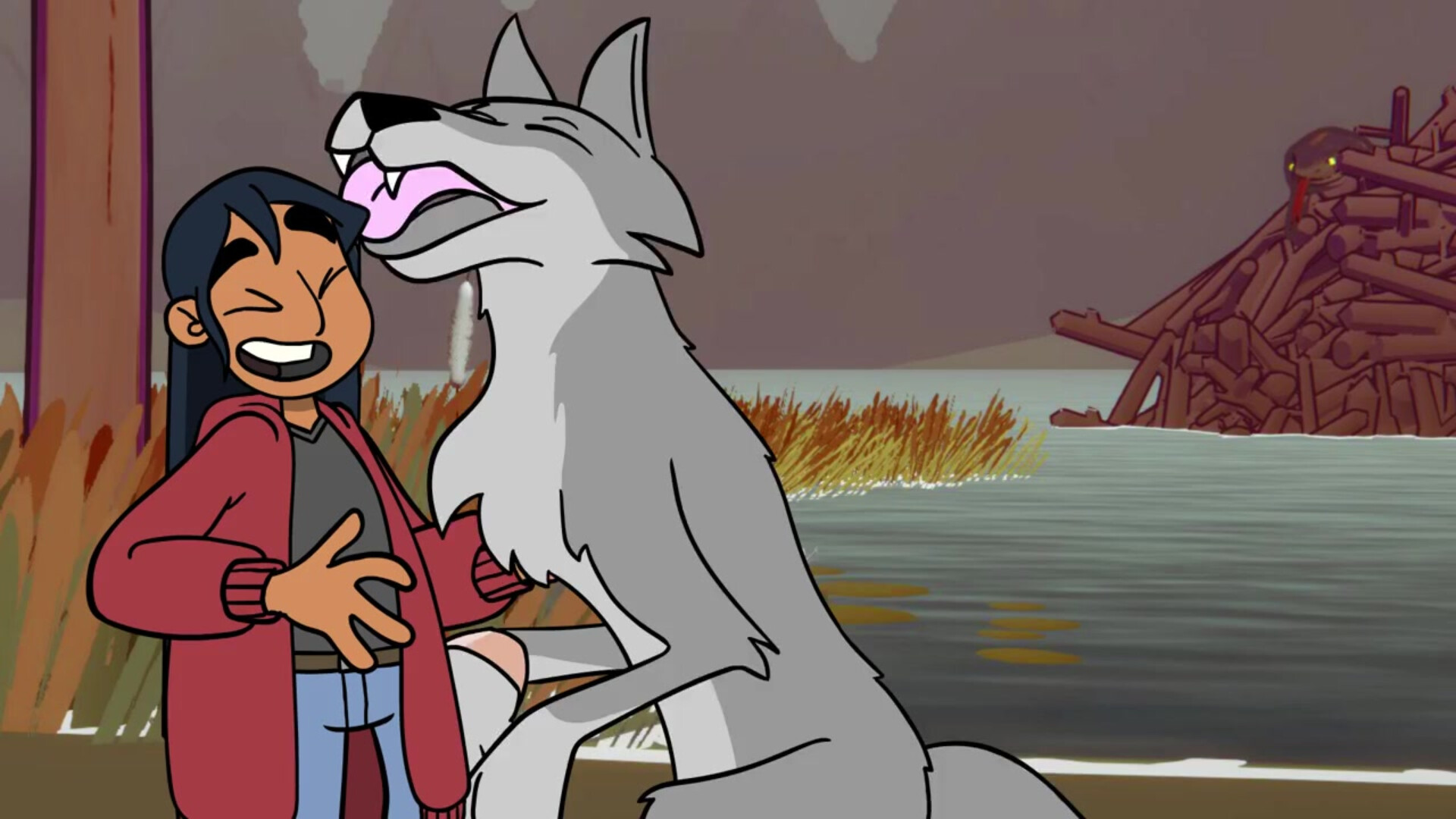
Leveling Up a Language
Talking to Hermes, you quickly realize Reclaim! Azhe-giiwewining isn’t your standard, dry “edutainment” title. The team didn’t just throw darts at a board to pick a genre; the classic, 90s-style point-and-click mechanics were the direct result of on-the-ground community testing.
“We landed on a point-and-click adventure after a year of game development camps in the LCO Ojibwe community,” Hermes explains. “It was the most appropriate technology – and Anang (our dev) is an old-fashioned lover of Freddie’s Fish.”
That Freddie’s Fish nostalgia is just the wrapper, though. Hermes has been in the language revitalization trenches for over 25 years. We wanted to know how that background actually translated into Reclaim! Azhe-giiwewining‘s narrative.
“It was everything to me (Mary) – seeing the need for a fun, joyful place to play in the Ojibwe language, getting stories like this full of hope into the youth’s hands, countering the depressing news messages about us… and making a breakthrough for young people into this market. We need a place to show everyone that our language movement is ALIVE and how relevant our languages are.”
Language revitalization needs modern, joyful spaces—and video games are proving to be the perfect medium to show youth that their culture is alive and kicking.
Getting that tone right meant getting out of the studio and into the community. The team ran design workshops with the Lac Courte Oreilles (LCO) band, which turned into a massive, hands-on intergenerational effort.
“This is referenced above, with the Youtube channel,” she notes, reflecting on the community’s involvement. “They were mostly done in the Ojibwe language (which is amazing in itself) and there were about 5-6 different families – grandparents through grandchildren – who came out. We went on forest walks, we talked through design ideas/principles, and eventually ended up creating our puzzle dependency chart from those ideas.”
Turning real-world forest walks into digital puzzles comes with serious cultural baggage, though.
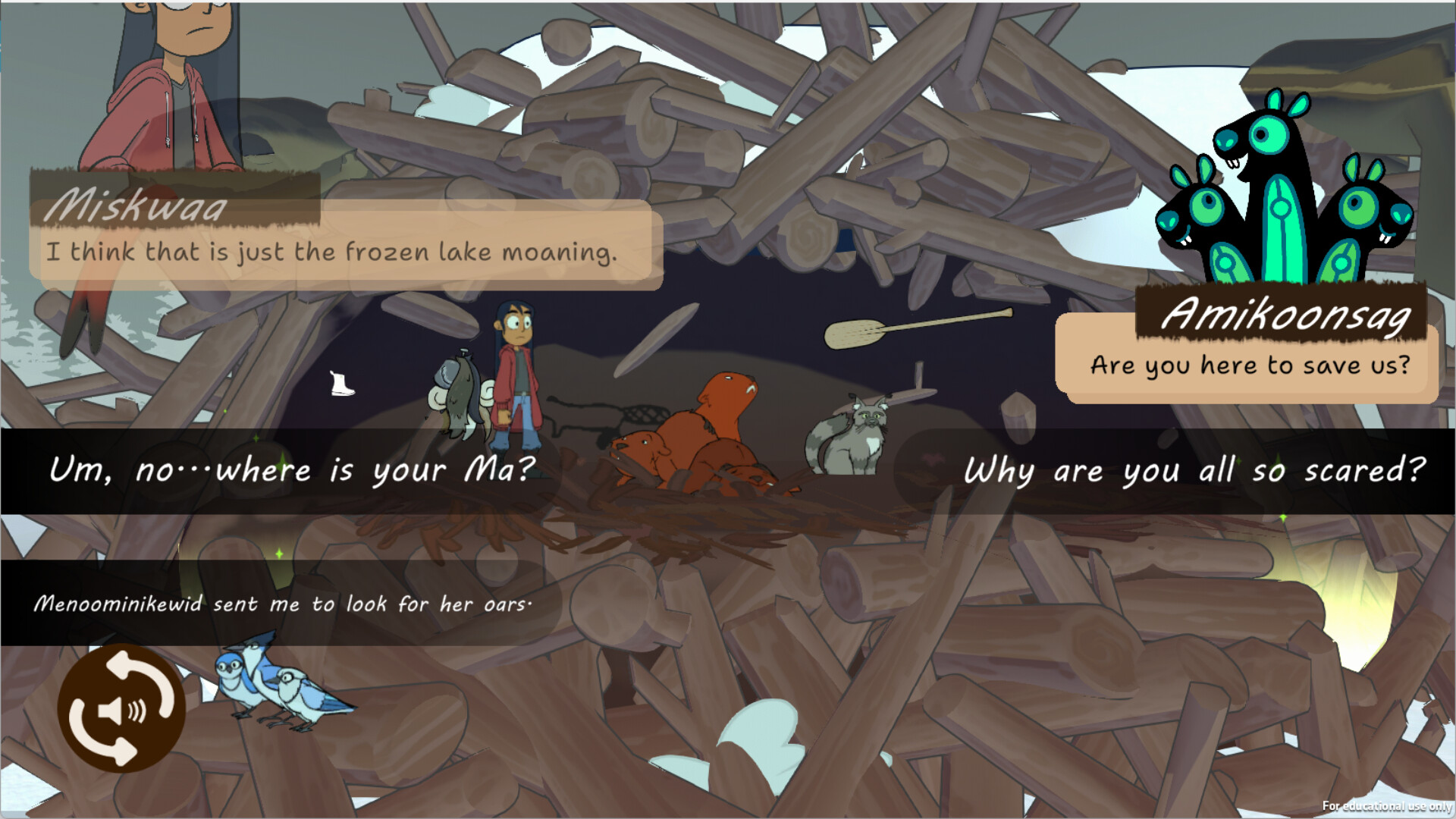
Anishinaabe oral traditions are sacred, and often tied to specific seasons. Baking that folklore into game mechanics without crossing a line is tough.
“This was a question we thought about a lot,” Hermes admits when asked about the spirits and puzzles in the game. “We have Oral traditions – winter-time stories – that are sacred, and we did not want to violate that in any way. So we simply made it a reference, a clue from the blue jays or from Boozhii, to give insiders a lift! and to make other people curious. We did not even use any “real” names of spirits, because we did not want to call them up or offend them. Our Elder, Niib (David Abid), was very good at instructing us in riding this fine line.”
Authentic cultural representation sometimes means knowing what not to show. Working directly with Elders helps devs walk the fine line between honoring traditions and exploiting them.
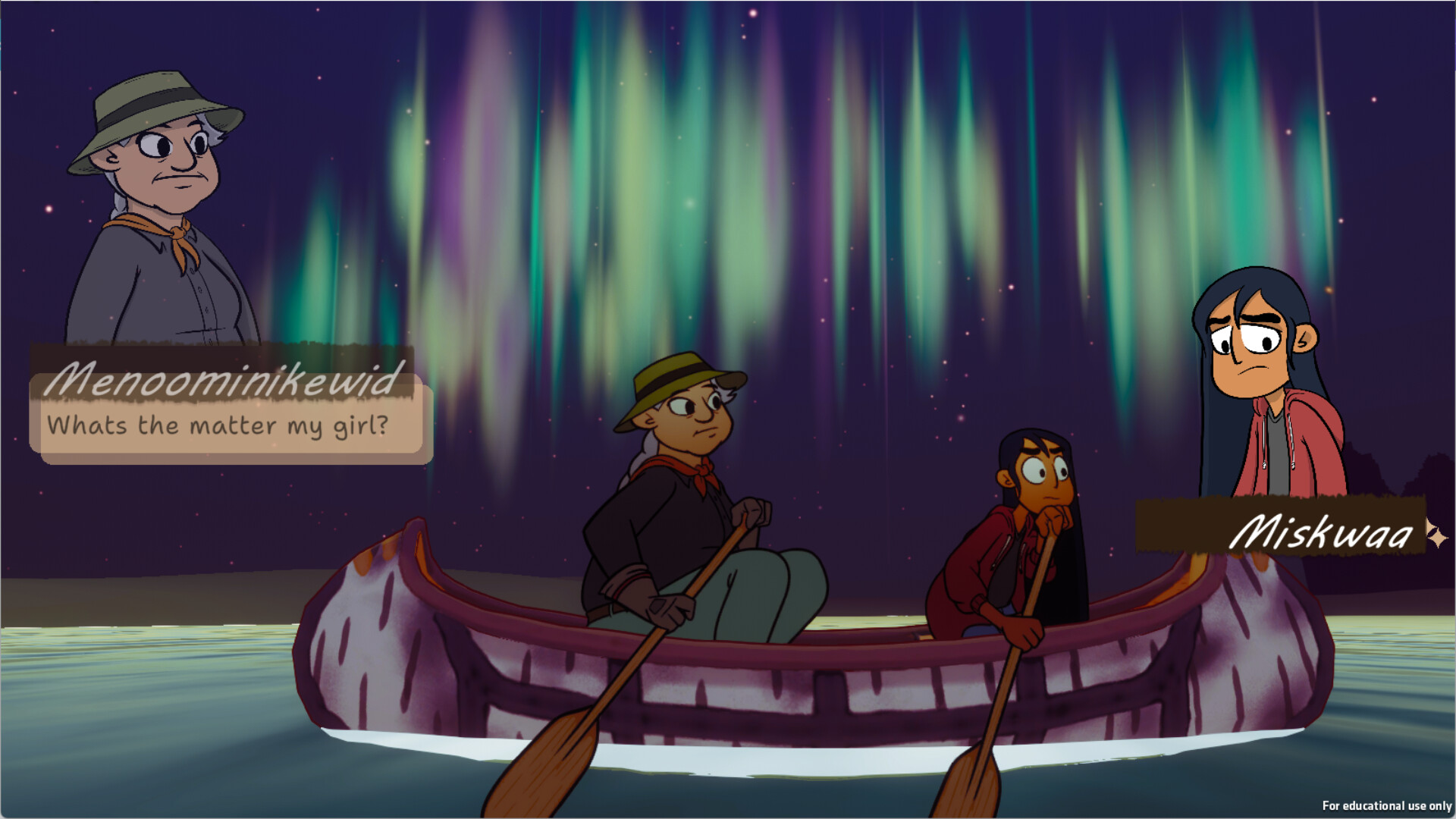
Lore aside, they still had to dodge the biggest trap in “educational” gaming: making something kids actually want to play. When I asked Hermes how they balanced teaching Ojibwemowin with engaging game design, her answer was brilliantly straightforward.
“Fun, fun – won every time. No didactic teaching methods for us! Play it, enjoy it, be left with a sense of wonder and curiosity, after all, none of us knows everything…”
Prioritizing fun didn’t magically make the work easy, of course. A five-year dev cycle is tough on any indie team. Doing it fully voiced in an endangered language? That brings a whole different level of stress.
“You could ask Anang this, she would say the bugs,” Hermes laughs. “I would say 1500 individual lines recorded with individual line id’s, 12 different actors, across two nations, the elders not fluent in our dialect, whew. That was a long process! And there are still some corrections we’d like to fix up.”
Indigenous dev teams face logistical nightmares most indie studios never think about—like wrangling non-fluent voice actors across different dialects and nations.
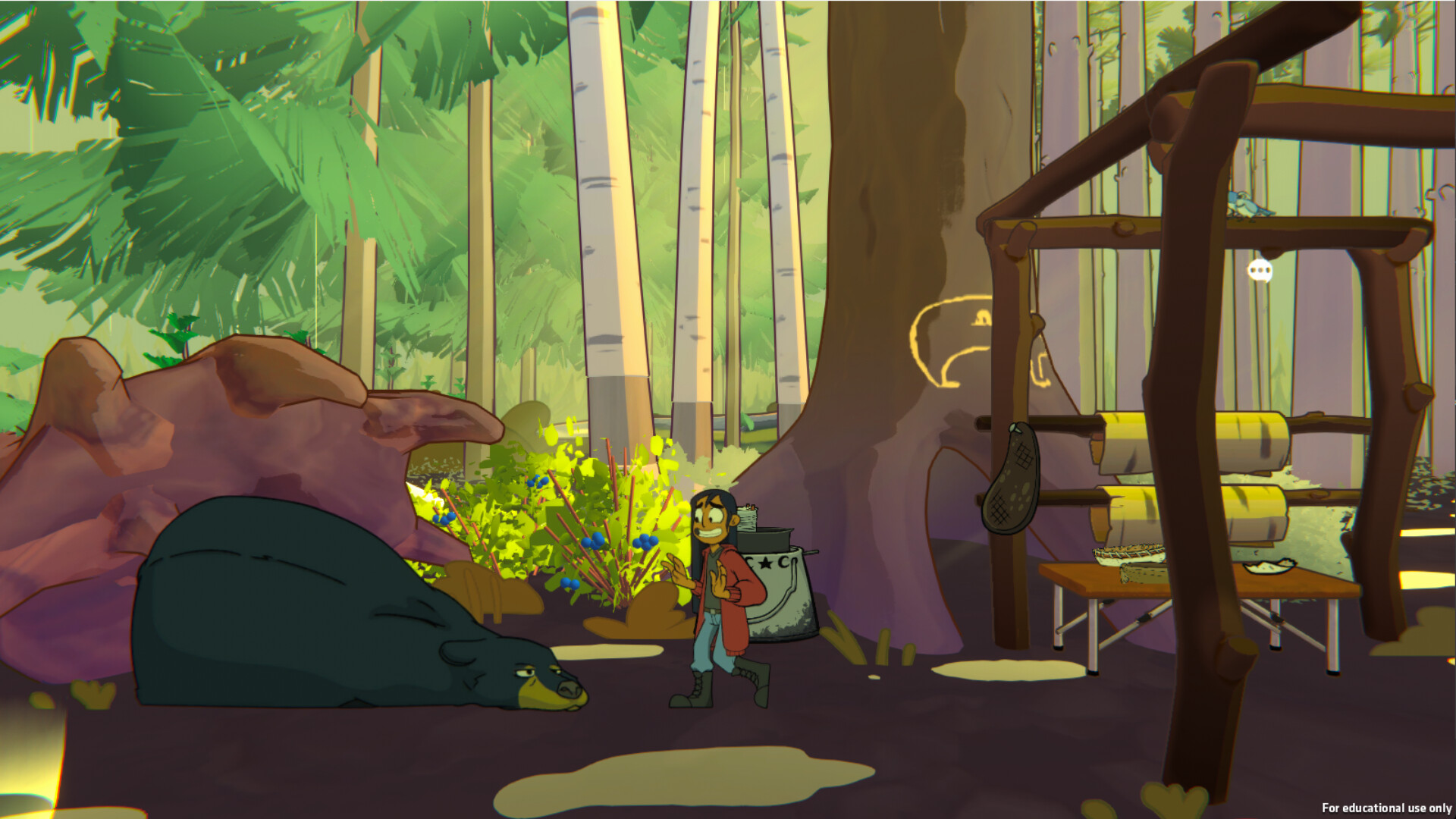
Hermes is pretty realistic about what it takes to pull something like this off. When asked what advice she’d give to other Indigenous creators wanting to build games in their native languages, she offered a sobering mix of caution and encouragement.
“Well.. have a lot of time, money, and some people who have been down this road! Or try something smaller your first time doing one.”
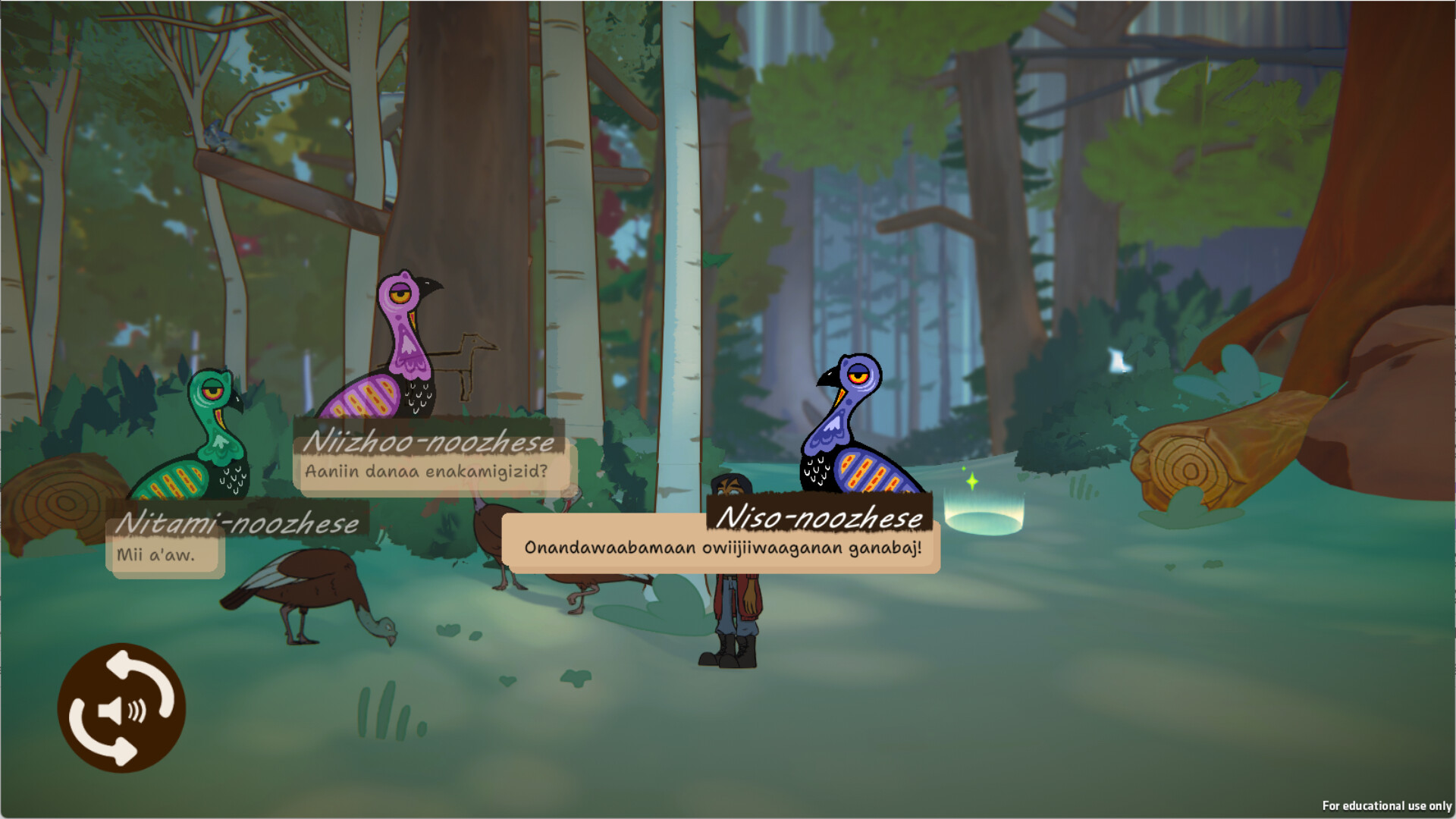
Reclaim! Azhe-giiwewining proves there’s a better way to make games. When we asked if she had any parting thoughts for other indie devs wanting to try community-based design, she brought it right back to the land.
“Community-based design is a great process; it really felt empowering to the people who participated, and to make a game – where you are speaking to the land – that is something I wish more games did!”
Check our thoughs on Reclaim! Azhe-giiwewining down bellow:

Leave a Reply