
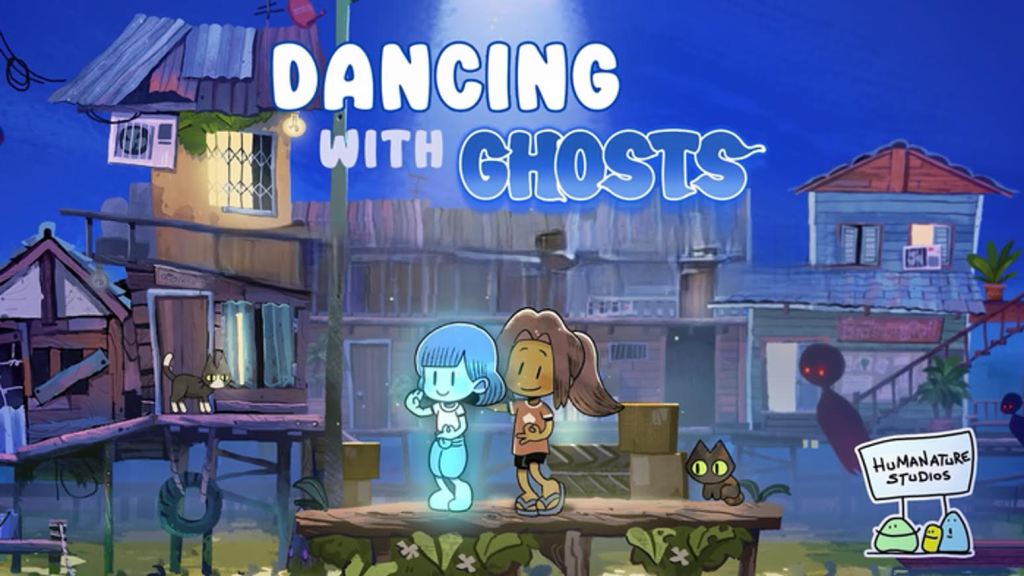
Dancing with Ghosts looks like a cheerful, cozy storybook adventure where you get to spend time helping people, making food, dancing, driving a boat and generally being useful around a beautiful little Thai village. Underneath all that, though, there is a surprisingly sad story about grief, loneliness and, most importantly, trying to find some reason to be happy again.
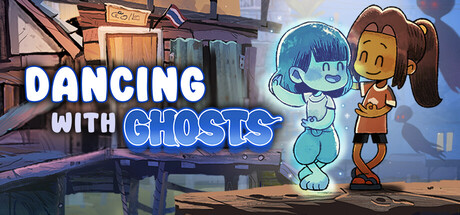
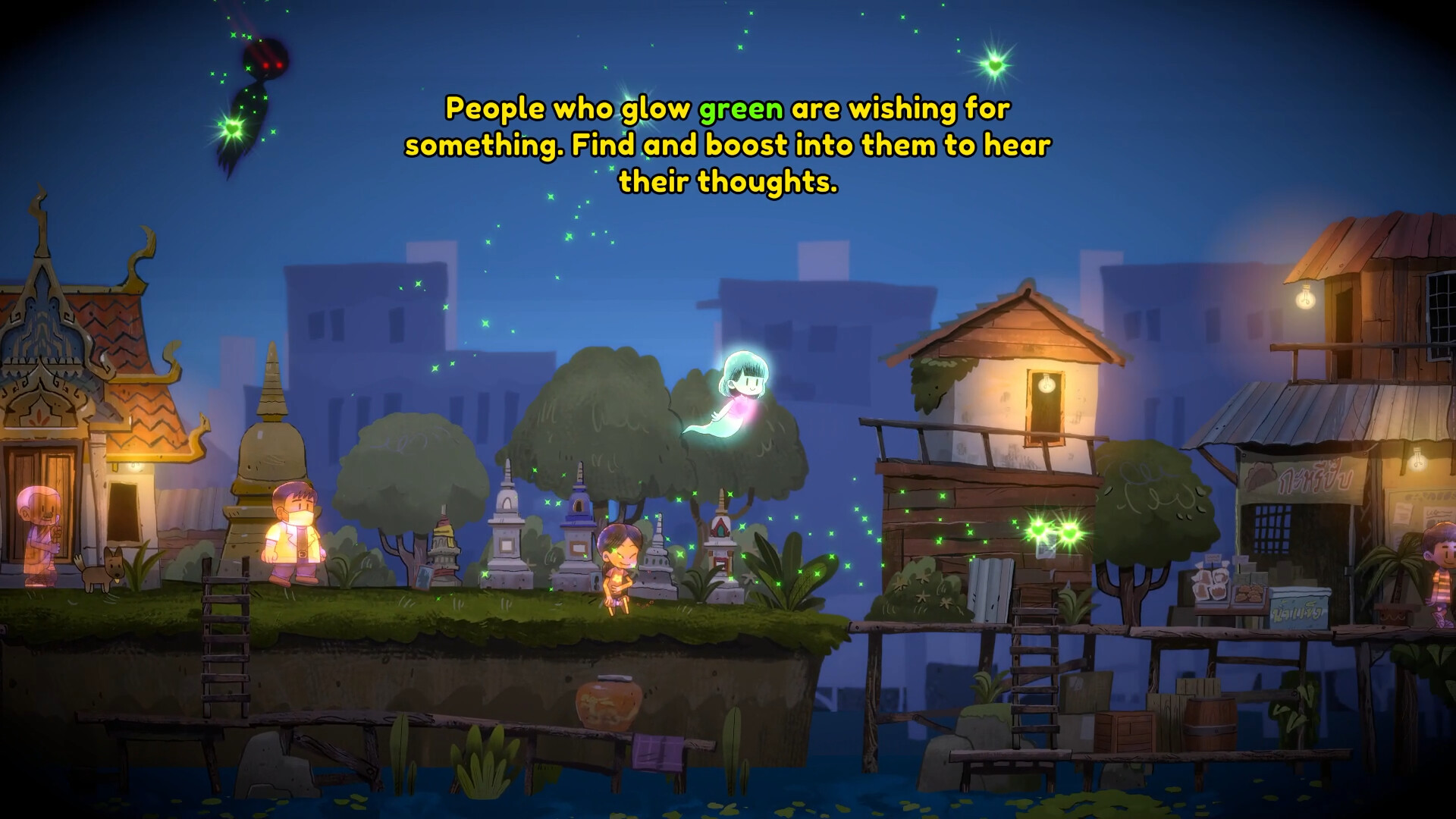
Dancing with Ghosts looks absolutely amazing. There are so many breathtakingly beautiful locations that walking around the village can be mesmerizing. The drawings are crisp and colorful, and the whole thing gives off warm, cozy vibes even when the story is dealing with some pretty mature themes. The village is based on Bang Pa-In in Thailand’s Ayutthaya Province, the real-life hometown of the Thai side of creator Greg Johnson’s family, and the game was fully illustrated and animated by Thai artists. That connection to a real place can be felt in the way the village is presented. It doesn’t feel like someone decided that a game should look “Thai”. It is Thai.
We play as Mai, a young girl who seems to be doing her best to help everyone around her. She runs errands, helps her neighbors and takes care of animals, but she isn’t particularly happy, or at all. Some of her peers bully her and she has withdrawn into herself after losing her parents. She used to dance, something her mother taught her, but she stopped after everything that happened. Her diary is where she puts the things she can’t say out loud.
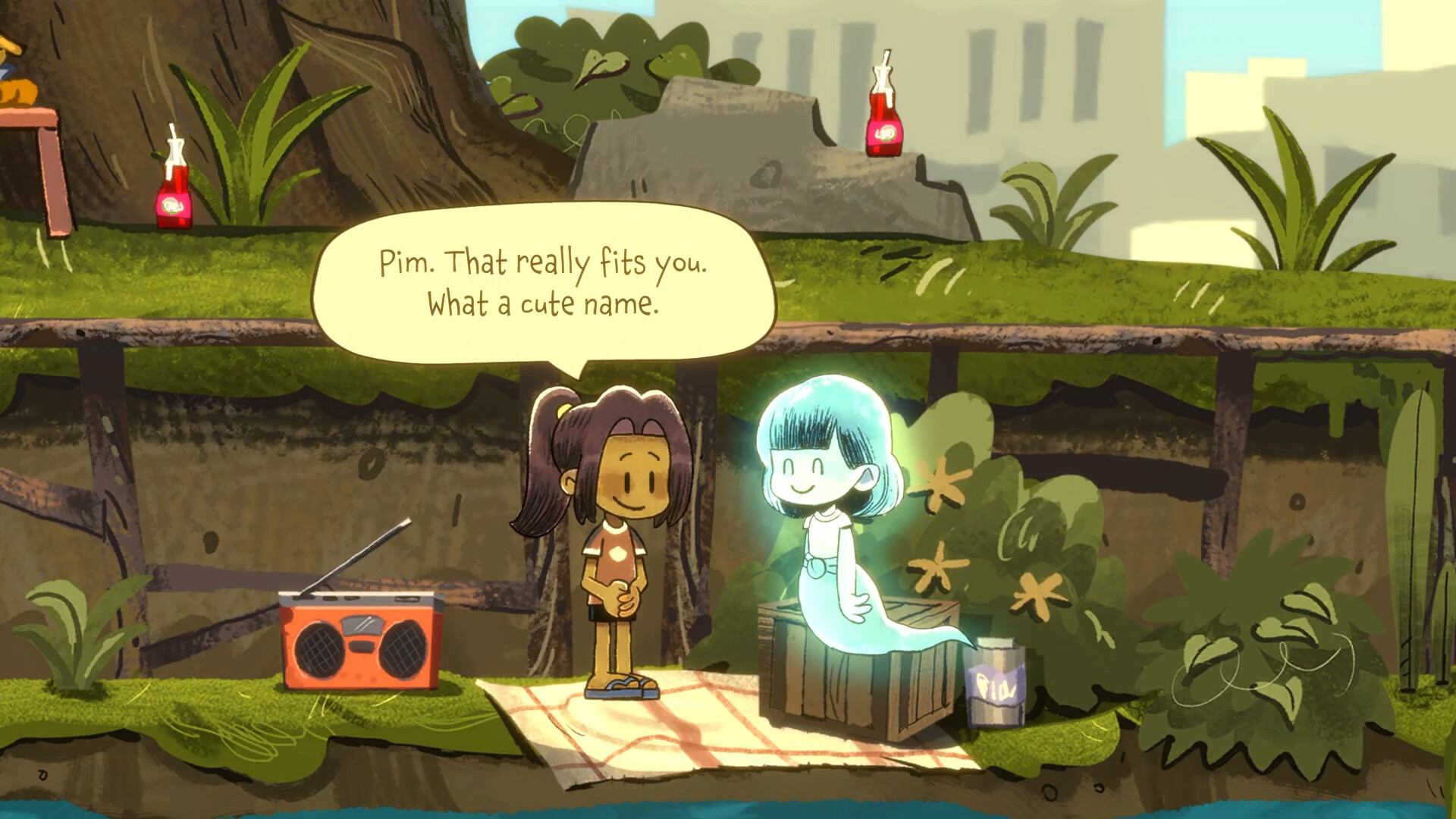
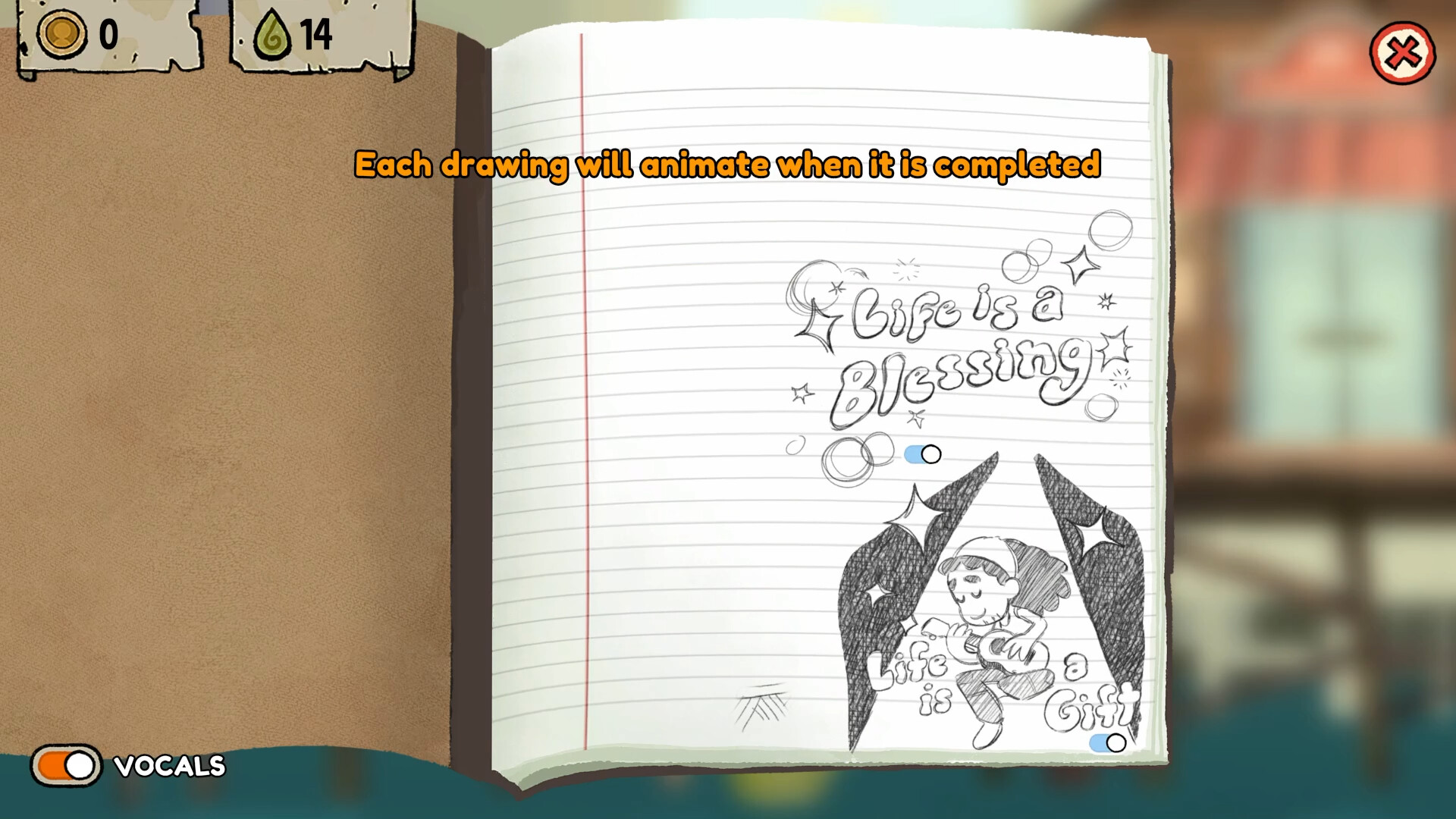
Mai’s drawings tell us what she can’t say
The diary is one our favorite parts of the game. Drawing, if we can call it that, is ridiculously simple. We hold the left mouse button and move up and down until the drawing is complete. That’s pretty much it. Once we’re finished, though, the drawing comes to life and we get to see a little animated scene.
Those animations are lovely, but they also tell us much more about Mai than a regular conversation could. Her drawings are connected to things that happened to her and things that are troubling her, so watching them move helps get a better understanding of what is going on inside her head. She’s a deeply troubled girl and the drawings allow us to see past the cheerful surface of the game and into the parts of her life that she doesn’t know how to deal with.
We particularly liked the way the game handles this contrast. We can close the diary, walk outside and immediately return to this colorful, cheerful village where people need help and music is playing. Then we go back into Mai’s notebook and suddenly we’re looking at something much sadder. The two sides of the game work surprisingly well together.
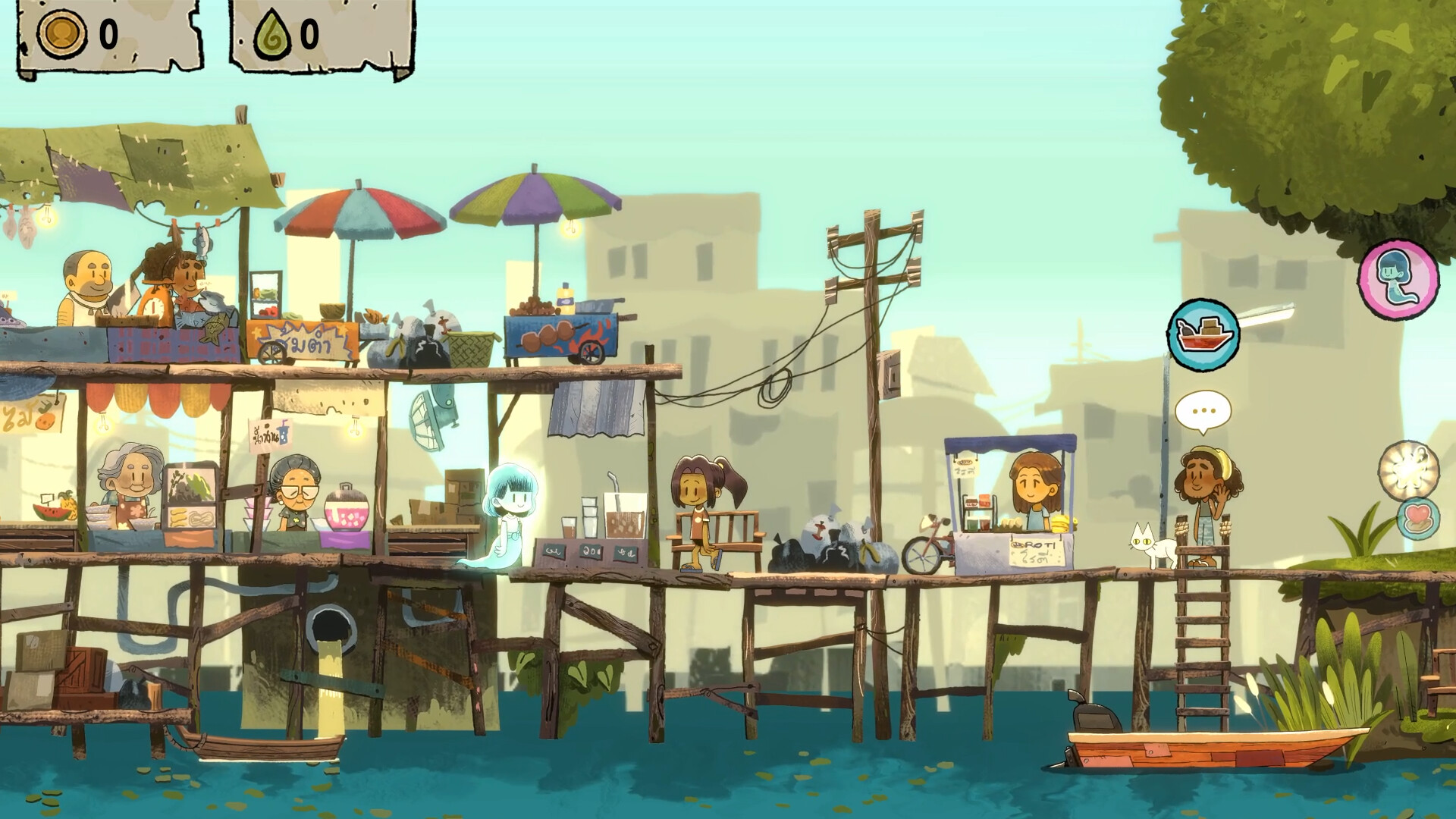
Pim, the happiest ghost around
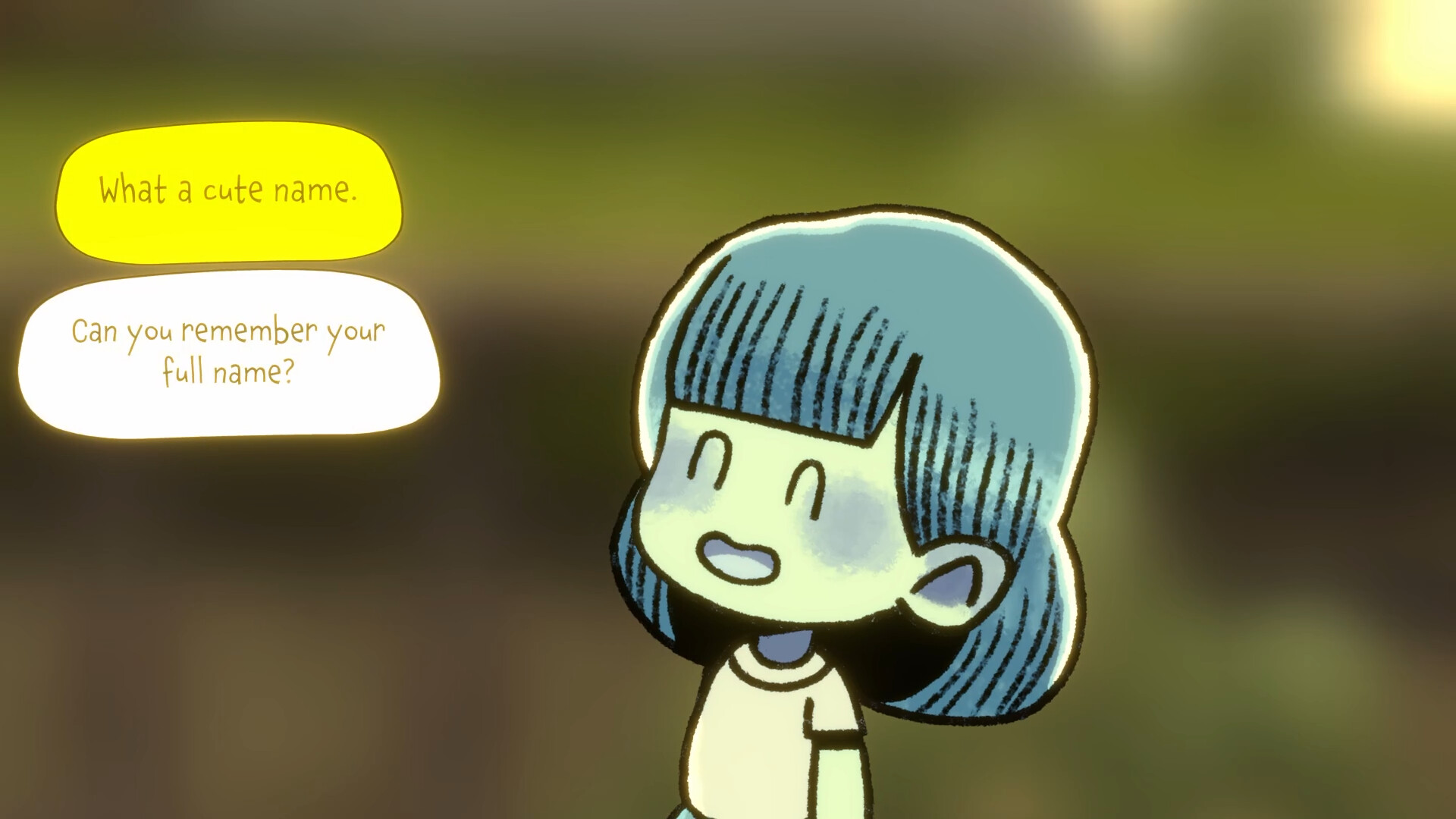
Mai eventually meets Pim, a little ghost who has lost most of her memories but hasn’t lost any of her happiness. She doesn’t know who she was or how she died, and helping her recover those memories becomes the main thread running through the game. This is based around the Thai spiritual belief of dedicating good karma to those who have passed. We earn karma by helping people around the village, completing activities and generally doing good things. That karma helps Pim recover her memories, which in turn moves the story forward.
Pim can also enter villagers and sense their hidden wishes. We then return to Mai and try to help those people. It’s a great and well established and realized idea because it connects Pim’s supernatural abilities with the everyday problems of the people living in the village. We’re wandering around completing random tasks, but we’re also getting to know these people and figuring out what they need, hoping that, maybe, just maybe, by helping them we help outselves.
There are dozens of villagers to meet, each with their own homes, jobs and little problems. Some gossip, some need help and some are simply there to make the village feel lived in. We liked spending time with them because the writing and voice acting make them feel like real people and not characters who exist solely to hand us another quest.
Good karma comes with a few annoying timers
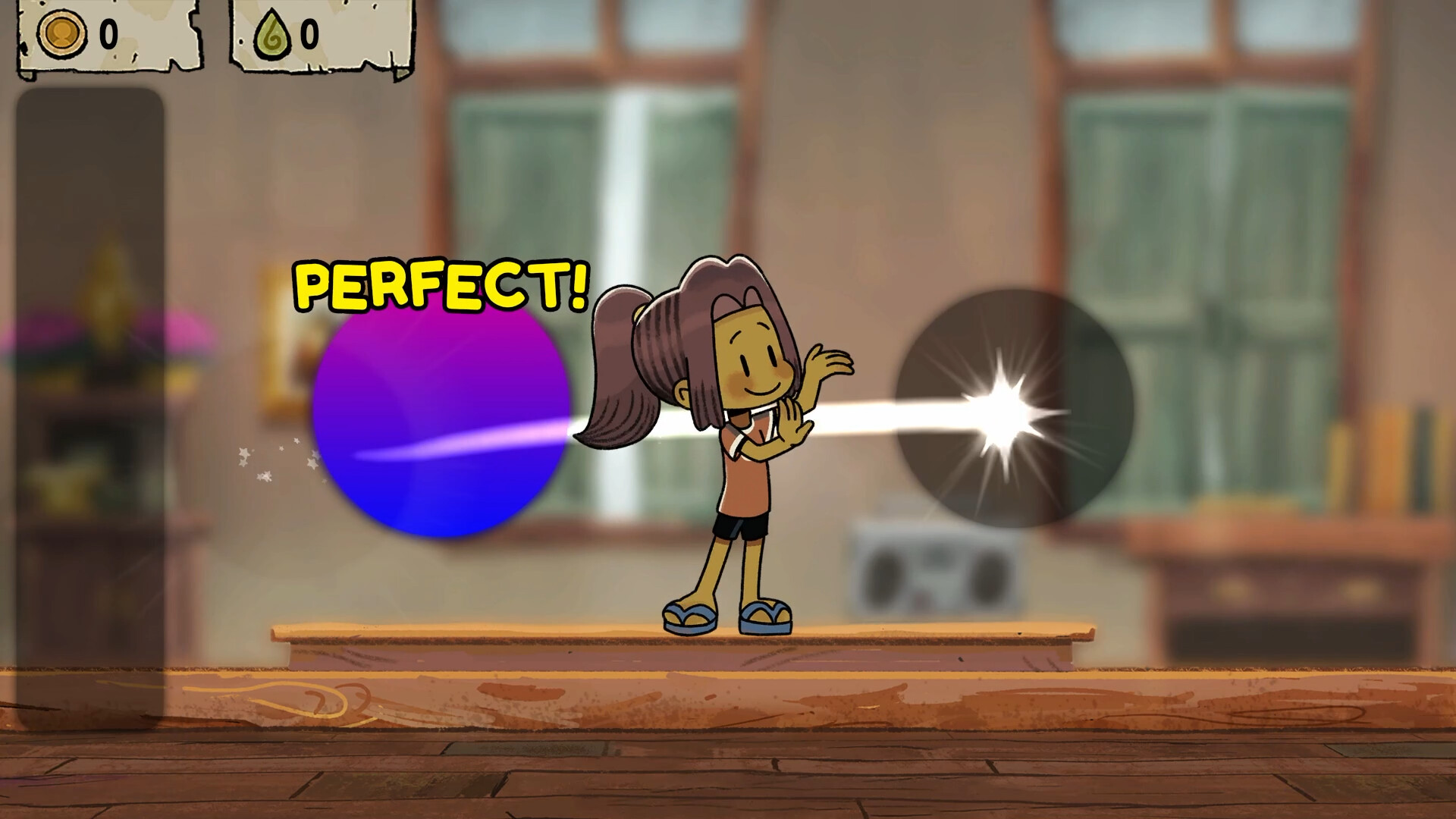
Most of the things we do for the villagers are presented as little minigames. We can make roti, knead dough, prepare food, chop ingredients and take part in various other activities. Dancing is particularly important because it is tied directly to Mai’s relationship with her mother and her gradual return to something she once loved. There are different songs and difficulty levels, so there is more to the dancing than simply pressing a few buttons once.
The problem is that some of the other minigames have timers that feel far too strict for the kind of game Dancing with Ghosts is trying to be, or what we wanted it to be. In one instance, we had to help a lady pound all kinds of ingredients by swapping ingredients into the correct order. Logically, it makes absolutely no sense. The only real challenge comes from the very limited amount of time we have to reorder five lines of ingredients. We know what needs to be done; the game just doesn’t give us much time to do it. It felt unnecessary.
Dancing with Ghosts is at its best when it allows us to relax and spend time with its characters. Putting a very stingy timer on a simple activity makes it more frustrating than it needs to be. We would much rather have had a relaxing minigame where we could make a mistake, try again and enjoy the activity without constantly watching the clock.
The karma system itself is something we weren’t particularly fond of either. Successful minigames and other activities, including drawing in Mai’s notebook, reward us with karma points. Those points unlock conversations and allow the main story to progress. We don’t particularly like narrative content being locked behind a currency, and we would have preferred a more organic questing system.
These things don’t make it a bad game, we’re talking about minor inconveniences. The requirements aren’t difficult to reach, and the system does encourage us to explore the village and help people before moving on. We never felt like we were stuck behind it, but we we never felt like it should belong here either.
Row, row, row your boat
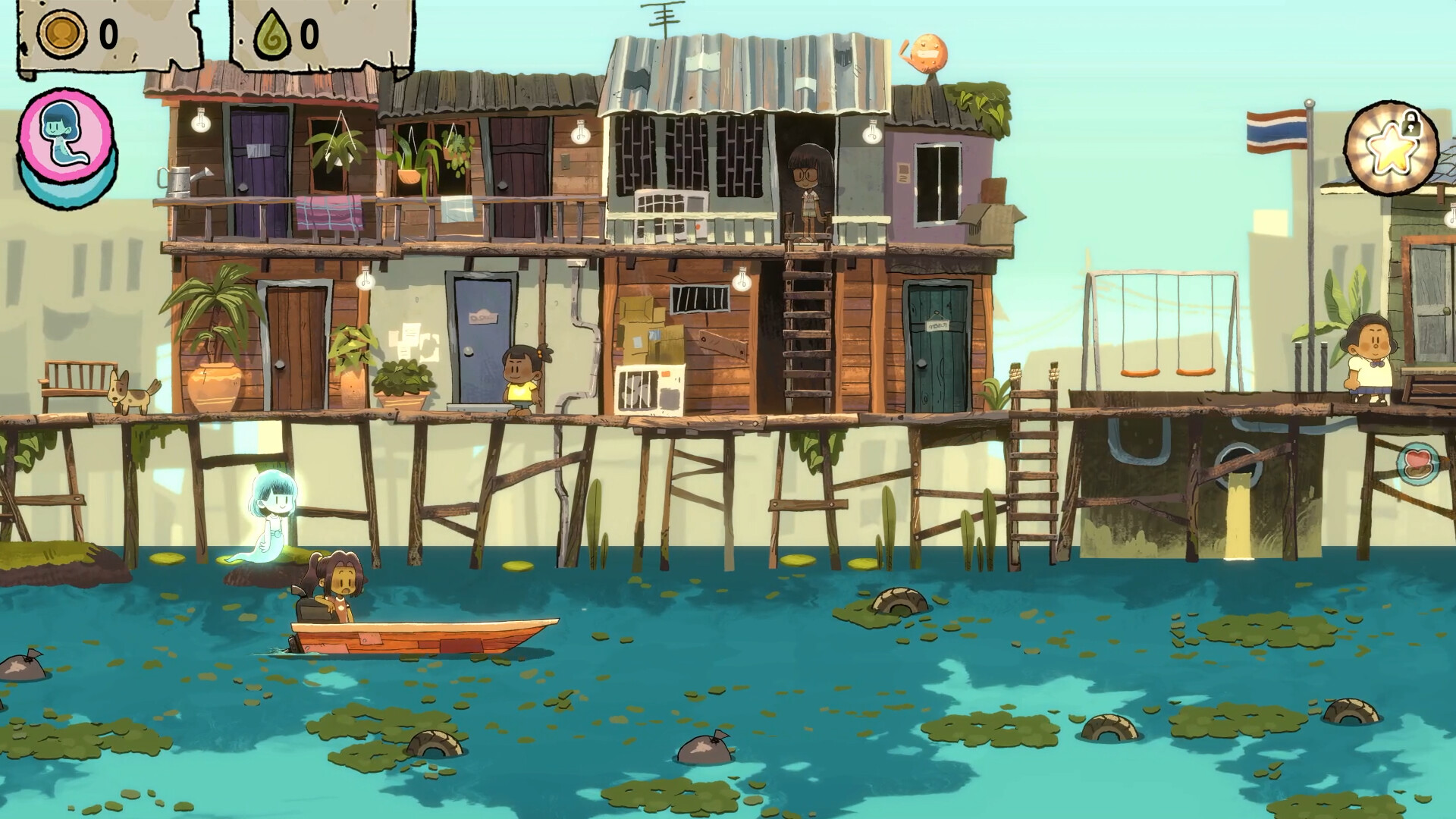
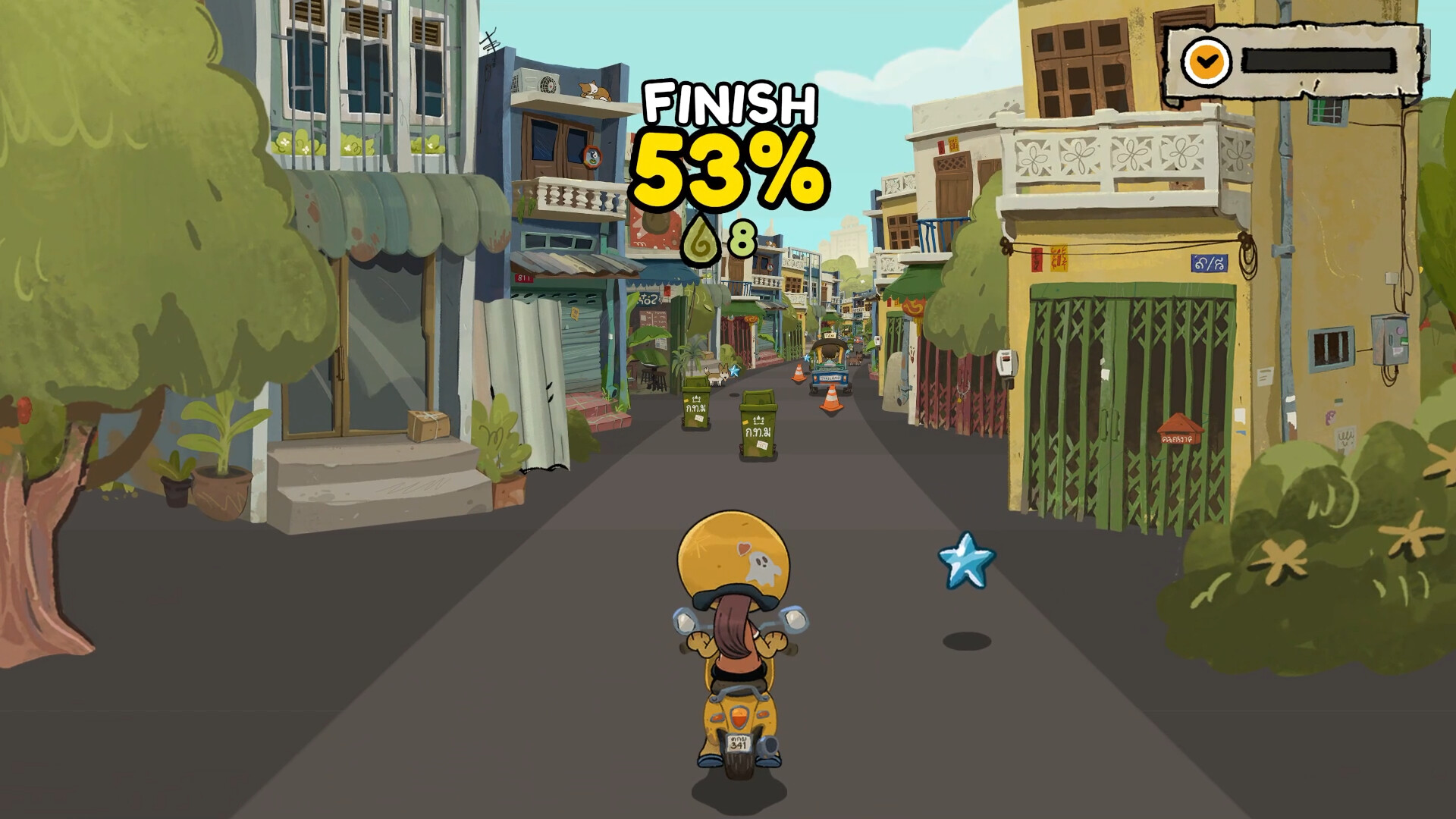
Because the map is presented in 2D and we’re mostly moving left and right between locations, we were happy to discover that there is a motorboat underneath all those houses. We can jump into it and travel along the river to get from one side of the village to another much faster.
The boat has its own little minigame. Hitting trash slows us down, while collecting gas canisters gives us a speed boost. It’s simple, but it makes traveling around the village a little more enjoyable and it helps us pay attention to what is floating around the river.
It also fits nicely with the game’s overall approach. Almost everything we do is a small activity rather than a traditional piece of gameplay. As we’ve said on several occasions now, we’re helping people, making food, dancing, drawing, driving and trying to understand what happened to Pim and Mai.
A couple of other things
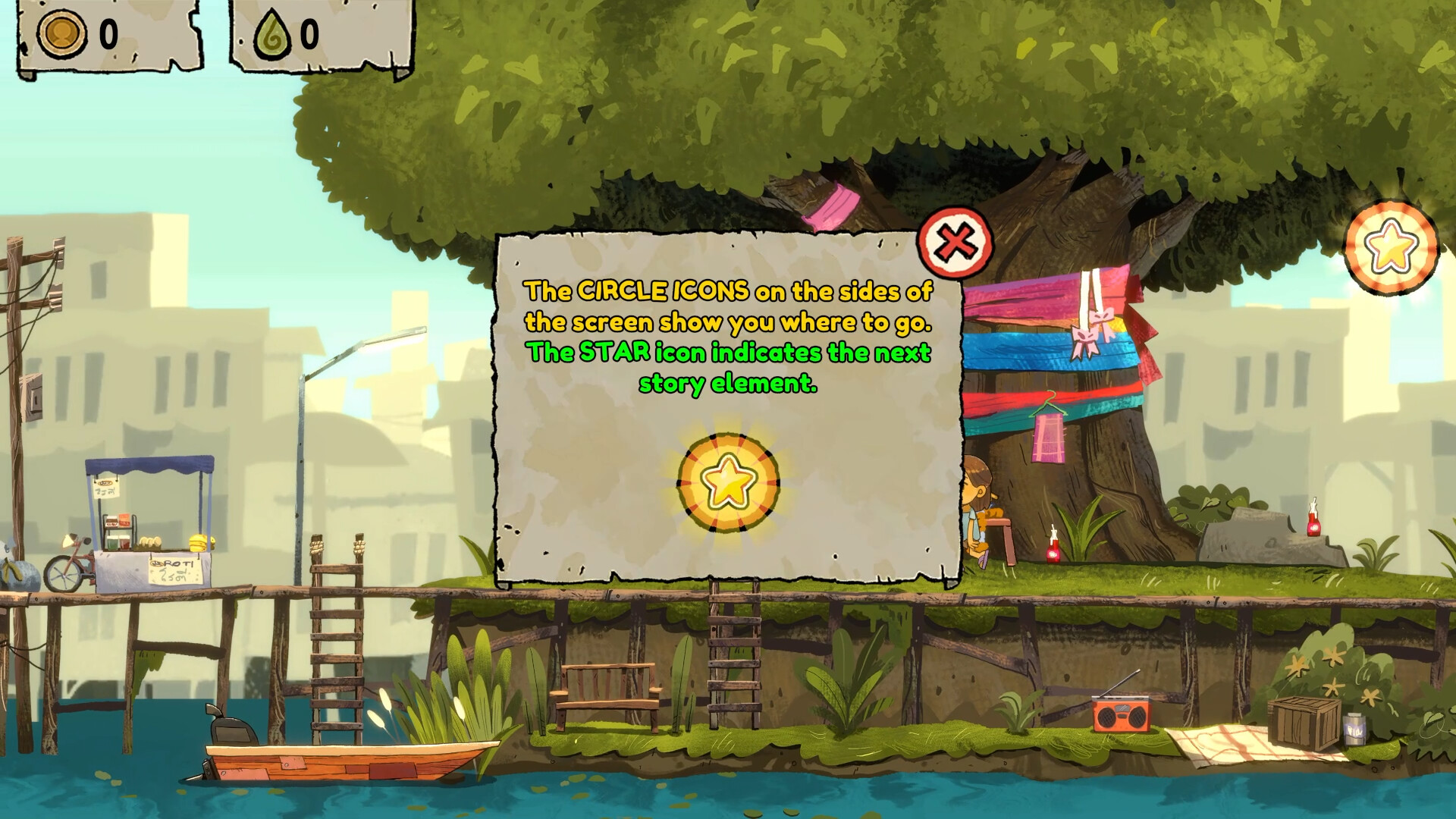
There are a few places where the game could explain itself better. Near the beginning, a menu appeared explaining how to play one of the activities. While we were reading what we were supposed to do, the activity running in the background apparently finished by itself. The tutorial disappeared, the girls looked frustrated and left the house.
What happened? We really didn’t know.
We found the same dancing activity later and were able to understand it, but that first introduction was confusing. We can see how some players might wonder whether they had missed something or accidentally skipped an important part of the tutorial.
Controller support also needs a little work. The controller works fine for most of the game, but once we got into the boat, we couldn’t figure out how to get out of it using the controller. We also couldn’t draw in Mai’s notebook with the controller. Everything worked when we switched back to mouse and keyboard, but if you’re planning to play this with a controller, those are things to keep in mind.
The music fits, until it starts repeating
The music uses what we think are ethnic instruments and the end result suits the setting very well. It also changes dynamically depending on what is happening, and we appreciated the quieter, more subtle music during the sadder scenes.
The problem is repetition. Some of the musical phrases repeat so often that they eventually start to drone on. There were moments when we found ourselves zoning out simply because the same tones had been playing for so long. It’s particularly noticeable because the rest of the game’s presentation is so carefully put together.
When the music changes with the mood, it works beautifully. We just wish some of those background tracks had more variation.
The characters
The writing is good, and the voice actors do a great job of conveying the emotions behind the dialogue. Mai is particularly well acted. We can hear her frustration, sadness, confusion and occasional happiness without the game having to spell everything out for us. The dialogue choices are also nicely handled. We get two ways to respond in conversations, but there isn’t always an obvious “good” and “bad” answer. That suits Mai because we’re helping a troubled girl figure out how to communicate with the people around her.
The characters, the drawings and the story are are the things why we kept playing. The minigames are there to give us something to do, but we wanted to know what was going to happen to Mai and Pim. We wanted to see whether Mai would dance again. We wanted to know who Pim was and why she was still there. That, we feel, is a much stronger reason to keep playing than any karma counter.
Memorable Moments
Dancing with Ghosts isn’t perfect, but its beautiful drawings, believable characters and emotional story are well done. We loved watching Mai slowly find her way back to something she had lost, and despite the few annoying minigames and technical issues, we’re glad we spent time with her and Pim. It’s a sweet, sad, but endearing little story that we’re glad it was part of our week.
Dancing with Ghosts
Developer: HumaNature Studios
Publisher: HumaNature Studios
Genre: Narrative Adventure / Casual / Minigames
Platform: PC
Mode: Single-player
Playtime: Approximately 6–8 hours
Release: Early Access
Setting: Bang Pa-In, Ayutthaya Province, Thailand

Leave a Reply