

Is it just us, or are you also freaked out by empty space stations? Not only did people work there, but they also had their own routines—they lived there. And now, there is nobody around to tell us what happened. That stark void of life, where everything has been left behind, is why we think empty stations work so well in games. And then you, the smartest of them all, glide in on your figurative high horse to piece together the unpieceable and bring meaning to a seemingly unsolvable situation.
Rivage is another game that captures this feeling particularly well. You play as Miranda, who wakes up alone aboard the A.R.E.S. space station after it becomes trapped in a strange cosmic phenomenon. Her crew is gone, access to parts of the station is restricted, and available power is limited. We have to explore the station, solve puzzles, and slowly work out what happened. Oh, and there’s one small detail we probably should mention—the day keeps repeating.

Since Rivage is a first-person puzzle adventure, we spend most of our time exploring A.R.E.S., interacting with objects, reading messages and records, solving puzzles, and using what we learn to get further into the station. The time loop ties all of this together, turning what might otherwise be a fairly straightforward investigation into something much more interesting. We are trying to figure out what happened but we’re also constantly figuring out what we should do with what we’ve learned.
Power is limited and, try as we might, we couldn’t get through the station without deciding what was actually worth doing during each run. When a run eventually ends, we start over, but the important thing is that the discoveries we make carry over and help us on the next attempt. It’s a fun and rarely explored dynamic that we couldn’t get enough of. A door that made no sense before can suddenly become important once we understand where it leads, while a password found several loops earlier can solve a problem much later. We love how the devs play with the environment in unpredictable ways, making us really think—and, in some cases, overanalyze—because something that looks like simple decoration can turn out to be a key clue. It creates a great sense of progression that’s closely tied to how we slowly come to understand the station rather than simply unlocking the next area.
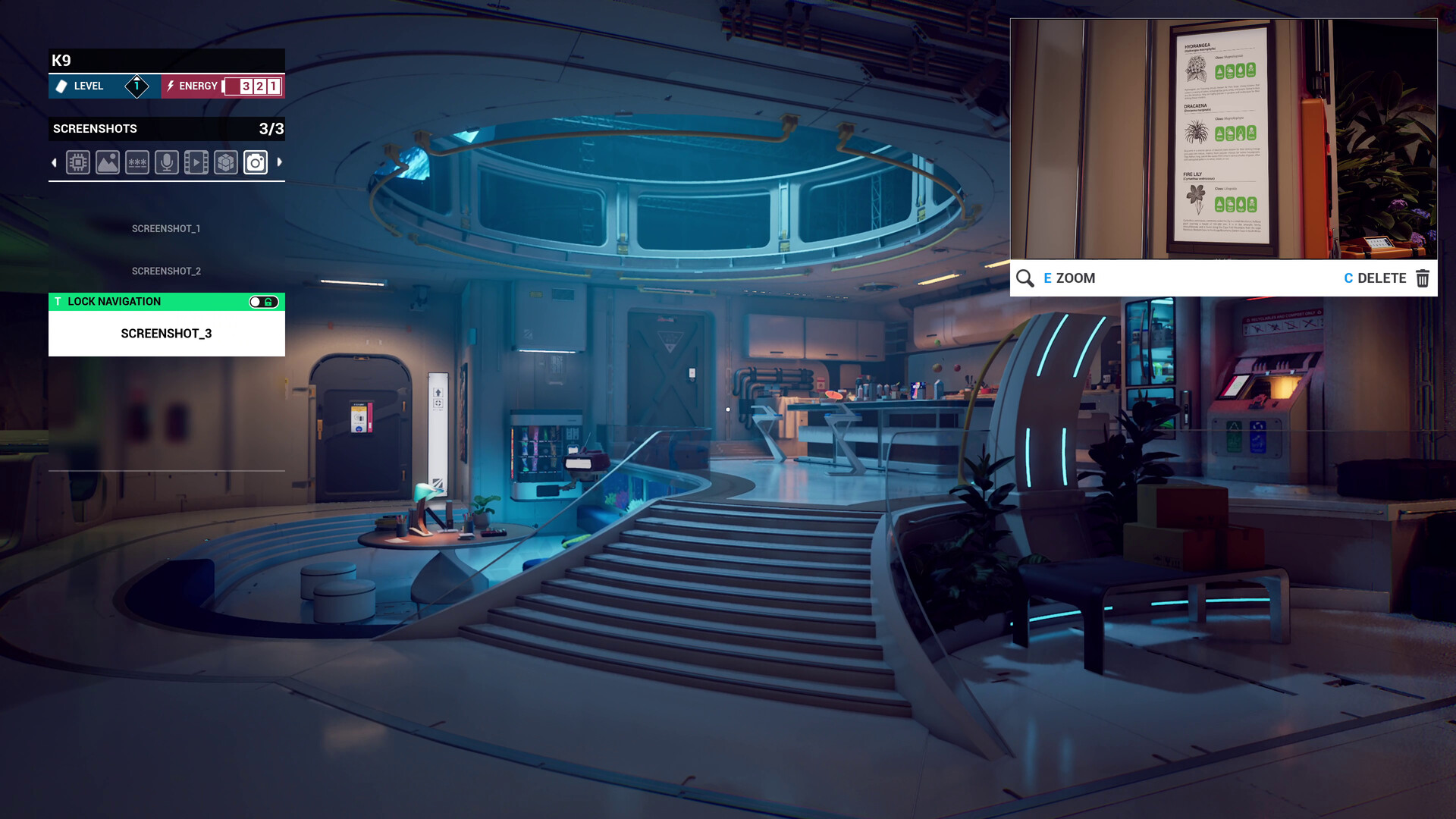
There are plenty of objects to interact with, and many of the rooms tell a story about the people who lived and worked there. Journals, emails, recordings, personal belongings, and work areas slowly fill in the gaps around the missing crew, giving us a better idea of who these people were and what their lives aboard A.R.E.S. looked like. The station doesn’t feel like a series of empty rooms built solely to hold puzzles; it feels like a place where people actually lived, worked, and went about their daily routines. It’s impressive how much detail the developers included, allowing us to examine many items that aren’t even connected to a puzzle. Sometimes we’re looking at something because we need a clue, and sometimes we’re looking at it simply because we’re curious. Both are rewarding.
The K9 system is what keeps us from losing our minds and screaming in frustration. It tracks certain discoveries, including passwords, audio logs, and screenshots, and gives us a way to keep important information organized as we progress. This is particularly useful in a game where something we discover several loops ago might suddenly become relevant much later. Of course, we don’t mean to contradict ourselves—you still need to remember things, just not absolutely everything. K9 takes some of the pressure off without turning the investigation into a game of following a checklist.
The story also does a good job of making us reconsider the people we’re learning about. The crew’s rooms, recordings, messages, and personal items gradually offer a clearer picture of who they were, and as more pieces fall into place, our perspective on them changes. It’s a great feeling of slowly reconstructing the lives of people who are no longer there and it makes exploring the station feel more meaningful, especially when we start noticing how seemingly insignificant details fit into the bigger picture.
The puzzles, which range from relatively simple fixes to much more complex challenges require us to connect information from different parts of the station. Some involve repairing systems or interacting with the environment using mechanics centered around gravity, magnetism, and time. It isn’t easy. We struggled more than we’d like to admit, and whenever we finally solved a puzzle, we couldn’t believe it had taken us so long to connect the dots. Everything is logical according to the rules Rivage establishes, yet we still felt like we should have put the information together a run or two earlier.
The game provides very little guidance, forcing us to pay close attention to specific details if we want to make progress. For the most part, we appreciated this because Rivage trusts us to actually solve its problems rather than constantly pointing us in the right direction. There were, however, a few occasions where the line between challenging and frustrating became a little too thin. Some puzzles rely on trial and error, while others can leave us wondering whether we’ve missed something obvious or whether the game expects us to know something we simply don’t. These moments tested our patience and occasionally made us step away, only to return the next day with fresh eyes and, usually, a much better idea of what we’d been missing. We can see how this is what can make Rivage so satisfying. The particular feeling that comes from spending far too long staring at a problem and the walking away convinced that the game has finally beaten us. Then, with the next gaming session, things seem clearer and the solution was staring at us all along.
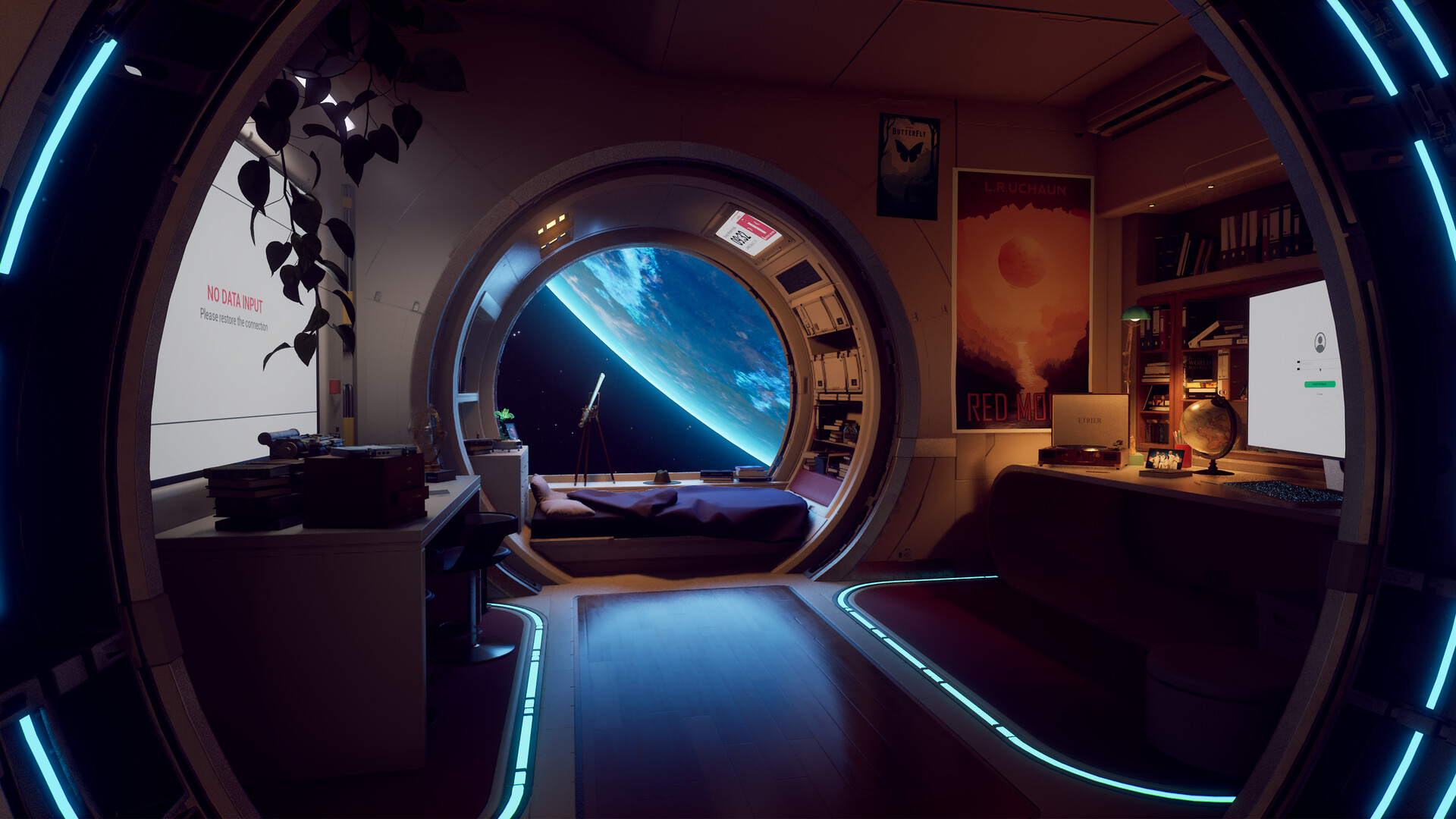
Rivage is the debut title from Ex Nihilo Studio, and credit where credit is due—it is a remarkably ambitious first project that is executed exceptionally well. It combines a detailed sci-fi setting with environmental puzzles, investigation, a time-loop structure, and a mystery that gradually unfolds as we become more familiar with the station and its missing crew. It isn’t always an easy ride, and there were definitely moments when we wanted to throw our hands in the air and rage quit, but the satisfaction of finally putting everything together made those moments worthwhile. If you enjoy combat-free games that ask you to pay attention, remember what you’ve discovered, question what you’re looking at, and put the pieces together yourself, Rivage is well worth a look. It will reward your curiosity, patience, and the willingness to stare at the same problem for far too long.
Score: 8/10
Game: Rivage
Developer: Exnilo Studio
Publisher: Raw Fury
Platforms: PC, PlayStation 5, Xbox Series X|S
Release Date: September 22, 2026
Genre: Sci-fi Puzzle Adventure
Players: Single-player
Price: $24.99
Score: 8/10

Leave a comment