
For us, The Alighieri Circle: Dante’s Bloodline was one of those game where we walked into the first room and instantly got the urge to to look around. This is a beautiful game, if not the most beautiful we’ve seen in a while. At the beginning, every single room in the Alighieri manor feels meticulously designed. With the sound of the rain, the thunder, even the small clacks and creaks coming from somewhere in the distance, the manor feels real. It feels like a lived-in place rather than a collection of rooms built for a video game.
We stopped to marvel at the glass roof being constantly battered by the unrelenting rain, to admire the imposing library and the books within it, or to simply look at the paintings on the walls and the ancient objects sitting inside carefully arranged display cases. It’s one of those games that builds atmosphere by simply letting us look. But underneath all that anxious serenety hides a deeply disturbing game, one that opens up the moment you start letting your guard down.

Eyes Open Wide
The Alighieri Circle is built around exploration, and the first location, the Villa shows part of that potential. We spent some time opening doors, looking at objects, reading notes and trying to understand what had happened here before Gabriele arrived. For most of the things, we didn’t need to – we wanted to! The notes are especially interesting because they give us a better idea of how previous generations viewed the portal, the ritual and the idea of passing through the veil. We read all of them because we wanted more than what the main story was giving us.
The game also has diary pages and other collectibles that fill in parts of the Alighieri family’s history and Gabriele’s own memories. Again, they aren’t things to pick up for the sake of completing a checklist. They help put some of the pieces together and make the family’s burden feel like something that has been passed from one generation to another. The game is quite deliberate about making its story something we personally uncover.
And then the rain stops being comforting.
From Rainy Nights to Hell
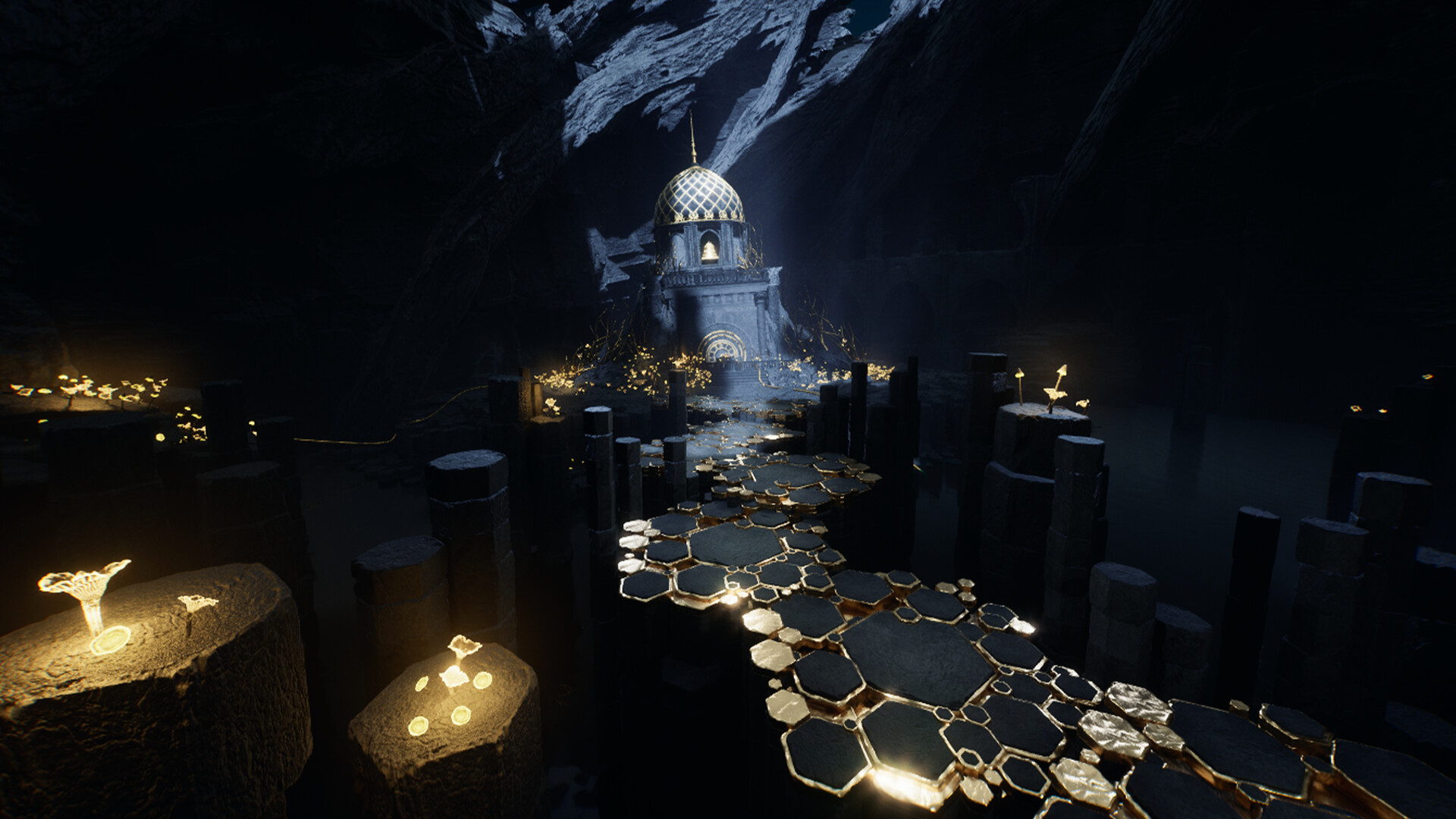
The cozy night-in-a-rainy-manor feeling doesn’t last long. Soon enough, we need to find the crypt and open the portal. As we walk between thick, ancient-looking pillars and under imposing circular domes, the mood changes completely. We can almost feel the coldness of the place.
There is an unnerving feeling of being somewhere where we don’t belong, and it never really goes away. In fact, it gets louder with every drop of water and every rock that comes loose somewhere in the distance.
Before opening the portal, we also need to find three statues. Looking back, this gives us one last perfect opportunity to walk through those mesmerising rooms before the game pulls the rug out from underneath us.
Once the portal opens, The Alighieri Circle fully transforms into something else.
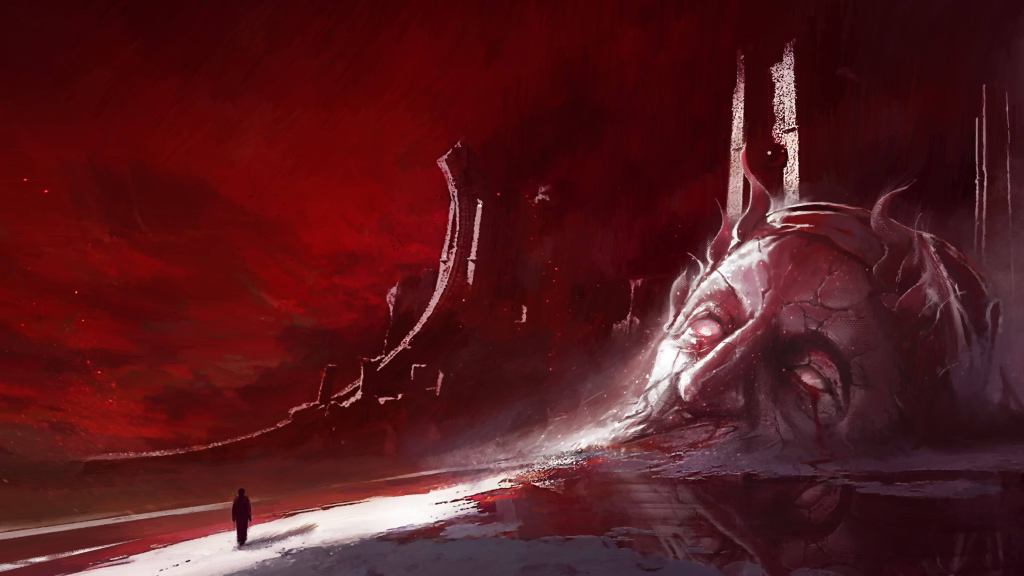
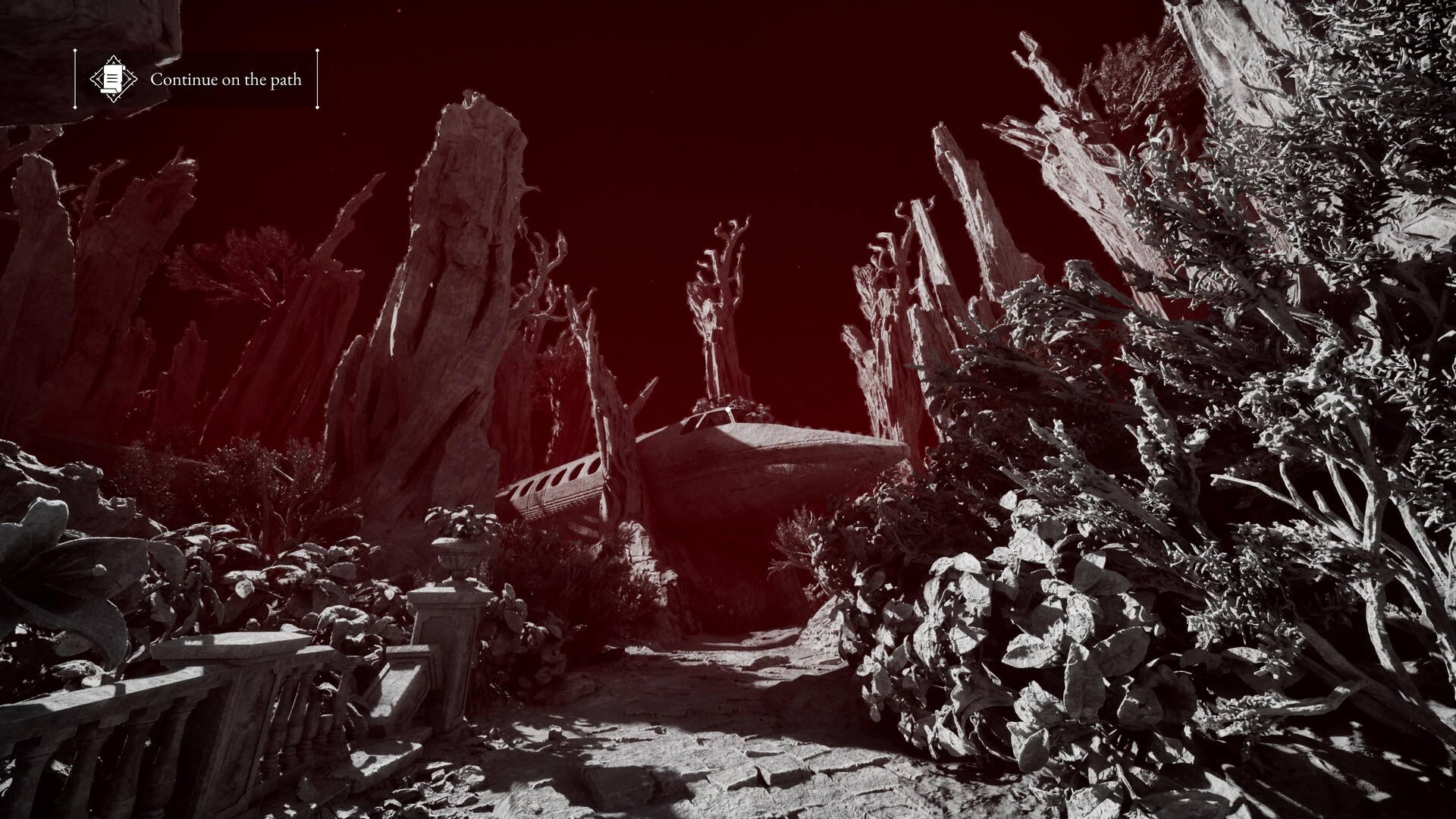
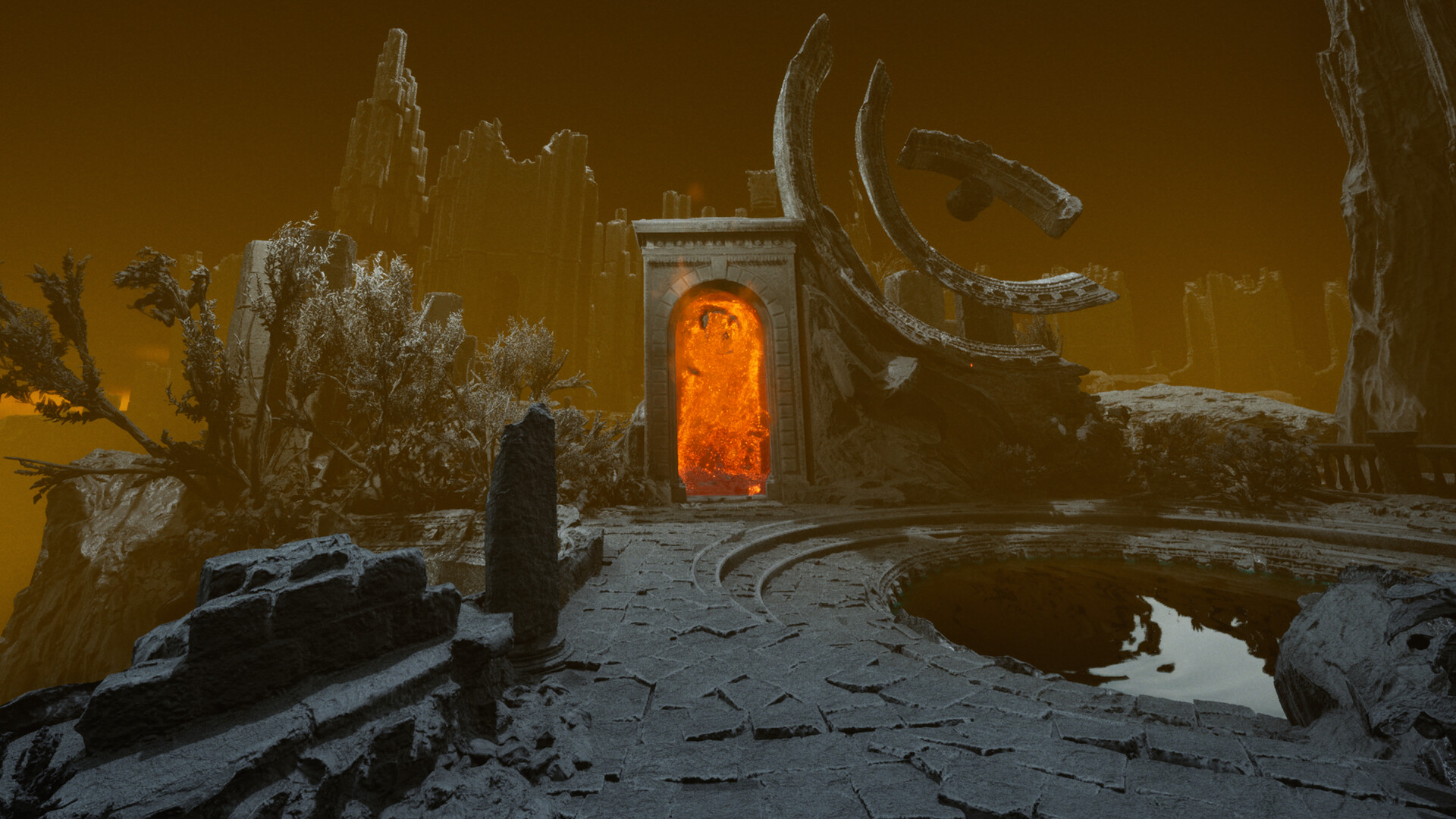
The Villa gives way to The Dive, a distorted, otherworldly reflection of the Inferno. These areas are some of the strangest and most memorable parts of the game, looking like they were pulled from the collective minds of a group of very imaginative lunatics. The game doesn’t try to recreate Dante’s Hell literally. Instead, it takes ideas from The Divine Comedy and turns them into a much more personal and psychological version.
Hell is connected to Gabriele’s fears, his memories and the things his family has carried for generations.
The Mind is the only Weapon
We’re glad there isn’t any combat here. The Alighieri Circle works best when we’re simply walking through its environments, looking for clues and trying to understand what the game wants us to notice. Adding combat would have changed the pace and probably taken away from what makes these environments work.
We approached the game as a hybrid between a walking simulator and an adventure, and we were perfectly happy with that. We weren’t looking for combat encounters or elaborate progression systems. We wanted to explore, solve some puzzles and see where this strange story was going.
Most of the puzzles aren’t especially difficult, which we were grateful for. There are switches, environmental clues, symbols and other small problems that ask us to pay attention rather than test our patience. There are also some more interesting ideas, including puzzles that make use of sound and the information we’ve picked up while exploring.
That said, not every puzzle is easy. Some are considerably less forgiving, and the final one in particular had us very close to screaming at the screen.
This is where the balance gets a little strange. For most of the game, The Alighieri Circle seems to understand that its puzzles should keep us moving through the story rather than bring everything to a halt. Then, abruptly, it asks considerably more from us.
A Story That Knows When to Leave Things Alone
The idea of Dante’s Divine Comedy being more than a poem and instead being tied to an ancient family ritual is a intriguing premise. Gabriele is a man dealing with a responsibility that has been waiting for him, whether he wanted it or not. And he really doesn’t want it.
The writing has some very good moments, particularly when we’re reading about the people who came before Gabriele. There is a sense of history here, and the notes and environmental details help make the Alighieri family’s story feel larger than the few hours we spend with it.
The acting is also generally well done, although we did run into moments where certain lines were delivered in a strange or slightly unbelievable way. There are also times when the game pushes a point a little too hard, explaining something that would have worked better if we’d been allowed to reach the conclusion ourselves.
Less can be more here.
That is especially true in a game that does such a good job of communicating through its environments. When the rain, architecture, sound effects, paintings, objects and strange spaces can tell us something without saying it directly, we don’t always need a character to spell it out for us.
A Short Trip Through Hell
Another thing worth keeping in mind is that The Alighieri Circle is a relatively short experience. It’s four hours, five if you like to wander off a bit or if you get stuck at a puzzle.
There isn’t much unnecessary padding, which can be a good thing for some. The game has an idea, establishes its world, takes us from the Villa into The Dive, and then brings the story to its conclusion. We never reached a point where we felt the game was stretching itself.
What did bother us more was the saving system.
The game relies on automatic checkpoints rather than allowing us to manually save whenever we want. That can become frustrating when we’re spending time exploring, reading notes or looking for collectibles. If we quit before reaching the next checkpoint, some of that progress can be lost. It isn’t something that ruins the experience, but it is one of those design choices that could have been left behind.
A Beautiful Inferno
The Alighieri Circle: Dante’s Bloodline doesn’t need combat, dozens of hours of content or a complicated progression system. It wants us to walk through an old house, listen to the rain, read what the dead left behind and slowly discover what is waiting on the other side of the veil.
And when it finally takes us there, it gives us a very different kind of Hell to explore. It’s for that reason that we give this little gem…
8/10 – Mesmerizingly beautiful!
Game ID
Game: The Alighieri Circle: Dante’s Bloodline
Developer: ONE-O-ONE GAMES
Publisher: Entalto Publishing / C&R Creative Studios
Genre: First-person adventure / psychological thriller
Platforms: PC, PlayStation 5, Xbox Series X|S; Switch 2 version planned for 2026
Release Date: September 10, 2026
Playtime: Around 4 hours
Combat: None
Focus: Exploration, puzzles, narrative and atmosphere
Reviewed on: PS5

Leave a comment