
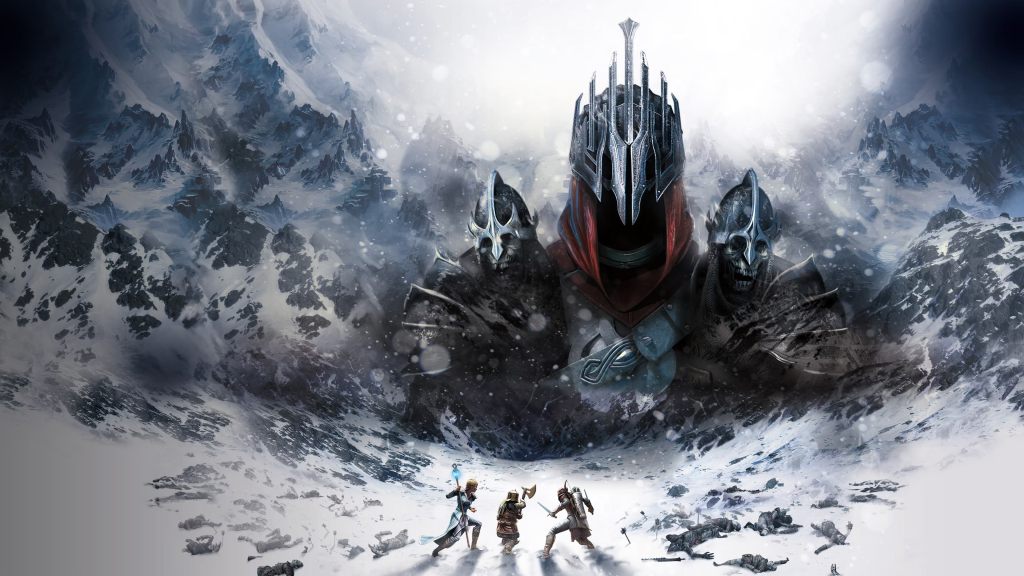
In 2011, The Lord of the Rings: War in the North was a game we loved dearly. Soon after watching the trilogy and reading the first book, this game fell into our laps completely by accident. We remember approaching it with a lot of skepticism, thinking it was just another quick cash grab, but boy were we wrong. Back then, Snowblind Studios delivered a true action RPG masterpiece with a memorable story, fun combat, and impressive graphics. It was one of those games we started replaying just two days after finishing it for the first time, and one we kept thinking about returning to all these years later. Recently, we had the chance to play the Legacy Edition—the same 2011 game, only better. Join us after the trailer break as we explore what’s new!
Out with the Old, In with the New
The Lord of the Rings: War in the North™ – Legacy Edition tells the same story about a new Fellowship formed to protect the North from Sauron’s advancing armies. While Frodo and the rest of the Fellowship are busy with their own journey, there’s one particular ranger, dwarf and elf that are given a job of making sure Sauron’s forces don’t completely overwhelm the northern parts of Middle-earth.
It is a story that doesn’t try to retell the movies but it takes place alongside the events we already know, giving us a chance to see another part of the war that was happening while the Fellowship was making its way toward Mordor.
If you played the original, you’ll easily notice how familiar everything feels. The story is the same, the characters are the same, the locations are the same. The general structure of the campaign remains untouched. We still travel through familiar places, meet characters we know from the books and movies, fight our way through hordes of Orcs and other creatures, and slowly become more powerful as we collect better equipment and unlock new abilities. It is very much the game we remember from 2011, but now with a proper clean-up.
The biggest change is also the best one
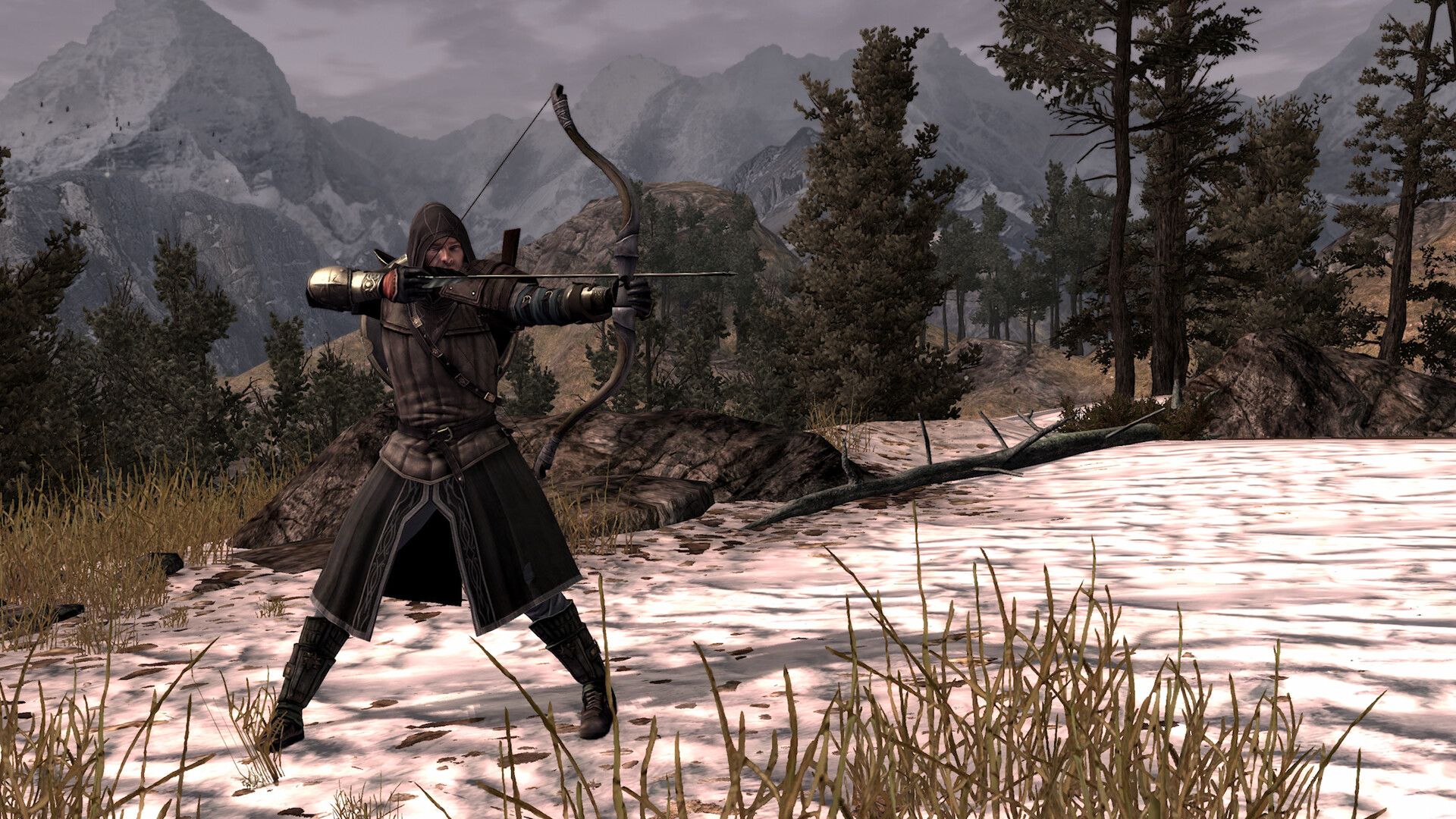
We remember playing first with the elf and then, wanting to see how much different it would be, we started our second playthrough with the dwarf. In the Legacy Edition we can switch between the three heroes whenever we want. In the original game, the other two characters were controlled by the AI. Each character had their own strengths and abilities, but we couldn’t jump into another hero whenever we felt like it.
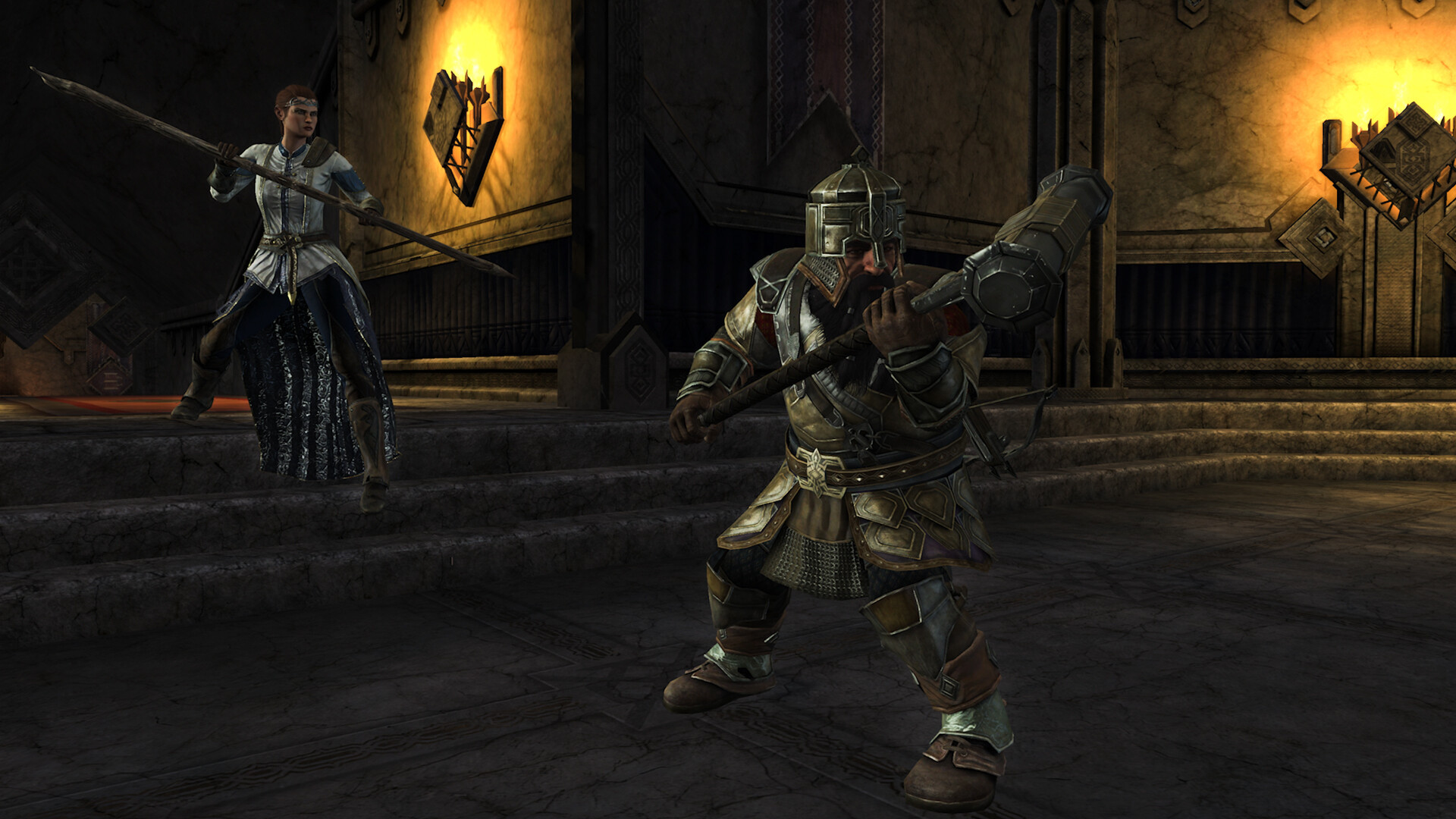
Now, playing as Eradan, we can quickly switch to Andriel when we need some magical support, or take control of Farin when things get a little too crowded. The three characters play differently and it’s great that we can make use of those differences on the fly. It makes the whole fellowship feel more like a team.
In addition, we can now manage the equipment, skills and abilities of our AI-controlled companions. Please don’t think the AI is now a lot superior, but it does make the single-player experience considerably more enjoyable.
Three heroes, three very different ways to play
For anyone who hasn’t played War in the North before, the three characters are still the heart of the experience, but, thanks to the Legacy Edition’s character switching there’s no need to commit to one playstyle for an entire level. After all these years, it’s immensely fun to move through relatively linear environments, smash through groups of enemies, collect mountains of equipment and spend our experience points improving the characters.
War in the North continues being a straightforward hack-and-slash adventure with RPG mechanics, but is that enough for today’s standards?
A combat system that hasn’t aged quite as well
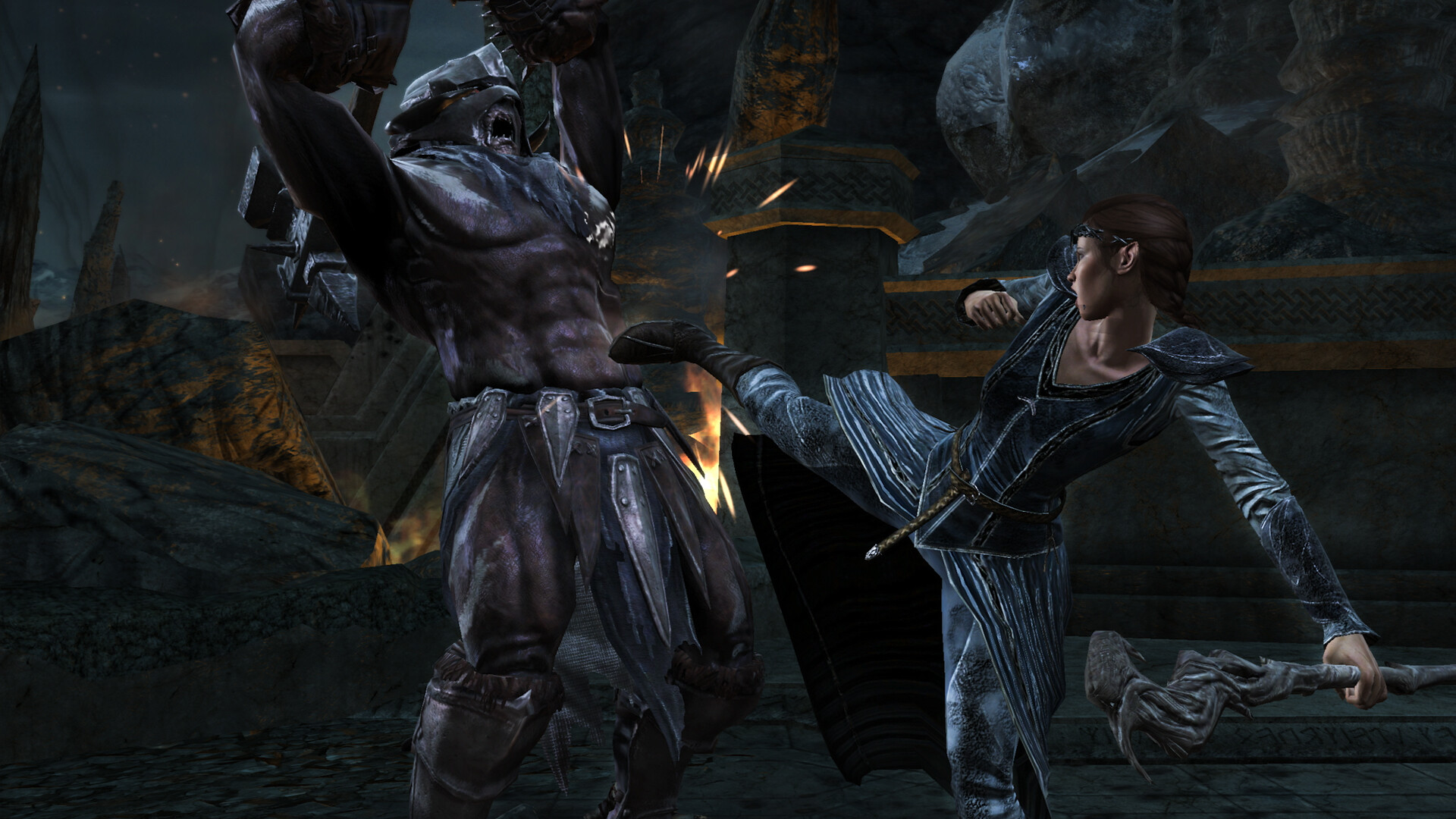
Please don’t get us wrong, the combat is fun. There is a certain satisfaction in cutting through a group of Orcs, switching abilities, grabbing loot and moving on to the next encounter.
However, it’s still the same tight circle of repetition from 15 years ago. Fight a group of enemies, move forward, fight another group, find some loot, solve a relatively simple environmental problem and continue. The game occasionally mixes things up with larger encounters and boss fights, but that same rhythm is always present.
The Legacy Edition, however, fixes some of the frustrations surrounding the combat. The new target-locking system is a welcome addition, the interface is also much clearer, and health, mana and experience information for party members is now easier to see.
We can see the status of our companions more clearly, manage their development and switch between them whenever necessary. In the original, certain secrets could require a particular character, which could mean missing something simply because we happened to be controlling the wrong hero. That’s not a problem here.
The little things matter too
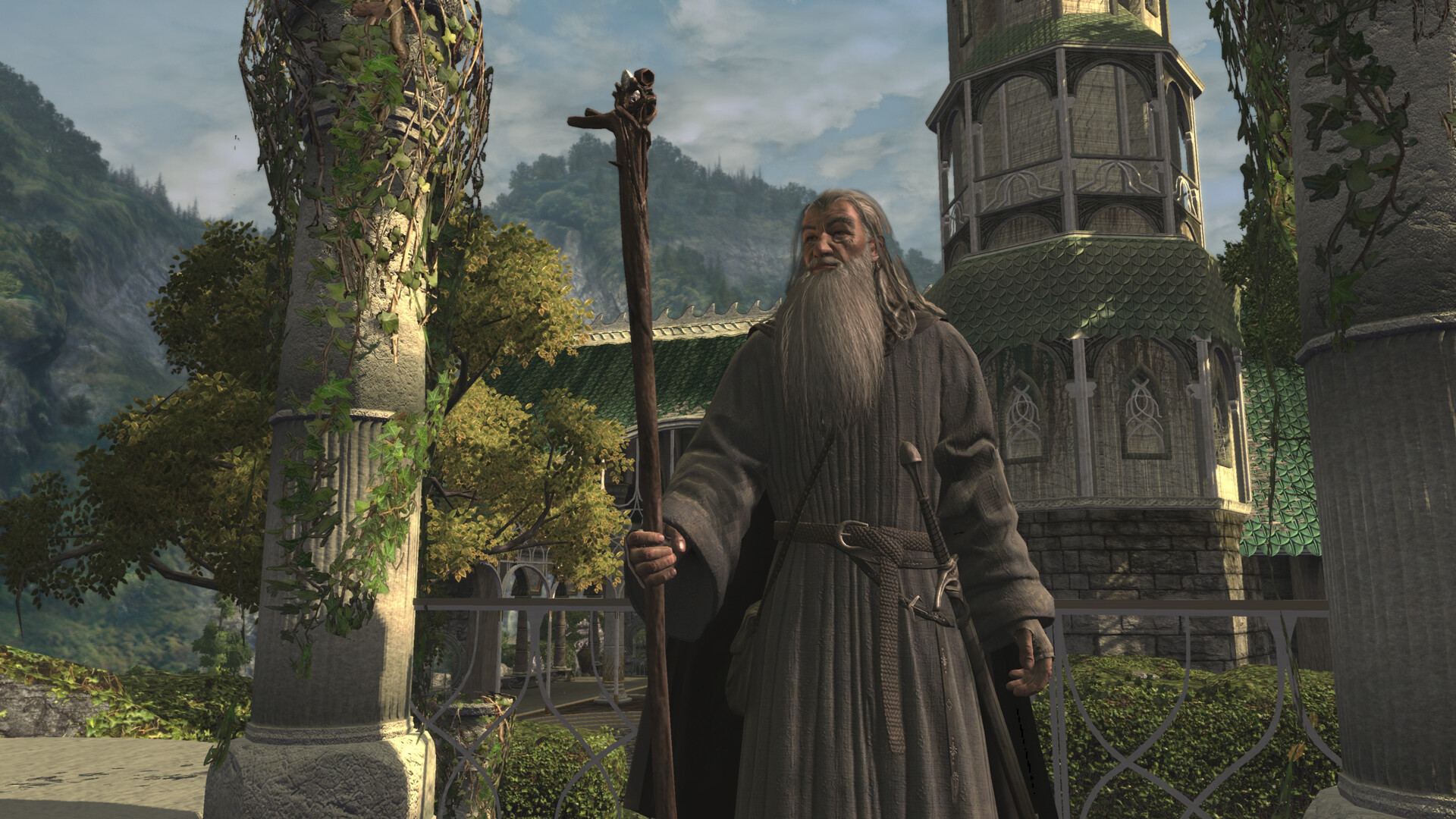
Aside from autosaves and additional save slots, the Legacy Edition also brings the game to modern hardware with support for higher resolutions and a 60 FPS target on supported platforms, alongside various technical fixes and improvements. Comparing the two editions, it’s evident that this newer version has a cleaner image and smoother movement.
The textures may be cleaner and the presentation sharper, but this is no remake, you will still feel how the environments, character models, animations and overall visual design carry the unmistakable look of the PS3 and Xbox 360 generation.
We’re sure some might frown at this but we found it to be part of its charm.
The Fellowship
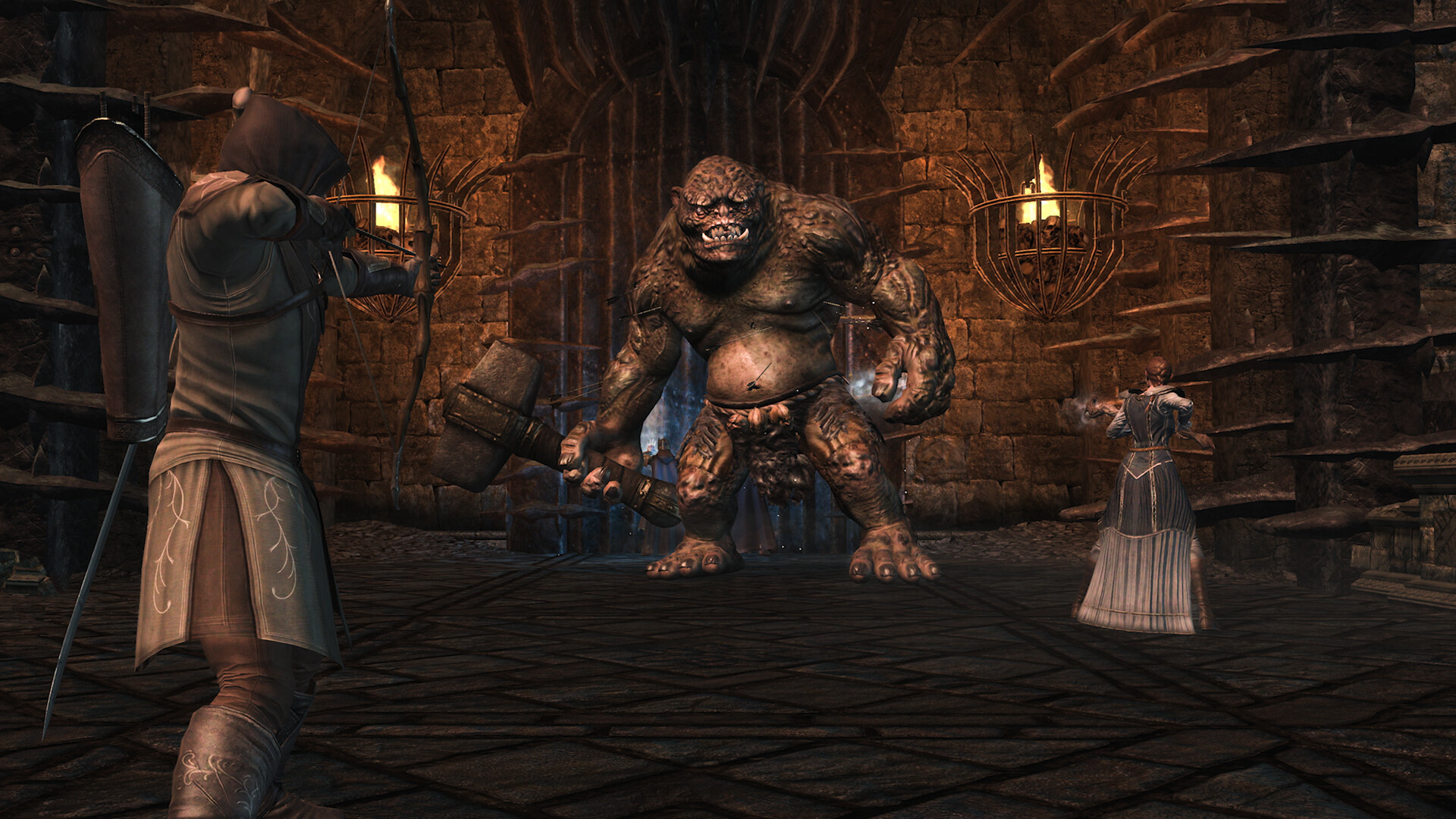
The Legacy Edition supports up to three players online, while supported platforms also offer local split-screen play. We played the campain solo, but we can see how organic and awesome it would be to have one player focus on ranged attacks and another jump into the middle of the battle while we provide magical support.
We played the game solo back in 2011 and we played it solo now. It seemed doubly fun since we finally got the flexibility of having the entire fellowship at our fingertips without needing two other people to fill the remaining spots.
Fifteen years later, the old magic is still there
Nostalgia can be a wonderful thing, but it can also make us remember games as being much better than they actually were. That’s not always the case, especially with War in the North. Thanks to the Legacy Edition, we were able to experience the whole adventure in a much better way. Being able to jump between the characters all while taking advantage of the improved interface, target locking, autosaves and technical improvements is something that makes the whole experience much more comfortable.
The original game didn’t need to be replaced. It just needed to be made easier to enjoy in 2026. And after spending time with the Legacy Edition, we’re once again thinking about what it would be like to start another playthrough. Nostalgia can make us think how some games deserve a second chance and how they deserve to be remembered, but War in the North?
War in the North, it seems, deserved both.


Leave a Reply