Bullet heaven games like to keep things simple. They’re perfectly ok with allowing you to move and dodge enemies while your weapons do the talking by firing automatically in every direction. Codebrew Software LTD is taking a different path with Sublight, an upcoming space action game that asks players to pay attention to where their weapons are placed and where those weapons can actually shoot.
After a Steam Next Fest demo that pulled in nearly 9,000 downloads, the developer spent time adjusting how weapons work, fixing overpowered strategies, and stopping players from staying alive for hours on end. The feedback helped shape the game’s direction ahead of release.
This interview would not have been possible without the wonderful people at Bonfire PR. Many thanks Alex Moore!
We spoke with the developer Kevin about adding tactical choices to a casual genre, fixing broken playstyles, and what happens when an arcade run goes on far longer than planned.
Making Weapons Matter
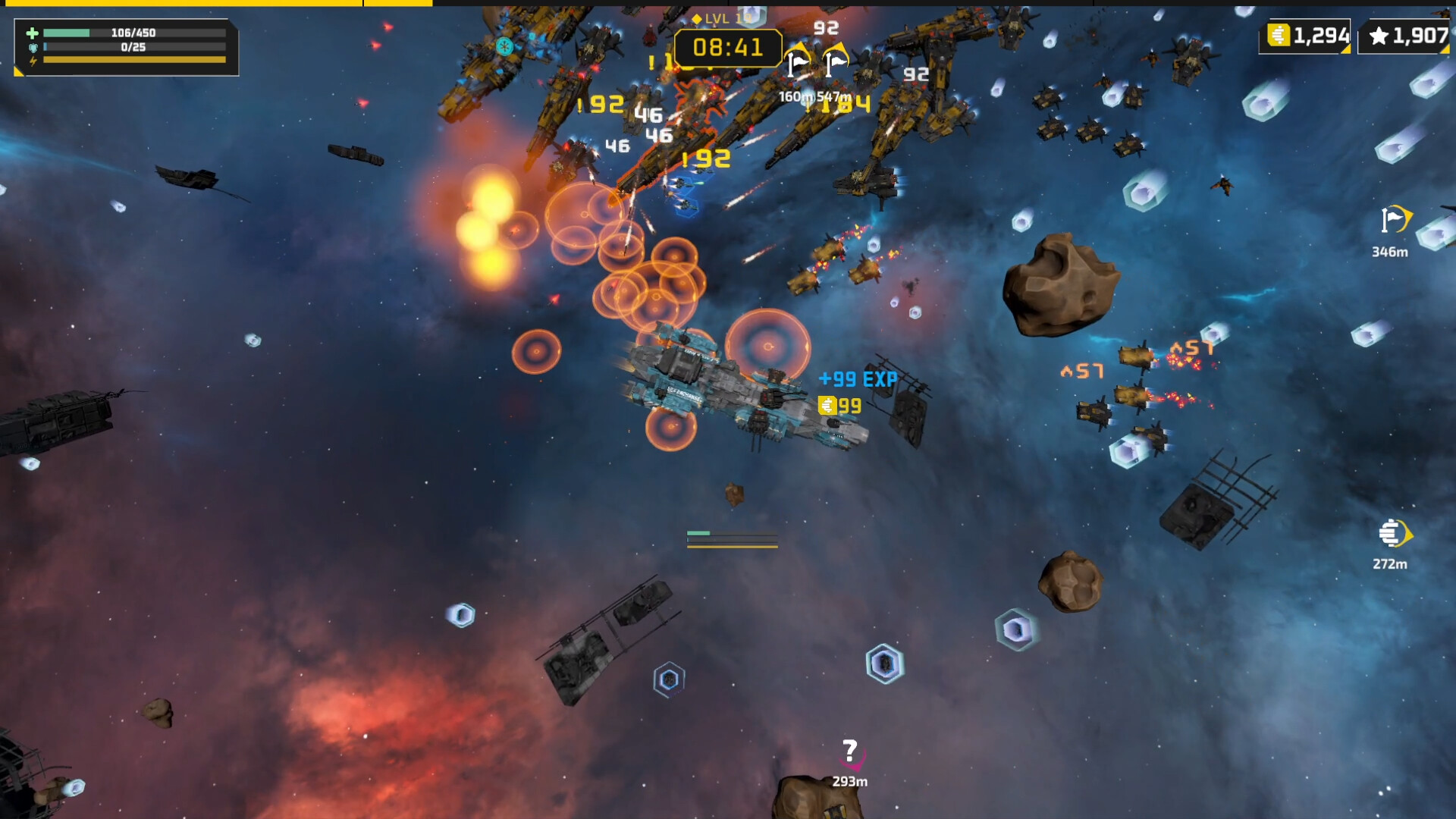
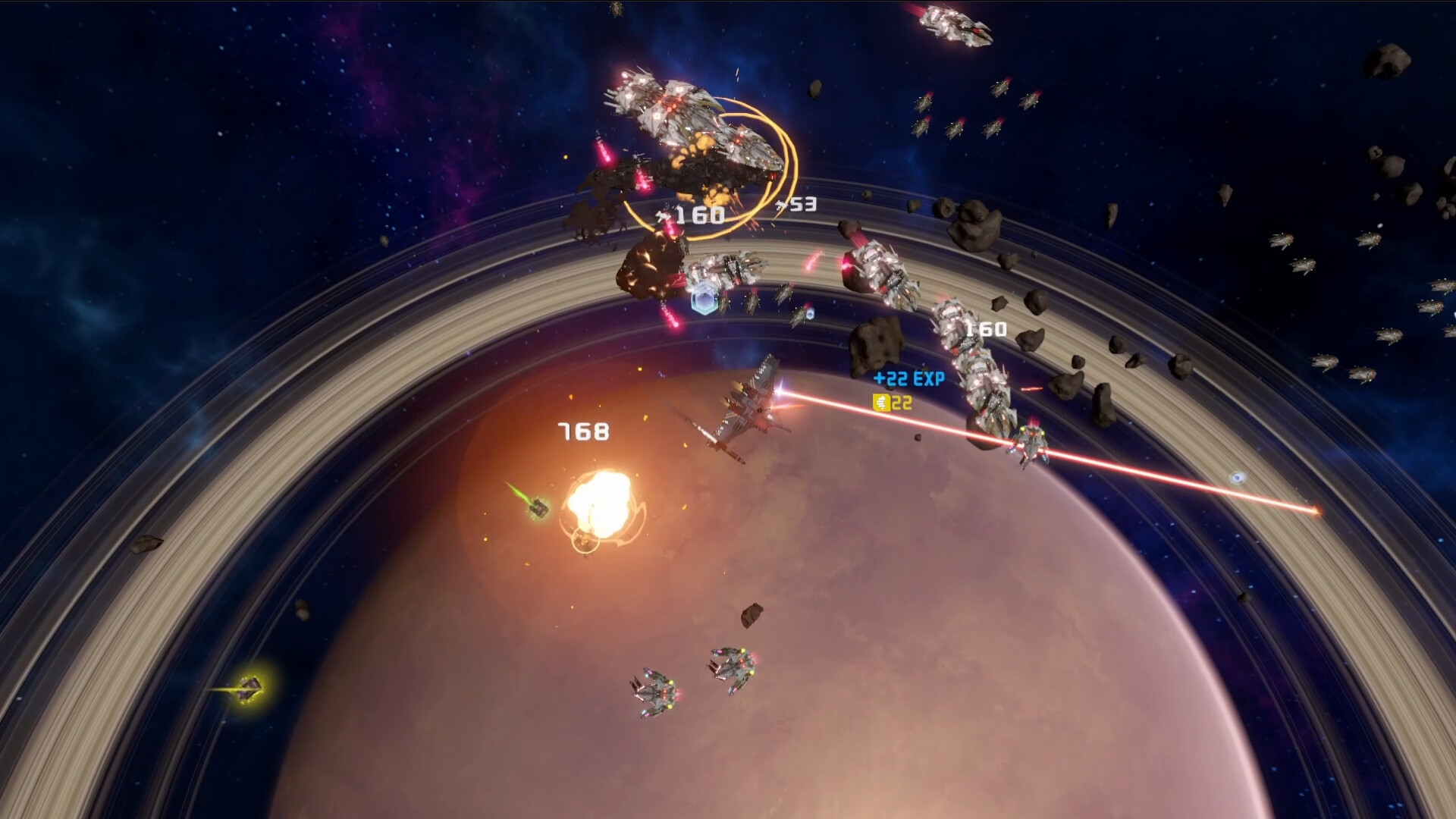
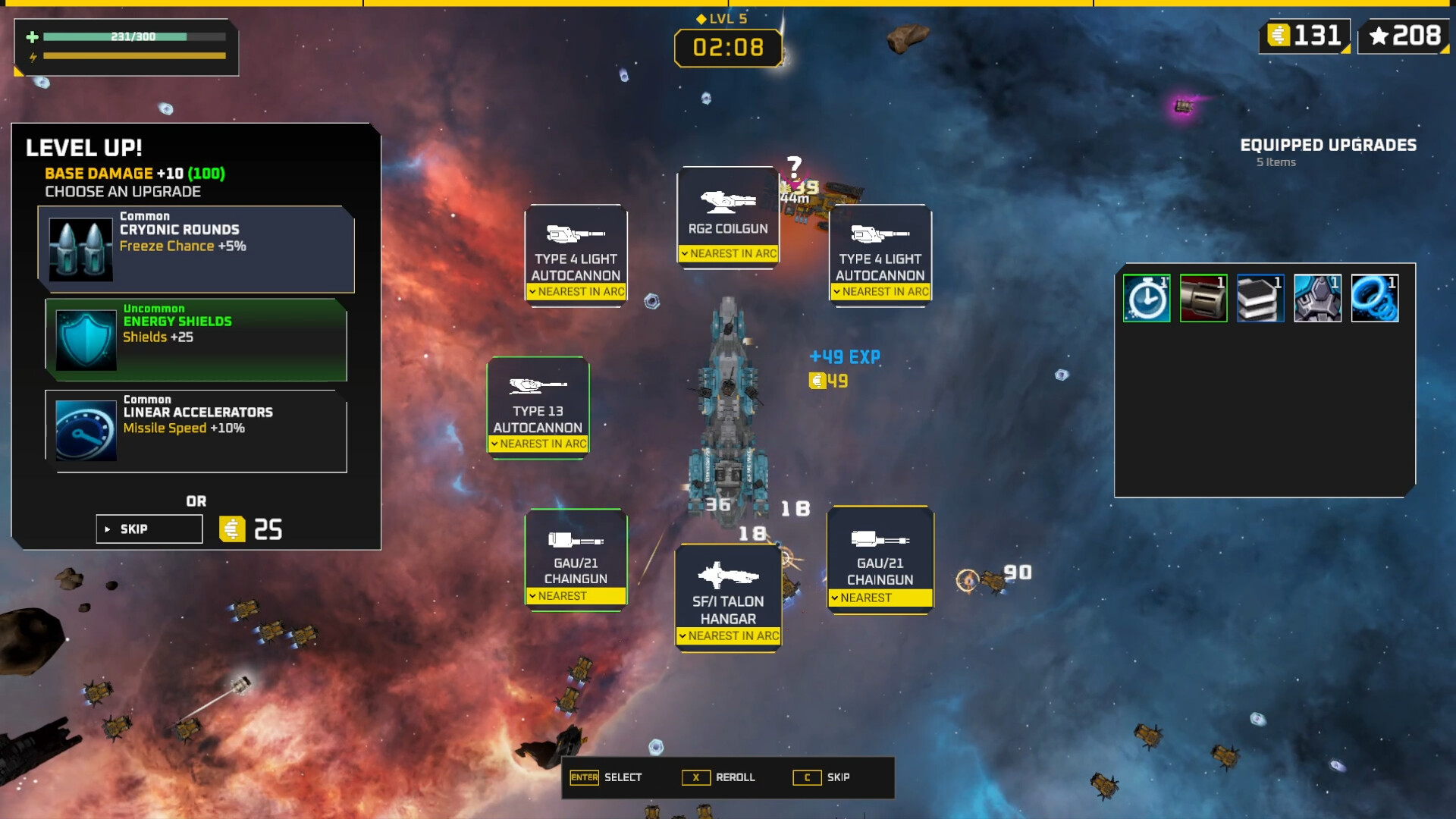
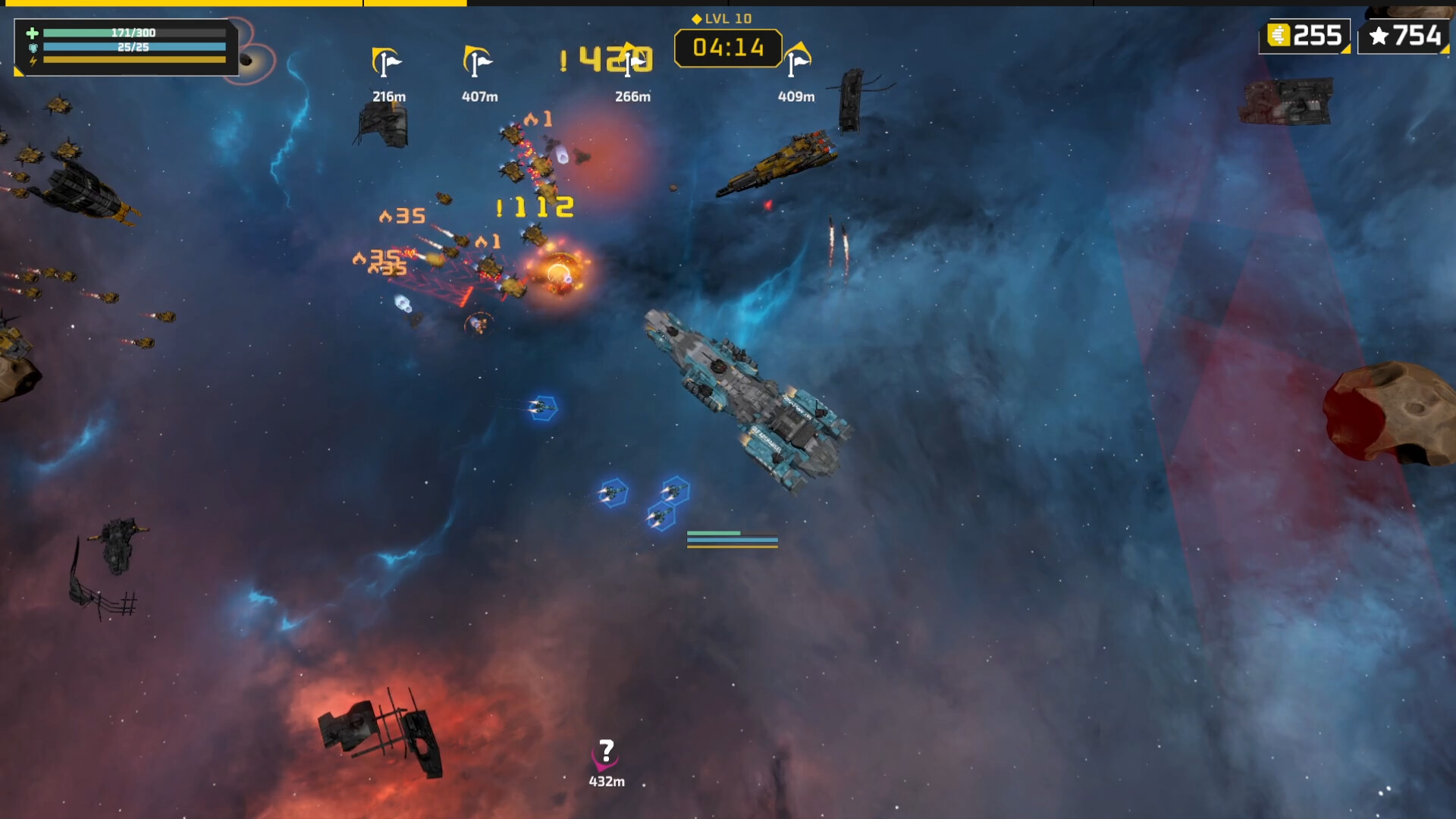
In most arcade shooters, weapons don’t really exist as physical objects on your ship. They are just points where bullets spawn. Sublight changed that by turning ships into actual space battleships covered in turrets, each with its own firing angles.
“This started as a design challenge and became the core identity of the game. My frustration was that most games in the genre don’t really represent weapons at all, you get a new projectile flying out of an unchanging player model, with no sense that you have any weapons that are actually firing anything.
So the earliest design pillar was simple: weapons should matter. They should be visible, physical things. And if they’re physical, it has to make sense that the player can command so many at once, which pointed me straight at old-school battleships bristling with turrets.
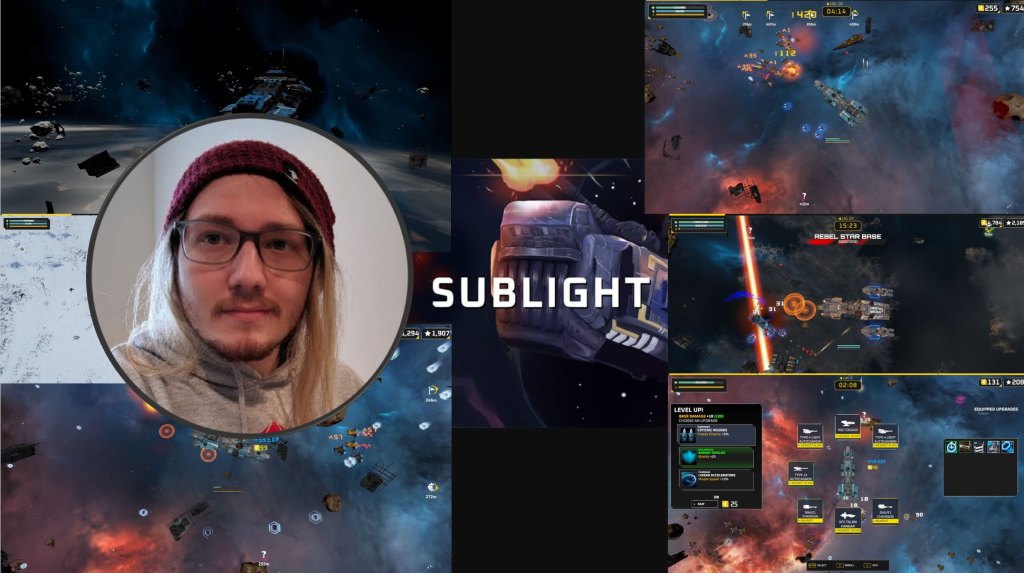
Developer Kevin
If the weapons are real, existing in a space and that level of realism kicks in, the arcs and restrictions become part of the fantasy of those designs. Taking that out to chase pure accessibility would gut the exact thing that makes Sublight itself.
I refined the current look from the classic 2000s anime space battles I grew up loving, that style is the reason the whole idea clicked into place.”
Once weapons became physical objects, the next step was figuring out how players should build their ships. Early versions let players put any weapon on any ship, but that stripped away ship identities and made the game hard to balance.
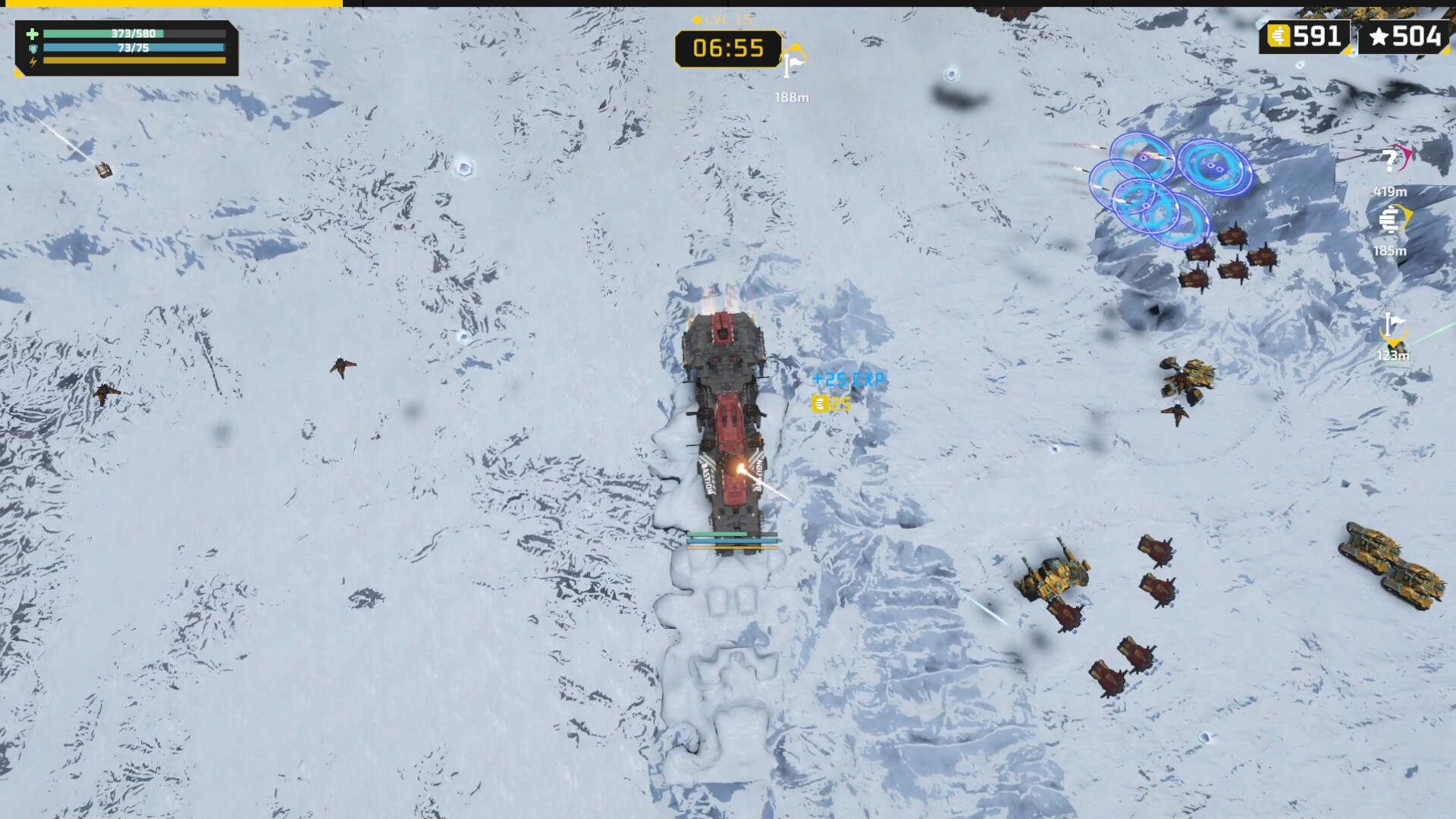
“For me, ship identity came first. The whole thing was inspired by dedicated task ships in real life and sci-fi, a carrier ship, a railgun craft etc.
So the first iteration went all the way: weapons entirely locked to each ship, totally unique. That nailed the identity but created a different problem. With no upgrade path, those locked weapons were impossible to balance, either too weak to stay relevant late game, or too strong out of the gate.
The second iteration is where the current system landed. Instead of locking a single weapon, I locked the slot to a type, the weapon classes that fit that ship’s role, and gave them a buff on that hardpoint. That keeps the identity intact while restoring a real upgrade path, and it turns the restriction into a tradeoff: the ship has a clear weapon preference and a reason to lean into it, rather than just a list of things it can’t do.”
Fixing the Missile Meta
When the public demo went live, players quickly found a dominant strategy. Missiles auto-targeted enemies and cleared rooms easily, making guns like chainguns feel weak and pointlessly difficult to use.
“The Nextfest demo very quickly evolved a missile weapon meta. They were accurate, did decent damage, and automatically switched targets when their current one died, so they were efficient per shot and good in basically any situation. Nothing wrong with missiles being good, but it exposed the real problem: weapons like the chainguns, which you’d expect to shred small targets, could rarely compete with just bringing more missiles.
So the question became less “how much damage should this do” and more: what do players expect this weapon’s role to be, and how do we deliver that in a way missiles can’t replicate?
For chainguns, the answer was piercing. Firing through a line of enemies makes them match their kinetic railgun cousins and gives kinetic weapons a clear identity, a crowd-clearing tool that rewards lining your shots up. Good alignment now pays out far more damage and effect than raw missile spam ever could. The weapon finally rewards a decision instead of just posting a bigger number.”
Standard weapons weren’t the only mechanics that needed work. Early status effects like fire and cold were often ignored by players because they felt boring, leading to a full redesign.
“The first parse of status’s were by and large just ignored by players, adding new ones might have changed that, but version one of Ignite and cold weren’t weak. They were boring. And just increasing damage numbers wouldn’t solve that. They needed to provide a tool and feel rewarding for using them, So ignite got given the most new passives in this patch increasing stacks, and providing a way to let stacks overload for additional damage. This with the above weapon changes mean plasma weapons stacking ignite effects became a real reason to use the weapon and delivered the promise of an emergent build. In future patches, new status effects are 100% on the way.”
Stopping 5-Hour Runs
The demo data also revealed a major pacing issue. The game was meant to be played in short 30-minute sessions, but skilled players were able to survive for several hours in a single run. The developer added a deadly boss to act as a hard timer.
“Honestly, it wasn’t that offense got too dominant, it was that players could outscale the game entirely. Some runs stretched to four or five hours on a single life, as long as you could dodge well enough and had the movement and damage to keep going.
The developer in me loved some of that. It meant I’d built a game that didn’t crash at silly numbers and stayed engaging over long stretches. But the reality is, when a new player boots up expecting a 30-to-40-minute game and sees a 4-hour-52-minute run at the top of the leaderboard, that’s a huge turn-off. And trying to balance around it just starts an arms race, bullet-sponge enemies or unfair one-shots, neither of which is fun.
So the flagship is really a soft game timer. It spawns at 30 mins and gets progressively faster and deadlier. Players gunning for high scores need to build a good balance of offense, mobility, and defence to squeeze out every last second before the flagship overwhelms them. …And I’ll give players a chance for revenge at a future level.”
Watching Real Players
Beyond player stats and numbers, watching people play the demo gave the developer a new perspective on their own work.
“The balance stuff I’ve covered in the previous questions: missile meta, statuses, run times. What surprised me was something else. I’d had the demo up for a few weeks before the Fest, so I went in with fairly settled expectations for playtime and engagement. And panicked watching the first few days of the event, as anyone would. Then the numbers started climbing as the Fest hit its busier stretch. The median playtime kept rising, and even now, after the event, it’s sitting way higher than I’d expect from a sample that size.
And midway through the Fest I got to watch a streamer say “one more run, chat?” about four times in a row. As a developer I’m so deep in the game that I can’t stop seeing the hundred little problems anymore. Getting to watch someone just enjoy the thing I made, without the baggage, was surreal.”
Combining space flight mechanics with fast arcade action comes down to focusing on what players already know.
“Merging genres works best when you build on what players already know. Both audiences show up with expectations. Find the overlap, polish it until it’s genuinely satisfying, and let the rest of your systems fall into place from there.
In Sublight, weapon firing arcs aren’t just a combat constraint, but also a movement one. Movement is the heart of bullet heaven games, so what a sim player would see as “tactical positioning”, a bullet heaven fan would read as a “unique twist on the basics”. It helps that neither group is a stranger to weapons with strengths and weaknesses.
As you build that depth, the trick is to reward use, not punish lack of engagement. Listen to your players. They’re not there to admire how you solved a problem, they’re there to have fun.”
If you like what you read, make sure you check the demo over at Steam!







Leave a Reply