
Hell Let Loose has spent years putting players into large multiplayer battles. It all may have started with a World War II setting, but now it’s off to Vietnam. And it’s a lot different, not just in terms of weapons and vehicles, but in terms of the battlefields and how we should approach them.
It’s easy to get lost in Hell Let Loose: Vietnam, especially during our first matches. This is a game that focuses on 50-versus-50 battles. Even though we knew coordination was key, we still ignored the basic rules imposed by the game. So, instead of coordinated, slow, but meticulous progression, we decided to lone wolf the first match. We spotted an objective and, silly as we were, started running across a rice paddy. We hadn’t gone very far when a shot rang out and killed us. We never saw the player, but that cheeky, faceless opportunist quickly taught us that running across open fields should not be taken quite so casually.

The Two Factions Play Differently
As expected, the US Armed Forces and the North Vietnamese Army don’t have access to exactly the same tools, so moving around the maps can be quite different.
The US side has player-controlled helicopters that can be used to transport troops and supplies. It was pure joy every time someone grabbed a Huey and tried to drop us behind the fighting. “Tried” is the key word here, since the chances of success could be very slim. We knew that every time we jumped in, yet we couldn’t pass up the opportunity to be saved a long walk and to be put somewhere the other team wasn’t expecting us. It was exhilarating to see the enemy completely panic and try desperately to restrategize.

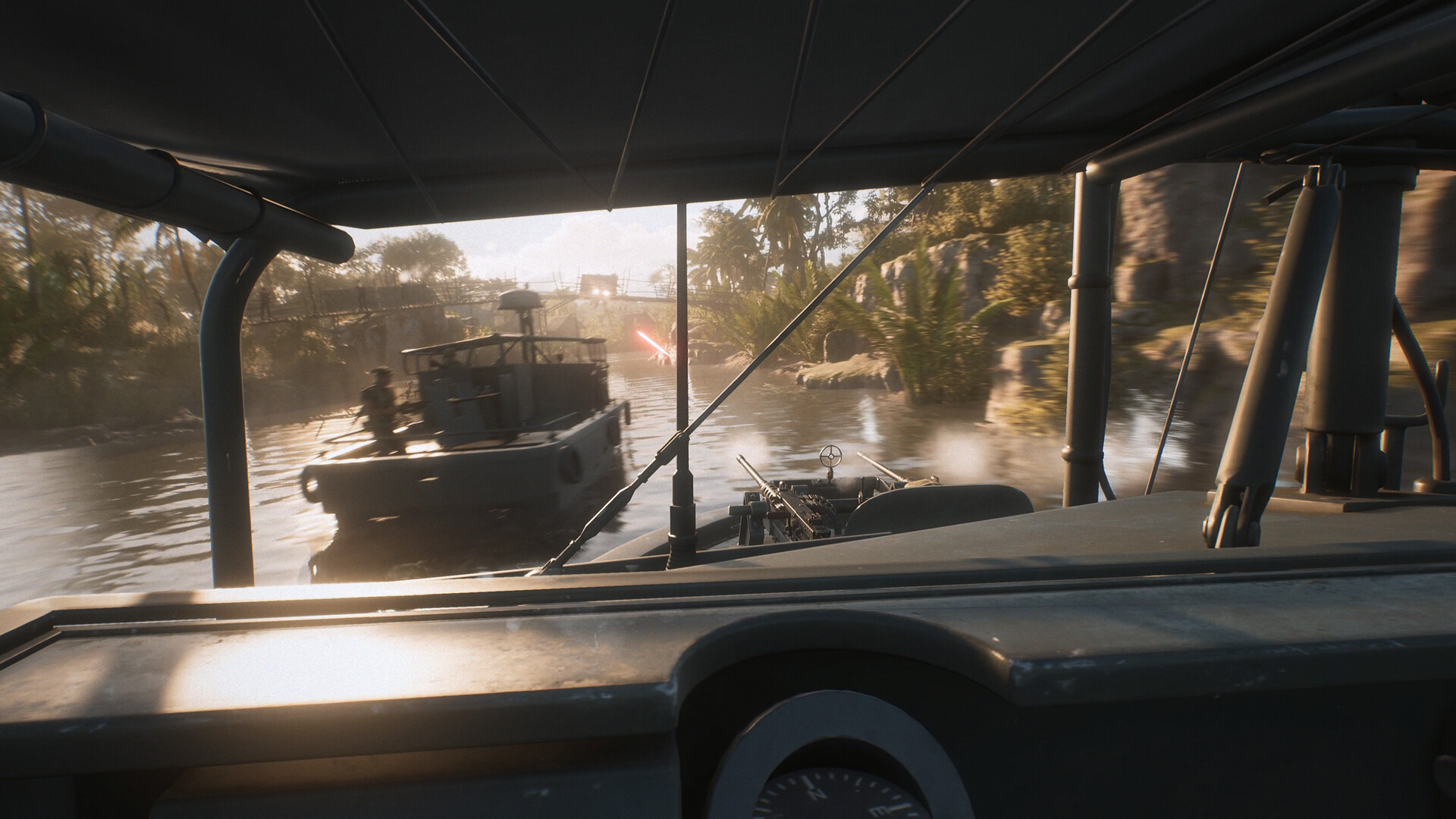
The NVA, however, focuses less upward and more downward, toward tunnel networks. We were lucky one time to get closer to a contested area and came out in a position where we could put pressure on a US patrol boat near the river. Another time—well, more than once—they were expecting us, and instead of sunlight, we saw grenades and got some well-placed shots. Moments like these may seem generic and have been seen millions of times, but here, the experience is the most important thing. The adrenaline kick is real and, whether in a helicopter or inside the tunnels, it all feels realistic and exciting, especially when you find yourself in a good group that properly communicates.
Staying Alive
Getting killed without seeing the enemy is nothing new for Hell Let Loose, especially if you’re silly enough to run across a rice paddy thinking you’re Superman, but the Vietnam setting gives plenty of places to hide once you get your head in the game and start playing as part of a greater whole.
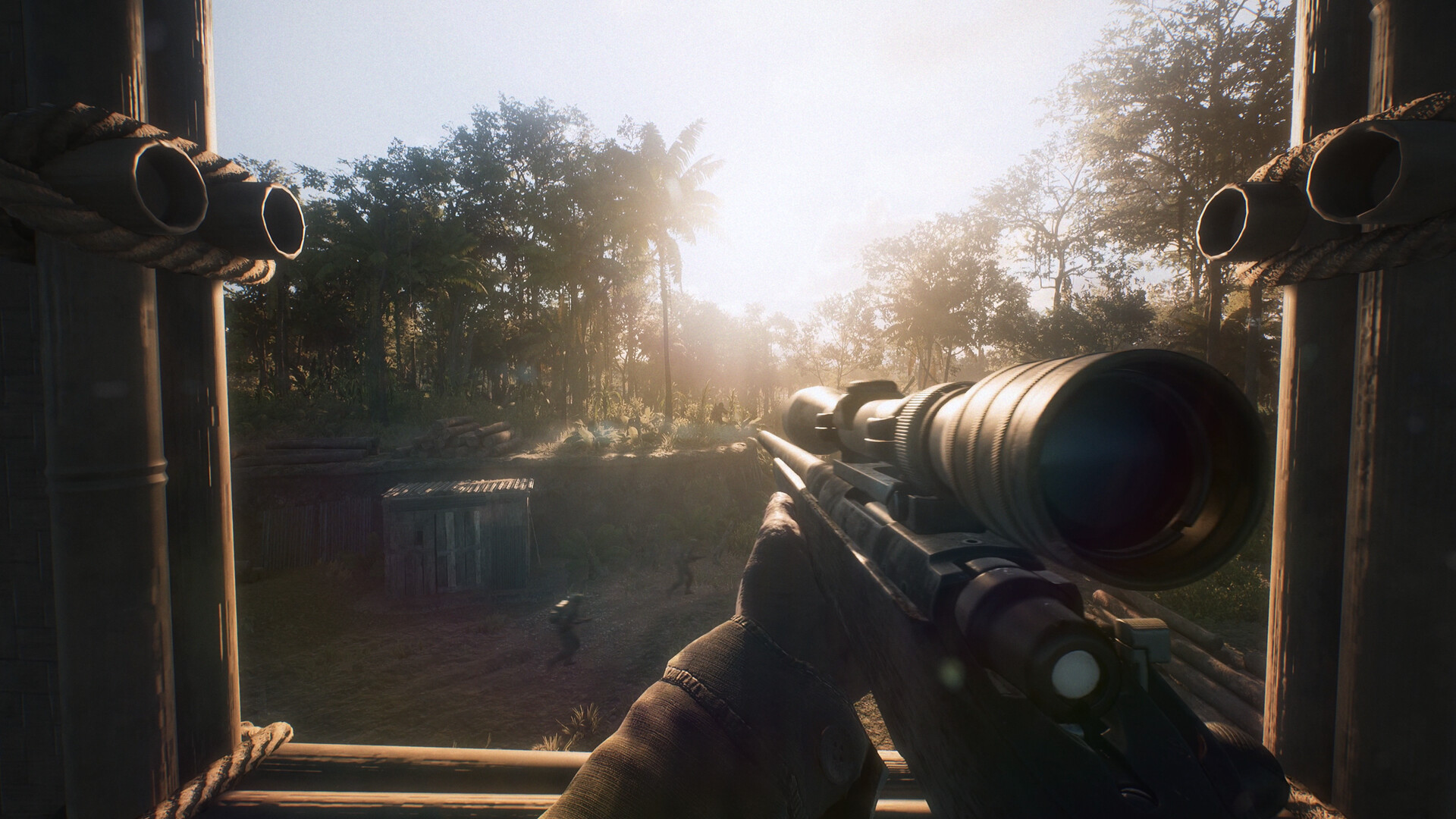
The jungle is dense, and there were plenty of times when we could hear or suspect someone was nearby without being able to see them. Open areas, as explained previously, had the opposite problem. You can swim across rivers, climb, or low-crawl. Downed players can also be dragged to a safer position before being revived, although getting downed did quite a bit of damage to our ego. It was also quite the guilt trip every time our buddy was sniped mid-drag or, even worse, moments before putting us behind cover. That’s part of the Hell Let Loose experience, and Vietnam doesn’t make it any less frustratingly fun.
The Roles Matter
There are 17 specialized roles covering infantry, recon, armor, mortar, command, and the US helicopter units. Most of our time was spent with the infantry, but we did move into another role just to see how things would change during a match.
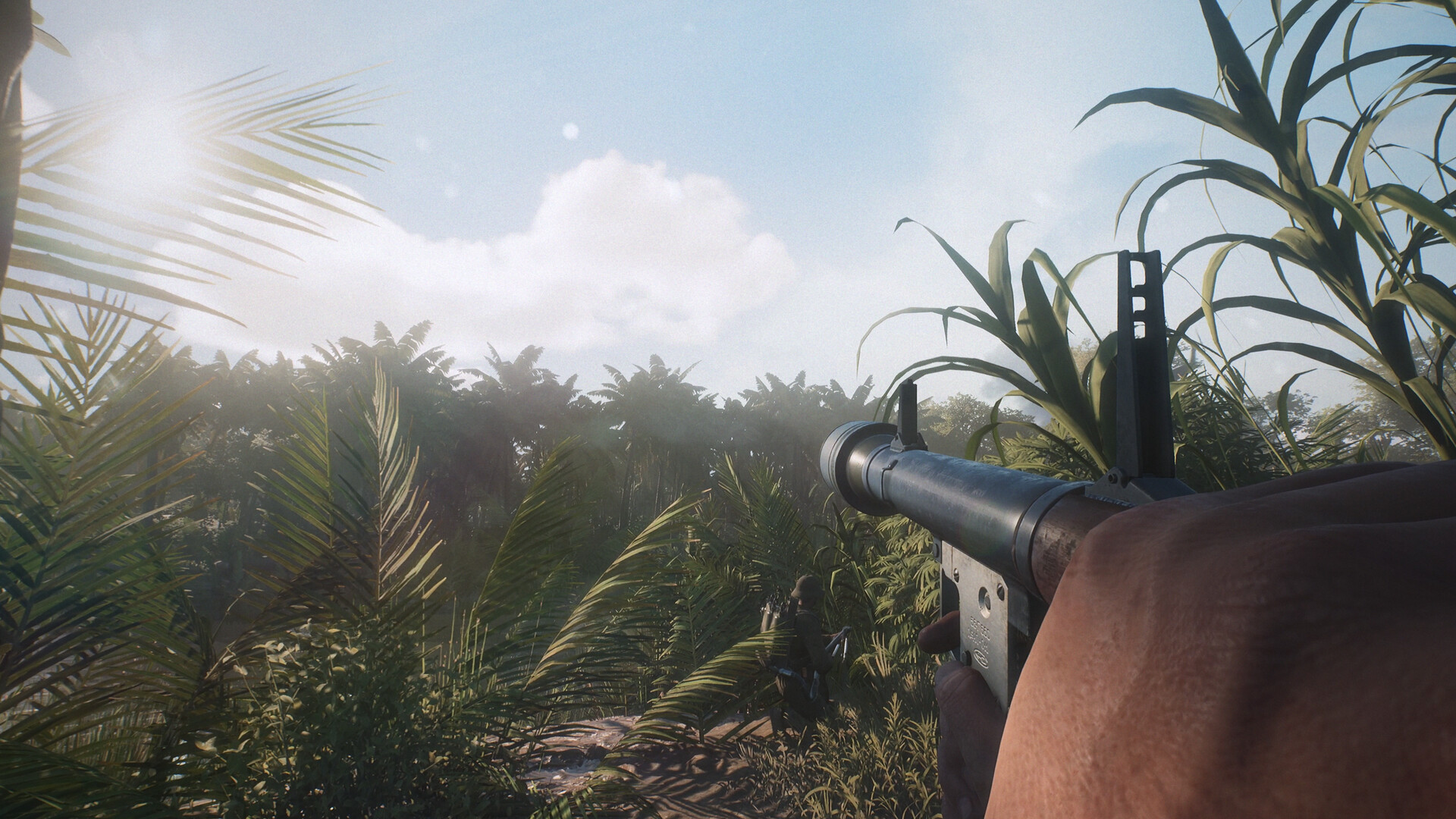
Mortar players, for example, spend much of their time away from the main fight and support the rest of the squad from a distance. Helicopter roles, as we explained above, are different again, since flying the aircraft and moving troops or supplies around the map becomes the main job.
Again, these roles work much better when players communicate.
We had some matches where the squad leader was giving clear instructions and everyone was following them. Those were usually the games where we had the best idea of what we were actually trying to accomplish. They were also very rare.
We were mostly, and sadly, part of the silent matches.
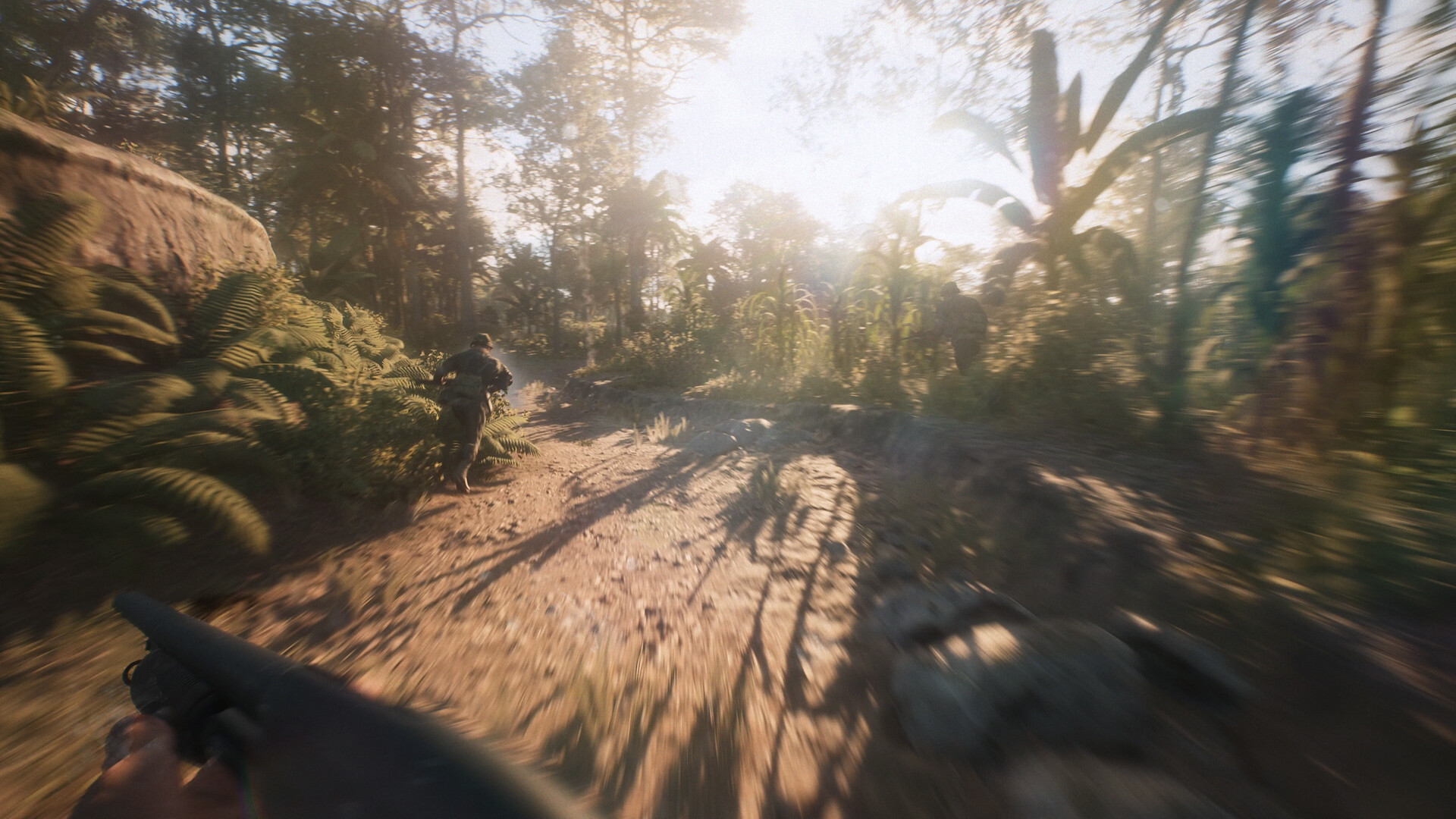
Players wandered off in different directions, nobody seemed sure what the squad was doing, and we eventually found ourselves fighting somewhere without much idea of why we were there.
Talk about making a large map feel enormous.
Listening More
Knowing what we know now, it became clear to us that sound is important. Listening is crucial and a lot of things can be heard before they come into view. Gunfire always gives us a rough idea of where an attack is coming from. Vehicles and fighting in the distance can also tell us that something is happening nearby. We started paying much more attention to what we could hear.
When someone is hidden somewhere in the jungle, staring at the screen isn’t always enough. Hearing gunfire from one direction gave us a reason to check that side of the map instead of wandering around looking for an enemy we probably weren’t going to see.
The audio also helps sell the setting. Helicopters passing overhead, vehicles moving through the battlefield, and distant gunfire do a lot without the game needing to explain what we’re supposed to be feeling.
PC Performance
We played on PC, and performance wasn’t perfect. The current minimum specification lists an RTX 2060 or RX 5700, while the recommended specification calls for an RTX 3070 or RX 6700 XT. Our frame rate with an RTX 4060 Ti was mostly stable, but we noticed drops when there was a lot happening around us. They weren’t happening all the time, but they were enough to notice. This is also something the developers have been working on, with optimization and performance in large multiplayer battles remaining part of the development work.
Slow Down
Our first match was probably a good introduction to Hell Let Loose: Vietnam for the wrong reasons.
We learned to stay closer to our squad. We looked for cover before crossing open ground. We listened for helicopters and gunfire. We stopped assuming that a quiet-looking section of jungle was actually quiet. But most of the time we were just a cog, and cogs do nothing when they’re not part of a machine.
A squad that isn’t communicating can leave us wandering around without much direction, and the dense vegetation can make some fights feel like we’re searching for a needle in a haystack.
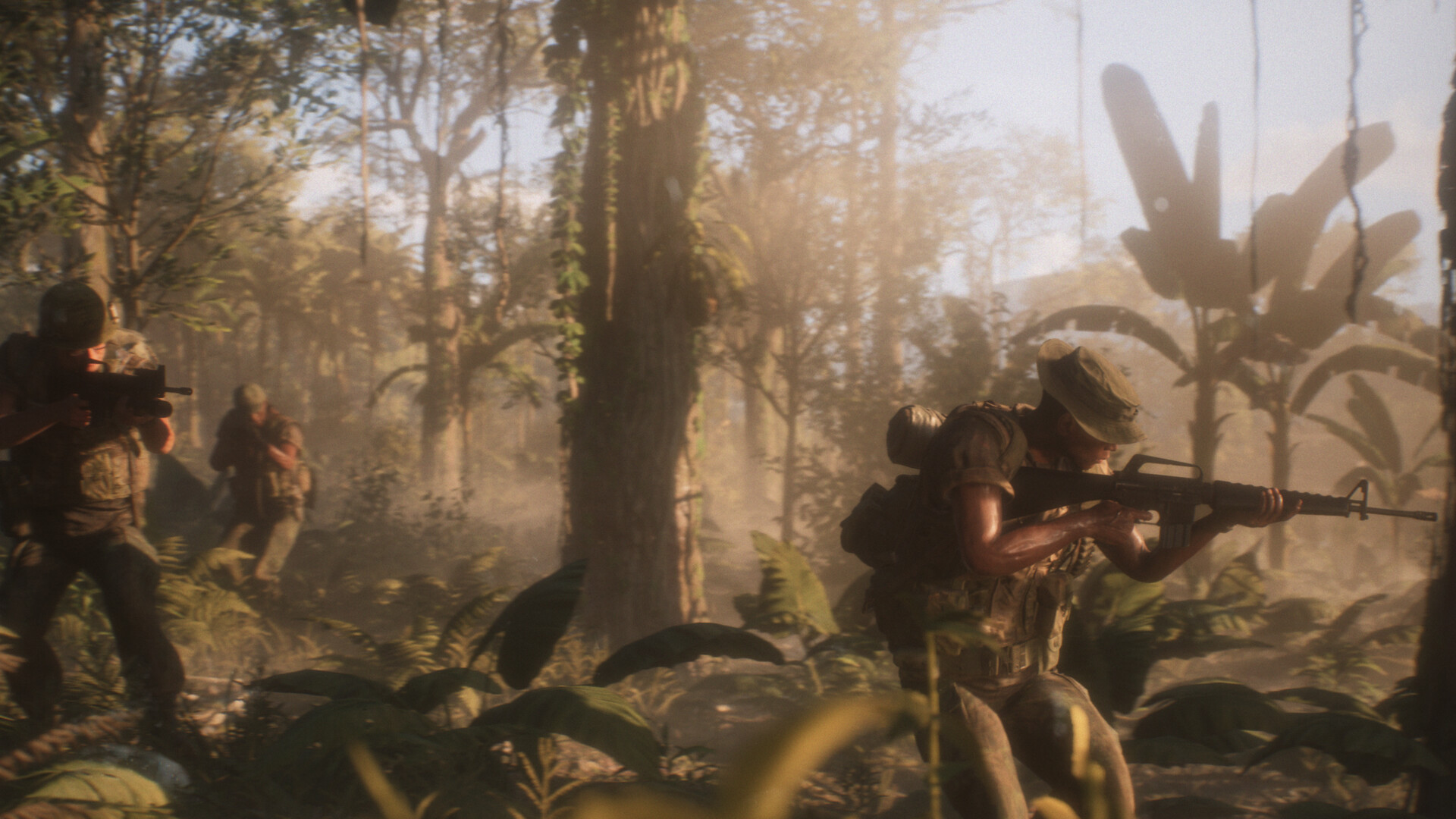
The matches we enjoyed most were the ones where everyone seemed to know what they were doing.
When it works as intended, when players make decisions and react to what is happening around them, it’s a spectacle of a game. It’s important to know this before committing.

Leave a Reply