

After the success of the free-to-play game Codename CURE, Raptor Byte is joining forces with indie.io to bring a sequel meant to build upon everything that made the first game a fun co-op zombie FPS. Let’s find out if it actually succeeds.
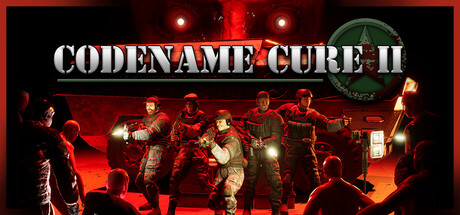
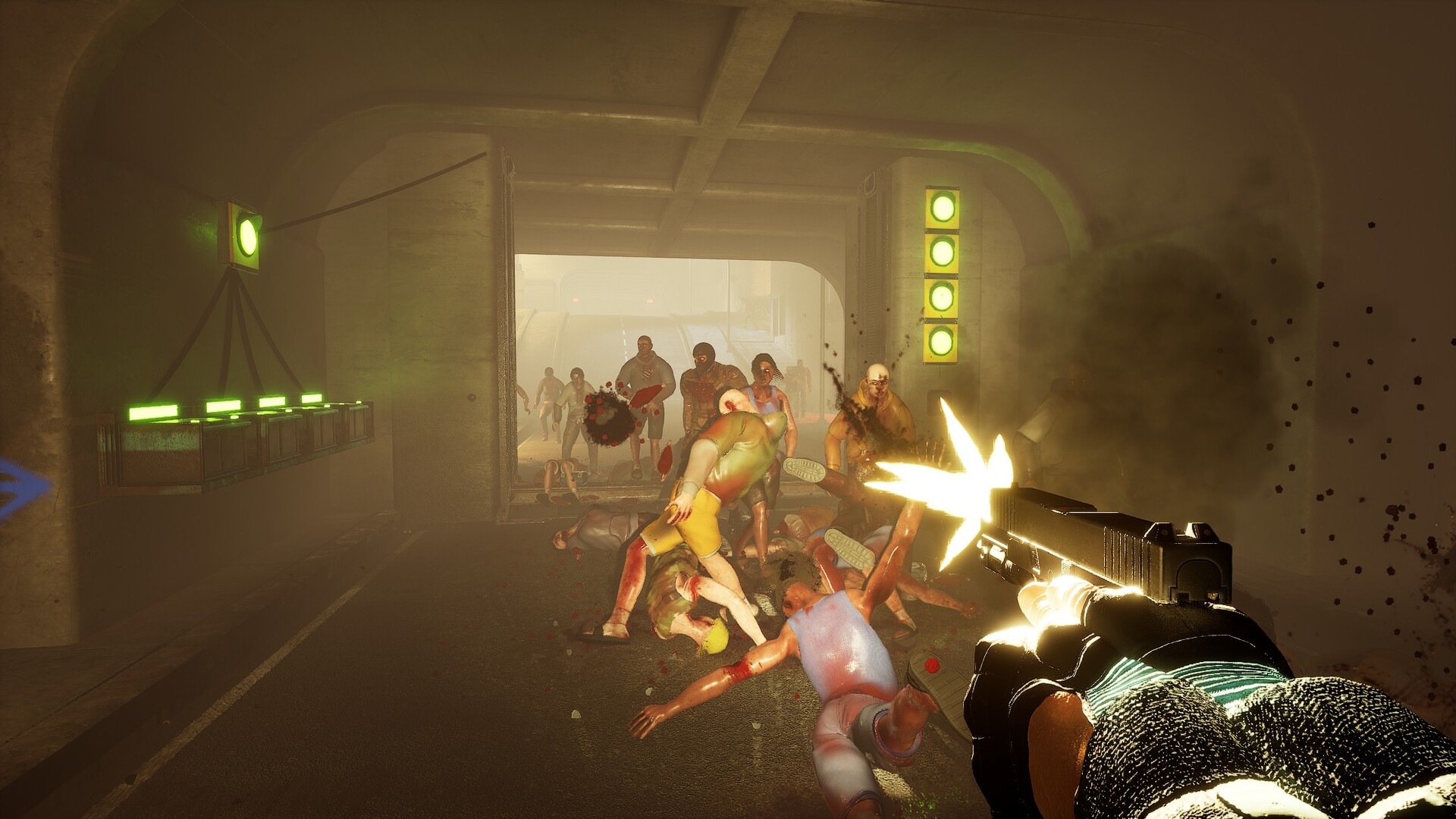
Since we haven’t played the first Codename CURE, we jumped blindly into the second one. It feels like a simplified version of Left 4 Dead where you explore places, kill zombies, and complete objectives like grabbing fuel canisters and turning on generators—while killing some more zombies, of course. Every mission is assembled from procedural tiles, so familiar routes rarely stay familiar. A corridor that safely led us to ammunition during one run might be blocked the next, while another doorway suddenly opens into a room packed with infected. It keeps every mission feeling uncertain—or so you would think.
You’d think the five available classes aren’t there simply to give players different weapons. We thought the missions might be much smoother once everyone settled into complementary roles. For example, the Assault player keeps the pressure off the rest of the team, the Pointman safely checks dangerous corners before anyone commits, and the Sniper becomes far more effective when the frontline is under control. We thought that whenever one of those roles was missing, the difference would become obvious almost immediately. We expected the changing layouts to make rushing objectives a terrible idea, forcing us to constantly slow down, check every room for supplies, and make sure nothing was hiding behind the next doorway before moving on.
Nope. In practice, the classes mostly felt like different weapon loadouts and you can simply storm through, decapitating everything that dares stand in your way. The only real challenge comes from the specialized enemies, but it all comes down to their bullet-sponginess and trying not to get cornered. There’s no need for tactics here; the enemy AI boils down to frantically chasing and hugging you. We repeatedly abandoned careful room clearing and simply sprinted toward objectives because the infected rarely punished reckless play.
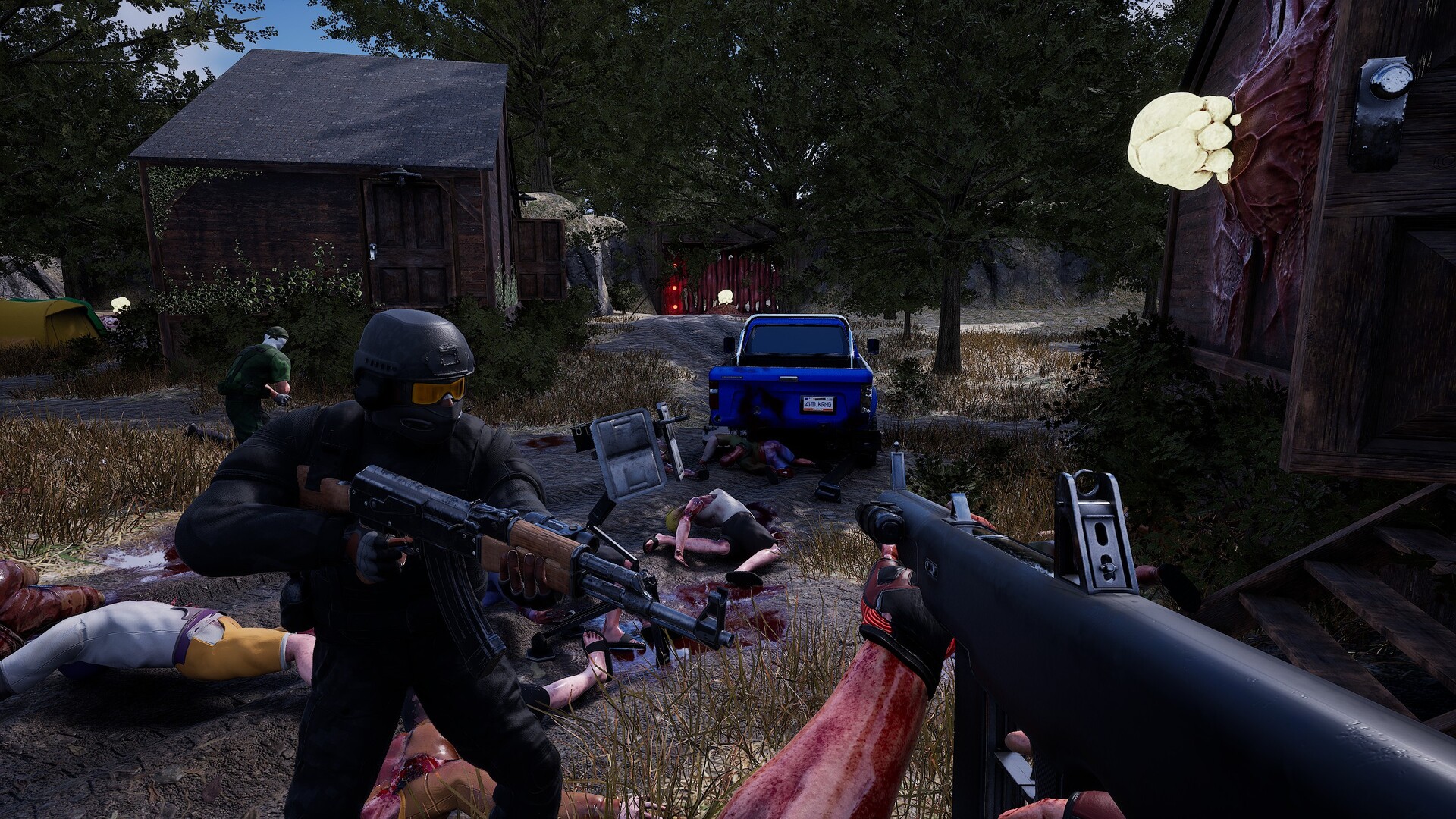
Combat itself feels somewhat satisfying, largely because enemies clearly react to the damage they’re taking. Blasting a zombie with a shotgun changes how that enemy behaves and looks. Limbs can be blown off, forcing infected to crawl toward you instead of sprinting, while fire gradually burns away clothing and flesh, making it much easier to tell which threats are still dangerous. However, the zombies look and behave unrealistically. Their movements are rigid and weird, like puppets on strings. We couldn’t escape the feeling that while we kept hearing zombie sounds, we weren’t seeing zombies—we were seeing poorly animated, bloody mannequins. Also, the game looks undeniably old, and yet our RTX 4060 Ti could not keep a stable 60 FPS at 1440p on the Ultra preset, usually dropping below 45 in crowded areas.
Between missions, everyone returns to so called CURE HQ. This is a central hub where you can purchase and test weapon attachments at the firing range, try different cosmetic options, or simply regroup before heading back out. It sadly, feels uninspiring and boring, especially the waiting time before getting into a mission.
Beneath the changing layouts and class system is a shooter that rarely asks anything more than holding down the trigger. There’s still fun to be had with friends, but right now Codename CURE II feels more like a foundation than a finished evolution of the original.

Leave a comment