

We’ve played plenty of survivor-style roguelikes over the past few years. For a while now, it has felt like if we’ve played one, we’ve played them all. We love this subgenre, and we’ve been jumping from one title to another, hoping we’ll come across something that’s just a smidgen different. Reap and Rush sure caught our attention. The mythology doesn’t just act as window dressing. It gives the usual swarm of enemies and upgrades a different identity.
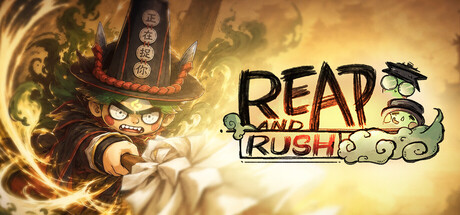
The story begins with the underworld in complete disarray. Reincarnation has stopped working, Zhong Kui has disappeared, and it’s up to us to restore order by stepping into the role of one of several underworld generals. The setup gives the game a reason to exist beyond simply throwing enemies at us, but don’t expect a deep narrative experience. The story is here to provide context, while the combat remains the reason we’ll keep coming back.
Most of our time is spent fighting through increasingly dense waves of Yaoguai while collecting experience, resources, and upgrades. As with most games in the genre, survival depends on staying on the move. We appreciated the option to manually aim since it made us feel more in control. However, on certain afternoons when we were tired and wanted a lighter session, we’d gladly switch to auto-aim and lose ourselves guiding our character through the maze of enemies, trying to make the run last as long as possible. Reaching the later stages of a run is always thrilling. The more crowded the battlefield became, the more it forced us to constantly look for openings instead of simply standing our ground.
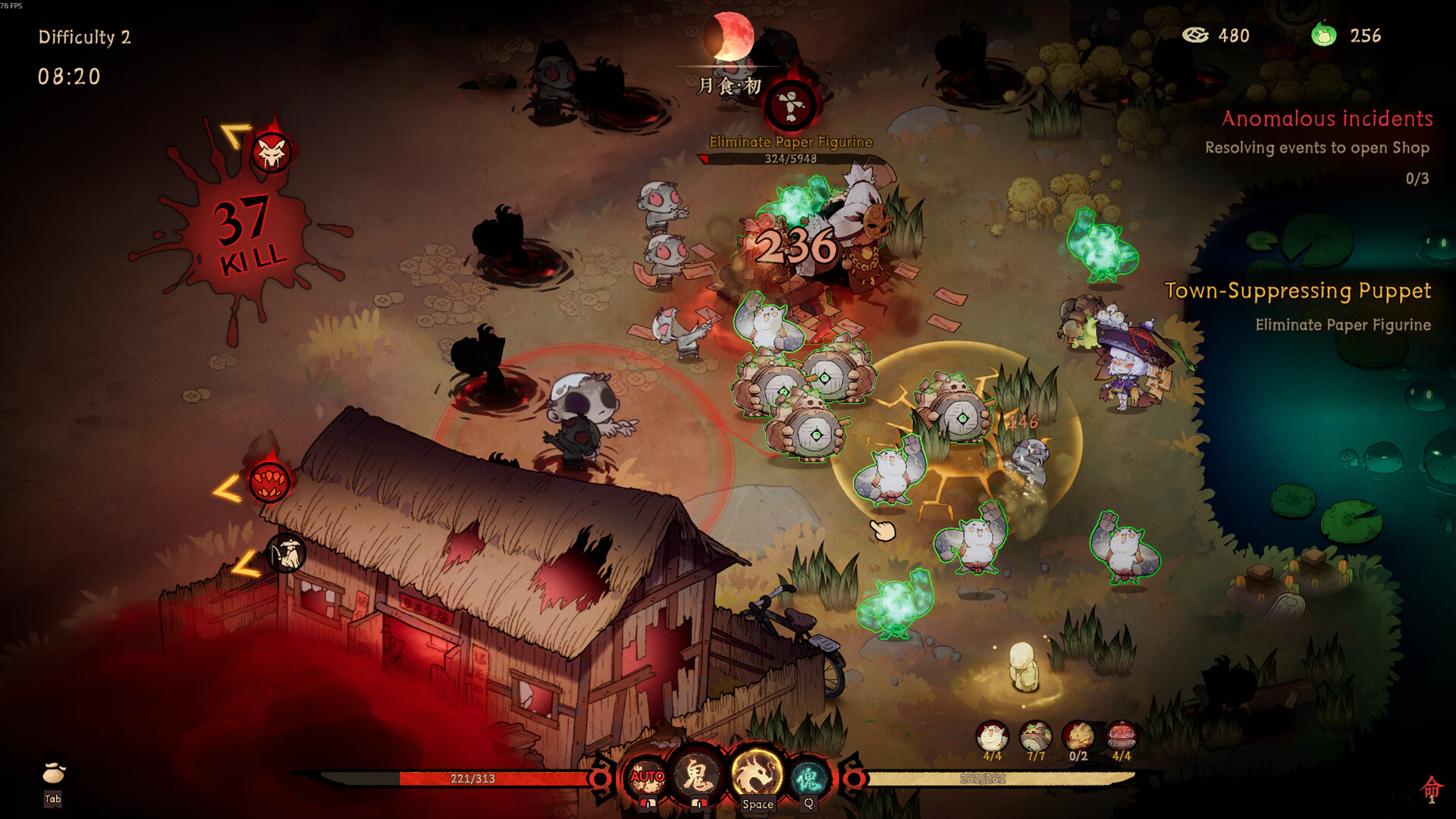
Each general has their own fighting style, giving us a good reason to try multiple runs. At least, that’s our favorite excuse for dying so often—not that we were struggling with the mechanics or grinding for defensive stats! During each attempt, we gradually built our character through Fate Stones, Yin Spells, and Paper Crafts. They all sound cool, but most importantly, they alter how attacks behave. Some builds naturally evolved into devastating area attacks that erased huge groups of enemies, while others focused on rapid projectiles or quick bursts of damage. Experimenting with different combinations became one of the biggest reasons to keep jumping back in. We do have to admit, though, that many options focused on passive statistical boosts, which didn’t excite us nearly as much as unlocking brand-new abilities.

Active abilities drastically change the flow of battle. They are well-animated and effectively clear hordes of enemies, especially during defense objectives. The enemies stand out not only through their visual design but also their attack patterns, forcing us to move carefully around the arena. The maps borrow heavily from Chinese mythology, with temples, spirits, and creatures that make each arena feel like a place rather than just another battlefield. The music reinforces this uniqueness, serving up melodies that lull you into a comfortable state while keeping you right on the edge of suspense, complete with traditional Chinese instrumentation.
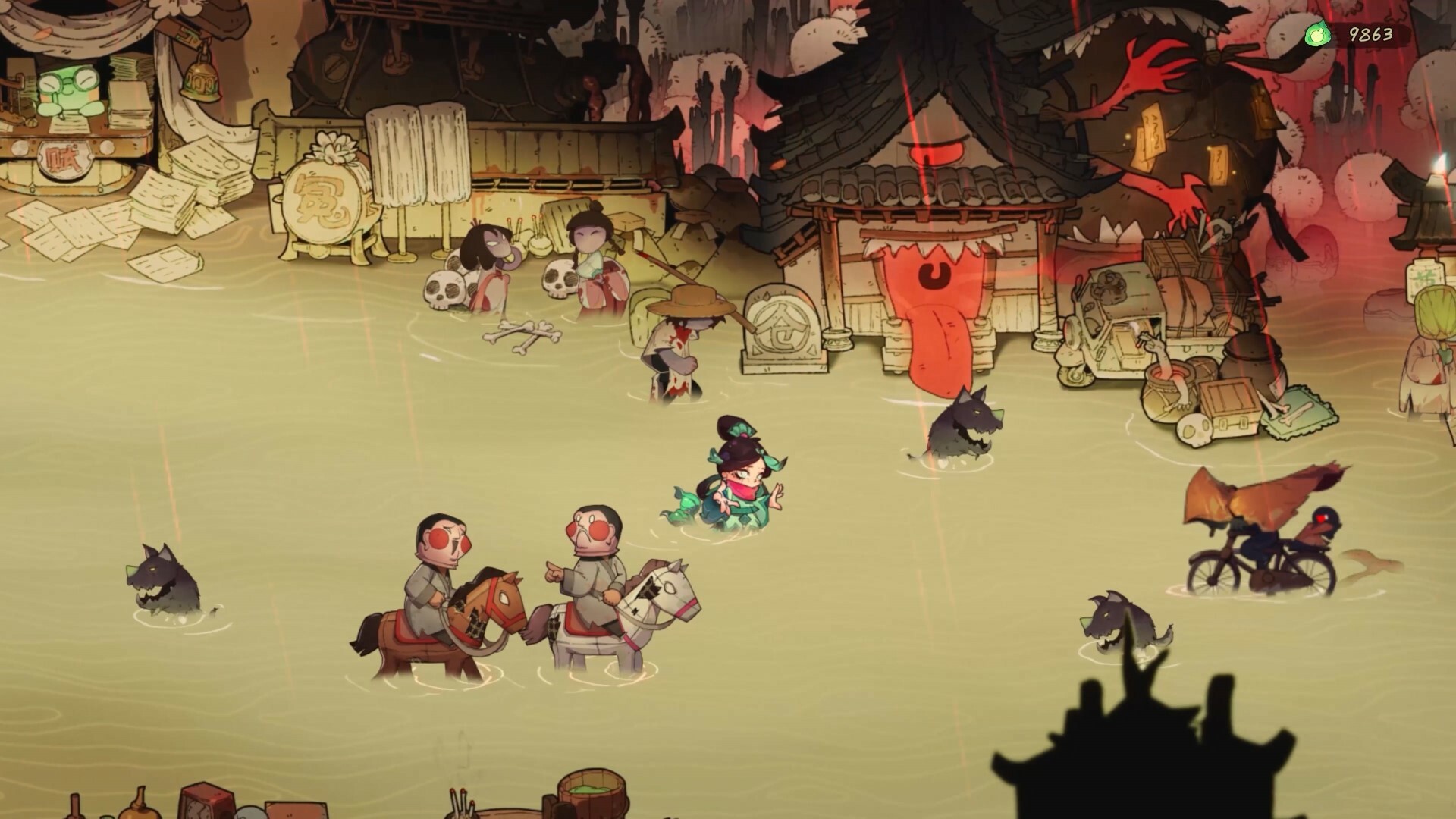
Between battles, Reap and Rush occasionally slows things down with short events involving spirits, demons, and other mythological figures. We found ourselves helping strange characters, settling small disputes, or solving problems unrelated to clearing enemy waves. These moments don’t dramatically change the course of a run, but they break up the constant action and give the world a bit more character than expected. It’s a good thing they don’t drag on, as longer breaks might kill the momentum. Even so, there were times when our nephew grumbled at the prospect of doing these events, wanting nothing more than to jump straight back into the fights.
Beyond narrative events, taking time to upgrade, swap abilities, or manage stones also pauses the rush. This isn’t a typical “on-rails” survivor roguelike. You can’t really dive into a completely mind-numbing experience where you run around passively for 30 minutes, pick random upgrades, and stare dazedly at the screen. There’s real homework to be done if you want to survive: What should we focus on upgrading? Which stones pair best together? Which statistical boost complements this active skill? These are questions the game asks you constantly. That extra layer of decision-making is what kept us invested. A bad upgrade choice doesn’t immediately ruin a run, but it can become obvious several minutes later when the enemy waves become impossible to handle. The biggest issue, however, is that once we found a few reliable combinations, experimentation became less about discovering something new and more about finding the safest path to survival. The game gives us plenty of options, but not every choice feels equally meaningful.
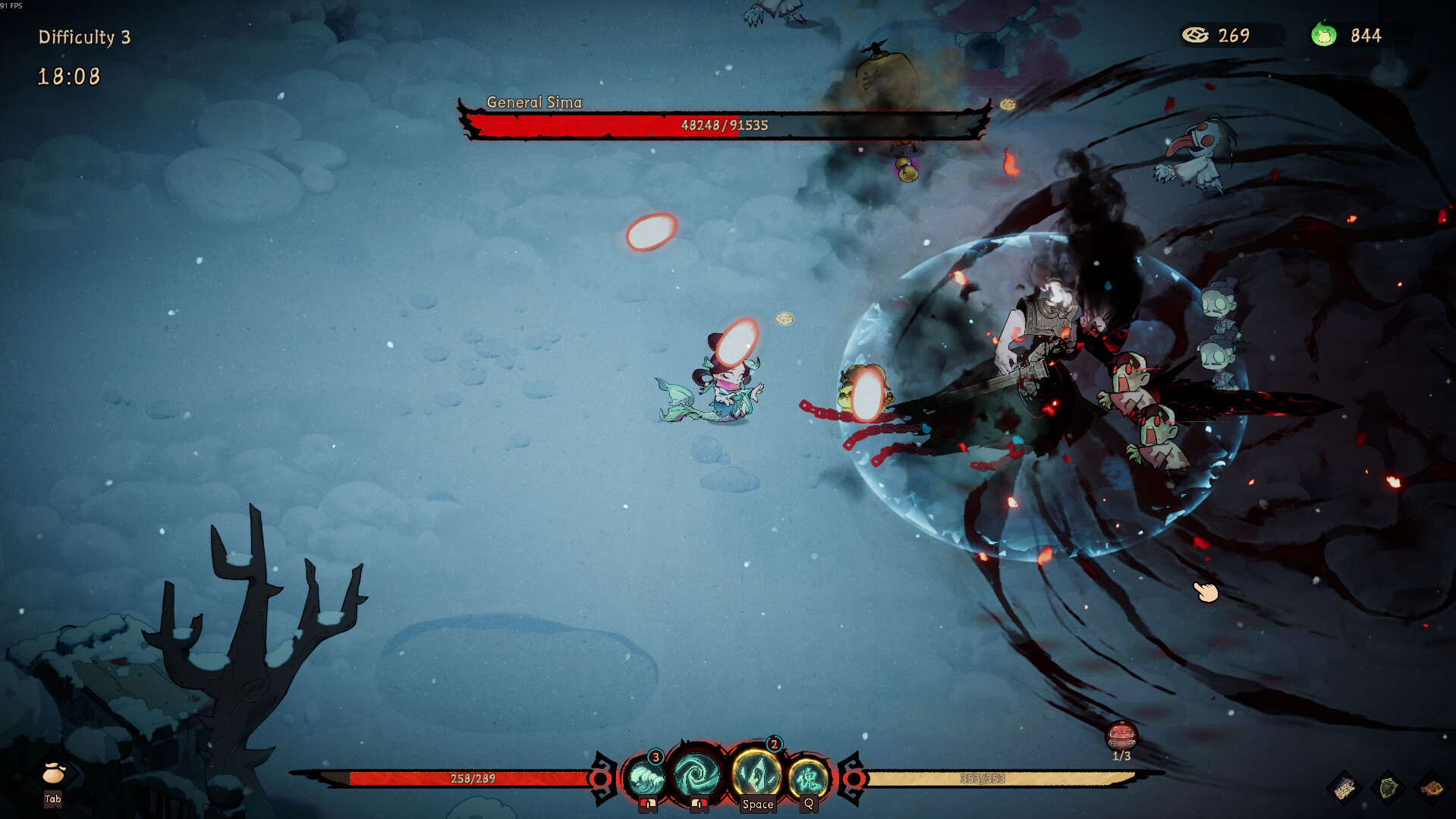
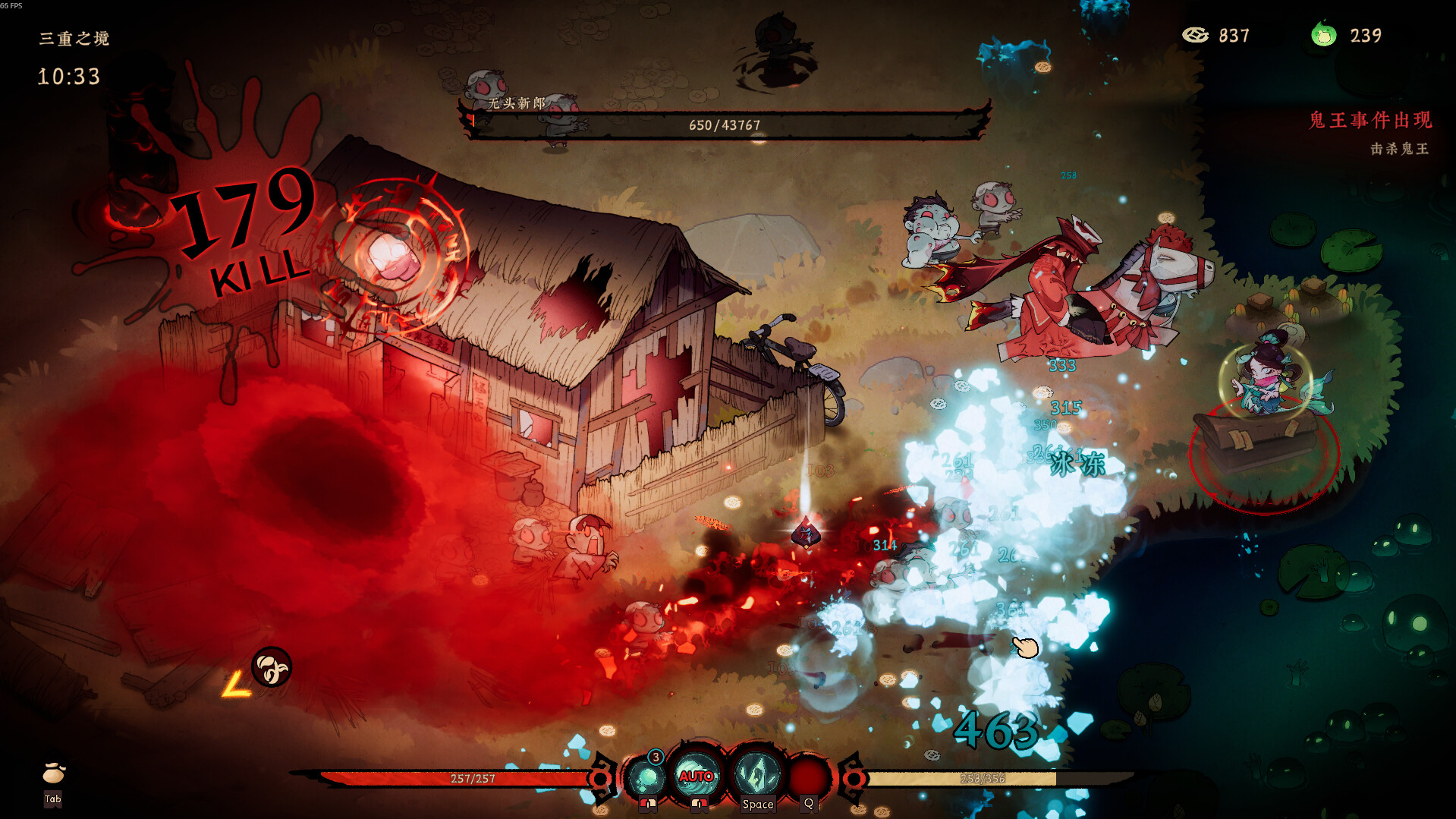
The mythological setting, character designs, enemies, and environments all fit the theme nicely. It looks impressive, though the sheer volume of visual effects can sometimes make it difficult to keep track of your character. At later points in a run, try as we might, we still took a few accidental hits simply because everything on screen blended together. It’s not a dealbreaker, as the vibrant explosions of color make those subtle hits easy to forgive. In the busiest moments, all the spells, explosions, and sound effects constantly overlap. While that might sound chaotic, it fits the fast pace well, even if it occasionally gets overwhelming.
Reap and Rush upgrades the roguelite formula just enough to offer a fresh perspective. The combat is satisfying, build experimentation keeps runs engaging, and the small narrative encounters offer a welcome change of pace. After playing it for a while, we think it’s a game that makes another run feel worthwhile.


Leave a comment