We’ve all played the “Chosen One.” We would wake up, touch something and suddenly everything rests on our shoulders. But what if the protagonist wants absolutely nothing to do with saving the world?
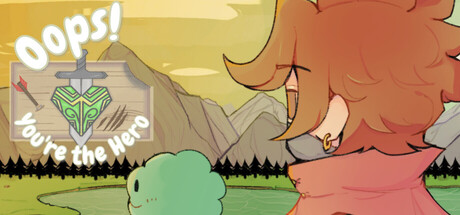
That’s the core of Oops! You’re the Hero!, a story-centered, top-down fantasy adventure where you play a down-on-his-luck Thief. if you’ve played the demo or read upon the upcoming game, then you know that this particular hero steals a powerful artifact, instantly regrets the trouble it brings, and journeys across the land just to get rid of it. He has nothing to do with the hero part and yet all the monsters have stubbornly deemed him “The Hero”. Rightfully so, they won’t leave him alone. As the developers put it: Don’t you just hate doing things? So do we.
This interview would not have been possible without the amazing people at Tempest PR. Many thanks Jesse Gregoire!
We recently sat down with the developer Kit Arnold to dig into this delightfully reluctant premise, the technical hurdles of top-down combat, and the realities of managing a remote team. The first thing that we wanted to ask Kit was what inspired a gameplay loop where avoiding responsibility is the main feature?
“I don’t think there was necessarily a group of specific stories that inspired it, but rather an opposite take on the ‘Chosen One’ trope,” Kit explains.
“I originally made this story when I was in high school where I was taking a mythology class and breaking down how often the ‘Chosen One’ and the Hero’s Journey show up in media.“
“Being an ‘edgy’ (not really) teen, I wanted to make something that went against it. What better than a snarky Thief who refused the responsibility? I committed to that ending, even though the story and message has changed over the years I’ve been making the game.”
Dodging Destiny (and Colliders)
The artifact isn’t just shiny; it actively ruins the Thief’s day. But, was this purely narrative dressing or if it actually messed with the game’s mechanics—like giving the player unwanted buffs or actively drawing in enemies.
“It’s mostly a narrative item – I needed a ‘thing’ that started the whole snowball,” Kit explains. “In fantasy settings, there’s no lack of people who like snatching shiny things, regardless of the trouble it can bring to them! So when the player approaches anyone, they immediately feel who he is. It’s kind of a tease to him trying to sneak around very hard when you’re the most noticeable thing in the area, to both people in need and the monsters who know you can defeat them. Overall though, the artifact The Heart of All That is Good really serves as a direct connection from the Thief and the Goddess who made it, and that you’re trying to give it back to. She can see him through it, and you can hear Her reacting to what’s happening to the Thief through the music of the game.
“I do have to confess though, it became a mechanic for the player unintentionally! The Thief needed a way to dodge attacks, and I originally had a dodge roll set up, but it just refused to work. My partner actually had the genius idea to switch the dodge roll to a teleportation, with the explanation that the artifact gave the player that magical leg up in a fight. It fit with his personality of avoidance, so I switched it to that as soon as I could!”
Giving players the agency to literally walk away from a fight is wild, but it’s a core tenet here. If you just hate doing things, you can skip them. Leaving major bosses alive, however, has to wreak havoc on the engine’s state tracking. So, that surely beggs the question about how the team kept the logic from collapsing.
“The game really only tracks if the player skips a fight within the current level they’re in. The game is short by design, so if the player skips the boss fight, they’re forbidden from going back, and that’s on purpose. When the player gets to where they make that choice, it’s called out that it’s the point of no return and they have to stand by what they choose once they pass it. I didn’t run into too many bugs, but there are a lot of moving pieces that get turned on/off once the player crosses the moment”
Keeping the world state intact is one thing; building the top-down world of Othaya is another. Camera collision, line-of-sight, and clipping are notorious nightmares for this perspective.
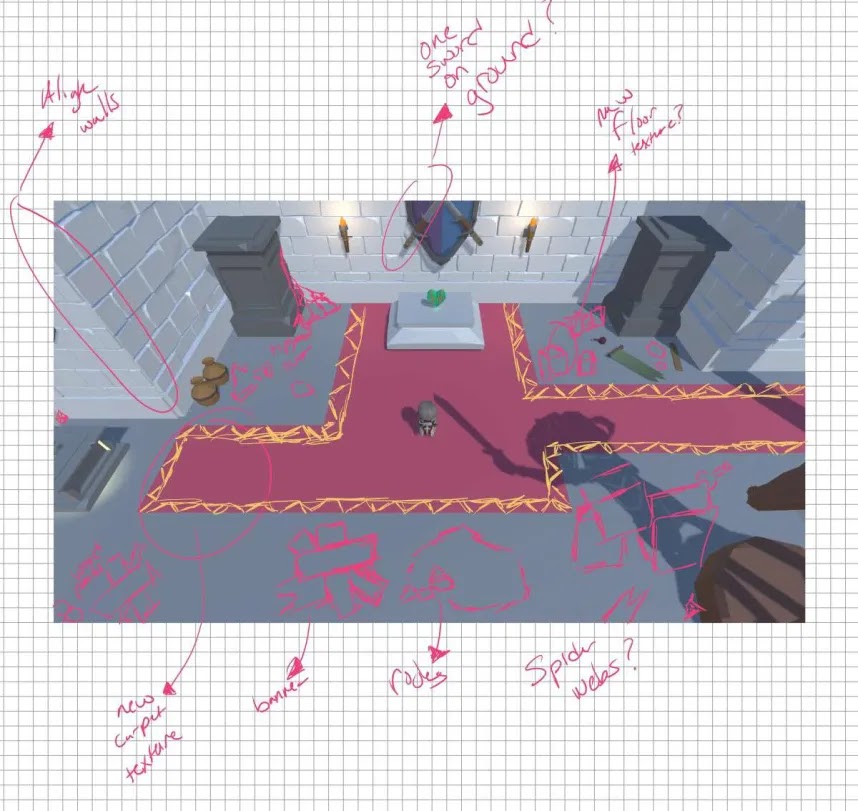
“Each level honestly had its own challenges to deal with, since the biome they take place in are very distinct. The only consistent thing between them was the edges of the world, where I had to set the colliders in a way that the camera could still see beyond, but the player was stopped and a very obvious edge was created via assets. The camera angle and distance from the player needed quite a bit of tweaking when I first started testing out player movement and then had to be adjusted again once I started building out the levels – I believe it was too far from the player and it would have required spacing everything out so the camera didn’t clip through objects. If you notice in some of the levels, there are moments the camera brushes right up against the set pieces and that’s by design like in the first level, while running through the temple there are pillars that you run past horizontally that I spend a bit tweaking because I loved that feeling of the player almost taking a step closer to being the Thief through the depth of the camera.
“There were some drawbacks to that closeness though! In the second level, it’s in a cave, where everything is close and cramped. Working in top-down was tougher, since I had to create walls and floors that had enough distance that the camera couldn’t see past them. The colliders on those walls were a monster to deal with for sure, and there’s more verticality in that level that had to account for not only the walls, but the ceiling height too. Verticality of the game in general was a bit of a challenge, each staircase or ramp that was placed had to account for not blocking possible doors or pathways, and can’t be high enough that they hit the camera in some wonky way.
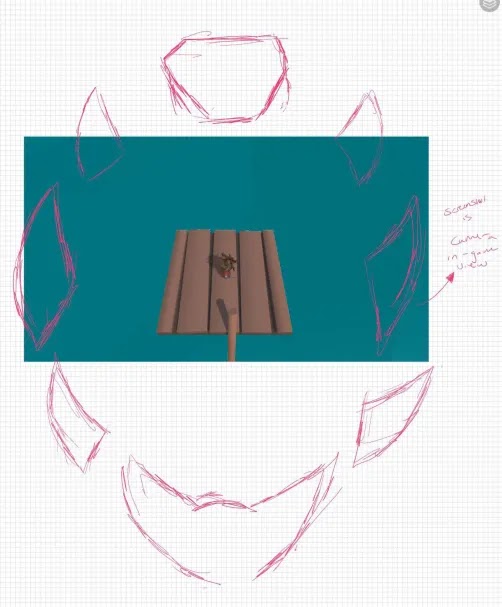
“That crampness didn’t matter once I started the third level, because everything completely changed once it became almost completely water based and the player was traveling by boat to get around. I found that the camera was way too close, and it had to be specially adjusted higher so the player could see where they were going and had a chance to get a full glimpse of the boss’ size in that level. Because of that, the design and the spacing of everything in there had to be adjusted to match, and the perspective of the player set up to change whether they were on the boat or not.”
Nailing the Punchline and the Pipeline
If you’ve played the currently available demo, you know the banter carries the experience. But nailing comedic timing in code is incredibly difficult. You have to trigger dialogue so jokes land without breaking the gameplay flow, adding a necessary human touch to the animations and camera work.
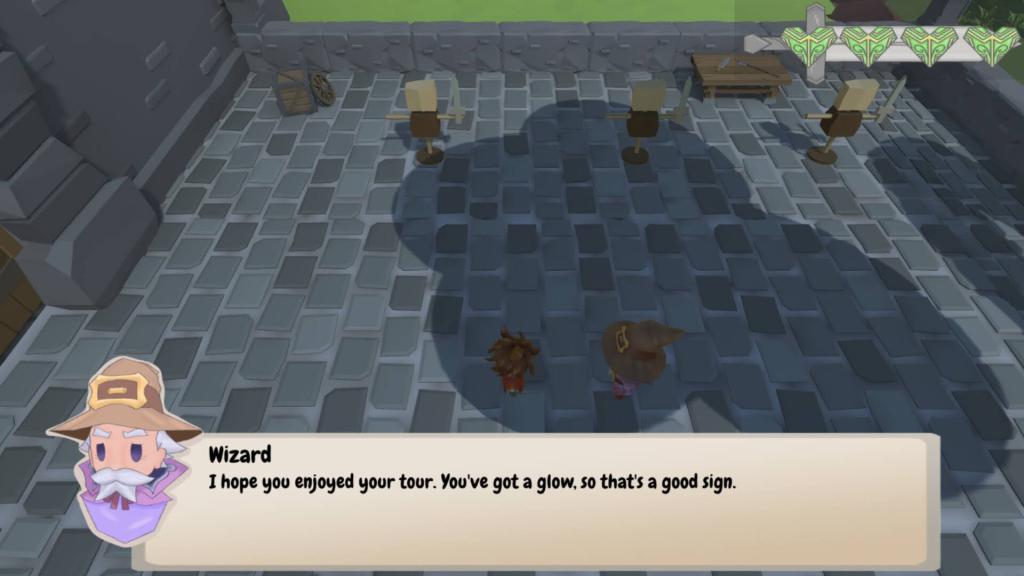
“I made this part a bit easy for myself by having the cutscenes consistently trigger in common areas! When I would play some of the games that were inspirations for this one (Pokemon and Dragon Quest), cutscenes would happen in very specific areas that you could tell were going to happen based on the placement of the characters and the guiding of the level. ‘Oops’ works the same way, where you can see enough up ahead where the cutscene will trigger and there will be a moment between all the characters. These happen when the level starts, before the player chooses to start a boss fight, and a few steps after the fight has been completed.
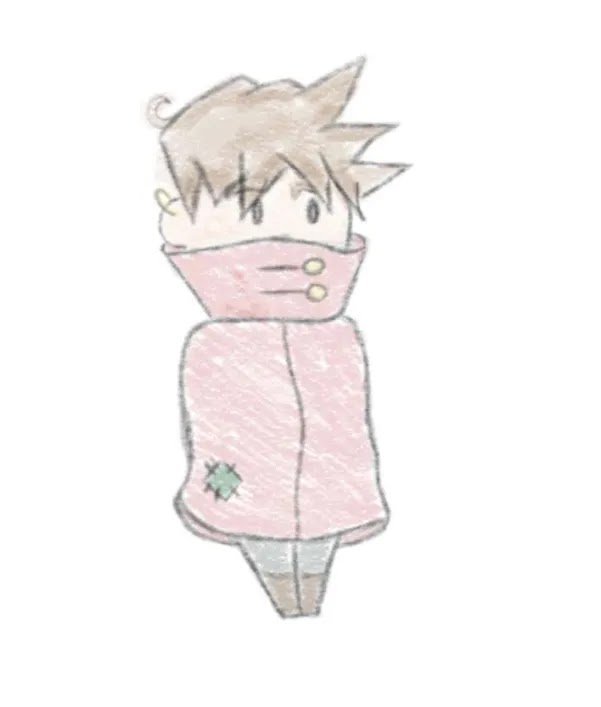
“When I first started adding them, I wanted to be careful how much time the player would be spending reading. I have seen quite a few people admit they don’t care for narrative or cutscenes, and I didn’t want to overinundate. What I didn’t expect though was people asking for more! When I took the game to showcases or did playtests, they wanted more of the Thief and his little companion, Tut. I’ve gone and added a bunch of dialogue between the two, which I’m very glad to since I adore the two of them together.
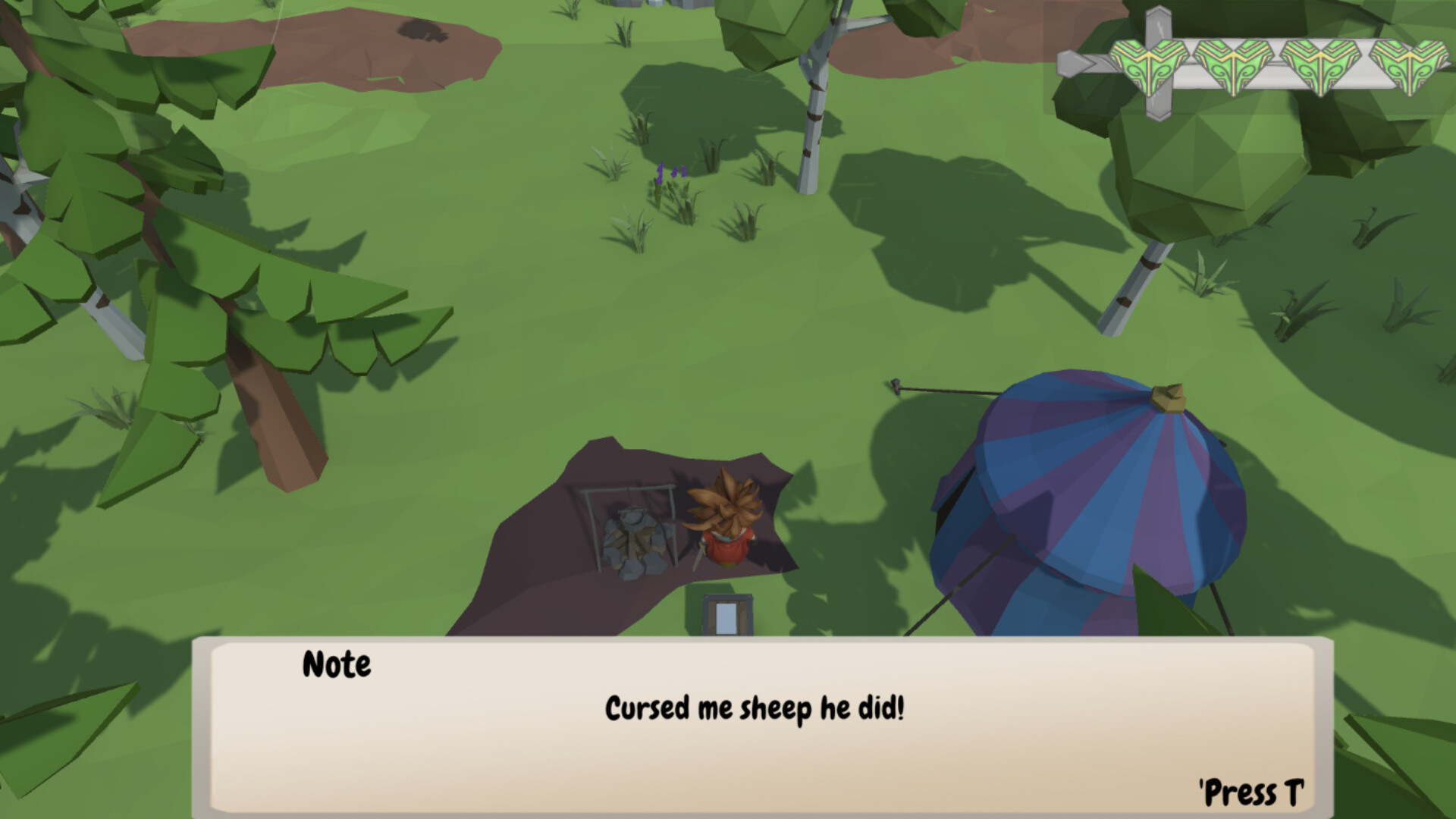
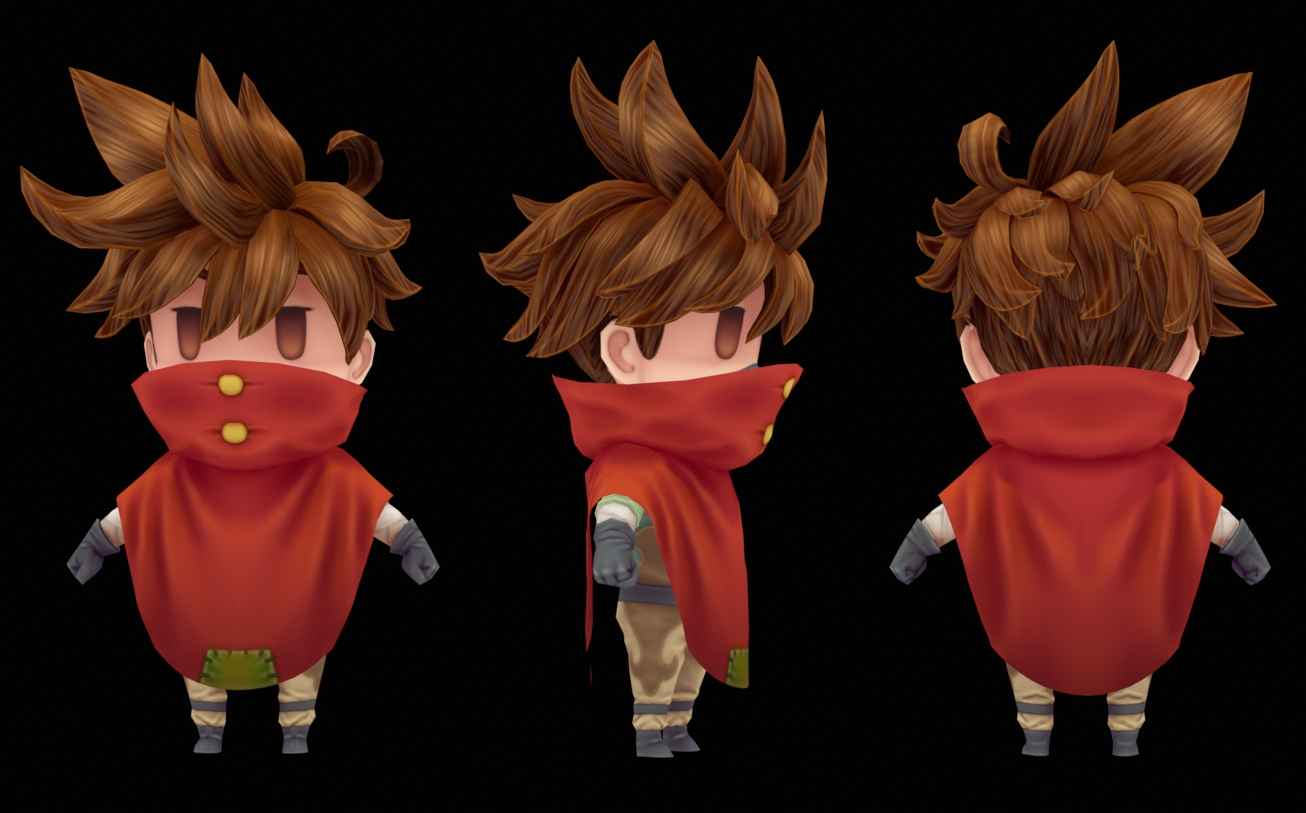
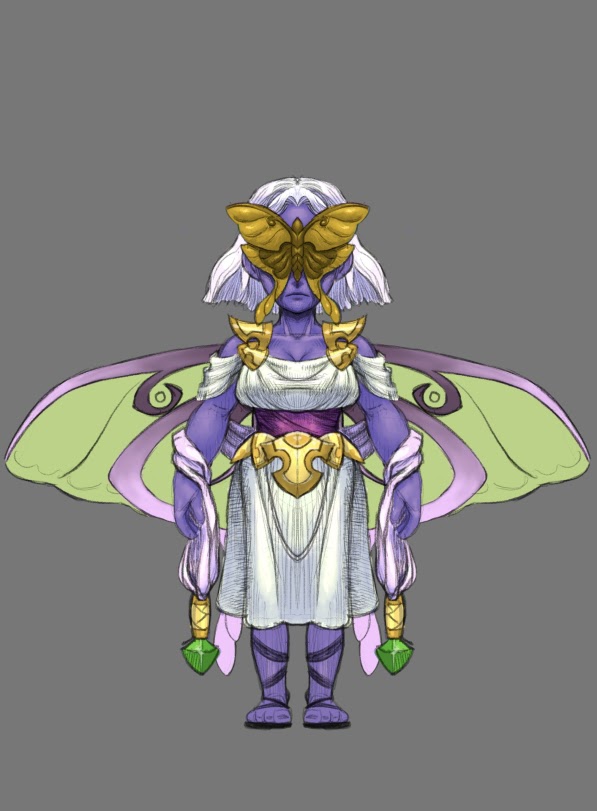
“There is the ‘human touch’ in these moments that can be seen in the UI, because I made all of the icons myself. I’m not much of an animator, so I couldn’t go crazy with motions in the cutscenes, a lot of it relies on the writing (which a lot of people like, thankfully) and the VFX that happens during them. I wanted it to be super clear who was talking in the moment, so I had to really push myself to paint them since I’m not really an artist either. Pedro [the character modeler] did a fantastic job creating characters that were so distinct that they speak for themselves when you see them. Any idle animations that you see of the bosses were amazingly crafted by Paige, the animator. We all went over what kind of personality they had before she would make them, and those shine through as you watch them simply move in their environment.”
That mention of collaborators highlights a modern reality: solo development rarely means working in a vacuum. Integrating assets and scripts from remote specialist contractors into a custom engine can easily become a logistical nightmare.
“I think I have to start by saying that I have been working with incredibly talented people, and that made the process that much easier when it came to designing and implementing their external assets. My starting part was simple give them the basic idea of what was going on in the game, and then the space and time to expound on that idea and add their own visions to it!
“That’s a bit of an oversimplification of what would happen though. When it came to the original designs of things like the characters or music, I would write out documentation with what I knew was for sure ‘the moment’ in the game. This included references, links, implications of what was happening in the narrative, even my own rough sketches. Once they had that, they took the concepts and came back with an intertwined version of theirs and my ideas. I never had to worry about it deviating from the vision of the game, because I wanted them to have the space to have their ideas come out as well.
“Going back and forth between the disciplines is where the balancing came in, especially since we are all remote and work asynchronously from each other for the most part. Paige and Pedro (the 3D artists) would speak together and if there were any issues, they could be addressed fairly quickly. Once something like a character model was finished and had an animation, I would test it out in-engine and show it to the both of them. Once it had their blessings, it would move to Alex and lemon (the Audio designers) where they would work on adding any needed sound. With their blessing, I would put all the pieces together and finish the asset with any scripts needed in-engine. That’s usually how it would go when working with assets that we’d all essentially be a part of. Anything sort of singular that was imported straight into the engine would go between me and the artist until it was ready to be added.”
Barrels of Trouble and Advice for the Journey
The fruits of that collaboration are visible right now in the demo slice appropriately titled “Baby’s First Fights.” But taking those raw systems and polishing them up to a public-ready standard is often the hardest hurdle.
“Looking back, I don’t think there was a single major system in the game that didn’t give me trouble at some point, but the biggest offender had to be the combat.
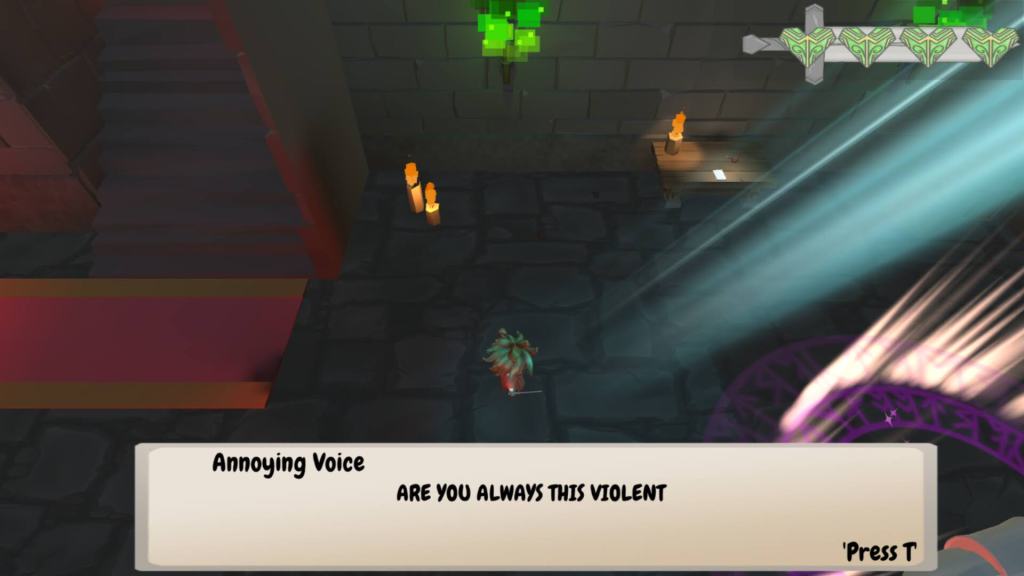
“Health systems, animations, special effects, music tracks changing, balancing, UI it all had to be created and this was my first time doing it ever. And it wasn’t just the combat between the player and enemies, but objects that can affect both the environment and both the player and enemies at the same time. There are explosive barrels in the levels, and the time it took me to figure out how to pick them up, move them, set them off, and do damage to everything around them is something I would prefer never having to do again. I remember a lot of long nights trying to get the combat working enough that I could bring it to my first showcase.
“Even towards the end of the game’s development, I’m still making adjustments to the feel and timing of the attacks and balance. It’s one of the heaviest things playtested, and something I’ve put a lot of time into, even though it’s caused a lot of headaches for me.”
It’s a massive evolution. The developer cut their teeth at Girls Make Games about eight years ago, and launching a commercial project requires an entirely different toolset. We asked about the hardest programming or design leap she had to make.
“When I started GMG as a teen, I had the basics of programming and design techniques sort of down! That was my first introduction to the pipeline of game-making, and it was a good bite-size example of the tools used. Those skills I learned then further developed in college where I focused more on the principles of design and project management. ‘Oops!’ is really me putting it all to the test and pushing myself even further in almost every aspect. My programming abilities and understanding of code needed to grow so I could make the systems, my design processes needed to change so that it was clear, but adjustable when it came to working with completely new people that I didn’t talk face to face with, and my project management had to grow the most! Running a studio, hiring people, and keeping all the business in line and on schedule while also doing a huge piece of development has been the biggest jump I think over the past couple years doing this project.
“Tools-wise, I’ve made a lot of leaps too! I started in a whole other engine and worked in 2D, and ended up working in 3D in a new engine. That came with learning how to convert the original vision, and being introduced to the tools that the team used and integrating it in the process. I was not getting away without downloading Blender and learning the basics of rigging, or figuring out how to use FMOD! The tools the team was using knew that it would be easier working with them, so I buckled down and learned them too.”
Balancing that much narrative with top-down action is a tightrope walk. As we wrapped up, we really wanted to hear her best advice for new developers trying to keep their own stories and gameplay from clashing.
“When it comes to not clashing, look at the games you loved to play! How they mix combat and story, what’s going on in the environment at the moment, what is catching your eyes before you swap from one state to another are all things to keep in mind when trying to match the same smooth feeling you want to be inspired by. Having a general outline of what you want placed where, and whether or not you value combat vs narrative (or vice versa), generally helps to guide what needs to be placed where and how the player should respond to their environment.
“It’s going to sound strange, but if you find a spot that feels clunky or doesn’t seem like it’s working – talk to your characters! Get to know them and understand who they are. That’s what helped me figure out when things felt good to add or not. You’re telling a story in a way that involves not just the player, but the character(s) they’re hanging out with. There were many times I had to sit back as both the dev and a player, look at the Thief and Tut, and go, “What are we doing here?”. Sometimes that answer was a clever quip, or a fight that needed to take place. And it didn’t go for just them. The other characters in the story have their own lives and goals, and that can be explored too to affect the player’s actions and how they respond to what’s coming after them. Overall, let your characters live and breathe like you do.“
Kit Arnold
It’s a fitting philosophy for a game that thrives on its protagonist’s blatant refusal to do what’s expected of him. If you’re ready to shirk some responsibility of your own—and maybe blow up a few exploding barrels in the process—the Oops! You’re the Hero! demo is out now to play. Just don’t blame us if the local monsters mistake you for the Chosen One. :)








Leave a comment