
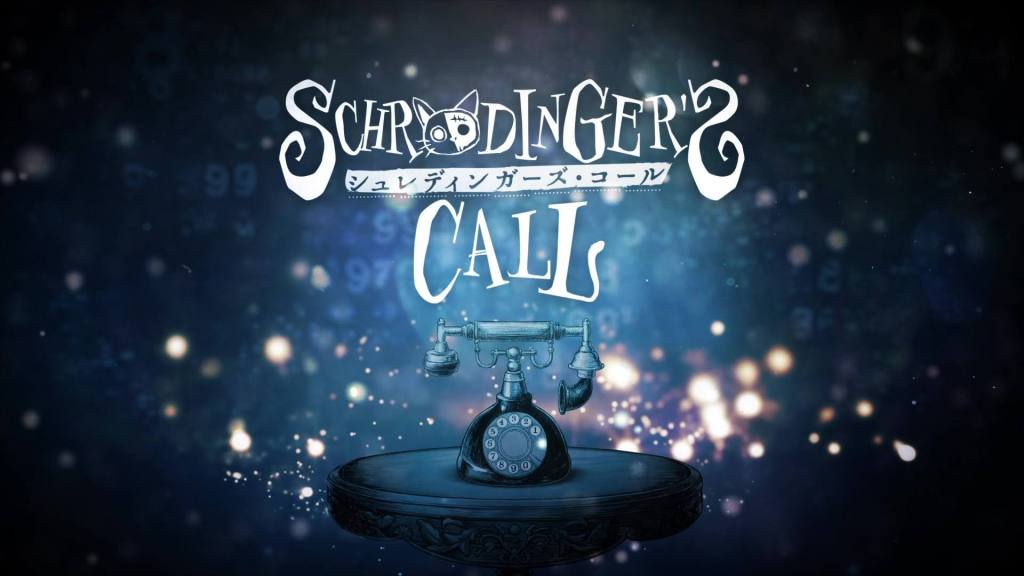
End-of-the-world scenarios lean heavily into cinematic destruction. Kyoto-based indie trio Acrobatic Chirimenjako took the exact opposite approach with their debut, Schrödinger’s Call. When we reviewed the game—awarding it a perfect score—we noted how it shattered our expectations by confining the apocalypse to a microscopic sliver of time: the absolute final moments before the moon crashes into Earth.
Directed by Achabox and co-directed by Seishi Irimajiri, the game thrusts players into a seemingly impossible premise: the final moments before the apocalypse. Yet, it isn’t a game about global destruction; it is a profoundly quiet exploration of human connection. By narrowing their narrative focus to an unimaginably brief window of time, the developers managed to craft a sprawling and emotional journey about grief, regret, and salvation.
This interview would not have been possible without the wonderful people at Plan of Attack. Many thanks Ollie McLoughlin!
The Weight of a Fraction of Time
When we sat down with the devs, our first question was naturally about this microscopic window of time. Setting an entire game in the final 21 nanoseconds before the world ends is a bold structural choice. We asked where the inspiration for such a specific, tiny window of time came from.
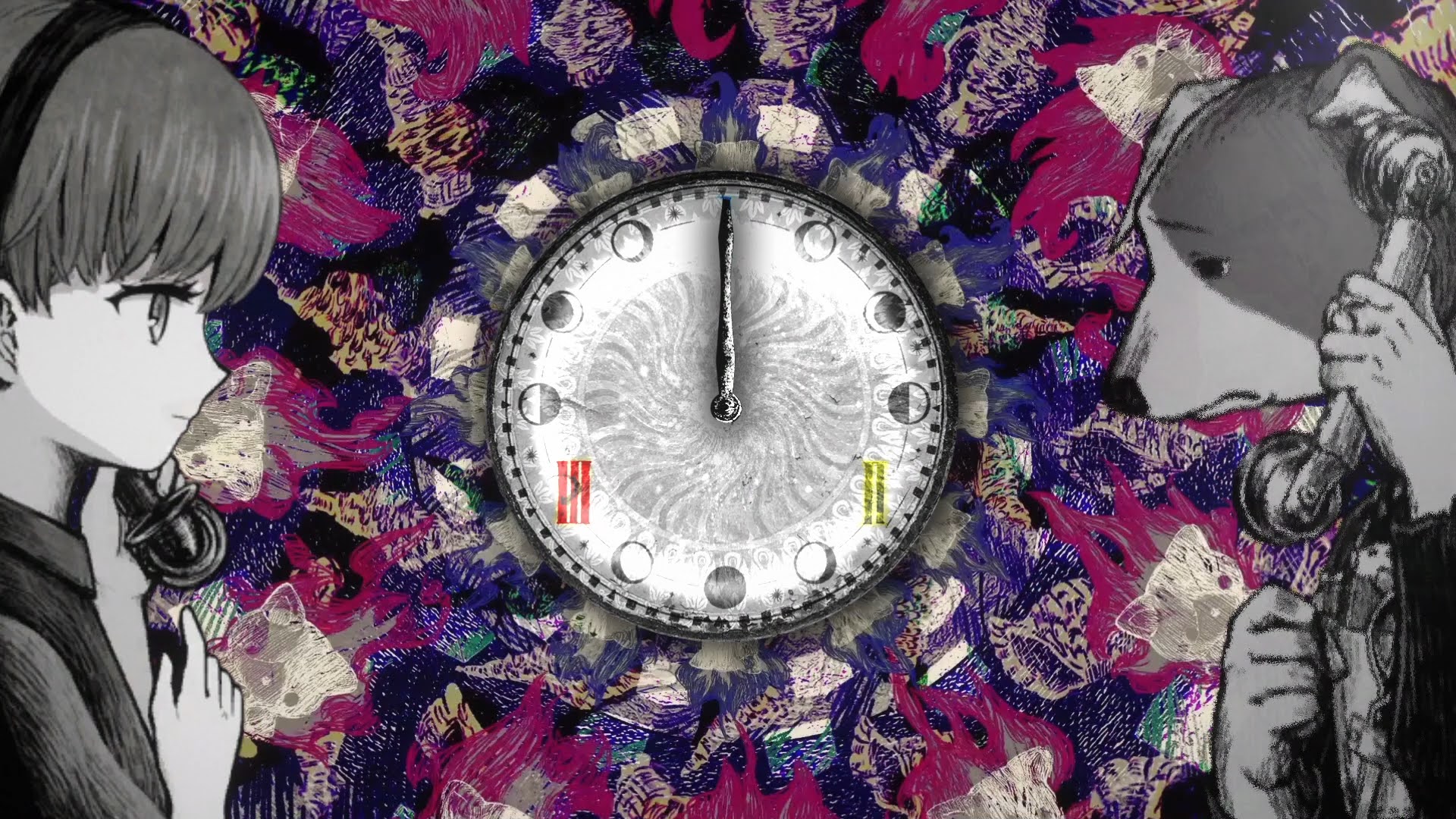
Seishi Irimajiri: We chose 21 nanoseconds, a moment stretched to its absolute limit, to capture human regret in its purest form. The regrets we carry at life’s end aren’t about grand catastrophes. They’re deeply personal: “I wish I’d said thank you,” “I shouldn’t have said those cruel things.” Even in the face of the apocalypse, we’re haunted by what we failed to communicate. We wanted to express how souls become trapped in past regrets, circling the same place endlessly. That’s why the visuals are filled with circular motifs—clock hands, rotary dials, the moon in the sky. Circles suggest stagnation and repetition. In those 21 nanoseconds, where time is essentially frozen, we could narrow our lens to an intimate microscopic focus. We blocked out all the world’s noise, creating a space where one character’s heart and the player could meet face-to-face, one-on-one.
Painting Grief with Picture-Book Aesthetics
Despite dealing with heavy and existential topics like grief and final regrets, the game refuses to fully rely on bleak and realistic visuals. Instead, it presents its world through a highly unique picture-book art style. We were curious why the team chose this specific, almost fable-like visual direction to anchor such an intense story.
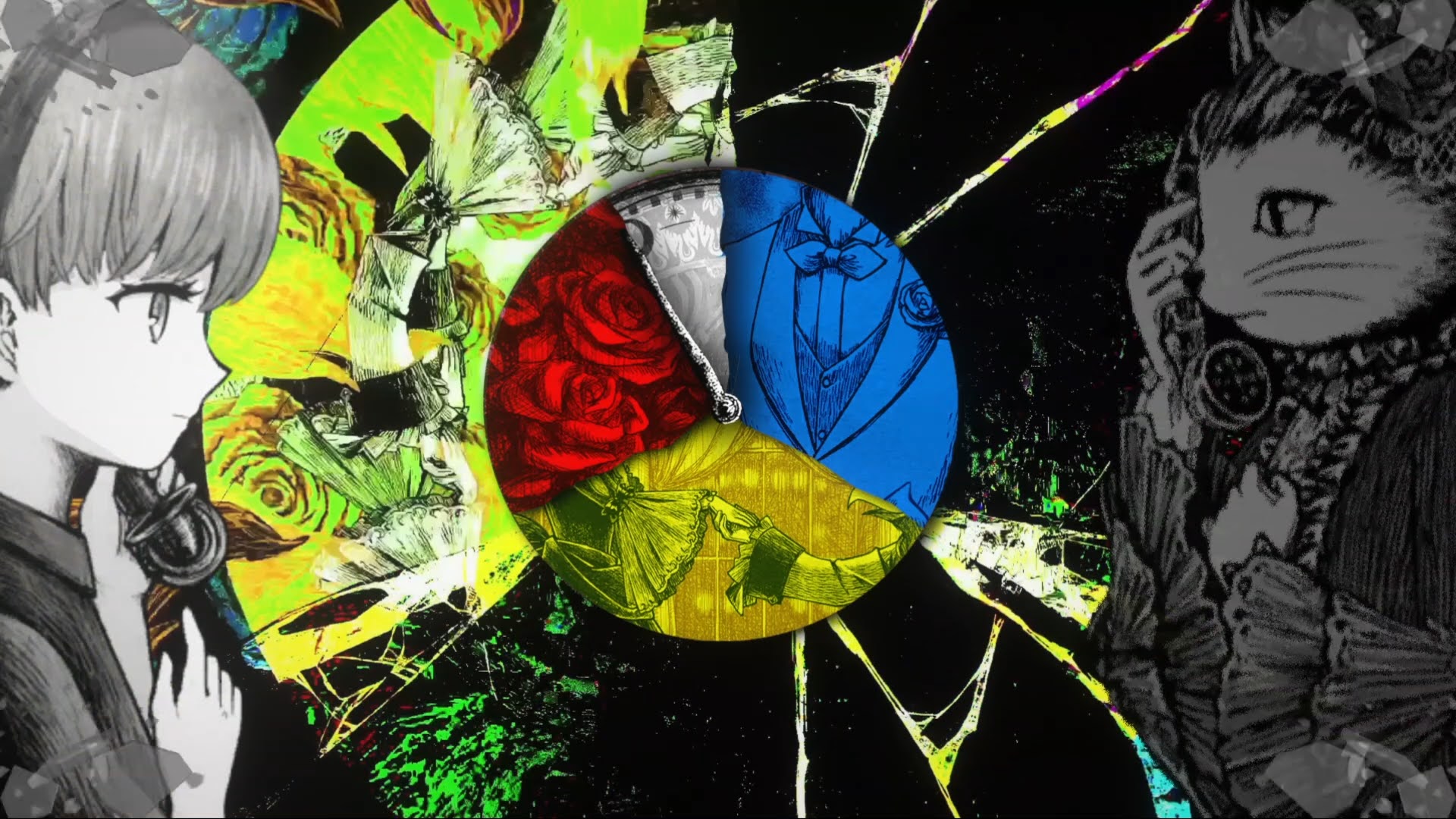
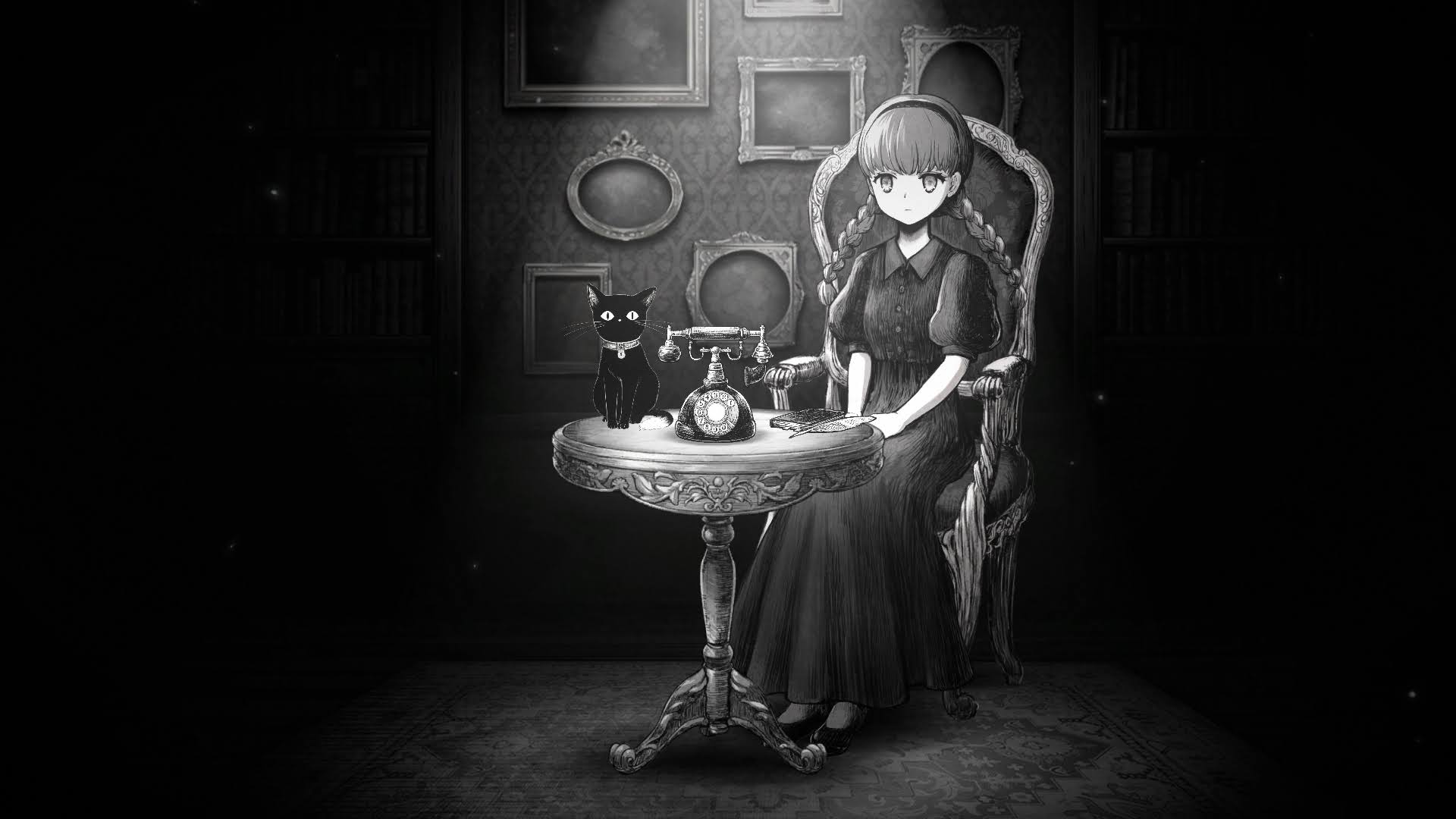
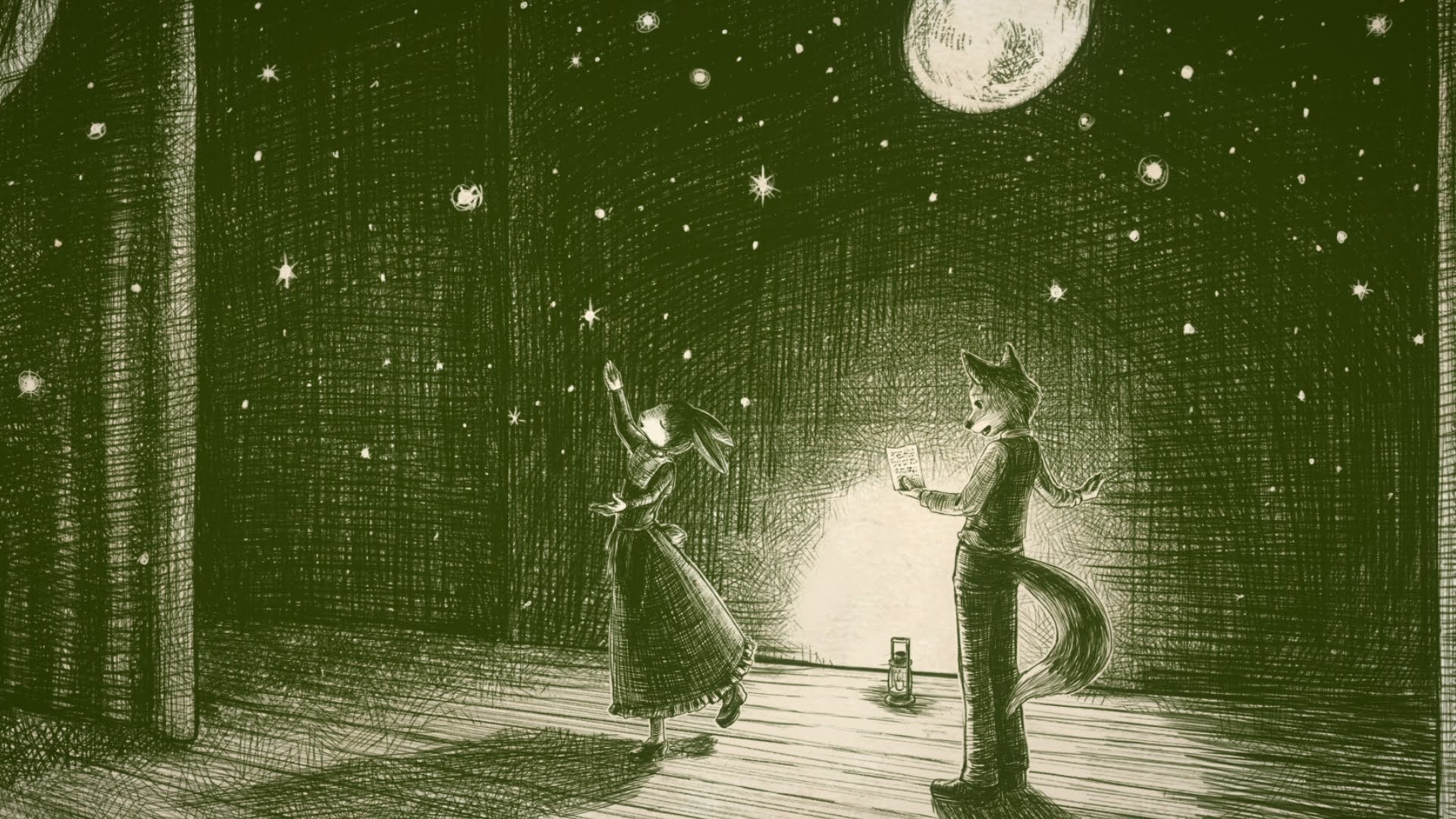
Seishi Irimajiri: The art style began as a fusion of director Achabox’s classical Western picture-book sensibilities and Japanese anime aesthetics—like Mary’s design.
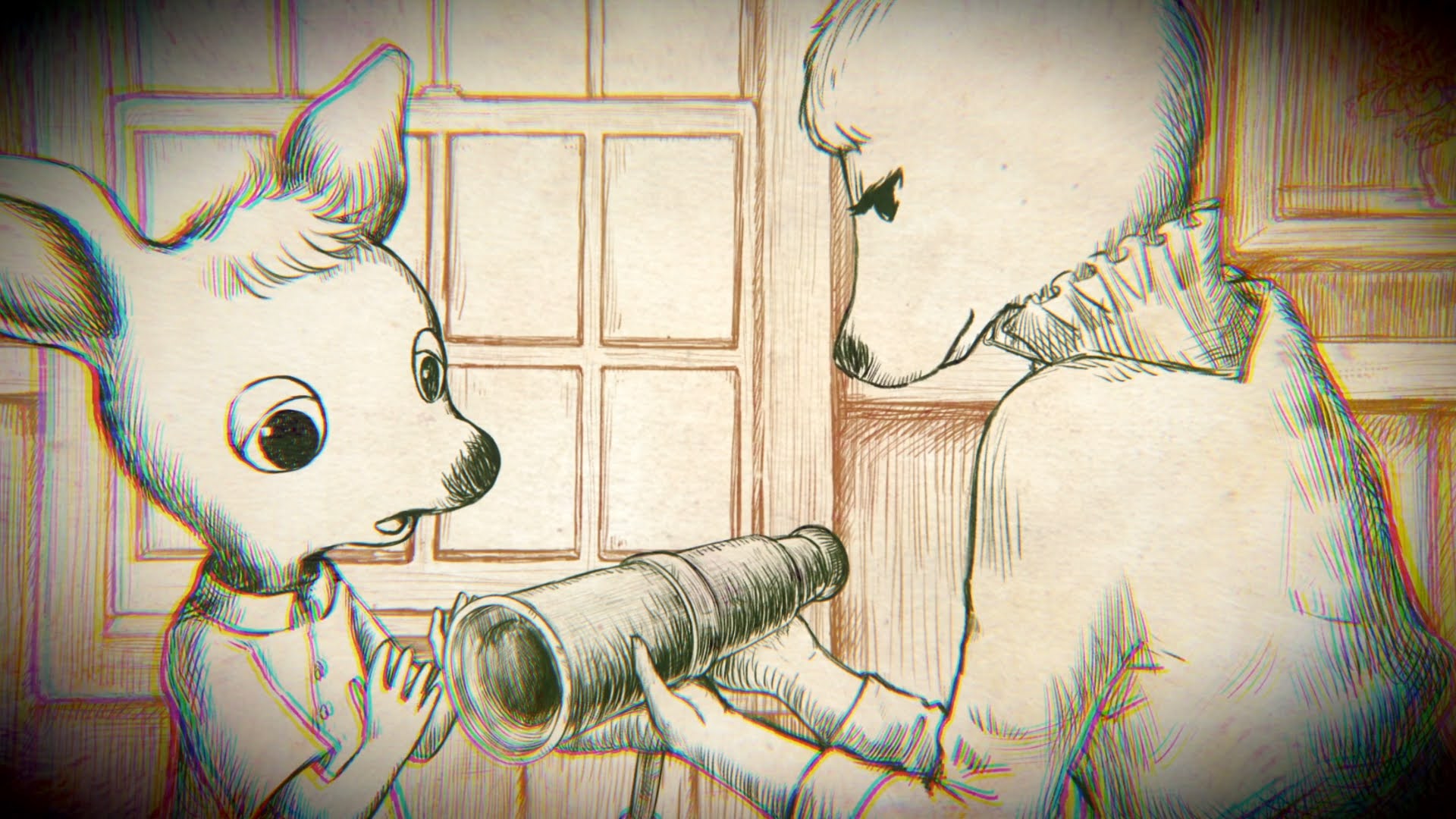
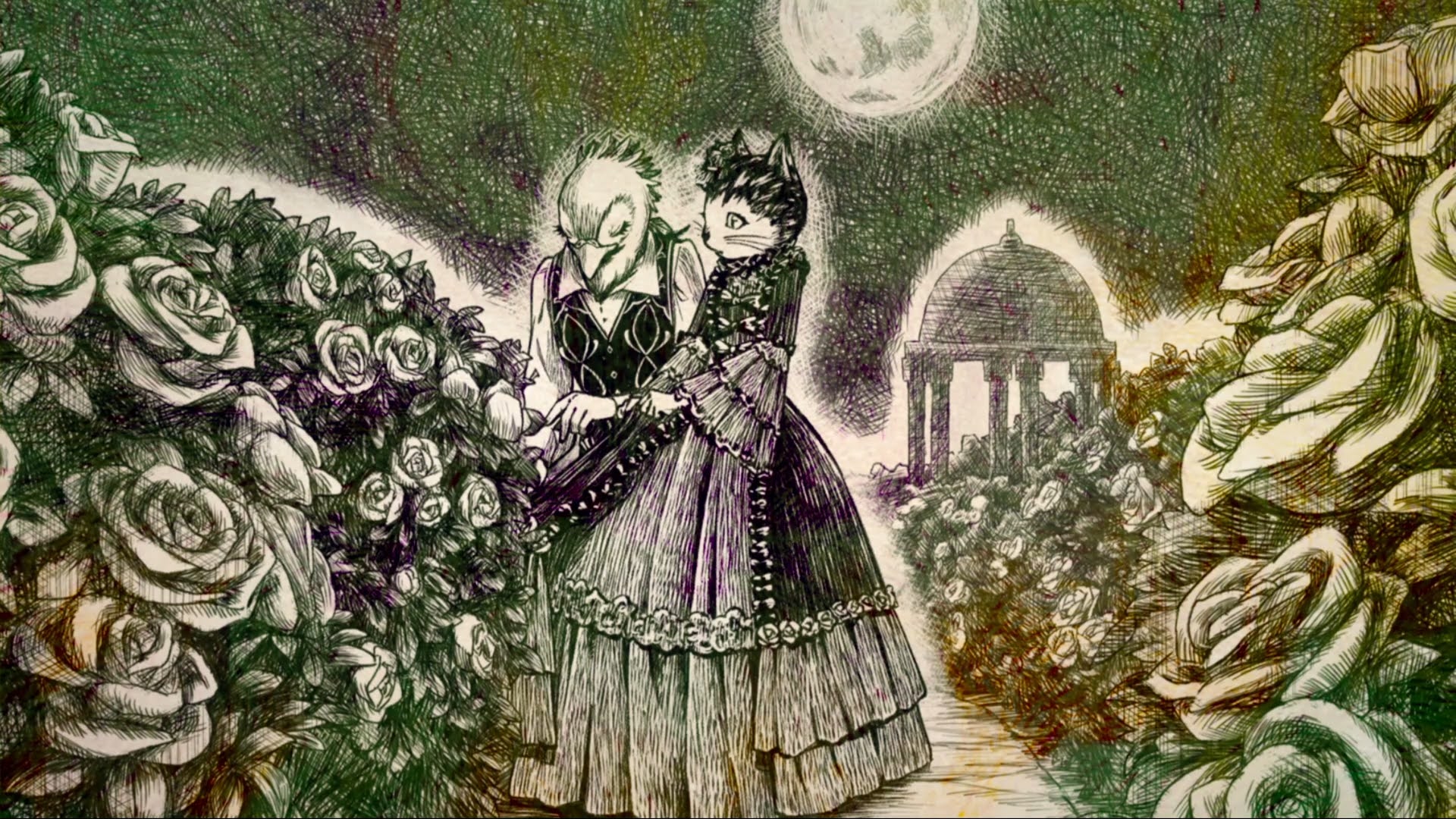
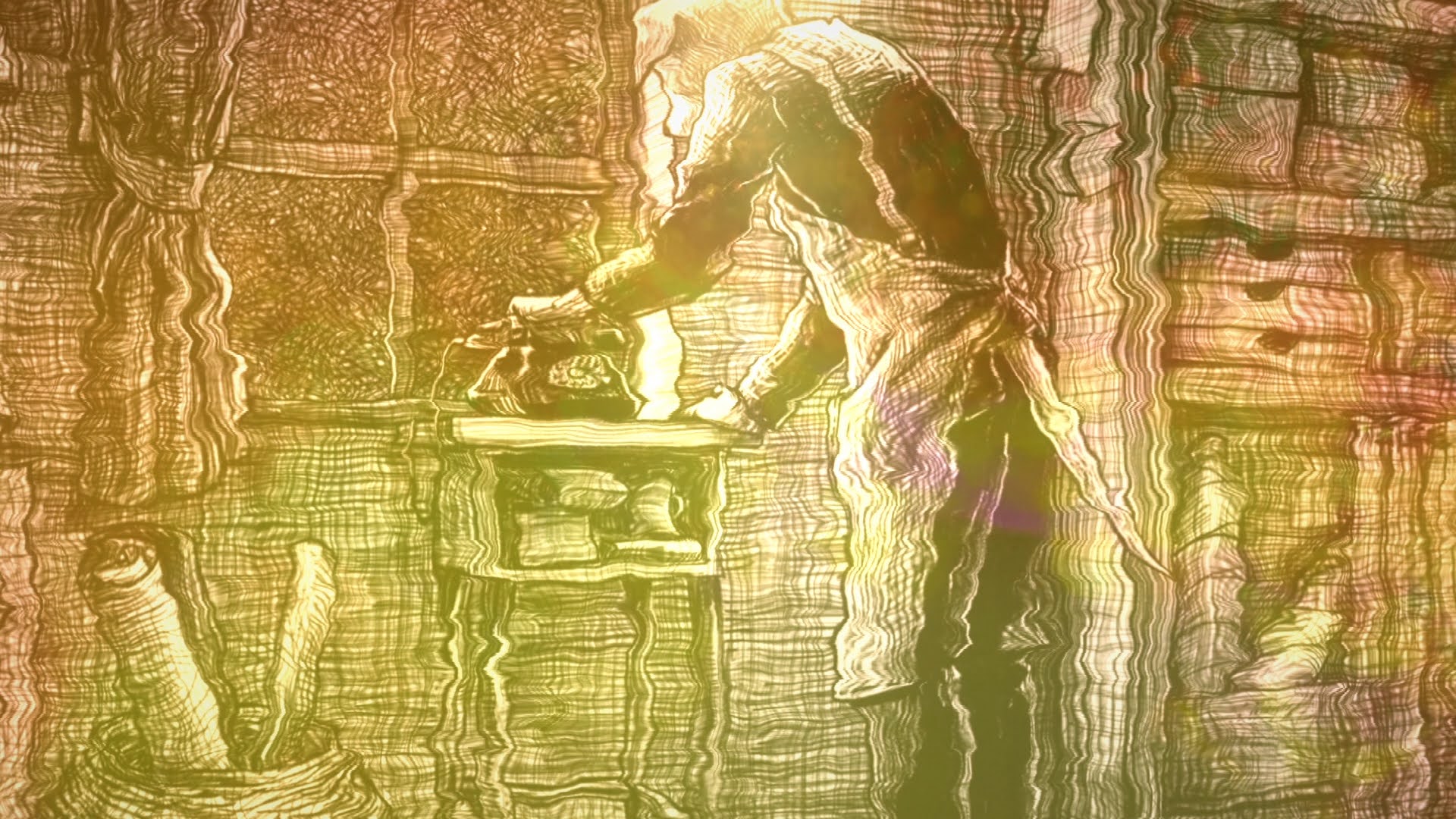
Achabox: During the pandemic, when I desperately wanted someone to listen, that first key visual came to me. To express this timeless, slightly surreal world—paired with the rotary phone as the centerpiece, an object where you never know who’s calling—it felt like a natural fit visually. For the stills, I drew from a sense of nostalgia and cherished memories. The very first scene I painted was Lucy handing a telescope to William. If we depicted grief and death too realistically with human figures, it would become too raw—even jarring. Players might be pulled out of the experience. But by filtering everything through an illustrated, animal-like form (with fable-like abstraction), we created space—room for players to see their own loved ones in these characters without preconception. Visually, we built on a quiet, monochromatic foundation. But when souls explode with emotion or truth is revealed, we introduce psychedelic colors and distorted imagery to convey pressure and unease. Conversely, in moments of connection and salvation, color gently rises. We adjusted endlessly so that even with minimal dialogue, the visual temperature conveys warmth and healing.
The Brutal Art of Subtraction
The flawless execution of this vision didn’t go unnoticed, earning Acrobatic Chirimenjako the Grand Prize at the Shueisha Game Creators CAMP. But as anyone in the industry knows, building a debut game is rarely a smooth process. We asked Irimajiri about the biggest hurdles the three-person team faced during development. His answer revealed a fascinating struggle with over-scoping, and how stripping away mechanics ultimately saved the project.
Seishi Irimajiri: The biggest wall was the gap between “what we wanted to make” and “what we could actually do”—and figuring out how to translate the theme of “saving someone through a phone call” into an experience players could feel in their bones. Just getting “companionship through the phone alone” into a game form took about a year. We asked ourselves constantly: Does this feel like we’re truly accompanying someone? Or is this just winning an argument? We’d prototype in 1-2 weeks, then spend hours debating with the team and Shueisha Games. Does this work? We went through cycle after cycle. Over four years (really ramping up three years ago), we nearly suffocated ourselves by trying to cram in too many features and mechanics. But we broke through when we realized: “Our strength isn’t in doing everything—it’s in sharpening what we’re already good at.” During the brutal “subtraction phase”—stripping away anything not essential to our theme—the veteran team at Shueisha Games gave us honest, careful feedback. There were intense arguments: “This doesn’t work,” “We need this instead.” But those discussions, step by step, kept us from losing focus. That’s how we arrived at a finished product with real integrity.
Global Resonance and Diverse Voices
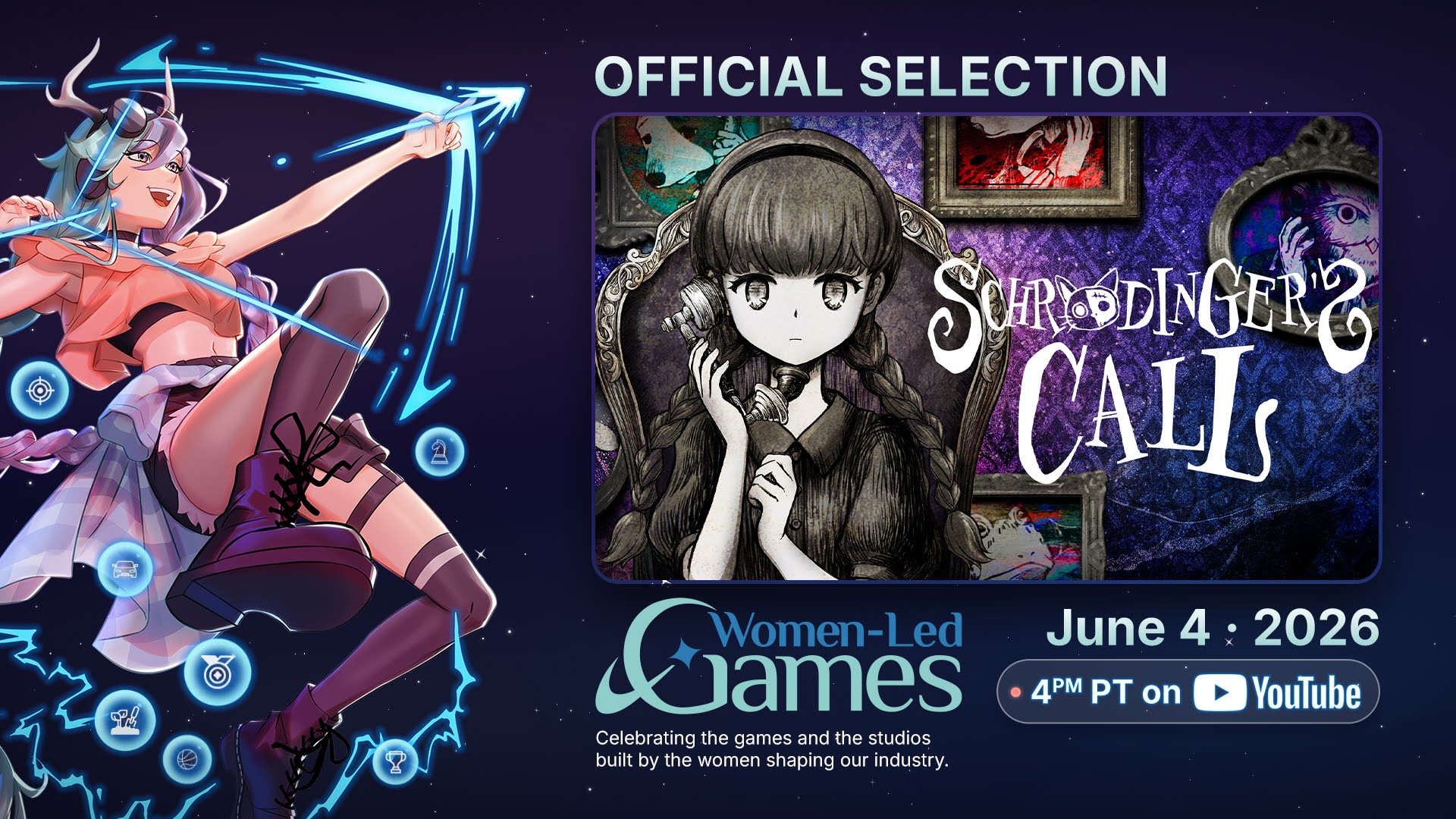
This dedication to a core emotional truth recently earned the game a spot in the Women-Led Games Showcase—a fantastic spotlight for a breakout indie hit. We asked Achabox what it meant to have their debut highlighted on such a stage, and how vital these events are for fostering the indie development community.
Achabox: We’re genuinely honored and proud that our debut is getting this recognition. We hope to see more women-led development teams emerge—not just in Japan, but everywhere. When diverse creators with unique perspectives take the lead, it signals new possibilities for expression across the entire community. It inspires the next wave of creators to take their shot. That’s profoundly important. We’ve received feedback from beyond Japan, and people have told us the game feels distinctly “Japanese” in ways we didn’t entirely expect. It’s been eye-opening to hear international responses and see how players react. We’d absolutely love to hear what everyone who plays this thinks and feels.
Real Pain, Real Connection
The narrative’s emotional weight hinges entirely on the interactions through the rotary phone. Mary answers to hear strangers caught in the limbo between life and death. Given the raw authenticity of these stories, we had to ask the creators if they drew from real-life experiences, and how taxing it was to write such intimate portraits of love and pain.
Seishi Irimajiri: The game is deeply rooted in director Achabox’s personal experience during the pandemic—the loneliness of not being able to see the people she desperately wanted to see.
Achabox: During the lockdowns, I lost my grandmother. It was sudden and devastating. I rushed home, and my whole family was gathered around her. That night, my father lay beside her with his eyes closed, just… lying there with her. Watching him, I felt certain he was having a conversation with her in that moment. Around me, things were happening I couldn’t easily talk about. There was this disconnection—this difficulty in just picking up the phone and sharing what was happening. That heavy atmosphere became the foundation of everything in this game. But paradoxically, during that same period, I did talk to strangers over the phone. And I realized we all carried similar struggles, similar feelings. Hearing that—knowing I wasn’t alone—lifted me up immensely. All of that, the small moments in my own life, became the wellspring of inspiration.
Seishi Irimajiri: Writing about love and pain required building an emotional map—a landscape of feelings we wanted players to experience. We’d create something, playtest it, feel what was missing, adjust. Small, meticulous work, repeated endlessly. “The music doesn’t match the emotion here.” “The timing of this image feels off.” Layer after layer. Since the entire game is just a phone call, we stripped away information ruthlessly. Everything had to convey through feeling—through music, visuals, illustration. Making that work across the three of us was genuinely exhausting. But precisely because there were only three of us, we could be flexible and stay emotionally true to the story in ways larger teams might not.
Finding Hope at the End of the World
Now that the game is officially out in the wild on PC and Switch, the small team has successfully navigated the grueling cycle from pitch to launch. Looking back on the past four years, we asked the creators about their biggest takeaways from the journey, and what advice they would impart to other small indie teams trying to make their first story-driven game. Their reflections serve as a powerful reminder that even the darkest narratives can ultimately become beacons of hope.
Achabox: Early in development, given the darker atmosphere, I thought the game would be sad and bittersweet throughout. But after four years of work, we realized something had shifted. The finished product carries more hope—hope in the act of accompanying another person—than we’d originally envisioned. The ending’s core concept never changed from the beginning, but the way we built toward it… that made me genuinely happy. The words we give characters in this game are words I once needed to hear myself, or words I imagine players wish someone had said to them. Words of kindness. Everyone was doing their best to survive that dark era. Life is full of pain we can’t fix, losses we can’t undo. But when someone is suffering and looking down, we have the capacity to extend our hand. In hard times, we can reach out and talk to someone. After finishing this game, I realized that’s what we’d poured into it—that wish.
Seishi Irimajiri: The profound realization came here: Even with a small team and limited resources, if you’re sincere about universal human emotions—loneliness, connection—and you sharpen that expression, it transcends borders, cultures, and language. When we localized into Chinese and English, we found ourselves exploring the nuances of the Japanese word for loneliness. Seeing international streamers and players cry and connect with the work… that was confirmation we’d done something real. To developers making their first story-driven game: resist the temptation to keep adding systems and features. Work backwards from the emotional core—the theme—that you genuinely want to communicate. Embrace the “aesthetics of subtraction.” Strip away what isn’t essential. Believe this: Somewhere in the world, someone desperately needs the game you’re making. Don’t give up. Shape your light into form.
Acrobatic Chirimenjako
- Achabox – Director / Art / Movie creator
- Seishi Irimajiri – Co-director / Main Writer / Music Composer / Movie creator / Script Programmer
Thank you for reading! Please check our review and tell us what you think!

Leave a comment