
Written by: Martin Jovanchevski
We played the original game a lot back in the early 2000s. It’s pretty much what we all did back then on our first PC. Gothic was the first RPG we tried. We didn’t know if it was hard or not; we just thought that’s how things were supposed to be, and we enjoyed the richly designed world, the complex characters, and the RPG mechanics to the max. In retrospect, Gothic was the game that made us fall in love with the genre and deeply appreciate everything that came afterward.
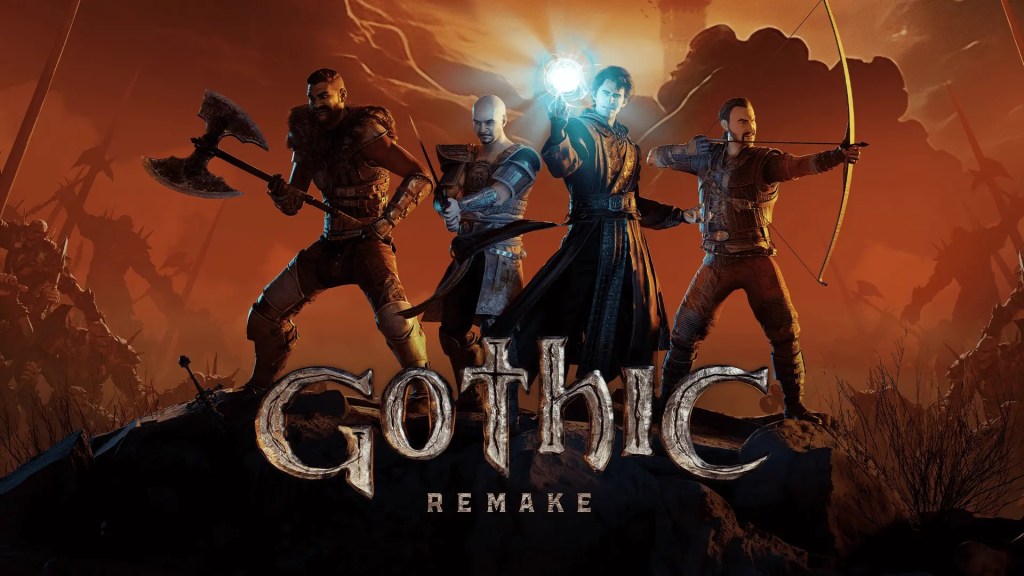
So, when Alkimia Interactive announced they were remaking it in Unreal Engine 5, you can imagine which heaven we were in (hint: it wasn’t the sixth, and it sure wasn’t the eighth). With decades of RPGs under our belt, the announcement had us a bit worried that a modern engine and decades of evolution might soften the game. Now that, thanks to review access provided by Dead Good PR, we’ve played it, we can safely say that the devs kept the tough and ugly setting but got rid of the old technical issues. The story is the same and the old-school vibe is omnipresent. We hope we can convince you to experience this epic universe for the first or the hundredth time.

A story for the ages
Just like the original, Gothic tells a unique, fantasy-based story about how King Rhobar II is losing a war against the orcs and needs magical ore for weapons. So, he does what every self-important king does: he throws criminals, even those who committed the smallest crimes, into the Khorinis mines to dig up ore. Afraid that he won’t be able to contain them, he has his mages put an inescapable magical dome over the area. Contain them he did, but not the way he wanted. The spell broke, trapping everyone. Although anyone can go in, no living thing can leave. As a new prisoner, you are thrown inside, and what you’ll find there is an utter mess of cruelty and a dangerous social ladder to climb in one of the camps.
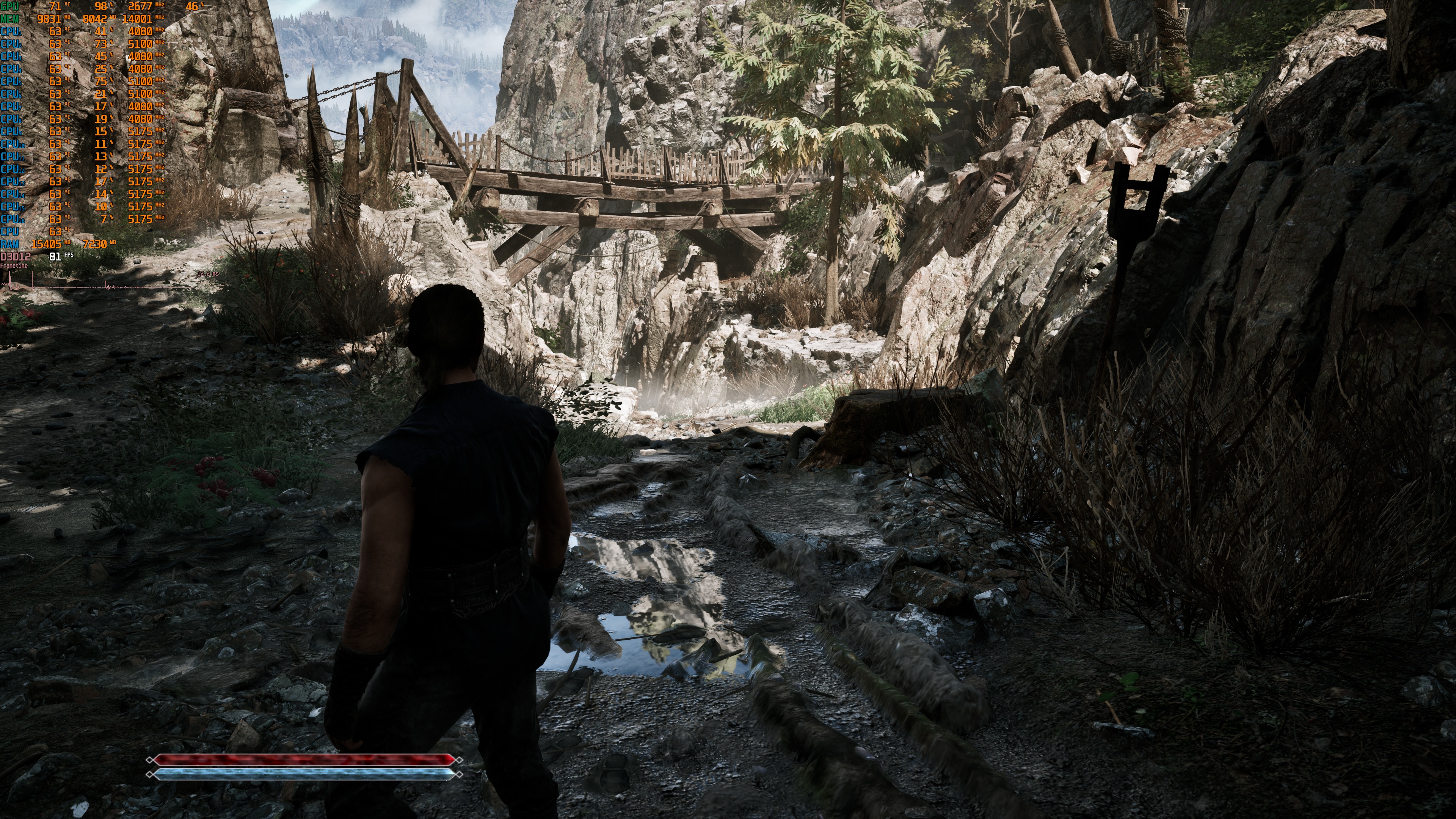
We can’t stress enough how well the story is incorporated into the richly designed world. The characters are very complex, and they pull you into their world in a very believable, natural way. Almost every single person has something to say about something or someone. If you have the time to listen, Gothic has a lot to say, both through words and actions. To add to this is the all-encompassing challenge. Gothic is not an easy game, and you can’t breeze through it. Enemy hits can be very taxing to your health, and it’s never just about the fight itself, but more about exploring, scouting, and deciding whether to strike or go around. Because of this, every bit of progress you make, every new place you discover, and every new face you meet washes over you with a sense of achievement. Finishing a quest feels earned, and the rewards—whether experience or loot—are very much appreciated because you know that you’ve become stronger and new avenues have opened up.
A Familiar World Brought to Life in UE5
Aside from the graphical improvements, the second biggest change is the size of the map. It’s 20% larger. The switch to Unreal Engine 5 makes the camps look dark and detailed, and the original composer, Kai Rosenkranz, returned to recompose the music, which fits the gloomy setting well. A lot of the places are quite familiar, and seeing them in this new engine, like that first walk under the bridge or going through the camps, is like a dream come true for the hardcore fans.

Filling the Voids: Expanded Lore and Encounters
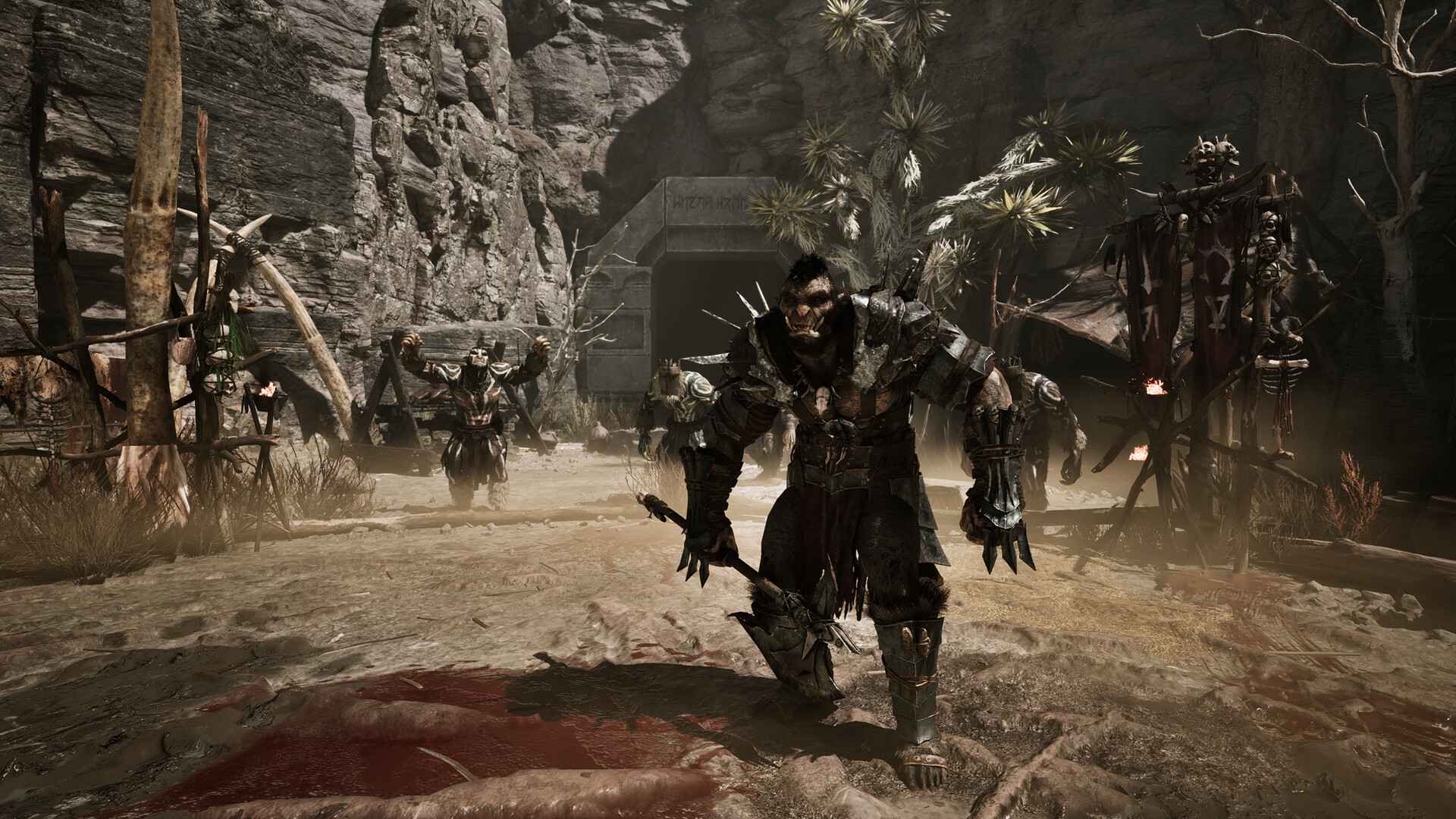
Nostalgia hits hard; it grabs you by the sleeves, pulls you mercilessly, and refuses to let go. You probably didn’t know, or you can’t remember, but the 2001 game had these empty areas because the original team simply ran out of time. This version, however, fills those spaces with meaningful encounters and secrets. There’s also the rushed ending that bothered us every time we thought about it. Well, you’ll be happy to hear that the team meticulously expanded the later chapters and fleshed out a lot of background details. They went so far as to hire a linguist to turn the Orcish language into a real, functioning dialect. This masterfully wraps up the whole plot, and now the game feels complete.
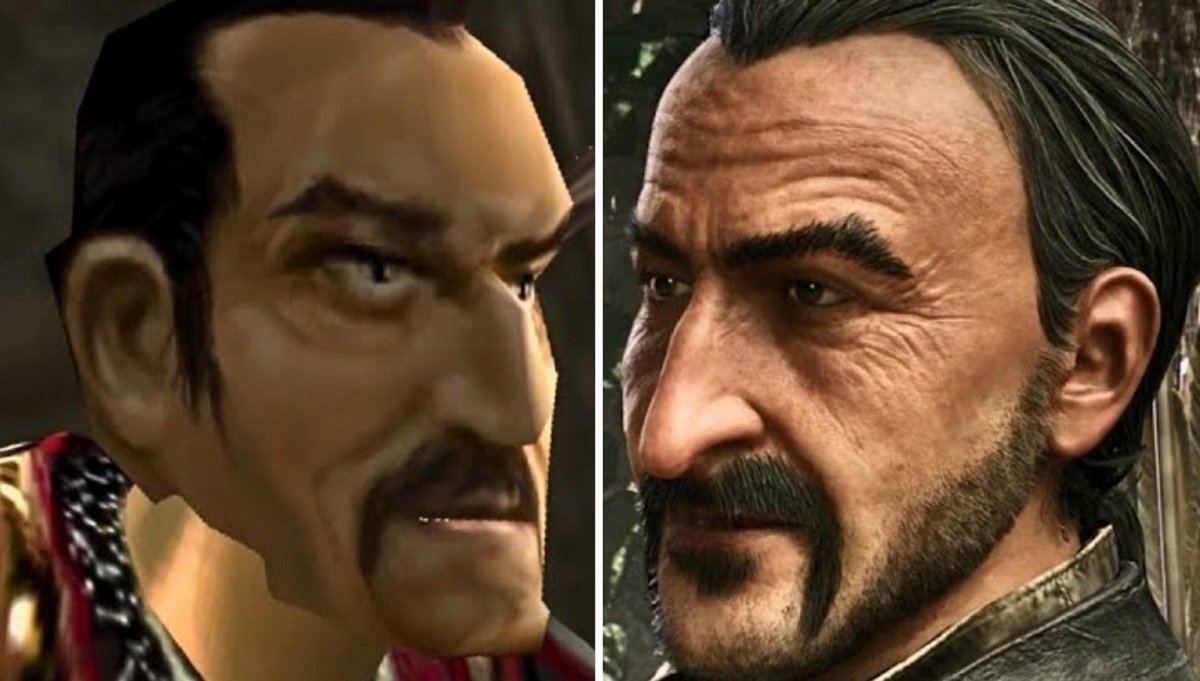
The remake builds on top of the 2001 version and does everything better, breathing new life into every aspect of the experience. Instead of reusing the same face models, the devs used a blending tool to give unique looks to all 600 non-player characters.
Living and Breathing Camps
The people still follow daily schedules. They wake up, work, eat, and sleep—just like in the original game, with one small difference: now everything looks a lot more believable. Thanks to the motion capture work, all their routines look much more natural. The inventory and trading systems have also changed. We quickly learned that it’s no longer possible to pause the game by opening your inventory. Not being able to freeze time to eat bread during a fight was the end of an era for us, but it adds a great touch of realism.
A Brutal Economy
Speaking of realism, prices also shift depending on what a merchant has in stock. Selling 20 clubs to one person is still possible, but the price of the last one will be much lower than the price of the first one. No more lazy but profitable inventory management. If you want more ore for your items, you will have to work for it and sell your gear in small batches across the different camps.

Earn Every Swing: A Rewarding Progression System
At first, Gothic seems like a very difficult game, especially in those first few moments before you find a weapon and learn how combat works. If you’re not careful, death comes incredibly fast. Saving often is a must. Winning all the time is a dream for fools here. It doesn’t help that your character starts out completely useless. Even when you pick up a basic one-handed sword, you still hold it awkwardly with two hands. It’s imperative to learn how to swing the sword properly, which means finding trainers and paying them a good chunk of ore to invest your learning points. When we were untrained, swinging felt slow and clumsy. But once we achieved the trained level, things felt completely different. We were able to hold the weapon the right way, block, and recover faster. Collecting ore for training was our top priority for a long while, especially reaching the master level; that’s when we could pull off full attack combos. A system like this is not just for fighting—this philosophy is integrated into many aspects of the game, and trainers are your lifeline if you want to get the upper hand in this ruthless place. Lockpicking, for example, works much better now, too. Once you learn the skill, gone are the impossible combinations that used to break your lockpicks.

Modernized Combat Without the Hand-Holding
Looking a bit closer at the new combat mechanics, it’s worth noting that the game doesn’t require the same old strange keyboard combos. The new version is based on a standard lock-on system and a dodge button. There is no stamina bar, but fights do rely heavily on animations and recovery times. For example, if you miss a swing or hit a shield, your character physically stumbles. This leaves you wide open to an attack. So, timing and positioning play an important part no matter what weapon you’re using.
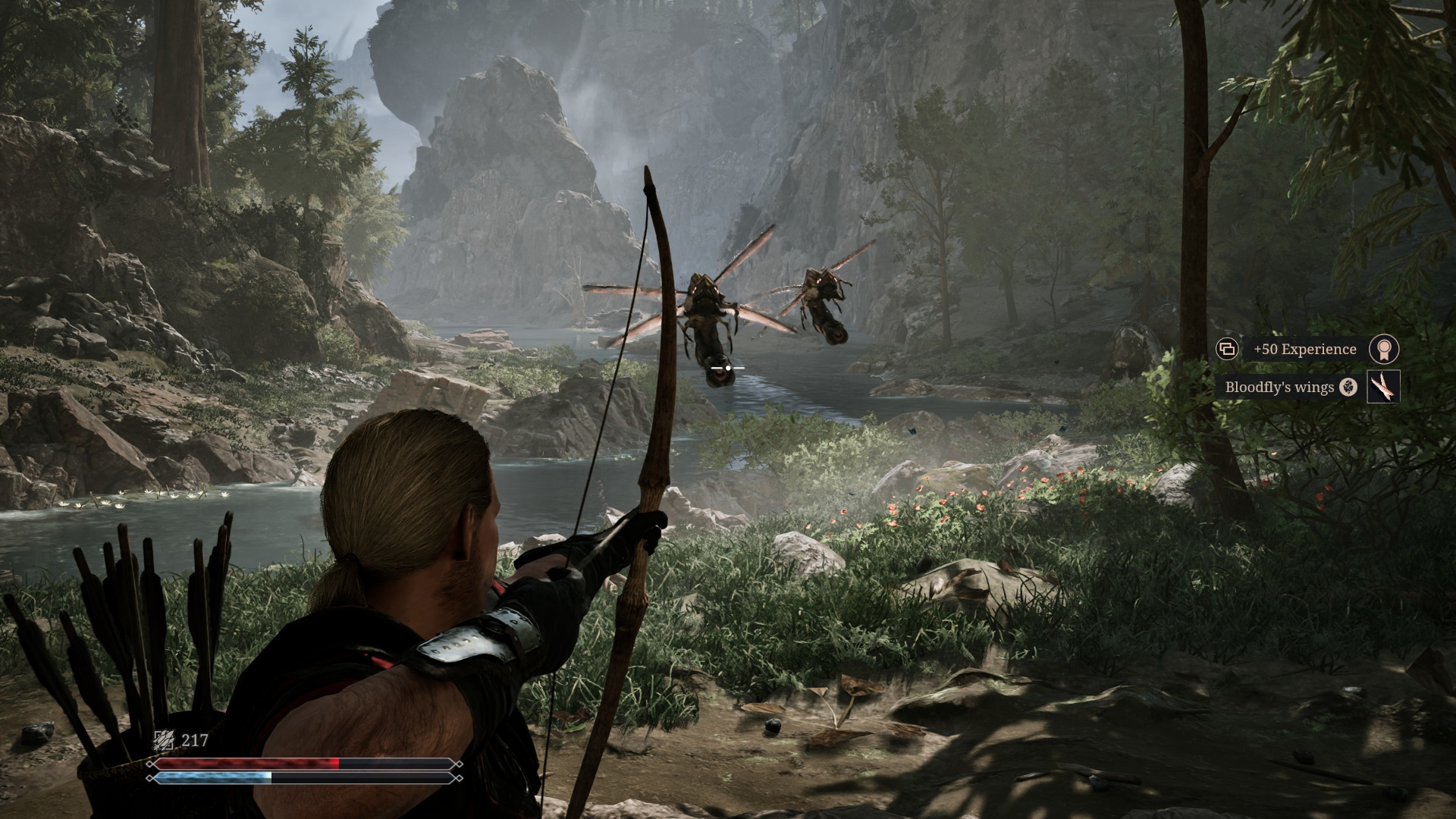
Speaking of which, you have a huge arsenal at your disposal. You can use one-handed weapons, two-handed weapons, bows, and crossbows, all of which scale off strength or dexterity. If, on the other hand, you prefer magic, you use runes instead of physical weapons. Magic comes in three types based on the camp you join: the Old Camp has fire spells, the New Camp uses ice and water for healing, and the Swamp Camp uses psionic attacks that ignore armor and are also quite handy for crowd control. The moment you become familiar with your strengths and learn how to turn your weaknesses into careful strategy, things begin to click, leaving you with one of the most satisfying combat systems around.
Preparation is Half the Battle
Gothic never gets easy; it just gets less scary. Armor helps with that, especially since the crafting is much more involved this time around. It’s no longer just a flat defense number. We visited workbenches often, not only to change our armor’s stats but also to customize its appearance. To better combat that fear of dying, cooking and weapon smithing give you excellent ways to prepare before push comes to shove.

A Masterpiece Reborn
The remake is a long and hard game; there’s no question about it. Any slight notion of handholding is instantly slapped away; the game constantly requires you to pay attention, learn the rules of the camps, and deal with the consequences of your choices. Gothic is not a game that you find. It’s a game that finds you—a role-playing masterpiece that makes you work for every bit of progress. We give it a 10/10. For us, this is a perfect remake and we are grateful to have experienced it in this new, modern way.
ID Card
- Developer: Alkimia Interactive
- Publisher: Alkimia Interactive, THQ Nordic
- Platforms: PC, PS5, Xbox
- Release Date: June 5, 2026
- Genre: RPG

Leave a comment