
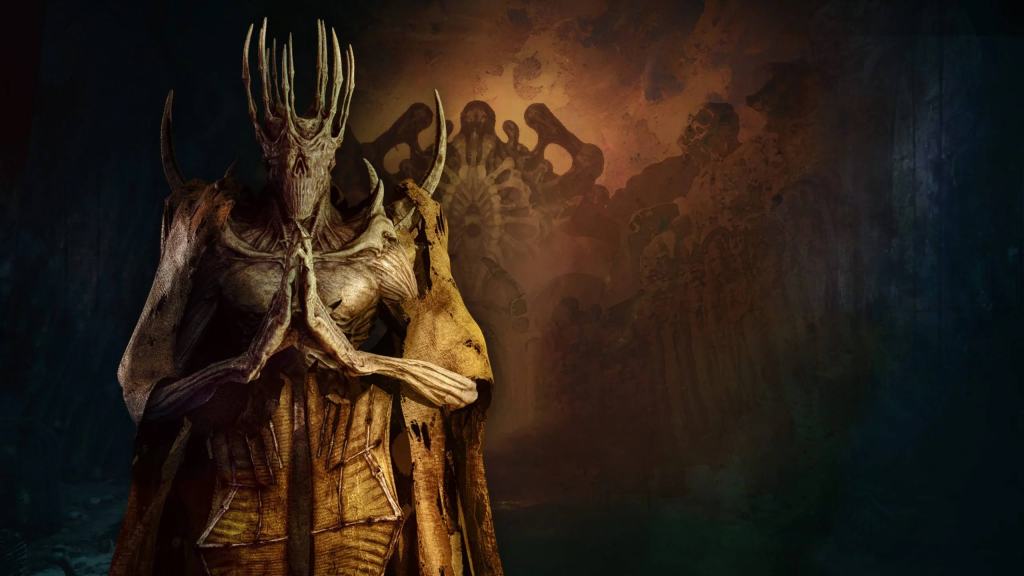
Here’s a shotgun, go shoot some monsters before they get you. That’s what most horror games do. Necrophosis is not most games. This interactive piece strips you bare and drops you inside a Zdzisław Beksiński painting. Developed by the Greek indie team Dragonis Games, this puzzle-horror title replaces combat with poetry. Jump scares? Who needs them when you have suffocating and surreal atmosphere? With the Full Consciousness edition bringing the base game and its new memory-focused expansion to PS5 and Xbox Series X|S on May 28th, we reached out to the team to find out how they pulled off a world that feels like a playable bad dream. Come closer stranger. And let the words of true artists flow through you!
This interview would not have been possible without the wonderful people at Critical Hit PR. Many thanks Achilleas Soumpasitis!
Painting a Nightmarish World
Beksiński’s dystopian art is famously haunting, but it’s also completely static. Turning those skeletal, impossible structures into a 3D space players can actually navigate required more than just copying textures.
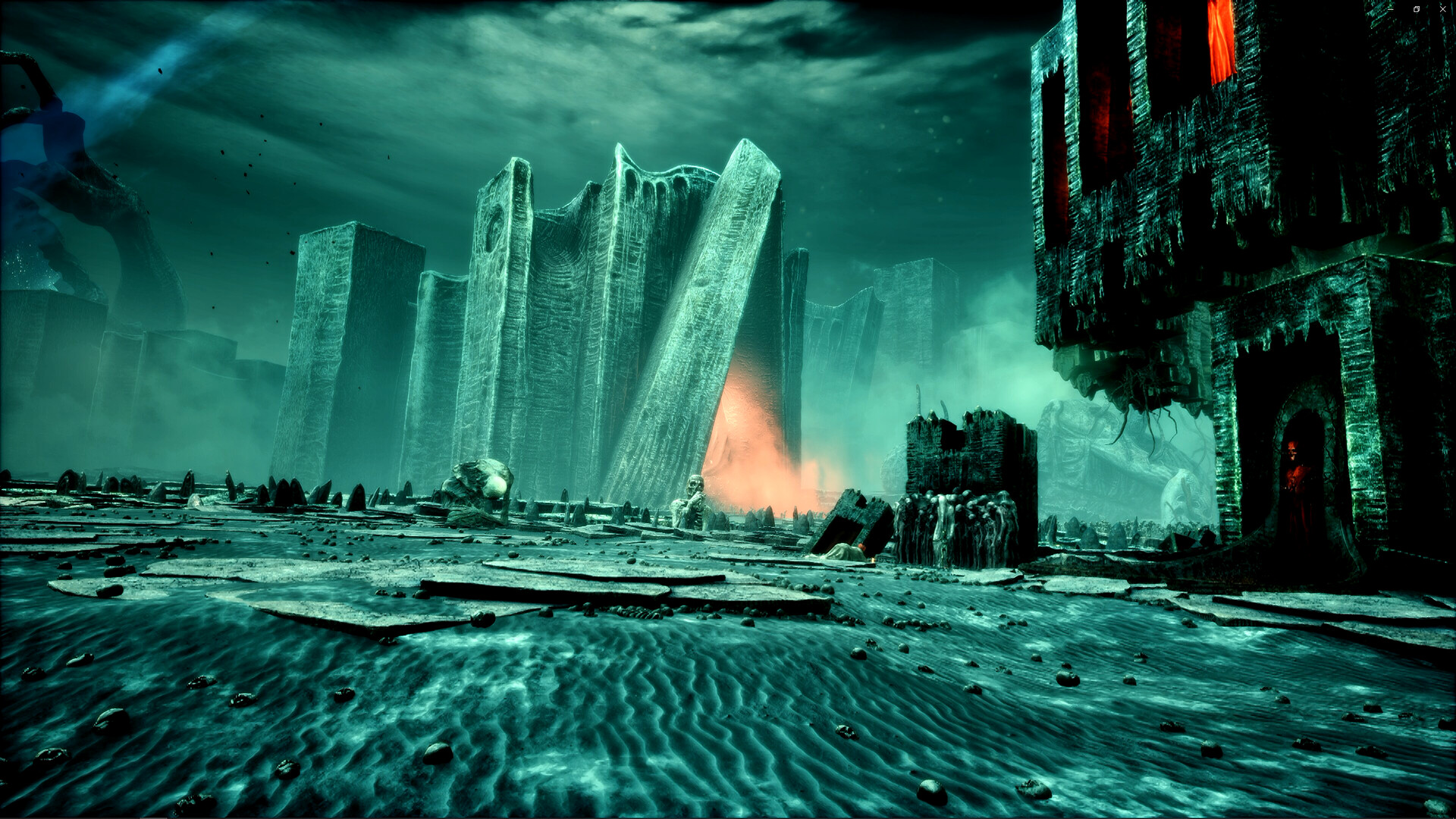
“From the very beginning, Necrophosis was heavily inspired by the surreal and haunting works of Zdzisław Beksiński. The biggest challenge was to pair the world art with the story and the gameplay mechanics and to create an explorable world while still preserving the emotional weight and mystery of the original art,” the developer explained.
The solution wasn’t just technical; it was a total shift in how the team viewed level design.
“I approached every environment almost like a moving painting. Instead of focusing only on realism, I focused on emotion, shape language, atmosphere, and symbolism. We wanted players to feel like they were walking inside a nightmare or a decaying dream rather than a traditional game level. At the same time, I added my own artistic identity and style so the world could feel unique to Necrophosis.”
Vulnerability as a Weapon
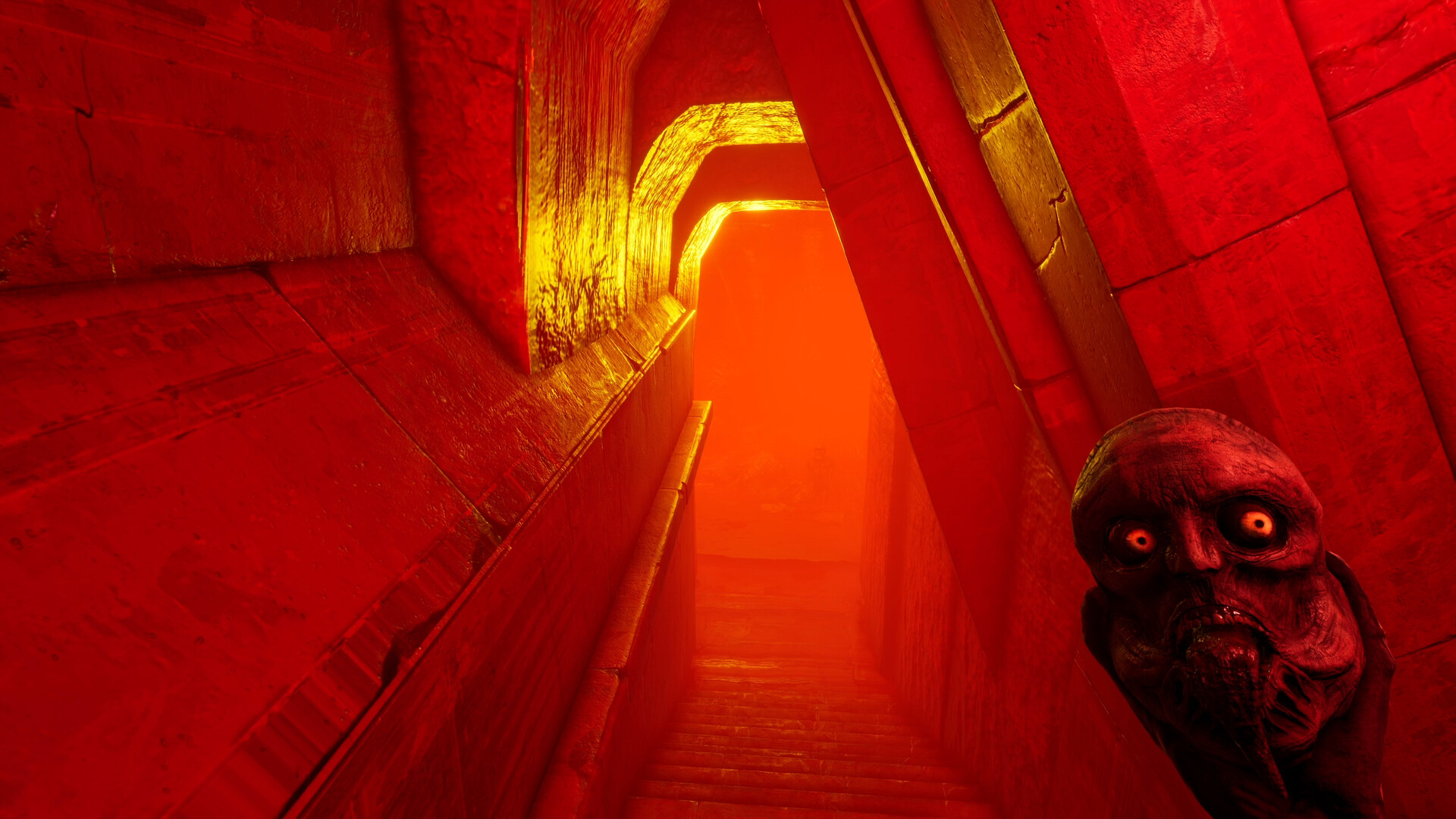
Stripping away combat entirely is a massive risk. You can’t just fight your way out of a bad situation in Necrophosis, meaning the tension has to come from somewhere else.
“We intentionally decided very early that Necrophosis would not include weapons or traditional combat. The goal was to make players feel vulnerable and emotionally immersed in the world rather than powerful,” they noted. “For us, horror becomes much stronger when the player cannot simply fight their way through danger. Instead, tension comes from atmosphere, sound design, exploration, and psychological discomfort. This decision also changed the way we designed the environments and pacing. Every space had to tell a story, create unease, and maintain suspense without relying on action mechanics.”
That same “less is more” philosophy bled into the writing. There are no NPCs dumping exposition or audio logs explaining the monster’s origins. Players have to piece it together themselves.
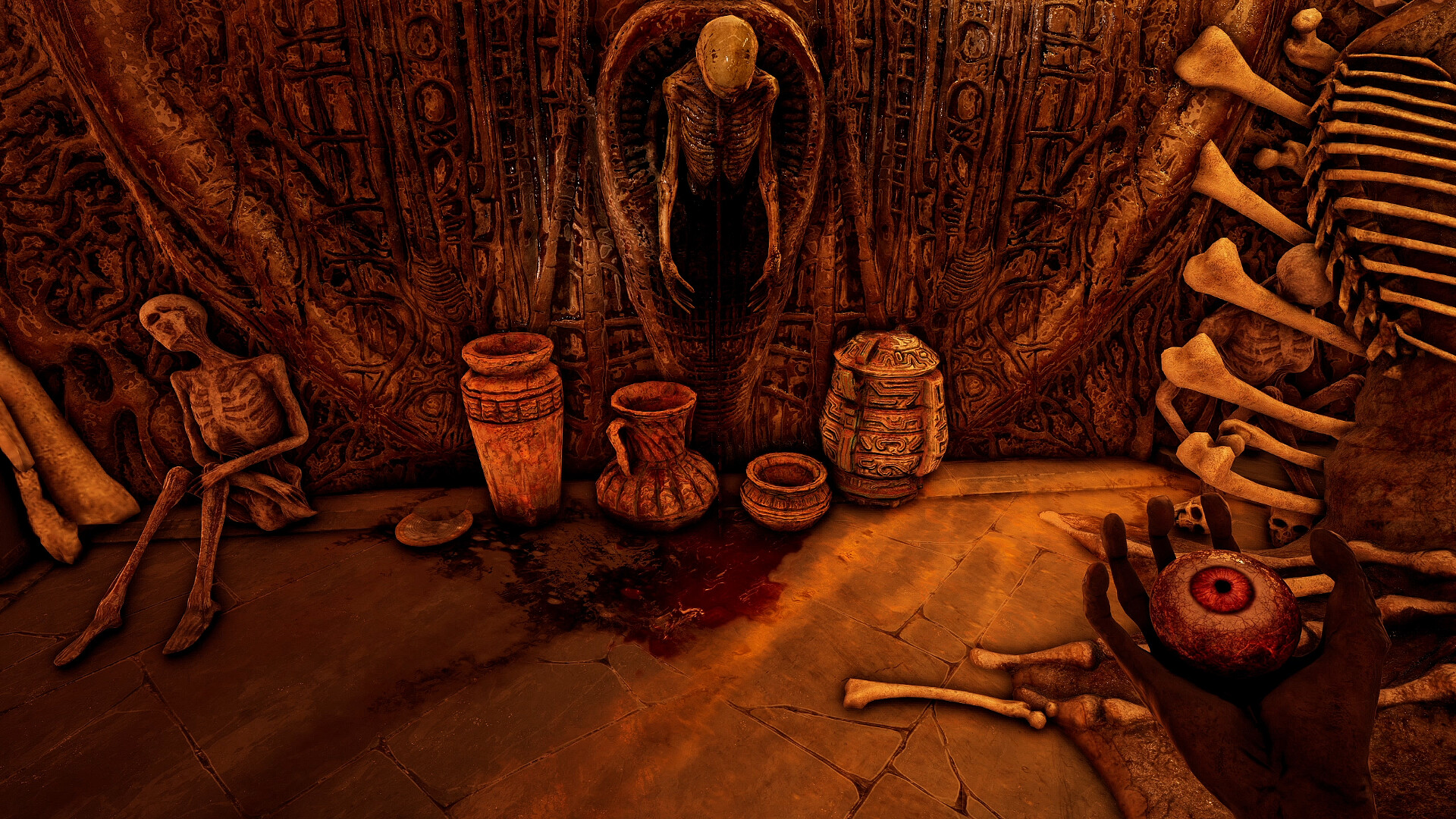
“Our writing process was very different from traditional narrative-driven games. Instead of explaining everything directly through dialogue or cutscenes, we wanted the player to uncover the lore naturally through exploration. Poetry, environmental details, symbols, and puzzles all work together as fragments of a larger story. We treated the world itself almost like a character that communicates through emotion and visual storytelling.”
Leaving things unsaid wasn’t just a budget constraint—it was the point. “We believe mystery creates a much deeper connection with the player because everyone interprets parts of the world differently based on their own imagination.“
Descending into the Subconscious
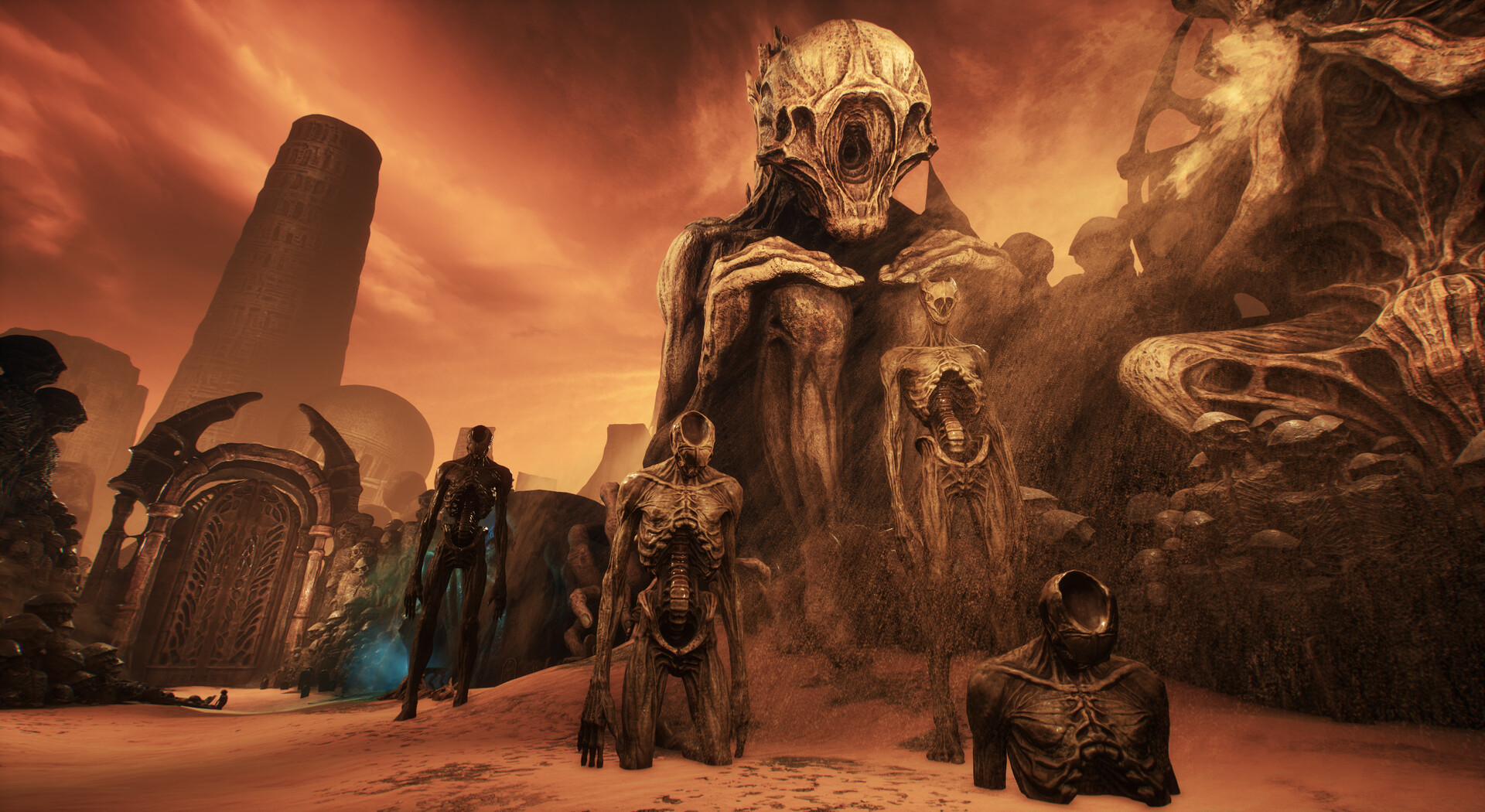
The new expansion included in the Full Consciousness bundle pushes this weirdness even further. It abandons traditional reality entirely to explore spaces shaped by raw emotion. Making puzzles out of a fever dream is a wild concept to try and execute.
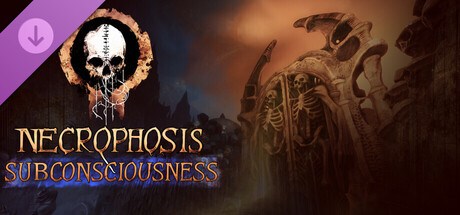
“When designing puzzles for the DLC, we tried to move away from logical or mechanical puzzle structures and instead focus on emotional logic. Dreams and memories are fragmented, symbolic, and often irrational, so we designed puzzles around feelings, atmosphere, and visual associations rather than straightforward rules,” the developer shared. “A lot of the design process involved asking ourselves: ‘Does this feel like something the subconscious mind would create?’ That approach allowed us to create experiences that feel surreal and emotionally unsettling at same time.”
Because the expansion is a shorter, enclosed chapter, the team had to completely rethink their approach to pacing.
“The DLC was designed as a more focused and self-contained experience compared to the slow-burn progression of the main game. While the original Necrophosis takes time to slowly immerse the player into its world and mystery, the DLC is more concentrated emotionally and narratively. The pacing is tighter, and the transitions between environments feel more dreamlike and intense. We wanted the expansion to feel almost like descending deeper into the subconscious mind.”
The Art of Decay on Next-Gen Consoles
Making a game look this disturbingly good is one thing; getting it to run smoothly on consoles is another. The May 28th launch marks the game’s debut on modern hardware, meaning Dragonis had to wrangle some serious technical optimizations.
“Bringing Necrophosis: Full Consciousness to PlayStation 5 and Xbox Series X|S was a very important step for us, but also a major technical challenge due to the density and visual complexity of the environments. We worked closely with PQube and iPHiGames to optimize performance while preserving the artistic quality and atmosphere of the game. A large part of the process involved balancing high-detail visuals, lighting, memory usage, and stable performance across consoles without sacrificing the immersive feeling that defines Necrophosis.”
Even before the console ports, simply designing the rot and ruin of the world took a massive toll. Making decay look interesting for hours on end is a tough balancing act.
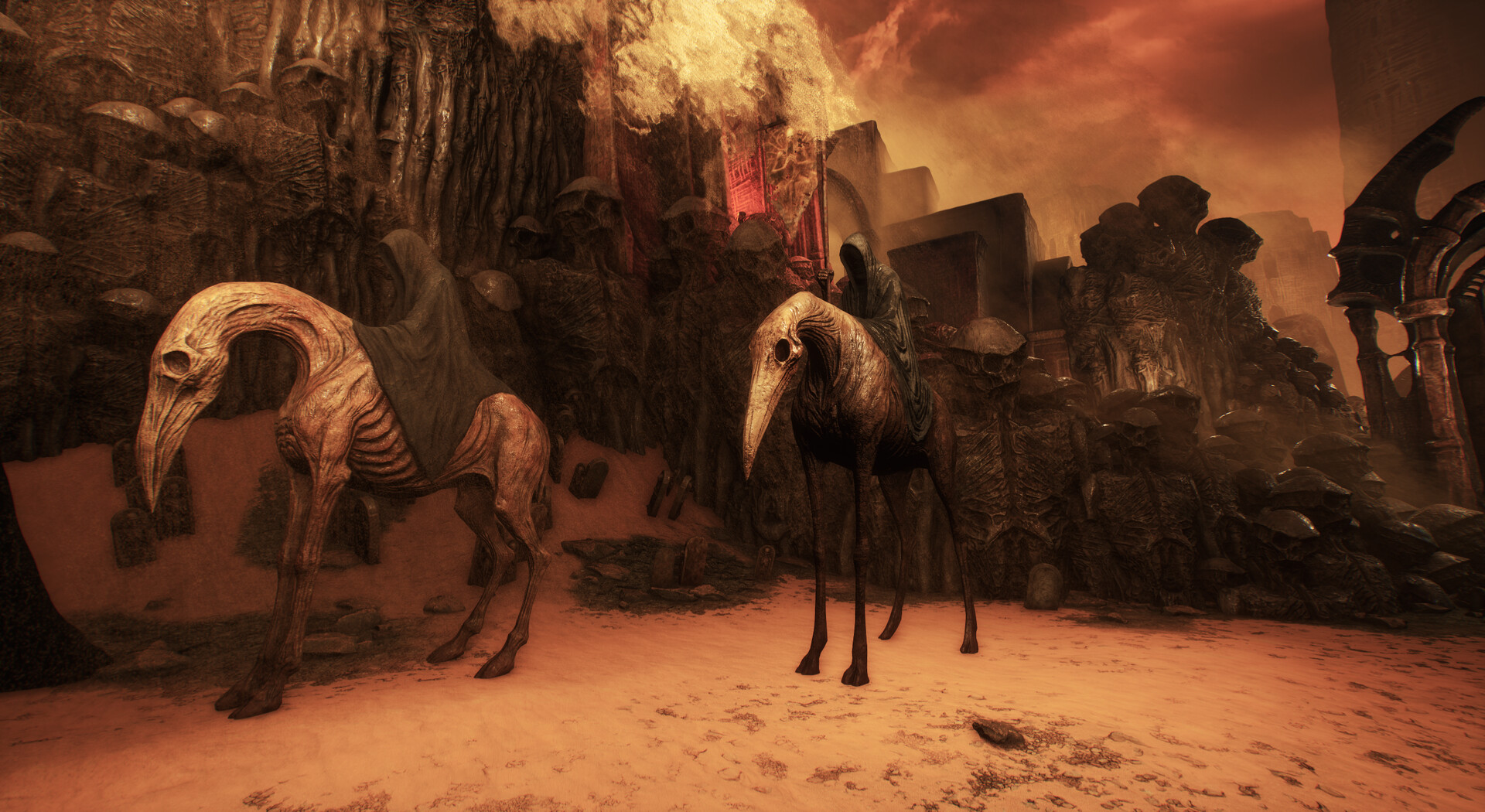
“One of the biggest challenges was making the world feel disturbing and organic without becoming visually repetitive. Decay in Necrophosis is not just destruction it is part of the world’s identity and storytelling. We spent a lot of time experimenting with ideas, textures, lighting, and environmental composition to create environments that feel alive, corrupted, and emotionally oppressive. Achieving the right balance between beauty and discomfort was probably one of the hardest parts of the artistic process but also came out naturally.”
Creating a game as weird, oppressive, and heavily symbolic as Necrophosis is an uphill battle for any indie studio. For players inspired to try making their own atmospheric horror games, the developer’s takeaway from the whole cycle is surprisingly grounded.
“The most important advice I can give to new developers is to create something personal and unique rather than trying to imitate trends,” they stressed. “Players remember games that have identity and emotion behind them. Technology and graphics are important, but artistic vision and atmosphere are what truly make experiences memorable. Also, finish projects. Many people start ideas, but completing and releasing a game teaches you far more than endless prototypes ever will. And finally, do not be afraid to show your work to the world. The internet allows small independent creators from anywhere even a small team from Greece like us at Dragonis Games to reach a global audience.”
Necrophosis: Full Consciousness launches on PS5 and Xbox Series X|S on May 28th. If you’re looking for a game that will leave you unsettled long after the credits roll, this nightmare is worth walking through. Check out the trailer on the game’s store page, and let us know in the comments below: are you ready to face the surreal puzzles of Necrophosis?

Leave a Reply