
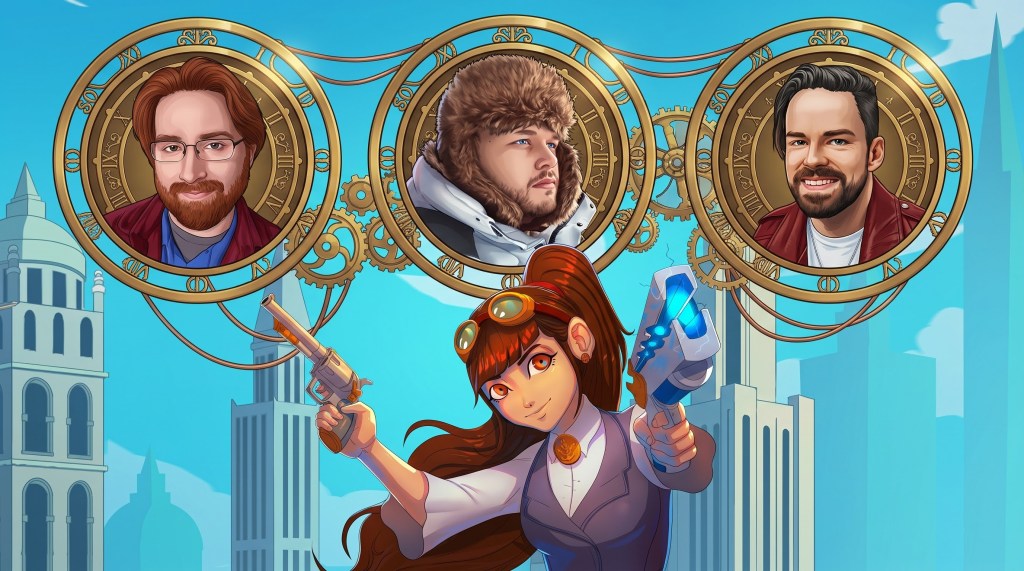
Fourteen years is a lifetime in the gaming industry. Entire console generations have come and gone since 2011, but for Realmsoft Owner Nathan Hiemenz, the vision for Clockwork Ambrosia remained firmly ticking. This ambitious weapon-crafting metroidvania has evolved from a rough prototype into a massive passion project.
Check our review as well!
We sat down with Nathan, alongside OI Games Studio Director Michael Patton and Lead Designer Ian Clark, to discuss balancing chaotic 150-mod weapon combos, surviving a decade-plus development cycle, and why sometimes, letting players completely break your game is exactly the right move.
This interview would not have been possible without the wonderful people at Plan of Attack PR, thanks a million Jeffrey Matulef!
14 years is an eternity in indie development! When you look back at your original concept from 2011, how much of that initial DNA actually survived into the final game launching this May?
Nathan Hiemenz: “Has it already been 14 (15) years? That’s crazy. The initial prototype was a very rough concept. The game engine was very rough, rendering the entire game at once, and no original art. We did also consider a roguelike at one point but the concept just never gelled. Really from day 1, it was a metroidvania about weapon building with a rules system. Even the early project codename – simply Ambrosia – has survived to this day.”

The press kit mentions that development “really took off” when Ian joined as a full-time designer in 2016. What exactly changed in your workflow or design philosophy when he came on board?
Nathan Hiemenz: “I never really saw myself as a content designer, although I did implement some of my own concepts in early prototypes. Plus, up until late 2025, I had a full time job that wasn’t working on Clockwork Ambrosia. So Ian coming on board, he was full-time, which was great. And his talents, he has an intuitive grasp for content – enemies, levels, sound, and so on – so he filled in for my weaknesses. And all along, having someone else to bounce gameplay or system design problems off of was really invaluable.”
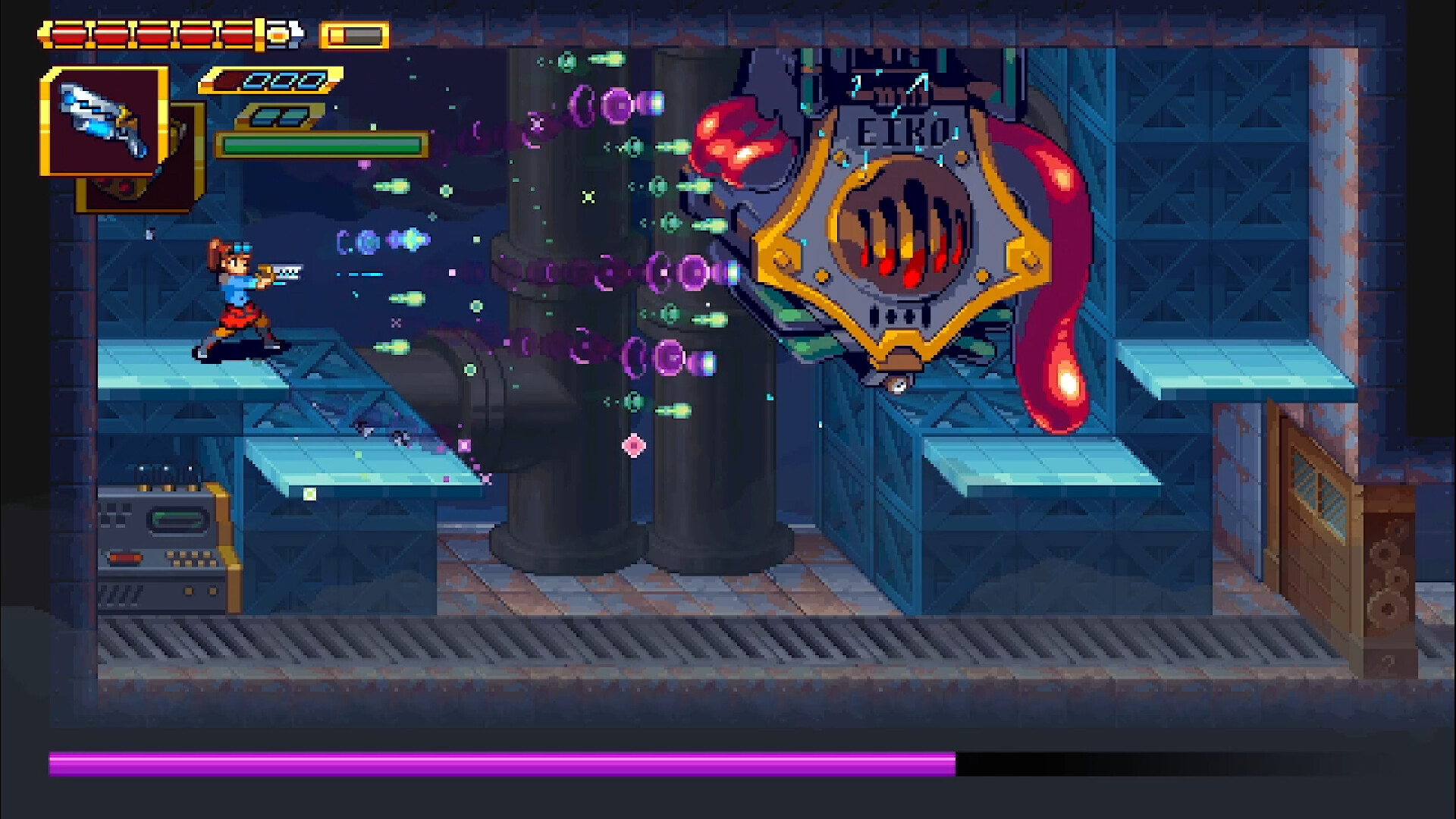
With the core team solidified, they were able to tackle the game’s primary hook: an incredibly deep weapon crafting system. But immense player power often comes at the cost of curated challenge.
You’re promising over 150 weapon mods with stuff like “screen-filling shot splitters.” Metroidvanias are already notoriously tough to balance—how did you make sure players could go wild with combos without completely breaking the game’s difficulty?
Nathan Hiemenz: “I am not sure we did! This was definitely a big design puzzle. Unlike the Souls-like metroidvanias, there is more of an RPG progression to making the player character stronger. In Clockwork Ambrosia, the player gains more capability with their mods, so it’s not as simple as giving enemies more health or more attack power. That said, we had to pay a lot of attention to damage output with different mod setups to try and keep things aligned across weapons and builds during the early and mid game.
In the end, for the very final chapters of the game, we threw in several mods that let players start to break out and break things. But those final bosses are meant to be tough too, so we figured it would balance out. But as far as breaking it, it feels good to reward the player’s ingenuity so we don’t want to over correct too far in the other direction either.”
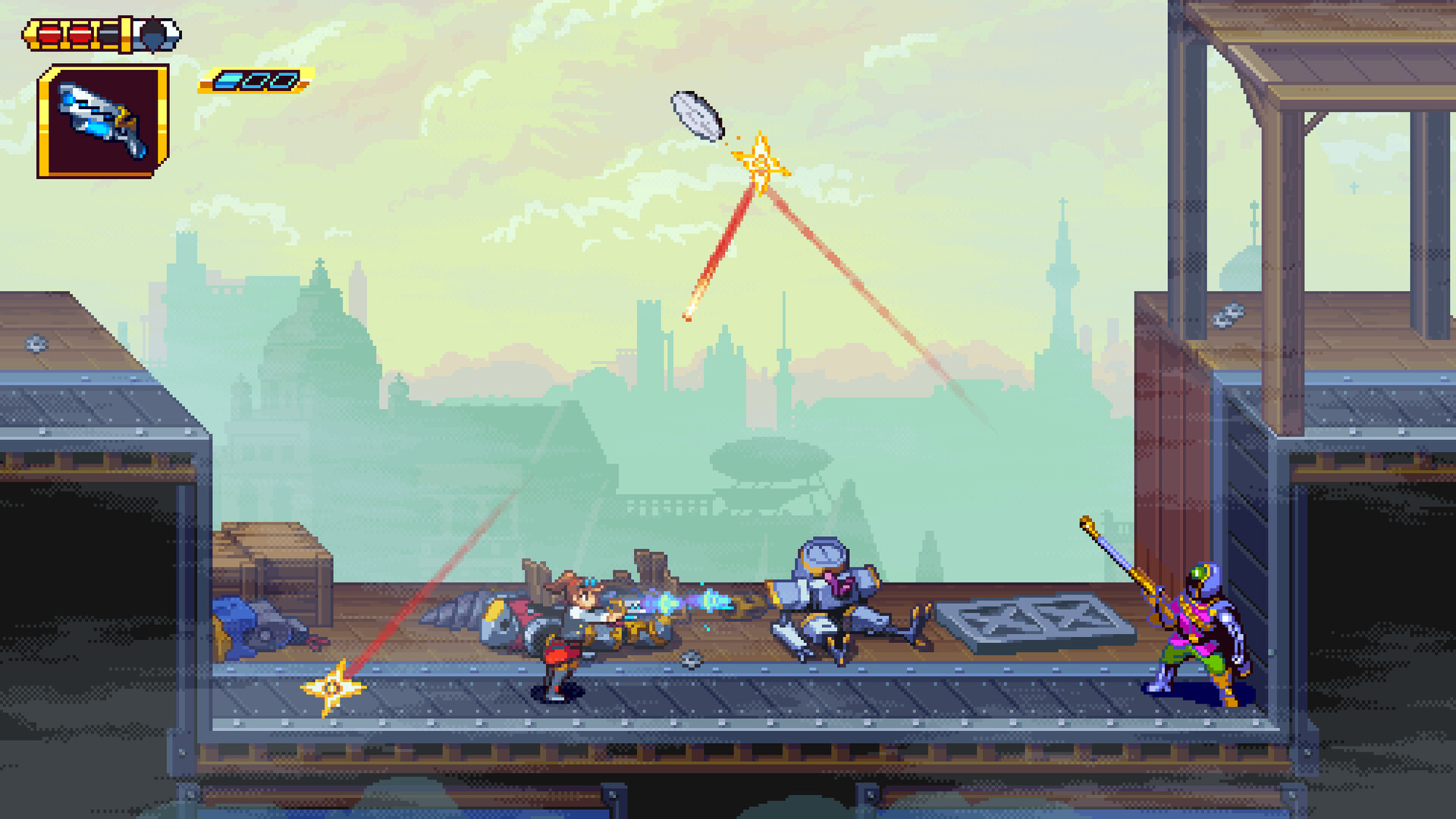
Ian: “I had to be sure I didn’t tie enemies to one particular gimmick that required one right answer to defeating them. Enemies were not meant to be mod puzzle boxes with a single solution but fun to fight with both basic equipment and advanced setups. Where I could, I included some enemy traits and quirks that gave some mods advantages if players did work them out, to reward that. But making enemies inherently fun to fight, regardless of player build, ultimately also made them fun to fight regardless of the player’s power level.”

With so much explosive power at the player’s fingertips, traditional game boundaries naturally begin to bend.
How are you handling progression with the crafting system? Are you worried about players sequence-breaking too early, or are you leaning into that kind of chaos?
Ian: “I never wanted the game to be broken in a bad or unfun way, but I like sequence breaks. I intentionally left several in the game for players to discover, while trying to smooth out ones that led to unfun situations. I embraced this as much as possible. Discovering a sequence break should feel rewarding and not lead to unexpected gameplay consequences.”
Nathan Hiemenz: “Letting players sequence break, as long as it didn’t prevent the player from continuing, wasn’t our biggest worry. The metroidvania community enjoys sequence breaking so to some extent we were ok with that happening.”
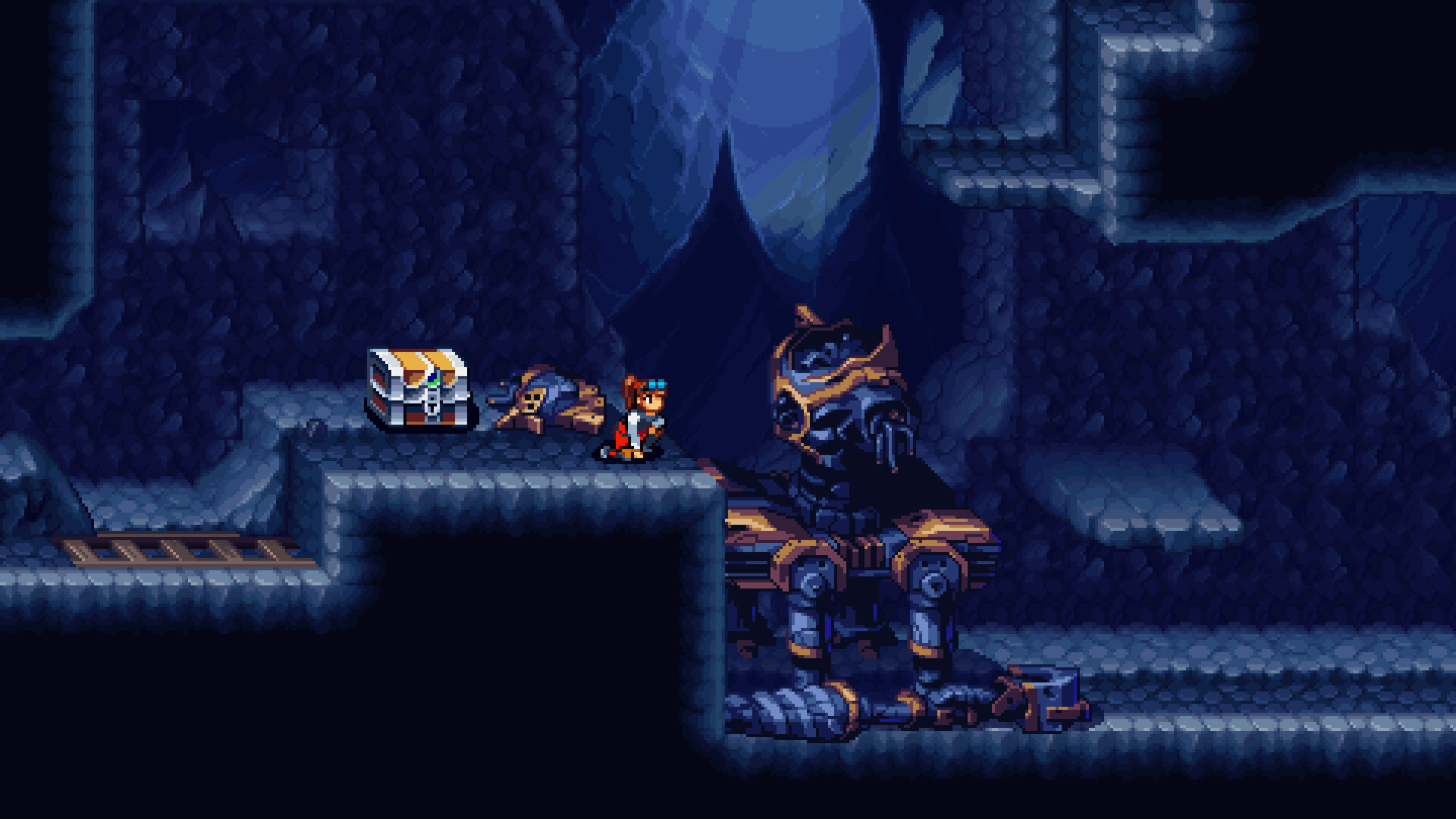
Surviving 15 years in development means watching the entire gaming landscape—and the metroidvania genre itself—shift around you.
Did playing newer titles over the years make you want to go back and rework your own mechanics, or did you purposefully try to keep blinders on?
Nathan Hiemenz: “A little of both. The game has been in development so long, metroidvania game design has really evolved and modernized. You can’t just ignore that. Our save system, for example, is a lot more retro, and pre-launch it was even more unusual with players just resetting to their save point. So we had to update to keep to the original vision, but still update it so it made more sense to players in 2026 with a limited lives system.
“The healing system was more unique too. We wanted there to be some mid-run healing option, but we didn’t want it to be as simple as health farming like in original Metroid.”
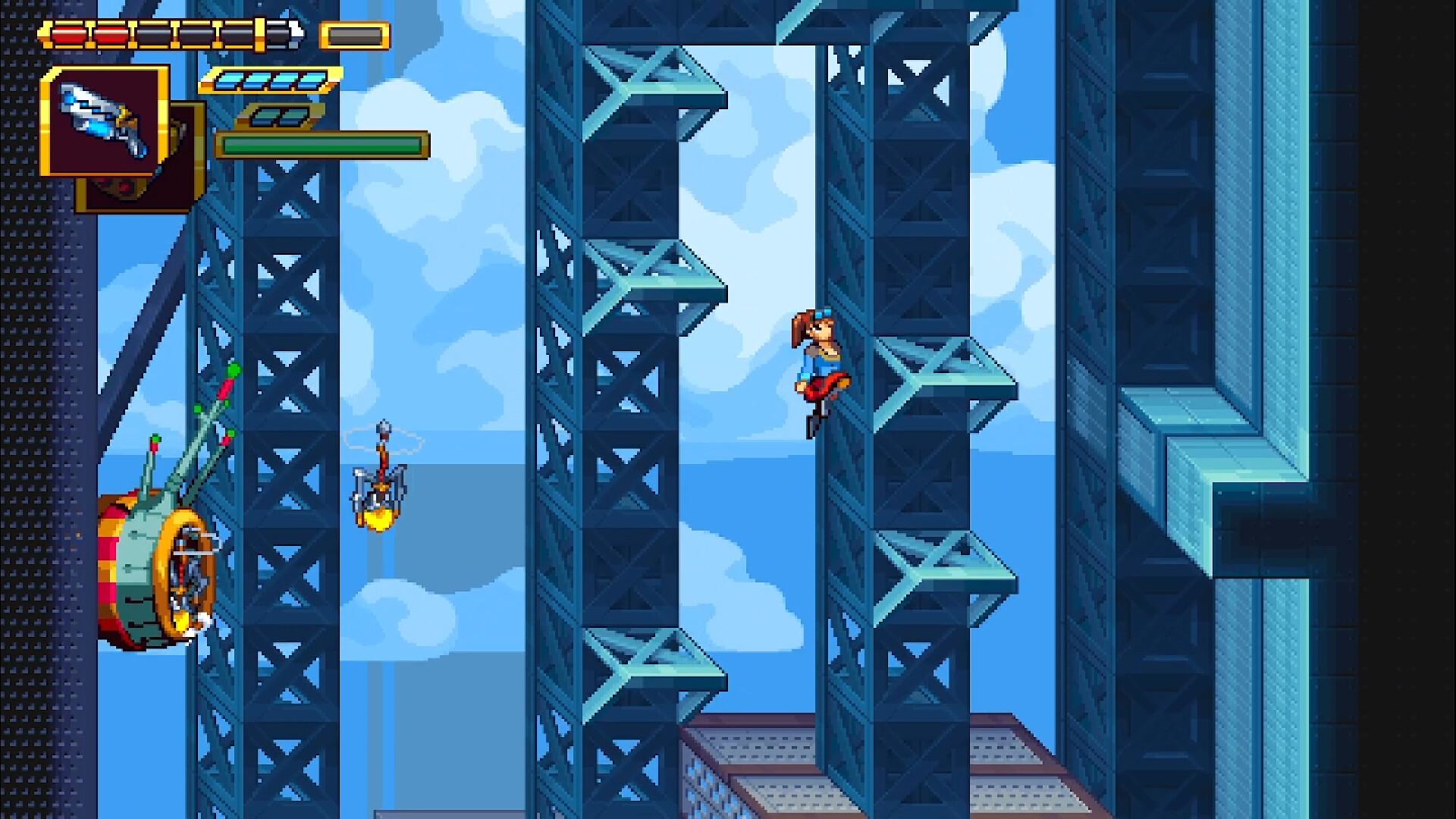
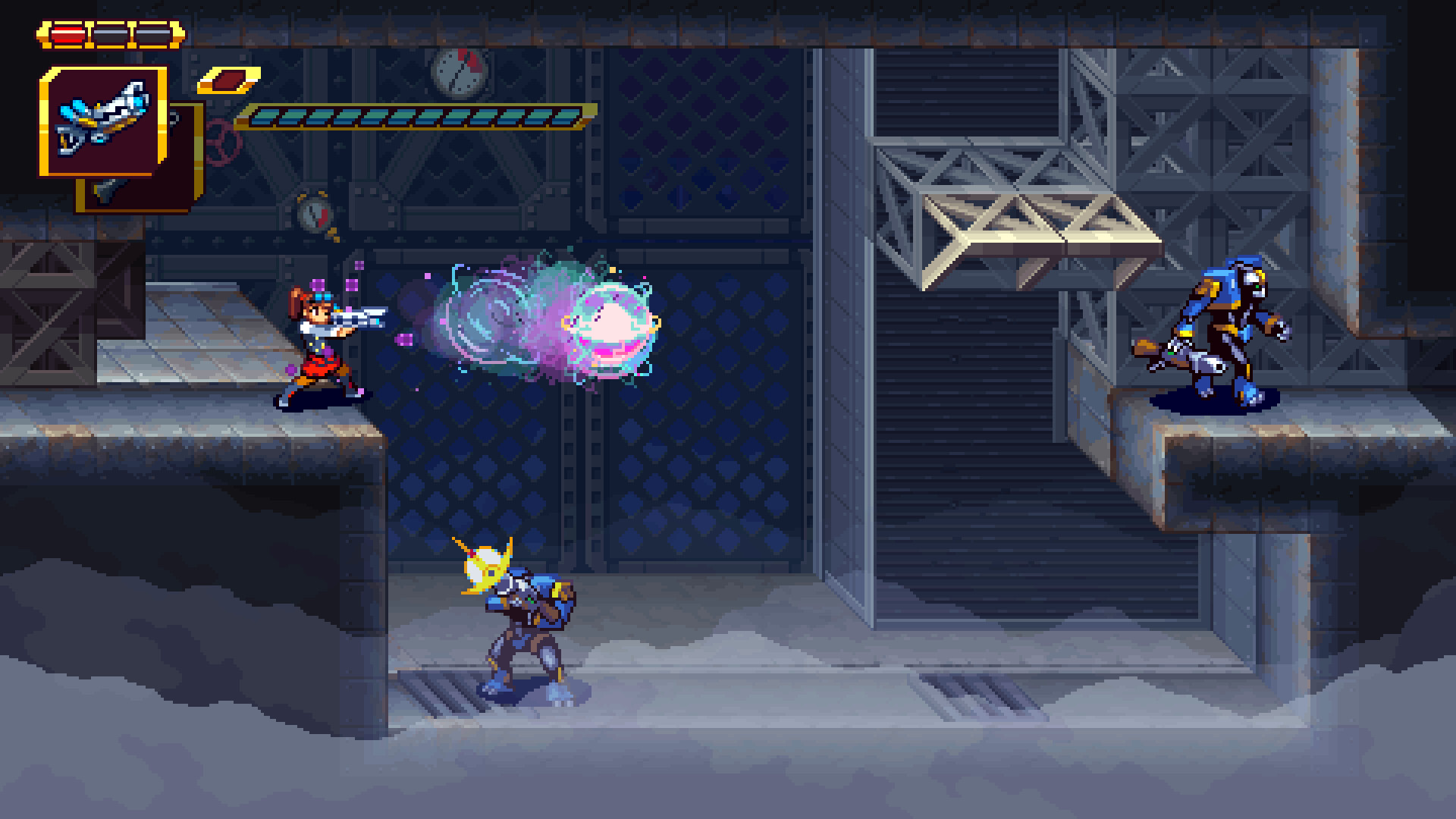
The hand-drawn art looks gorgeous. But with all those crazy weapon effects firing off, how hard was it to keep the combat visually readable so players don’t just lose Iris in the chaos?
Nathan Hiemenz: “It’s still a challenge. I’m not sure we don’t need to give players some options to tune down explosions if they are struggling to read things, for instance. But in general, we fell back to some basic design principles. Ensuring enemy projectiles are very distinct from player projectiles was a huge step, for example. Whenever you design an enemy or player weapon, you have to consider that visual language to ensure players can parse the screen in the heat of combat.”
As this massive project finally nears the finish line, the team reflected on what it takes to survive such a marathon.
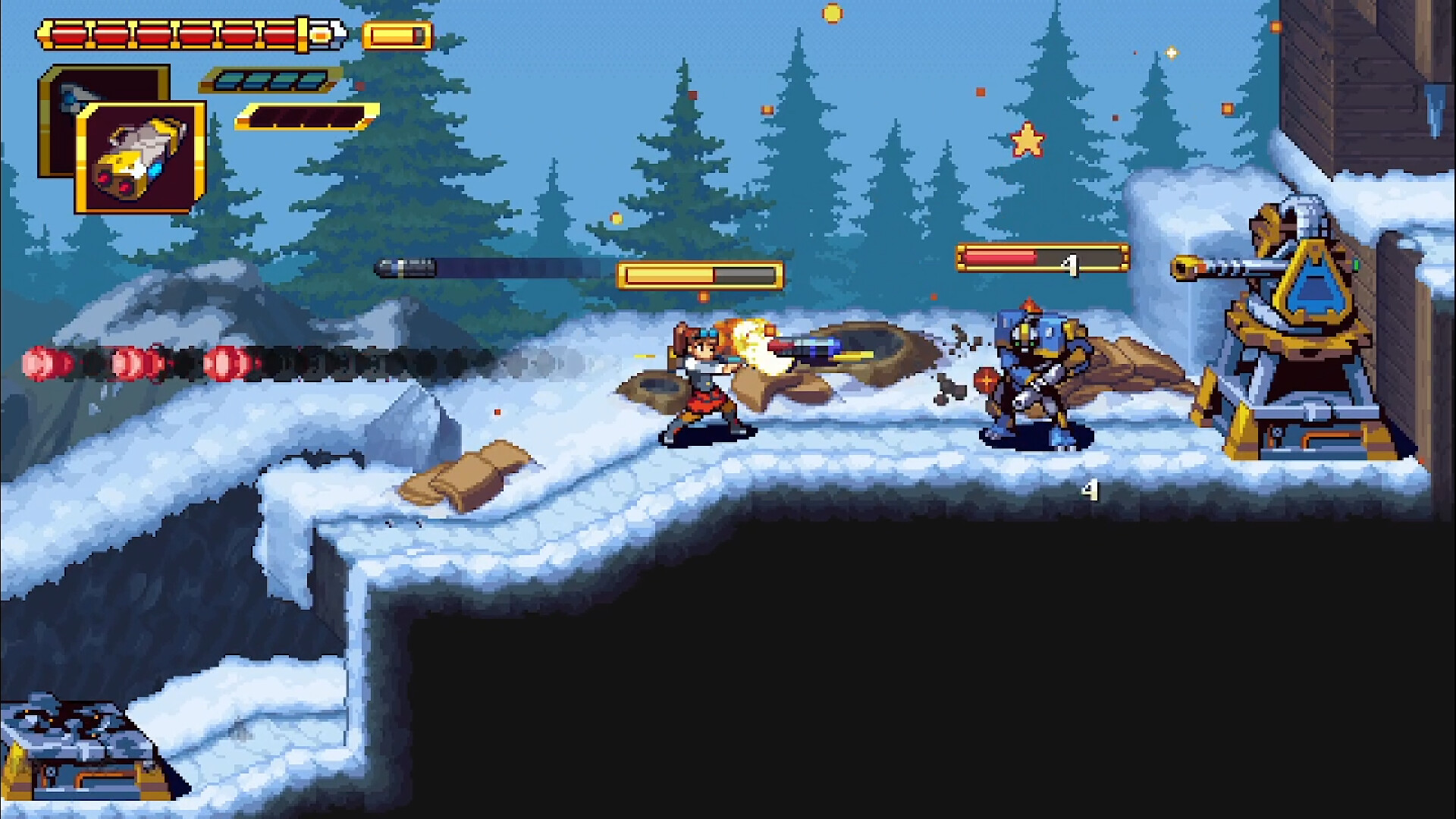
Looking back at the entire journey, what’s the biggest lesson or piece of advice you’d give to a new indie dev who is just starting to draft up their own massive dream game?
Nathan Hiemenz: “Really understand what you’re getting into. Also, don’t choose an unusual camera perspective that will require niche artists to work out and understand. So basically, from the beginning, understand the toolsets and strengths you have on your team and build around that. Also, don’t make a metroidvania, haha!”
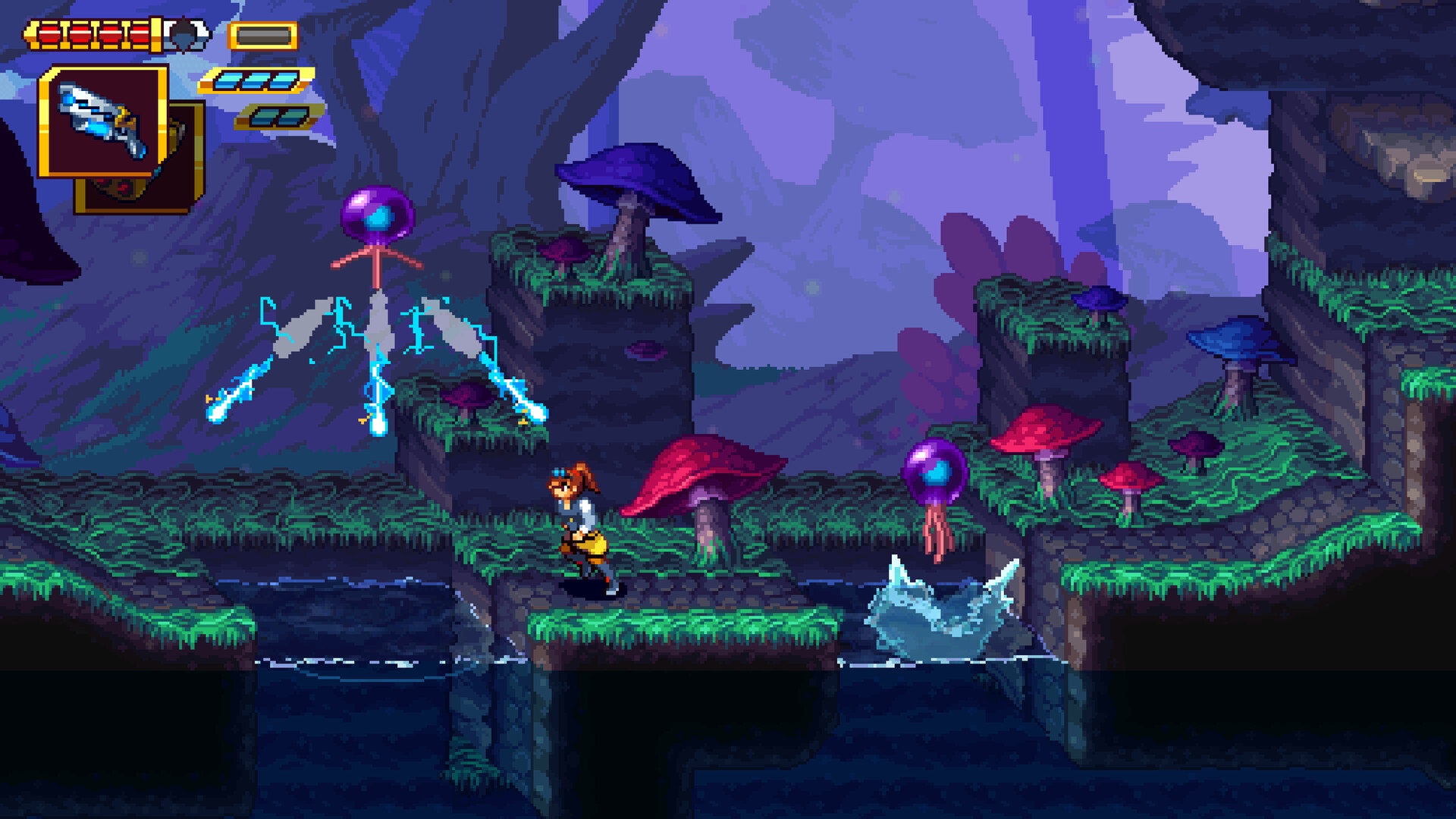
Ian: “Don’t start with your dream game. Start with smaller projects and work your way up. Games of any scope only come together through some amount of luck and fortune, and the bigger that scope, the more luck you will need to avoid a 14-year development cycle. I don’t recommend following our path. Also, if you are going to make your own engine, really understand what that means.”
Michael Patton: “Every game has a project manager, whether they know it’s their title or not. When you have a big team, or a big game, you also need a good process. And having leadership who can focus on that problem, while you focus on the game design problem, is invaluable. But understand that if your team can’t support that dedicated function, then a developer is going to be the project manager. But the same rules still apply – have a process, follow it.”

It’s clear that Clockwork Ambrosia is a labor of love, battle-tested through time, engine changes, and the ever-evolving landscape of the metroidvania genre. This gem is already out. Make sure you check it out!


Leave a comment