
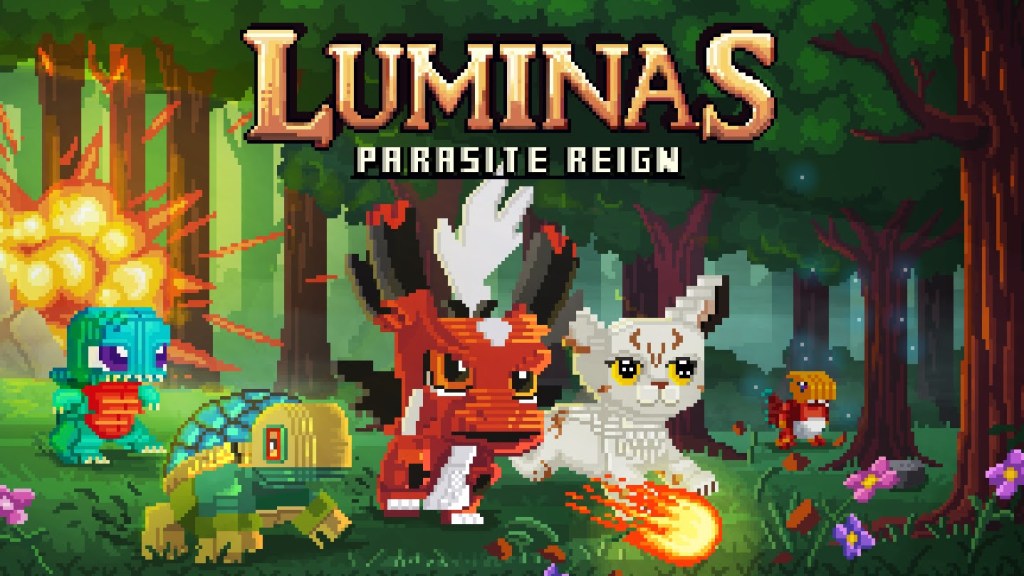
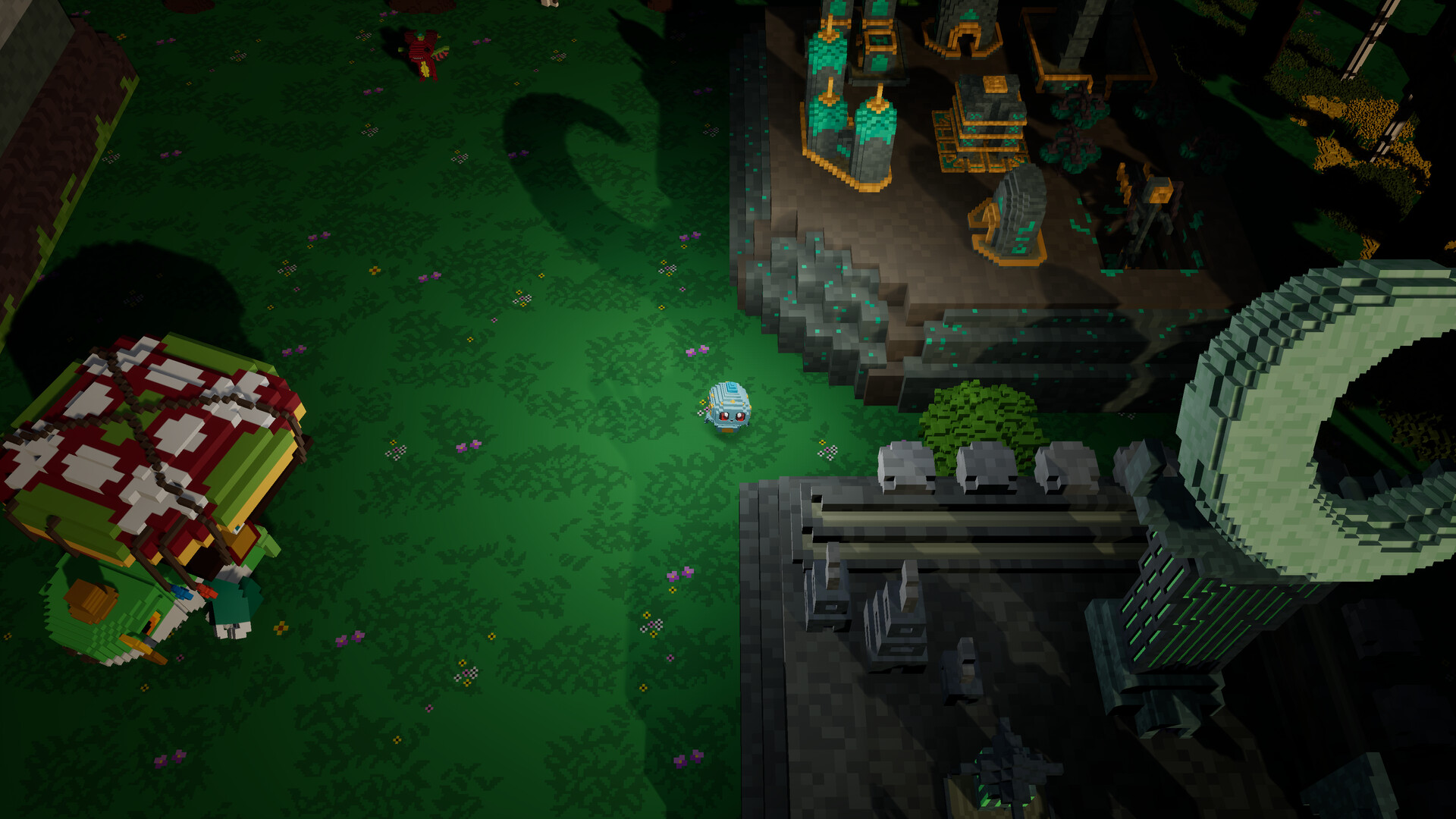
The survivor roguelite genre has exploded in recent years. It has undeniably been largely defined by the single-character power trips of games like Vampire Survivors and Brotato. But what happens when you take that addictive core loop and introduce the strategic chaos of a full RPG party? That’s exactly what Luminas: Parasite Reign aims to achieve! Built by a small team of three friends, this upcoming indie darling trades the lone-wolf concept for a dynamic, three-hero party system. And it’s all adorably wrapped in a charming 3D voxel art style.
Luminas: Parasite Reign Fast Facts:
Status: Upcoming Early Access, free demo available!
Developer: SOTO Game Studio
Genre: Party-based Survivor Roguelite
This interview would not have been possible without the wonderful people at Starfall PR. Many thanks to Lyndle Montgomery and Madison Terrill!
We recently sat down with the developers to discuss the challenges of balancing synergistic chaos, their tight roadmap for Early Access, and the surprising depth hiding beneath the genre’s simple exterior.
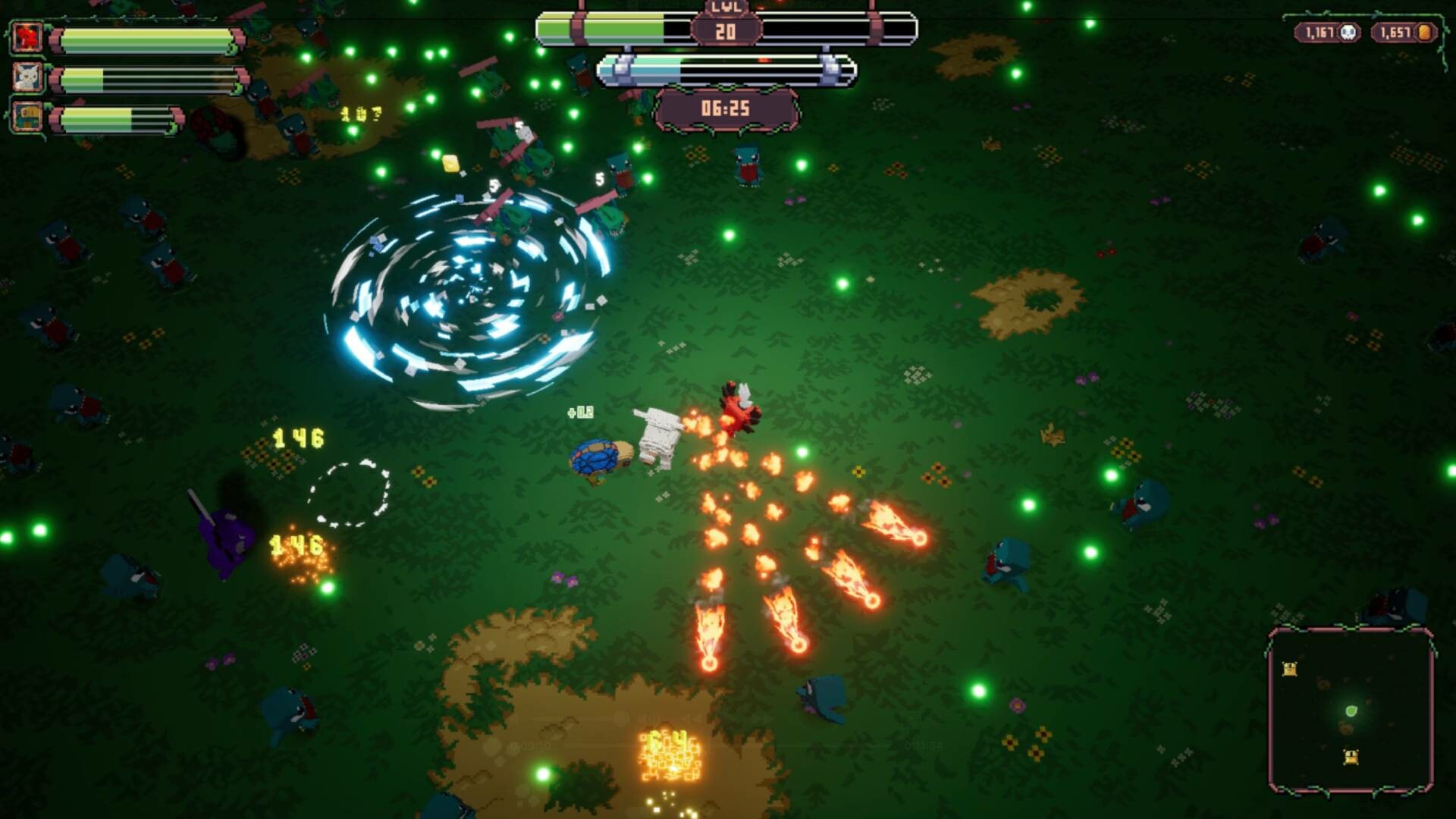
The very first thing that stands out about Luminas is the decision to control three heroes simultaneously. It’s a bold move. It is, afterall, a genre that usually focuses on a single protagonist getting absurdly strong. SOTO Game Studio has executed the concept brilliantly. We praised the team for this intriguing departure from the norm, and they noted that disrupting the genre’s standard formula was the plan from the very beginning.
“Thank you, that means a lot to hear!” the developer shared when asked about the party mechanics. “The party system was actually the very first thing we locked in, it wasn’t something we arrived at later. From day one we knew we wanted Luminas to feel different from the rest of the genre, and the most interesting space we could see was the social one: what happens when you’re not just making one character stronger, but managing three personalities, three roles, and the relationships between them?
Once we committed to that, everything else started to make sense. The skill trees, the relics, the way runs unfold, they all exist to serve the question of ‘who’s in your party and how do they play together.’ It also gave us a creative excuse to design lots of different Luminas with their own identities, which has been one of the most fun parts of development.”
Breaking the Rules of Roguelite Permanence
That party system isn’t the only way SOTO is breaking the rules. In most roguelites, choices are permanent. If you commit to an upgrade, you live with it.
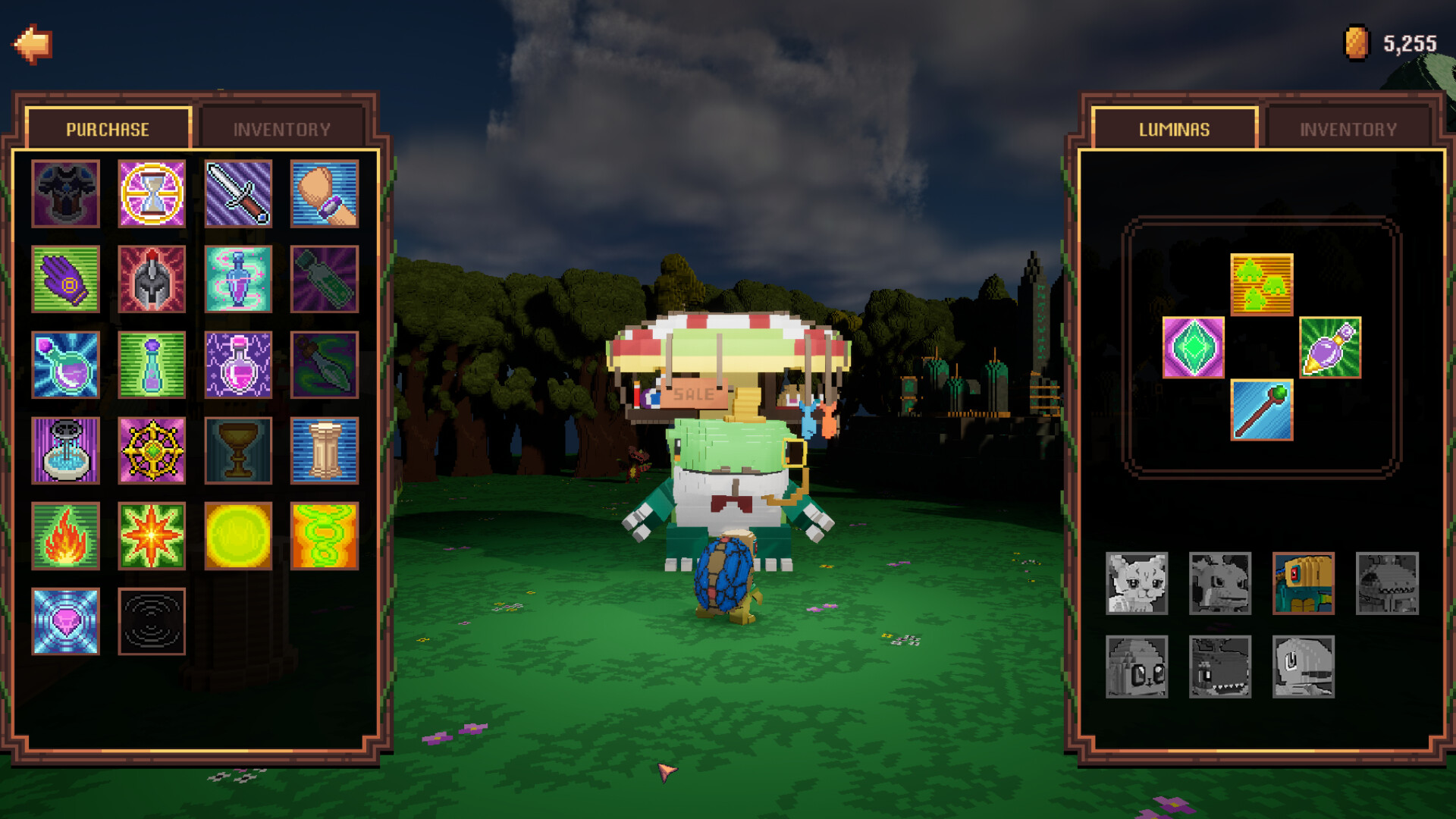
Luminas, however, allows players to swap treasures between characters on the fly mid-run. This radically shifts the focus from punishing mistakes to rewarding boundless player experimentation. Why did they decide to give players that much freedom mid-run?
“Two reasons, honestly,” they explained. “The first is replayability — we wanted players to feel free to experiment with different builds. If you’ve put a treasure on Zapurr and you suddenly realize it would actually be wild on Pyropeep, you should be able to make that move. That kind of experimentation is where a lot of the ‘oh, what if I…’ moments come from, and those moments are what bring people back.
The second reason is simpler: it’s just more fun. Locking choices in permanently is a design pattern that works in some games, but for a party-based roguelite it felt like it would punish curiosity rather than reward it. We’d rather players take risks and discover weird combos than play it safe because they’re afraid of wasting a slot.”
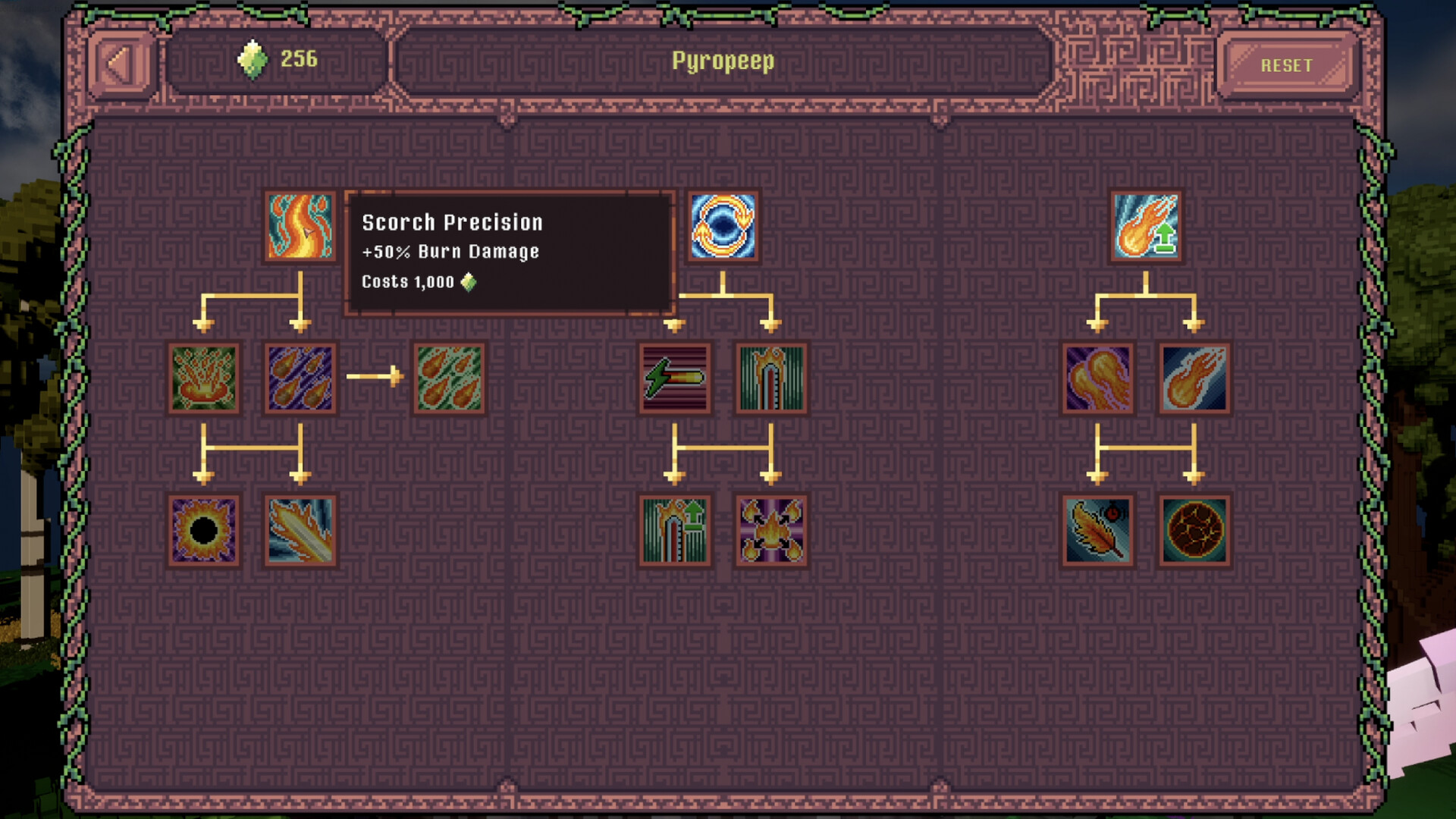
This freedom to experiment naturally leads to some wild synergies, which brings up the question of inspiration. While the gameplay loop tips its hat to the genre titans, the tactical depth was inspired by classic RPGs, and the visuals aim for a very specific, nostalgic tactility.
“On the gameplay side, the obvious roots are Vampire Survivors and Brotato, they basically defined the modern survivor roguelite, and you can’t make a game in this space without acknowledging that. Hades was a big influence on how we think about run structure and making each attempt feel meaningful. And Divinity: Original Sin, maybe surprisingly, shaped a lot of our thinking around party composition and how characters’ abilities should interact with each other rather than just stack.
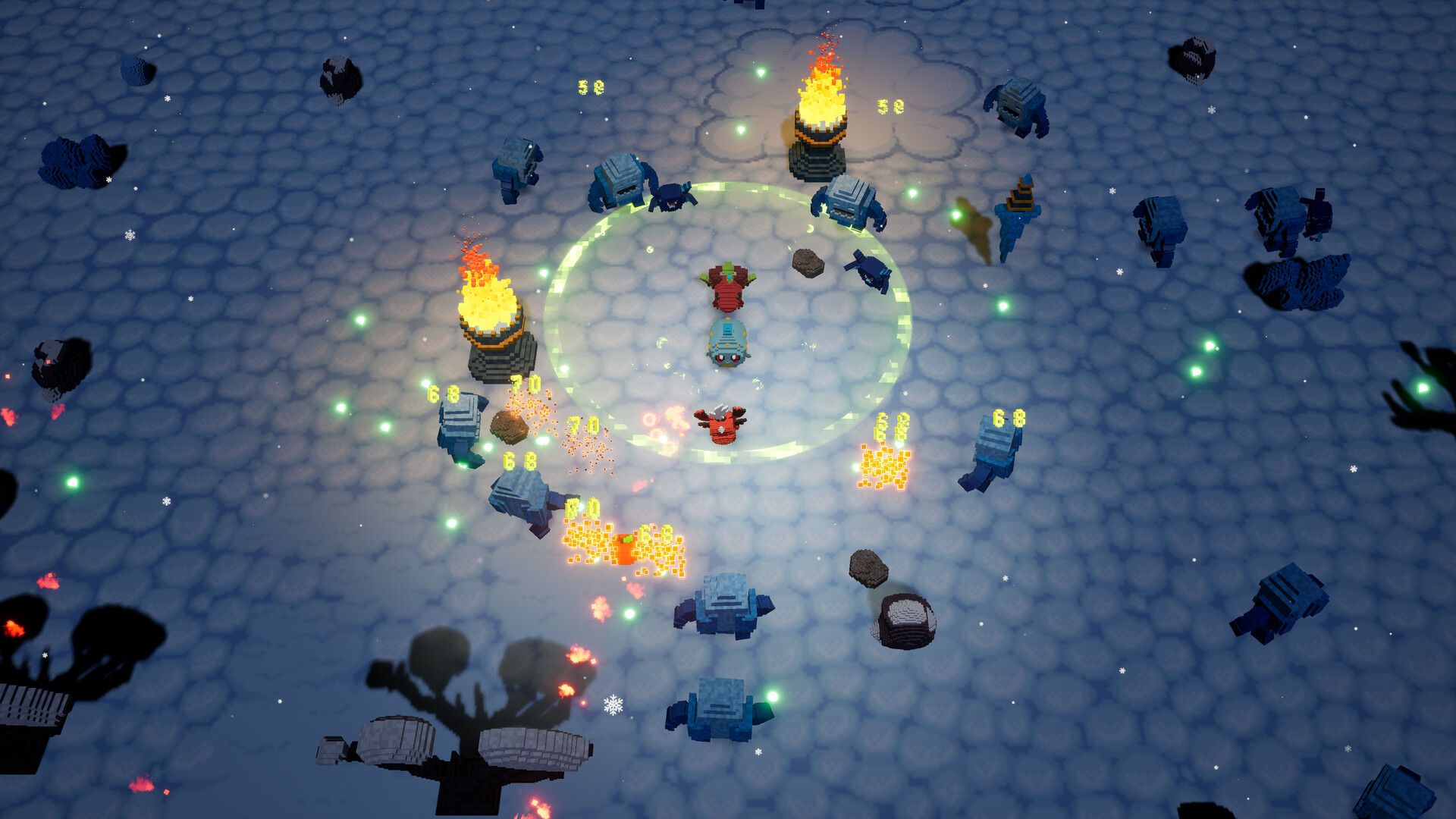
On the look and feel side, we wanted something that felt nostalgic without being a copy of anything. The voxel direction came from wanting the chunky, toy-like charm of pixel art, but in 3D space — so each Lumina ends up feeling like a little figurine you could pick up.”
The Nightmare of Balancing
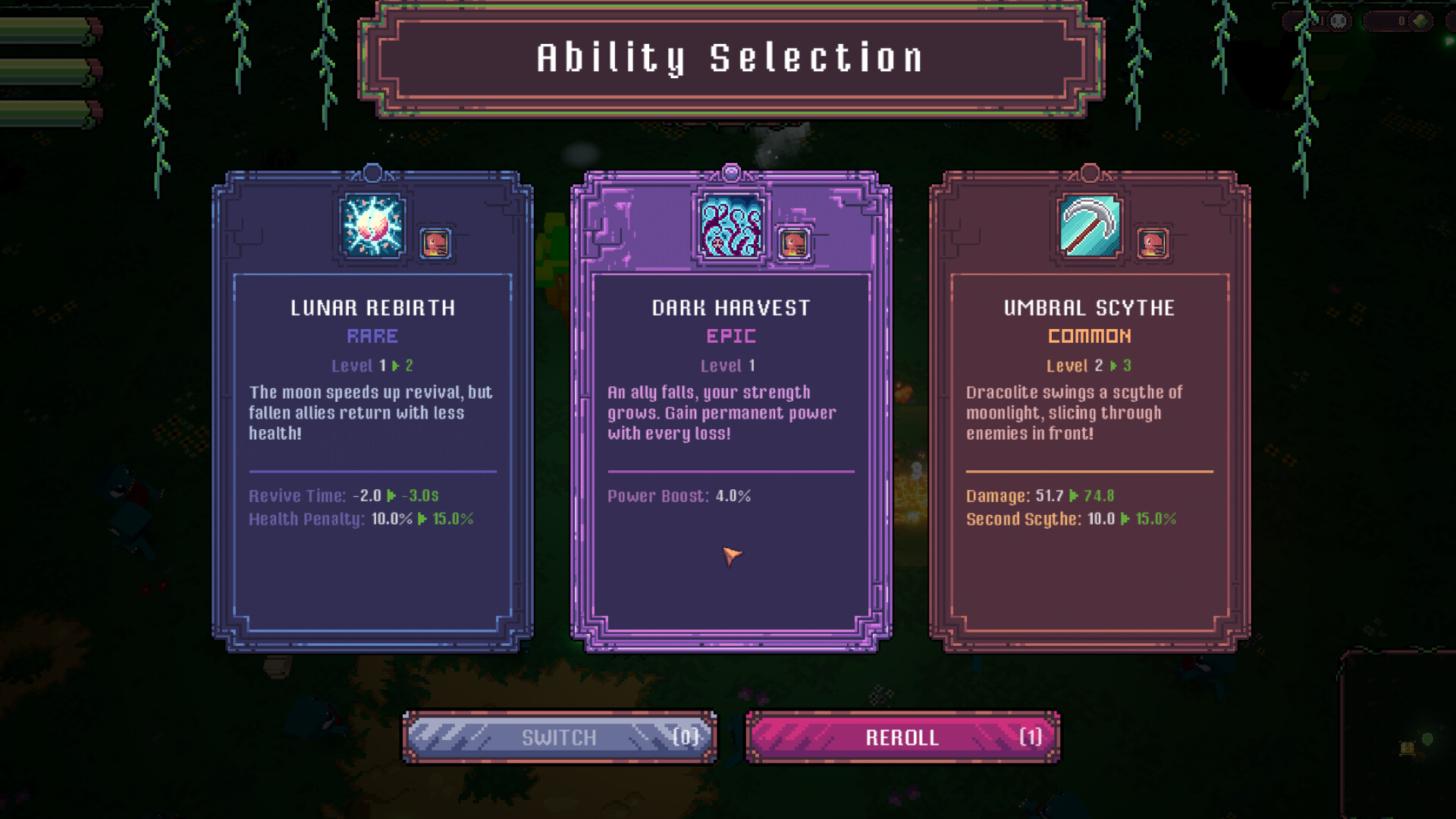
Of course, letting players combine 8 unique characters and 90 different treasures into a three-hero party sounds like a balancing nightmare. When prodded for the messy details, the developer admitted that traditional stat-tuning goes out the window when balancing interconnected parties.
“Honestly, the hardest part has been, and still is, the fact that we’re not balancing characters in isolation. We’re balancing parties. When you’ve got three Luminas combining their abilities and treasures, the question isn’t ‘is Zapurr balanced?’, it’s ‘is Zapurr balanced when paired with these two specific Luminas and these specific treasures?’ That math (and the excel formulas) gets out of hand fast.
So our process became less about tuning individual numbers and more about playing every possible party composition we could think of, then chasing whatever felt off. Sometimes a treasure that looked totally fine on paper would turn into something completely broken (for example the critical chance stat) the moment a specific Lumina picked it up, and we’d realize the problem wasn’t the treasure, it was the interaction (for example critical chance is affected not only from treasures). Those are the hardest ones to spot, because they only appear when the right (or wrong) combination shows up.
There were definitely a few synergies that took multiple passes to land. We’re keeping the specifics under wraps — partly because we don’t want to spoil the fun for players who’ll find them, and partly because some of them are still being tuned.”
The Sprint Through Early Access
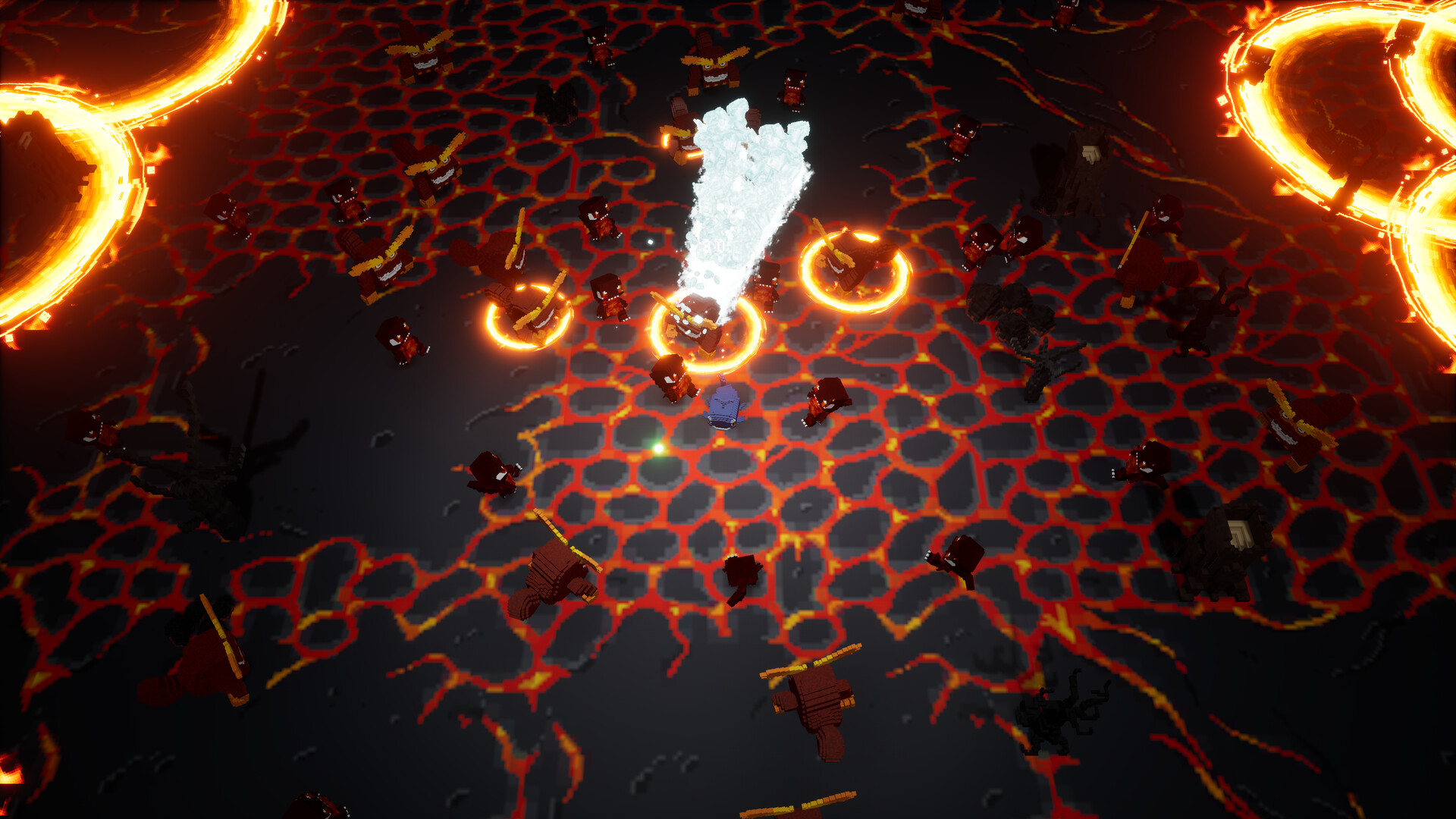
SOTO Game Studio has set an ambitious eight-month roadmap for their Early Access period. It’s a tight schedule that requires a delicate dance between planned content drops and reactive community management. They are heavily relying on the player base to discover the broken mechanics they couldn’t find themselves. We asked if they could walk us through the plan for adding new maps and Luminas while also responding to player feedback?
“It is tight! Our plan is to ship a major update every one to two months across the Early Access period, so by the end of those eight months we land at version 1.0 with substantially more content than we launched with. Concretely, we want to add five to six new maps, more synergy spells, and meaningfully expanded skill trees for every Lumina.
The trickier part is the feedback loop. We’re going into EA expecting that players will surface things we haven’t thought of — broken combos, balance issues, requests we didn’t see coming — and we want to leave room in the schedule to actually respond to those. So the roadmap isn’t fully locked; the big content beats are planned, but how we sequence smaller fixes and adjustments will depend on what the community tells us. That’s kind of the whole point of doing Early Access in the first place.”
Is there a feature or a specific Lumina that you really wanted to include for the EA launch but had to hold back for the full release? Speaking of which, what’s the most surprising combination you’ve seen between the skill trees and treasures so far? Did you come across a “broken” strategy you didn’t see coming?
“Yes — there are a few things we wanted to ship at EA that we ended up pushing back. We had hoped to include more maps right at launch, but those are still in an experimentation phase and we’d rather give them more time than ship something that doesn’t feel finished. Same goes for additional synergy spells; we want more of them in the game, and they’re coming, just not at day one.
As for broken strategies — yes, absolutely, and some of them genuinely surprised us. There are combinations in the game that we didn’t design intentionally; they just emerged once enough treasures and skill trees existed in the same space. Some of them we’ve nerfed, some we’ve decided to leave alone because they’re fun even when they’re a bit too strong. But we’re not telling you which ones! Half the joy of a roguelite is finding that thing yourself and feeling like you outsmarted the developers. We want to leave that experience intact.”
Power Spikes and Player Vision
One of the game’s major turning points is the “Evolution” state, a mid-run power spike where Luminas transform. Making sure this feels like a genuine reward without making the rest of the stage boring required scaling the world’s threats to match the player’s newfound power.
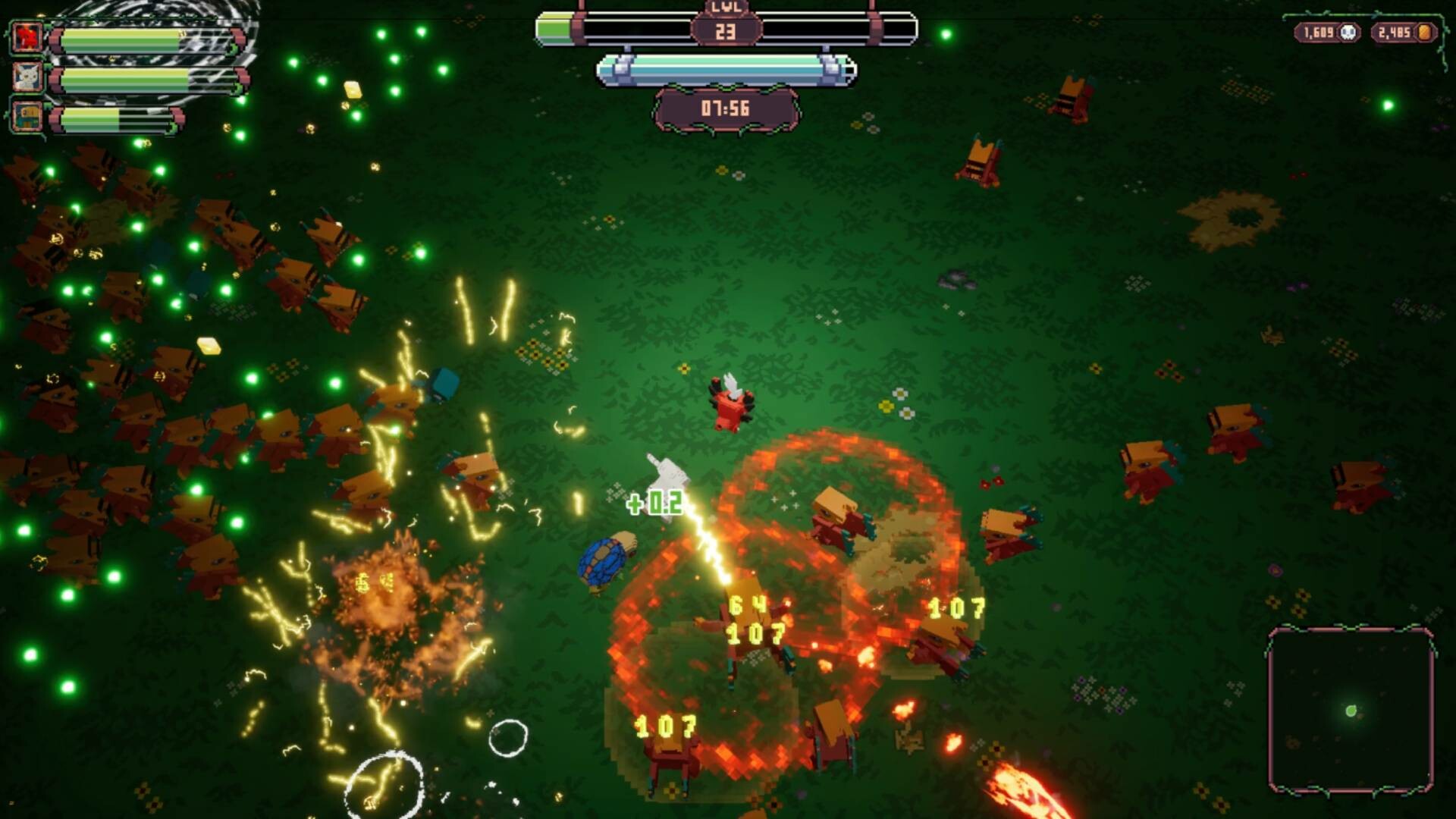
“The Evolution state is one of the moments we’re most proud of. The way it works: when a Lumina kills enough infected Luminas during a run (maybe you didn’t know this), it transforms into a more advanced version of itself, with new abilities and upgraded stats. It’s meant to be a real ‘yes!’ moment for the player.
The trick to keeping it feeling rewarding without trivializing the rest of the run is on the encounter design side. The waves and threats players face after Evolution are tuned to scale with that power spike — so the player feels stronger because they are stronger, but the world also gets meaner to match. The result, hopefully, is that you earn the power and then get to actually use it against threats that respect it. If the rest of the stage felt like a walk afterward, the moment would lose its weight, so we’ve tried to make sure that doesn’t happen.”
As SOTO braces for the influx of Early Access feedback, they are clear on where they will compromise and where they will hold the line. They are willing to tweak, but they absolutely will not sacrifice their core vision to please everyone.
“We’re genuinely open to player feedback — we’ve already had it shape the game in ways we didn’t expect, and we want that to keep happening through Early Access. The line we draw is around the core mechanics. If feedback is asking us to refine, polish, or expand on what’s already there, we’re almost always going to take it seriously and try to implement it.
If feedback is asking us to change something that would undermine the central thing the game is about — the party-based experimentation, the synergy between Luminas — that’s where we have to push back, even when it comes from people we respect. Not every game is for every player, and trying to stretch a game to please everyone usually ends up pleasing nobody. We’d rather make the version of Luminas we believe in, and trust that the right players will find it.”
Reflections on the Journey
Developing your first major game is notoriously grueling. SOTO’s parting advice to other developers—and their newfound respect for the survivor genre—serves as a poignant reminder that simplicity in game design is often a masterclass in hidden complexity.
“Honestly, the first game is overwhelming. You’re not just making the game — you’re learning how to make games while you make a game, and there are a million problems you didn’t know existed waiting for you in every corner. The standard advice is ‘start small,’ and that advice exists for a reason — it’s true, and we’d echo it.
But the bigger thing for us has been making sure we actually enjoy the journey. We’re three friends building something we genuinely want to play, and that’s what’s kept us going through the hard parts. If you’re grinding on a project you don’t love, the difficulty stops being meaningful — it just becomes painful. Make sure the thing you’re building is the thing you want to be building.
As for the survivor genre specifically — what surprised us most is how much depth lives underneath what looks like a simple loop. From the outside, survivor games look like ‘walk around, kill things, pick upgrades.’ But the moment you start actually building one, you realize how much careful work goes into making that loop feel good — wave pacing, ability feedback, run length, how upgrades interact, when difficulty should spike. Players feel it instantly when any of that is off, even if they can’t always articulate why. We have a lot more respect for this genre now than when we started.”

Luminas: Parasite Reign aims to bring a much-needed layer of tactical depth to the bullet-heaven space. If SOTO Game Studio can stick the landing on their ambitious Early Access plans, they might just redefine what it means to survive. Meanwhile, please check the demo! We checked it out recently and really liked what we saw.

Leave a comment