
Bleeding for Bullets
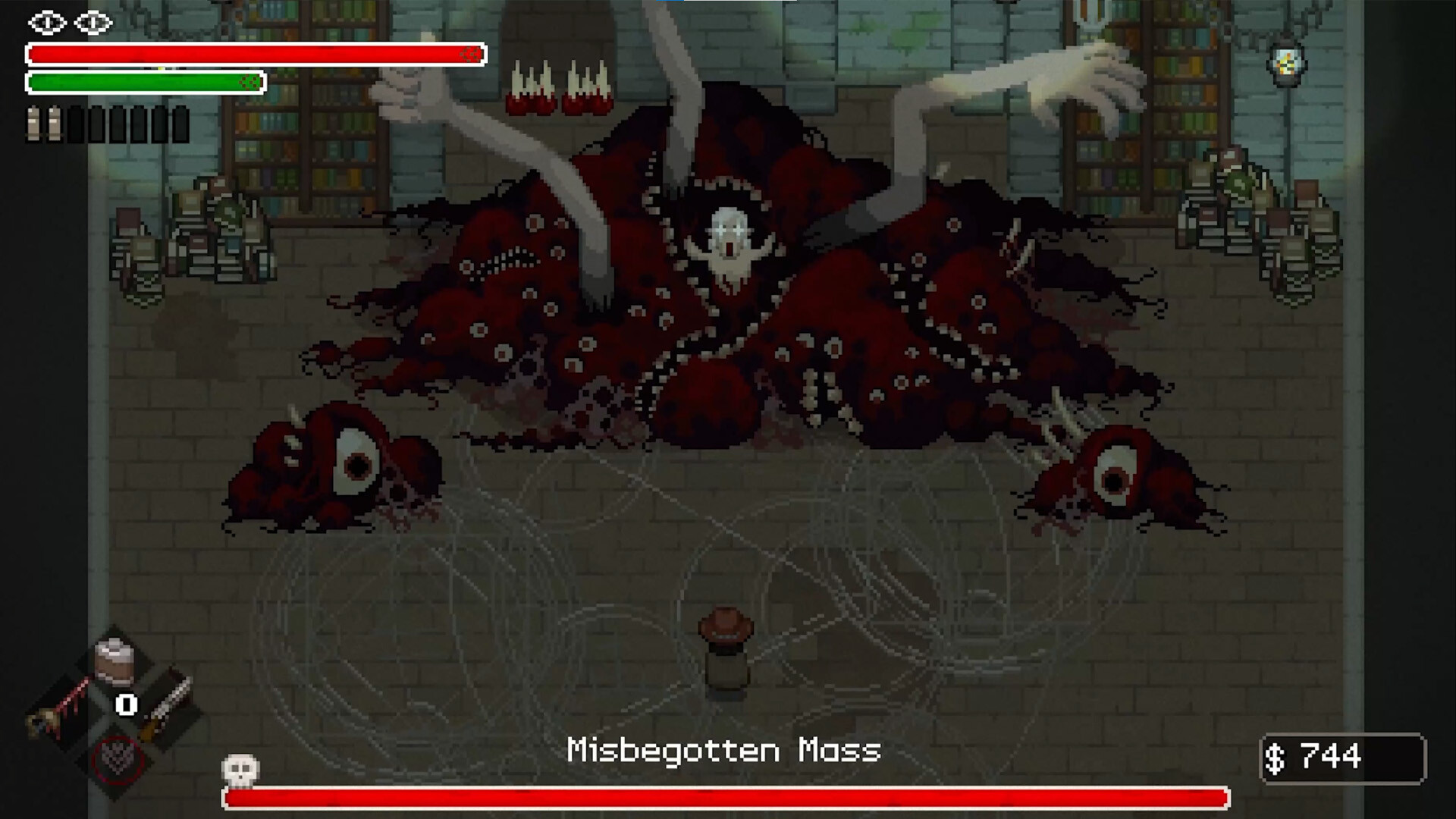
The indie scene is currently drowning in games trying to bottle the FromSoftware lightning, but very few actually manage to find a voice of their own. Tombwater is a rare exception. Built by a tiny two-person team, the game is a gritty collision of sun-baked “Weird West” aesthetics and the kind of cosmic horror that makes your skin crawl. It’s punishing, yes, but it’s also deeply atmospheric.
A total triumph.
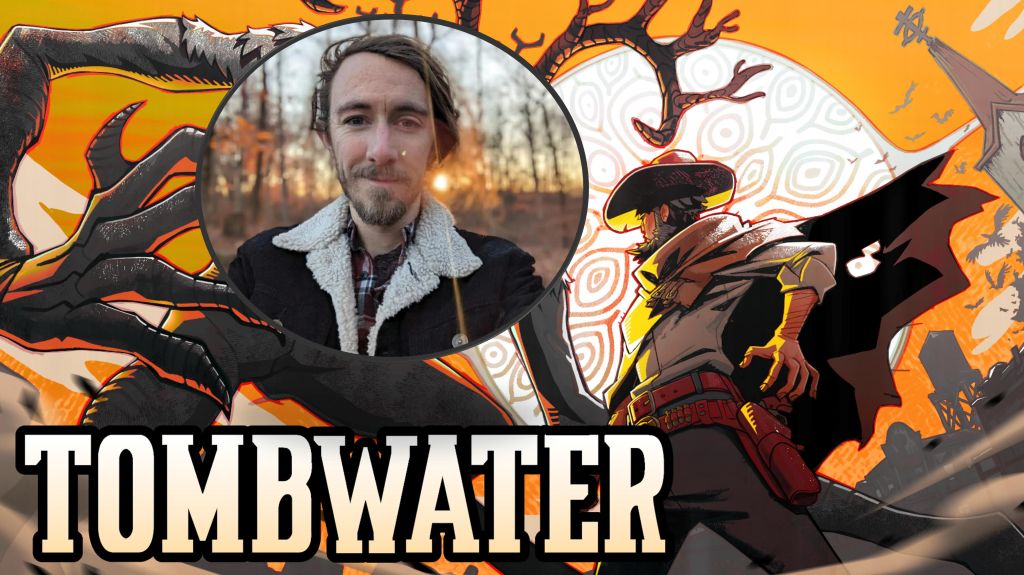
We recently sat down with developer Max Mraz to talk about the blood, sweat, and thousands of lines of code that went into bringing this nightmare to life.

This interview would not have been possible without the wonderful people at UberStrategist! Many thanks Daniel Hollis!
Finding Horror in the High Desert
The vibe in Tombwater is suffocating in the best way possible. Merging cowboy tropes with Lovecraftian dread is a tough tightrope walk, so we were curious about what influenced that specific, unsettling mood outside of the gaming world. For Mraz, it came down to a mix of classic cinema and actual miles on the road.
“Thanks! For the Wild West of it all, we pulled environmentally from our own experience traveling in the western US,” Mraz explained. “I think when you have personal experience it helps you draw on details that you wouldn’t necessarily pick up just from other media. Then, of course, also from films, I really like Butch Cassidy and the Sundance Kid. What I wanted to do with the horror is to relate every character’s monstrous side to the convictions they hold deep down that give themselves meaning, and how that holds up poorly in the face of the realization there’s something so much greater than you out there – an unsettling idea I think it’s important we all give thought to.”
The Unconventional Engine
What’s even more interesting is what’s under the hood. While most devs making high-stakes action games reach for Unity or Unreal, Mraz built Tombwater using Solarus—an engine typically used for bright, retro-style adventures. It’s an unorthodox pick, but for Mraz, it was about familiarity over features.
“I’ve been using the Solarus engine for around 9 years now, and I really enjoy it and the community around it,” he told me. “It’s also grown and expanded a lot since I started working with it, and it’s a joy to be able to use the cool stuff its volunteer team has carefully put together. There’s also something to be said for the idea that the best tool for a situation is the one you’re most comfortable and fluent with.”
The “Bullet Economy”
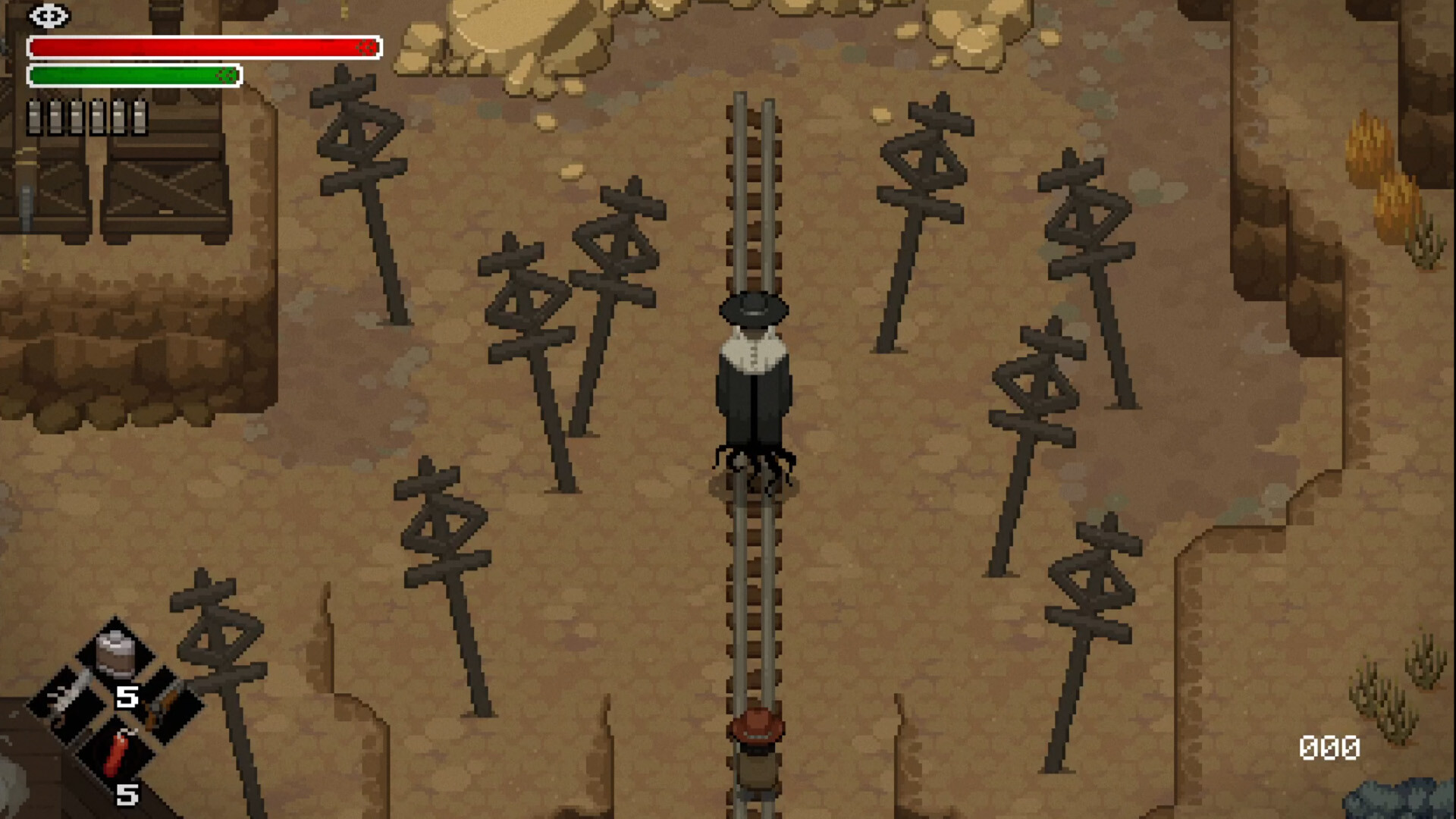
We eventually got into the meat of the game: the combat. Tombwater uses a clever “Bullet Economy” where you can’t just sit back and snipe. You’re forced into brutal melee scraps just to reload your gun, creating a high-pressure loop of aggression. We asked Mraz how they balanced that fine line between “challenging” and just plain “annoying.”
“Thanks! We had it from the start that melee weapons and firearms should be tightly related, and I think systems where each feeds into each other are interesting and lead to more fun gameplay, when you’re dashing in between close and long ranges constantly and making the most of each,” he said. “Earlier builds did give you bullets more generously, but we felt like a little push to get players into enemy’s danger zones made for a more tense experience, so it’s something like 2-3 hits to get a bullet now. Of course, there are charms that can turn you into a bullet vacuum, just swimming in ammo if you spec yourself toward that.”
That tension is dialed up by the game’s deliberate pacing. In Tombwater, swinging a weapon actually stops your movement. It’s a bold choice that kills any hope of button-mashing, forcing players to commit to every strike. Mraz confirmed that this tactical “weight” was a day-one requirement.
“Yep, that’s always been that way – I think it’s fun to take on some risk if you’re going to fight, so you don’t always have the option of zipping out of the way of every attack. Quicker weapons like daggers will still free you up to dash around, though.”
Managing the Monstrous Scope
It’s one thing to design a combat loop; it’s another to build a world for it. Tombwater features 16 biomes, over 20 bosses, and nearly 100 enemy types. For a duo, that’s an absurd amount of work. We asked how they handled the sheer scale and what they eventually had to leave on the cutting room floor.
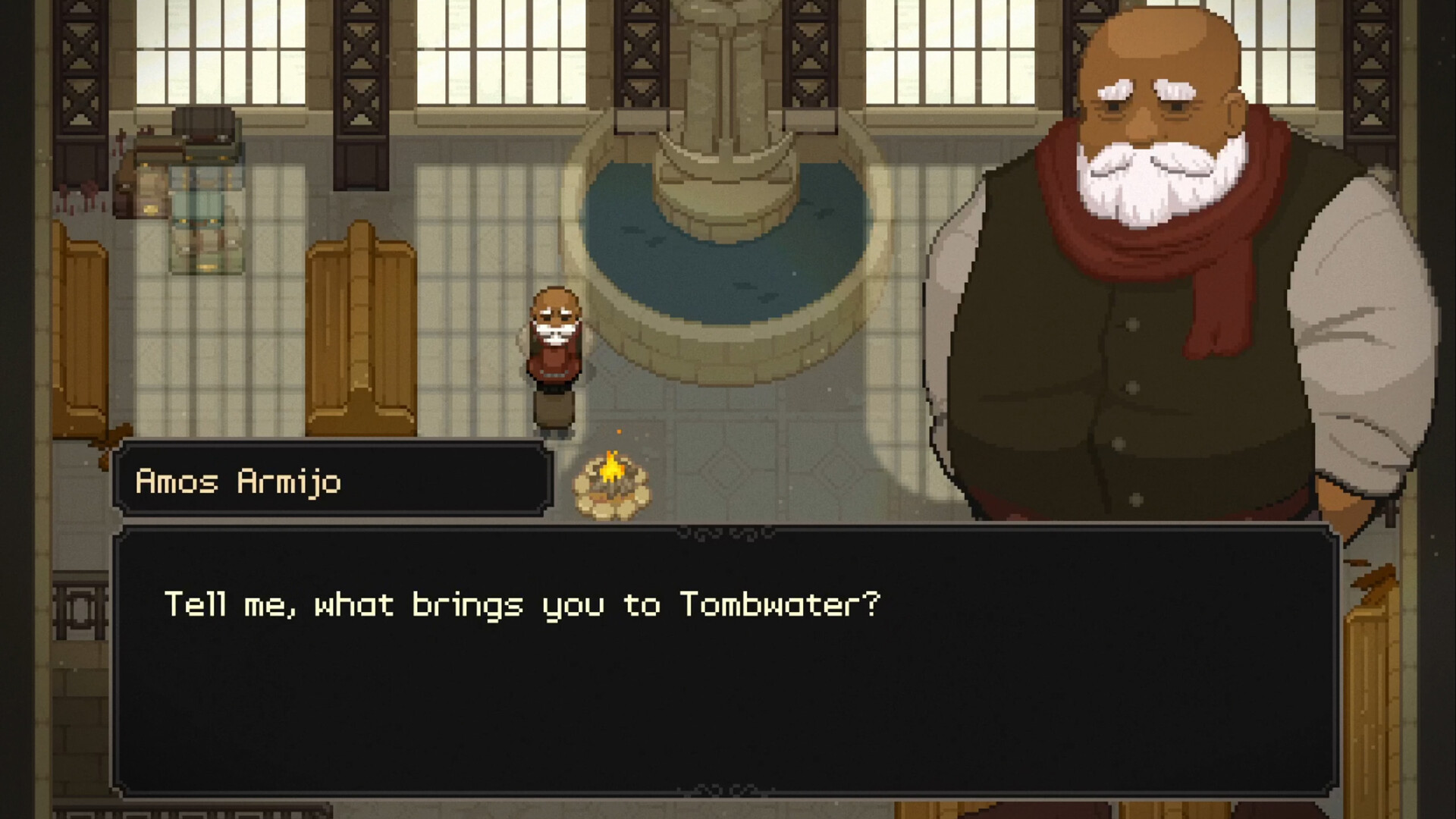
“Sadly, we did have to leave a lot of bosses, zones, and sidequests unrealized,” Mraz admitted. “The setting was rich soil to grow fun ideas, and it was a tough decision which to keep with the limited resources we have. I did manage to slip a few bosses, items, and sidequests in outside the schedule though, if I caught up to what I had planned for the week, I let myself do things like design the labyrinth of tracks so that the lore that you couldn’t leave Tombwater was backed up the gameplay, or make the Lamplighter boss because I felt that someone needed to be managing all the streetlamps we’d put into the levels.”

Advice for the Next Generation
Even with the cuts, the depth of the final product has helped Tombwater stand out in an overcrowded market. For other indie devs trying to break through, Mraz’s advice is pretty grounded: trust your gut on whether your “hook” actually works.
“I wonder if, deep down, you might know right off the bat whether your idea will stand out or not. It’s still important to know what you’re capable of because you have to build a game that’s inarguably good and fun. But beyond that, I think ideally you want to be able to explain your game in a sentence or two where, when you step back, you can say “that actually sounds really sick, I’d be excited if I heard about that”.”
Before we finished, we asked Mraz what he’d tell his past self at the start of this journey if he could go back. His answer touched on the classic developer struggle: the “chaos” of player freedom.
“You’re gonna create a bunch of bugs and edge cases if you go too crazy with the spells! One of the biggest challenges has been, with so many varied and unique spells and charms, it’s very difficult to avoid scenarios where players can come up with ultra powerful builds. On the other hand though, I love to see their creativity, finding combinations I never even thought of to just obliterate bosses.”
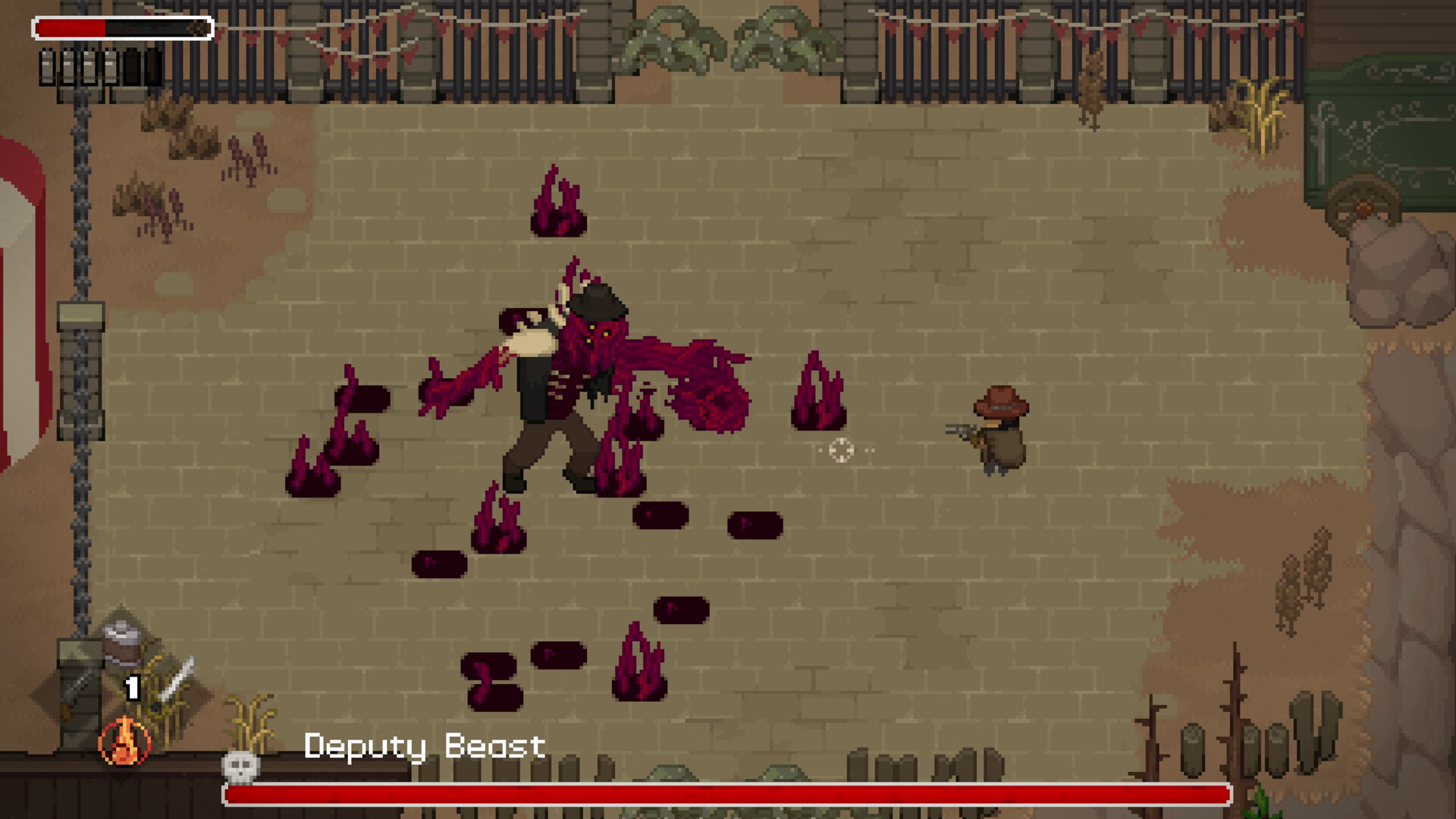
Tombwater is a reminder of what a focused indie team can do. It proves you don’t need a triple-A headcount to build something that feels massive, mechanically tight, and genuinely haunting. Read our review here:

Leave a Reply