

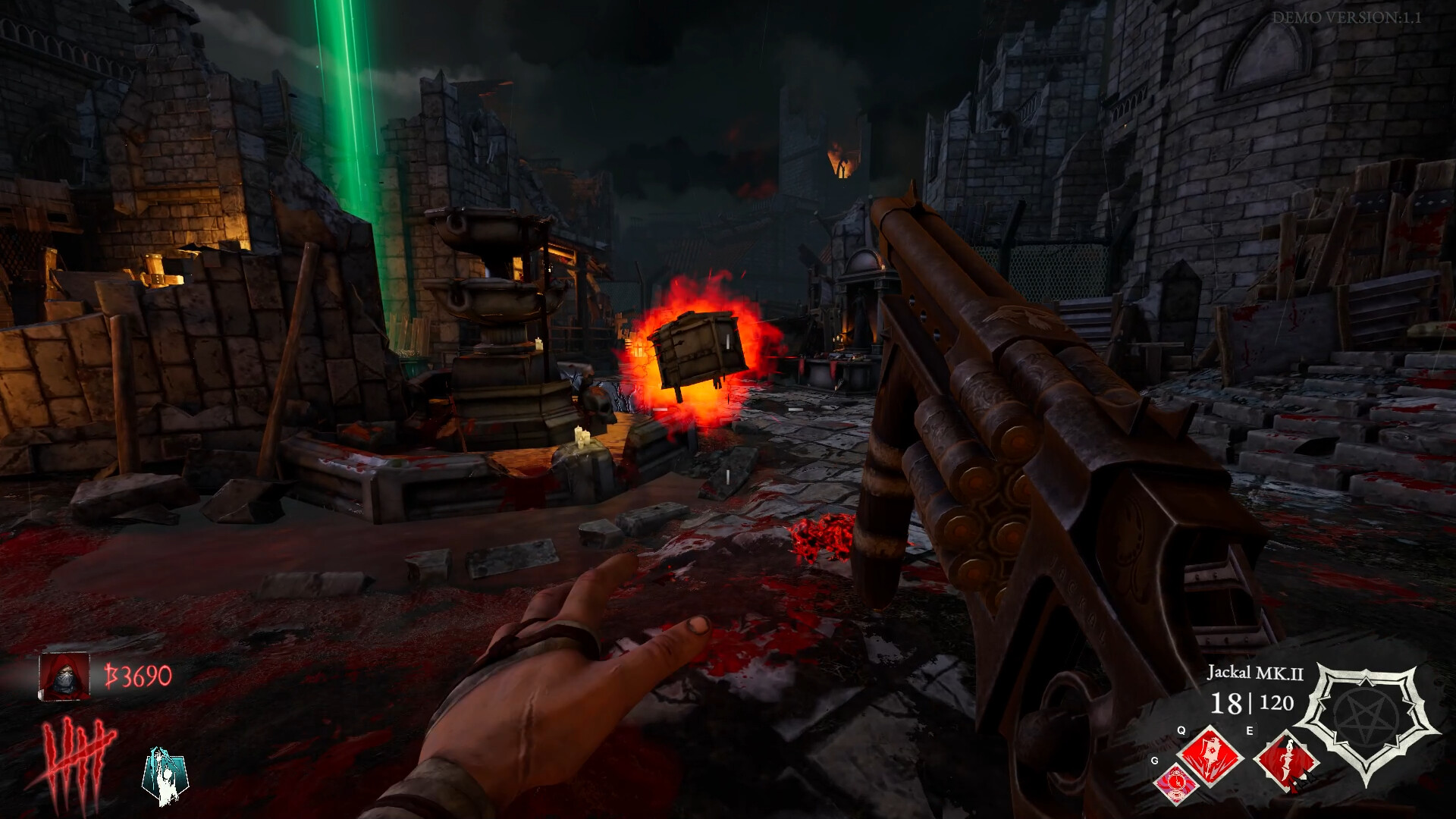
Modern wave shooters often prioritize pure adrenaline over atmosphere. Hell Byte Studios wants to have it both ways. Their upcoming co-op shooter, Blood Reaver, pitches itself as a chaotic, blood-soaked arena game wrapped in a deliberately paced, gothic shell. To figure out how they plan to pull off this balancing act without crashing their servers, we sat down with the development team. We talked about their surprisingly deep magic system, the brutal reality of indie multiplayer netcode, and why they’re heavily banking on a community of Easter egg hunters.
This interview would not have been possible without the wonderful people at Critical Hit! Many thanks Achilleas Soumpasitis!
We wanted to start with the vibe. The game looks like a heavy metal album cover, but we were curious about the actual DNA driving its lore—specifically, whether they were going to lean into the convoluted, community-driven secret hunting that hardcore wave-shooter fans absolutely live for.
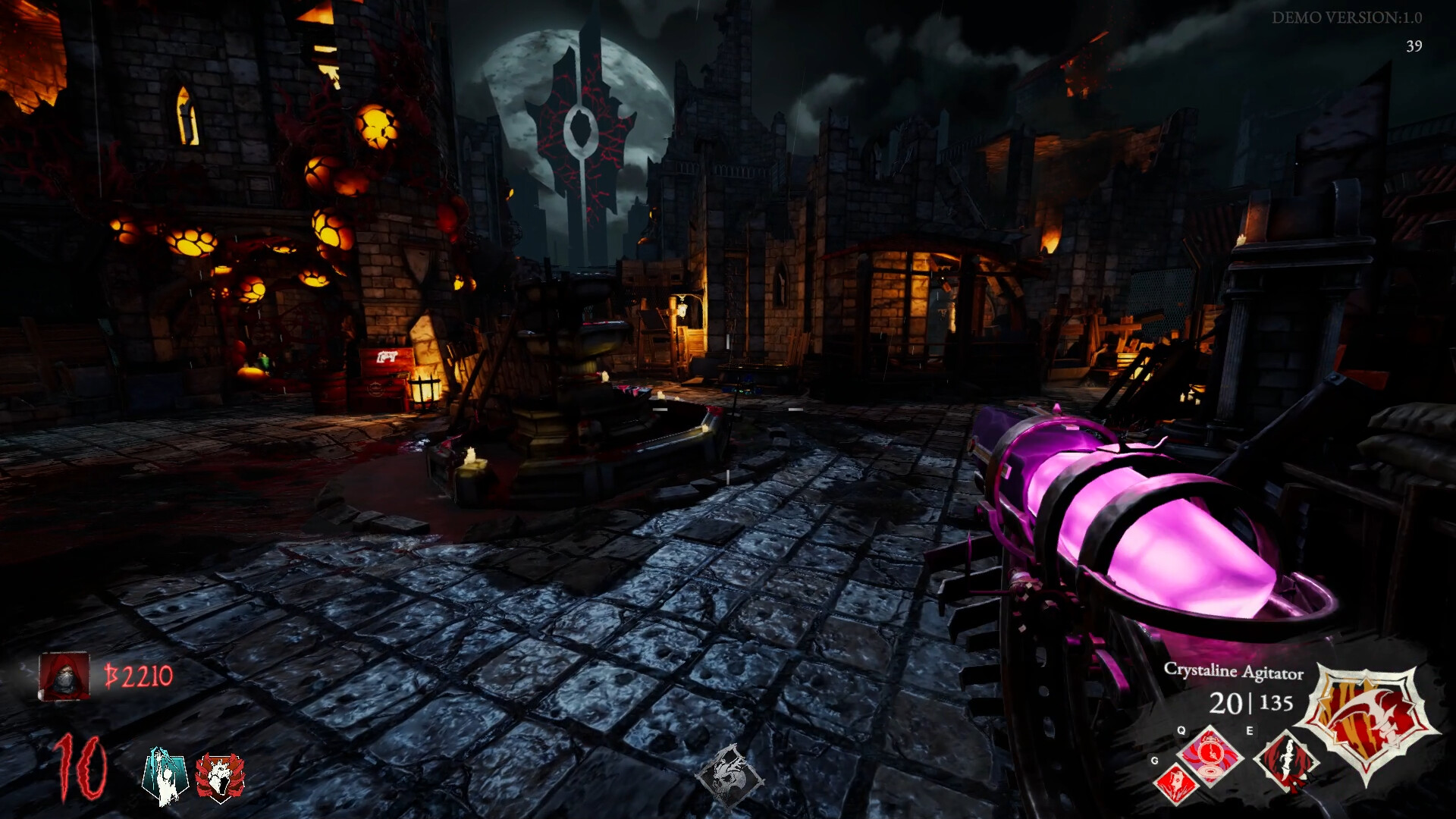
“Blood Reaver’s lore draws from a lot of different games and stories. We’re mainly inspired by Call of Duty Zombies, of course, but we also took inspiration from The Witcher, Doom and a little Norse mythology,” the team explained. “We’re excited to have the opportunity to start revealing this world piece by piece. We’re hoping that, eventually, players will be finding new questions around every corner.”
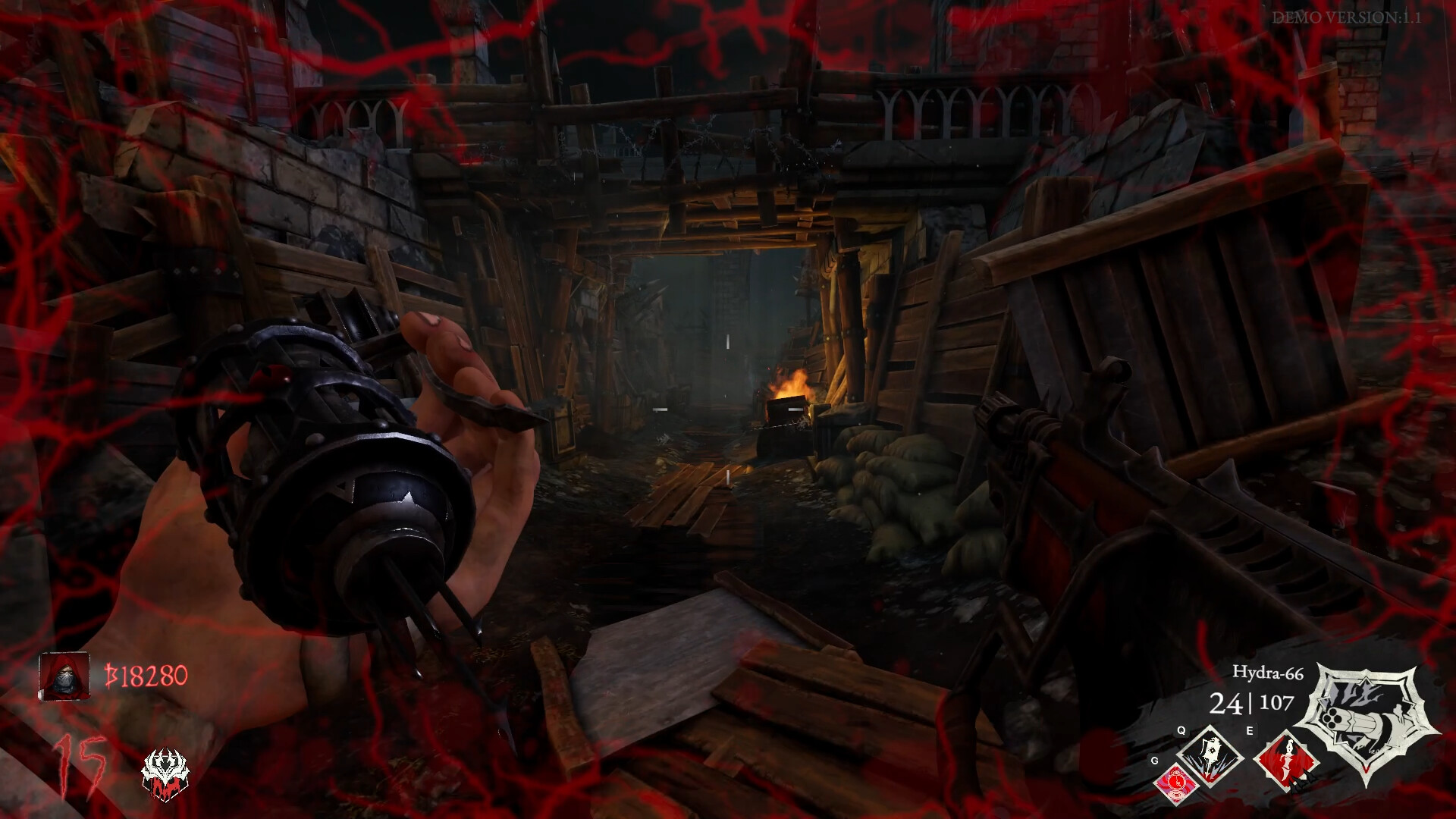
They were quick to confirm that burying secrets isn’t just an afterthought; it’s foundational to the roadmap.
“In the game’s current state, we’re exclusively using environmental storytelling to convey everything – starting to lay the groundwork for what we’ll expand on in the future. We’ve always been very keen on having Easter Eggs: the way you can build a community around solving puzzles and discovering stories is really important to us. We’ll be adding an Easter Egg to Final Stand (the first map) during Early Access, and that’s something we want to do for future maps as well.”
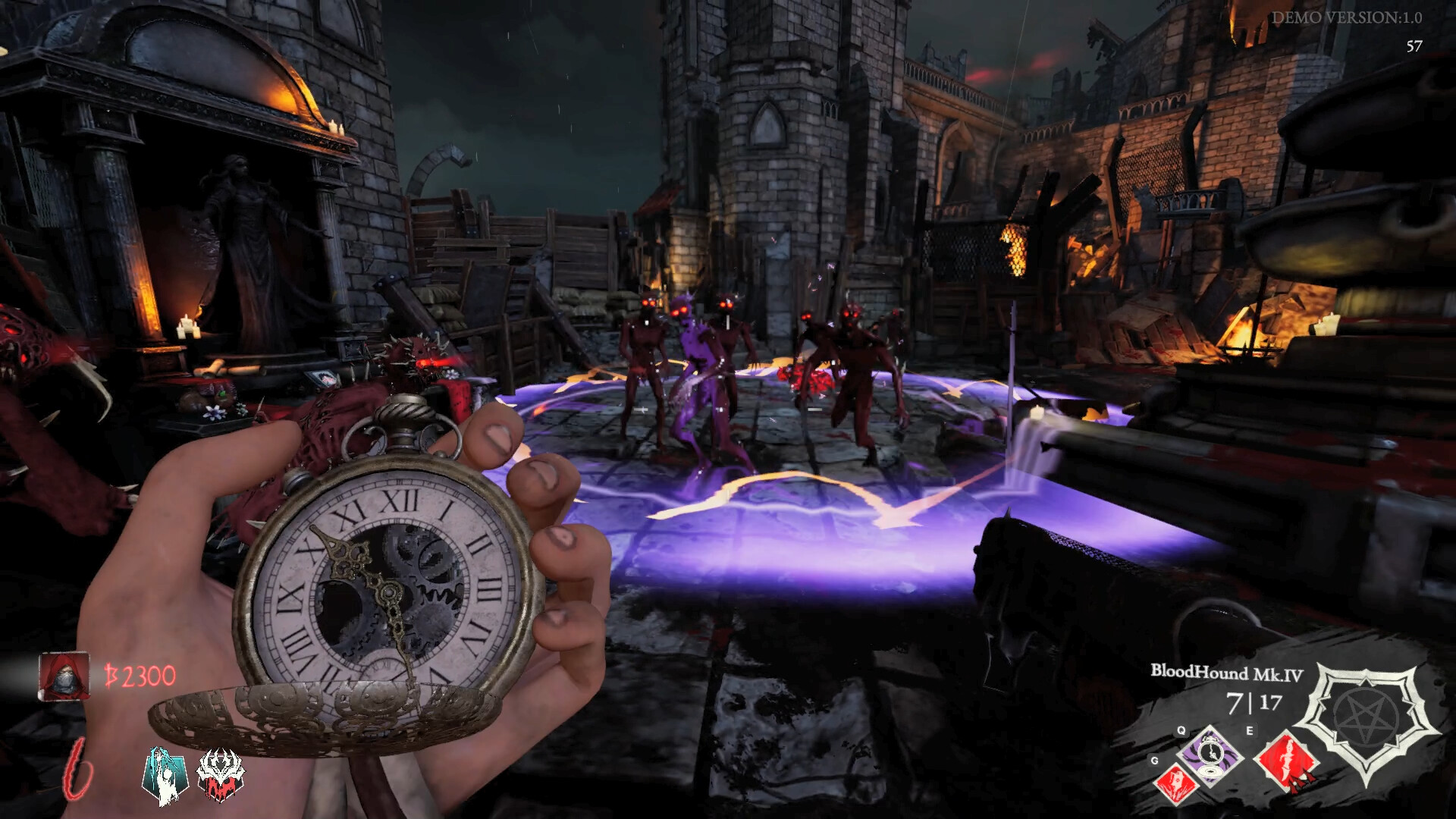
Trying to tell a slow, gothic story while the player is furiously backpedaling away from a screaming horde of demons is a tough sell. We asked how they actually expect players to absorb the scenery when they’re fighting for their lives.
“We’ve got some big, eye-catching pieces that are going to immediately grab your attention. What is that thing? How do I get over there? That’s sort of the map-level story – trying to reach this thing you can see on the horizon. There’s a lot more to come in that department,” they noted. “As to the smaller elements, we’re expecting those to be consumed across multiple sessions. You might not see everything on your first run, but then you’ll play another. We also give you some breathing room between rounds to take in the environment. The art team have hidden little stories here and there so be on the lookout for those.”
Survival, obviously, requires a bit more than just stopping to smell the decaying roses. Blood Reaver uses pre-run loadouts for its 1–4 player lobbies, a choice that fundamentally changes how a squad approaches a map. I was curious how locking in choices before a match starts impacts the usual “zero-to-hero” progression these games are known for.
“One of our goals with Blood Reaver is to make an ecosystem that brings build-crafting to the forefront of players’ minds. We want players to pick the right items for their playstyle and team composition, rather than just what gives them the highest damage output. Letting you pick before the match gives you a chance to plan with your team and figure out the kit you want to bring. We’re expecting people to have favourites, but also to mix it up based on what their friends are doing.”
Still, they stressed that preparation doesn’t mean you drop in fully overpowered.
“With that said, we want to preserve the feeling of in-game progression as much as possible. Your abilities are tools, but you’ll need to be smart with them to survive. You still start at the bottom with just your pistol, and work your way up to being an unstoppable demon slayer. That’s one of the reasons the most powerful abilities can only be acquired once you’re in a match.”
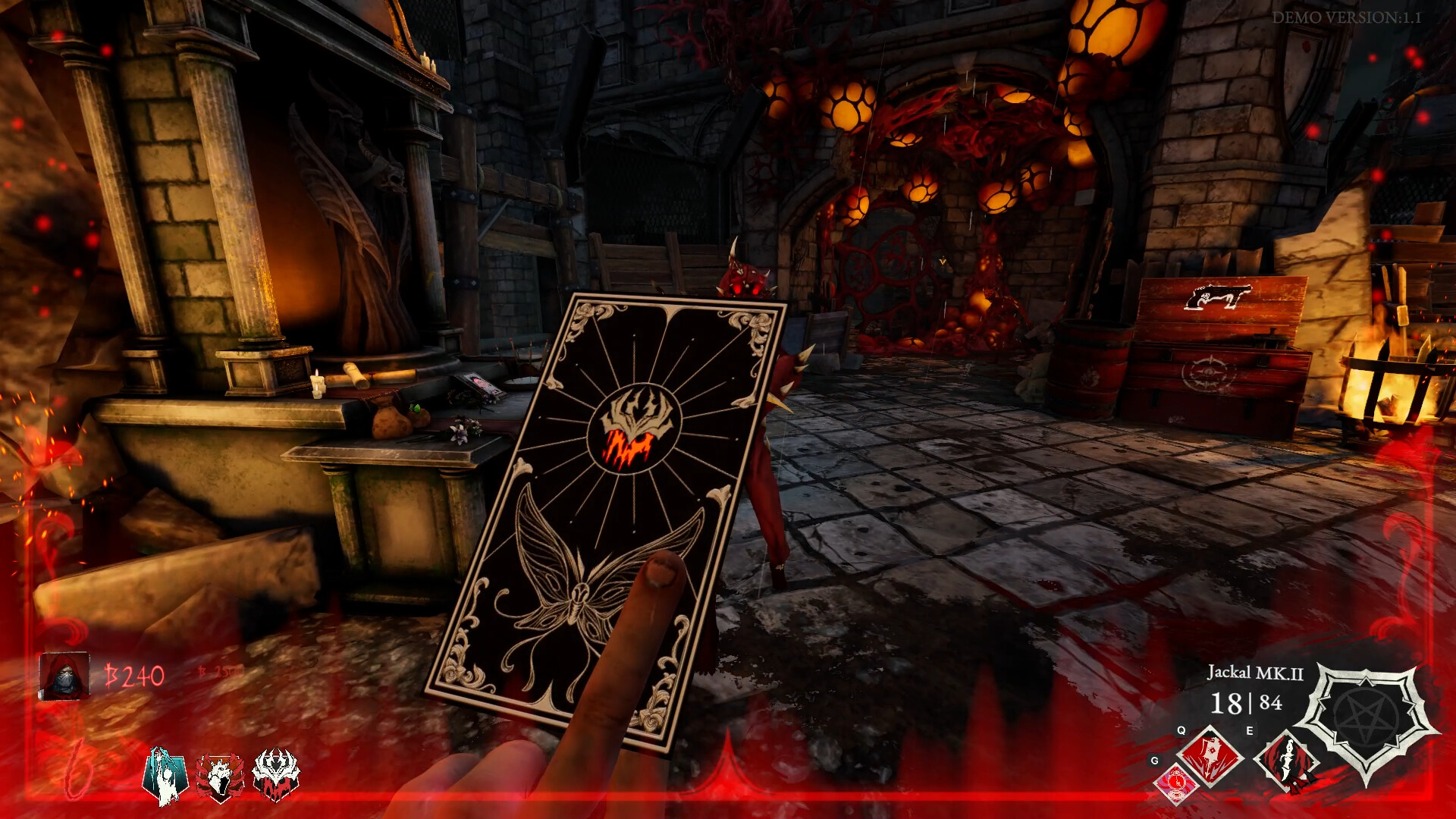
That in-game progression revolves around a tarot-inspired perk system. Knowing how punishing RNG can be in wave shooters, we asked how they ensure players don’t just get screwed over by bad card draws right when the difficulty spikes.
“Fates are our version of Perks, basically. We based the design on tarot cards, but they’re not actually random,” they clarified. “You can spend points to buy them from shrines, which are distributed around the map and priced differently based on how much of an advantage they offer. The idea is to make people think about how they want to move through the level: Which doors do I open? Which buffs do I need? However, there’s also a rare Blessing (powerup) that will give you a random extra Fate. This can be really powerful, since it breaks the ordinary limit of having 4 Fates at once. You’re already strong with 4, so it’s certainly not essential for high rounds, but you’ll be very happy when you see it drop.”
The math behind that escalation sounds brutal. Enemies in Blood Reaver scale up in health and speed indefinitely until they wipe your squad out. Tuning an economy where failure is a mathematical certainty, but still making it feel fair, has to be a headache.
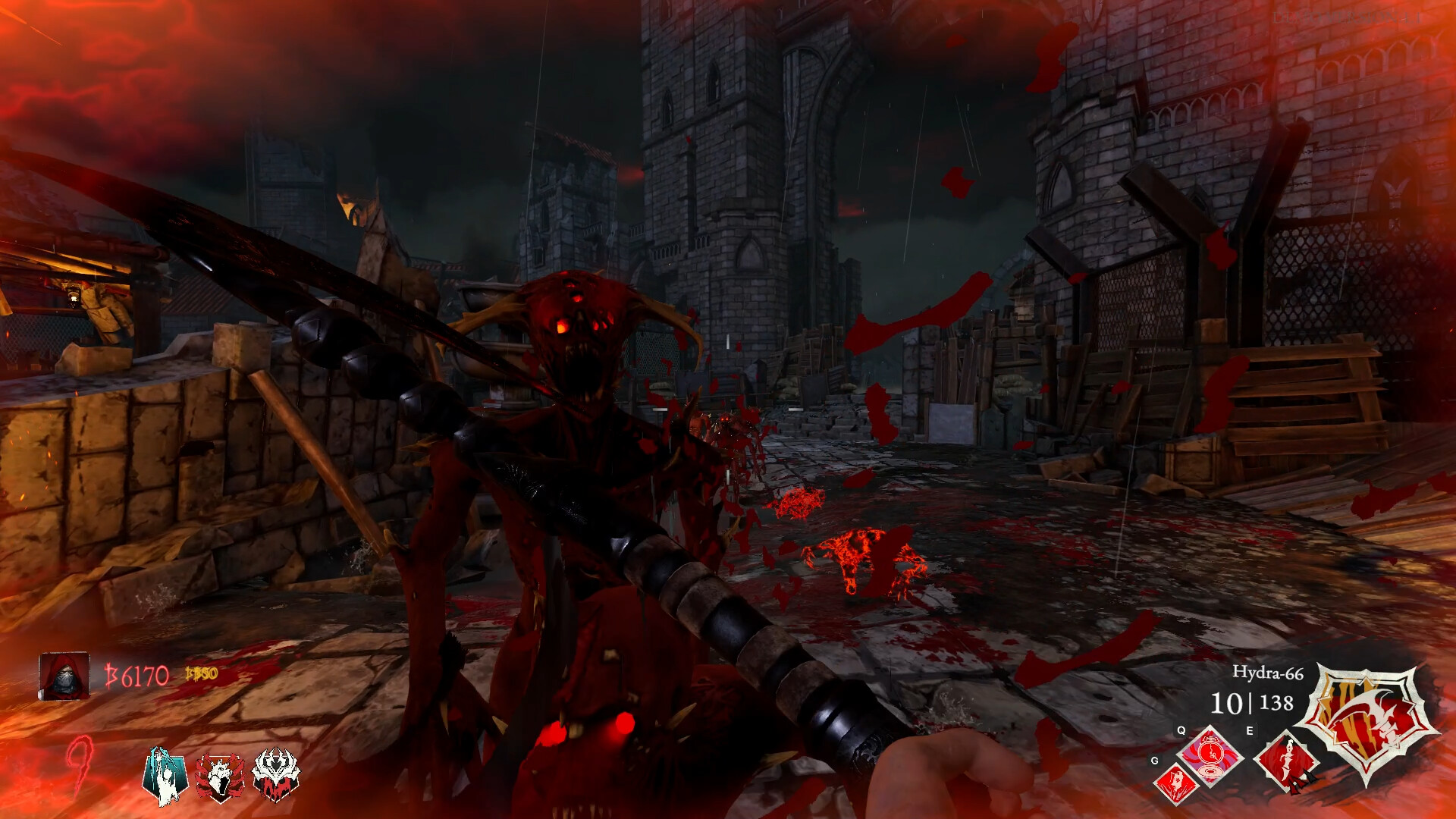
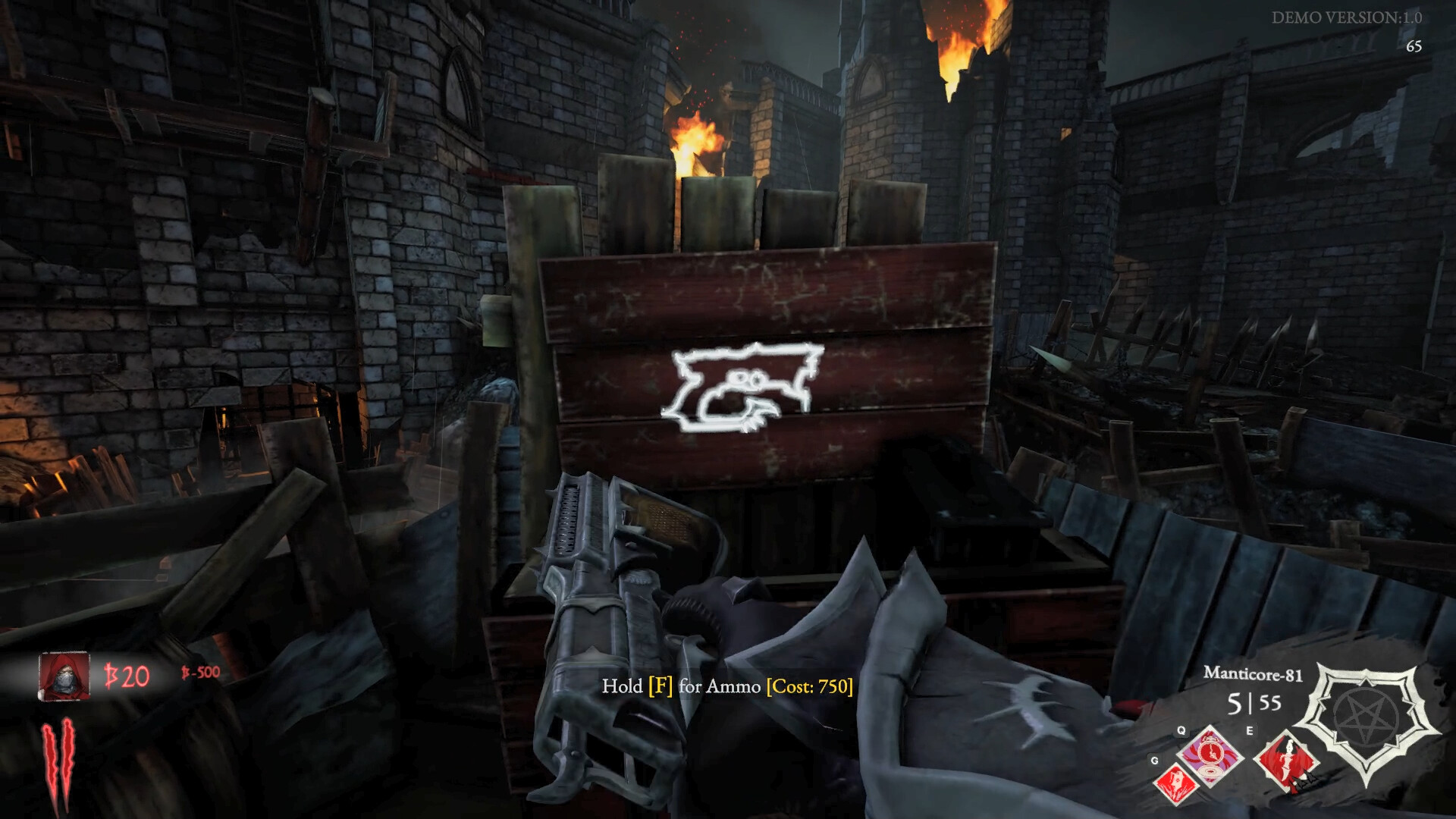
“It’s the nature of the genre, in a way – you’re eventually going to die, but we want you to always be able to fight through the next wave. Your three tools to kill demons are: guns, Lethal abilities and Ultimate abilities. Guns are the most reliable, there’s a lot of variation between them, and they’ll pump out most of your damage at a flat rate. As the waves get harder, though, you’ll find your guns struggling to keep up, which is when you’ll be looking for the Blood Infuser to get an upgrade. Upgrading is expensive, points-wise, but it’ll let you keep up with the horde for longer.”
To bridge the gap when bullets stop cutting it, players have to lean heavily on the game’s magic system.
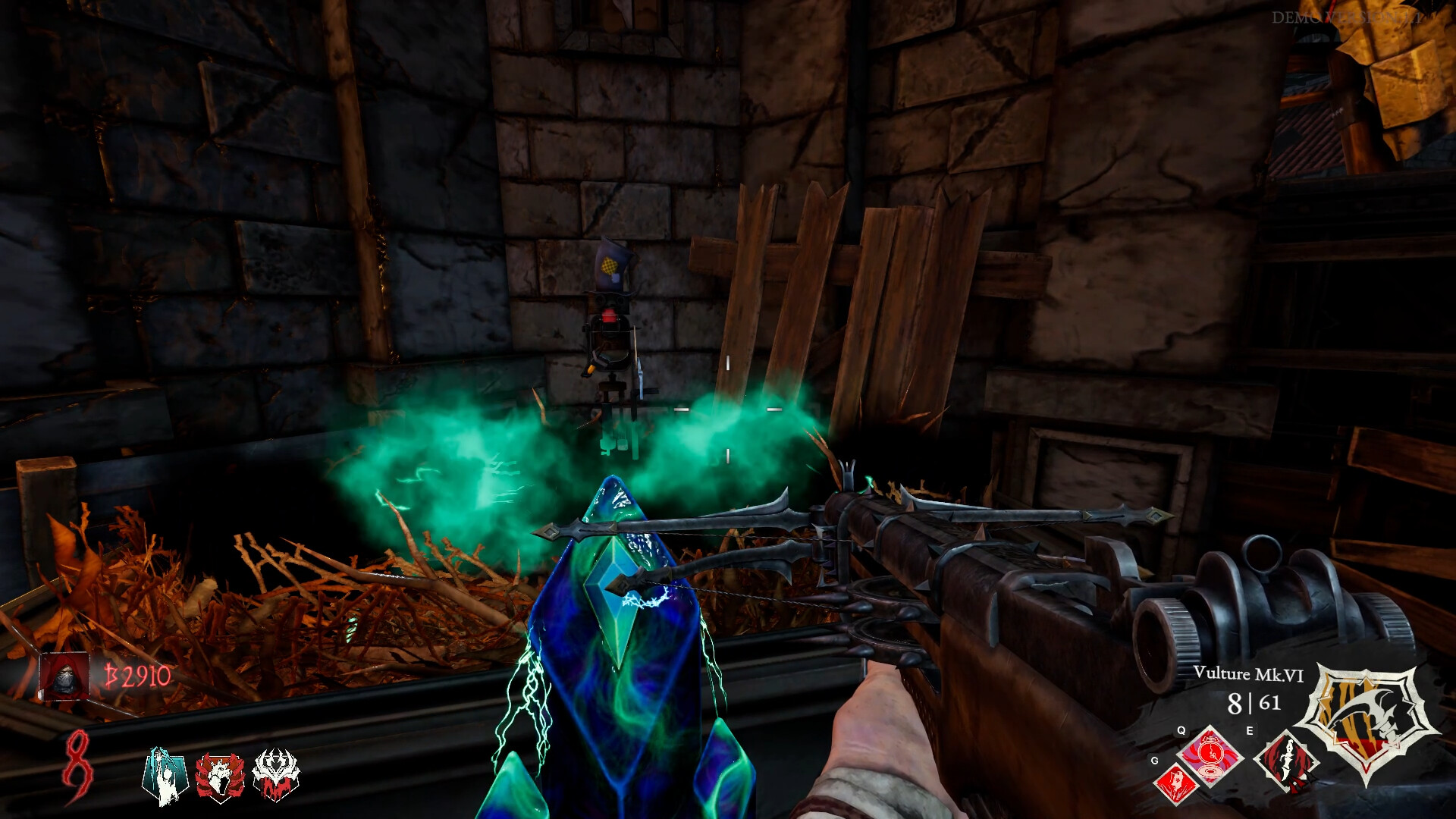
“Lethal abilities are chosen before the match, and have two different cast modes based on whether you tap or hold the input. Part of their damage is flat, and part is percent-health, meaning they’ll be reliable even as the demons continue to scale up. Finally, Ultimate abilities, which are pure percent-health damage. They’ll kill demons at the same rate regardless of the wave you’re on, so they’re very strong and can be the deciding factor in hitting the next round. Abilities are only charged up by dealing damage with your guns, so you’ll still need to keep on top of your accuracy and ammunition. In practice it feels really cool to be firing one moment and slinging out spells the next.”
It all sounds great on paper, but getting dozens of enemies, multiple players, and flashy magic to sync up over an internet connection is where most indie multiplayer games go to die. Building the networking infrastructure for something this chaotic is notoriously brutal.
“Most people understand that multiplayer is harder to make than single player, but it’s difficult to understate how much harder. Something as straightforward as opening a door becomes a whole sequence of sending information from a client to a server and then replicating it back to other clients. Things are also much harder to test, so bugs show up a lot more often, and it’s trickier to pin them down.”
Luckily, the fact that players are shooting AI demons instead of each other provides a bit of a safety net.
“Fortunately there’s a bit less to think about with a cooperative game. You’re not trying to sync up players shooting other players, so you can be a little more relaxed with those rules, for example. We don’t need to do client-side prediction or rollback netcode to decide whether you hit that demon or not, we just let you hit him and move on.”
That doesn’t mean they avoided the weird, logic-breaking bugs that come with multiplayer development, though.
“We had some very good bugs in early builds where you could control other people’s spells. If you cast a spell, they would be forced to cast the same one. There was also a brief window where if you started spectating someone you could fire their gun for them. We fixed those, eventually, but it shows you how unpredictable some of these problems can be.”
It’s exactly those kinds of development horror stories that break a lot of emerging studios. Before we wrapped up, we asked if they had any blunt, actionable advice for other indie devs trying to break into a genre that’s already dominated by massive, established franchises. Their answer felt like a mission statement for the entire project.
“The biggest consideration as an indie developer is finding your niche. Don’t try to compete with an oversaturated genre, look to find the players that are underserved within that genre. Those players are your community, and they’re the ones you’ll want to listen to when making decisions. We put a massive amount of research into finding a market for Blood Reaver – we’re listening to what that community is missing from modern wave-based shooters, addressing grievances they have with current titles, and doing our best to make the game they’ve been crying out for for so long. Ultimately, you have to remember that your game is for your players, not just yourself. Find your niche.”


Leave a Reply