
For a game built around sending trouble back where it came from, REFLECT89 has a gentle story behind it. Our conversation with its creator takes us through the pleasures of making something with your children, the less comfortable business of learning unfamiliar tools, and the question that eventually turns a private project into a public one: would anyone else enjoy this too?
REFLECT89 is the work of EiSee Games, with developer Alejandro Clavijo behind the family project. What interests us about his account is how often he returns to the enjoyment of making it, even when discussing the demands of a commercial release.
The truth is, I’d never really thought about making a video game. I’m an industrial programmer, although I currently work in a completely different field.
It all started one day when I was talking to my wife, Yolanda. She asked me if I missed programming, and when I said yes, she suggested something: “Why don’t you use your programming skills to make a video game with the kids?”
And that’s how it all began. What was originally meant to be an activity to share with my children eventually became REFLECT89.
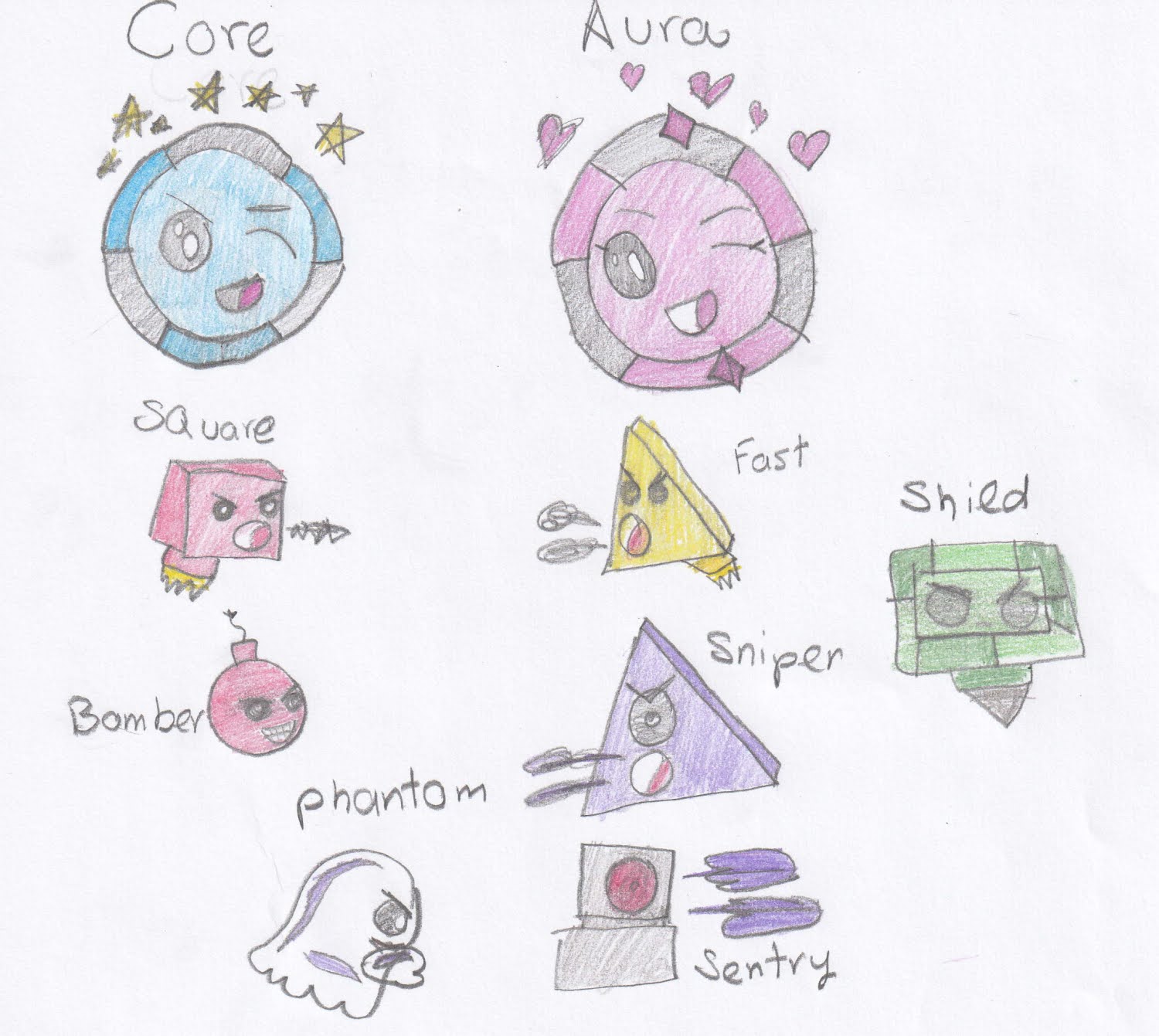
They contributed drawings and ideas, and I tried to bring them to life on the screen. Seeing the characters they’d imagined actually moving around in a video game was a very special experience.
A shared idea still needs someone to work out how to make it happen. Clavijo had a useful starting point, but a working program and a game that feels alive ask different things of their creator. Getting the logic right would only take this project so far.
Interestingly enough, programming languages weren’t a problem for me. I learned to program many years ago using Borland C++, and in industrial programming we’re used to working with different languages and programming methods, such as Ladder Logic, FUP, SCL, text-based programming and flowcharts.
At the end of the day, programming logic has a lot in common, regardless of where you apply it.
What I really struggled with was the graphical side of things. I’m a programmer, not a graphic designer! (laughs)
I also had to learn how to use a game engine, understand how it works and figure out how to use its tools to turn my ideas into something people could actually play.
For me, that was the biggest challenge: going from programming machines and industrial systems to creating a world filled with characters, animations and gameplay mechanics.
It’s been an enormous learning experience, especially in areas I’d never worked with before.

A family resemblance
The artwork brought those unfamiliar demands into the most personal part of the project. These designs already meant something to the people making them, before they had any role in a game. We were interested in how that relationship survived the process of turning drawings into usable assets; his account also makes clear where generative AI entered that process.
This part of the process was particularly special to me. My daughter Abril created the original drawings, and I wanted to preserve as much of their original character as possible.
What I did was scan her drawings and use generative AI to help transform them into characters that could become part of the video game.
I’m not a graphic artist, so this technology allowed me to turn those childhood sketches into visual characters suitable for REFLECT89, while keeping Abril’s original ideas at the heart of their designs.
For me, it was important not to lose the spirit of those drawings. The idea wasn’t to replace her creativity, but to bring it to life in a playable world.
And for my children, it’s been a wonderful experience. Seeing their ideas and drawings become actual characters in a video game has been something really special.
In fact, both of my children are credited in the game’s art section, which was also very important to me.
I’m sharing Abril’s original sketches so you can see where some of these characters began!

There are two childhoods meeting in REFLECT89: the one unfolding through those contributions, and the one its creator remembers. That helps explain why a game made with his children looks back to a decade they never lived through. His affection for that period extends well beyond anything that happened on a screen.
The 1980s were the years of my childhood, and I have incredibly fond memories of that time.
I remember those simple video games: shoot ‘em ups, graphic adventures, platformers… They didn’t need spectacular graphics or excessive violence to keep us entertained for hours.
But my nostalgia goes far beyond video games.
I also remember having time to play outside, spend time with our friends and enjoy the little things in life. Maybe it’s that slower way of living, without so much rushing around and with more attention to the small details, that I miss most about those years.
For me, the 1980s were the best decade in history! Although I’m sure nostalgia has a lot to do with that! (laughs)
That’s why I decided to name REFLECT89’s ten stages after the years 1980 to 1989. It’s my own little tribute to the decade I grew up in.

We can probably leave the competition for history’s best decade unresolved. More revealing is the kind of time he misses having, and how making this game has given him an activity to share with his own family. Translating that affection into something strangers might want to play brings a different challenge: memories can explain why a game exists, but players still need a reason to stay.
That said, I didn’t want to recreate the visual style of the 1980s. REFLECT89 has its own graphical identity, with colourful environments, cartoon characters and plenty of humour.
As for keeping all ten stages interesting, my idea was to introduce new enemies, different attack patterns, environments and bosses that would force players to adapt their strategies.
The shield mechanic remains the same, but the situations change and demand increasingly greater skill.
I wanted to bring back some of that feeling I had as a child: games that were easy to understand, fun from the very beginning, but that kept you coming back because you always wanted to get just a little bit further.

Learning to welcome incoming fire
That wish to keep people coming back puts considerable pressure on the shield. With one central action carrying players through changing encounters, its appeal has to last beyond the first explanation. It also changes the relationship with an enemy: the thing trying to end your run is supplying the means to continue it. Very generous, under the circumstances.
I’ve always found the saying “The best defense is a good offense” quite funny. With REFLECT89, I wanted to turn it around: what if the best offense was a good defense?
That was the idea behind the rotating shield. I wanted players to use the enemies’ own attacks to defend themselves and fight back.
One of the challenges was making the shield easy to control, but difficult to master. When the screen fills with enemies and projectiles, you have to react quickly, position your shield and find the right moment to achieve a Perfect Reflection.
During development, I also realised that every player has their own preferences when it comes to mouse control. That’s why I recently added an option to adjust mouse sensitivity during gameplay, allowing players to find the settings they’re most comfortable with.
For me, that’s one of the keys to REFLECT89: anyone should be able to understand how to play within seconds, but achieving a really good score should take reflexes, precision and plenty of practice.

We like the ambition of leaving room to improve within an action players can understand quickly. It gives a familiar encounter another purpose: surviving it and handling it beautifully become different goals. The delicate part is deciding how much precision to ask for before that second goal begins to feel out of reach.
Interestingly, I established the timing window for a Perfect Reflection almost right from the beginning. I liked how it felt, and we haven’t needed to make any major changes since then.
I wanted achieving a Perfect Reflection to feel satisfying, something that depended on the player’s precision and reflexes. I didn’t want them to happen constantly, because that would take away some of the satisfaction.
What I did introduce later were upgrades that allow players to increase the size of the yellow reflection window, giving them a better chance of achieving a Perfect Reflection.
This gives less experienced players a little more room for error, while more skilled players can challenge themselves using the original window.
I think that’s part of the fun. It might be difficult at first, but once you start mastering the shield and chaining several Perfect Reflections together, it feels fantastic!

Assistance becomes an interesting decision when it competes with other things we might want. A little more breathing room can be tempting, but so can an ability that changes how we approach the next threat. That makes the moments between waves part of the challenge too: players have to judge what is likely to help them, then live with the choice once the action resumes.
Actually, I wanted to achieve two things. I wanted upgrades to help players survive the more difficult waves, but I also wanted them to offer different strategies for approaching the game.
For example, TIME WARP allows players to slow down time, RICOCHET makes projectiles bounce, and PERFECT WINDOW increases the margin for achieving a Perfect Reflection. Each upgrade offers a different advantage, and it’s up to the player to decide which one works best for them.
But there was one thing I was absolutely sure about: the upgrades shouldn’t play the game for you.
You might have an amazing combination of abilities, but if you don’t position your shield correctly, react quickly enough or know how to take advantage of incoming enemy attacks, you’ll eventually lose.
I also like the idea that two players can face exactly the same waves and approach them in completely different ways.
In REFLECT89, upgrades can help you, but your reflexes and precision are what really make the difference. And when you’re trying to beat your personal best or climb the World Ranking, every decision matters.

Letting other people in
A World Ranking opens this family project to people with very different reasons for playing. Some may want a few enjoyable rounds; others may spend their time chasing a score its creator never expected. That uncertainty is part of the move towards release, and Clavijo describes it with curiosity rather than a confident prediction of who his audience will be.
I don’t remember a specific moment when I decided to turn it into a commercial game. I think it was mostly curiosity. When I looked at other skill-based games, like Geometry Dash, I started wondering whether there might be players interested in something like REFLECT89.
So I thought, why not give it a try? Why not release it on Steam and find out what players think?
We never started this project with the intention of selling a video game. And now we’re preparing for its release. I still don’t know how people will respond, but that’s exactly what makes me so excited to find out.

The question of whether people will enjoy REFLECT89 remains open. Its Steam page currently lists a free demo and a planned April 2027 release, giving players a way to try it while development continues. For its creator, though, putting the game in front of an audience has not changed his view of what made the work worth doing.
My advice would be not to get carried away by trends or whatever happens to be popular.
Make the game you genuinely want to create. The one that makes you happy and allows you to enjoy every moment of its development.
I think that when you start a project thinking only about what other people might like, you risk forgetting what made you excited about creating it in the first place.
So I’d tell anyone starting out to make a game for themselves, not for everyone else. Have fun developing it, experiment, and enjoy even those tiny details that probably nobody else will ever notice.
Because I believe that when you’re creating something you genuinely love, you naturally give it a level of care and attention that’s difficult to achieve any other way.
That’s how I’ve tried to create REFLECT89.
I don’t know how people will respond when it’s released, but there’s one thing I’m absolutely sure about: I’ve had an incredible time making it.
And honestly, that alone has made the whole experience worthwhile.
Thank you again, Martin, for your interest in REFLECT89 and for giving me the opportunity to share a little more about the story behind the game.

We’re glad he shared it. The detail we keep coming back to is the time spent making something together, without knowing where it would lead. There will be plenty for players to judge in REFLECT89’s timing, upgrades and score chasing. For now, we’ve enjoyed getting to know the family story behind those decisions—and the programmer who followed a suggestion far enough to have a game to show for it.


Leave a Reply