
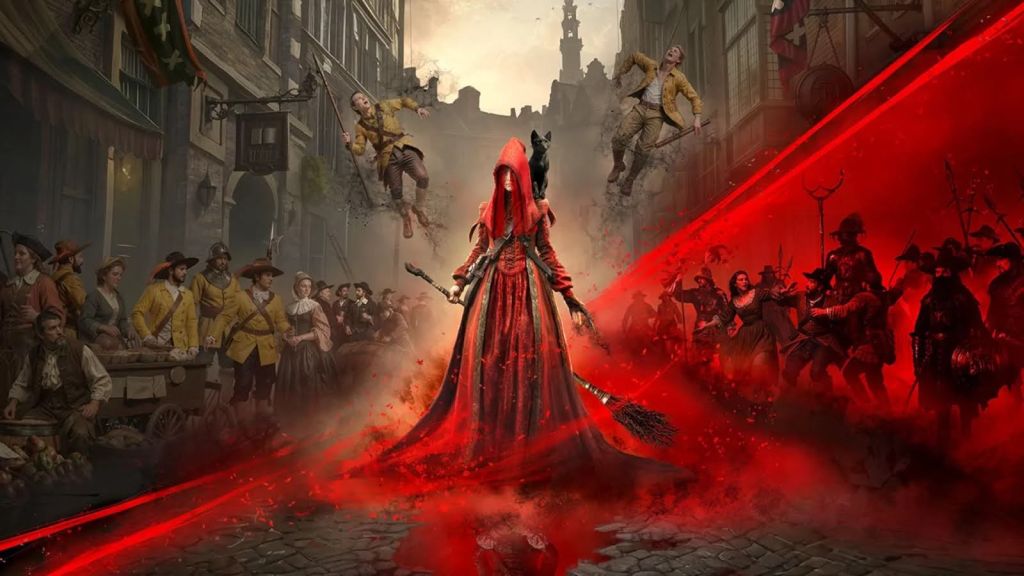
The Witching Hour, by Anne Rice, is one of our favorite books. We love what Rice did with witchcraft—particularly the way she mixed folklore, history, and the lives of the people caught up in it. So when 1666: Amsterdam appeared, saying we were intrigued was quite the understatement. A game about witches in 17th-century Amsterdam, directed by Patrice Désilets, the creative mind behind Prince of Persia: The Sands of Time and Assassin’s Creed? That sentence might be a mouthful, but it’s definitely not something we were going to ignore.

Before going any further, one important detail needs establishing: 1666: Amsterdam is in Early Access, and it shows. Panache Digital Games is still actively working on performance, balance, combat, progression, and polish. While its setting is mesmerizing, the current optimization issues and rough balance can feel more frustrating than awe-inspiring. Even so, it offers an early glimpse into the foundations of a project that is clearly deeply personal to the studio.
Becoming Noa
We begin as a somewhat ordinary-looking woman living in 1666 Amsterdam. Press a button and she becomes Noa.
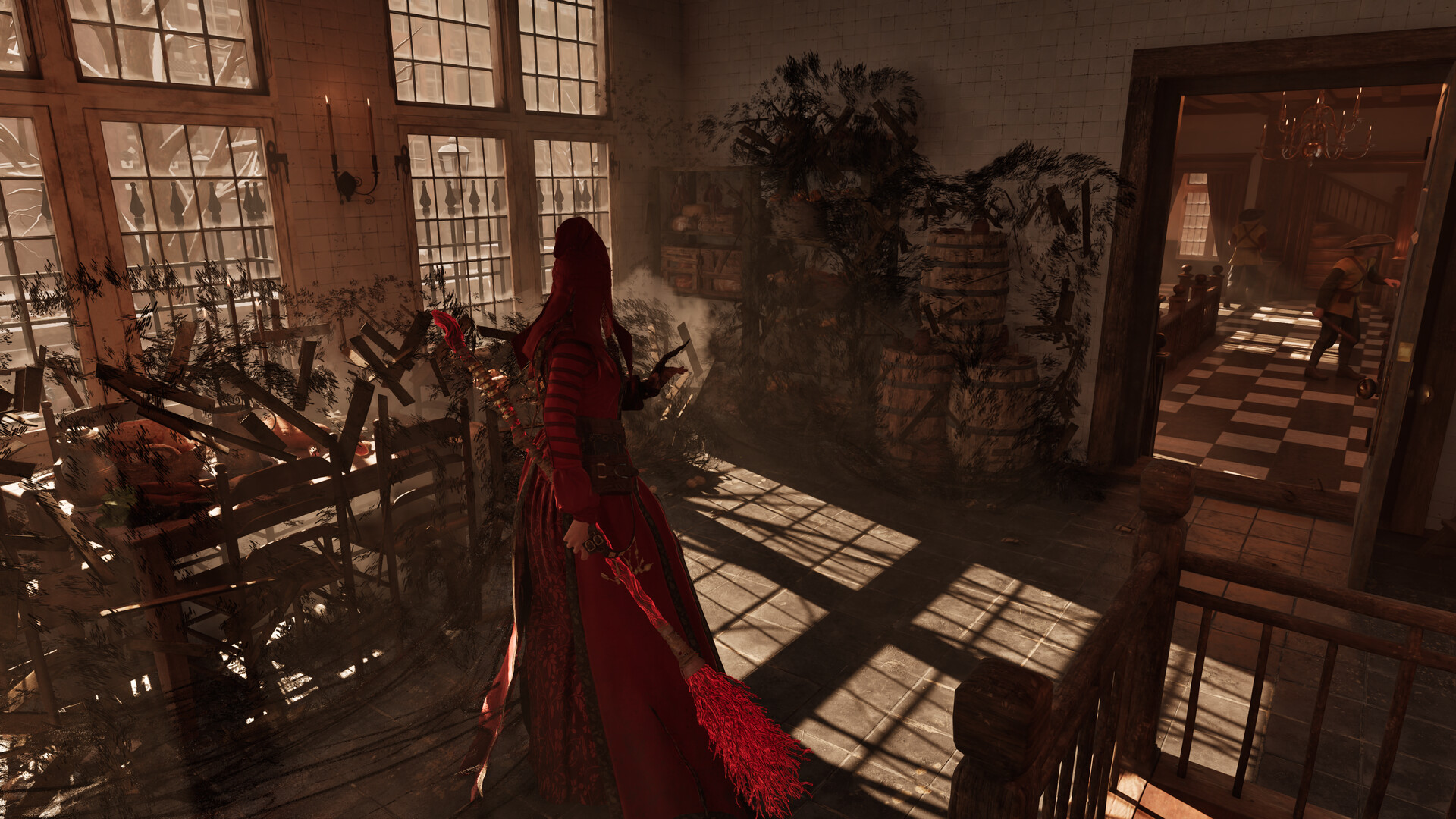
The change is impossible to miss. Noa wears a tight red dress, carries a distinctive cane, and, rather than walking like everyone else, glides across the ground. It gives her a strange but satisfying presence from the moment we take control.
The opening section serves as a tutorial, introducing us to the rules of Noa’s witchcraft. When we encounter corpses or traces of life, we can absorb LUX with our staff. That energy can then be used to enchant objects around us.
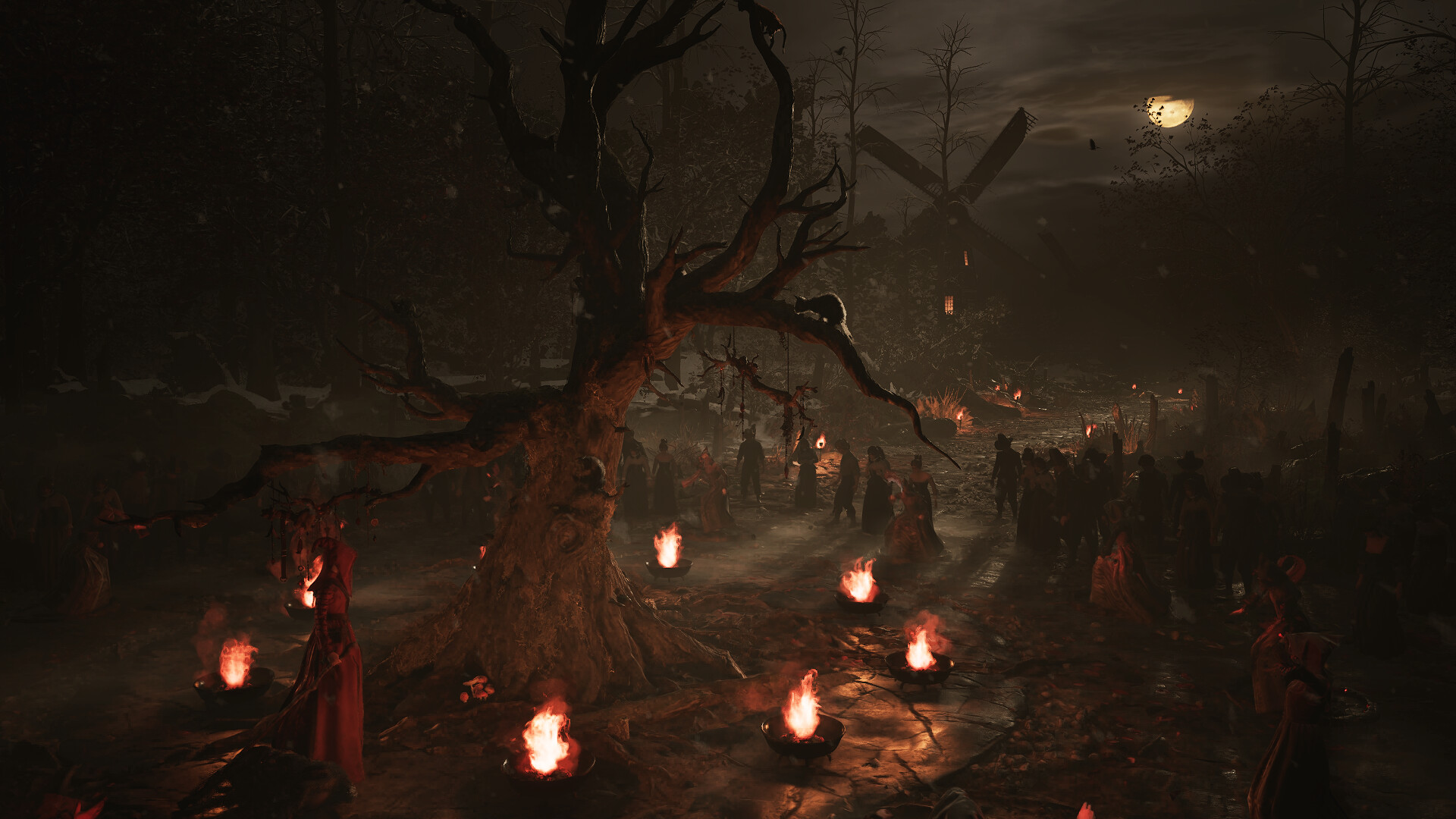
A torch, for example, can be lit with magic. Other objects can also be manipulated in similar ways, and the game gradually introduces us to the idea that Amsterdam itself can become part of our toolkit. There are some steps that you undertake while activating a spell, like whispering or wiggling your fingers, which help immerse you into the lore.
There are two types of magical energy to learn, too. LUX is mainly used to interact with and enchant the environment, while Nux is used for combat. The two resources can also be converted, with Aaron able to help Noa transform one into the other.
We’ve rarely seen a collection of spells that isn’t hidden in a menu, but is instead tied directly to the world around us. Moments like this make 1666: Amsterdam feel unique.
Two Faces
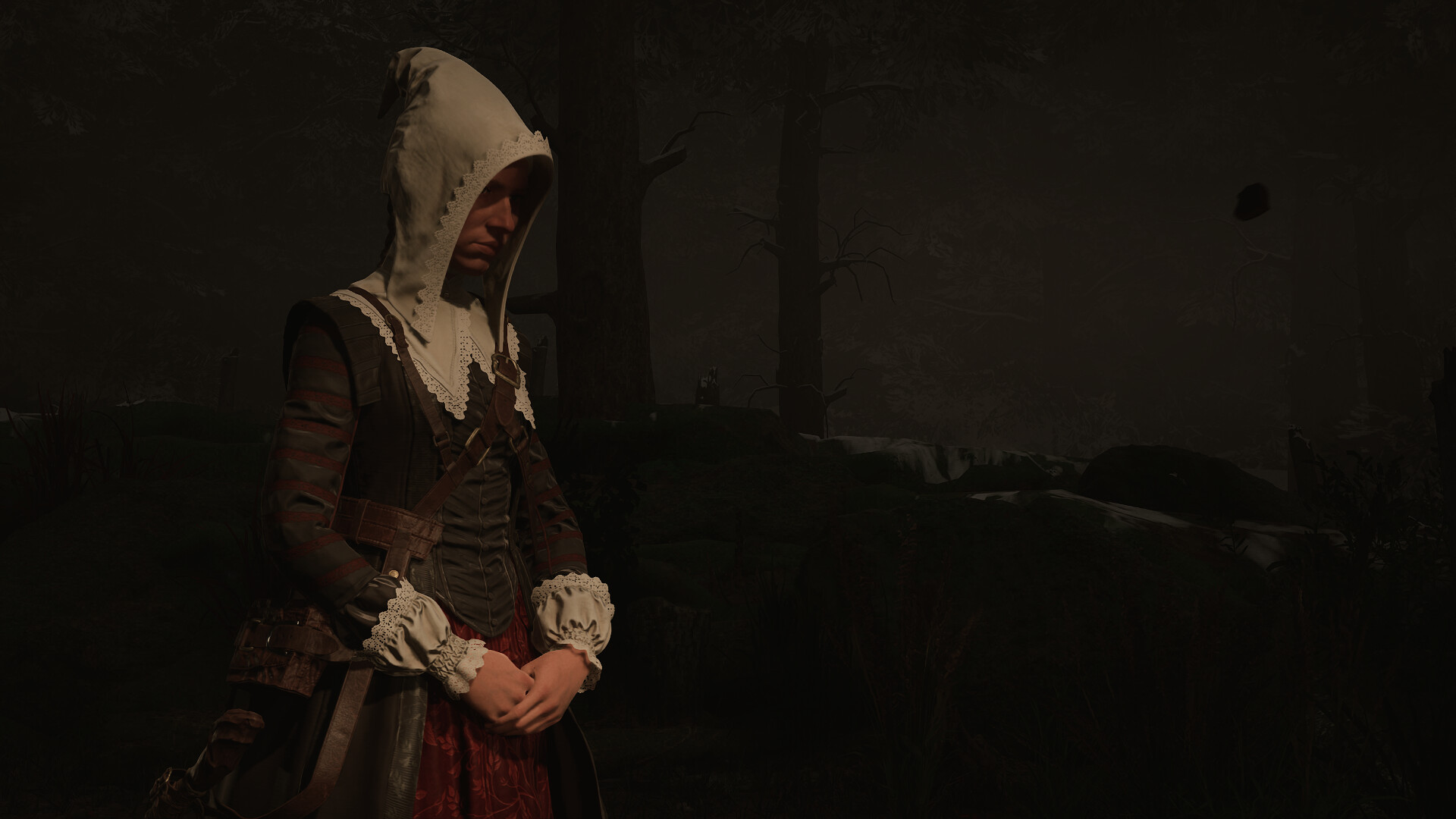
When she’s dressed as an ordinary woman, she attracts less attention and can move through populated areas without immediately making everyone suspicious. Once she reveals her witch form, people react differently. Performing magic or behaving suspiciously in public also increases the attention meter. Filling it can bring witch hunters running. We tried it once just for the sake of trying everything, and then, after seeing how much of a losing battle that is, we tried our best to behave.
For a while, we were happy to wander around Amsterdam looking for information, but we have to think about how we’re doing it. Sometimes the sensible option is to remain disguised. Other times, getting somewhere quickly or dealing with an obstacle requires us to reveal what Noa really is.
It isn’t stealth in exactly the same way as Assassin’s Creed, but Désilets’ experience with that genre is easy to recognize. The city is built around movement, observation, and finding ways into places that aren’t necessarily meant for us.
Amsterdam is a joy to roam around, provided you’re okay with the temporary—but very real—terrible optimization (more on that later).
A City Worth Exploring
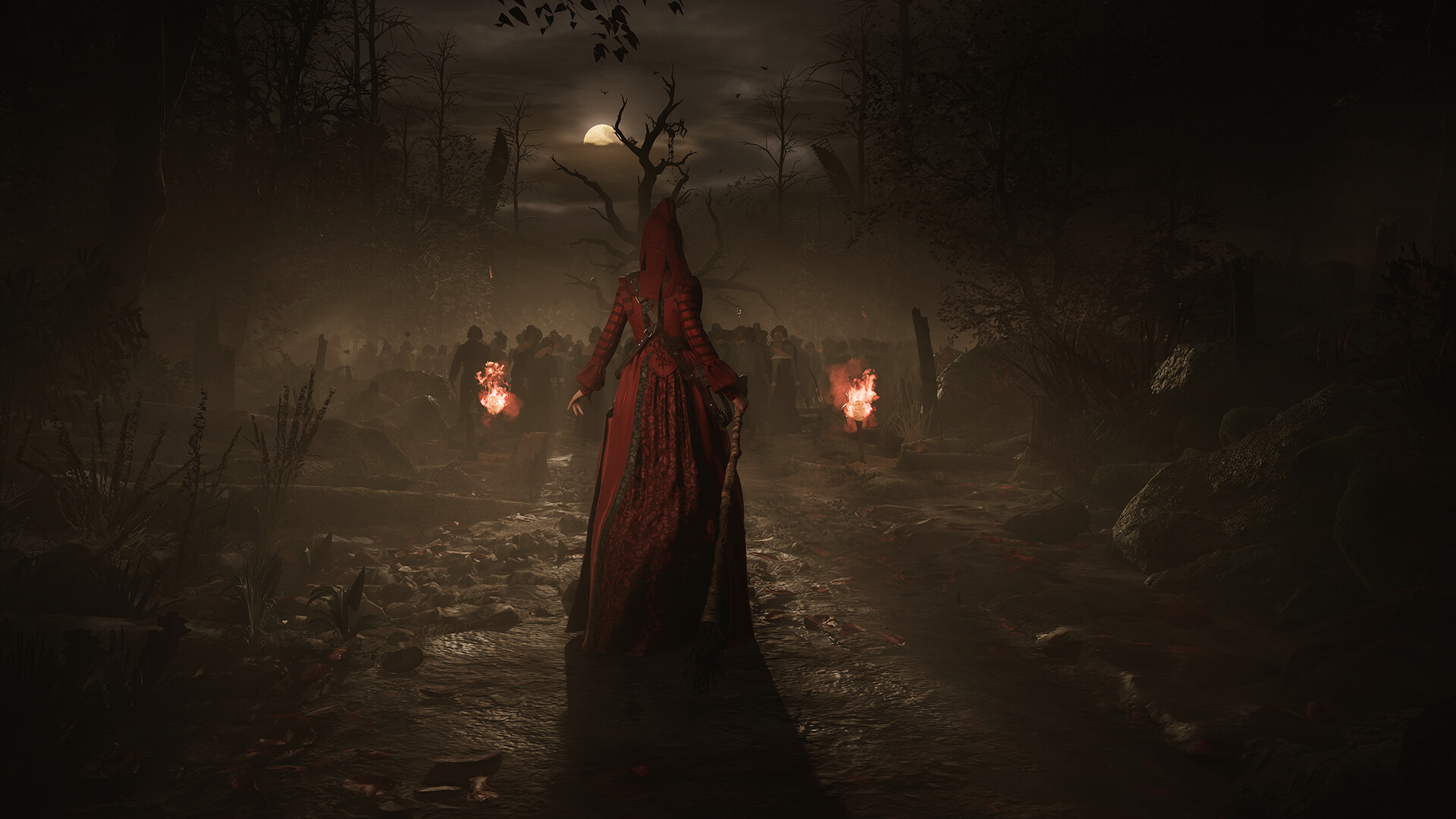
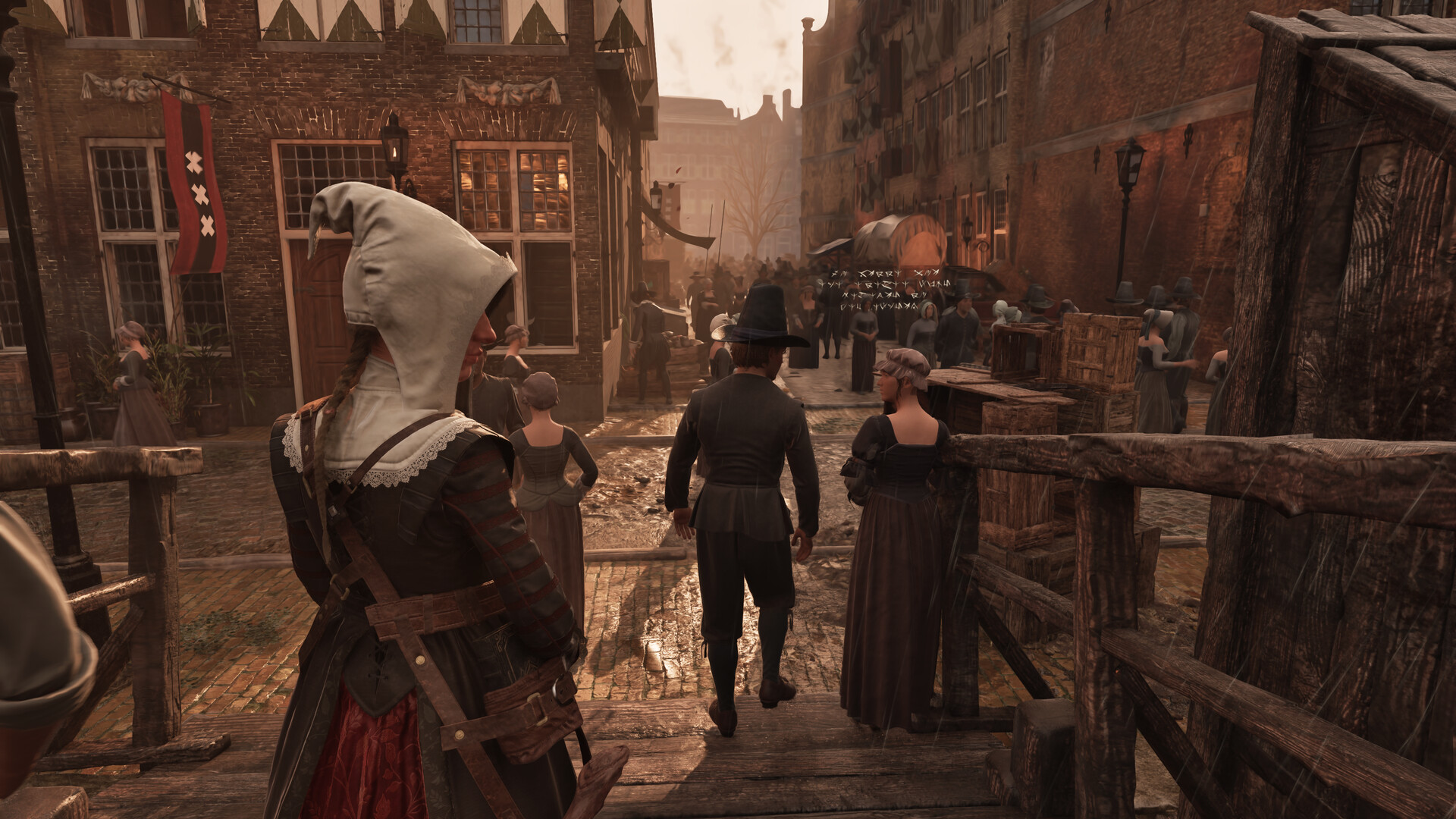
Amsterdam feels like a lived-in place. The narrow streets, canals, houses, and interiors create a convincing picture of the period. The lighting and sound work together to give the city a darker character once we start looking at it through Noa’s eyes.
A lot of the gameplay revolves around looking at the people and places around us. We investigate houses, search for clues, observe citizens, and try to work out which seemingly ordinary people are actually Originals.
We don’t follow a marker to a target; we gather information about the person we’re hunting, including their identity and their connection to the supernatural. Once we’re confident we’ve found an Original, we can mark them for the next stage of the hunt.
Aaron
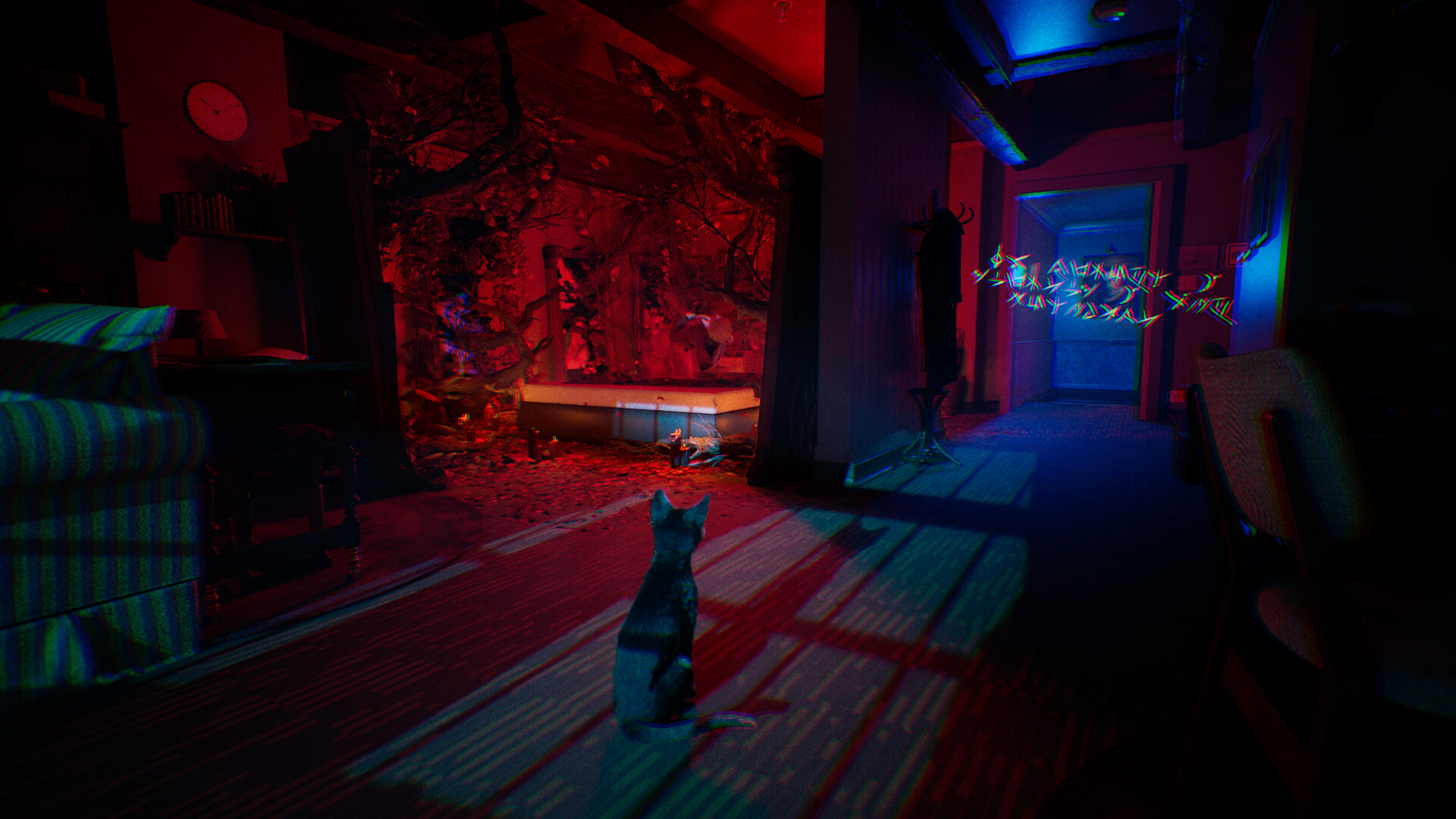
Noa’s companion is a cat called Aaron. Knowing what we know now, calling him simply a cat would be selling the idea short. Aaron is a man from another time who has found himself trapped in feline form. Talk about creating one of the strangest character combinations we’ve seen in a game this year.
As you can guess, playing as Aaron is very different from playing as Noa. A cat can get into places Noa can’t. He can sneak through areas, investigate spaces from a different perspective, and interfere with people in ways that would be impossible for her. He can also possess certain characters. By doing so, he allows Noa to use them to get into restricted areas—walking alongside them into places where she wouldn’t normally be welcome. This clever approach to social stealth is just one of the many unique ideas in 1666: Amsterdam. It was fun to see how the two characters add variety to exploration: Noa deals with magic, investigation, and combat, while Aaron can easily slip into places and manipulate the environment.
When Things Turn Violent
Noa fights with her staff, and the combat is built around movement, dodging, and timing rather than blocking or parrying. We can attack several enemies at once and use magical abilities alongside our physical attacks. Nux functions as a combat resource, while successful quick-time events can replenish it.
For the time being, the fights didn’t always feel as interesting as they should.
The lack of a parry or block means constant movement around attacks. Some encounters can become a matter of landing hits, dodging, healing, and repeating the process. Enemy behavior can also feel predictable. We felt that some of the early encounters don’t provide much pressure, and fighting can easily become repetitive. It didn’t help that enemy AI and boss encounters are quite lackluster in their movement, attack, and defense patterns. It made us want fights that force us to think about which abilities we’re using, where we’re standing, and how we’re managing our magical resources. There are glimpses of that here, but the current combat system doesn’t consistently reach that potential.

The Roguelike Twist
Speaking of abilities, there’s a roguelike approach to them. Remember the Originals we mentioned above? When taking on one of them, we’re given a randomized selection of powers to choose from before beginning the hunt. These can include statistic upgrades as well as active abilities such as Petrify.
It’s another interesting idea that ensures we aren’t going into every encounter with the exact same set of tools. It fits the narrative that Noa is preparing herself for a specific target rather than simply following a fixed character-development path.
The Rough Edges
We have to return to the Early Access label.
1666: Amsterdam isn’t well-optimized right now. Performance can be inconsistent, and there are technical problems we’d expect to see addressed during development. The game will crash, dialogue audio will drop out, and bugs will affect progression. You will want to quit and wait for an update or five.
In addition, the game doesn’t always explain its systems particularly well. The cat selection during the commitment ceremony, for example, gives descriptions of the different companions but doesn’t make their practical differences clear. There are also moments when the various mechanics feel like separate ideas rather than parts of one seamless system—or feel unnecessarily complicated, like moving, focusing, and attacking at the same time.
A Witch Worth Following
It’s difficult to recommend playing the game right now. However, what we found here is enough to make us want to come back. Underneath the bugs and unfinished systems, we found a game with a strong identity and an excellent setting.
Cats aren’t the only curious creatures, and we too are beyond curious to see what 1666: Amsterdam becomes. For now, though, we’re happy to let Noa roam through the streets alone.


Leave a Reply