

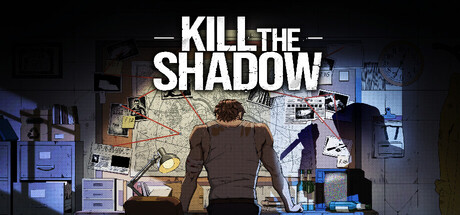
If adventures are your forte and you’ve been craving for a good one, then, boy do we have a surprise for you. Kill the Shadow evolves the genre and offers a complex story that’s set in a highly detailed world filled with mysteries and challenging puzzles.
A City Worth Getting Lost In
Kill The Shadow is a game about a neon-soaked version of a fractured post-war world. Before we had much of an idea where the story was heading, we found ourselves slowing down just to take in the surroundings. The developers mix animated 2D pixel characters with richly detailed 3D environments, and the contrast works better than we expected. Wandering through places where traditional Chinese architecture sits beneath glowing neon signs, gives the city its own personality, especially when the rain starts hitting the screen. It’s awe inspiring how every district feels different. It was so easy to stop, disregard that there’s another lead waiting and just admire the artistic presentation of view that was all around us.
Following Leads Instead of Waypoints
Once the investigations begin, the pace becomes noticeably slower than most modern detective games. Rather than pointing us from one objective to the next, Kill The Shadow expects us to walk the streets, speak with people, and pay attention to what they’re saying. Lucas isn’t handed easy answers, and neither are we.
While looking into the disappearance of Master Reed during a crowded temple fair, conversations with ordinary residents often proved just as useful as searching for evidence. Fleshed out characters make the city feel like a place where people actually live instead of a collection of quest givers.
Sooner or later, every investigation reaches a point where somebody refuses to cooperate. That’s when Lucas’ three attributes start influencing how we deal with people. We could intimidate suspects, try to charm them, offer a bribe, or simply force the issue through violence. You need to have enough skill points for those conversations, which made us somewhat wary of freely using them, even though we knew that using certain items will restore them. Deciding what to say is important. The game keeps track of those choices, and while the consequences aren’t always immediate, it’s clear that people remember how Lucas handles himself.

When the Shadow Steps In
Not every answer comes from the living. When an investigation runs out of leads, Lucas turns to the Shadow, a strange creature attached to his back that feeds on memories. Rather than changing the past, it lets us witness it.
Watching a crime scene replay through the victim’s final moments adds another layer to each investigation. These sequences aren’t simply there to tell the story either. We still have to pay attention, work out what matters, and spot details that weren’t visible during the original investigation. It became one of the mechanics we looked forward to most whenever a case reached a dead end.
Putting the Pieces Together
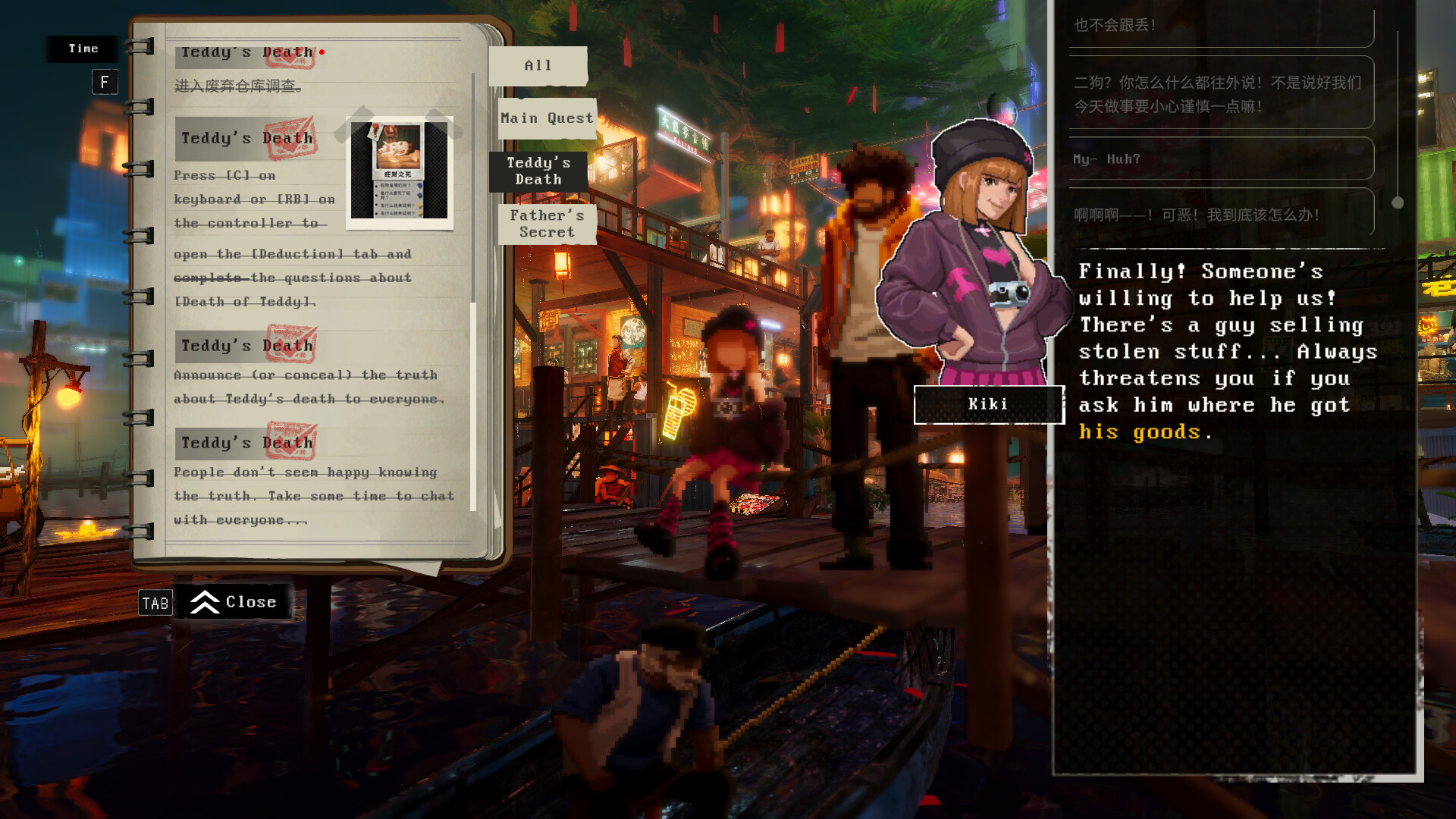
Everything we’ve learned eventually ends up on the deduction board. Instead of connecting clues automatically, the game leaves the final reasoning to us. Witness statements, physical evidence and memories all need to be considered before deciding which pieces actually belong together.
There were occasions where we missed a tiny object hidden somewhere in the environment and ended up walking the same streets several times before realising what we’d overlooked. Those moments slow the pacing more than we’d have liked, although they were never common enough to spoil the investigations.
Living With Your Decisions
By the end, what we remembered most wasn’t a particular plot twist but the choices we had made along the way. Deciding who deserved protection, punishment or another chance rarely felt like there was a clear right answer, and the game never seemed interested in telling us there was one. That uncertainty gives Kill The Shadow much of its appeal. Solving each case is satisfying, but living with the consequences afterwards is what gives Dark Tide City its lasting impression.

Leave a comment