

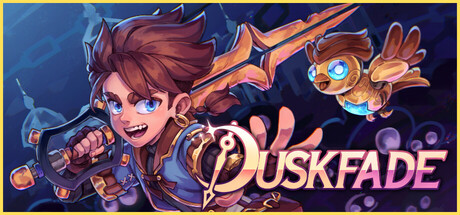
From the moment we stepped into Duskfade‘s whimsical universe, we were swept away by a dreamlike adventure. Everything about it feels carefully crafted to make exploration a joy. Its striking environments, uplifting orchestral soundtrack, and imaginative level design come together to create a fantasy world that’s simply a pleasure to spend time in.
A story that doesn’t always match the world around it
The story follows Zirian as he sets out to rescue his sister while uncovering the secrets of the legendary Master Clockmakers and restoring the fabric of time. It’s a charming premise that fits the game’s whimsical setting, even if the storytelling doesn’t always live up to it.
Some scenes land surprisingly well, with emotional moments supported by strong voice performances that make it easy to connect with the characters. Others lean too heavily on sentimental dialogue or conversations that add very little, making a few exchanges feel longer than they need to be.
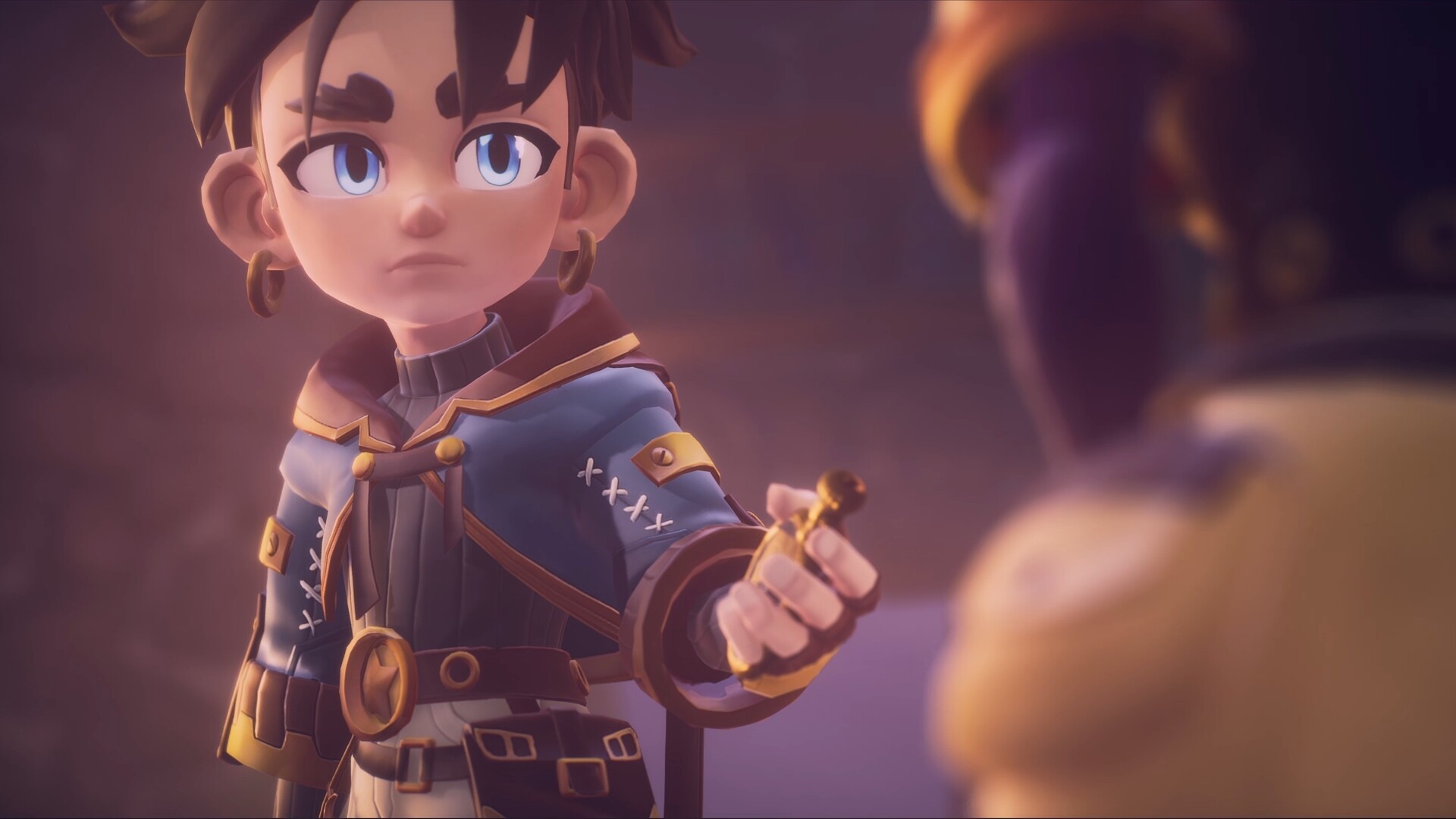
The limited voice acting follows a similar pattern. Some performances are excellent, while others sound awkward, almost as if the actors weren’t entirely sure what emotion a scene was aiming for. None of it is distracting enough to hurt the experience since it’s spread between long stretches of written dialogue, but it stands out because almost every other part of Duskfade is so polished.
Most conversations are text-only, which is understandable for an independent studio. Still, hearing more of these interactions—or replacing some of the weaker dialogue with something more meaningful—would have made the story easier to invest in.
Once you’re back in control and exploring, however, these complaints quickly fade into the background.
Exploration is where Duskfade truly shines
In terms of exploration, the game immediately gives you a satisfying set of movement abilities. Running, jumping, rolling, wall climbing, grappling, and gliding all feel smooth, encouraging you to leave the main path whenever something catches your eye. Rather than constantly pointing you toward objectives, Duskfade simply trusts your curiosity, and it pays off.
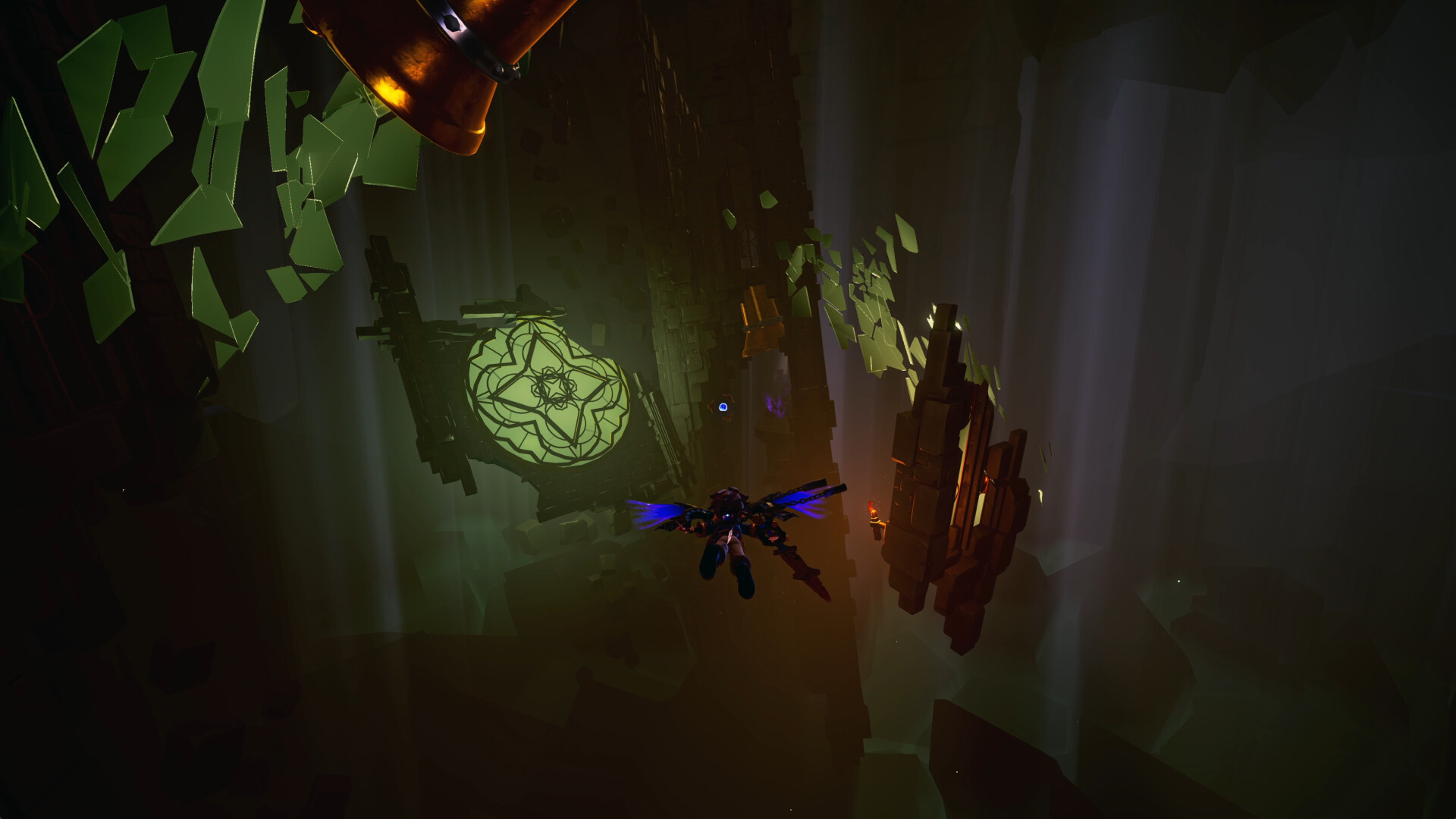
The opening clockwork tower immediately establishes the tone. Massive broken gears, floating shards of glass, crumbling mechanisms, and half-functioning machinery create an environment that constantly pulls your attention in different directions. Every new platform or hidden ledge feels like it might reveal another secret. What impressed us most is how that sense of discovery never disappears.
Every major area introduces a completely different atmosphere. You’ll travel through lush forests, sunny valleys where the wind dances through tall grass, mysterious ruins, towering structures, and other imaginative locations that each have their own identity. Every time we entered a new region, we found ourselves slowing down just to admire the scenery before moving on.
At times, it felt like standing inside an enormous cathedral—small compared to the world surrounding us, quietly taking in every detail without fully understanding how something so impressive had been built.
Secrets around nearly every corner
Hidden paths often lead to secret arenas guarded by challenging enemies, rewarding successful players with upgrade materials, collectible crystals, or valuable gears used to improve equipment. What’s satisfying is that these secrets aren’t hidden behind obvious breakable walls or brightly highlighted entrances. Many are tucked away so well that finding them becomes its own adventure. By the end of our journey, uncovering every hidden area had become just as important as completing the main objective.
Sometimes we’d forget about progressing the story entirely, instead spending several minutes running through the world, smashing objects for crystals, listening to the wonderful soundtrack, and seeing where curiosity would lead us next.
Combat starts simple before opening up
Most early encounters revolve around basic attacks, dodging predictable enemy patterns, and waiting for the perfect moment to launch a counterattack. Successfully avoiding attacks slows time briefly, creating satisfying opportunities to chain together stylish strikes.
As new abilities become available, combat becomes far more interesting. Unlockable combos, stronger attacks, and special abilities add welcome depth, especially once tougher enemy types begin appearing. Some later encounters demand good reflexes, careful positioning, and learning enemy behaviour instead of simply mashing buttons. Once Zirian’s full moveset begins to open up, battles become surprisingly fluid, encouraging you to weave dodges, counters, and gadgets together instead of relying on a single strategy.
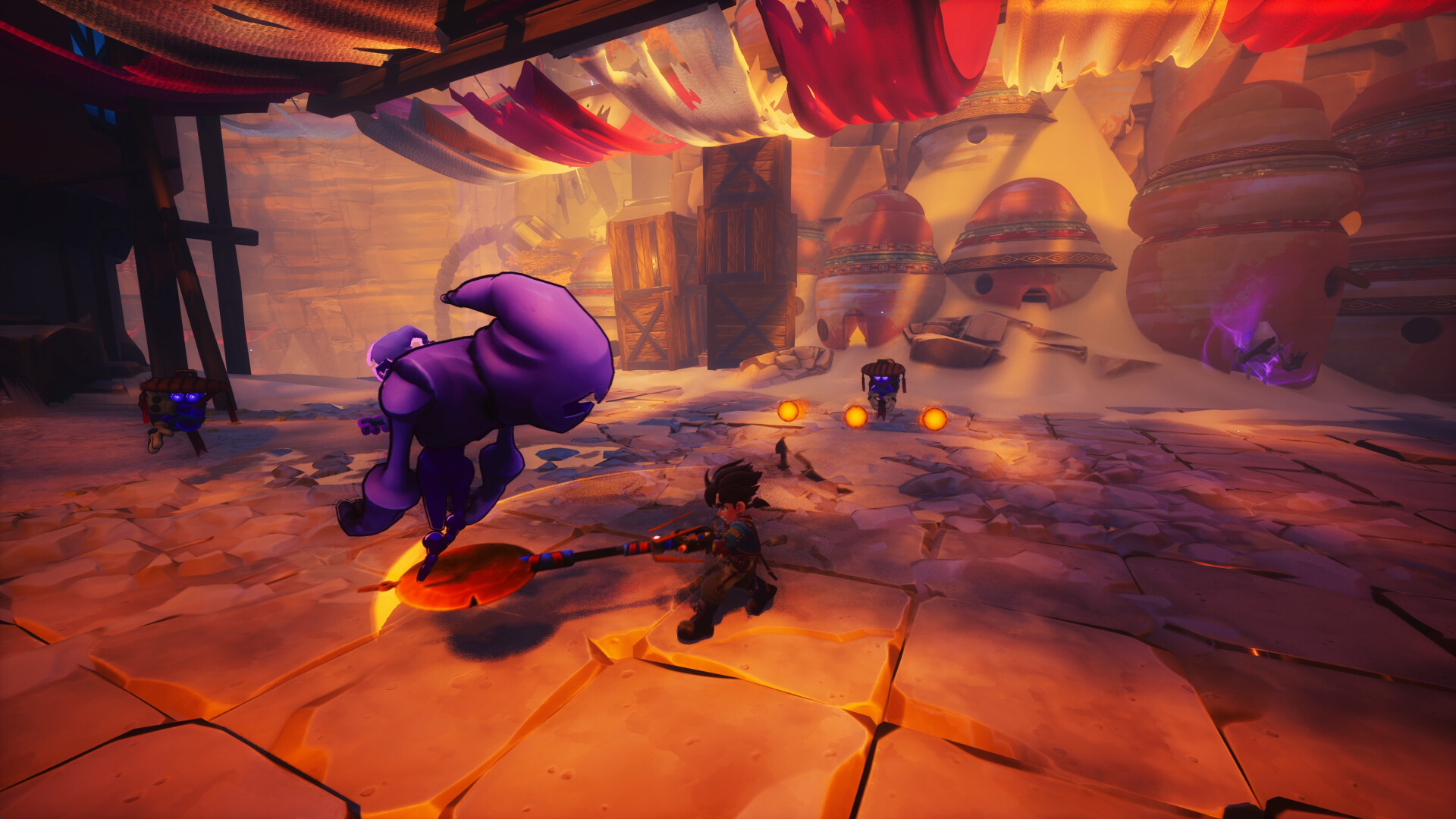
Zirian also gains various gadgets and powerful abilities during the journey, including devastating ranged attacks fired directly from his sword. While every gadget has its purpose, some feel visually underwhelming. They work mechanically, but they lack the impact their animations suggest they should have. A little more visual punch would have made these abilities far more satisfying to use.
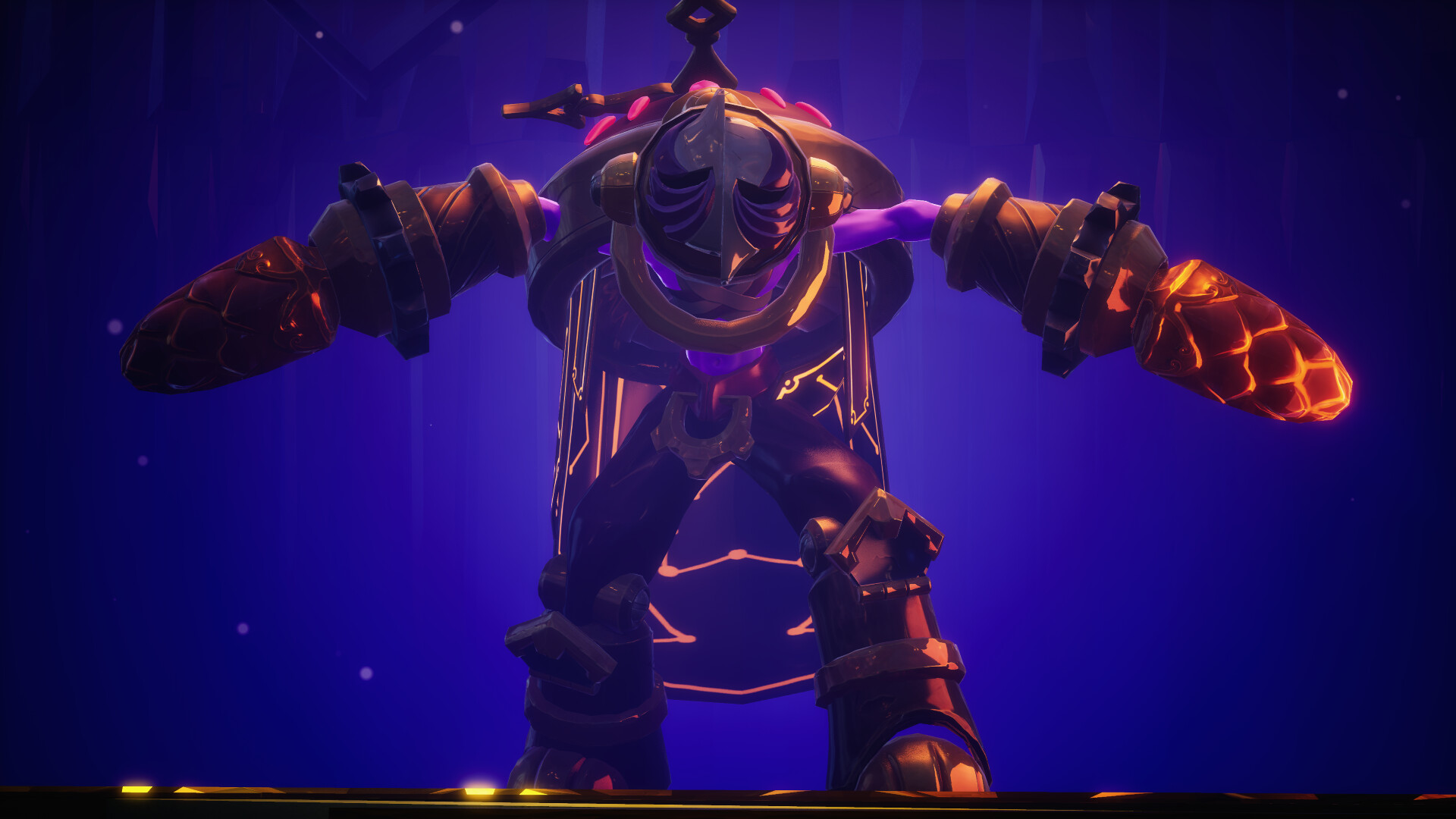
Boss encounters avoid this problem. They’re far more demanding than standard enemies, often requiring quick reactions, proper use of your growing moveset, and constant movement during lengthy fights.
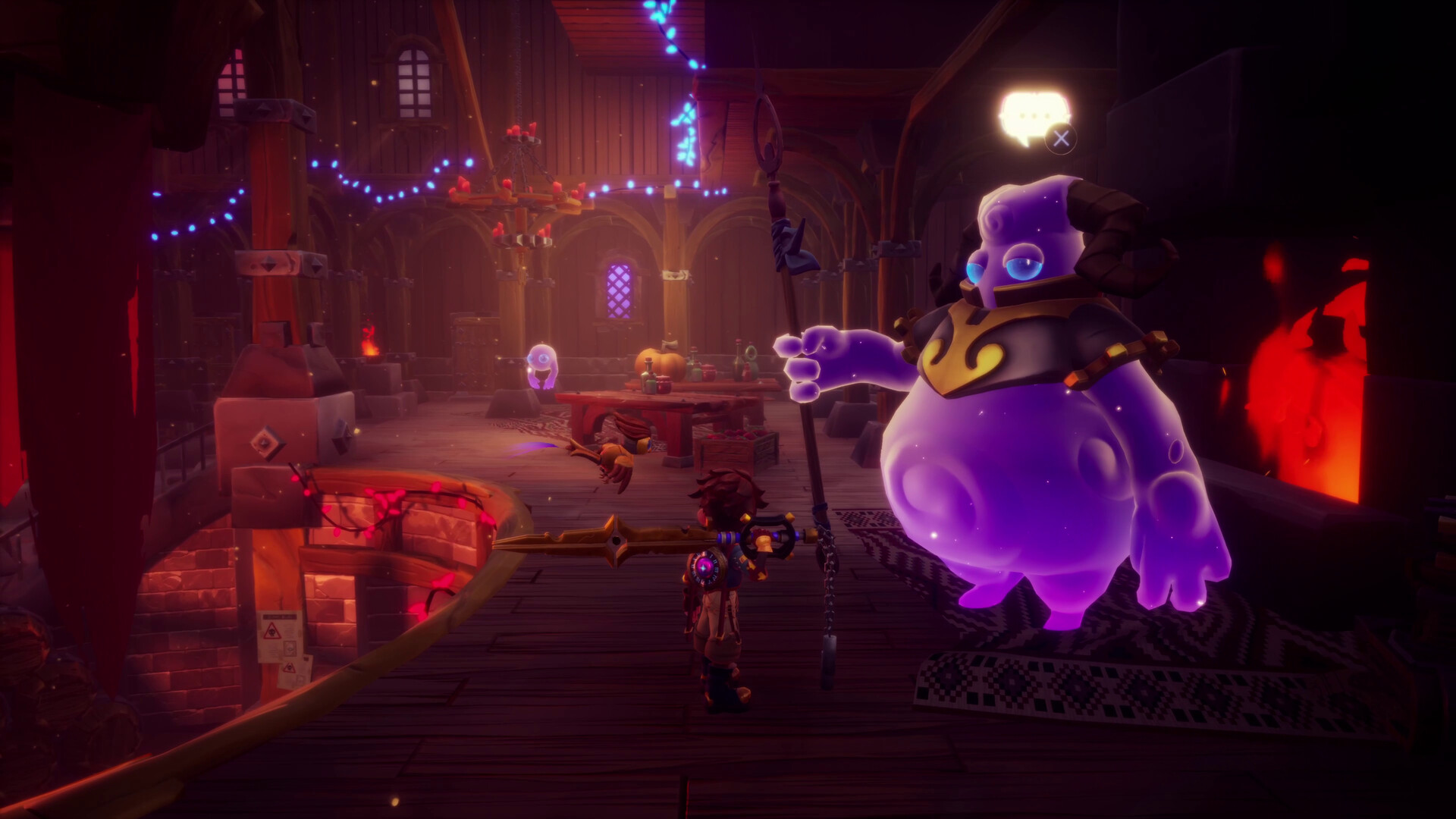
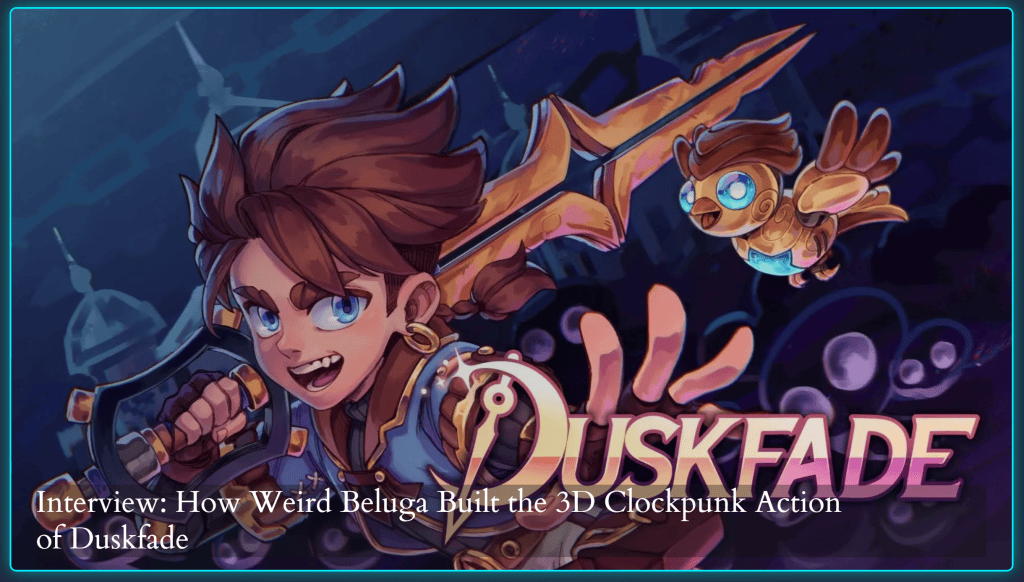
One pleasant surprise is Coocky, your mechanical bird companion. Coocky actively participates in combat and becomes increasingly useful as new abilities are unlocked. It adds another layer to battles without becoming overwhelming, making the partnership feel meaningful from beginning to end.
Platforming rarely stops evolving
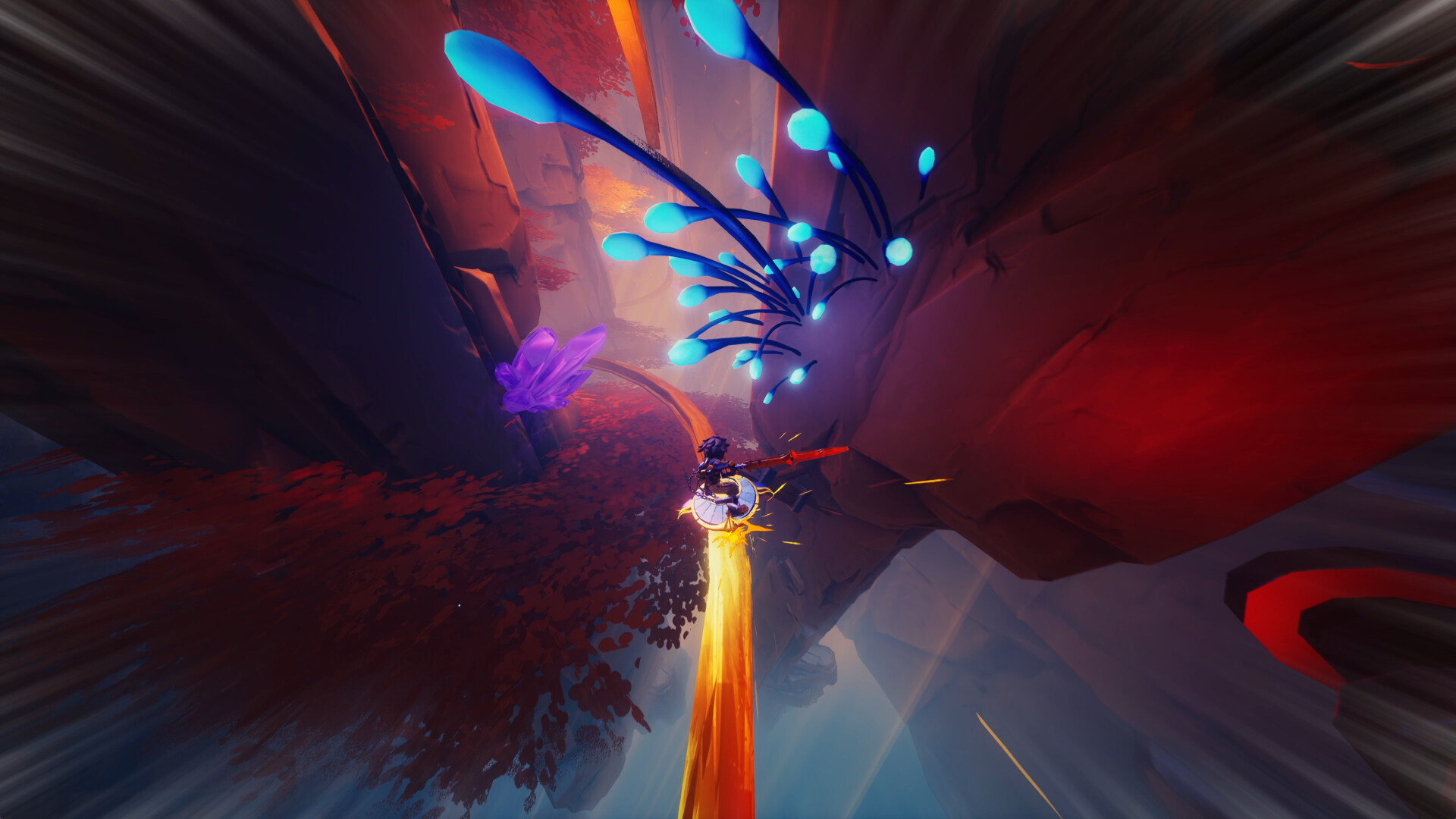
Every area introduces fresh traversal ideas, gradually expanding on your abilities while mixing in environmental hazards, moving platforms, dangerous machinery, and ranged attacks from hostile machines. The result is a steady stream of platforming challenges that continue introducing new twists without becoming repetitive.
Some obstacle courses are cleverly designed, forcing quick decisions while juggling several mechanics at once. Just when we thought we’d mastered one idea, the game found another interesting way to build upon it.
The only frustration came from a technical issue. Twice during platforming sections we became wedged between environmental objects with no way of escaping. Restarting from the checkpoint meant losing a noticeable amount of progress, which was frustrating given how enjoyable the surrounding gameplay had been. Thankfully, it only happened twice during our playthrough, but they’re the kind of bugs that can quickly sour an otherwise excellent sequence.
A world we’ll happily return to
Duskfade’s greatest strength is its sense of wonder. Every new location feels distinct, every area introduces fresh traversal mechanics or enemy types, and exploration remains exciting because there’s always another hidden path waiting to be discovered. Even when the writing stumbles or some combat abilities lack visual impact, those shortcomings become easy to overlook once you’re crossing another breathtaking landscape or uncovering yet another secret tucked away off the beaten path.
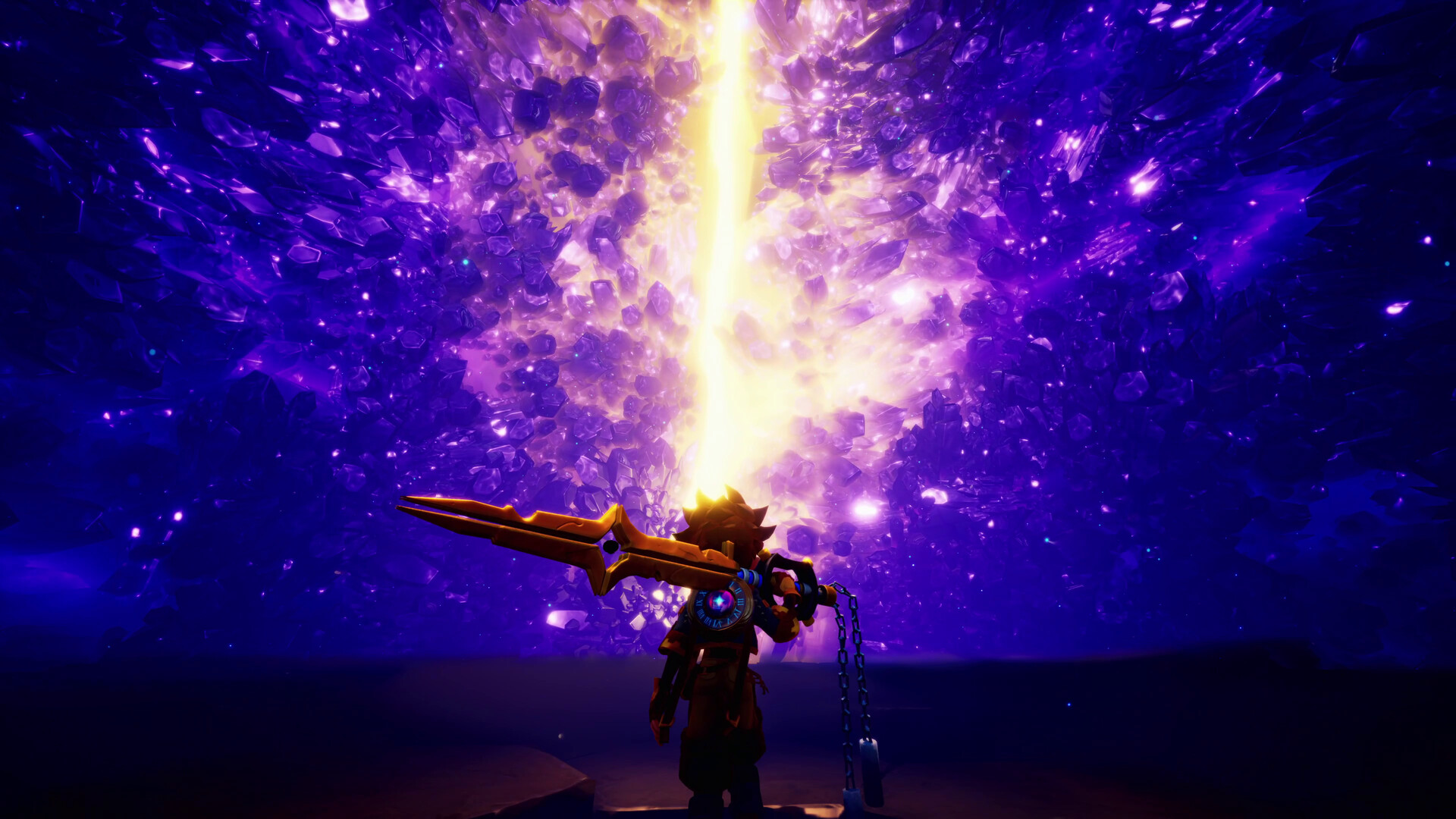
It also knows exactly what kind of game it wants to be. Rather than rushing players from one objective to the next, it encourages slowing down, wandering off the main path, and enjoying the journey. By the time the credits rolled, we weren’t thinking about its occasional flaws—we were already wondering what hidden corner we might have missed.
9/10 – Amazing!
We spoke with the Weird Beluga team about leaving their top-down habits behind, designing a mechanical bird companion, and the hidden tricks needed to make a 3D platformer feel just right. If you’d like to find out more about how the game was made, please check our interview as well!


Leave a comment