

We have a strange love/hate relationship with games like Genshin Impact. We love the vibrant worlds, memorable casts, satisfying combat, and the simple joy of wandering off the beaten path just to see what’s over the next hill. What we don’t love are the gacha mechanics. After spending more than 400 hours and far more money than we’d like to admit chasing characters and weapons, we eventually accepted that no matter how enjoyable those games can be, they always leave you feeling like you’re missing out, unless you’re willing to keep opening your wallet.
DragonSword: Awakening is a game that keeps everything we love and gets rid of the predatory monetization. Hound13 has made sure there are no random character pulls, no limited banners urging us to log in before time runs out, and no constant reminders to spend money. The game leans on its world, combat, and cast of characters to keep us invested. For the most part, that’s enough.
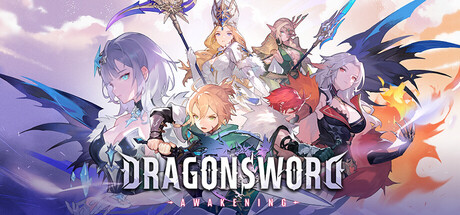
A Cast Worth Traveling With
The story follows Lute, a young traveler whose journey quickly becomes much bigger than expected after crossing paths with a lively group of mercenaries. The overall plot fits classic fantasy storytelling molds perfectly and doesn’t try anything new, but that’s not really where DragonSword shines. It’s the interactions between the characters that we found to be endearing, to the point that we enjoyed their company as much as they enjoyed each other’s. They tease each other, disagree, and slowly build genuine friendships as the story moves forward. By the time new faces join the party, it already feels like everyone has their own place within the group.
Combat That Never Gets Old
You don’t control a single hero from beginning to end. You’re encouraged to build a team and constantly switch between them during battle. Every hero feels distinct, not only because they wield different weapons, but because they move, attack, dodge, and use abilities in completely different ways. Some excel at overwhelming enemies with speed; others focus on heavy attacks or elemental effects. Learning how they complement one another becomes incredibly satisfying and the highlight of our experience.
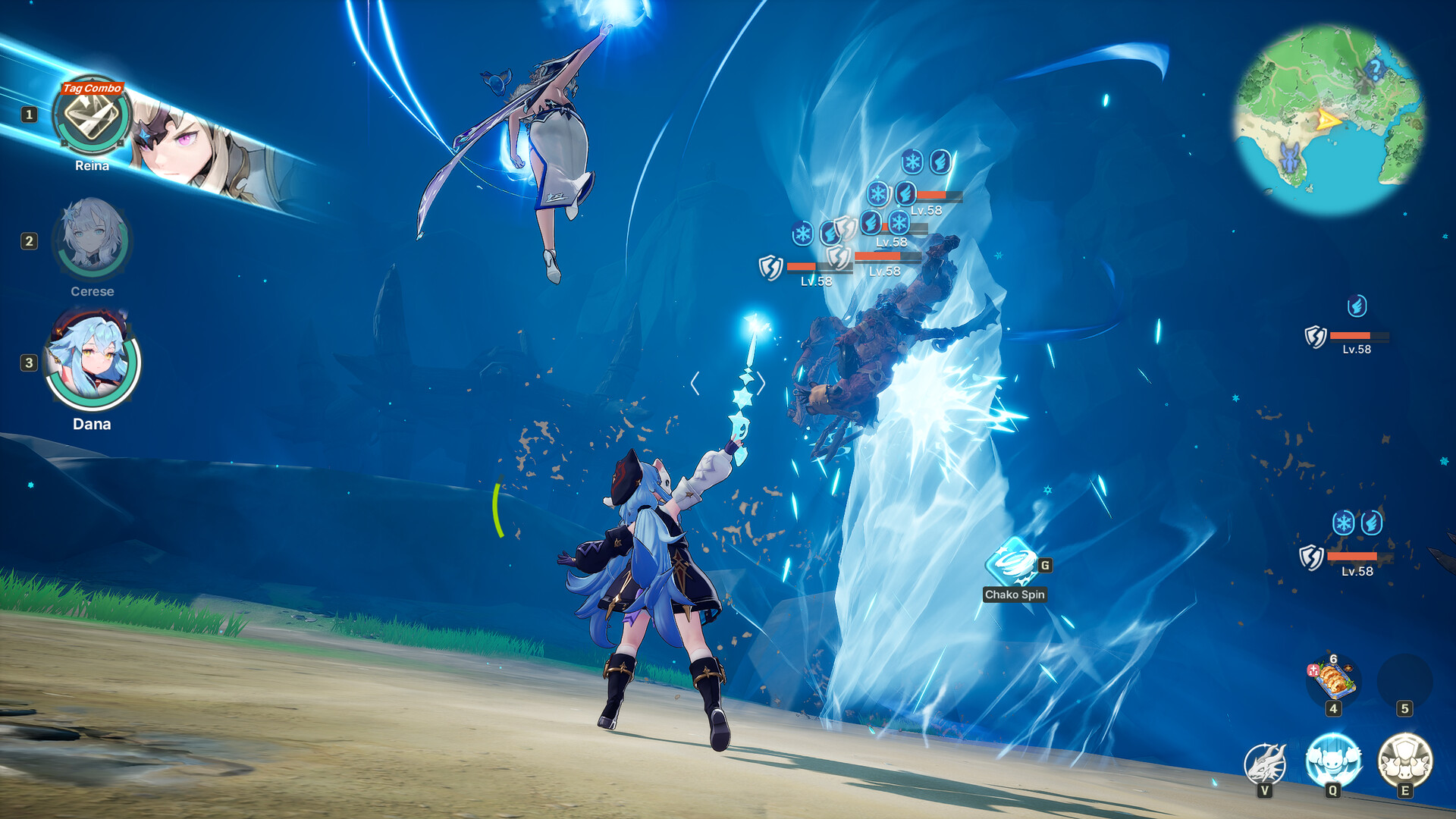
We spent far more time than expected swapping heroes simply to experiment. One moment we’d launch an enemy into the air with one character before immediately switching to another to continue the combo without letting them touch the ground. These transitions happen so smoothly that fights often resemble a carefully choreographed performance rather than frantic button mashing. It reminded us of watching professional wrestlers flawlessly tag each other into a match, each one picking up exactly where the previous one left off.
Certain attacks inflict elemental or status effects that can be chained together through powerful follow-up abilities. It’s a great motivation for those who think about team composition instead of relying on a single favorite character.
Every hit lands with enough force that we rarely questioned whether an attack connected. The anime presentation may be flashy, but nothing feels overly floaty or disconnected. Every dodge, parry, launch, and finishing strike contributes to a rhythm that quickly becomes addictive.
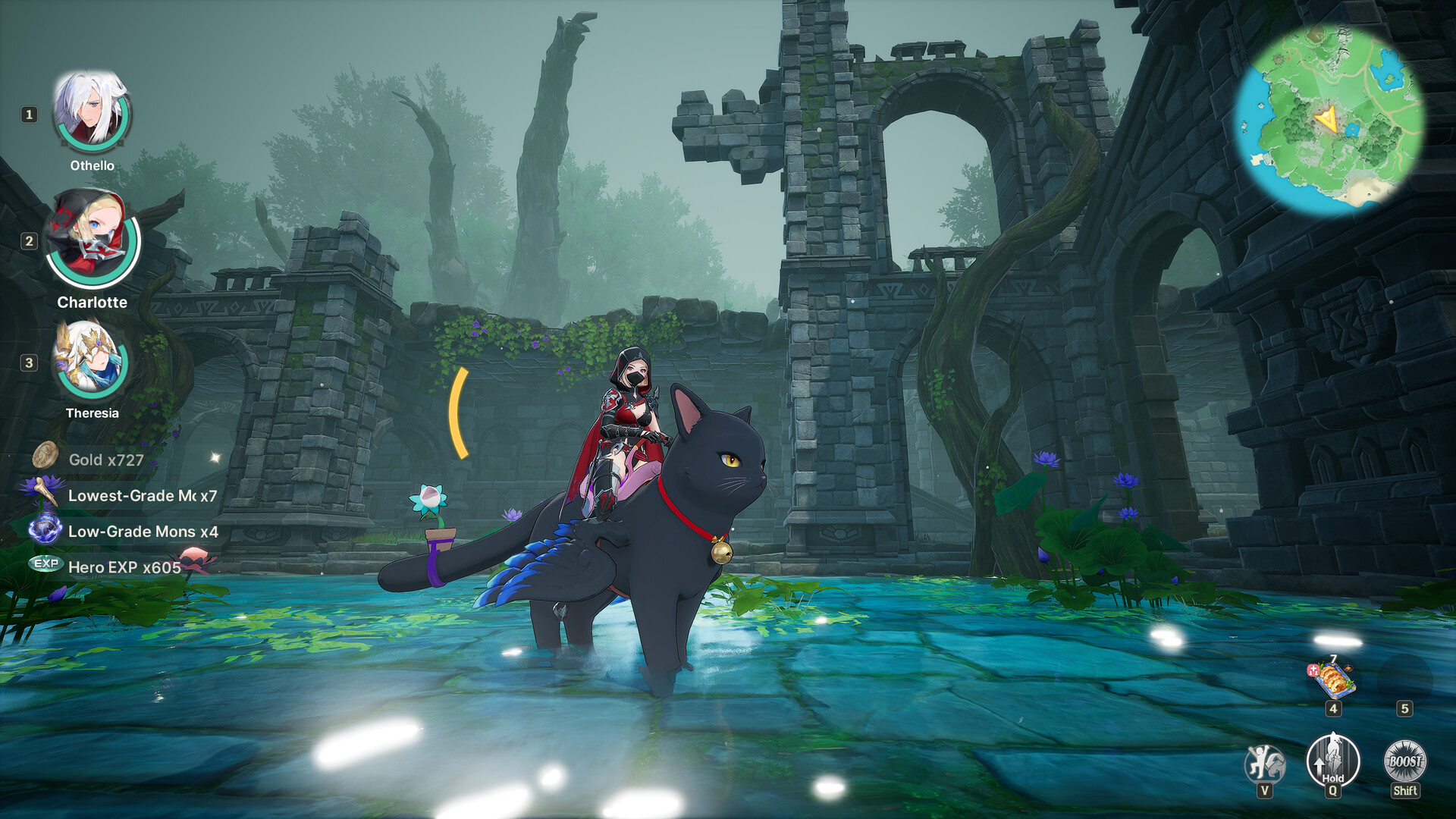
Rolling fields, dense forests, peaceful villages, caves tucked away behind cliffs, forgotten ruins, and underground passages constantly tempt you to wander off the main road. Whether on foot or on a mount, exploration rarely feels pointless. Speaking of mounts, they are a joy to ride and—much like combat—are designed for pure fluidity in motion.
Treasure chests are hidden with surprising creativity. We uncovered one buried beneath collapsed rocks, another carefully concealed by thick vegetation, and several that required climbing, swimming, or simply paying close attention to the environment instead of following quest markers. It’s an organic system that rewards curiosity in powerful ways. It reminded us why we enjoy open-world adventures in the first place.
And, of course, there’s gathering. We probably spent more time collecting flowers, herbs, mushrooms, and crafting materials than we’d ever admit publicly. It’s strangely relaxing. Every hillside seems to hide another ingredient worth picking up, whether for cooking or future crafting. Silly as it sounds, it was easy to forget about what quest we were supposed to be doing because we’d wandered off chasing another cluster of plants in the distance.
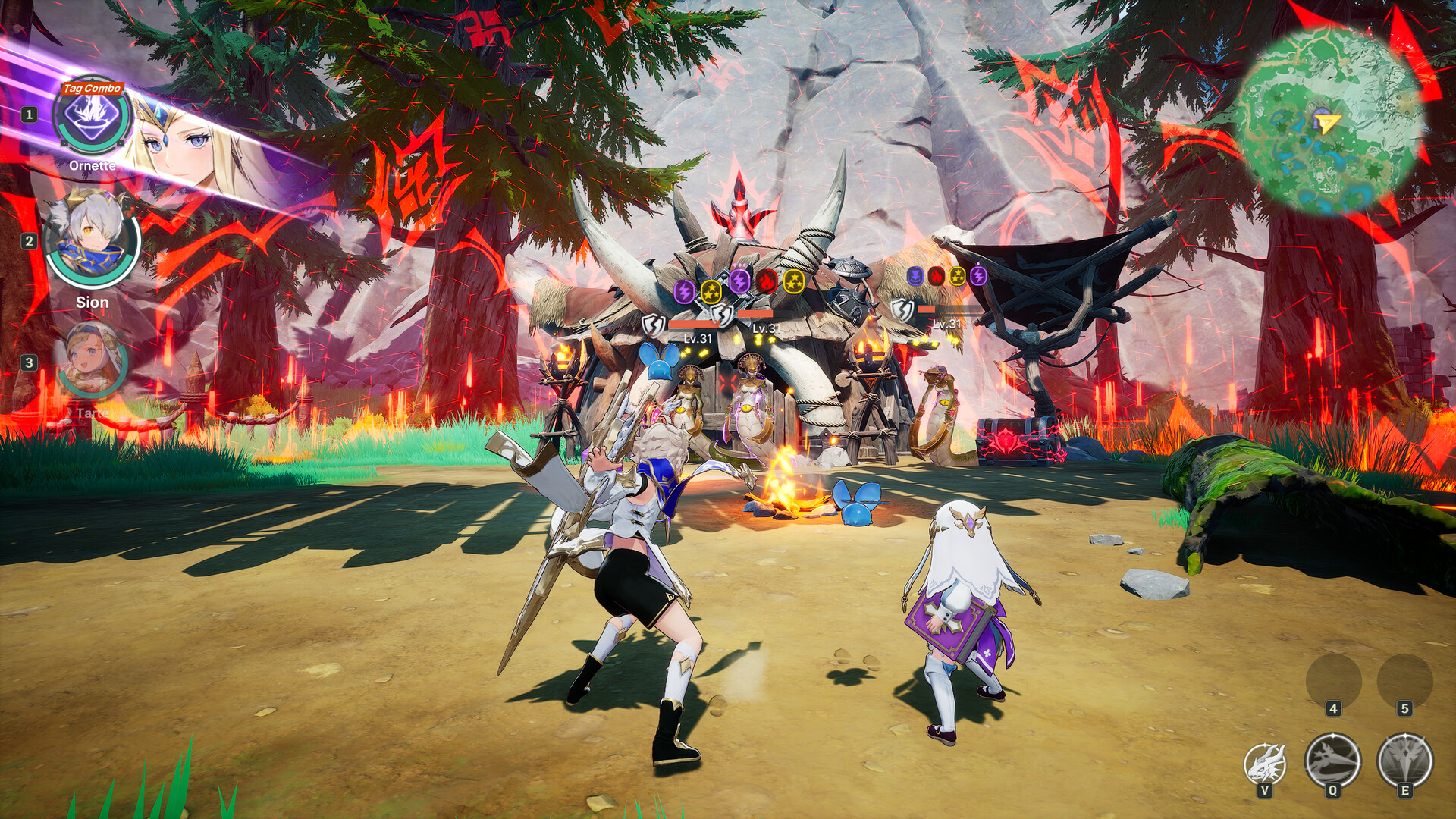
Small environmental interactions also help sell the illusion that the world exists beyond the player. During one fight, we carelessly shattered an explosive barrel, setting ourselves on fire in the process. Instead of waiting for the flames to disappear, we found ourselves desperately sprinting toward the nearest river to extinguish them. Moments like that aren’t revolutionary, but they make the world feel alive. NPCs contribute to that feeling, too. Whether it’s helping villagers with everyday problems, meeting eccentric companions, or simply overhearing conversations while passing through towns, Orbis rarely feels empty. Even minor characters seem to have their own personalities instead of acting like quest dispensers.
Voice acting is available only in Korean, but that’s hardly a drawback. In fact, it fits the art style perfectly. The party conversations are adorable and work because the actors sound like they’re genuinely enjoying each other’s company.This is paired with an excellent orchestral soundtrack that shifts naturally between peaceful exploration and high-energy battles.
If we have one criticism, it’s that the story rang some déjà vu bells and we were able to guess where things were going. In addition, some side activities can blend together and become repetitive if you’re determined to clear absolutely everything. Players looking for a darker or more mature narrative may also find its optimistic tone a little too light. Even so, those minor issues—if you can even call them that—didn’t bother us enough to stop us from enjoying the game.
10/10 – Amazing Game!
After years of watching open-world anime RPGs lean harder and harder into gacha mechanics, it was refreshing to play one that simply trusted its world and combat to keep us around. DragonSword: Awakening is a game that reminded us why we fell in love with the genre in the first place.
We hope this review gives you a clearer picture of what to expect in DragonSword: Awakening. While we have you here, please check out our exclusive Dev & Play Media interview with the team at Hound13, where they talk about moving away from the live-service model and the process of bringing the world of Orbis to life.


Leave a comment