
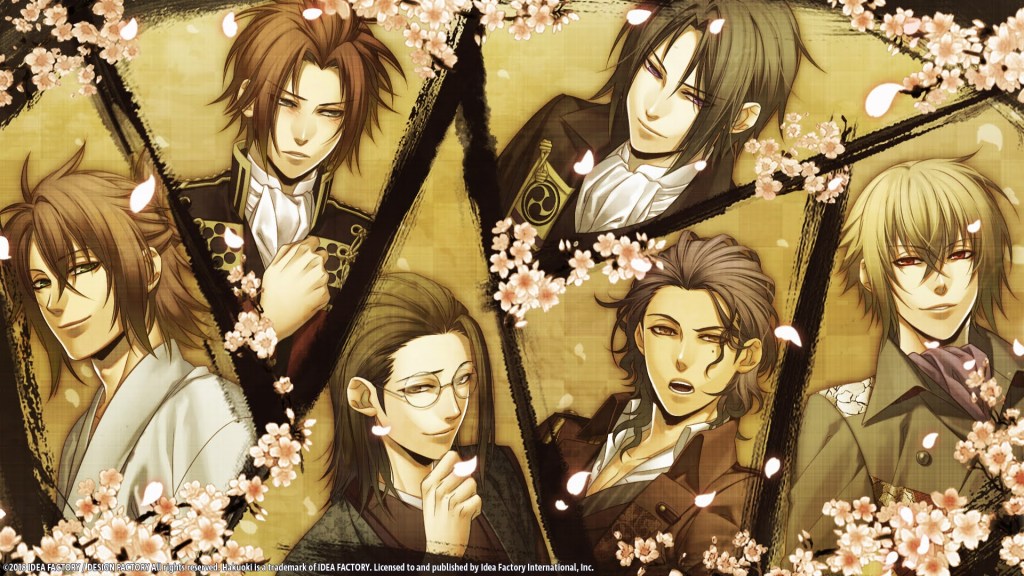
Since we never experienced the first game, starting Edo Blossoms felt a bit like walking into a movie theater an hour late—to a movie that wasn’t what we initially expected. Little did we know that this is literally just the second half of a story. If you haven’t played the prequel, Kyoto Winds, then you are pretty much sailing in uncharted waters, wondering what has transpired before.
Edo Blossoms doesn’t really worry about you feeling lost; we didn’t find any recaps or dialogue nudges to catch us up. It just drops us straight into the Bakumatsu period and throws everything our way. So, before even thinking of jumping into this massive world, we highly recommend checking out that prequel first.
Once you do your due diligence, Edo Blossoms opens up into a memorable visual novel full of samurai romance and heavy historical tragedy. Of course, we experience all of this through reading. There is a ton of intense reading ahead of us, so, you might as well brace yourselves for a reading marathon while you’re at it.
Reading Between the Bloodstains
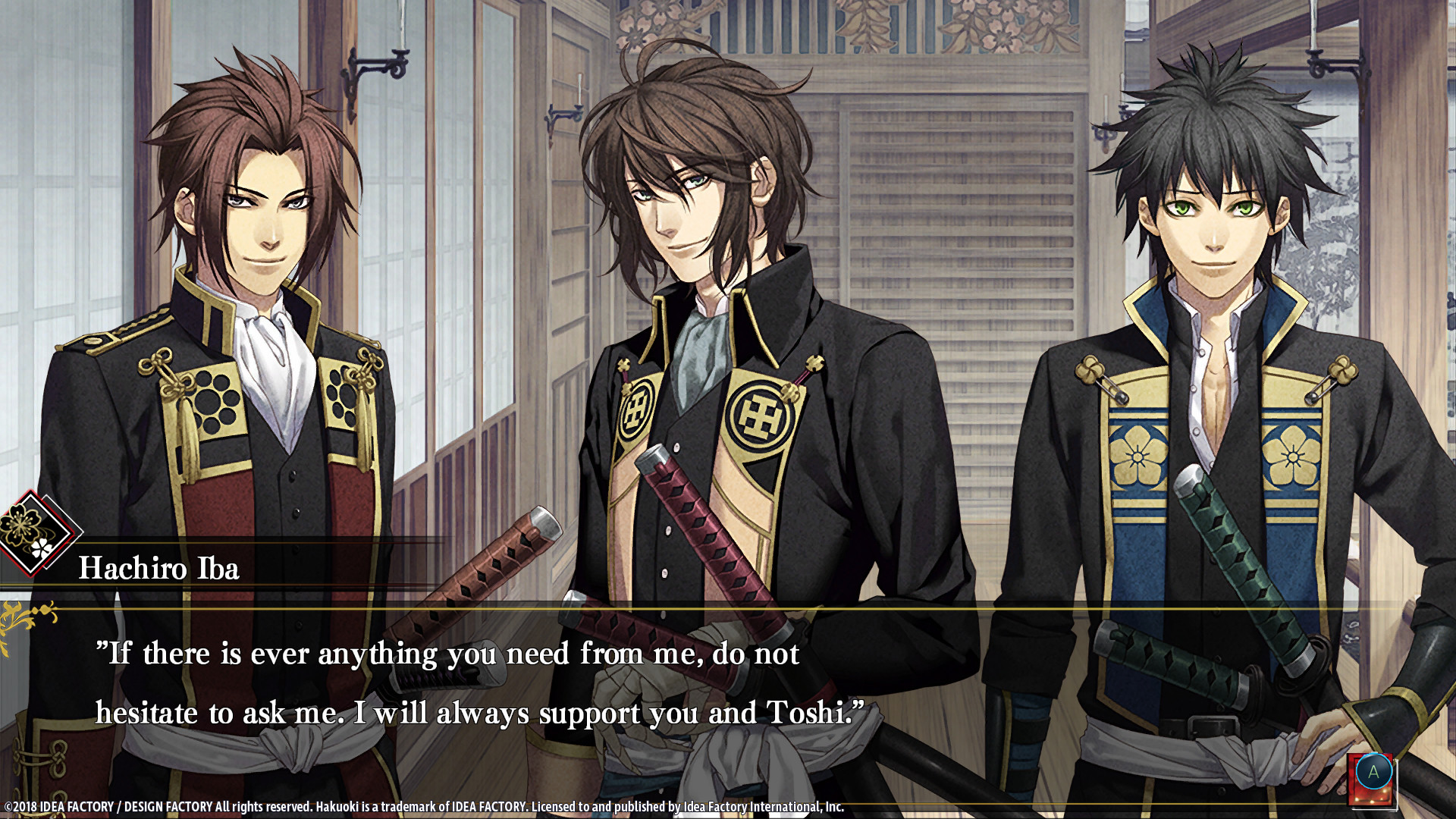
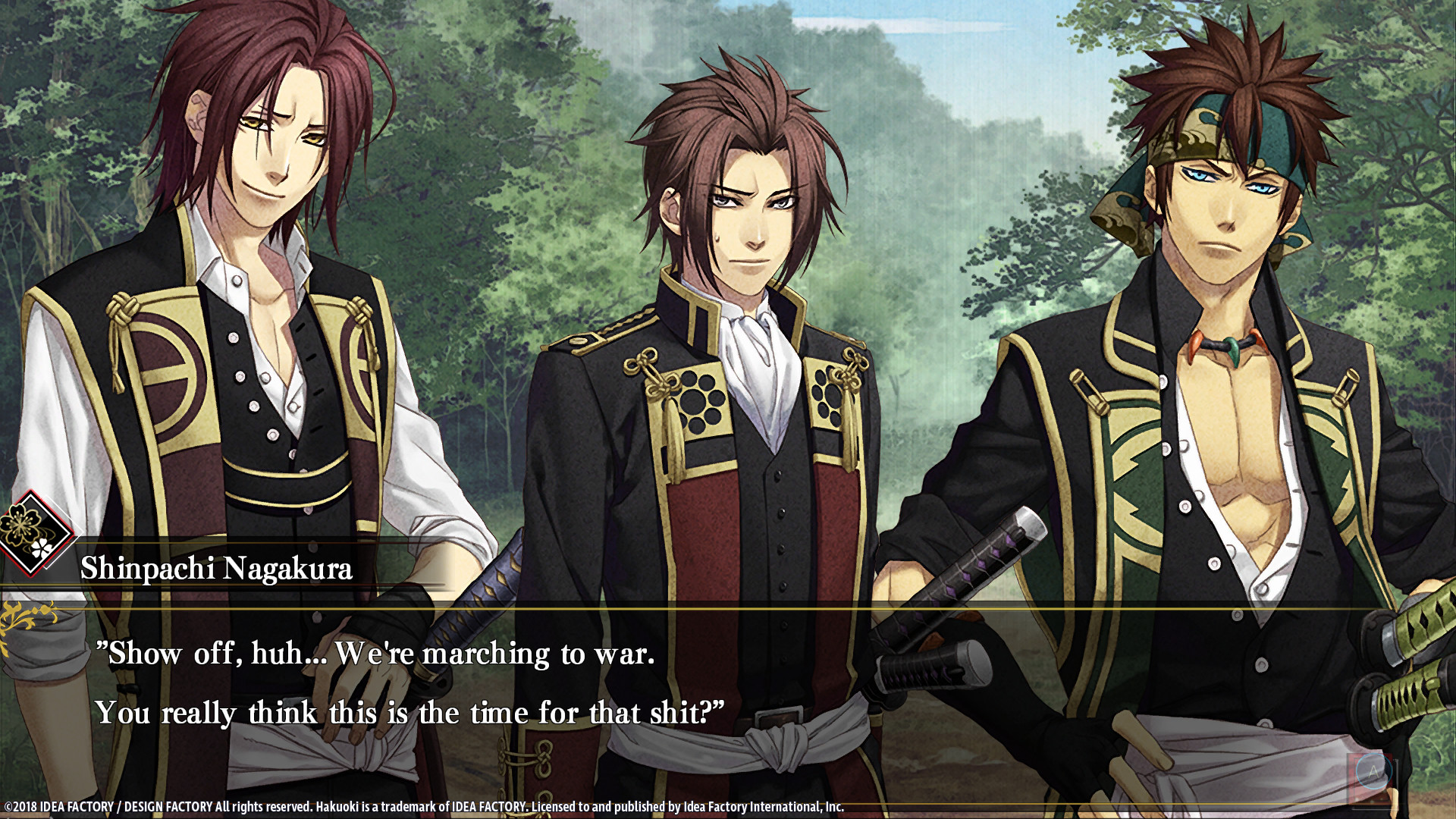
Edo Blossoms is a visual novel in the most traditional sense. We spent our time reading text, looking at pretty static artwork, and picking dialogue choices. We wished the characters were a bit more animated. It is a nice touch that they blink or move their mouths every once in a while—it does help the screen feel more alive—but we wished they showed more life than that. As it stands, the action is all in the text and in our imagination.
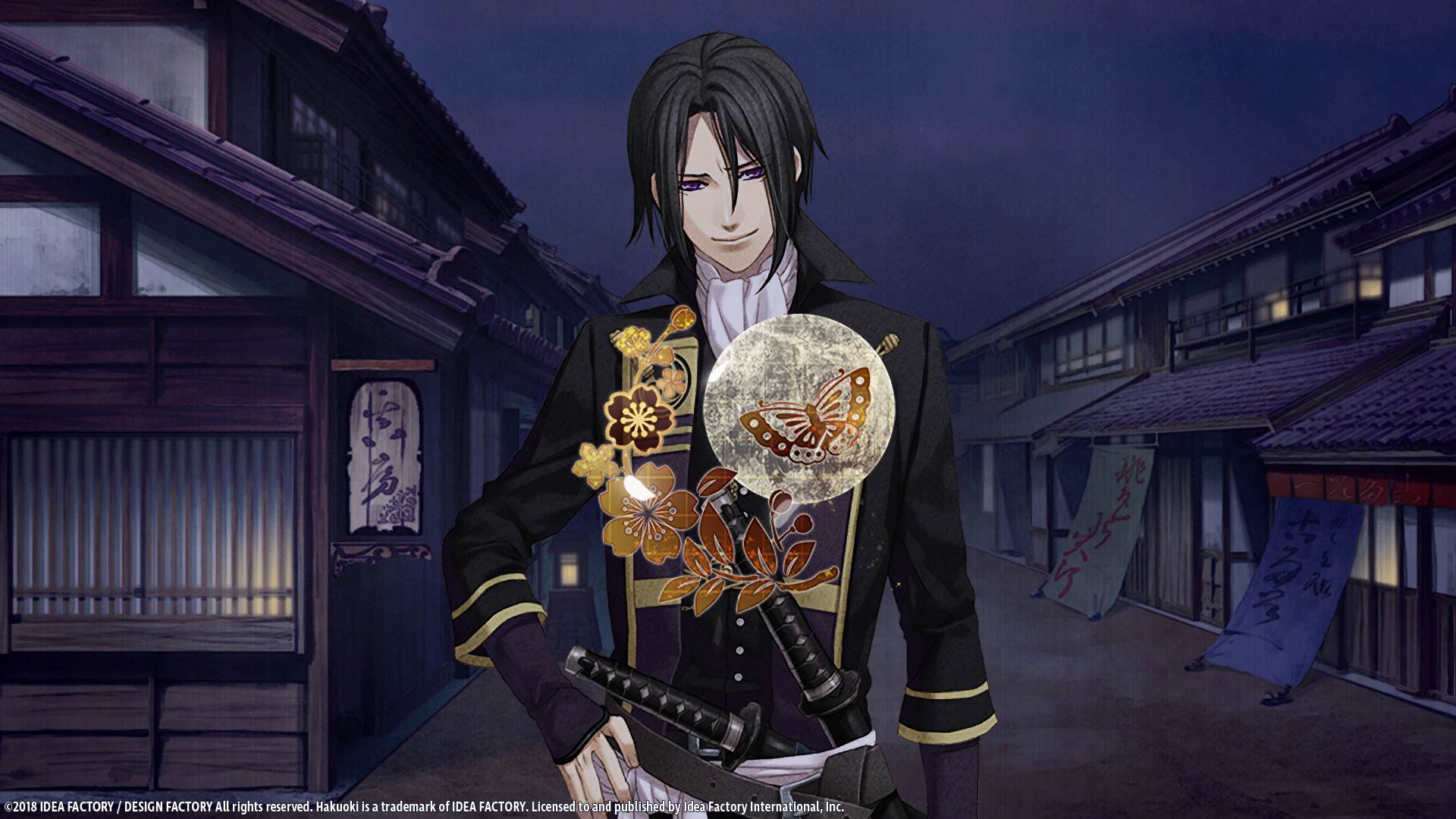
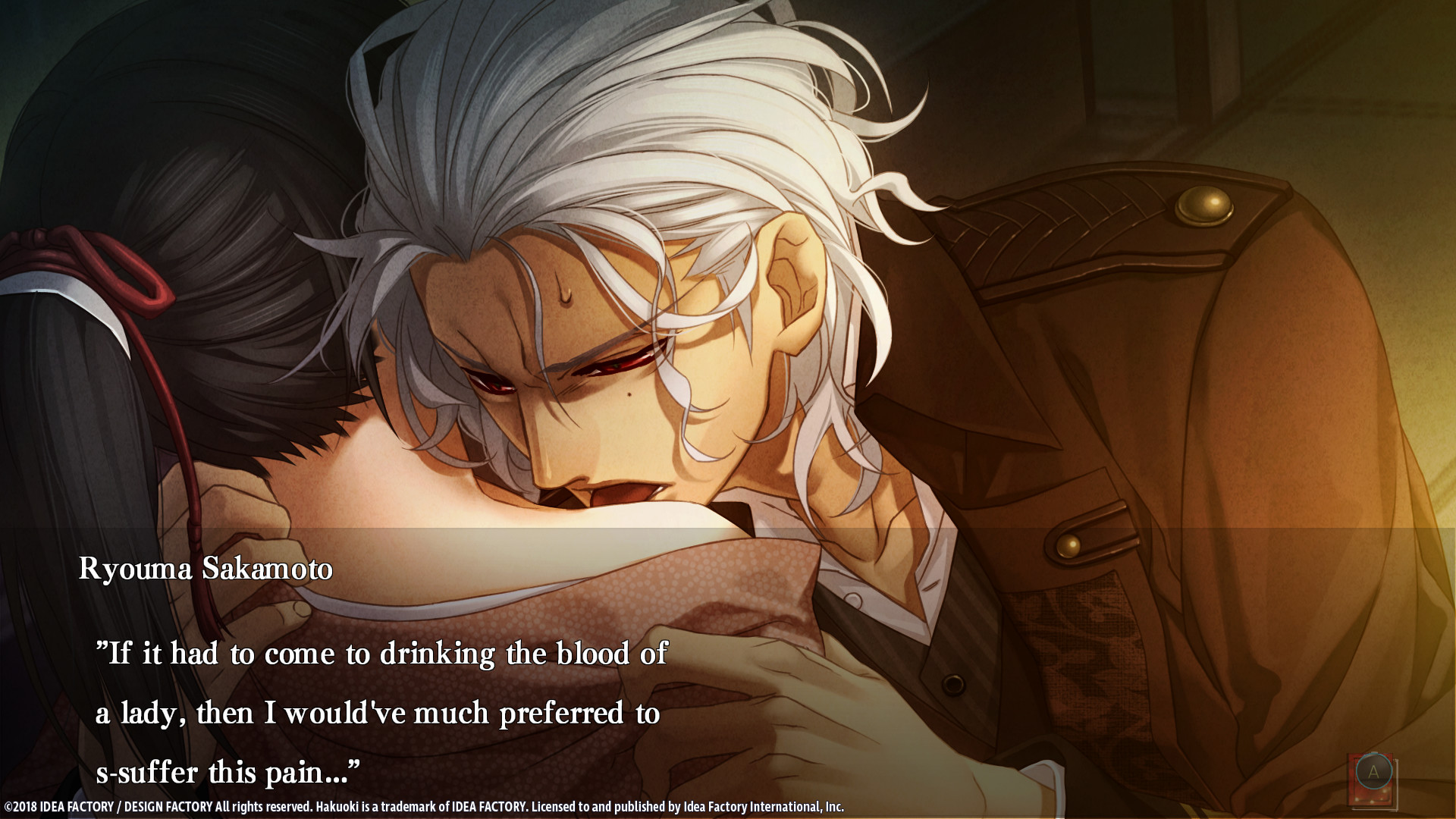
Aside from reading, we have to manage various meters, balancing “Romance points” against “Corruption points.” These points tie neatly into the game’s Fury mechanic, a dark, vampire-like curse that infects the cast. You have to be careful with the dialogue choices. We learned the hard way that picking the wrong options might cause our favorite character to be consumed by bloodlust. It is hard to deal with a bad ending, especially when we have become emotionally invested. The choices are tense, the consequences are dire, and they will catch us off guard.
The original Hakuoki came out way back in 2008 on the PS2. Since then, we have seen it ported and remade many times. Edo Blossoms is part of the Shinkai remake project. The devs added a bunch of new content, which is great, but, as we mentioned, they also split the story in half.
A Heartbreaking Read, With A Catch
Edo Blossoms gave us exactly what we hoped for: samurai drama, heartbreak, and plenty of vampires. In case it wasn’t obvious, vampires never stopped being cool to us, and they are handled in a very memorable way here. It was a gripping read with an impressive set of branching paths and a mind-boggling 12 endings.
The only real sticking point for us is the structure. We don’t think this game can be played by itself; it actually pushed us to stop, go play the first part, and then come back. You really need to experience Kyoto Winds first. We loved the story, but we still don’t quite understand the choice to slice a classic game into two separate releases.
ID Card
- Developer: Design Factory / Otomate
- Publisher: Idea Factory International
- Platforms: PC (Steam), PS Vita, PS4, Nintendo Switch
- Release Date: Spring 2018 (Western release)
- Genre: Otome Visual Novel

Leave a comment