
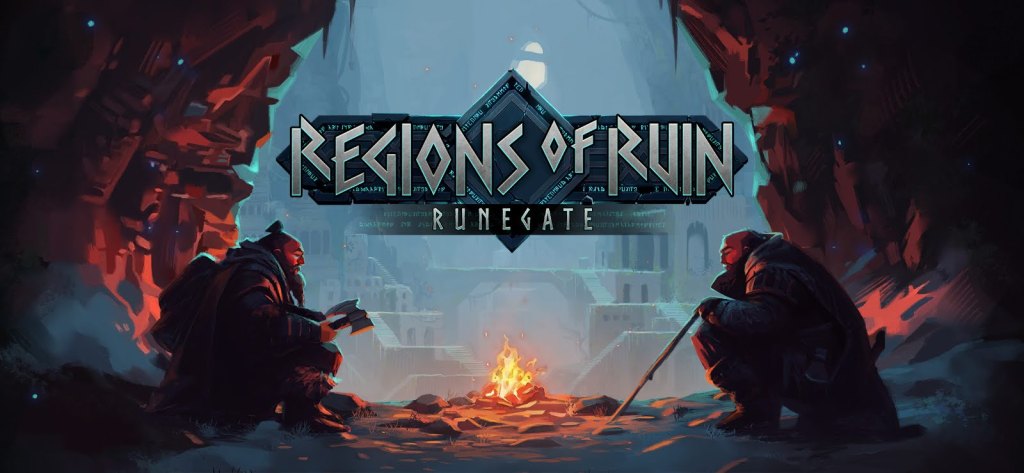
We’re not sure if we’re a hero or just a middle manager with a sword. In Regions of Ruin: Runegate, you’re basically bleeding food to keep a settlement alive. It sometimes feel as exhausting as it is ambitious. It’s a sprawling loop of side-scrolling combat and town management that somehow makes “grinding for apples” feel like a matter of life and death.
Dig in
Apple-based map exploration where food dictates how far you can travel and reveal the overworld. To be fair, it makes a lot of sense.
Stamina-based combat featuring four distinct skill tree branches and enemies that actively adapt to your fighting style. No button mashing here.
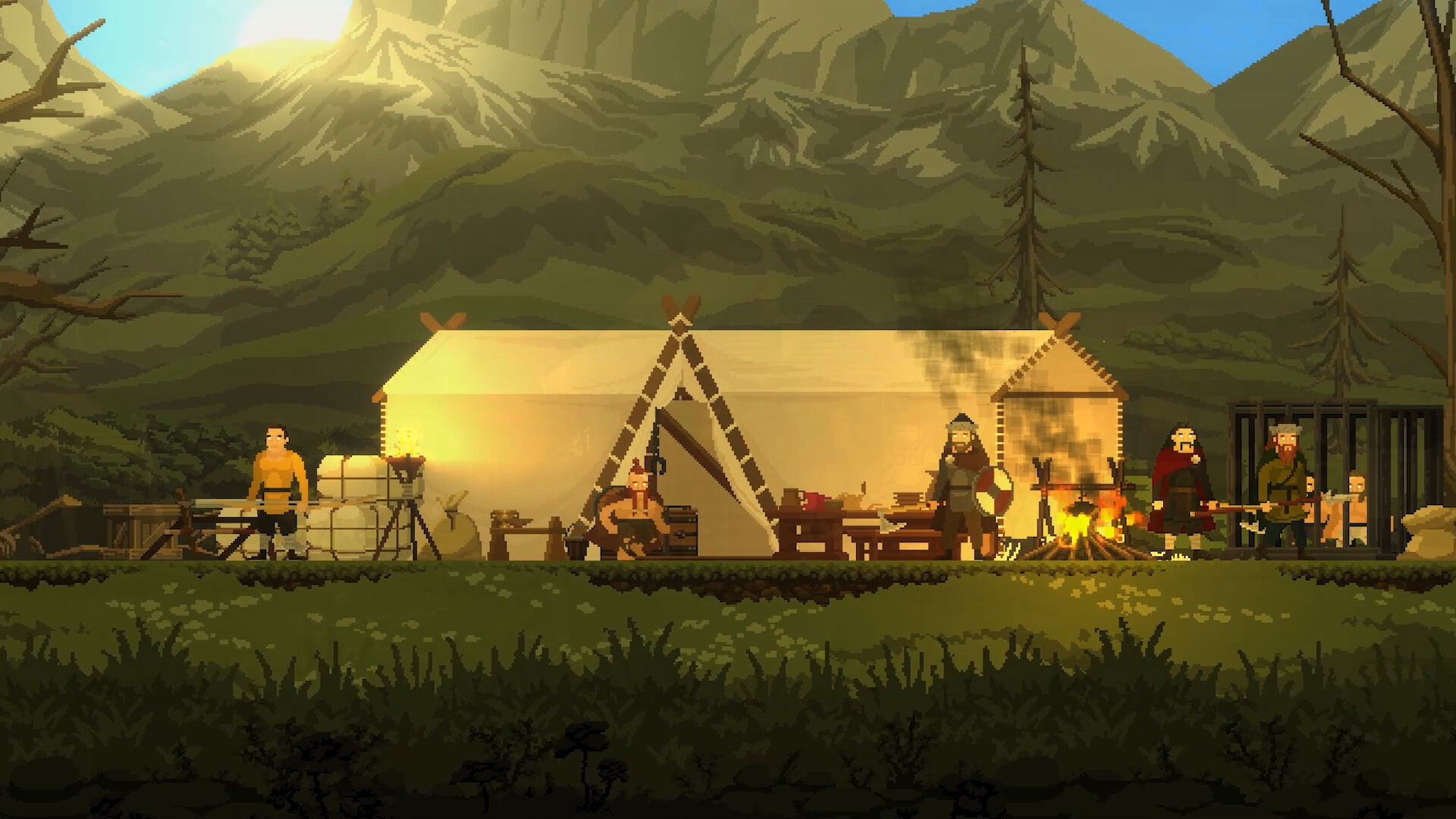
Rivenbrook Keep management, allowing players to assign rescued NPCs to automate resource gathering.
The Apple Economy
The “Apple Economy” is the real final boss here. Food is your fuel; without it, the fog of war on the map stays put. You head into a zone, clear out some greenskins, solve a rune puzzle, and strip the land of every scrap of wood and stone you can find.
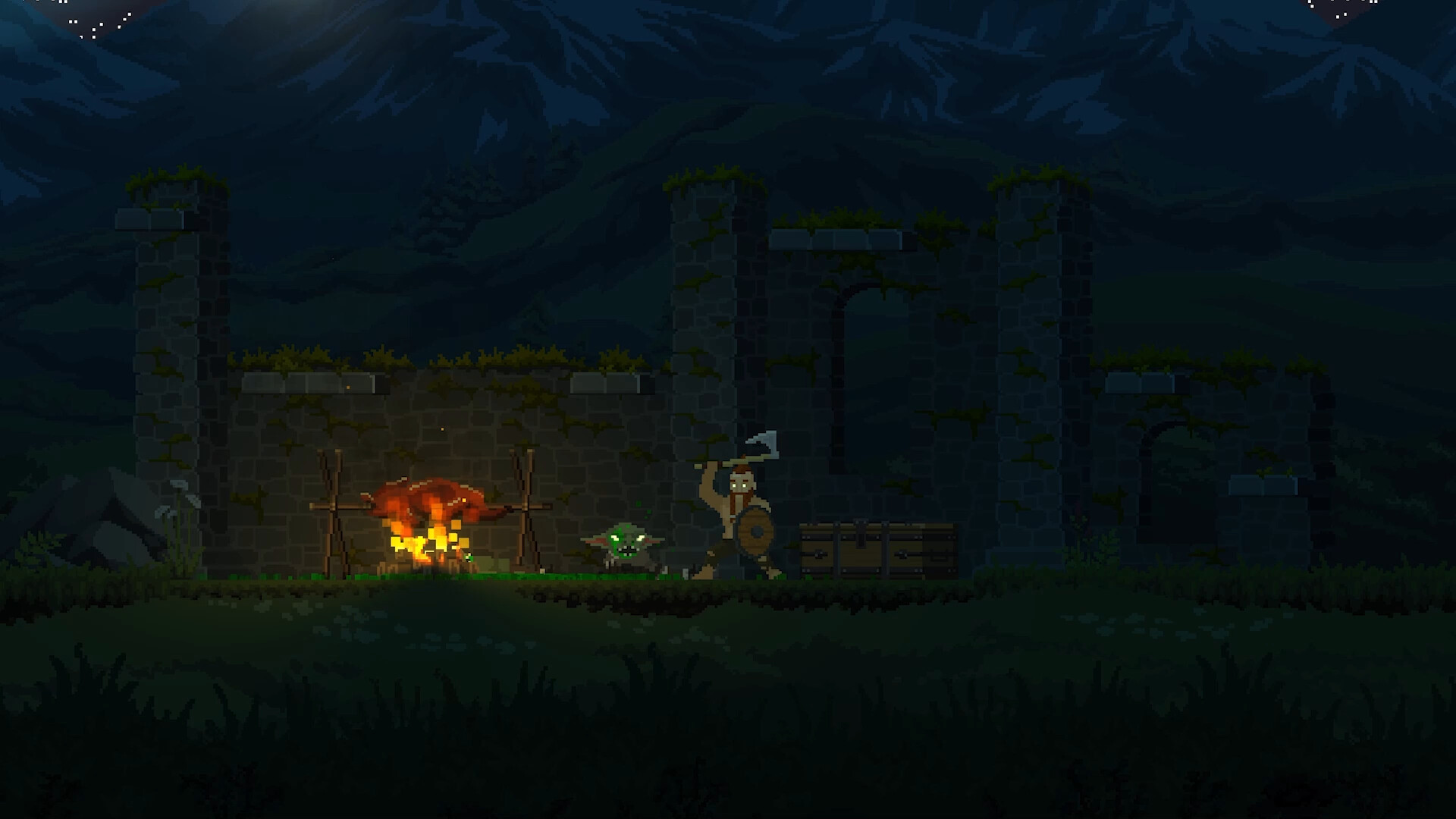
The combat actually surprised us. It’s not just a button-masher; there’s a rigid stamina bar that demands respect. We found ourselves leaning into a tank build—shield in hand, timing bashes through goblin swarms—but the skill tree is wide enough that you could easily play it as a glass-cannon rogue or a kiting crossbowman. The enemies actually react to what you’re doing, so you can’t just turn your brain off.
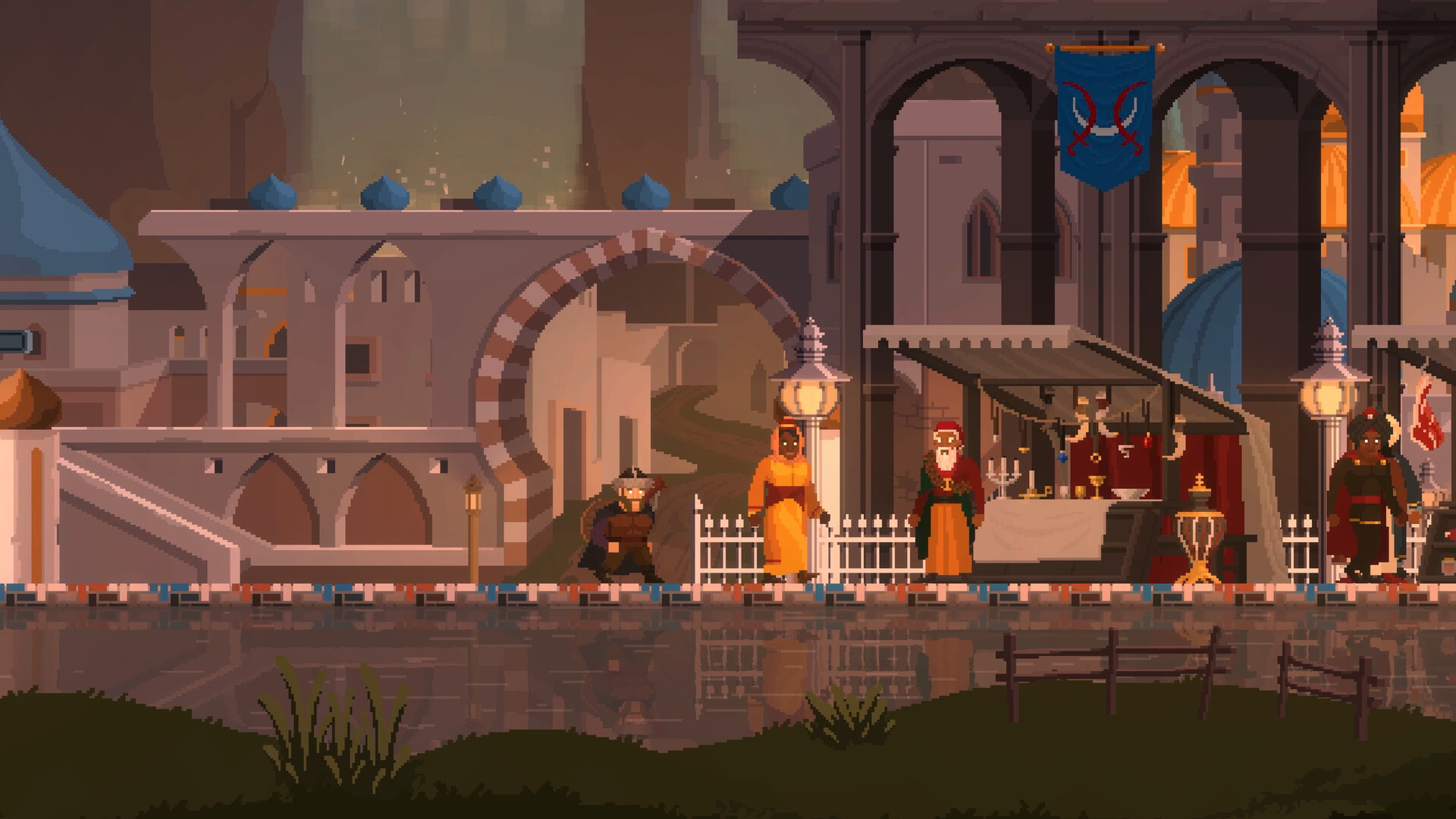
The “hook” gets deep once you start rescuing dwarves. Sending them back to Rivenbrook Keep to automate the fishing and mining is when the game finally clicks. It’s incredibly rewarding to watch your hub grow, even if the “manual labor” phase lasts a bit too long.
Rough Edges and Growing Pains
Gameclaw Studio dropped the original Regions of Ruin way back in 2018. It was a quirky sleeper hit that gained a cult following by mashing up side-scrolling combat with Kingdom-style settlement management.
With Runegate, Gameclaw dug deeper.
Operating as a small two-person indie team backed by publisher Raw Fury, they even integrated mod.io and built a feature that lets players create and share their own custom campaigns, which is a massive playground for the modding community.
Clunky Jumps and Day 1 DLC
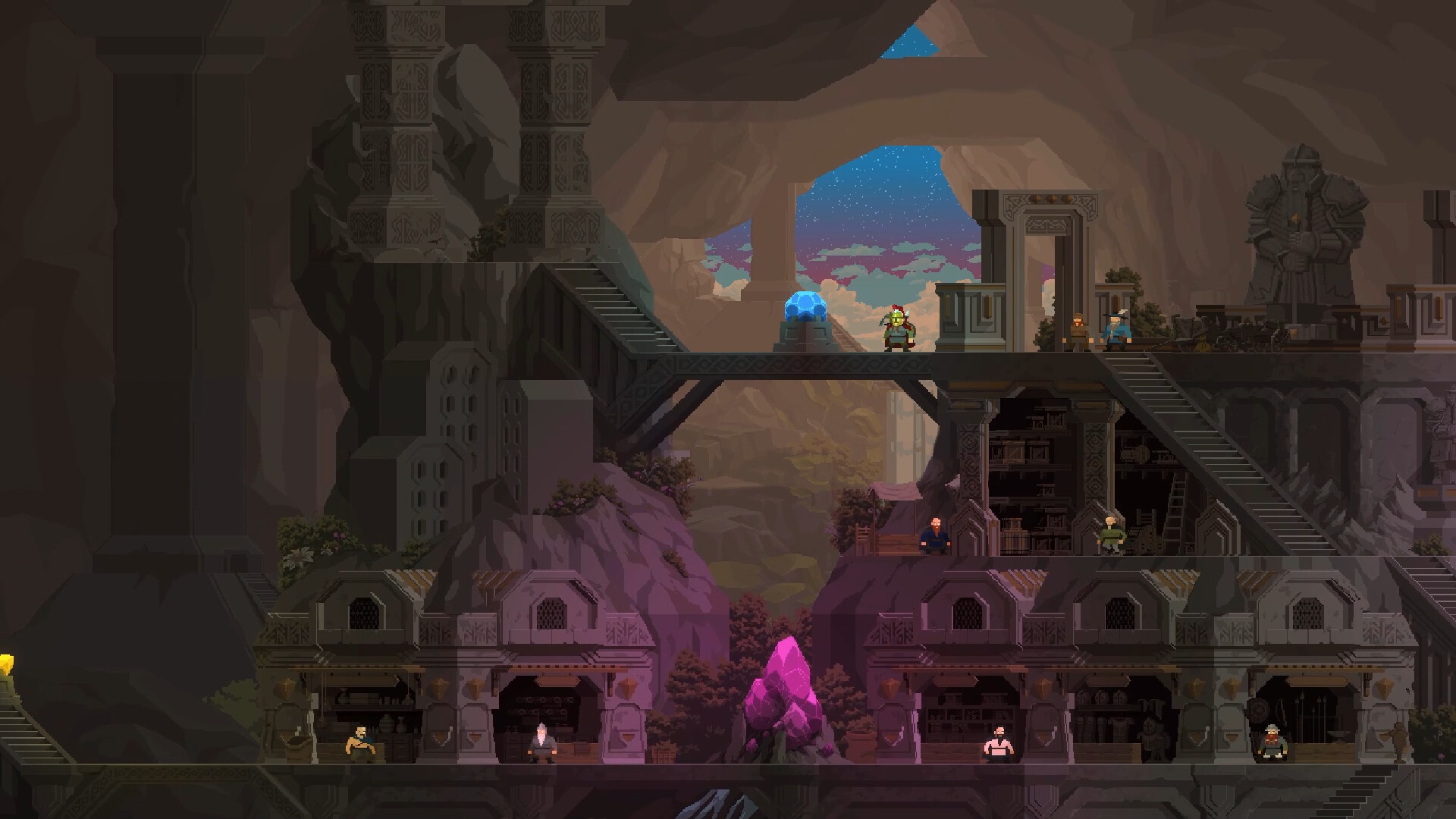
Because you rely so heavily on town management, facility upgrades, and skill trees, you spend a massive chunk of time wrestling with menus. It can feel deeply clunky. There is currently no easy way to track the materials you need for a building out in the wild without physically traveling all the way back to town to check the signpost. It can also be easy to lose track of the enemies you are fighting against the detailed background environments.
Then there is the monetization. Gameclaw dropped a $3.99 “Merchant” DLC on Day 1. It injects a vendor selling five quirky, game-altering items—like the Axe of Midas that forces enemies to drop gold, or a shield that enrages attackers—right into your hub. The community is already groaning on the forums about why this wasn’t just included in the base game.
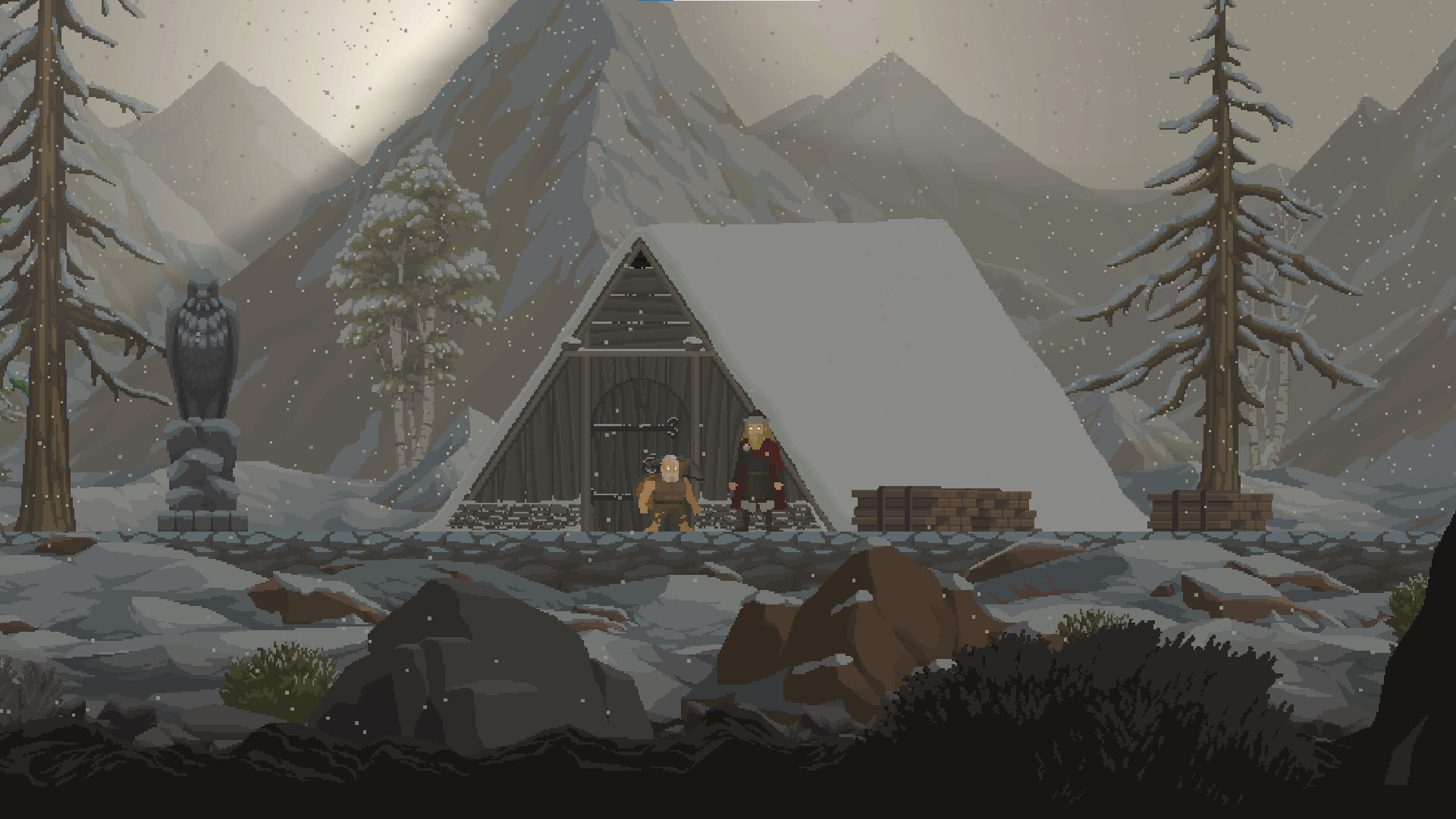
We also have to mention the platforming. The game features various rune puzzles that require precise jumping, but the physics are erratic. Sometimes it’s completely unclear where it’s safe to jump, and you will occasionally just fall through the floor without warning.
The Final Tab
Regions of Ruin: Runegate is a blue-collar RPG. It demands patience. It requires you to enjoy the slow, methodical act of rebuilding a society from scratch.
Narrative (6/10) The runegate mystery is functional. It gives you a basic reason to travel to new biomes. We were not big fans of the actual dialogue, which is completely secondary to the economy.
Gameplay Mechanics (8/10) The automated town-building loop is fantastic. The sheer variety of builds—from stealth rogue to heavy tank—makes the 2D combat highly engaging, even when platforming gets sloppy.
Audio (6/10) Standard fantasy synth and heavy clanks. The sound design effectively communicates when your stamina drops or a heavy attack connects.
Graphics (8/10) The parallax scrolling and dynamic weather inject a ton of moody atmosphere into the 2D pixel art. It looks brilliant, even if the jump animations are incredibly stiff.
Overall Score (7/10) A deeply ambitious, grind-heavy time killer. It successfully forces a deep RPG skill system into a beautiful, flawed 2D base-builder.
ID Card
- Developer: Gameclaw Studio
- Publisher: Raw Fury
- Engine: Unity
- Platforms: PC, Mac
- Genre: 2D Action-RPG / Base Builder

Leave a Reply